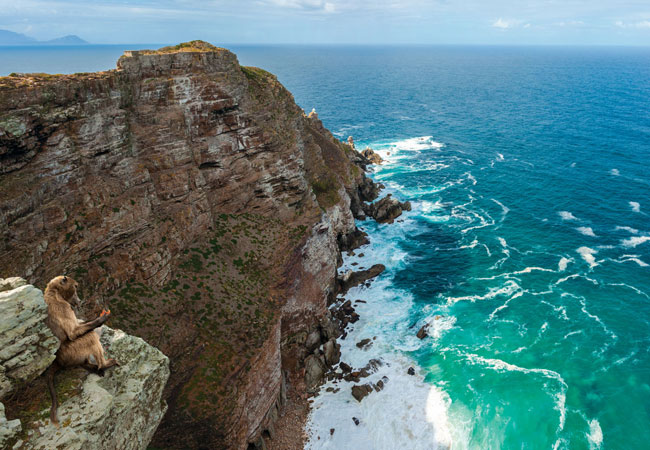
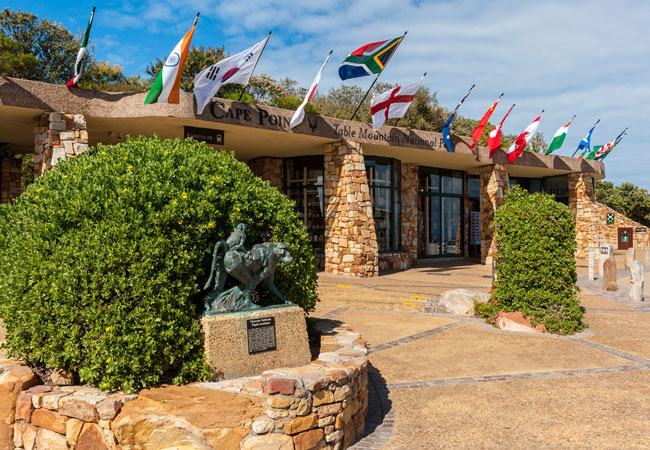
About Cape Point
Bartholomeu Dias, the Portuguese seafarer, was the first to sail around Cape Town and the Cape (in 1488). On his return voyage, which must have been particularly stormy, Dias stopped at the south-western tip of South Africa, and named it Cabo Tormentoso, or Cape of Storms. King John of Portugal later gave it the name Cabo da Boa Esperança, or Cape of Good Hope. Another Portuguese explorer, Vasco da Gama, rounded the Cape on 22 November 1497 on his way to India.
Did you know? ‘Any Person caught rolling down the cliff will be prosecuted – by order Lighthouse Engineer' – So read the original sign nailed to the wooden boundary gate of the Cape Point Lighthouse. The lighthouse at Cape Point is the most powerful on the South African coast. It has a range of 63 kilometres, and beams out a group of three flashes of 10 million candlepower each, every 30 seconds.
The journeys of these explorers led to the establishment of the Cape sea route. This meant more regular sailings around the tip. It also indirectly to led to a number of casualties along these unpredictable shores. Today, shipwrecks and stone crosses bear testimony to the treacherous and challenging historic sea route.
Lighthouses
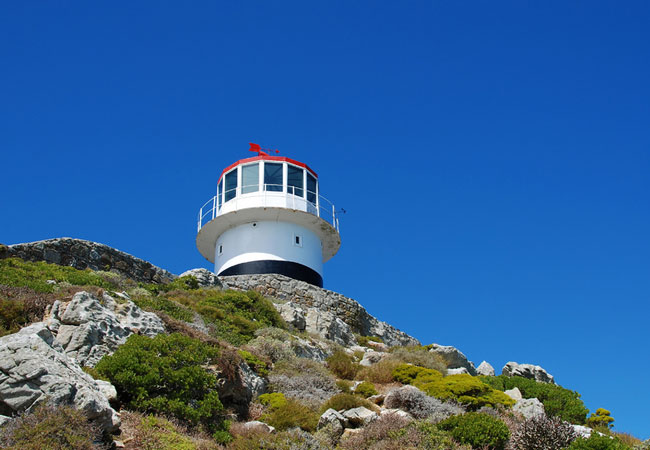
The lighthouse at Cape Point is the most powerful on the South African coast. It has a range of 63 kilometres, and beams out a group of three flashes of 10 million candlepower each, every 30 seconds. But, through history, mariners had taken a rather dimmer view of warning beacons around the Point.
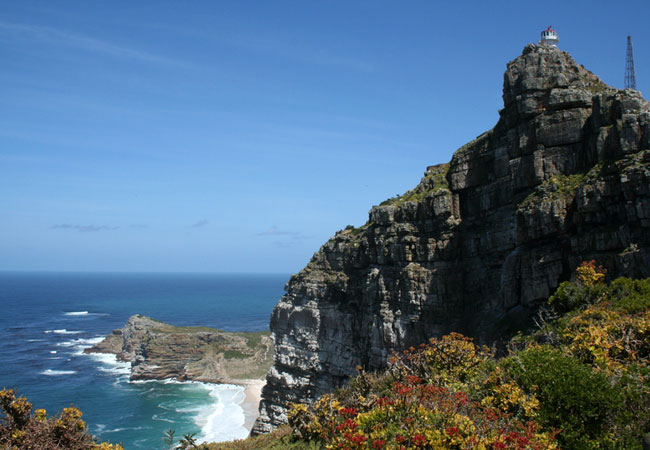
A lighthouse was built In 1857, on Cape Point Peak, 238 metres above sea level. The equipment for the lighthouse had been shipped from England. However, because of its high position, clouds and fog often obscured the lighthouse. In fact, for an alarming 900 hours per year on average, its light was invisible to ships at sea at a certain angle.
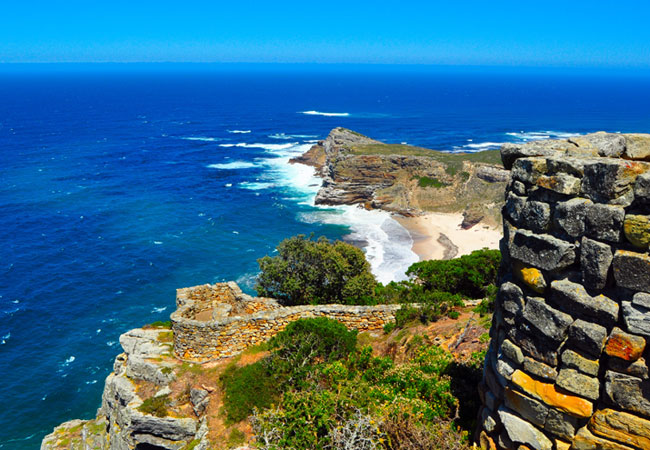
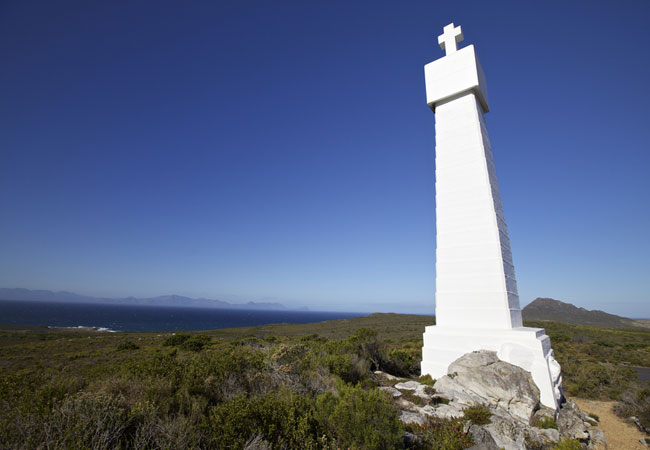
After the Portuguese liner Lusitania ran aground on 18 April 1911, the lighthouse was moved to its present location above Cape Point, only 87 metres above sea-level. A stone replica of Vasco Da Gama's cross which was planted there in 1487 stands tall on the hillside above the beach. It marks the spot where the Portuguese explorers had come ashore.
Shipwrecks
On the night of 18 April 1911, the Lusitania, a ship of 5 500 tons, with 774 people aboard, struck the Bellows Rock below the lighthouse. The Thomas T Tucker was a American Liberty Ship, built in 1942 and was intended for carrying troops and supplies during World War II. Relying on a faulty compass, she hit a rock in thick fog near Olifantsbos just off the Point.
The Phyllisia, 452 ton Cape Town trawler, struck the jagged rocks just 100 m off the rugged coast of the Cape Point Nature Reserve at about midnight on 3 May 1968. Eleven of her crew reached the shore in life rafts, but 14 still remained on the trawler. Two South African Airforce helicopters lifted them from the craft.
The Nolloth, a 347 ton Dutch trawler, ran aground, surround by jagged rocks in rough seas after she was struck by an unidentified underwater object. It is believed to be the Albatross Rock.
Funicular: Zoom to the top of the Point
Hop aboard the funicular and you'll be whisked away on a scenic trip to the view site near the old Cape Point lighthouse. Over time, the means of transport to the view site changed from a diesel bus, named after the “Flying Dutchman” ghost ship, to an environmentally friendly funicular, the only one of its kind in the world. The entire funicular has been produced from South African resources. 27 different safety features ensure practical and safe operation 24 hours a day. There are two funicular cars which travel from the parking lot to the view site, just below the lighthouse.
Global Atmosphere Watch Station
The South African Weather Bureau, together with the Fraunhofer Institute in Garmisch, Germany, maintains a research laboratory at Cape Point to monitor long-term changes in the chemistry of the earth‘s atmosphere, which may impact upon climate.
The laboratory, which was architecturally designed to blend into the western slopes of Cape Point, is one of the World Meteorological Organisation‘s 20 Global Atmosphere Watch (GAW) stations. It monitors environmentally important air components, including trace gases like ozone, methane and carbon dioxide, as well as solar radiation and various meteorological parameters. The air at Cape Point is regarded as being particularly pure for most of the time, thereby providing insights into such phenomena as stratospheric ozone depletion and climate change.
Two Oceans Restaurant
From Two Oceans Restaurant you'll take in sweeping views of False Bay, way below. The restaurant, perched high above the crashing waves, has been designed to ensure that all guests can enjoy the incredible vistas.
Buffelsfontein Visitors Centre
To really get to know Cape Point and its attractions up close and personal, a visit to the Buffelsfontein Visitor Centre is an essential stopover. Here you'll be treated to a wealth of artefact displays, and audiovisual presentations that will keep you spellbound. Well researched and beautifully laid out information material will interpret all aspects of the area's natural and cultural wealth for you.
Need to Know
WhereCape Point, Atlantic Seaboard, Cape Town, Western Cape, South Africa
WhenDaylight hours.
Telephone+27 (0)21 780-9010
OvernightStay in Cape Town Accommodation, Western Cape
Disclaimer
Please note, business details can change. While we endeavour to ensure all information provided by the service provider is correct at the time of publication, we do not assume any liability caused by errors or changes, such as price, cost, time, and location. Please check with the provider that the activity/business is still offered as described, before making any travel plans.
Feedback?
If this is your attraction, you can let us know if anything on this page is outdated or contains inaccuracies, by email. We regret, we do not have any other information, please contact the provider if you have questions.
Additional Reading
You might also be interested inIn the vicinity
Hotels & other accommodation options in Cape Town

Top Flat at 121
Top Flat @ 121 offers a refined coastal escape directly opposite Sunset Beach in the scenic harbour town of Gordon’s Bay, Western Cape. Designed ...
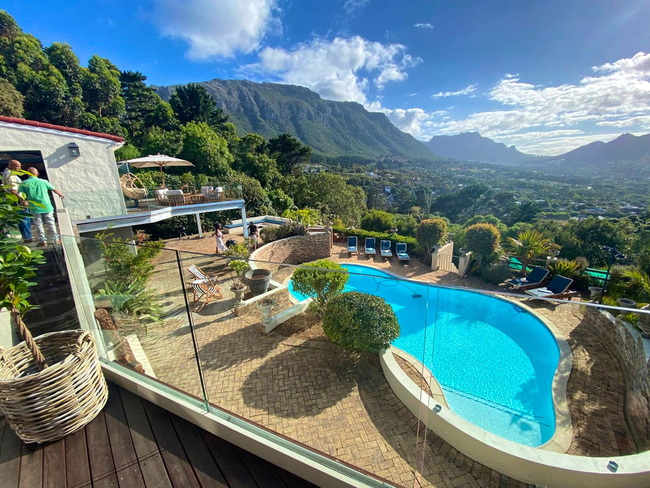
Adamsgarth Guesthouse
Adamsgarth Guesthouse is located in Hout Bay, a scenic destination just 20 minutes from Cape Town. This charming guesthouse offers the perfect bl...
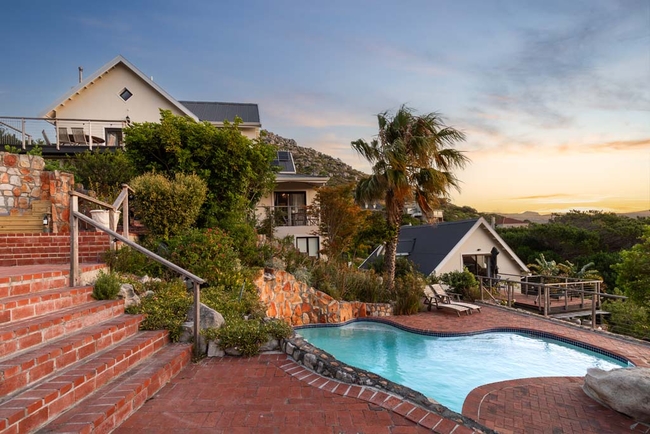
Dunvegan Lodge
Set on Clovelly Mountain with stunning views over the golf course and Fish Hoek valley. Centrally situated for main tourist attractions and 5 min...
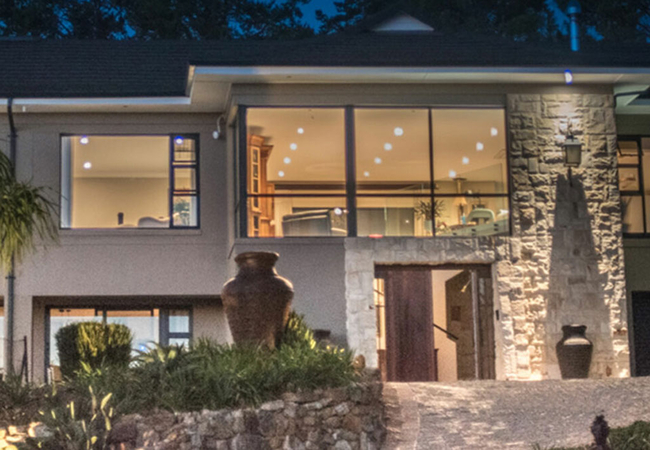
Vrede Self Catering
Vrede offers self-catering accommodation situated in the private Boskloof Eco Estate. The holiday apartments each sleep two guests. The rooms are...
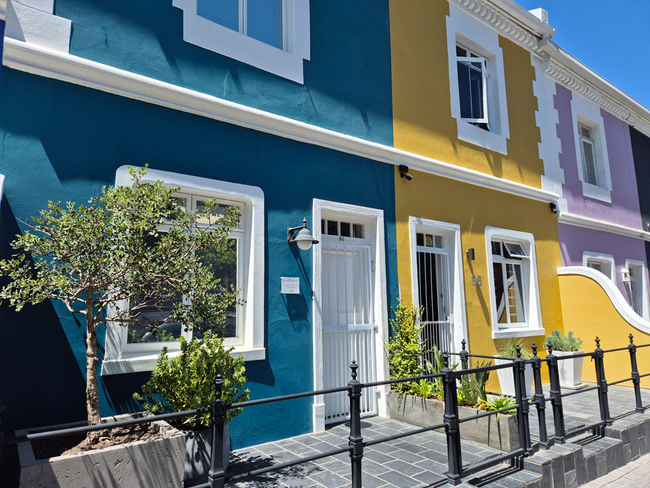
98 Waterkant Street
Nestled within the vibrant pulse of De Waterkant Village lies this meticulously refurbished self-catering abode, an enclave of refined elegance a...
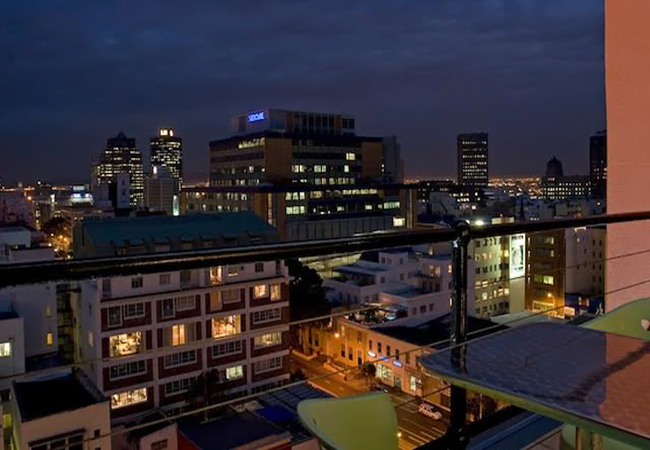
Manhattan Studio 914
Manhattan Studio 914 offers fabulous accommodation in Cape Town with outstanding views of the entire city. The exclusive Manhattan Studio 914 is...
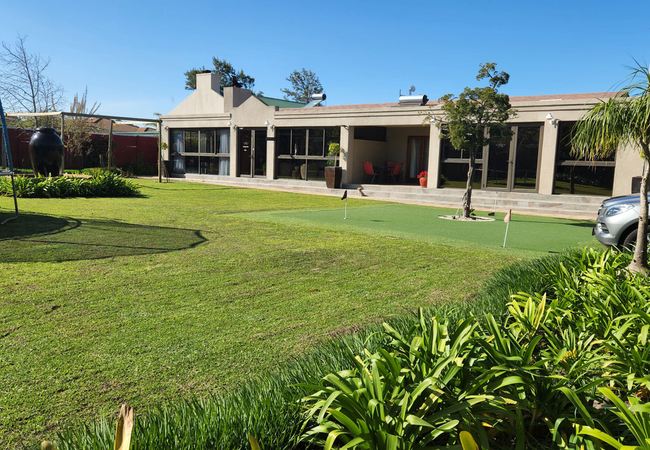
Dilisca Guesthouse
Dilisca Guesthouse offers comfortable accommodation in Durbanville only 20 minutes away from Cape Town central. All rooms are equipped with air-c...
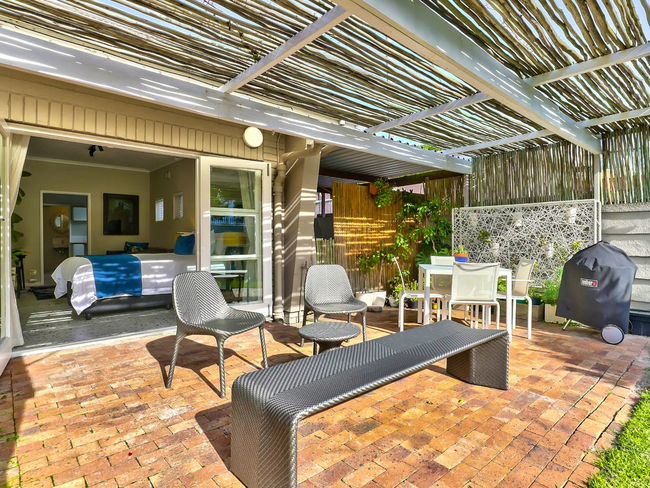
Maple Studio
Maple Studio is an inviting self-catering unit situated on a private residential property in Bergvliet, a tranquil suburb within Cape Town’s well...
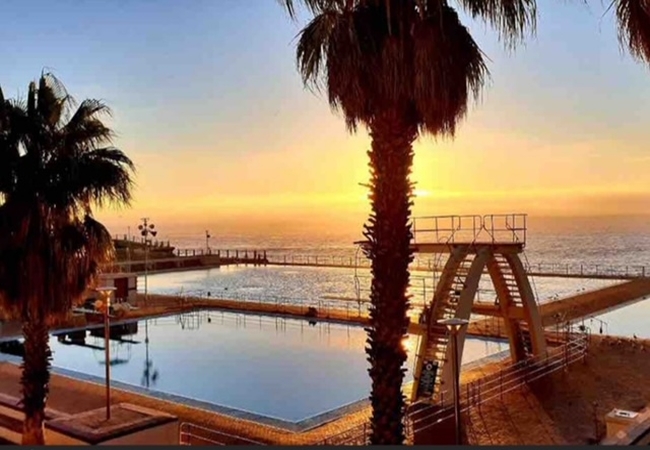
Lido Court Luxury Apartment
Lido Court is a front facing sea view beachfront apartment overlooking the salt water swimming pools, beach and promenade. Luxury self catering a...
Things to do in the area
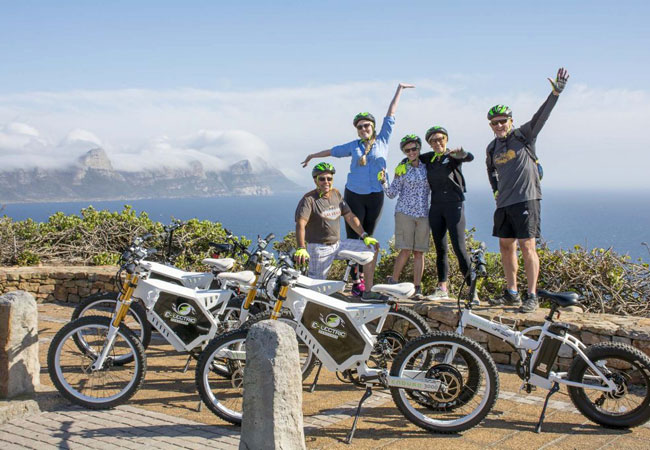
Cape Peninsula E-Bike Experience
Exploring a destination on a bicycle combines fun, fitness and a comfortable pace. Exploring Cape Town on an electric bike means even more fun an...
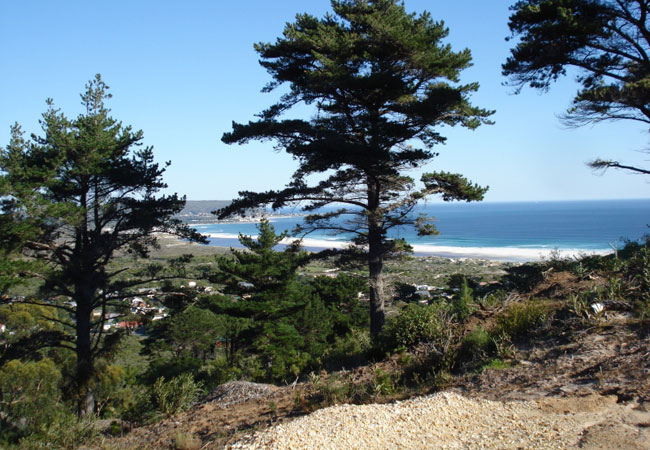
Picnic at Cape Point Vineyards
Situated on the slopes of the Noordhoek Amphitheater, where our vineyards overlook the famous Noordhoek Beach, Cape Point Vineyards undoubtedly o...
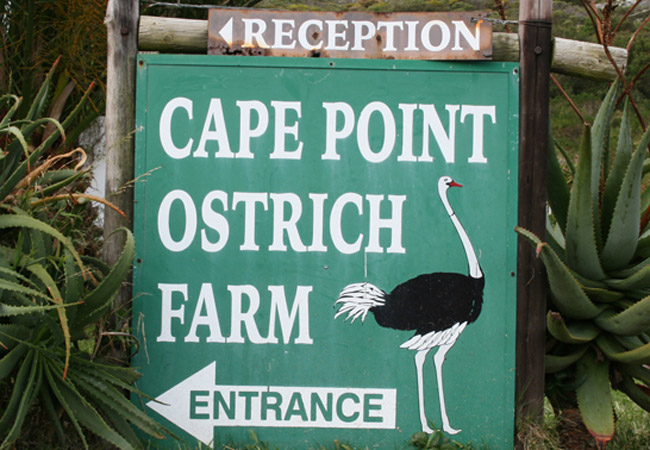
Cape Point Ostrich Farm
Close to where the two Ocean's meet is a bird farm with the world's largest flightless birds who despite their 2m wingspan are aided by their two...
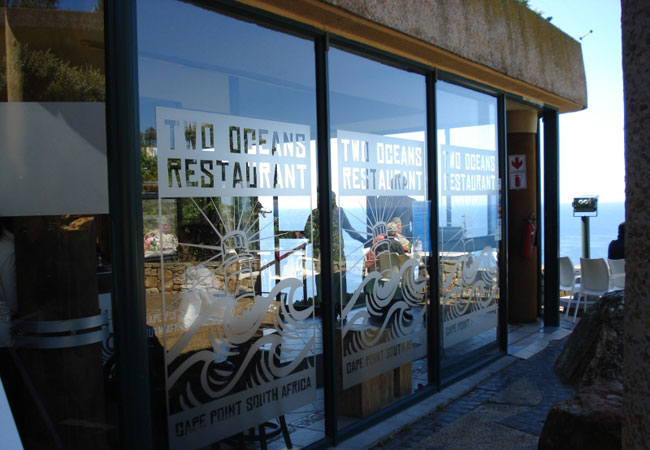
Two Oceans Restaurant
A bite of Two Oceans …If you fancy a meal at the tip of Africa take yourself off to the Two Oceans restaurant at Cape Point. With a huge deck (a...
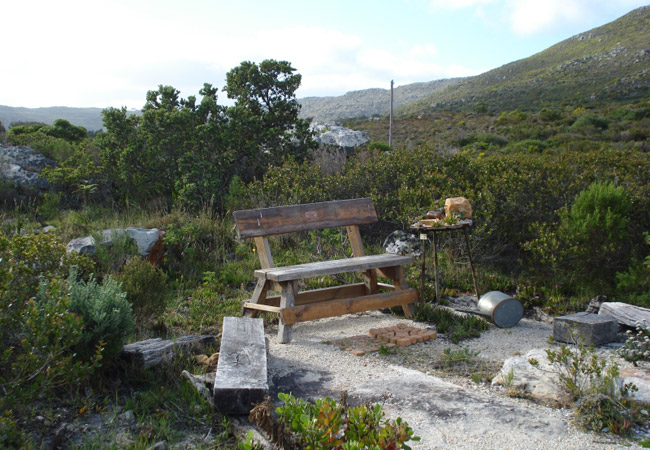
Guided Fynbos Walks
Located jut over the road from Cape Point Nature Reserve, the fynbos experience at Good Hope Nursery includes an indigenous retail nursery, an o...
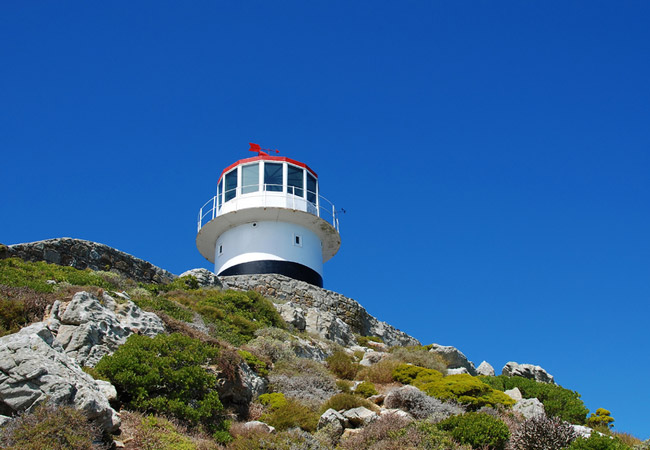
Cape Point Lighthouse
'Any Person caught rolling down the cliff will be prosecuted by order Lighthouse Engineer'. - So read the original sign nailed to the wooden boun...
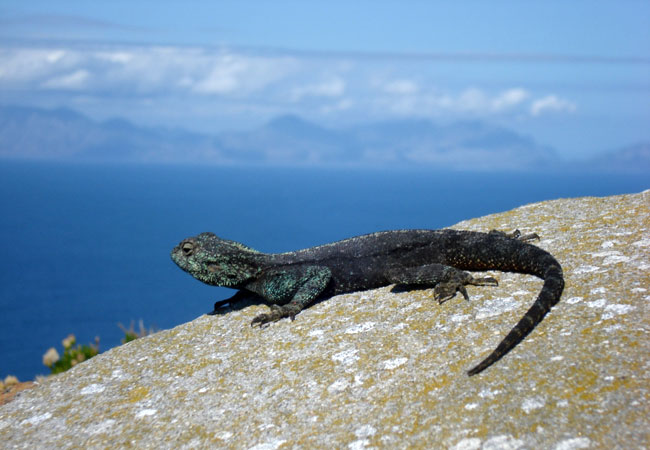
Buffels Bay Beach
Situated in Cape Town's popular Cape Point Nature Reserve, Buffels Bay Beach is a secluded and relatively sheltered beach which is ideal for a pi...
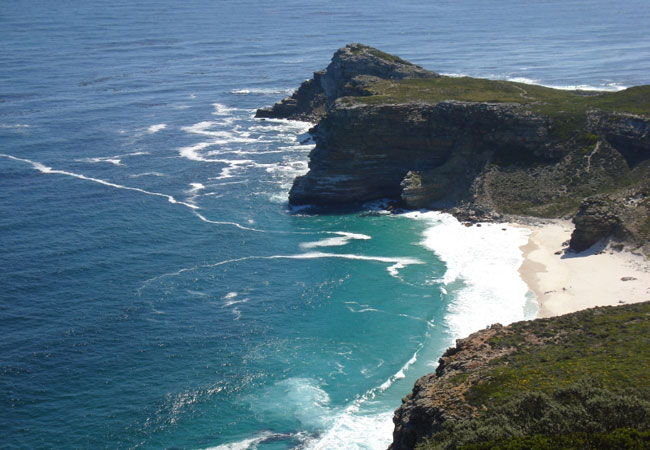
Diaz Beach
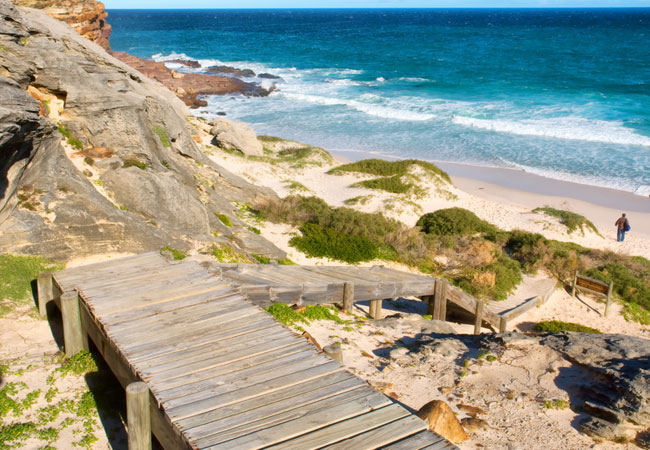
Popular with both locals and repeat visitors to Cape Town, Diaz Beach at Cape Point is a secluded, magnificent and rather romantic beach. You wil...
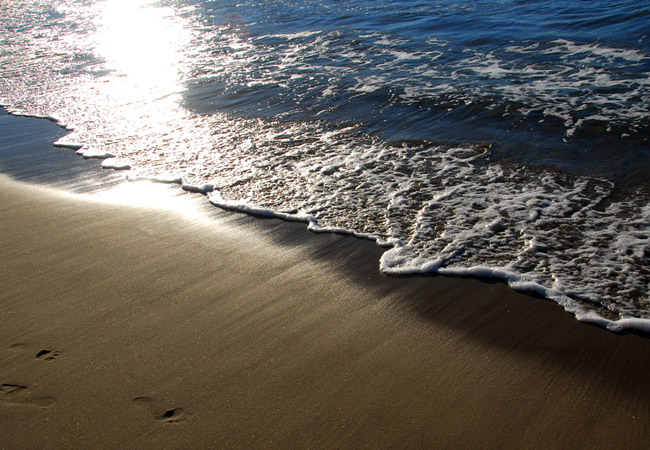
Maclear Beach
Another Cape Town gem simply because the slightly longer driving distance means Maclear Beach is not over crowded. Cape Point is where you will f...
Accommodation convenient to Cape Point
FIND / South Africa Accommodation / Western Cape Accommodation / Cape Town Accommodation