About Robben Island
As of 2 April 2019, Robben Island has officially been declared a Marine Protected Area by the Department of Environmental Affairs.
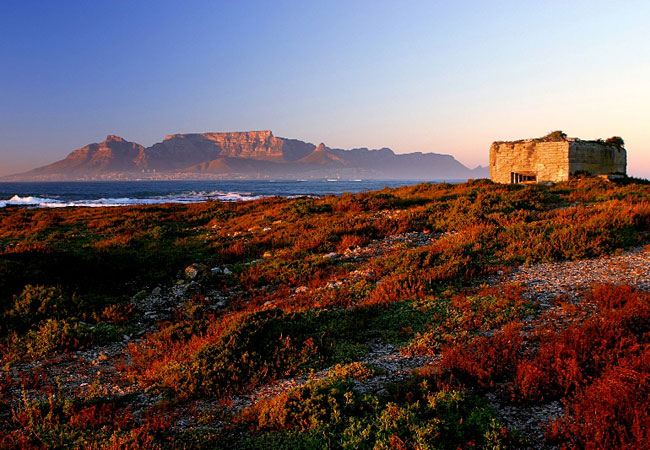
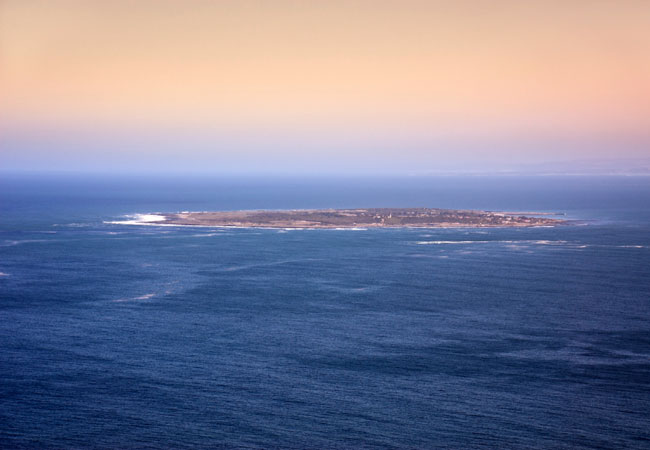
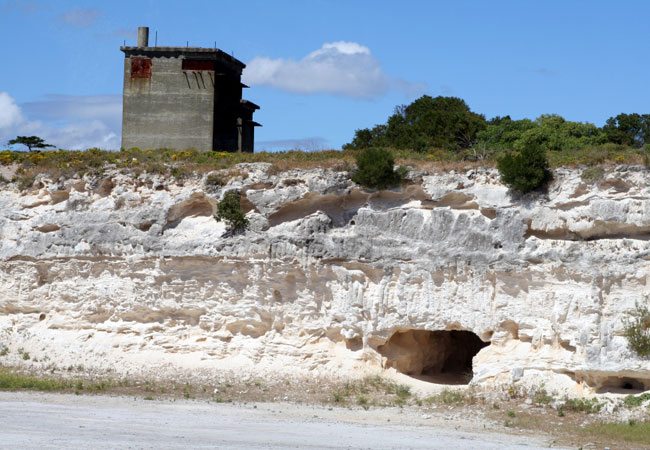
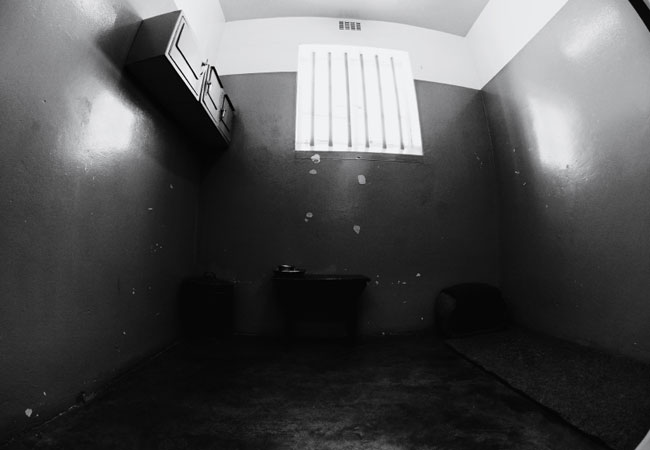
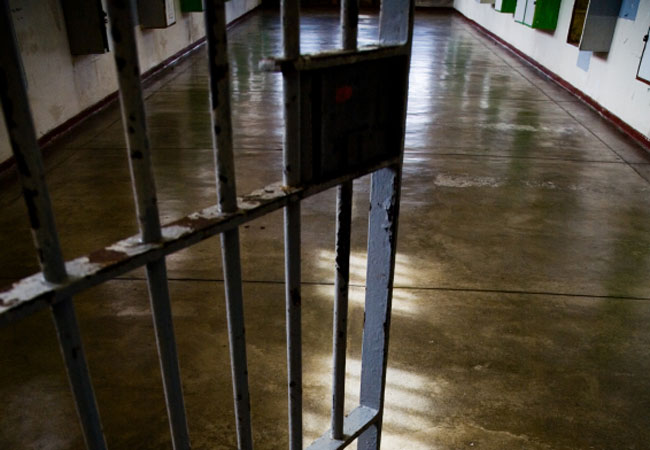
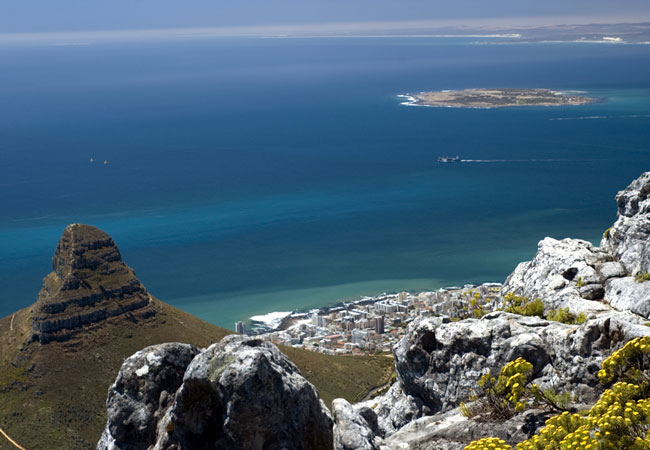
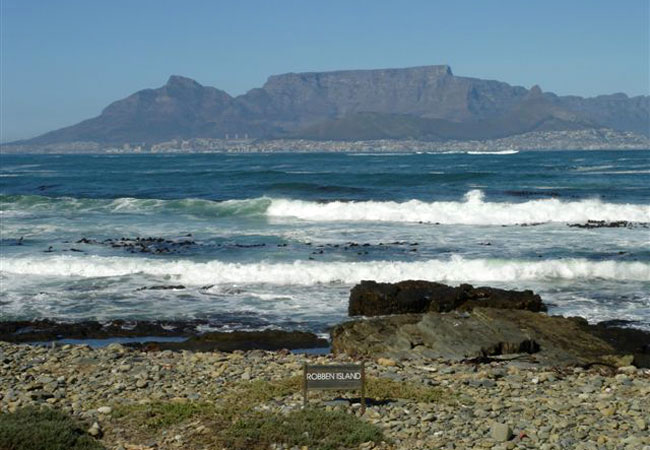
For nearly 400 years, Robben Island, 12 kilometres from Cape Town, was a place of banishment, exile, isolation and imprisonment. It was here at Robben Island that rulers sent those regarded as political troublemakers, social outcasts and the unwanted of society.
Did you know? The most famous political prisoners that spent time on Robben Island include former president Nelson Mandela, Tokyo Sexwale, Jacob Zuma, Walter Sisulu and Govan Mbeki.
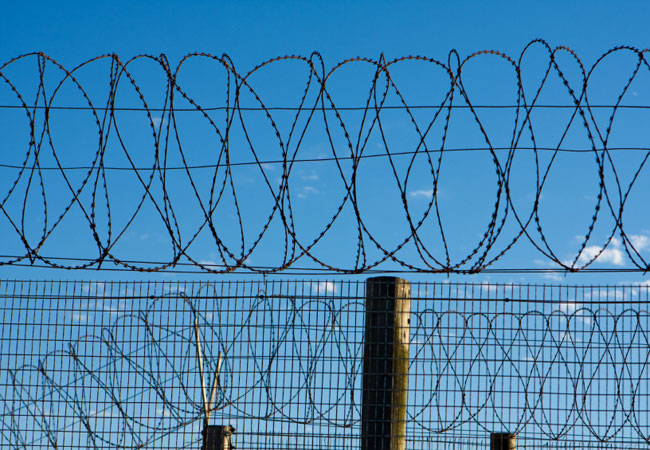
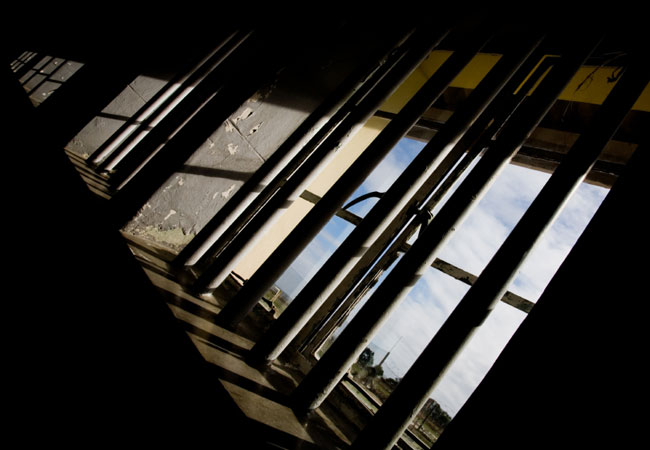
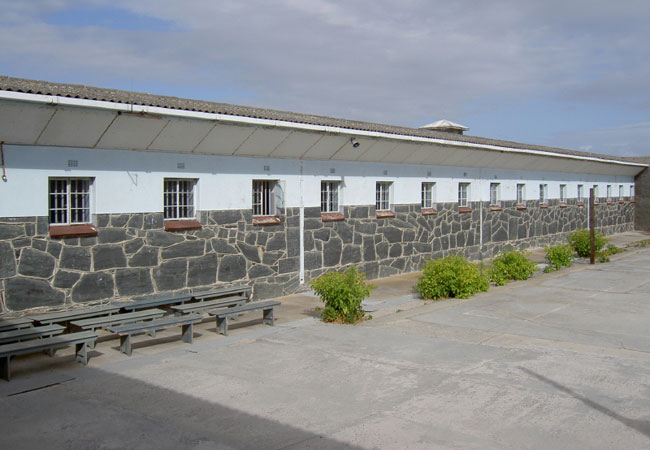
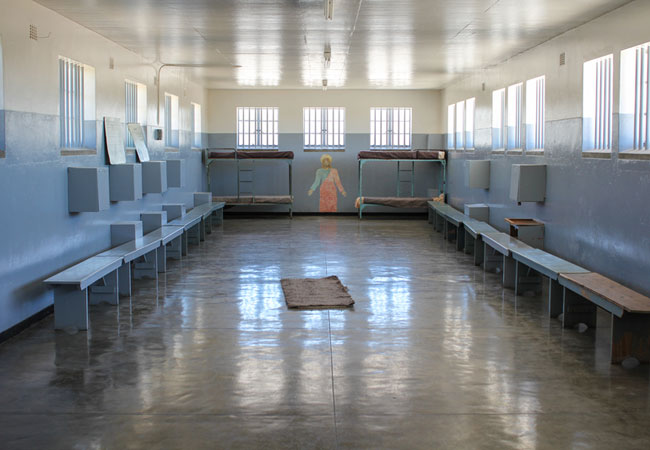
During the apartheid years Robben Island became internationally known for its institutional brutality. The duty of those who ran Robben Island and the Robben Island prison was to isolate opponents of apartheid and to crush their morale. Some freedom fighters spent more than a quarter of a century in prison on Robben Island for their beliefs.
Those imprisoned on the Island succeeded on a psychological and political level in turning a prison 'hell-hole' into a symbol of freedom and personal liberation. Robben Island came to symbolise, not only for South Africa and the African continent, but also for the entire world, the triumph of the human spirit over enormous hardship and adversity.
People lived on Robben Island many thousands of years ago, when the sea channel between the Island and the Cape mainland was not covered with water. Since the Dutch settled at the Cape in the mid-1600s, Robben Island has been used primarily as a prison.
Indigenous African leaders, Muslim leaders from the East Indies, Dutch and British settler soldiers and civilians, women, and anti-apartheid activists, including South Africa's first democratic President, Nelson Rohihlahla Mandela and the founding leader of the Pan Africanist Congress, Robert Mangaliso Sobukwe, were all imprisoned on Robben Island.
Today, however, Robben Island also tells us about victory over Apartheid and other human rights abuses: 'the indestructibility of the spirit of resistance against colonialism, injustice and oppression'.
Overcoming opposition from the prison authorities, prisoners on Robben Island after the 1960s were able to organise sporting events, political debates and educational programmes, and to assert their right to be treated as human beings, with dignity and equality. They were able to help the country establish the foundations of our modern democracy. The image we have of Robben Island today is as a place of oppression, as well as a place of triumph.
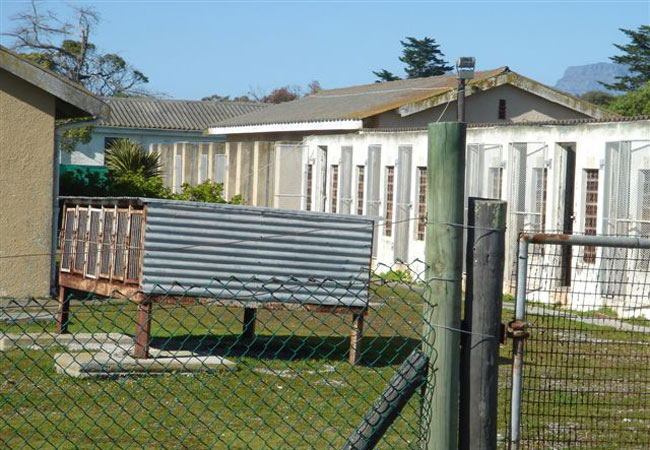
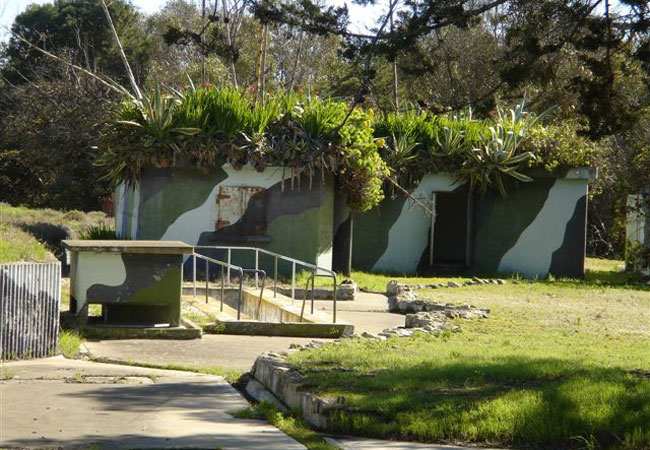
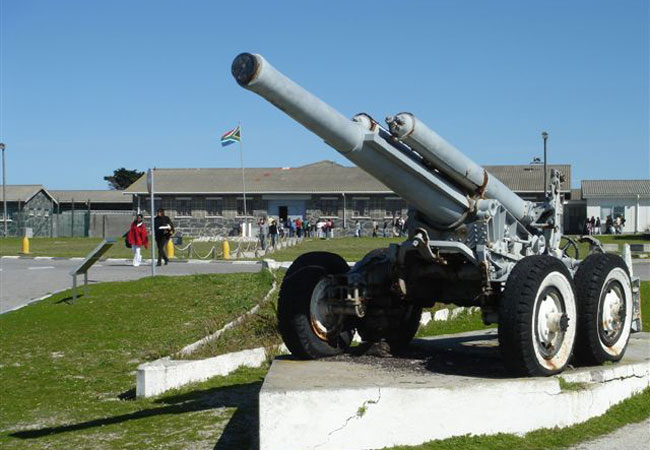
Robben Island has not only been used as a prison. It was a training and defence station in World War II (1939-1945) and a hospital for leprosy patients, and the mentally and chronically ill (1846-1931). In the 1840s, Robben Island was chosen for a hospital because it was both secure (isolating dangerous cases) and healthy (providing a good environment for cure).
During this time, political and common-law prisoners were still kept on Robben Island. As there was no cure and little effective treatment available for leprosy, mental illness and other chronic illnesses in the 1800s, Robben Island was a kind of prison for the hospital patients too.
Since 1997 Robben Island has been a museum. The museum on the Island is a dynamic institution, which acts as a focal point of South African heritage. The Robben Island Museum runs educational programmes for schools, youths and adults, facilitates tourism development, conducts ongoing research related to Robben Island and fulfils an archiving function.
Need to Know
WhereRobben Island, Cape Town, South Africa.
Accessed by ferry, one of Robben Island's ex-political prisoners will take you on a tour to learn the significance of the prison and its inmates in shaping the history of South Africa.
WhenDaily tours depart from the Nelson Mandela Gateway at the Victoria & Alfred Waterfront.
Telephone+27 (0)21 413-4200
OvernightStay in Cape Town Accommodation, Western Cape
Disclaimer
Please note, business details can change. While we endeavour to ensure all information provided by the service provider is correct at the time of publication, we do not assume any liability caused by errors or changes, such as price, cost, time, and location. Please check with the provider that the activity/business is still offered as described, before making any travel plans.
Feedback?
If this is your attraction, you can let us know if anything on this page is outdated or contains inaccuracies, by email. We regret, we do not have any other information, please contact the provider if you have questions.
Additional Reading
- Mandela's South Africa - Mandela-infused sites to visit
- Must-visit museums in Cape Town
- Robben Island - a brief history
- Penguins in Cape Town: 2 places you can see them when you are here
- Snapshot South Africa - 20 interesting and informative facts
- Richtersveld Cultural & Botanical Landscape (Northern Cape)
- iSimangaliso Wetland Park (KwaZulu Natal)
- Cape Floral Region (Western Cape and Eastern Cape)
- Cradle of Humankind (Gauteng / North West)
- Mapungubwe Cultural Landscape (Limpopo)
- Robben Island (Western Cape)
- Ukhahlamba Drakensberg Park (KwaZulu Natal)
- Vredefort Dome (Free State)
- Khomani Cultural Landscape (Northern Cape)
- Barberton Makhonjwa Mountains (Mpumalanga)
Nelson Mandela
Fascinated with Past President Nelson Rolihlahla Mandela? Nelson Mandela is one of the world's most remarkable leaders. Find out more about his past and his impact on South Africa's present and future, and follow in his footsteps with our curated Mandela Route of South Africa.
A Tribute to Nelson Mandela
The Mandela Route
In the vicinity
Hotels & other accommodation options in Cape Town
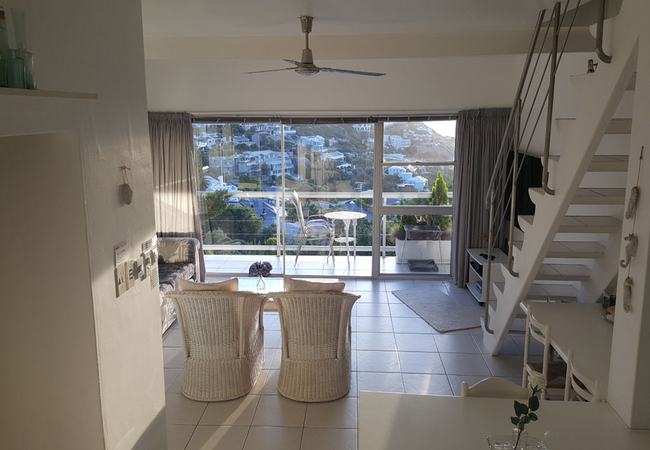
Llandudno Penthouse
Llandudno Penthouse is just a 5 minute walk away from the beach in Llandudno and offers accommodation in a partial sea-facing penthouse suite. Th...
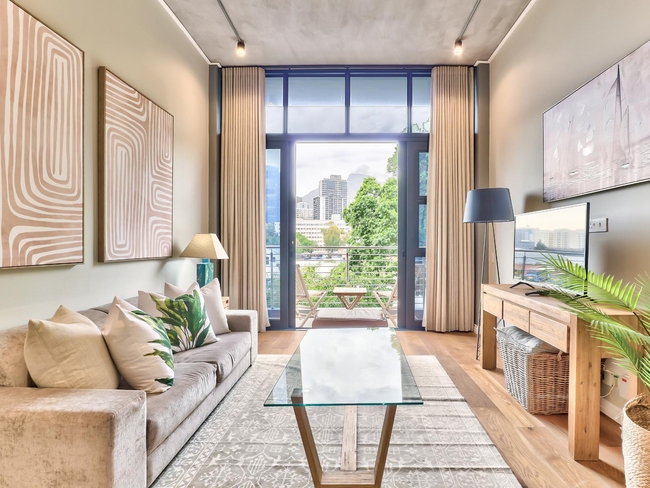
The Docklands 114
The Docklands Apartment 114 is a beautifully appointed one-bedroom apartment designed with both style and serenity in mind. High ceilings and tho...

Cactusberry Lodge
With all the charm of an old Victorian townhouse in a quiet residential area but the comforts of today's world - Cactusberry Lodge offers Bed & ...
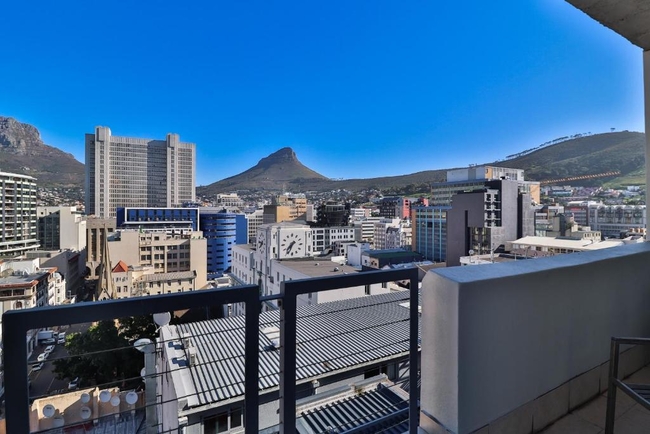
The Decks 1206
The Decks 1206 is an elegant apartment situated on the twelfth floor, right in the center of Cape Town's bustling CBD. From its elevated position...
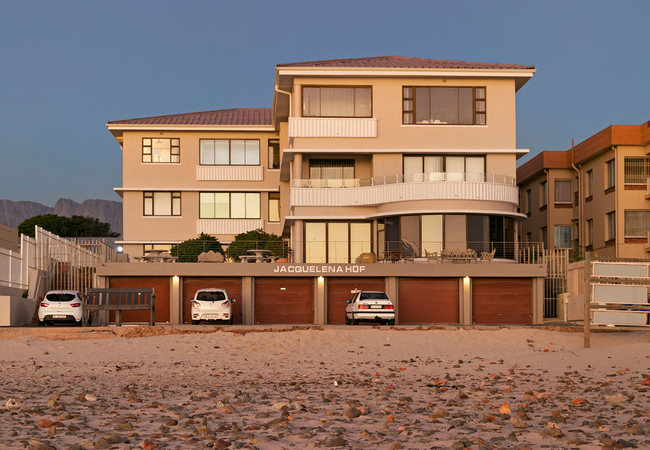
Jacquelena Hof 9
Jacquelena Hof 9 is a top floor apartment providing its guest with modern accommodation in Strand and a seaside getaway to be remembered. Boastin...
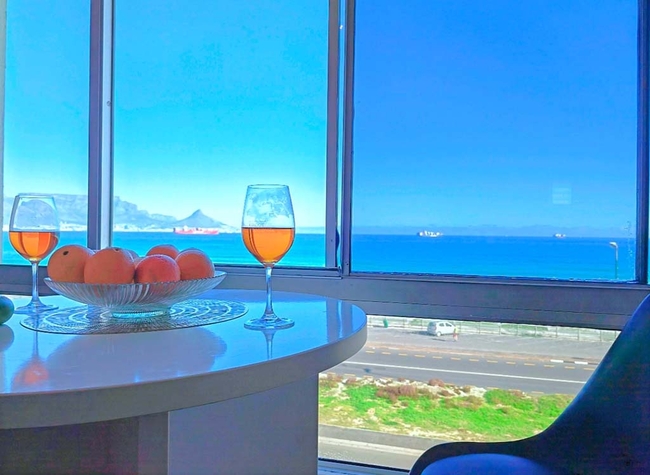
30 Sea View Zeezicht
30 Sea View Zeezicht is an up market 2 bedroom apartment with stunning views over the bay onto Cape Town, Table Mountain and Robben Island. Enjoy...
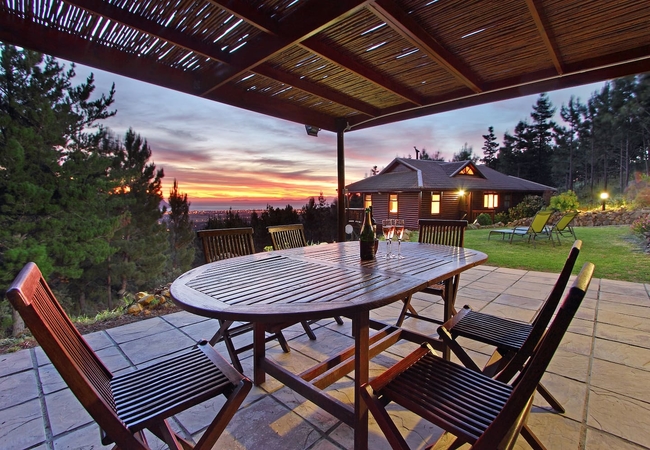
Ezantsi Lodge
Ezantsi Lodge is located in 600 acres of forest, fynbos and vineyards on the edge of the Hottentots Holland Nature Reserve near Somerset West on ...
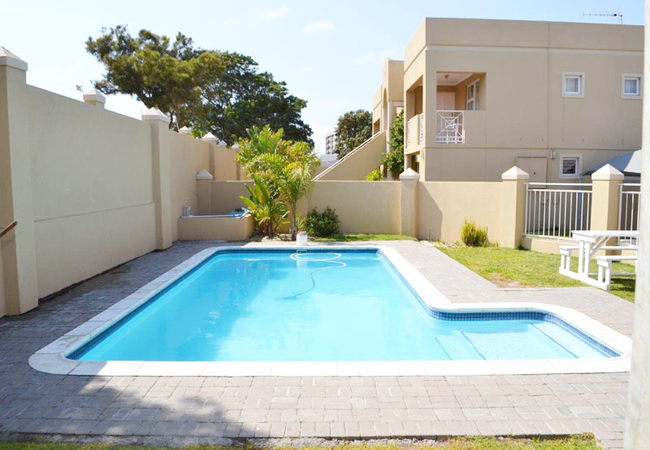
Smithland Apartments
Smithland Holiday Apartments offers accommodation nestled at the foot of the Tygerberg Hills in the Northern Suburbs, a security complex houses y...
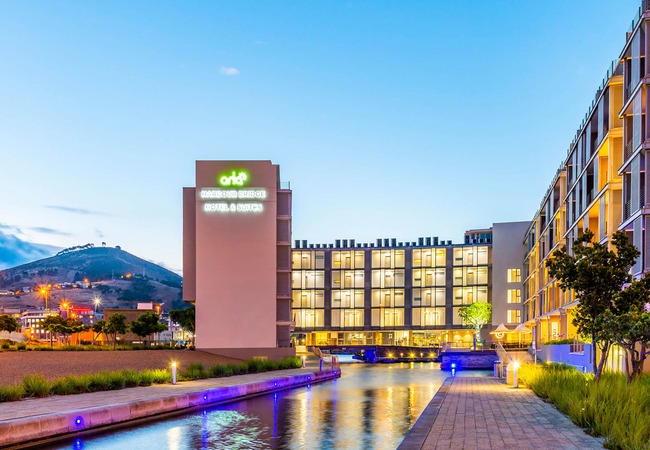
aha Harbour Bridge Hotel & Suites
Set against a backdrop of mesmerising ocean and mountain views, in the shadow of the Cape Town International Convention Centre and ideally positi...
Things to do in the area
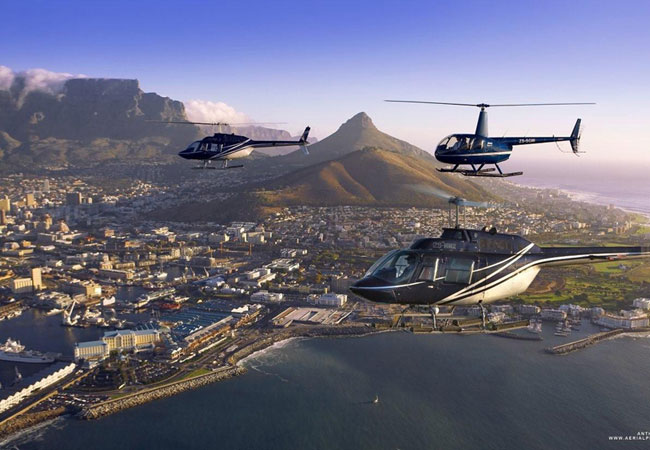
Helicopter Flights With Extreme Scene
Take a tour via Helicopter over Cape Town and the Peninsula. Get a birds eye view of the Cape on this fun and popular Helicopter Tour. Various tr...
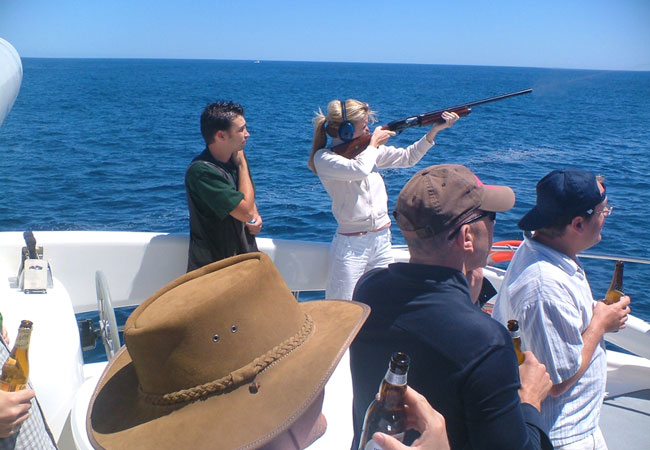
Claypigeon Shooting Cruise
Depart from the V&A Waterfront for a scenic cruise on the Tigger 2. A cruise with all the equipment onboard to shoot under the supervision of a q...
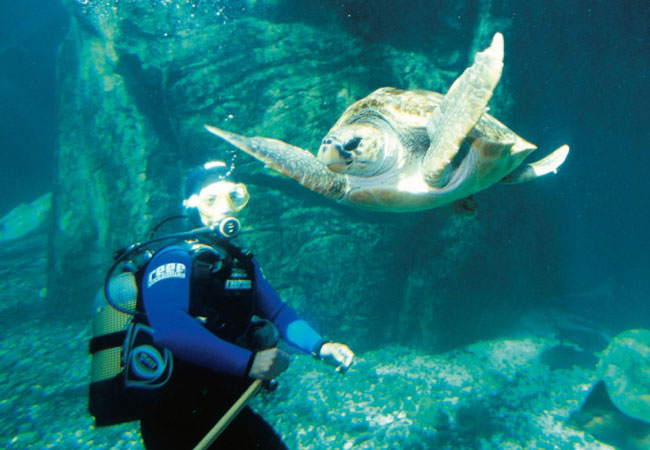
Diving at the Two Oceans Aquarium
When you dive at the Two Oceans Aquarium at Cape town's V&A waterfront, you will dive with ragged-tooth sharks (sand tigers), shoals of large pre...
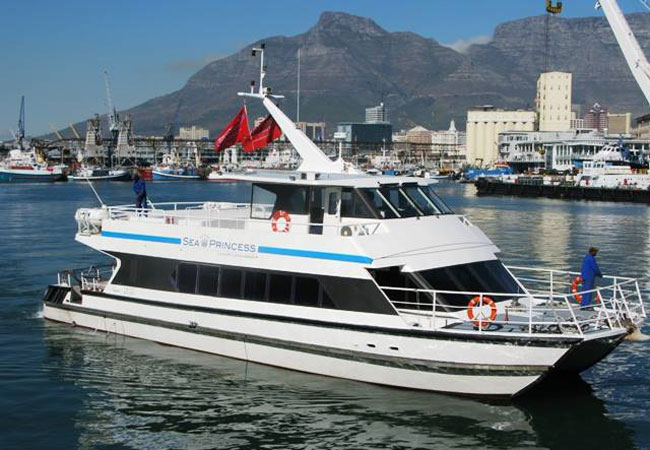
Harbour Seal Cruise
Look out for Alfie the Seal! This is a scenic guided Harbour cruise through the working Harbour of Cape Town, seals, ships and much much more. Id...
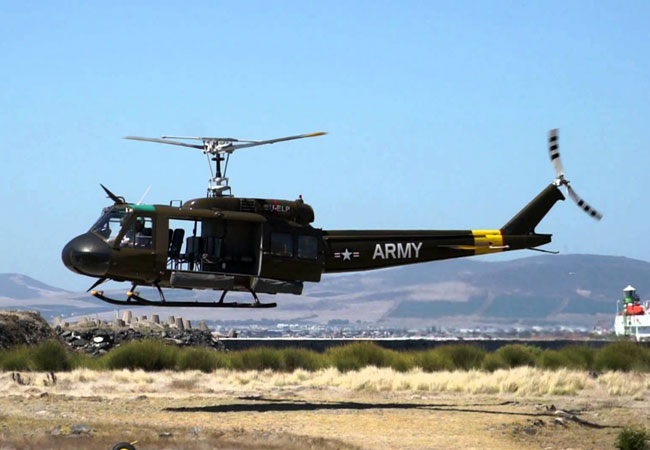
Huey Helicopter Flight
This transmission is for adrenalin junkies and warfare warriors. Your mission is to take to the Cape Town skies Vietnam style. Adventure brief, e...
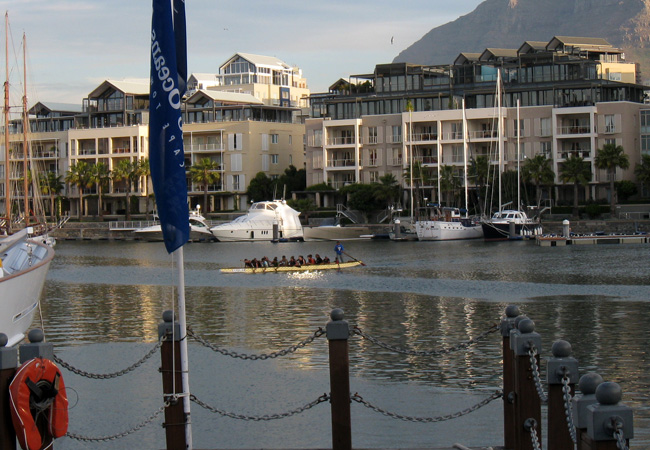
Watch the Dragon Boats
The Cape Town Dragon Boat Racing Club have their practice sessions from Mondays to Thursdays - if you are at the V&A Waterfront at this time, hea...
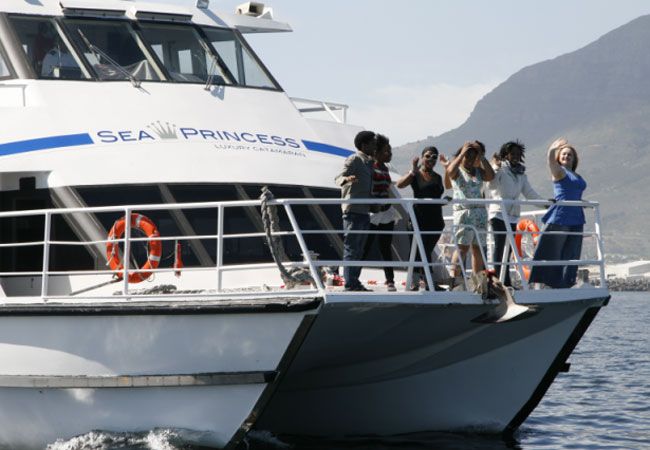
Robben Island Cruise
Cruise to the coast of Robben Island where Mandela was imprisoned for most of 17 years. This trip offers breathtaking views of Robben Island and ...
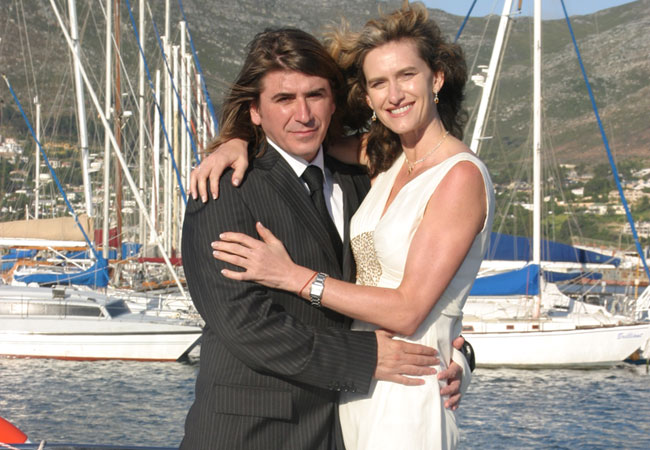
Romantic Dinner Cruise for 2
This is a Private Charter for one couple only. Departing from the V&A Waterfront in Cape Town, set off on a romantic sunset cruise and be served ...
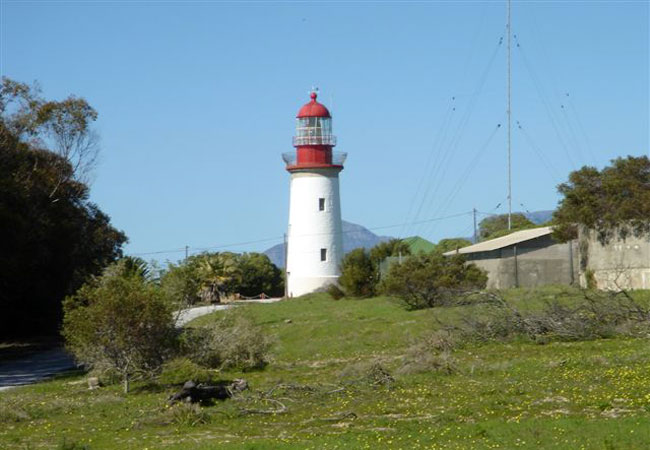
See the Light on Robben Island
Robben Island is a small island whose activities have documented the changing of time, the course of history and the progress of mankind. First d...
Accommodation convenient to Robben Island
FIND / South Africa Accommodation / Western Cape Accommodation / Cape Town Accommodation