


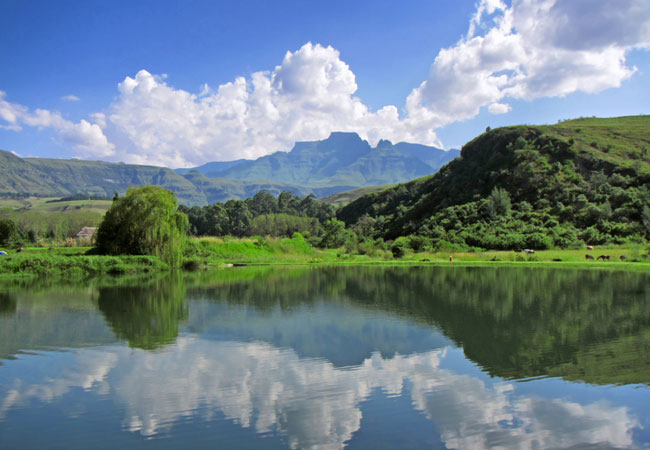


About Ukhahlamba Drakensberg Park
The Ukhahlamba Drakensberg Park site's diversity of habitats protects a high level of endemic and globally threatened species, especially birds and plants.
Did you know? The rock art of the Drakensberg is the largest and most concentrated group of rock paintings in Africa south of the Sahara and is outstanding both in quality and diversity of subject
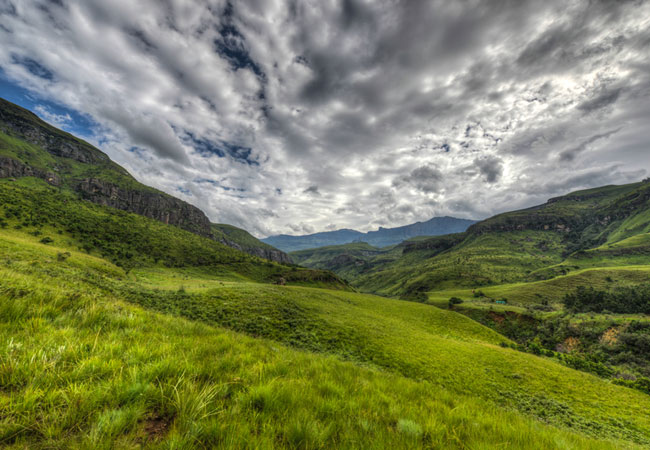
The Ukhahlamba Drakensberg Park has exceptional natural beauty in its soaring basaltic buttresses, incisive dramatic cutbacks, and golden sandstone ramparts. Rolling high altitude grasslands, the pristine steep sided river valleys and rocky gorges also contribute to the beauty of this world heritage site.
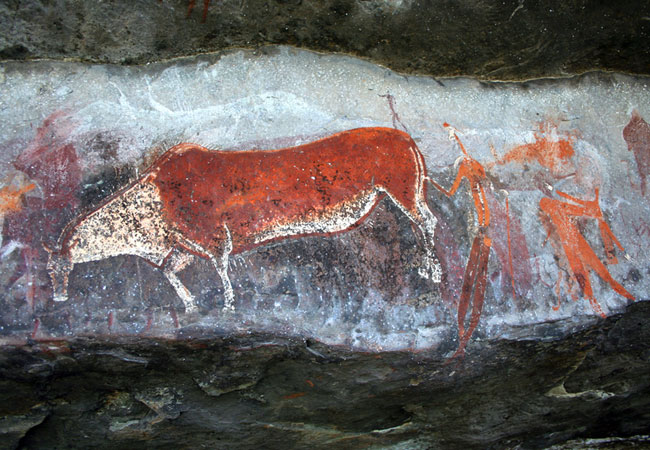
This spectacular natural site also contains many caves and rock-shelters with the largest and most concentrated group of paintings in Africa south of the Sahara, made by the San people over a period of 4,000 years. The rock paintings are outstanding in quality and diversity of subject and in their depiction of animals and human beings. They represent the spiritual life of the San people who no longer live in this region.
The San people are recognised as the indigenous inhabitants of the sub-continent. In centuries past they inhabited practically the entire sub-continent, and are regarded as "embodying the essence of southern Africa's deep past". Yet there is no monument to the San people - other than their own art. Within the Ukhahlamba-Drakensberg Park there are some 600 sites, collectively representing over 35000 individual images.
Remarkably, the rock art in the park is better preserved than any other region south of the Sahara. The oldest painting on a rock shelter wall in the park is about 2400 years old, while more recent creations date back to the late nineteenth century.
Many of the sites contain scenes depicting hunting, dancing, fighting, food gathering or ritual and trance scenes of hunting or rainmaking.
The ecological integrity of the area has been preserved intact since the last San people living there and the climate, vegetation and fauna have not changed. Uniquely, it is possible to turn from rock paintings of eland, rhebok and other animals to look over pristine valleys and to see these very species feeding, resting or moving about.
Need to Know
WhereUkhahlamba Drakensberg Park, KwaZulu Natal, South Africa
OvernightStay in Drakensberg Accommodation, KwaZulu Natal
Disclaimer
Please note, business details can change. While we endeavour to ensure all information provided by the service provider is correct at the time of publication, we do not assume any liability caused by errors or changes, such as price, cost, time, and location. Please check with the provider that the activity/business is still offered as described, before making any travel plans.
Feedback?
If this is your reserve, you can let us know if anything on this page is outdated or contains inaccuracies, by email. We regret, we do not have any other information, please contact the provider if you have questions.
Additional Reading
- Best Places to Stay in the Drakensberg, South Africa's Epic Dragonback Mountains
- South Africa's peace parks – top 5 parks that transcend borders
- Places to see San rock art in SA
- Day Hikes of the Drakensberg
- South Africa's 8 World Heritage Sites – and why they're worth a visit
- Richtersveld Cultural & Botanical Landscape (Northern Cape)
- iSimangaliso Wetland Park (KwaZulu Natal)
- Cape Floral Region (Western Cape and Eastern Cape)
- Cradle of Humankind (Gauteng / North West)
- Mapungubwe Cultural Landscape (Limpopo)
- Robben Island (Western Cape)
- Ukhahlamba Drakensberg Park (KwaZulu Natal)
- Vredefort Dome (Free State)
- Khomani Cultural Landscape (Northern Cape)
- Barberton Makhonjwa Mountains (Mpumalanga)
Game & Nature Reserves in KwaZulu Natal
In the vicinity
Hotels & other accommodation options in Drakensberg
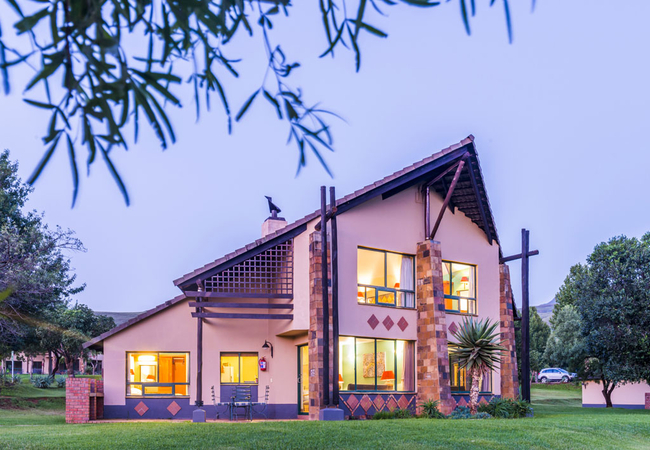
Alpine Heath Resort
Nestled in the midst of the picturesque Northern Drakensberg Mountains and conveniently located mid-way between Durban and Johannesburg. This res...
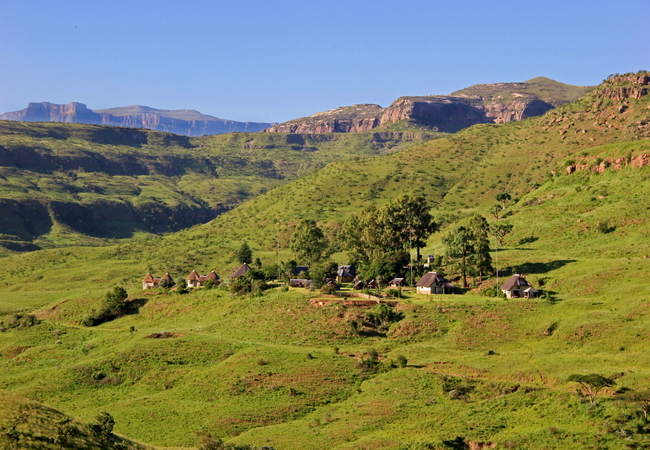
Sungubala Eco Camp
Sungubala Eco Camp lies in the heart of the pristine Drakensberg wilderness, directly below Hlolela and Sungubala (2000m), just north of the Roya...
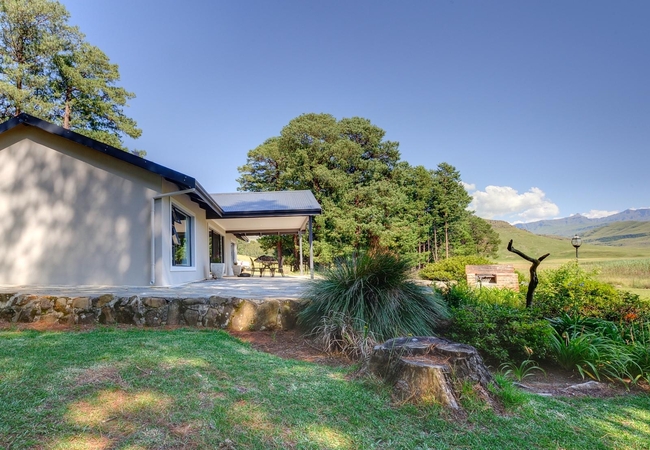
Duckbay Lodge at Giants Cup
Duckbay Lodge at Giants Cup Wilderness Reserve occupies the premium position on the farm and is set on the edge of a pine glade, up near the estu...
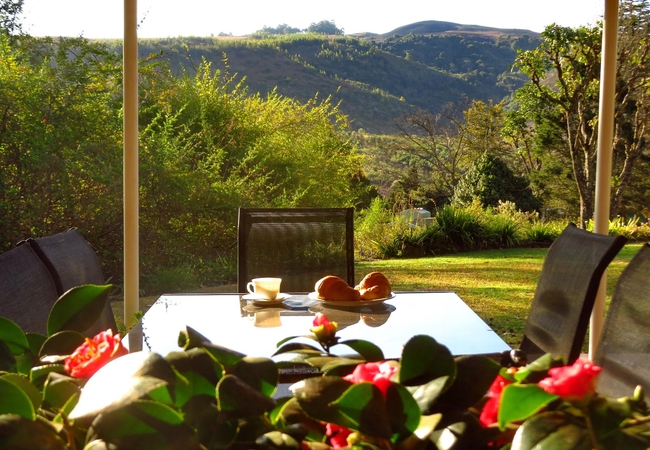
Berg Treat
Berg Treat is a lovely three bedroom cottage offering self catering accommodation in the Bergview Estate in Winterton. The cottage sleeps six gue...
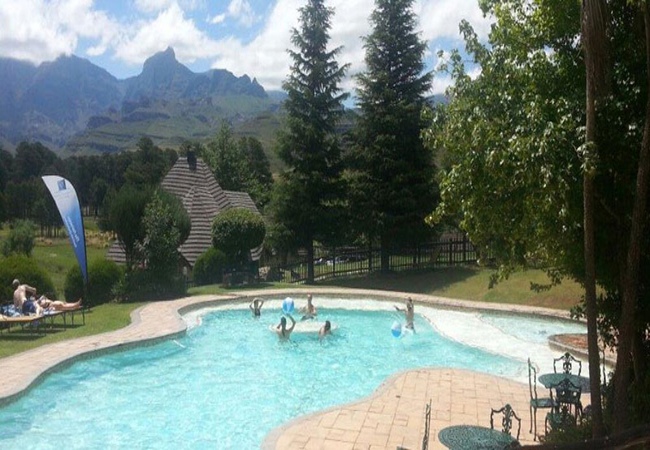
The Fairways Gold Crown Resort
Besides boasting a magnificent backyard, Fairways is renowned for its superb self catering units available in four and six sleeper units, as well...
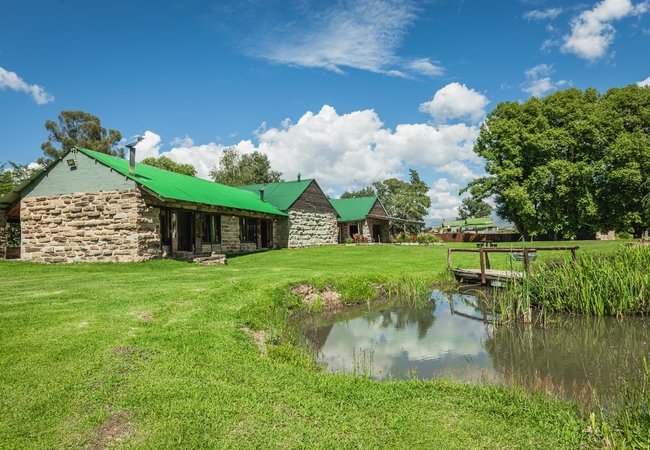
Penwarn Manor
Penwarn Manor is rustic yet modern, offering accommodation in Underberg on Penwarn Farm Lodge just 25km from the quaint town. As you drive down t...
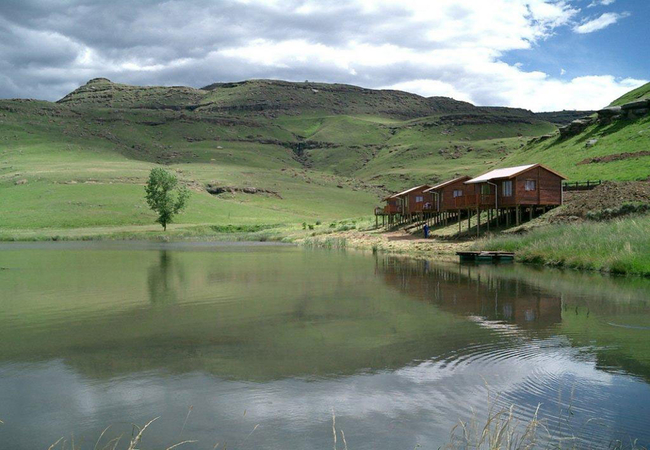
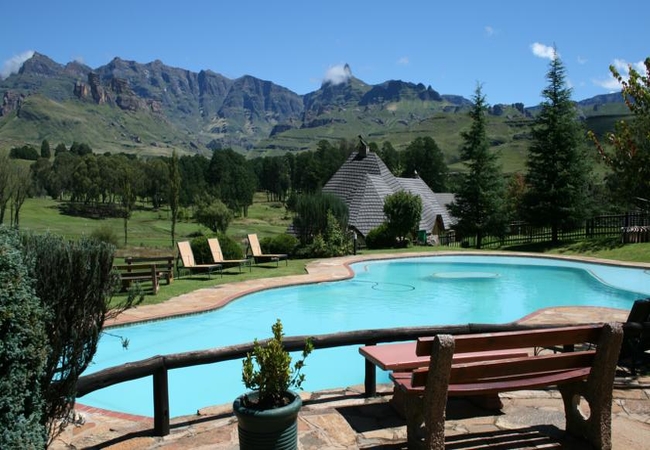
Eland Valley Resort
Eland Valley Resort, located in the scenic Southern Drakensberg, offers accommodation in the Underberg area at the foot of the majestic Garden Ca...
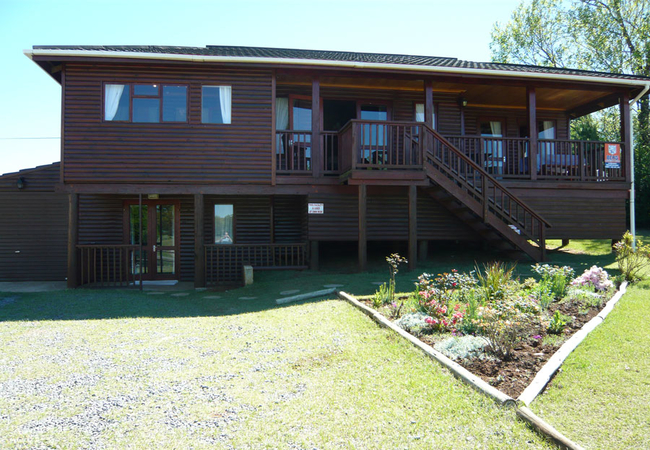
Fairways Heartwood Mountain Cottage
Fairways - Heartwood Mountain Cottage offers comfortable accommodation at the Drakensberg Gardens Resort and is just 30km from Underberg. The res...
Things to do in the area
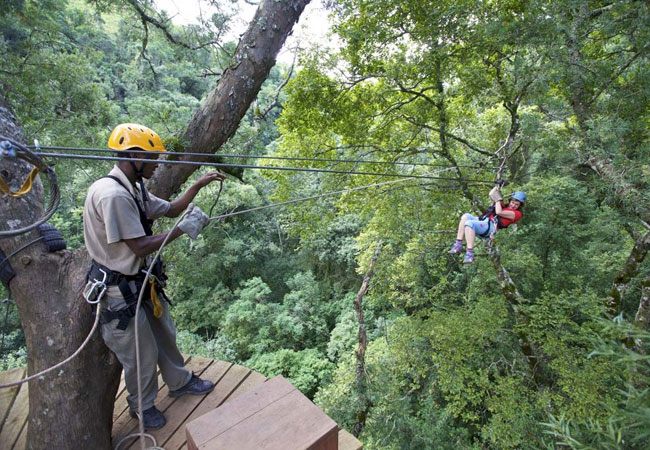
Drakensberg Canopy Tour
Drakensberg accommodation is always special because it promises a place to stay in some of South Africa's most spectacular countryside. The area ...
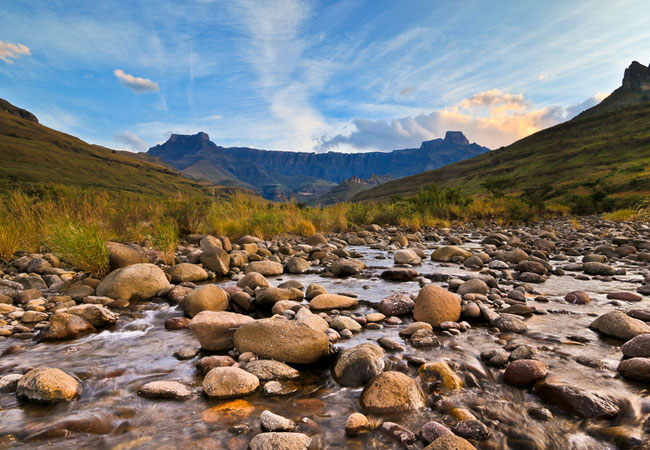
Ploughman's Kop Trail
Ploughman's Kop is a mountain in the shape of a head on the left arm of The Amphitheatre in the Royal Natal Park, which is in turn part of the Uk...
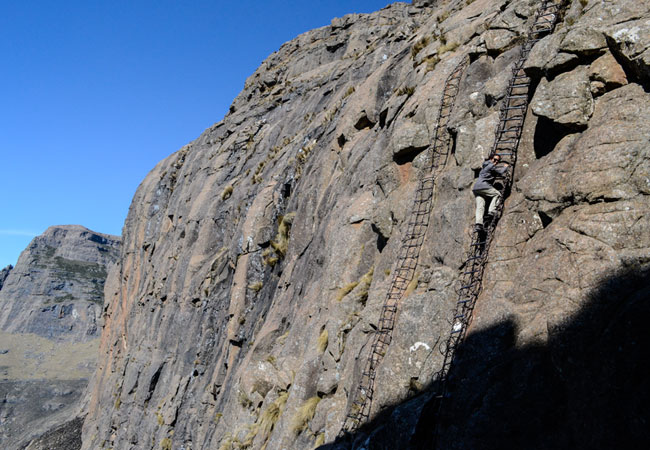
Sentinel Peak trail
Start: Sentinel car park (almost 3 000 metres above sea level)Finish: Sentinel car parkDuration: a whole dayFitness: fit (the hike may be shorten...
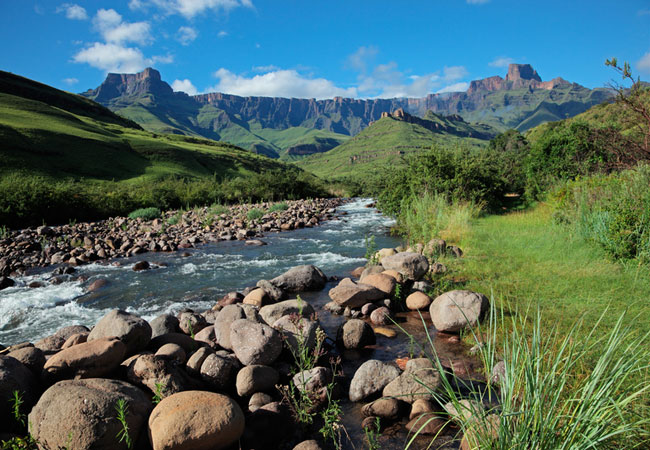
Amphitheatre Heritage Trail
Start: there are numerous entrances, but Witsieshoek is one of themFinish: Royal Natal National ParkDuration: 25 - 30 km over three daysFitness: ...
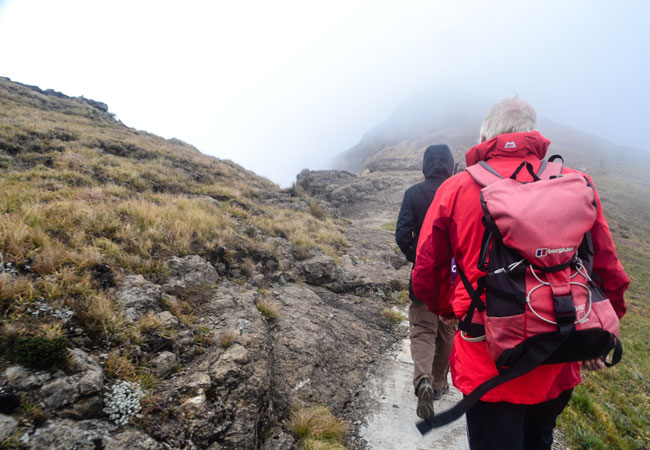
Drakensberg Grand Traverse
Start: the SentinelFinish: Bushman's NekDuration: 200 km; anything from 12 to 15 days (average is 14)Fitness: above average fitness; it's tough, ...
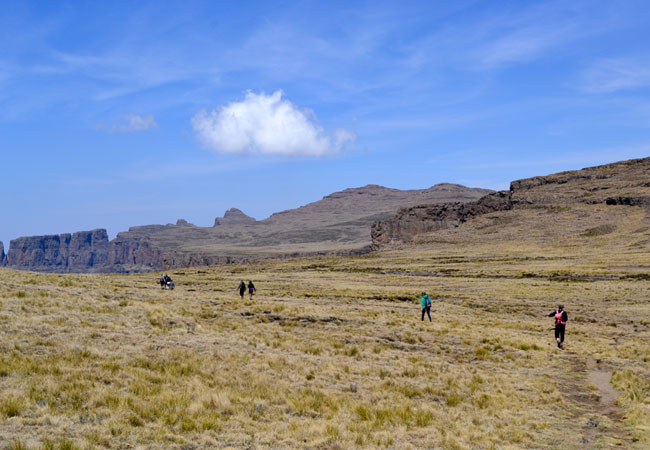
The Mini Traverse
Start: Sentinel car parkFinish: Cathedral Peak HotelDuration: 100 km, 5 – 6 daysFitness: difficultOur tip: It is best to do this hike with the pr...
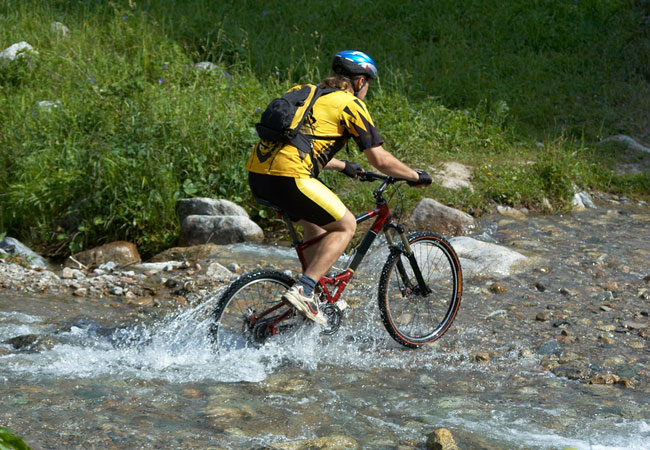
Drakensberg MTB Trails
Where: All Out Adventures, northern DrakensbergLevel: routes for all levels of MTB junkiesType of route: 100 km of mountain bike trails, mainly s...
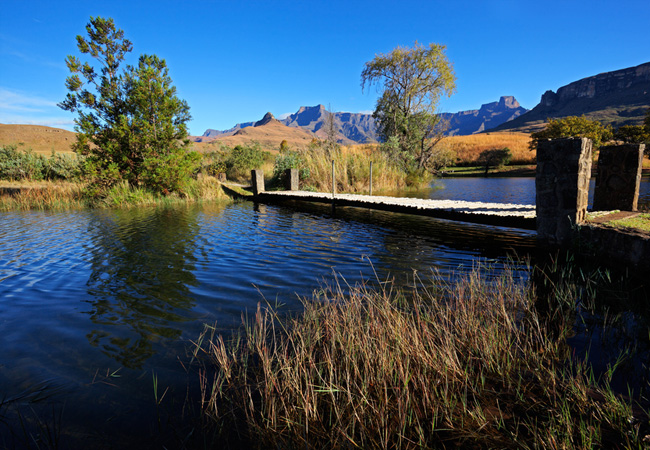
Plowman's Kop, the Crack and Mudslide
Start: Mahai camp site, Drakensberg, KwaZulu NatalFinish: Mahai camp siteDuration: 8 km, roughly 5 hoursFitness: moderate to difficult Our tip: t...
Noteworthy attractions
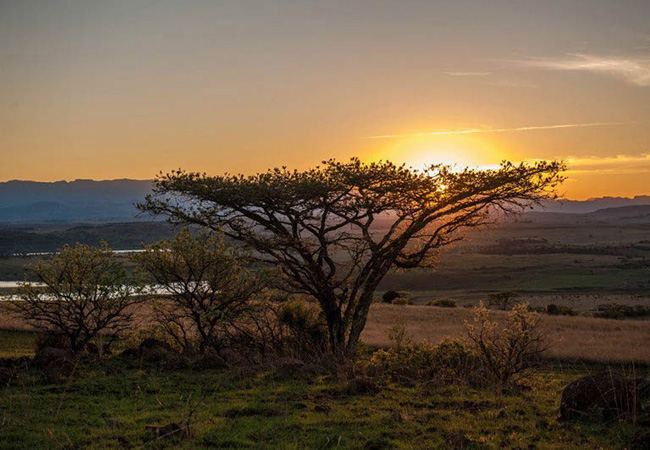
Spioenkop Dam Nature Reserve
Lying virtually at the foot of the rugged Spioenkop Mountain, the dam was the site of one of the most bloody battles to ensue during the Anglo-Bo...
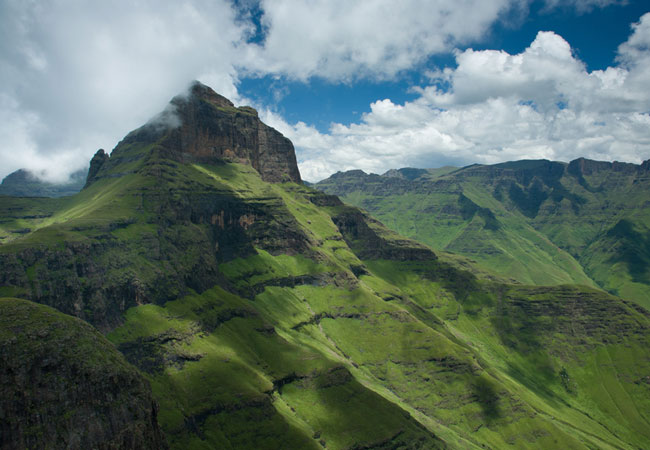
Cathedral Peak Nature Reserve
The Cathedral Peak Nature Reserve, with its numerous free standing peaks and magnificent mountain scenery, is one of the most favoured parts of t...
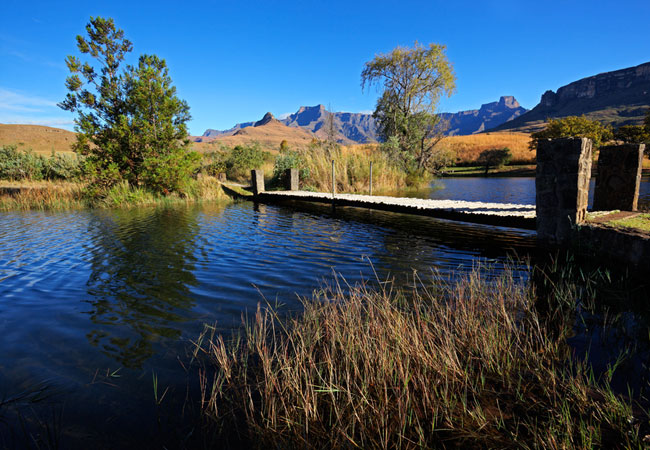
Cobham State Forest
Cobham is situated in the Southern part of the uKhahlamba Drakensberg Park, and is approximately 150 km from Pietermaritzburg. Dominated by Hodgs...
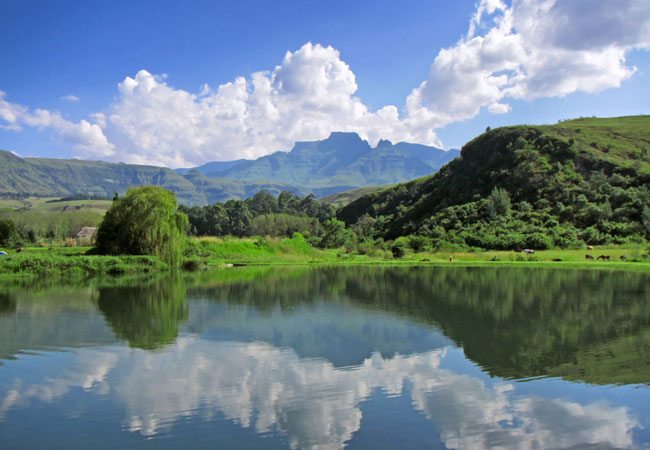
Garden Castle State Forest
Garden Castle is the southern most part of the Ukhahlamba Drakensberg Park and incorporates the Bushman's Nek Valley. The Garden Castle reserve i...
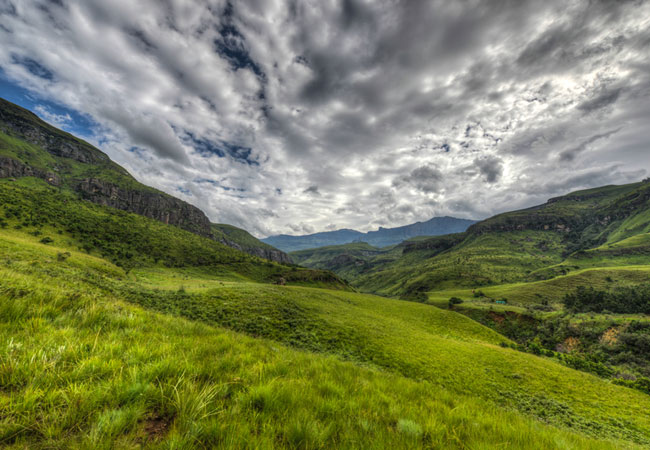
Giant's Castle Nature Reserve
Historic Giant's Castle Nature Reserve, home of the eland and the majestic bearded vulture, lies in the Central Drakensberg region of the Ukhahla...
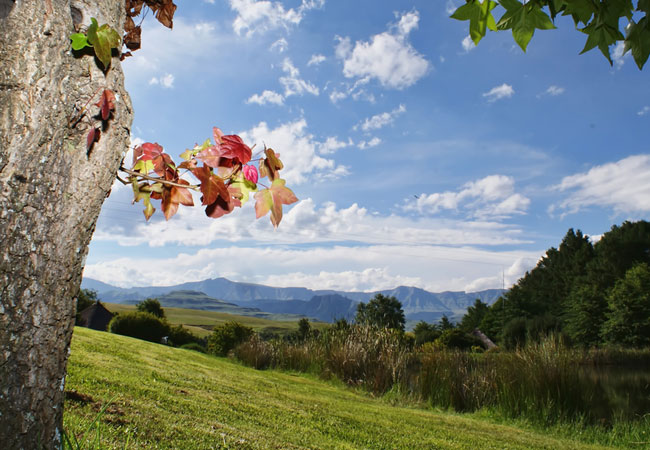
Himeville Nature Reserve
The Himeville Nature Reserve stretches along the eastern boundary of Himeville Village and was proclaimed to its present size of 104 ha in 1973. ...
Kamberg Nature Reserve
Kamberg Nature Reserve, one of the smallest of the KZN Wildlife resorts, lies in the foothills of the uKhahlamba Drakensberg Park - one of the ea...
Lotheni Nature Reserve
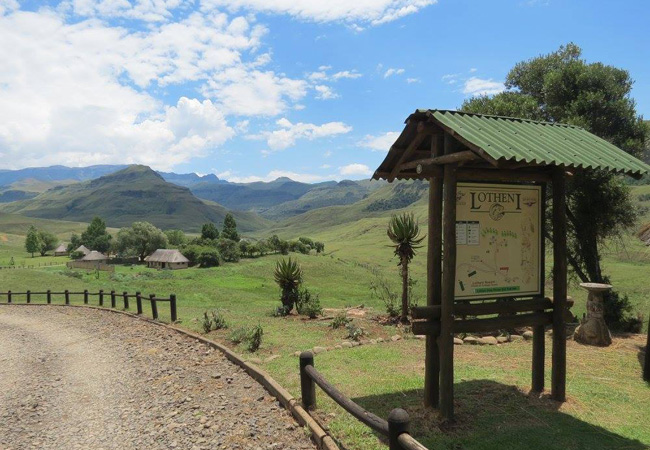
Noted for its magnificent scenery and beautiful camp, Lotheni is situated in a remote section of the Ukhahlamba Drakensberg Park. Many delightful...
Mkhomazi State Forest
Mkhomazi is situated in the southern section of the Ukhahlamba Drakensberg Park. The Mkhomazi section of the Ukhahlamba Drakensberg Park is one o...
Accommodation near Ukhahlamba Drakensberg Park
FIND / South Africa Accommodation / KwaZulu Natal Accommodation / Drakensberg Accommodation


