Beaufort West, Karoo
Beaufort West lies between the Gamka and Kuils Rivers, just south of a ridge of hills and north of the Nuweveld Mountains in the Central Karoo, where rocks date back some 230 million years. Although for many South Africans, travelling on the N1, it is yet another typical ‘platteland' dorp (town) in which they must stick to the speed limit or risk a fine!
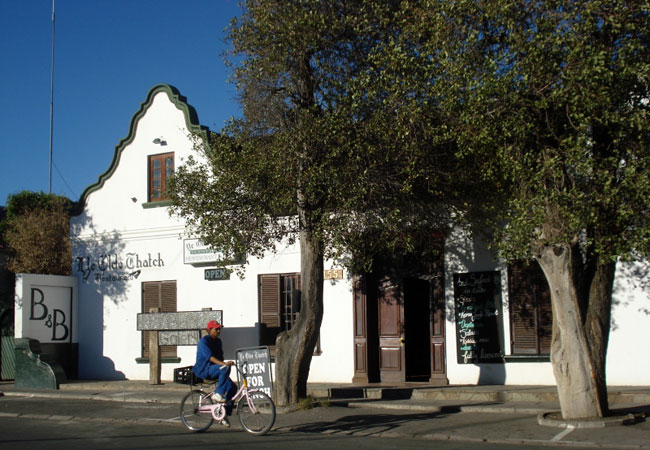
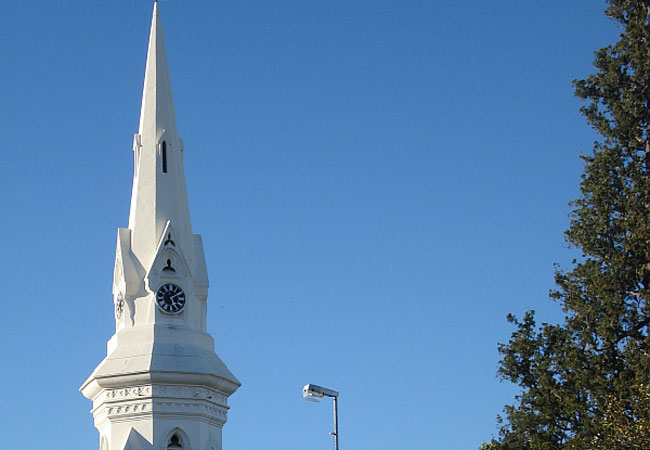
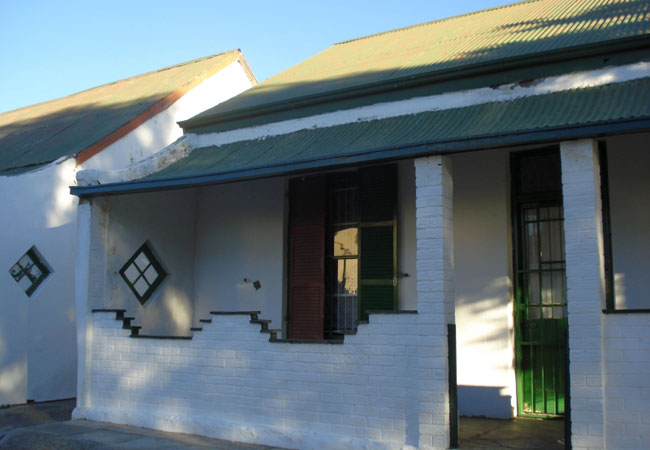
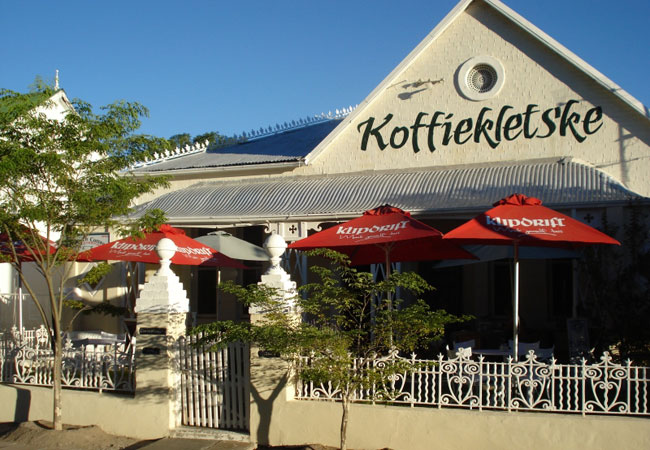
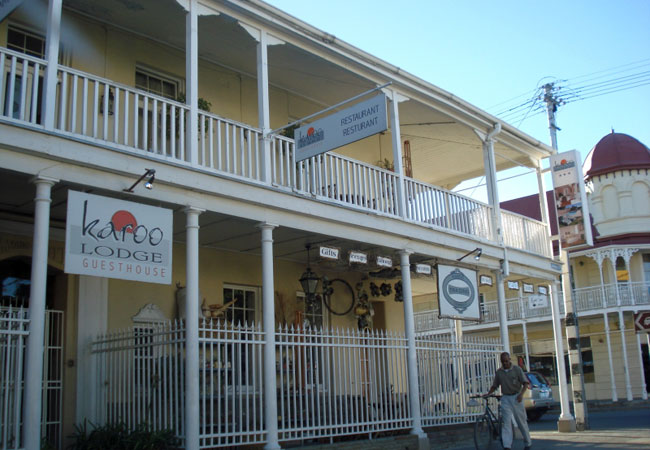
This quirky town - the oldest in the Central Karoo - is rich in history that holds intrigue for the scientist, the historian and the eco-tourist. Not only was the first reptile fossil discovered near here, in what has subsequently been described as the world's richest collecting ground for these fossils, but the town's historic centre displays an eclectic mix of historical architecture that makes a stop-over here essential.
Beaufort West lies in an area that might be semi-desert today, but was initially a swamp. Some of the world's most interesting Stone Age sites have been discovered near here and a legacy of rock engravings have been left by Bushmen on farms in the area and at Nelspoort. Collections of ancient reptile fossils now grace exhibitions in museums all over the world and they form the basis of work set to uncover the truth about life when the earth was young.
Included here is the Anglican Church, built in 1850 in a Romanesque style and designed by Sophie Gray, the wife of Robert Gray, first Bishop of Cape Town. The north end of the street houses a local jail, built in 1873 but obviously not very functional as its first jailer, also jailed for negligence on duty, managed to escape never to be seen again.
Local farms provide a popular eco-tourism stop offering walks, hikes and challenging 4x4 routes, whilst the Karoo National Park, just outside of town, is home to a huge variety of indigenous buck and birds. It is also a sanctuary for the endangered black rhino and riverine rabbit.
Additional Reading
For more info about Tulbagh see our articles on the SA Travel News Blog: • Beaufort West, so much more than a typical Karoo dorp.
In the vicinity
Hotels & other accommodation options
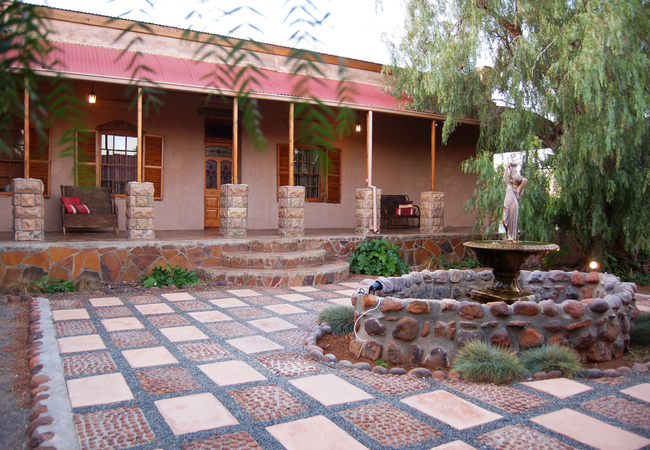
The Vale Karoo Farm
The Vale is a working Karoo Farm situated in the heart of the Karoo expertly renovated from an 1880's farmhouse to a luxury guest lodge. The farm...
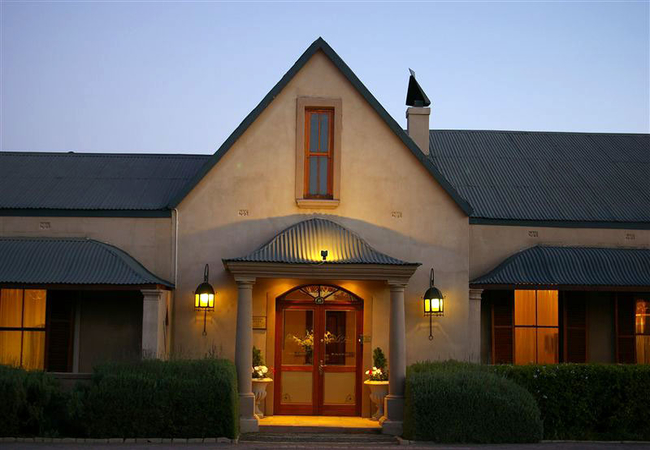
Old House Lodge
At Old House Lodge everyone will go out of their way to make you feel at home. Have a fabulous dinner in our dining room, or braai under the brig...
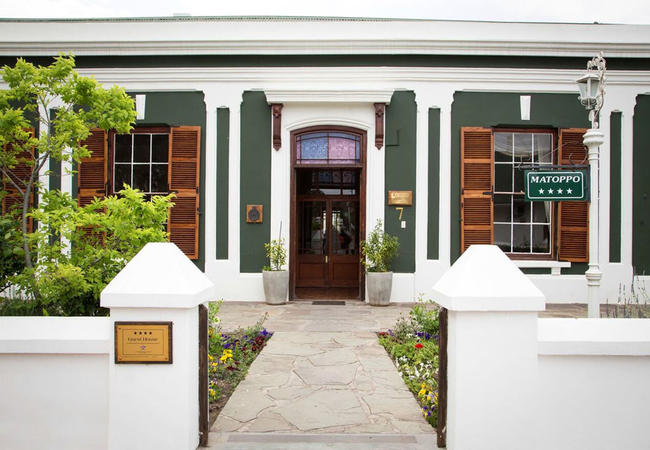
Matoppo Inn Guest House
Matoppo is a beautifully restored drostdy building, dating back to the 17th century and is situated within a sprawling, lush garden estate in the...
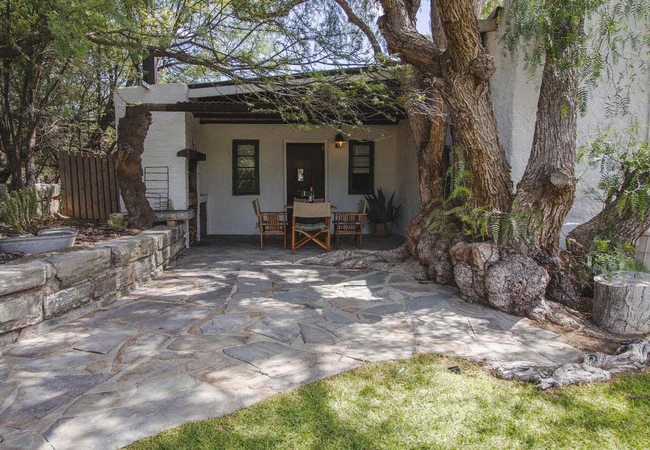
Die Skooltjie @ Steynskraal
Steynskraal Gasteplaas is nestled on a working farm near Beaufort West, in the heart of the Karoo region. Self catering accommodation is offered ...
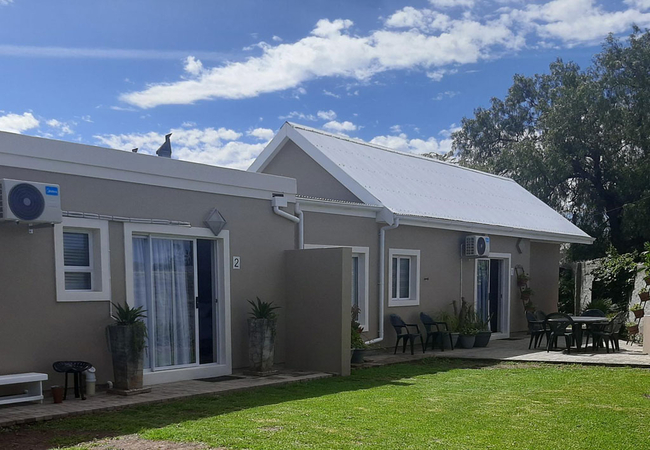
Essi Self Catering
Essi Self Catering in Beaufort West offers two guest rooms and one three-bedroom unit suitable for families. All the units have a ceiling fan, ai...
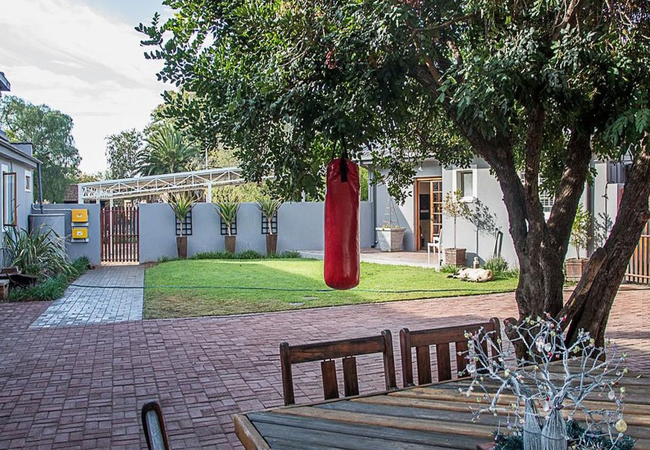
At Mango's
Situated in Beaufort West, @ Mango's is a self catering cottage on the same property as the main house. @ Mango's Cottage sleeps four guests in ...
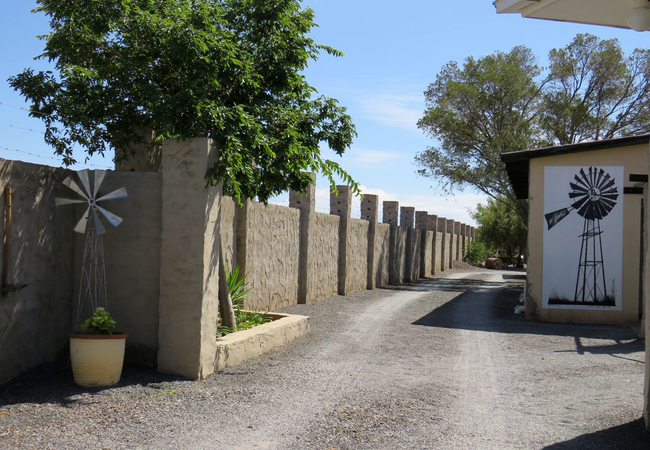
Die Windpomp
Situated in Beaufort West and with a view of the Nieuwveld Mountains, Die Windpomp offers affordable guesthouse accommodation for those travellin...
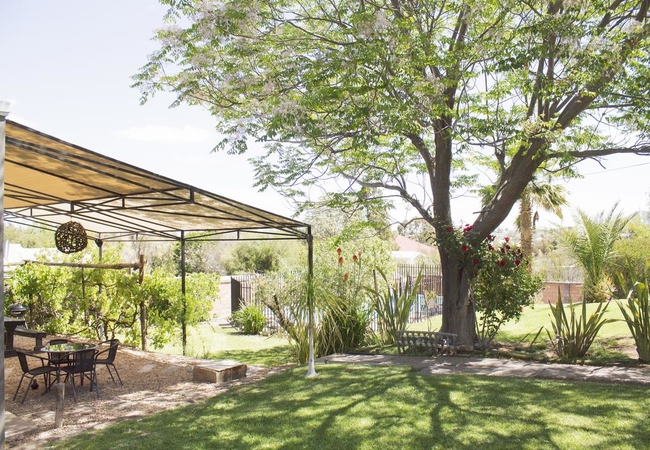
Haus Holzapfel
Your German hosts have created a charming home with a beautiful garden for the discerning guest who is looking for luxurious self catering or B&B...
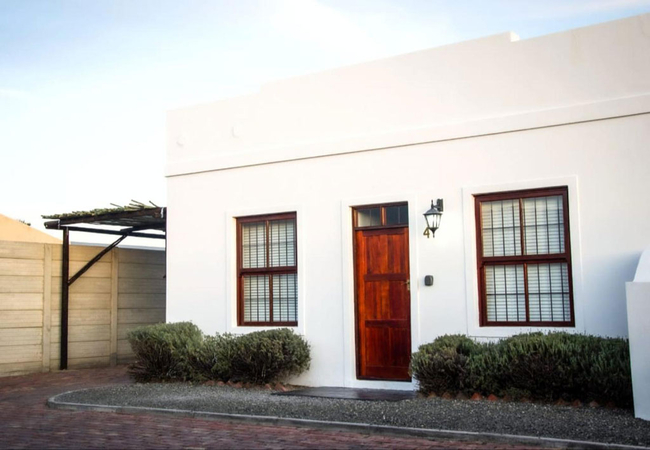
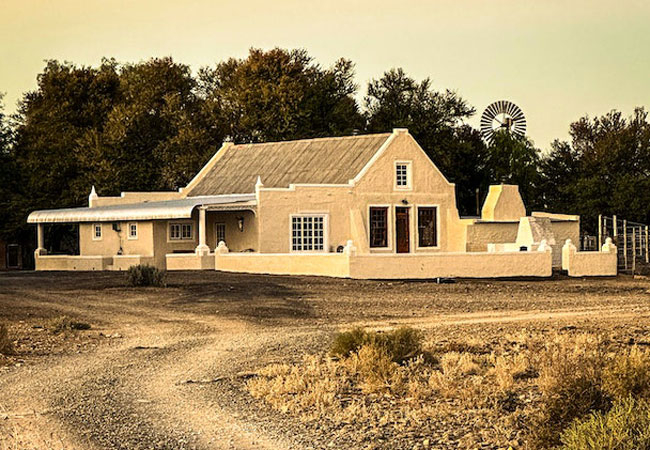
Die Stal at Steynskraal
Die Stal at Steynskraal Gasteplaas is nestled on a working farm in the heart of the Karoo region. Self catering accommodation in Beaufort West is...
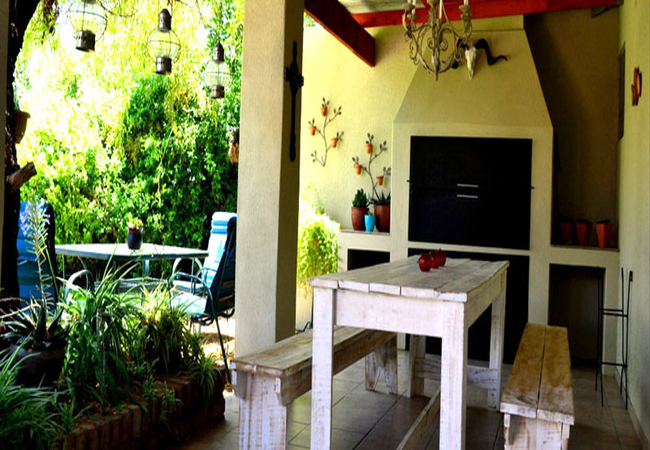
Pane Vivente
Pane Vivente Garden Cottage is a one bedroom garden cottage set in a quiet suburb of the picturesque town of Beaufort West. The separate Garden c...
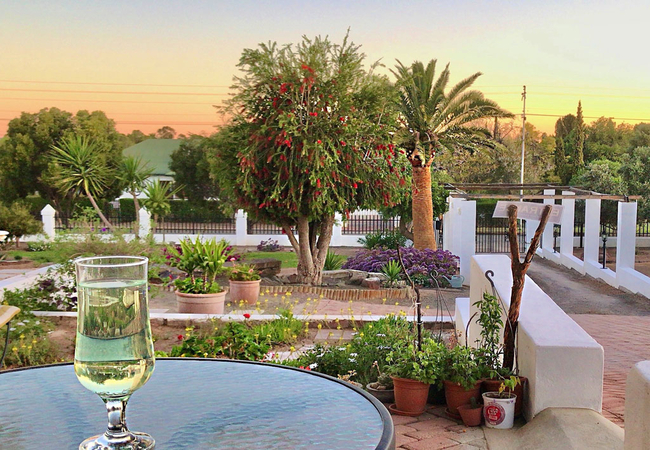
Kia Ora Guest House
Kia Ora Guest House in Beaufort West has three deluxe rooms, one with an en-suite bathroom and the other two rooms share an adjoining bathroom. E...
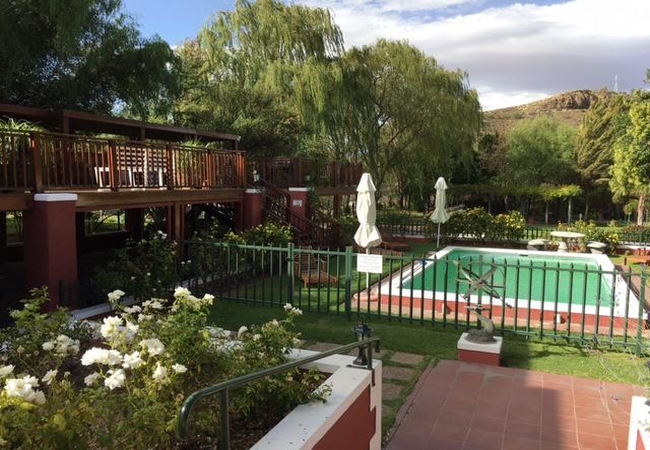
Beaufort Manor Country Lodge
Beaufort Manor Country Lodge offers quality accommodation in Beaufort West. All units have a bar fridge, an en-suite bathroom with a bath and sho...
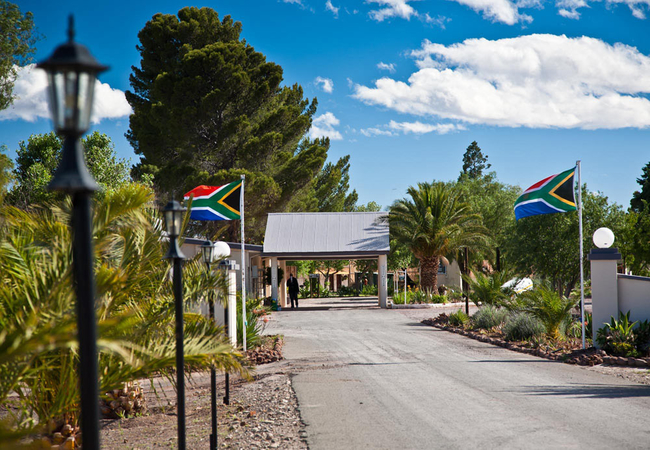
Wagon Wheel Country Lodge
The very popular and well-known Wagon Wheel Country Lodge is conveniently located just off the N1, 1km from the charming Great Karoo town of Beau...
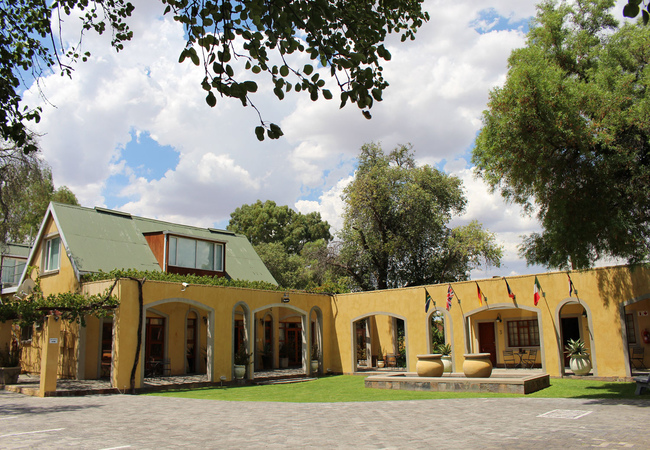
17 On Bird Guest House
Offering both Bed and Breakfast and Self Catering, 17 on Bird Guest House is located in the historical town of Beaufort West. Graded three stars,...
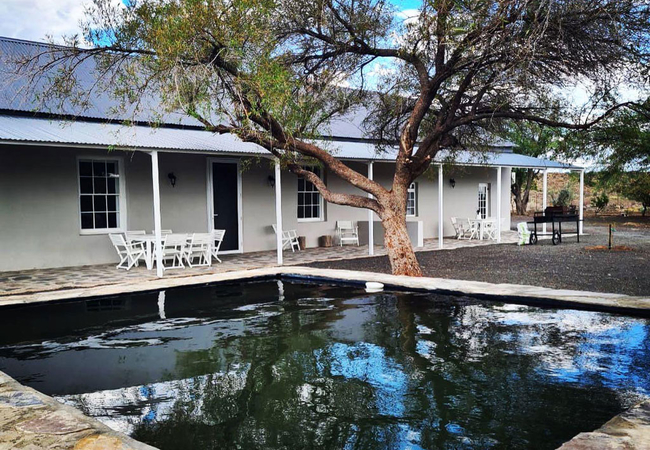
Grootfontein Farm House
Grootfontein Farm House is located on a farm and is an isolated Victorian farmhouse only 7.6km from the N1, 12km south of Beaufort West and borde...
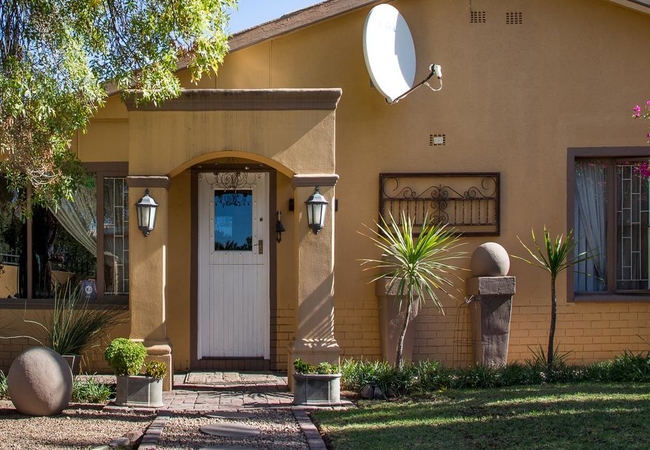
Ons Huisie Guesthouse
Ons Huisie is a beautifully appointed Guest House situated in Beaufort West. The Karoo town boasts a healthy climate and lovely weather all year ...
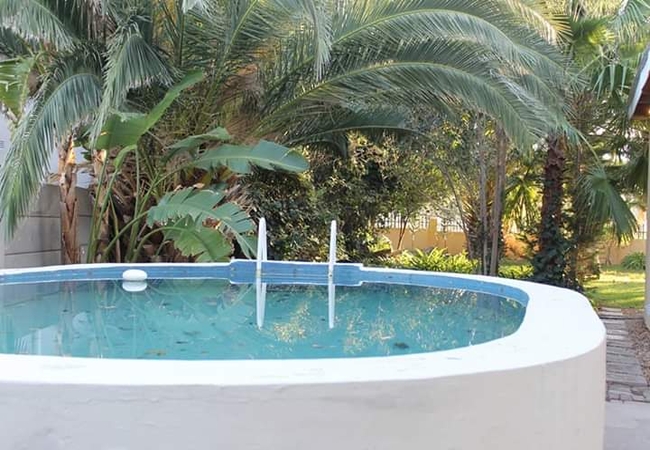
Garden Corner Guesthouse
Garden Corner Guesthouse offers comfortable accommodation for business and leisure guests in Beaufort West. Each unit offers air conditioning, TV...
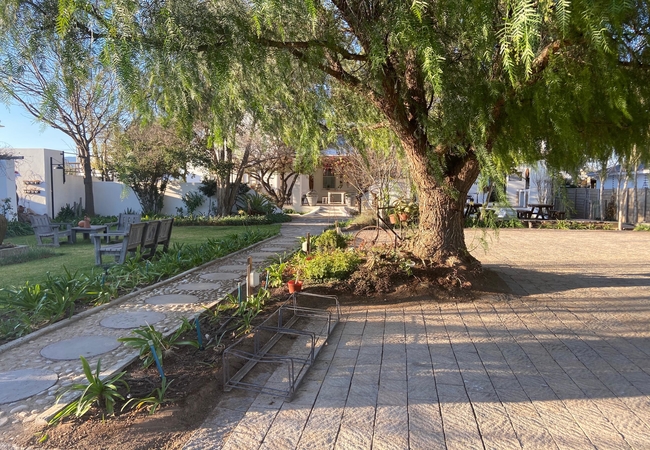
Cape Karoo Guesthouse
Experience the peace and tranquillity of this luxurious guesthouse posed against a backdrop of the Nieuwveld Mountains. Cape Karoo Guesthouse is ...
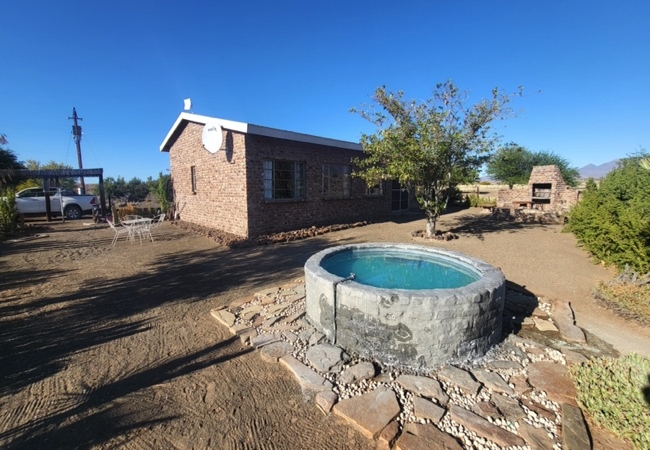
Kalkfontein Guest Farm
Make yourself at home in our three bedroom guesthouse that accommodates a total of eight people. Each bedroom is equipped with two. Each bedroom ...
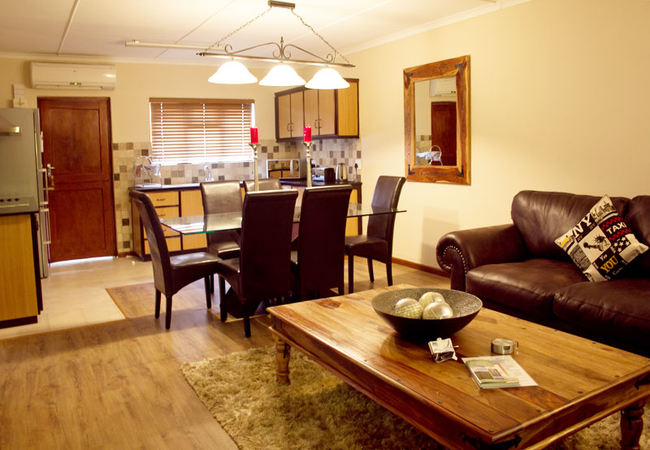
Bakgat Blyplek
Enjoy a 'bakgat' accommodation experience in these self-catering units (two bedrooms and two bathrooms). Luxury and comfort is the standard! Each...
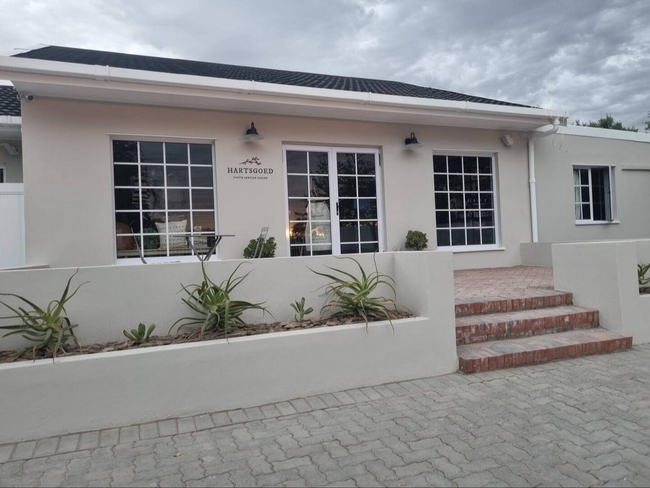
Hartshuijs
Discover the spacious open-plan layout of Hartshuijs, thoughtfully designed to comfortably accommodate a family of four. This air-conditioned hav...
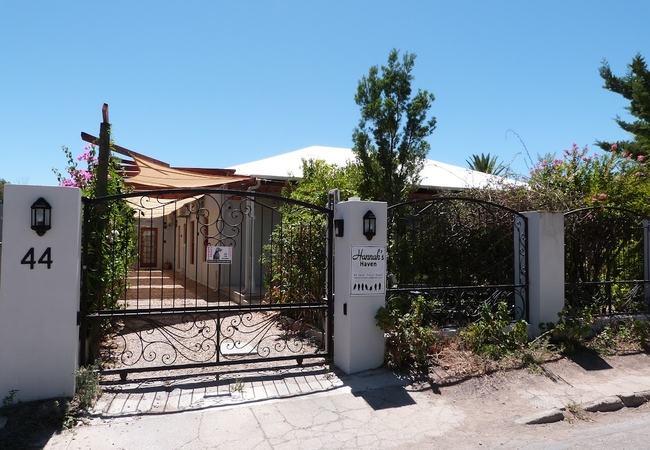
Hannah's Haven
Hannah's Haven is a semi detached garden cottage, set in a tranquil garden offers guests ample space and the time to relax and unwind. The cottag...
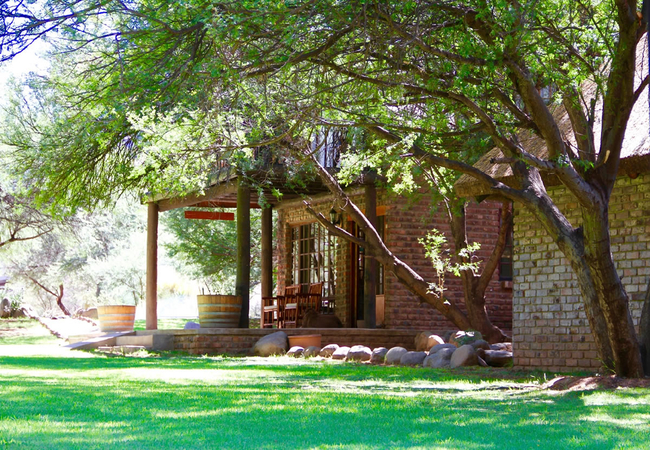
Ko-Ka Tsara Bush Camp
Ko-Ka Tsara Bush Camp meaning "small bucks kloof" in Khoi, is set in the Nuweveld Mountains of the Great Karoo, 8km outside Beaufort West. This i...
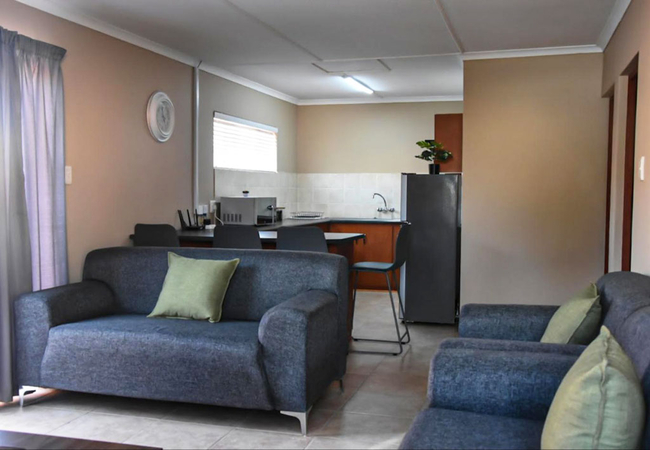
River Olive Estate Chalets
River Olive Estate Chalets offer air-conditioned chalets that are ideal for families. Guests have a choice of two- or three-bedroom chalets, each...
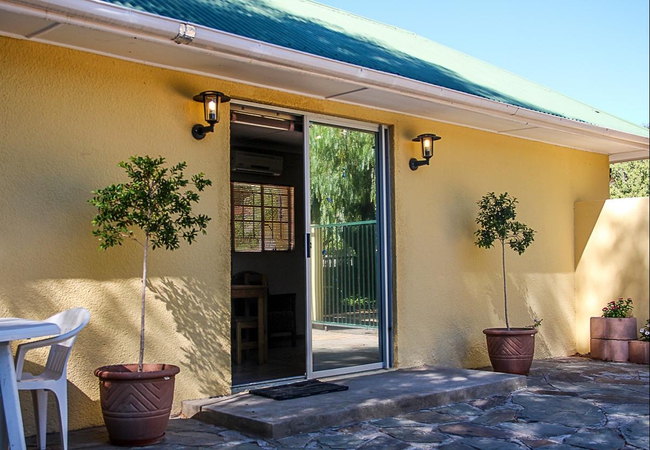
Grace's Place
Grace's Place a self catering cottage found in a quiet area of Beaufort West. The cottage sleeps three guests in two bedrooms. The main bedroom ...
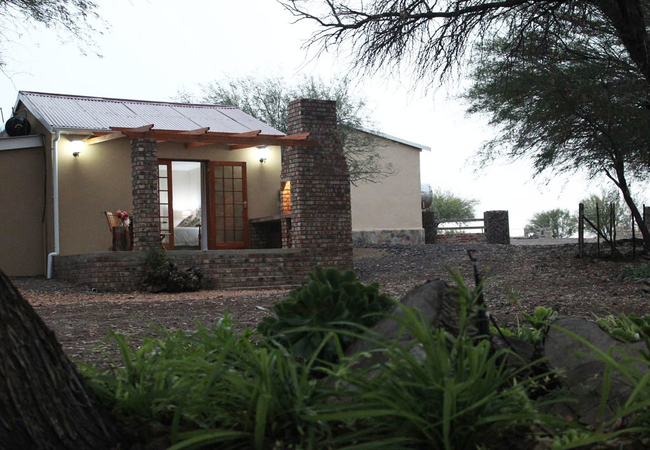
Quaggasfontein Gastehuis
Situated on a Karoo farm 10km from Beaufort West, Quaggasfontein Gastehuis offers comfortably furnished accommodation. This is the ideal place to...
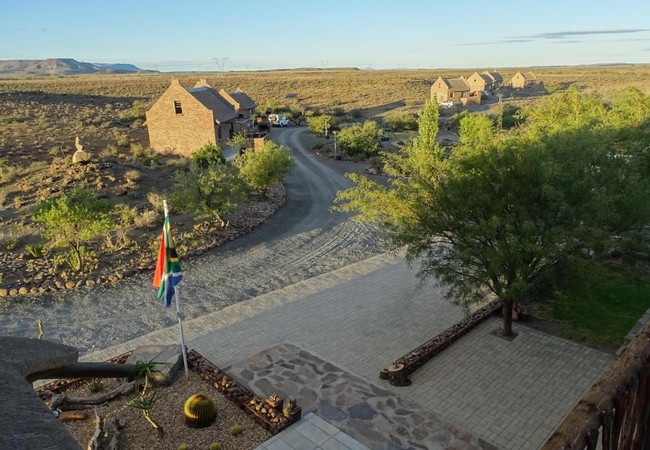
Teri-Lemveli Lodge
Teri-Lemveli Lodge is the ideal place to come and rest, rejuvenate and revive your soul. Choose from one of our comfortable chalets. Each chalet ...
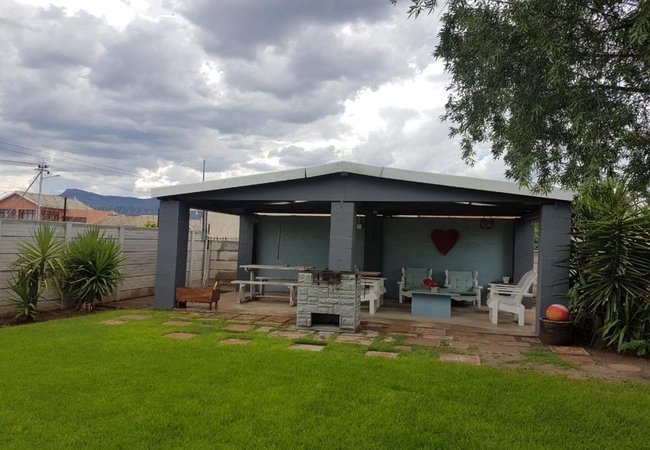
Karoo Heart
Situated in the charming town of Beaufort West, Karoo Heart offers self catering accommodation for six guests in three bedrooms. One of the bedro...
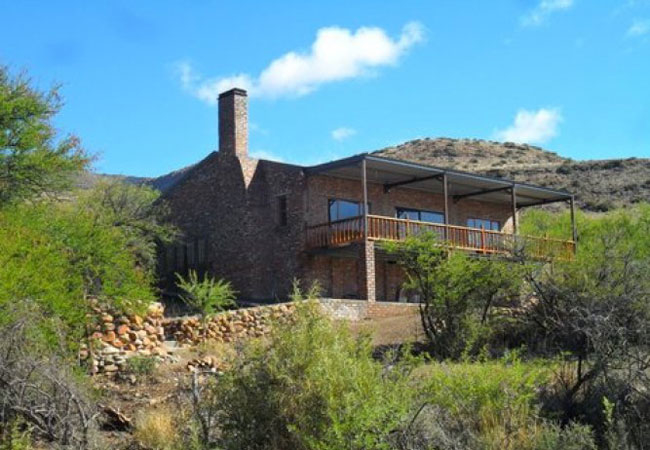
Rooiheuwel Holiday Farm
Rooiheuwel is situated in the Great Karoo, 80km west of Beaufort West and 60km north of Leeu Gamka. Our farm is the ideal place for a quiet weeke...
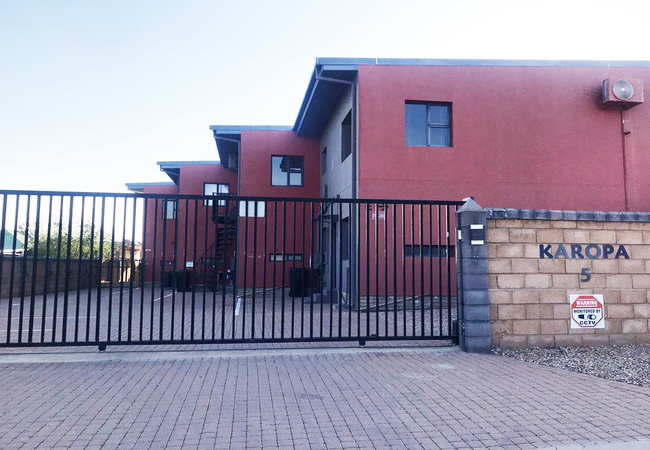
Karopa Self Catering
Karopa Self Catering offers a selection of Beaufort West self catering units within easy reach of popular activities including museums, the Karoo...
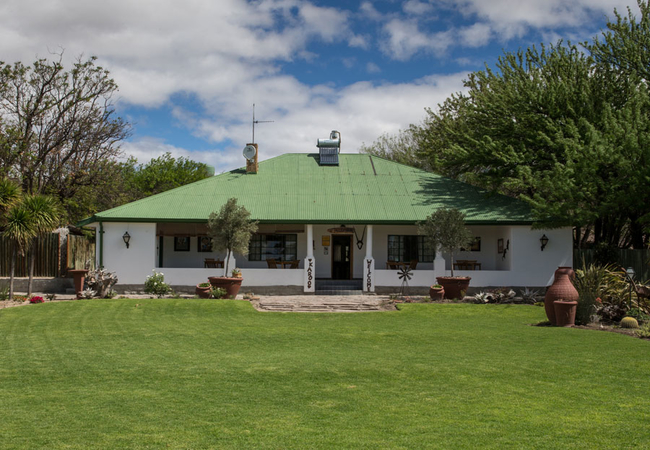
Olive Grove Guest Farm
Olive Grove is suitable for all kinds of visitors - families, business travellers, romantics and those interested in the variety of activities th...
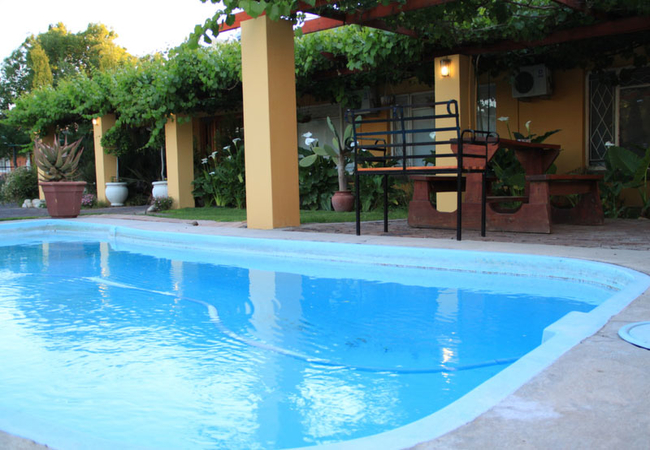
Donkin Country House
A mainstream up-market 3-star guest house in Beaufort West providing accommodation for business people and families alike. All rooms en-suite wit...
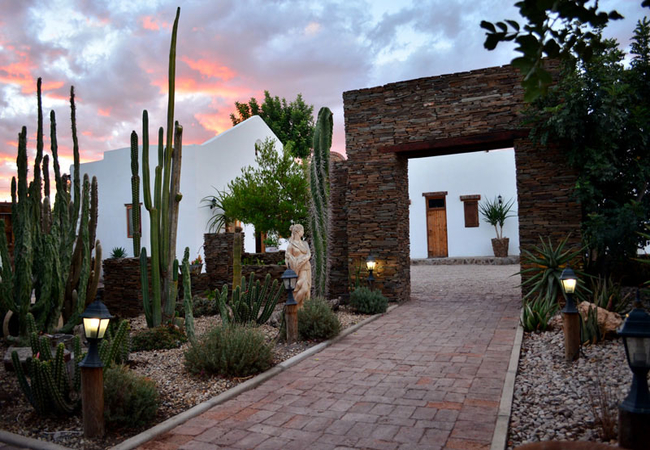
Villa Contessa
Villa Contessa offers stylish accommodation in luxury rooms in Beaufort West. All rooms have air conditioning, a TV, Wi-Fi, tea / coffee making f...
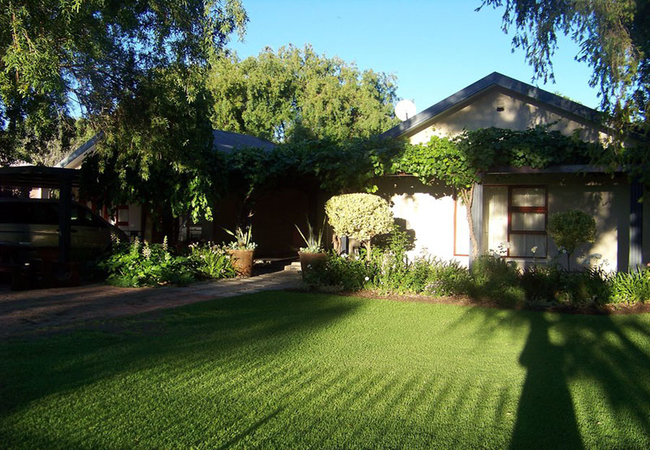
La Paix Guest House
La Paix Guest House offers comfortable accommodation in the lovely area of Beaufort West. Choose from our five bed and breakfast guest rooms or t...
Things to do in the area
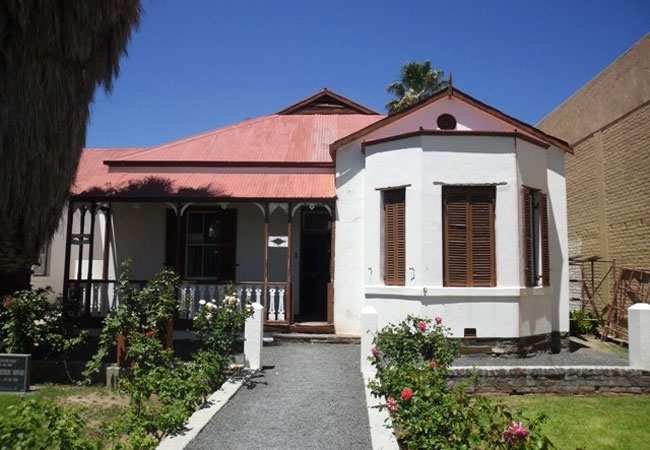
Christian Barnard Museum
Visit The Christian Barnard Museum in Beaufort West. Christiaan Neethling Barnard (November 8, 1922 - September 2, 2001) was a South African card...
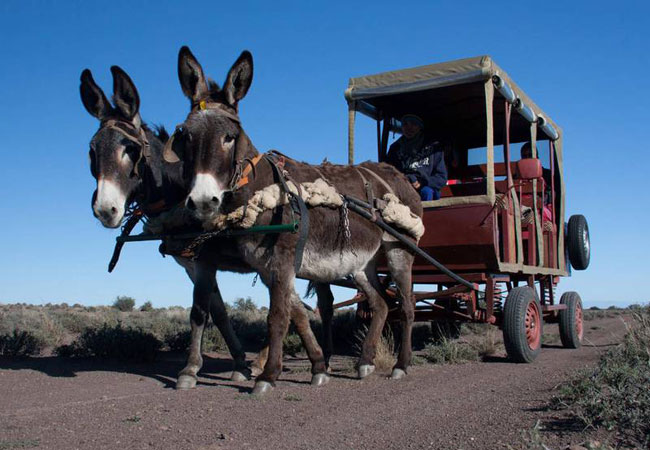
Donkey Cart Tours
Enjoy a spectacular sunset while sipping a glass of champagne and taste some delicious Karoo snacks. A local qualified tour guide and an experien...
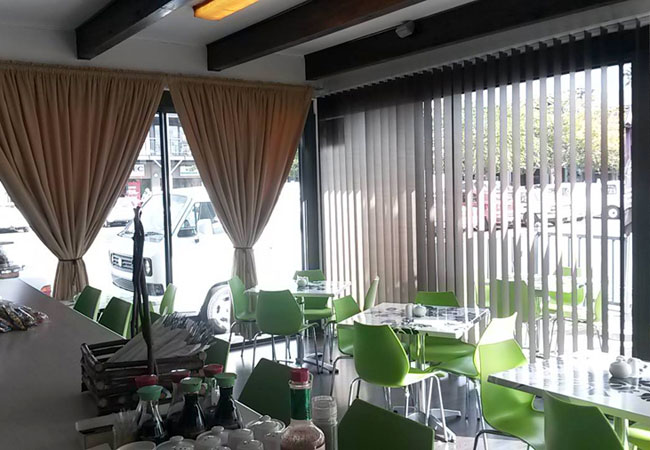
Karushi Sushi Bar
If you love sushi, then Karushi is a place you need to visit, when making your way through Route 62. A bar, lounge and deli, Karushi also offers ...
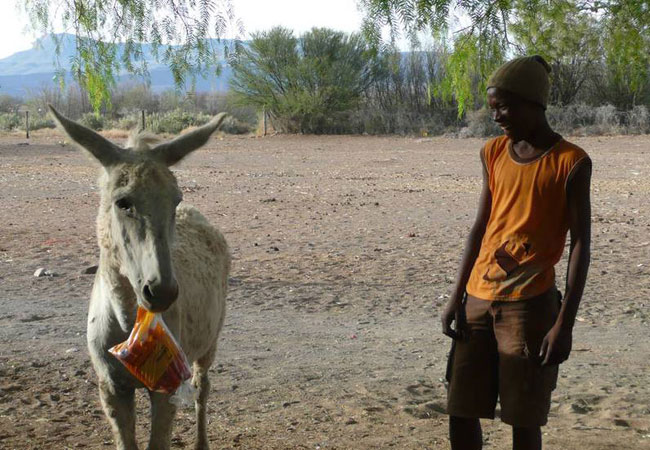
Karoo Sundowner Donkey Cart Tour
In the heart of the Karoo lies the sleepy town of Beaufort West, where not much happens and the locals are just fine with that. However, it has a...
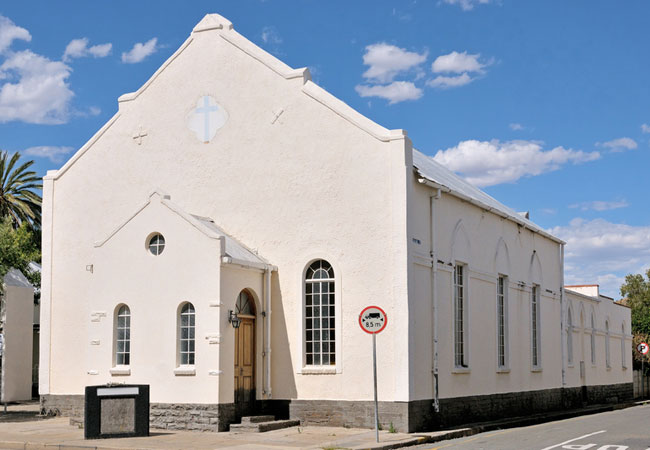
Beaufort West Museum
In February 1837, Beaufort West became the first municipality in South Africa with its own Town Hall. Take a drive down Donkin Street and visit t...
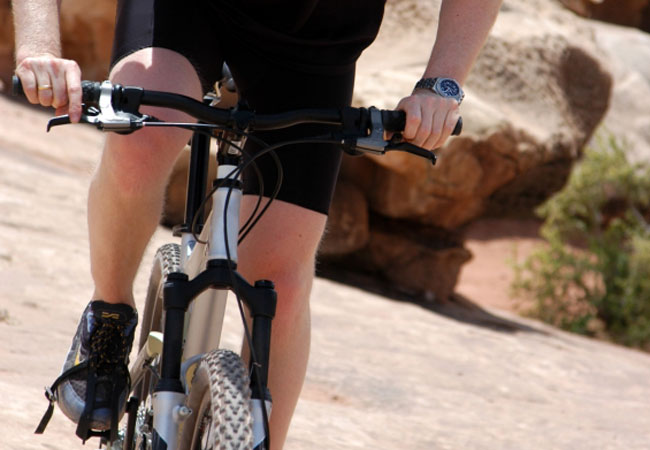
Hillandale MTB Route
Enjoy a fabulous Mountain bike ride through Hillandale Farm amongst the Nuweveld Mountains.Here you can explore a number of single track farm roa...

Karoo Erdvark Trail
Enjoy the ultimate Karoo experience while on the Karoo Erdvark Trail, about 80 kilometers from Beaufort West. The trail is within the Nuweland Mo...
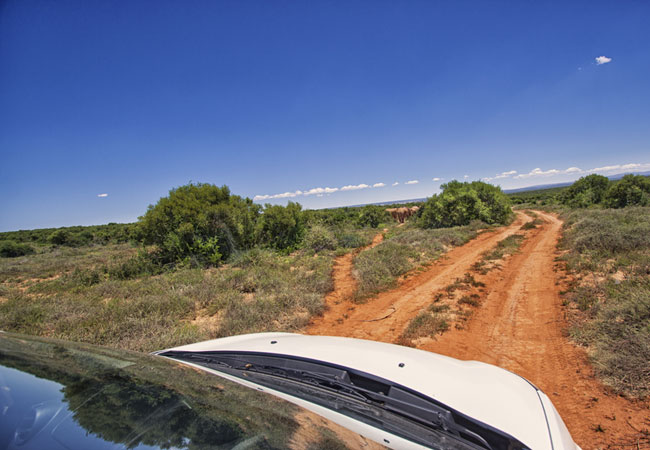
Karoo Nuweveld 4x4 Trail
The Karoo National Park, perched quietly in the Western Cape Province, is an apt representation of the vastness and the beauty (which is sometime...
Noteworthy attractions
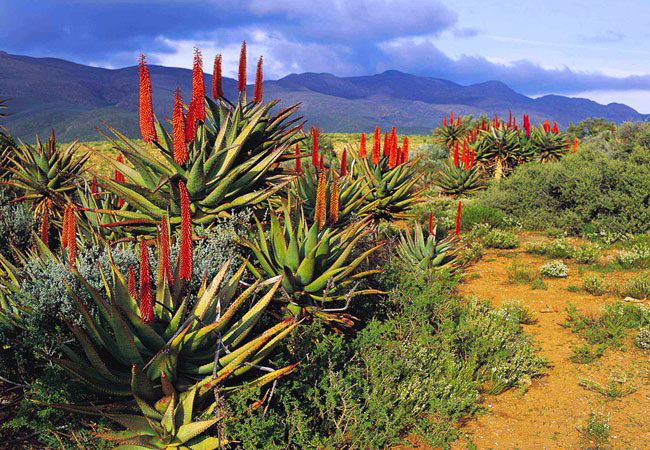
Anysberg Nature Reserve
In the heart of the Cape Fold Mountains, the natural abundance of the Anysberg Nature Reserve is situated in the Little Karoo of the Western Cape...
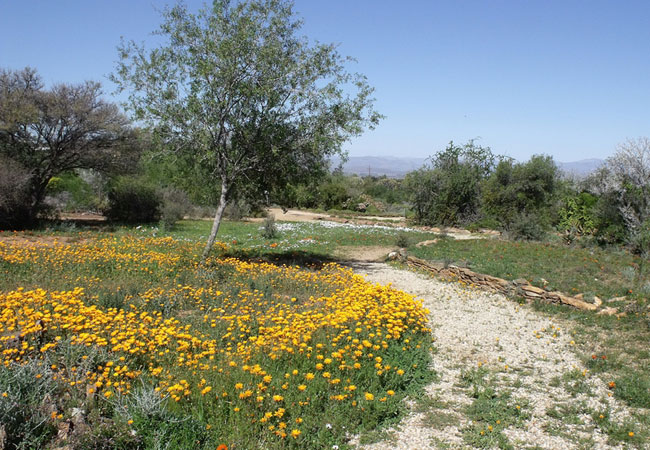
Karoo Desert National Botanical Garden
In Roux Road on the outskirts of Worcester, some 120 kilometres from Cape Town, lies a unique gem of a garden - the only truly succulent garden i...
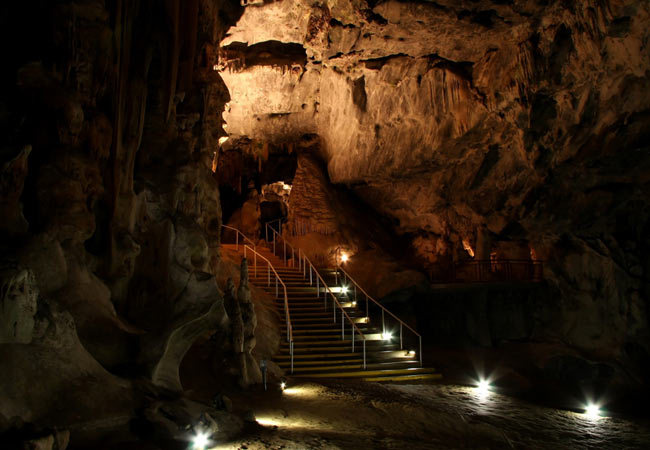
Cango Caves
Almost 30 kilometres outside of Outshoorn in the Klein Karoo, and certainly one of the main reasons for placing this little town on your itinerar...
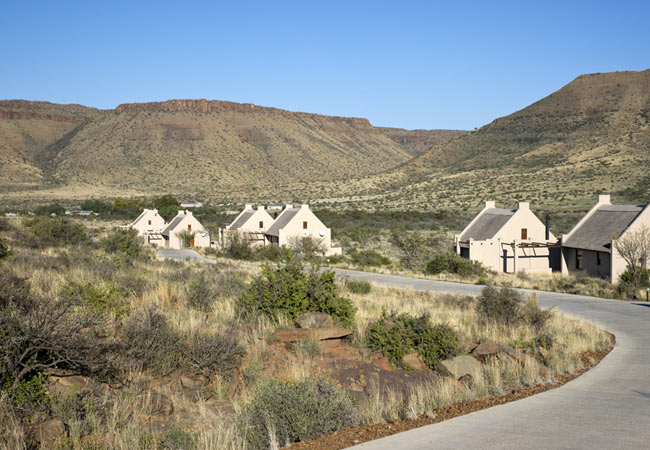
Karoo National Park
The Karoo National Park is situated close to the N1 highway between Cape Town and the hinterland, approximately 1000 km south of Johannesburg and...
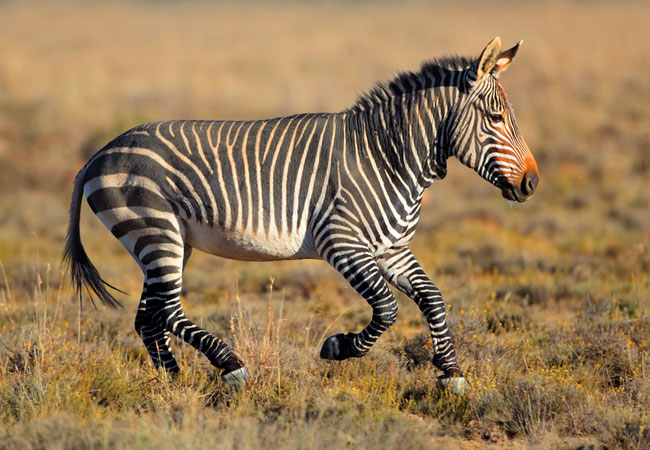
Gamkaberg Nature Reserve
Lying in the Little Karoo is the remote Gamka mountain range, isolated because of the conduit of the Gouritz River that slices between the Gamkab...
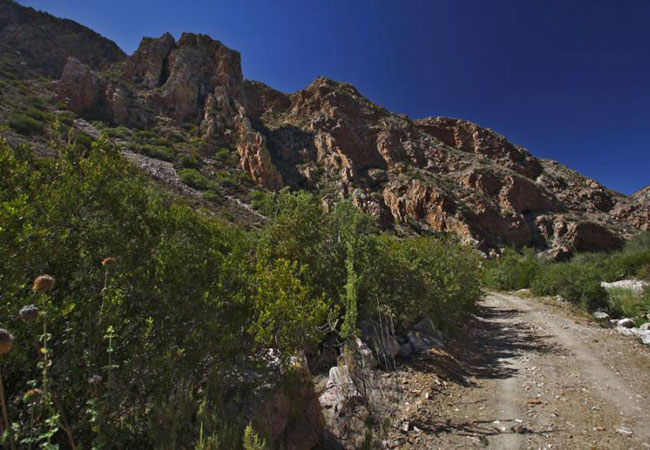
Kammanassie Nature Reserve
Lying in the Little Karoo between the Swartberg and Outeniqua Mountains, lies an inselberg or monadnock - an isolated hill or small mountain that...
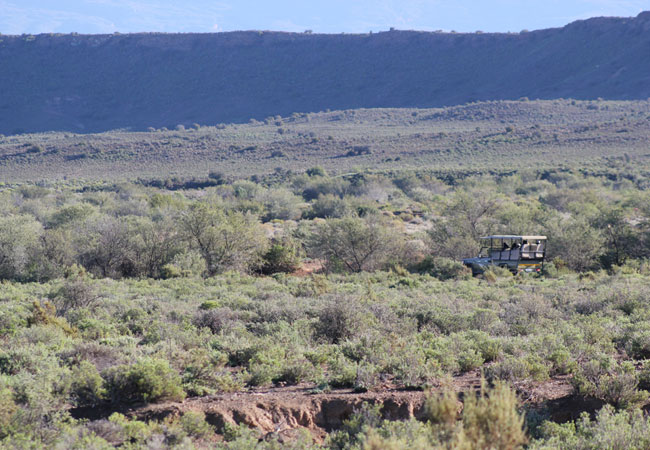
Sanbona Wildlife Reserve
At the foot of the Warmwaterberg, in the heart of the Little Karoo, between Montagu and Barrydale on the famous Route 62, the vision of the San i...
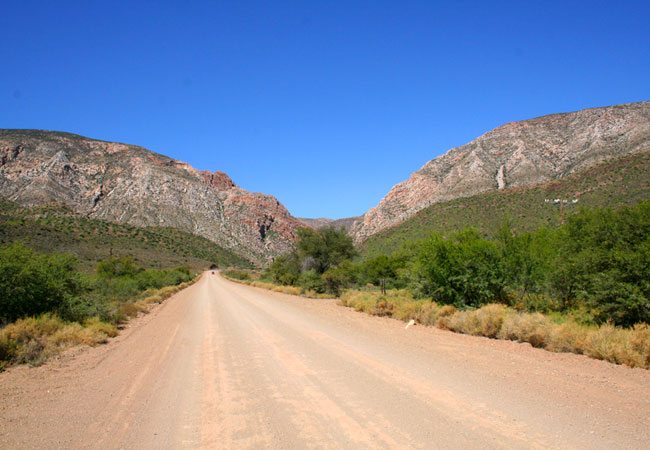
Swartberg Nature Reserve
The Swartberg Nature Reserve lies in the Oudtshoorn district between the Great Karoo and Little Karoo, bordered by the Gamka River in the west an...
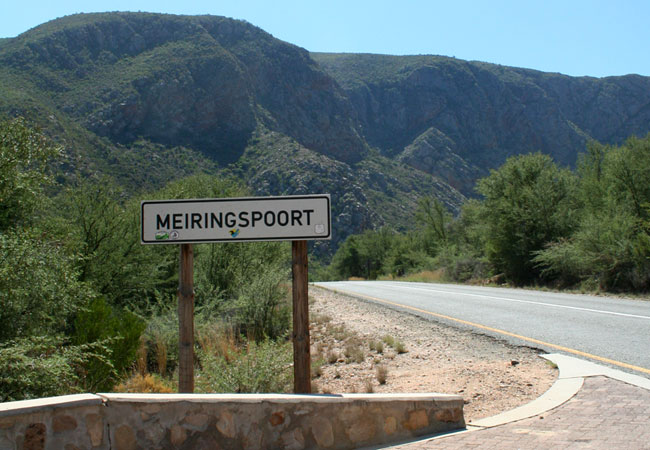
Meiringspoort
The towering sandstone cliff walls and breathtaking rock formations of Meiringspoort lie on the N12 between Beaufort West and Oudtshoorn. The poo...
Find accommodation in Beaufort West
FIND / South Africa Accommodation / Western Cape Accommodation / Cape Town Accommodation / Karoo Accommodation / Beaufort West Accommodation