


About iSimangaliso Wetland Park
Previously known as the St Lucia Wetland Park, iSimangaliso Wetland Park lies on the north eastern edge of KwaZulu-Natal in the sublimely beautiful region known as the Elephant Coast.
Did you know? The iSimangaliso Wetland Park is so biodiverse, it supports more species of animal than the Kruger National Park, despite being only the third largest park in the country.
The incredibly beautiful series of beaches, coral reefs, lakes, swamps, wetlands, woodlands, coastal forests and grasslands that stretch all the way from Kosi Bay, virtually on the Mozambican border, to Cape St Lucia in the south collectively form the first of eight South African UNESCO World Heritage sites.
There is a wealth of diversity of bird and animal life that ranges from whales, dolphins, sea turtles, and incredible waterfowl - such as storks, pelicans, terns and herons; well over 500 South African bird species including the Madagascar fish eagle, the Nile crocodile, South Africa's largest hippo population, elephant, black and white rhino, giraffe, buffalo and a range of antelope that includes waterbuck, impala and kudu.
iSimangaliso Wetland Park includes Lake St Lucia, the St Lucia and Maputaland Marine Reserves, the Coastal Forest Reserve, the Kosi Bay Natural Reserve and Mkuze Game Reserve – no fewer than 328 000 hectares of pristine natural ecosystems, and the country's third largest protected land mass.
A considerable part of the park centres on the huge estuary, Lake St Lucia – part of the largest estuarine system in Africa - that runs parallel to the coast line with the world's highest forested sand dunes sandwiched between the estuary and the sea.
The park is one of South Africa's most popular destinations, and, aside from the numerous hiking trails, offers fishing, rock and surf fishing, estuary fishing and deep sea fishing, as well as diving, horse riding, game viewing and whale and bird watching.
For additional information please see Greater St Lucia Wetlands Park and iSimangaliso Wetland Park, WHS.
Need to Know
WhereiSimangaliso Wetland Park, St Lucia, Elephant Coast, KwaZulu Natal, South Africa
WhenBest during daylight hours.
OvernightStay in St Lucia Accommodation, KwaZulu Natal
Disclaimer
Please note, business details can change. While we endeavour to ensure all information provided by the service provider is correct at the time of publication, we do not assume any liability caused by errors or changes, such as price, cost, time, and location. Please check with the provider that the activity/business is still offered as described, before making any travel plans.
Feedback?
If this is your reserve, you can let us know if anything on this page is outdated or contains inaccuracies, by email. We regret, we do not have any other information, please contact the provider if you have questions.
Additional Reading
- Exclusive-Use Safari Villas for Family and Group Getaways
- Best Places to Stay on the Elephant Coast, South Africa's True Wilderness Revealed
- Everything You Need to Know to See the iSimangaliso Wetland Park Properly
- Best Places to Stay in Hluhluwe – the doorstep of iSimangaliso Wetland Park & Hluhluwe-iMfolozi
- 10 rivetting reasons to visit the Elephant Coast
- Top 5 wildlife parks in South Africa (other than Kruger)
- Top Reserves of the Elephant Coast
- Richtersveld Cultural & Botanical Landscape (Northern Cape)
- iSimangaliso Wetland Park (KwaZulu Natal)
- Cape Floral Region (Western Cape and Eastern Cape)
- Cradle of Humankind (Gauteng / North West)
- Mapungubwe Cultural Landscape (Limpopo)
- Robben Island (Western Cape)
- Ukhahlamba Drakensberg Park (KwaZulu Natal)
- Vredefort Dome (Free State)
- Khomani Cultural Landscape (Northern Cape)
- Barberton Makhonjwa Mountains (Mpumalanga)
Stay at iSimangaliso Wetland Park
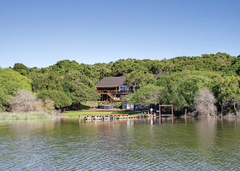
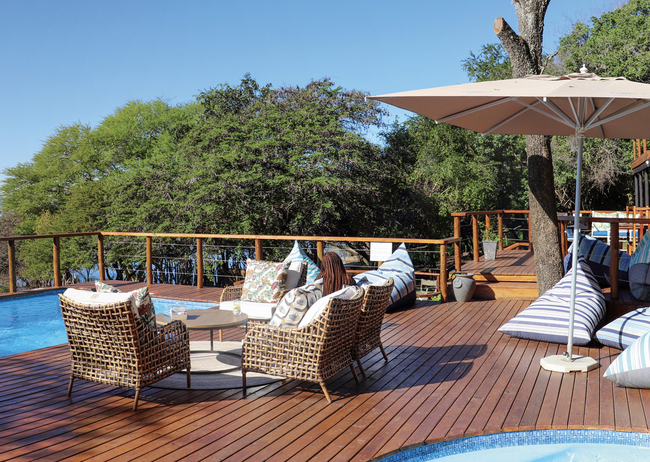
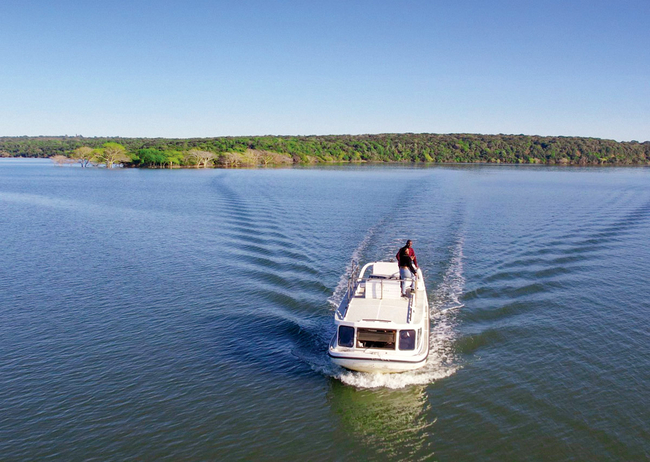
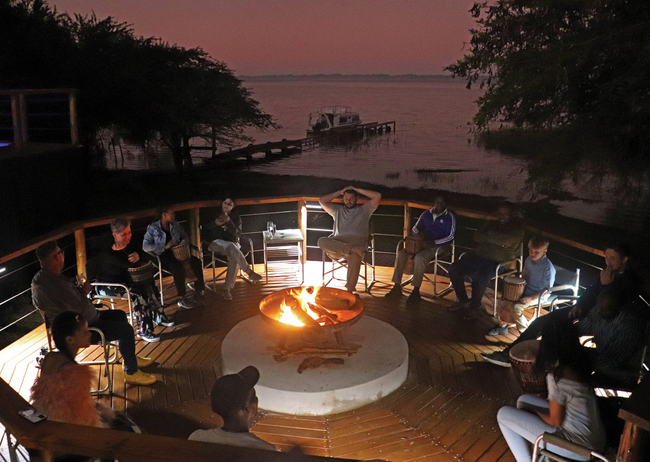
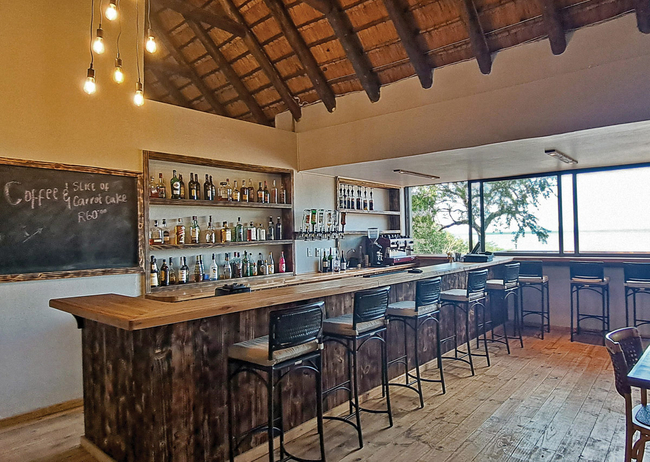
Sleeps 71 people in 15 rooms
Surrounded by the iSimangaliso Wetlands Park near Hluhluwe, Nibela Lake Lodge is ideally located to deliver a ...
- free wifi
- all ages welcome
- parking
- swimming pool
- aircon
- tonight from
- R
- 7380
- per room per night
based on 2 persons
instant booking possible
Game & Nature Reserves in KwaZulu Natal
In the vicinity
Hotels & other accommodation options in St Lucia
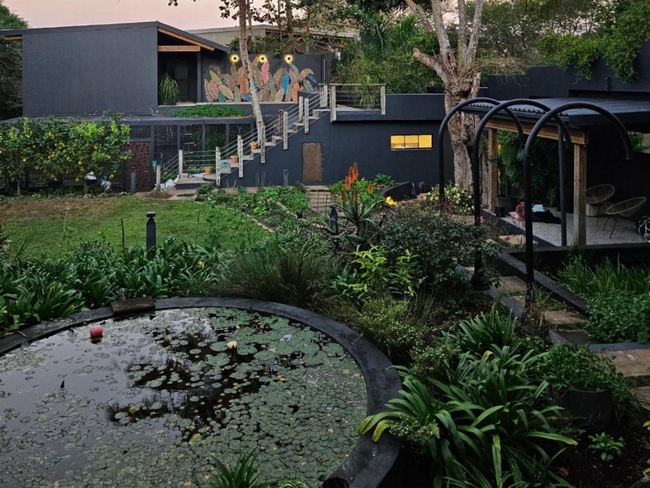
Amoya Villa
Amoya Guest House invites guests to experience refined comfort and indulgent hospitality. Each room is thoughtfully designed to provide an elevat...
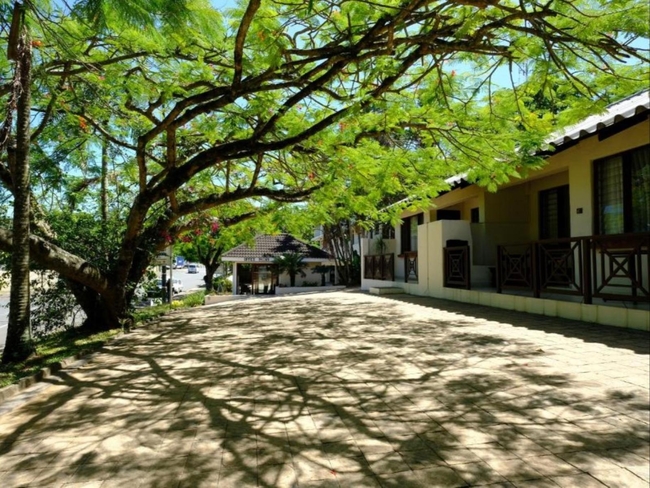
Rhino Coast Guesthouse
The Rhino Coast Guesthouse is an upmarket, luxury Bed & Breakfast situated in the town of St. Lucia. It offers a tranquil escape for the discerni...
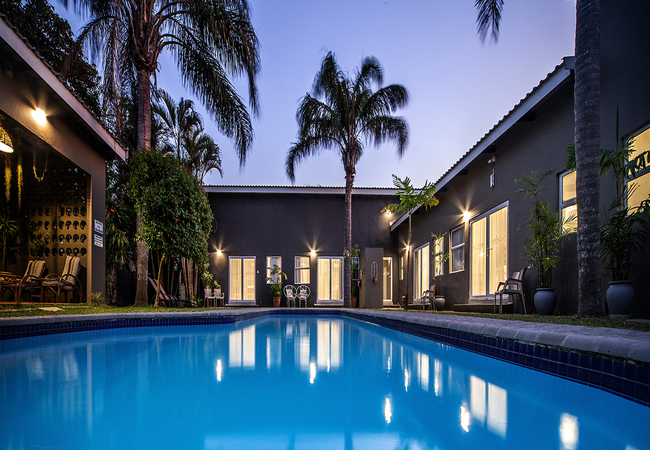
iGwalagwala Guest House
iGwalagwala Guest House is located in The Greater St Lucia Wetland Park, now known as Isimangaliso Wetland Park, South Africa's first natural Wor...
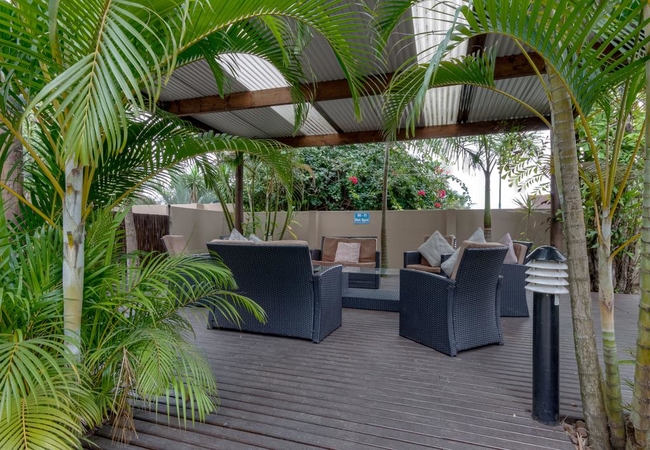
Shonalanga Holiday Apartments
Shonalanga Lodge offers you beautiful one and two bedroom self catering holiday apartments / units in this spectacular setting. Some units are of...
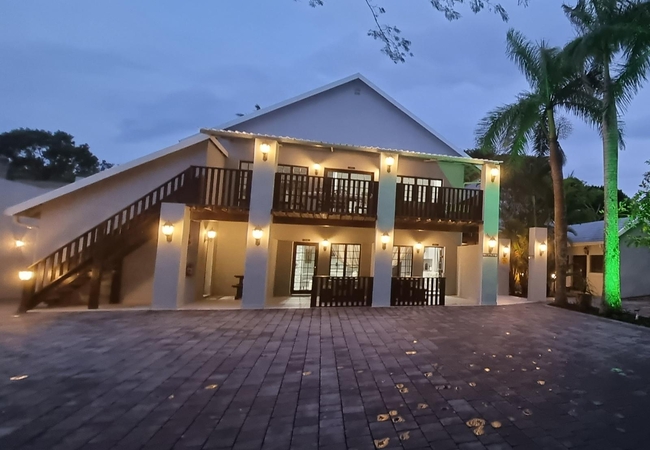
Bulbul at Leopard Tree
Bulbul is a semi-open plan apartment sleeping three adults and one child. The apartment has a fully equipped kitchen and a lounge with a TV with ...
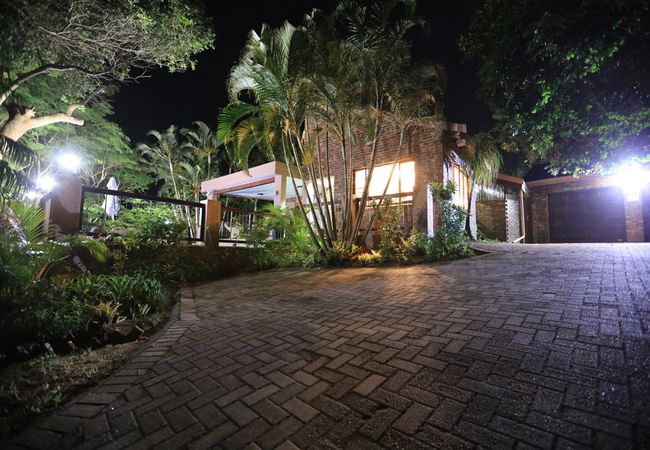
Pelican's Nest Holiday Home
Pelican's Nest Holiday Home St Lucia is a spacious self catering holiday home in St Lucia. The house has three bedrooms and sleeps up to six gues...
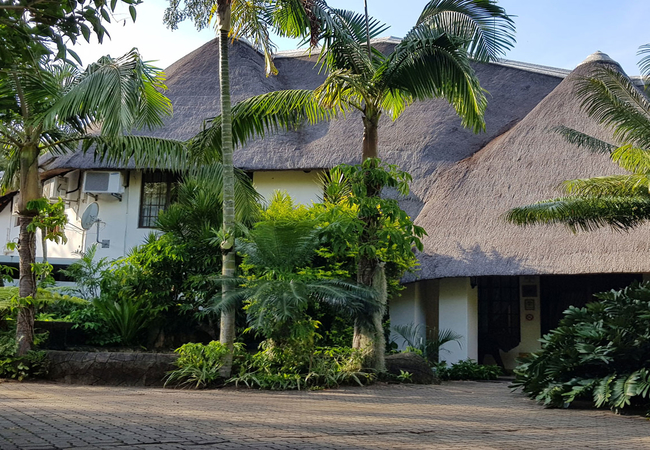
African Ambience
African Ambience can accommodate a total of nineteen guests and is located in St Lucia which is part of the iSimangaliso Wetland Park. The beach ...
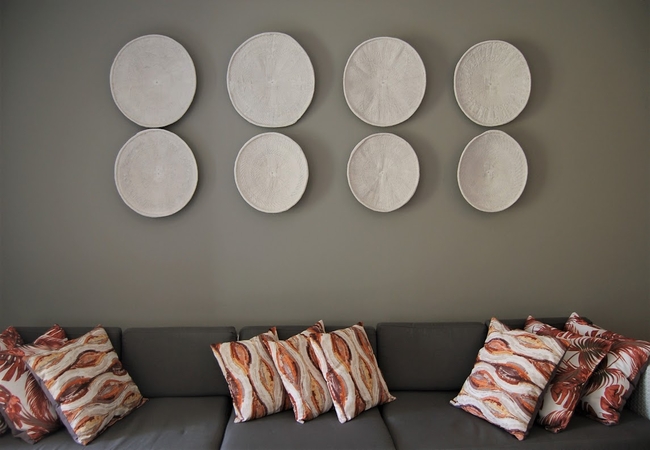
The Bridge 28
The Bridge 28 is an air conditioned, self catering apartment at The Bridge Holiday Resort. The accommodation is located in an area where hippos c...
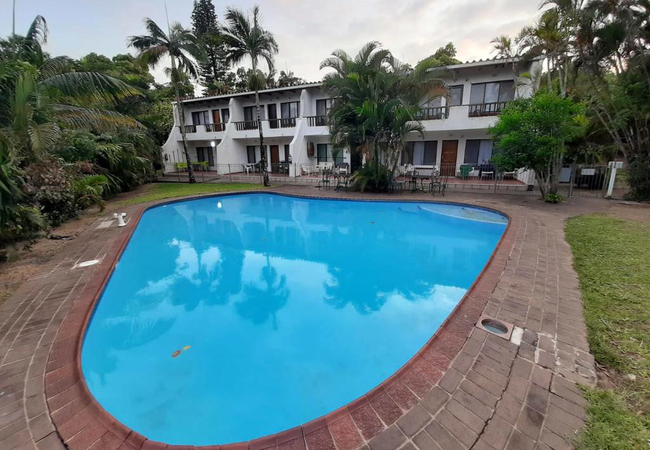
6 Villa Mia
6 Villa Mia is located in a mini resort offering guests a wide range of opportunities and activities. 6 Villa Mia is the only holiday accommodati...
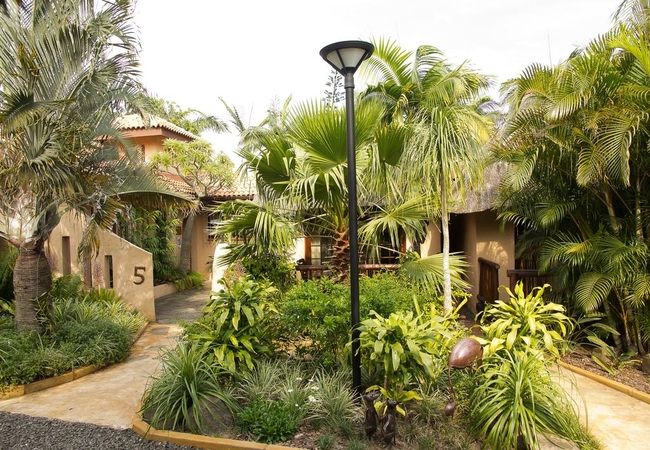
Afrikhaya Guest House
Afrikhaya Guest House is a tastefully decorated Bed & Breakfast in St Lucia offering warm hospitality, spacious and stylish well appointed guestr...
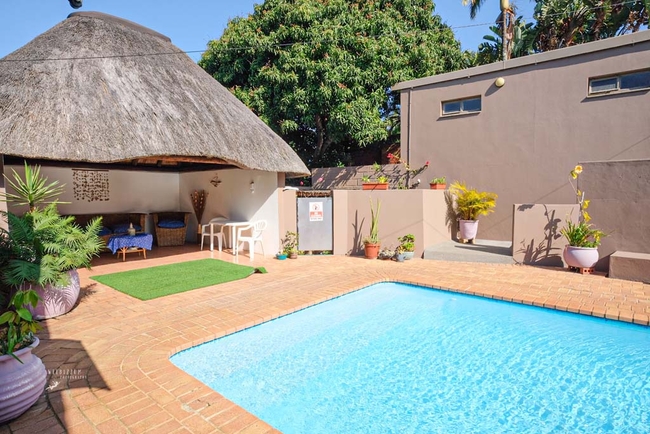
African Thistle
African Thistle is a self-catering apartment situated in the heart of St Lucia in a secure complex and is the perfect getaway for a group or fami...
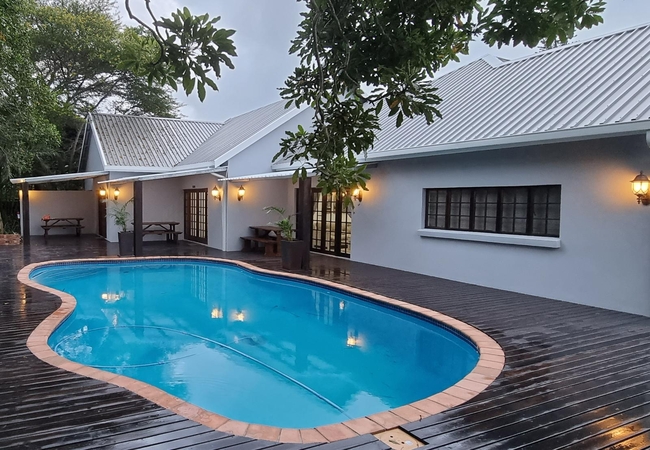
Wagtail Leopard Tree
Wagtail at Leopard Tree is a self catering holiday apartment in St Lucia sleeping four guests. The lounge has comfy seating, a TV with DStv and W...
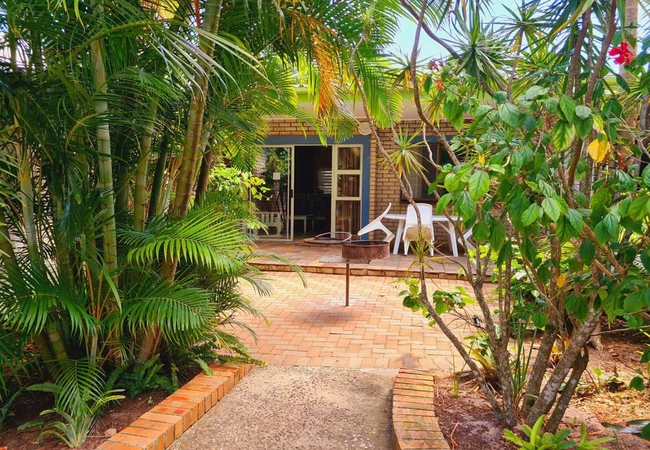
The Estuary Guest Chalets
The Estuary Guest Chalets is situated in the heart of St Lucia on the North Coast making it the ideal getaway for a vacation or long weekend for ...
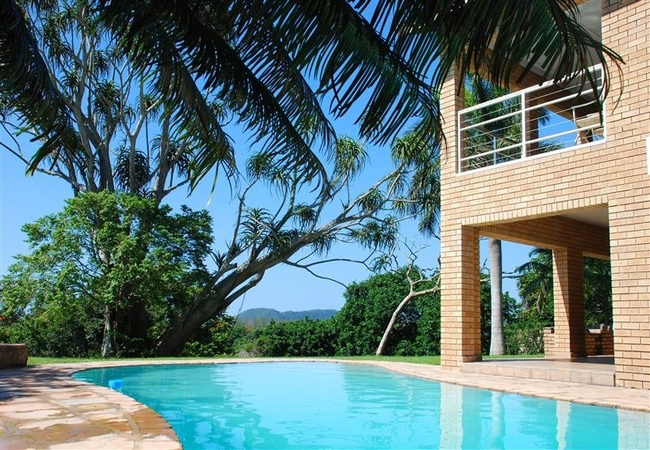
Ingwenya Lodge
Ingwenya Lodge is situated in St Lucia on the border of the nature reserve, with a view of both the sea and the estuary and offers six self cater...
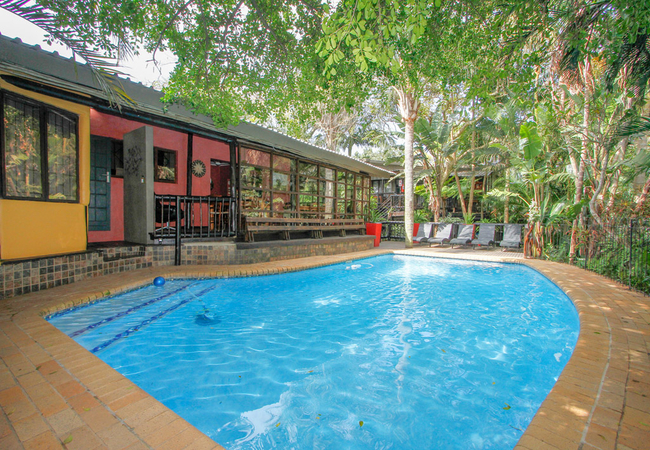
Umlilo Lodge
Umlilo Lodge is a guest house situated in the small village of St Lucia, the only private village in the world to be completely surrounded by a W...
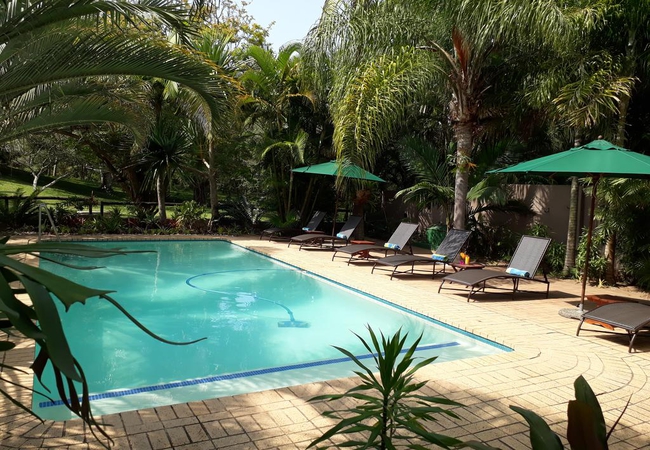
Sandpiper Guest House
Sandpiper Guesthouse is a bed and breakfast bordering the indigenous forest in the village of St Lucia surrounded by the Isimangaliso Wetland Par...
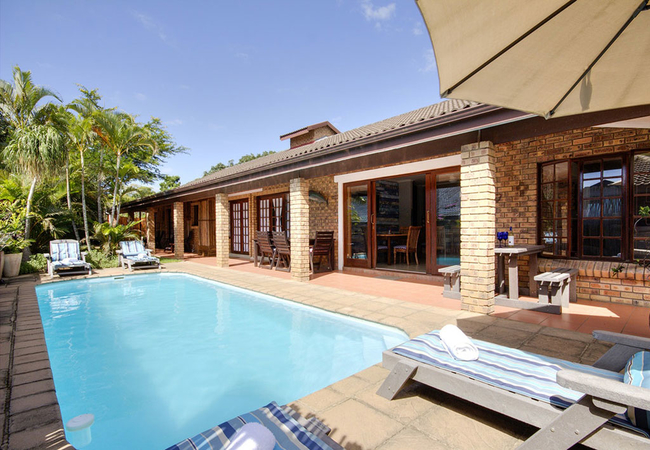
Marlin Lodge
Marlin Lodge is a Bed & Breakfast in St Lucia, KwaZulu Natal. The spacious rooms each have an outside entrance and open onto the patio leading on...
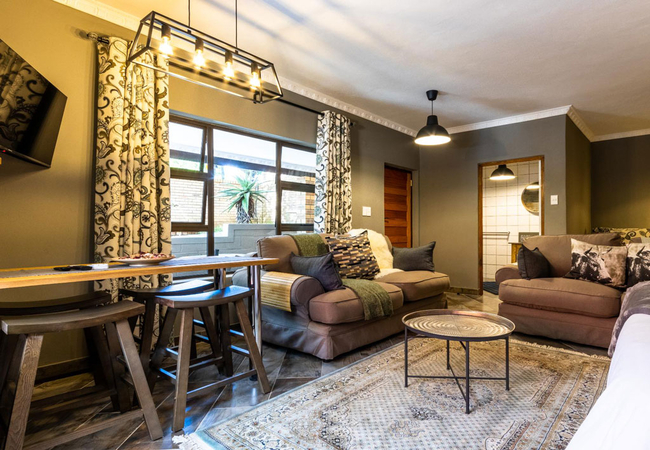
Hornbill Family Suite 3
Hornbill Family Suite 3 is a self-catering suite located at Hornbill Family Suites in the heart of the St Lucia Estuary. Experience a relaxed, se...
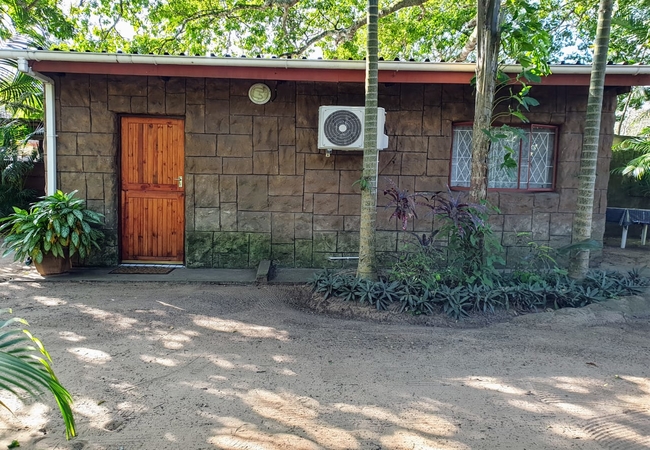
Lake St Lucia Lodge
Lake St Lucia Lodge offers self catering, serviced cottages within walking distance of nearby restaurants, shops and pubs on the main street of t...
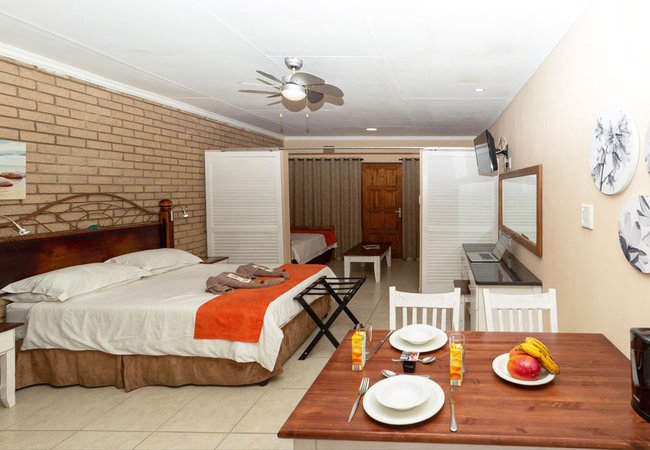
St Lucia Safari Lodge 3
St Lucia Safari Lodge 3 is air-conditioned and furnished with a double bed and two single beds. The kitchen is fully equipped for self-catering. ...
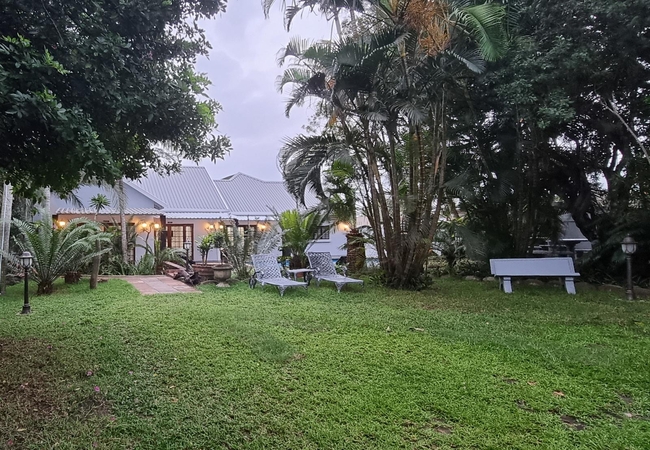
Hornbill at Leopard Tree
Hornbill at Leopard Tree is a self catering apartment in St Lucia sleeping up to six guests. There is a fully fitted kitchen, a sitting area with...
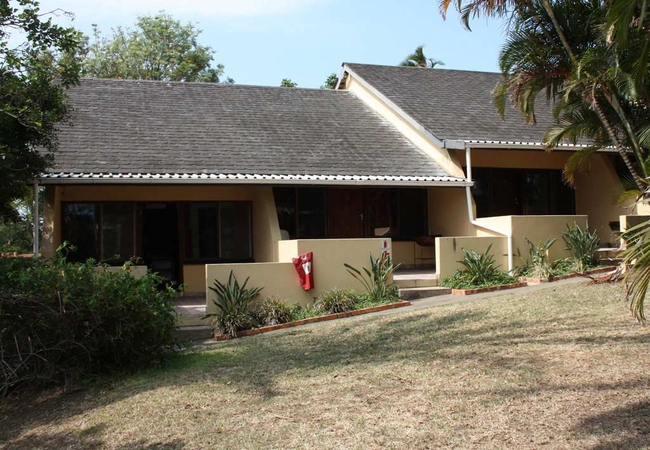
Manzini Chalet 10
Manzini Chalet 10 has two bedrooms and one bathroom. The kitchen is fully equipped for self catering. There is a living area with DStv which lead...
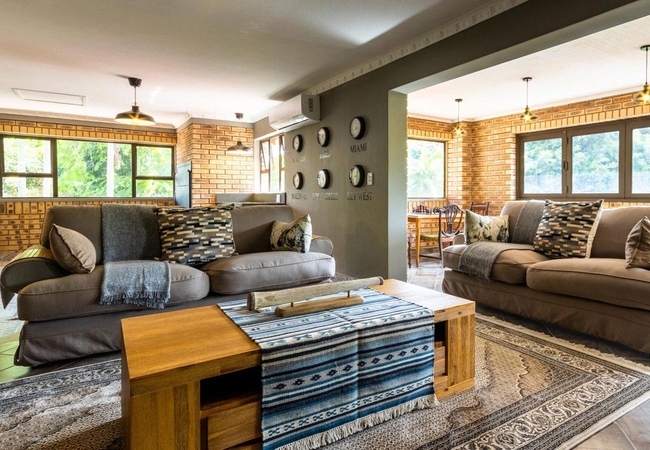
Hornbill Family Suite 2
Hornbill Family Suite 2 is a self-catering suite located at Hornbill Family Suites in the heart of the St Lucia Estuary. Experience a relaxed, se...
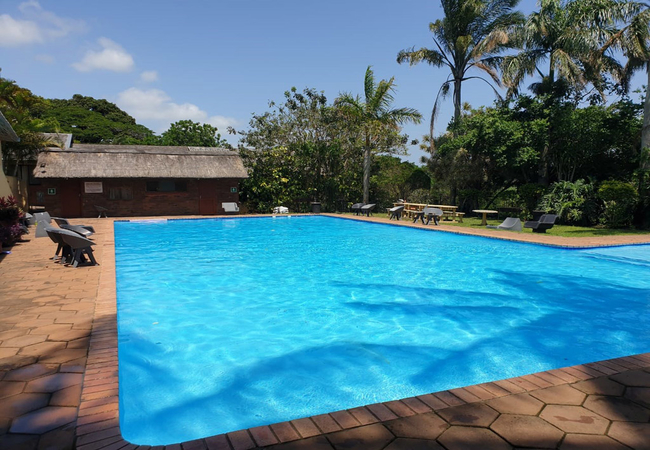
Pumba's Den
Pumba's Den offers accommodation in an apartment for four guests. The apartment can be found at Manzini Chalets in St Lucia. Pumba's Den has gard...
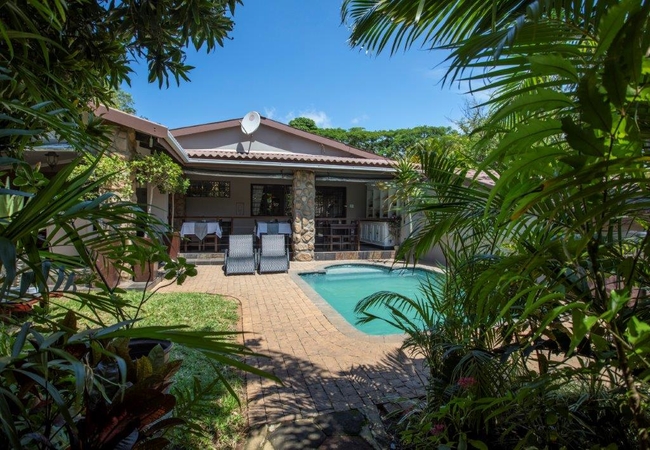
At Heritage House
At Heritage House is situated in the heart of iSimangaliso Wetland Park. Enjoy the refined style and modern comforts that the house has to offer....
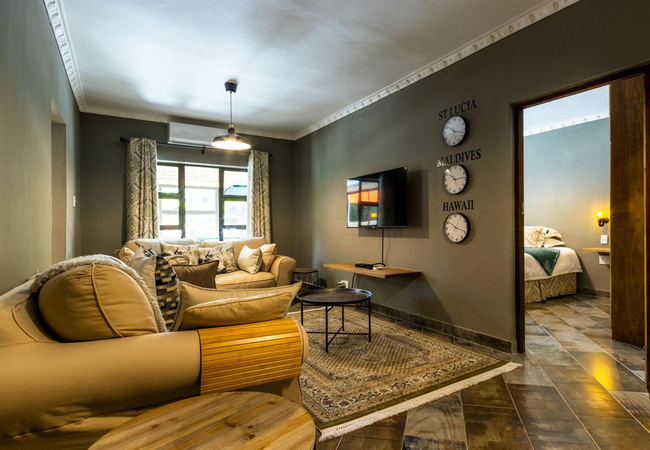
Hornbill Family Suite 4
Hornbill Family Suite 4 is a self-catering suite located at Hornbill Family Suites in the heart of the St Lucia Estuary. Experience a relaxed, se...
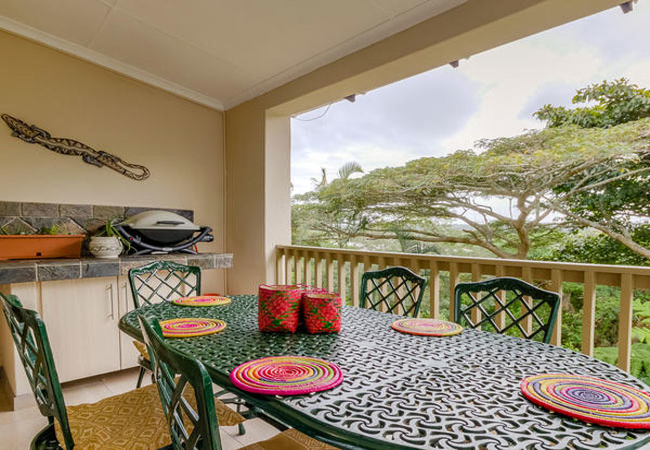
The Bridge 54
The Bridge 54 is a modern, luxurious apartment offering comfortable accommodation in St Lucia. The accommodation is located at The Bridge Resort ...
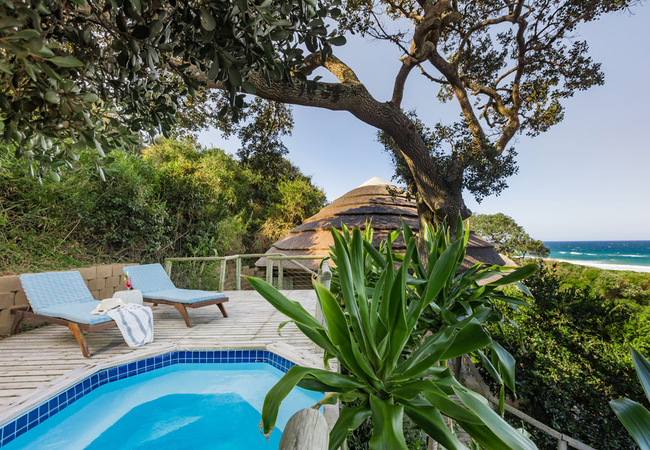
Thonga Beach Lodge
This intimate, luxury 24 bed lodge is nestled on the pristine coast of Maputaland, within the Isimangaliso Park. It's the ideal place to explore ...
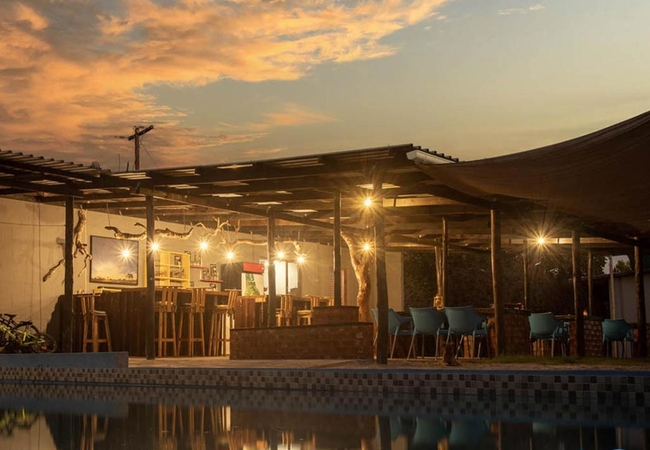
Lodge Umusa
Lodge Umusa offers charming, eco-friendly chalets that can be booked on a self-catering or bed-and-breakfast basis. Our lodge in Kosi Bay is a pe...
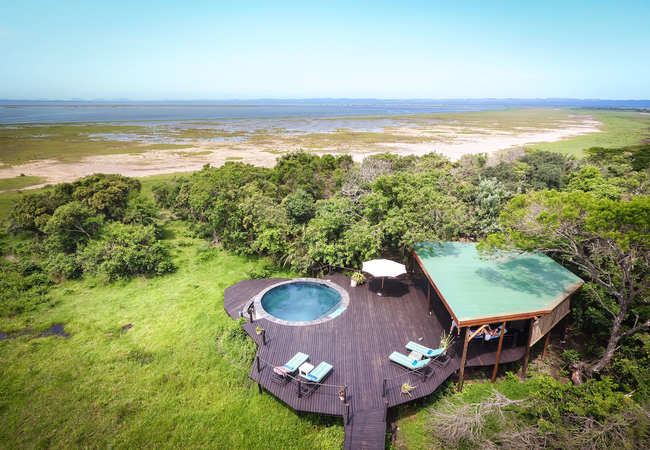
Makakatana Bay Lodge
Makakatana Bay Lodge is a family owned and run lodge offering accommodation on the western shores of Lake St Lucia, within the iSimangaliso Wetla...
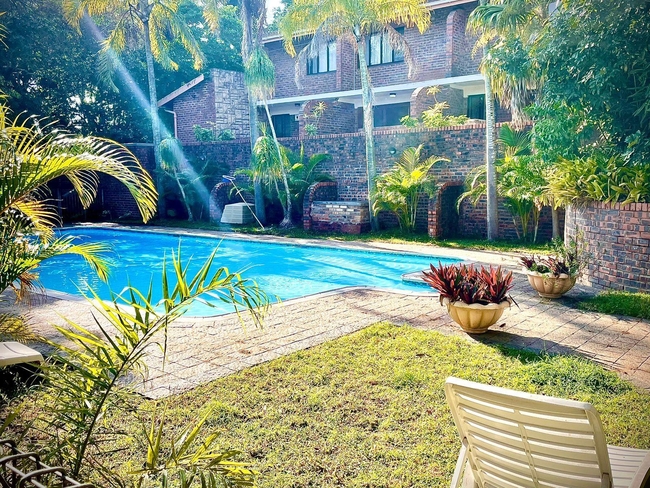
Flamingo Holiday Flats
Flamingo Holiday Flats is situated in St Lucia and offers accommodation within safe walking distance from the numerous restaurants and shops in t...
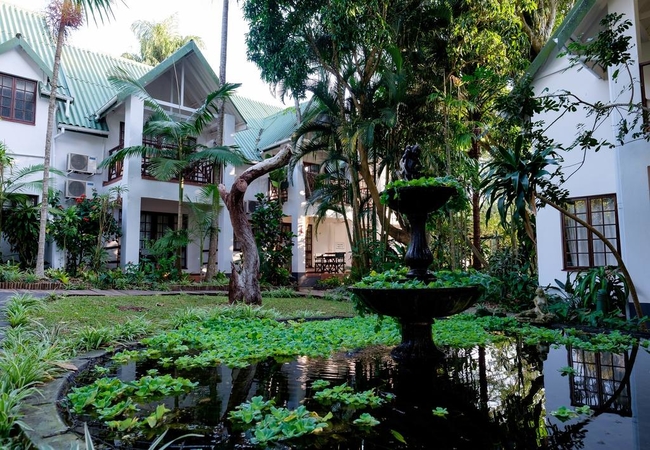
St Lucia Ecolodge
St Lucia Ecolodge is situated in a lavish tropical garden with breathtaking views over the St Lucia Wetlands and Estuary mouth of Lake St. Lucia ...
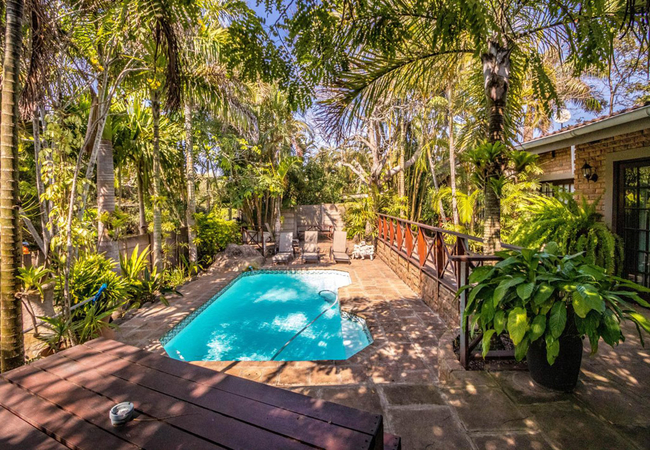
African Dreamz
African Dreamz is a guest house located in the little town of St Lucia, bordering the Isimangaliso Wetland Park. Parking is safe behind remote ga...
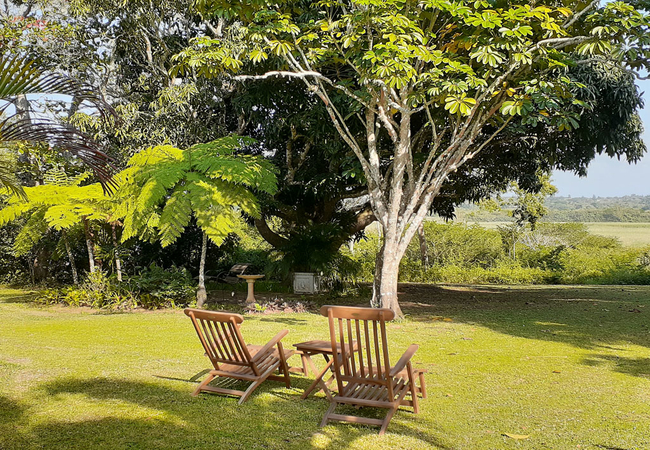
St Lucia Kingfisher Lodge
St Lucia Kingfisher Lodge is situated at the edge of town which means that whilst the shops, restaurants and other amenities are only a 10 minute...
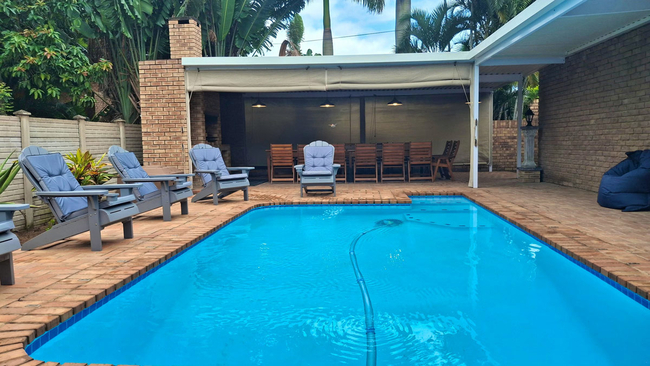
Hornbill Fishing Suites
Designed to accommodate families, friends, and fishing enthusiasts alike, this holiday home in St Lucia offers a perfect balance of comfort and a...

The Bridge 35
The Bridge Apartment 35 offers a stylish and serene self-catering escape within a secure complex in St Lucia, ideal for families or friends seeki...
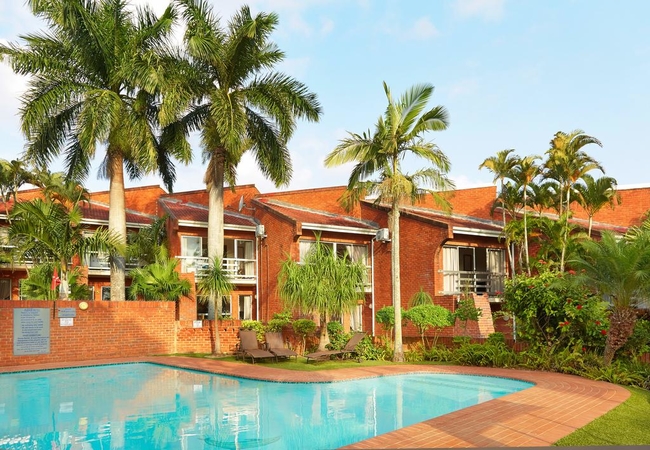
Perna Perna
Perna Perna offers accommodation in a secure complex which is ideally situated a few minutes' drive from the town's restaurants and tour companie...
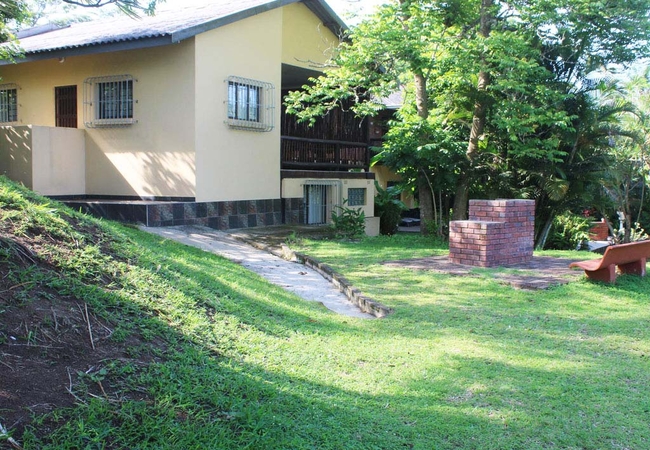
Manzini Chalet Deluxe 37
Manzini Chalet Deluxe 37 is a double-storey house and has three en-suite bedrooms. The open-plan kitchen is fully equipped and in the lounge area...
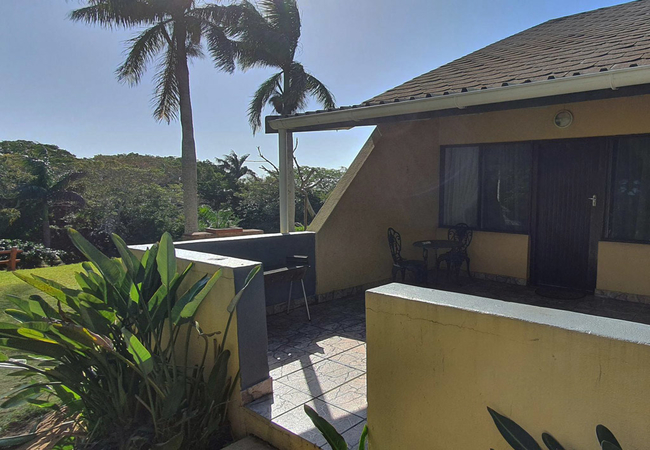
Timone's Retreat
Timone's Retreat is a lovely two bedroom chalet offering St Lucia self catering in the Manzini Chalets complex. Timone's Retreat is close to vari...
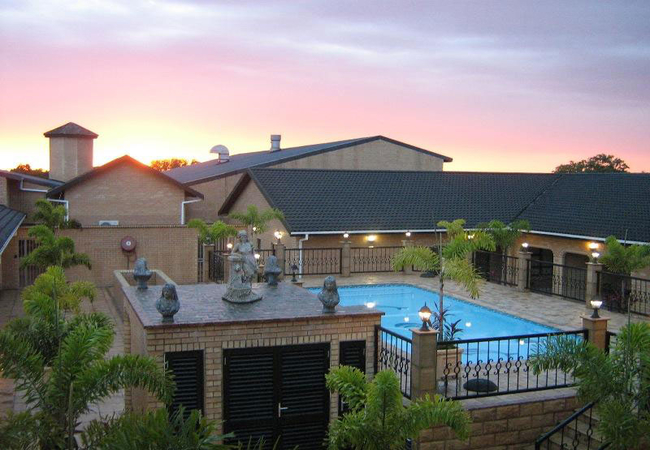
Lake St Lucia Villas
Lake St Lucia Villas is family friendly and offers ground floor, second floor and duplex apartments, which are ideal for a self catering holiday....
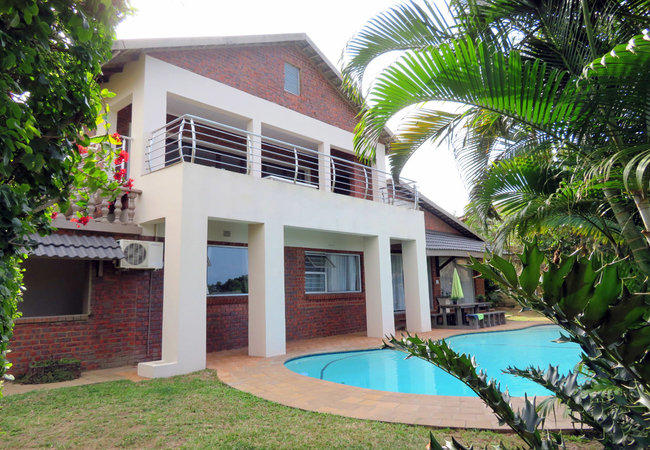
Little Eden St Lucia
Little Eden offers up market and tastefully decorated self catering accommodation bordering the iSimangaliso Wetland Park, with real hospitality ...
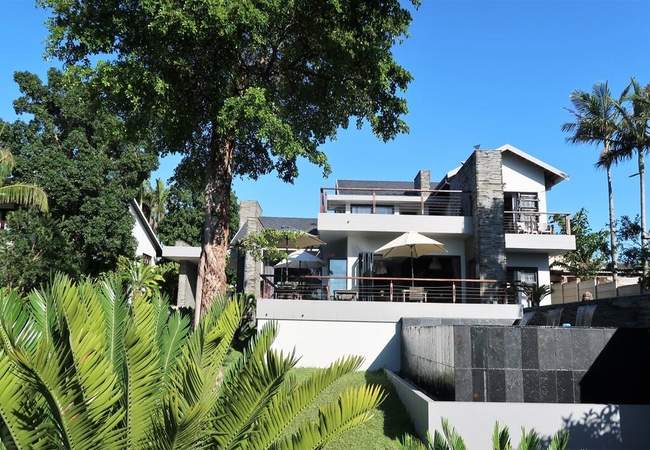
St Lucia Hilltop Guest House
Hilltop Guest House is a modern guest house with an antique twist. We have combined natural elements to our property and we offer a service that ...
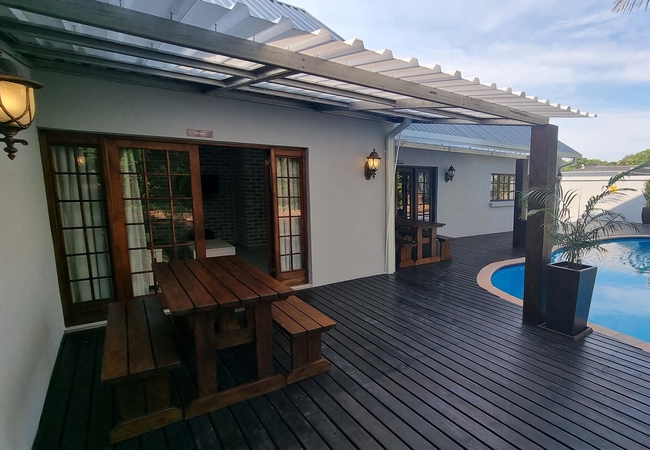
Kiewiet at Leopard Tree
Kiewiet Apartment in St Lucia is located in the street closest to the beach, within hearing distance of the ocean, and on the edge of the forest ...
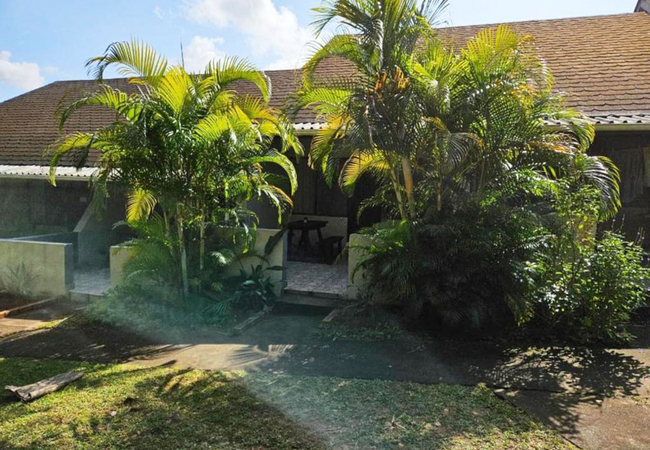
Flamingo Cove at Manzini Chalets
Flamingo Cove offers guests a relaxing getaway in St Lucia and the complex offers a lovely garden and communal swimming pool. The 5-sleeper chale...
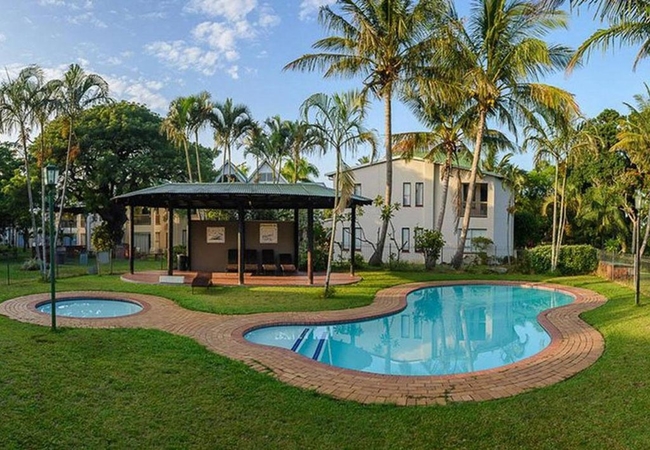
The Bridge 31
The Bridge 31 is a comfortable three bedroom apartment which is located in St Lucia. This is the ideal place for a family wanting to get away for...
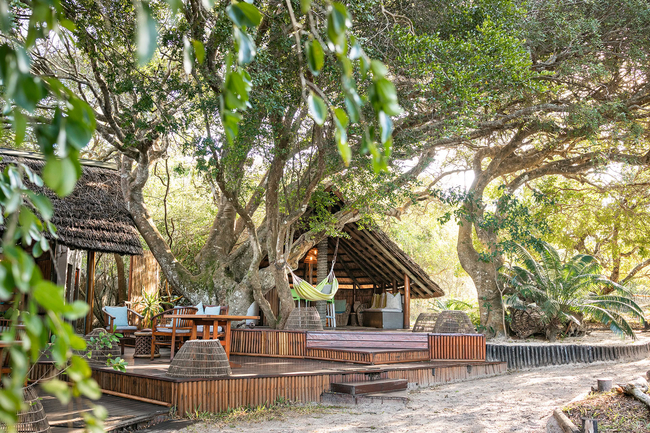
Kosi Forest Lodge
Kosi Forest Lodge is the only private lodge in the Kosi Bay Nature Reserve - an unspoilt wilderness that is part of the Isimangaliso Wetland Park...
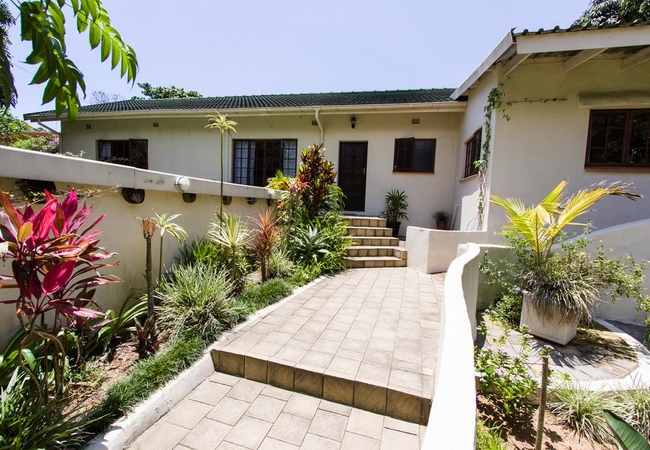
Parkers Cottages
Found in the town of St Lucia, Parkers Cottages offers bed and breakfast accommodation in a number of rooms and cottages. The accommodation is ju...
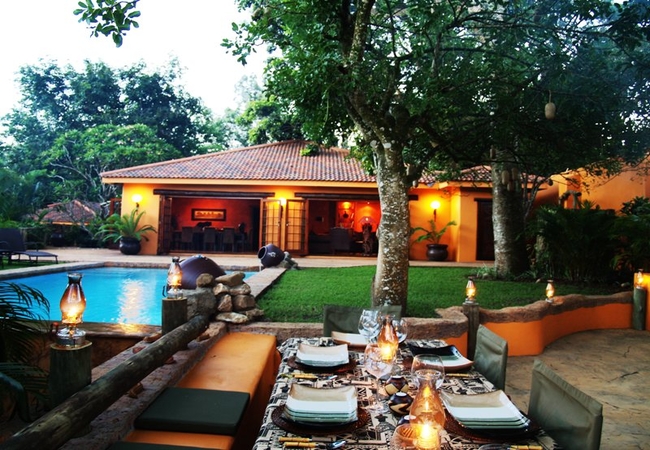
Kwalucia Private Safari Retreat
Located in the beautiful town of St Lucia, Kwalucia Private Safari Retreat offers accommodation in four suites. Kwalucia Private Safari Retreat i...
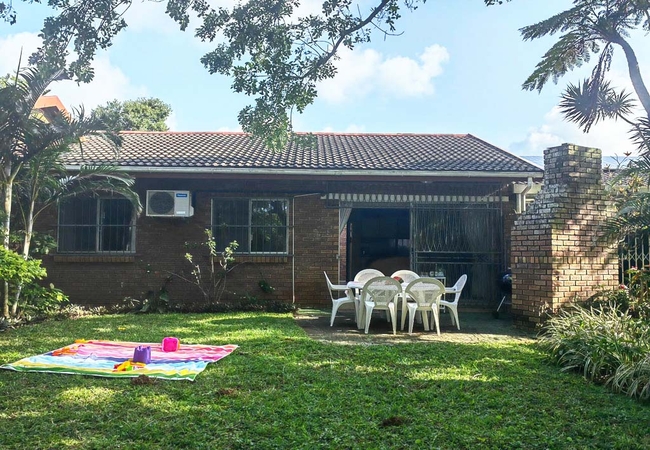
Luwandla 11
Luwandla 11 is a self-catering holiday house in St Lucia for six guests. Relax in the comfort of a warm and inviting family home and take pleasur...
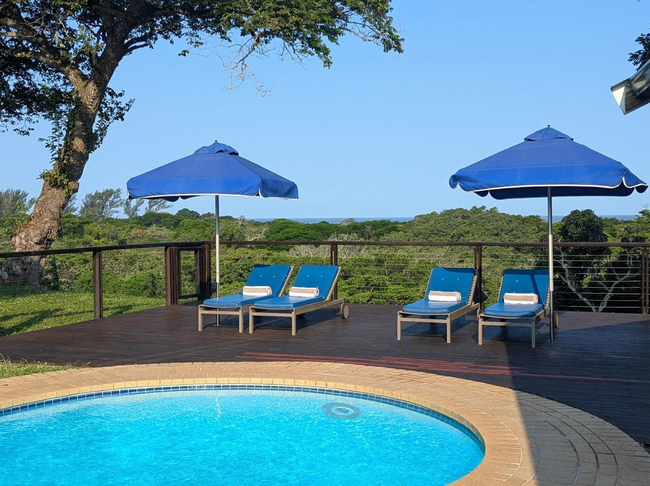
St Lucia Ocean View Lodge
St Lucia Ocean View Lodge offers log cabin accommodation set in a beautiful garden where many species of birds and small animals can be found. A ...
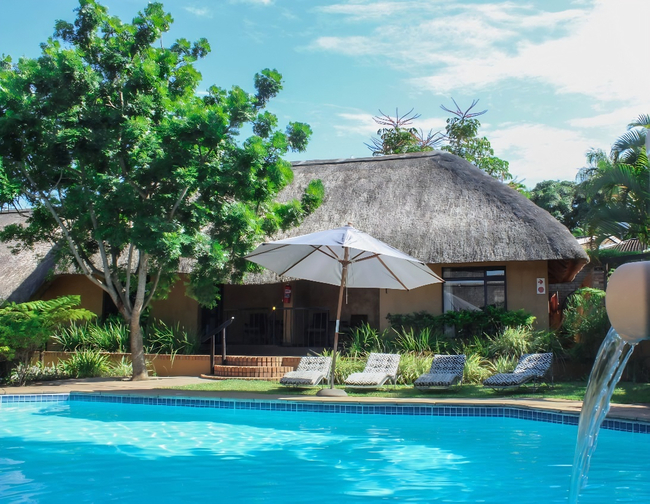
AmaZulu Lodge
AmaZulu Lodge, an "all African lodge", completely thatched, offers you the best of St Lucia Wetlands Park. Built around a huge, tropical inner ga...
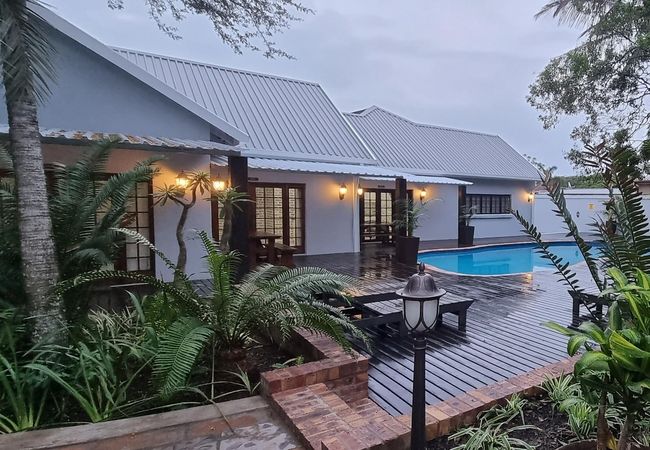
Sparrow @ Leopard Tree
Sparrow Apartment offers accommodating in St Lucia at Leopard Tree Lodge. The lodge is located in the street closest to the beach, within hearin...
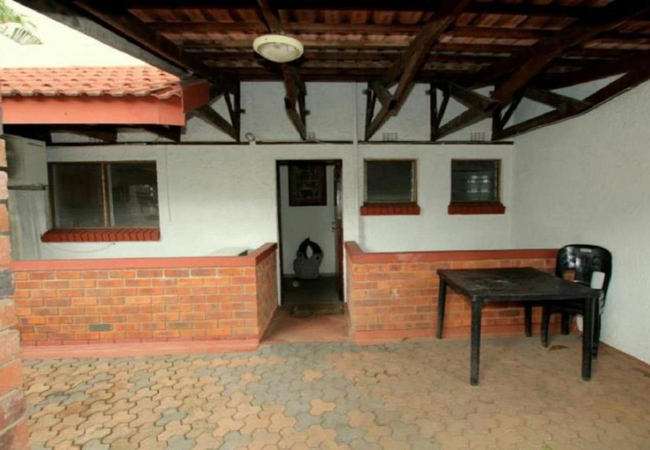
Villa Mia 9
Villa Mia 9 is a comfortably furnished self-catering holiday apartment in St Lucia ideally located in the secure Villa Mia holiday complex. The c...
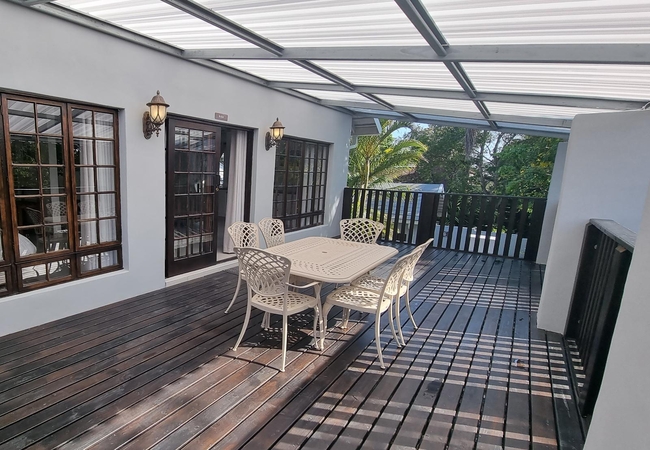
Robin @ Leopard Tree
Robin Apartment is an open-plan apartment in St Lucia. The main bedroom is furnished with a Queen-size bed and a bunk bed. There is also a sleepe...
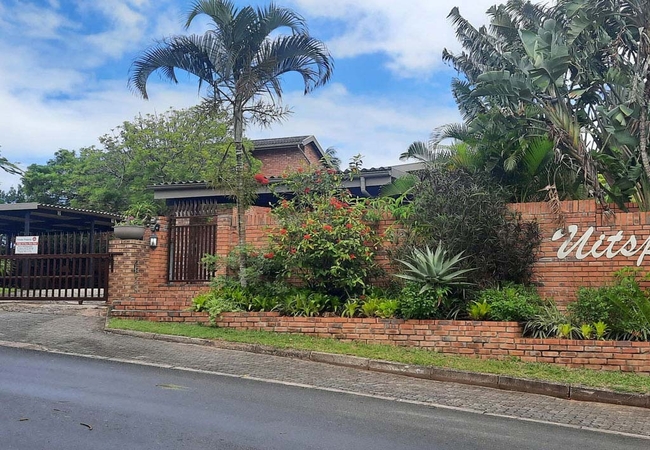
St Lucia At Home
St Lucia At Home is a Holiday Apartment in St Lucia offering self-catering stays for four guests. The complex is secure and offers a communal swi...
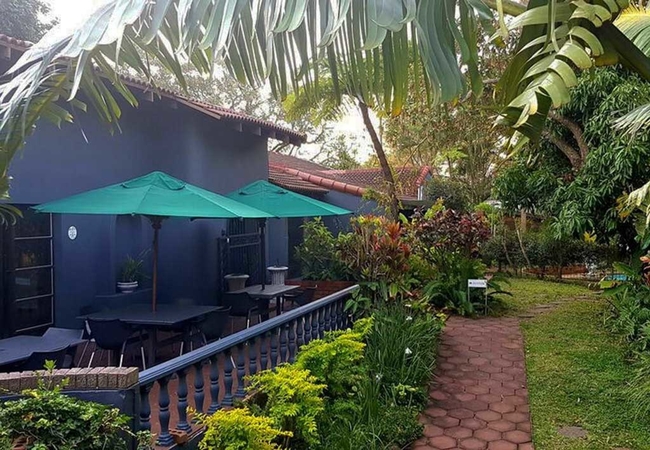
Santa Lucia Guest House
Santa Lucia Guest House is situated in the area of St Lucia and offers luxury rooms with home comforts and personalised service. This unique home...
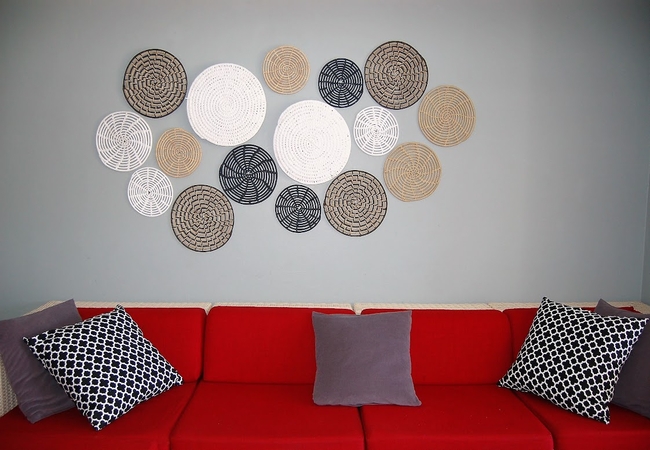
The Bridge 29
The Bridge 29 is a self catering holiday apartment for accommodation in St Lucia. The main bedroom has a Queen-size bed and the second bedroom ha...
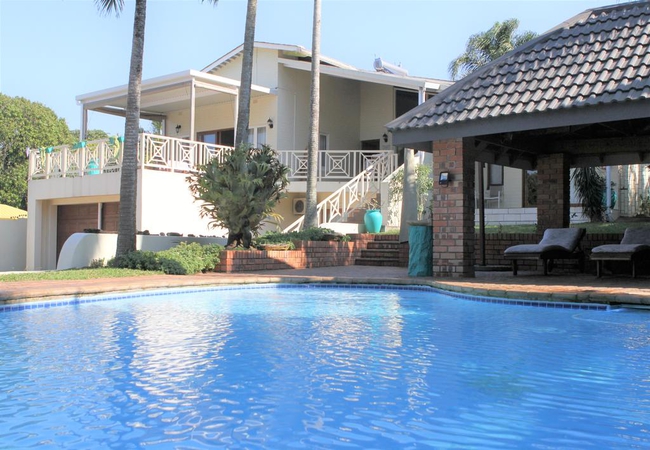
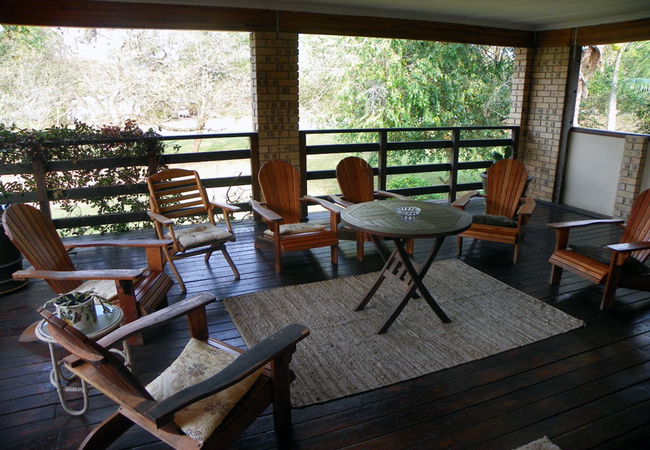
Annas' Bed and Breakfast
Anna's B+B is a quality 4 star guesthouse situated within easy walking distance of shops and restaurants. The large spacious house has 4 sunny ai...
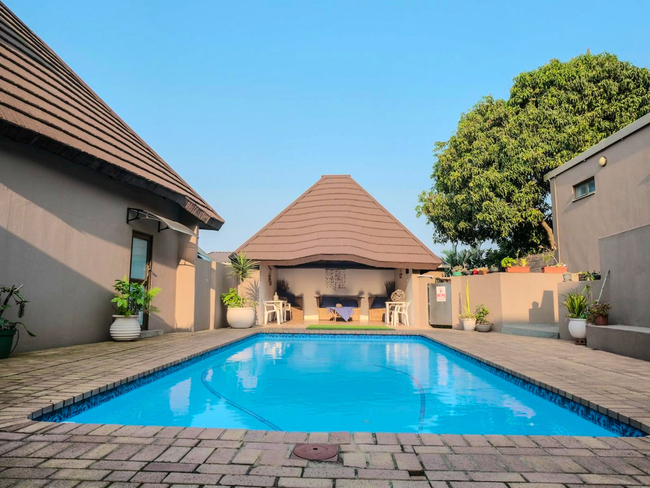
Uitspan No 5
Uitspan 5 is a well appointed two bedroom apartment located in the heart of St Lucia, set within a secure complex and well suited to a family or ...
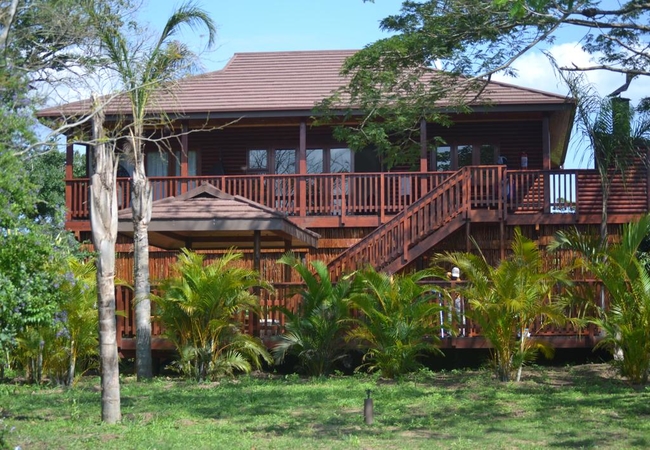
Monzi Safaris Lodge
Monzi Safari Lodge is situated 20km outside of St Lucia inside the secure village of Monzi. This security complex has an abundance of bird life a...
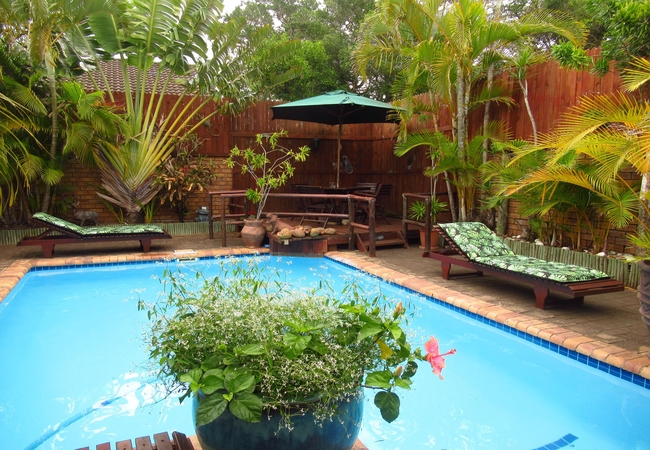
Bhangazi Lodge
Bhangazi Lodge is set in the scenic, tranquil tropical St. Lucia town, surrounded by the iSimangaliso Wetland Park, offering 4 star graded Bed & ...
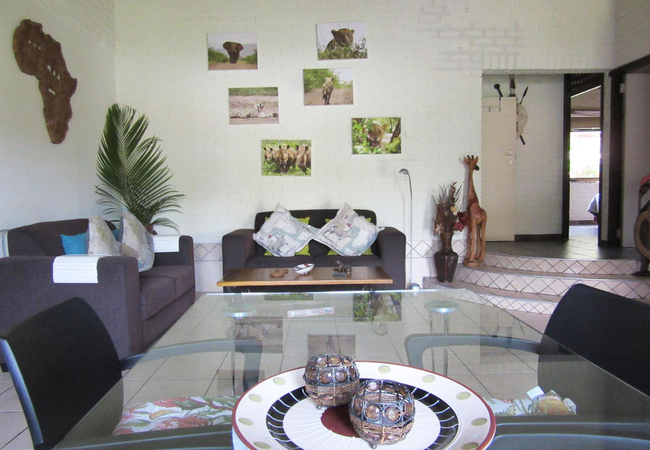
Manzini Chalet 34
Manzini Chalet 34 is a self catering cottage for four guests in two bedrooms in the Manzini Chalets complex in St Lucia. The complex has a commun...
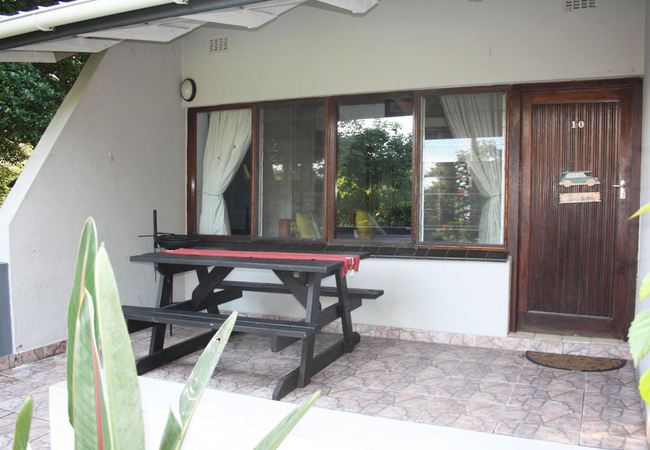
Manzini Chalet 8
Manzini Chalet 8 has two bedrooms and one bathroom. The kitchen is fully equipped for self catering. There is a living area with DStv which leads...
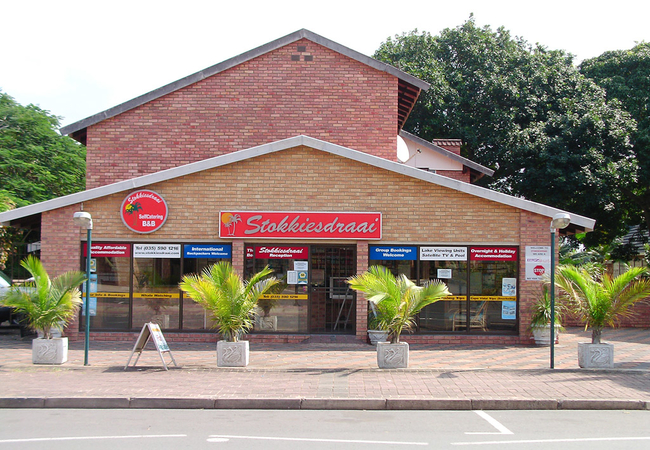
Stokkiesdraai
Located in the main street, this St Lucia accommodation is within walking distance of convenience stores, a launderette, restaurants and a bank. ...
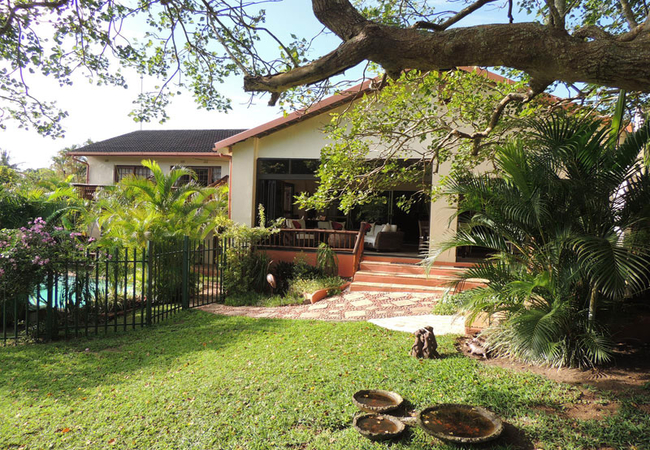
Elephant Coast Guesthouse
Elephant Coast Guesthouse offers 4-star bed & breakfast accommodation overlooking the coastal dune forest of The Greater St Lucia Wetlands Park. ...
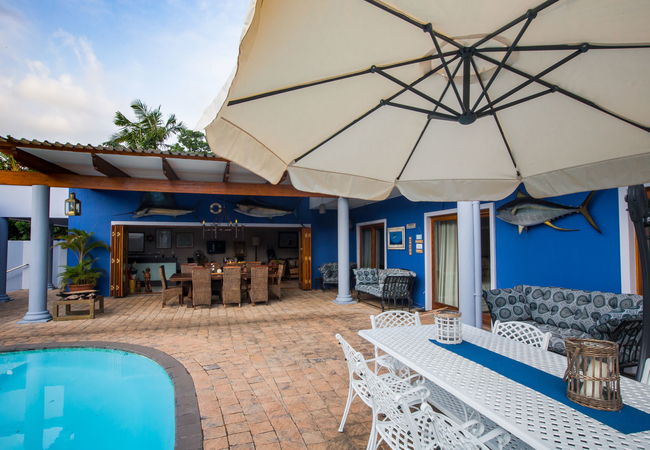
Turtle Bay Lodge
Turtle Bay Lodge offers luxury accommodation in the serene area of St Lucia only a short walk from the town centre and the estuary. Choose from o...
Sunset Lodge
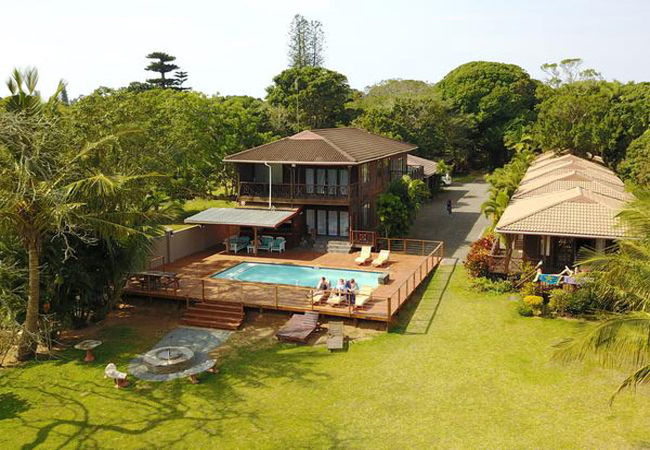
Sunset Lodge is situated on the banks of the St Lucia Estuary, a world heritage site. The accommodation is ideally located and is within walking ...
Break-A-Wave
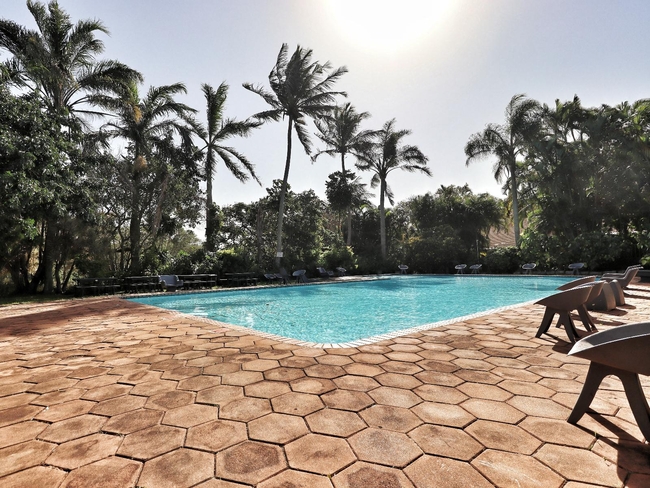
Discover the serene beauty of St Lucia at Break-A-Wave in Manzini Chalets, located within the Greater St Lucia Wetlands Park, South Africa's inau...
St Lucia Wetlands Guesthouse
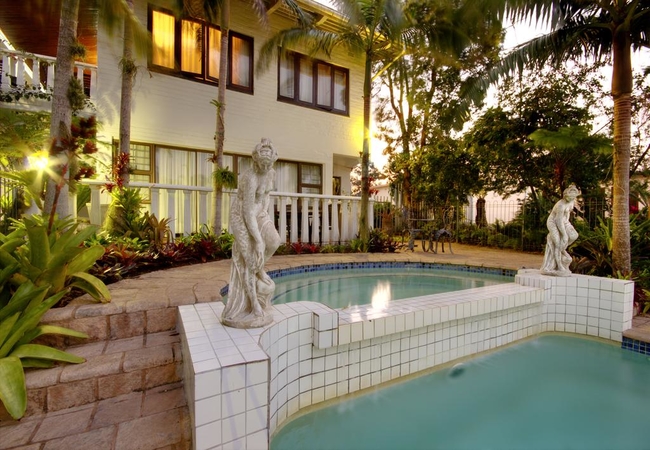
International reputation, conveniently located in the safe and visitor friendly residential village of St Lucia, an appealing gateway to the worl...
Ndiza Lodge and Cabanas
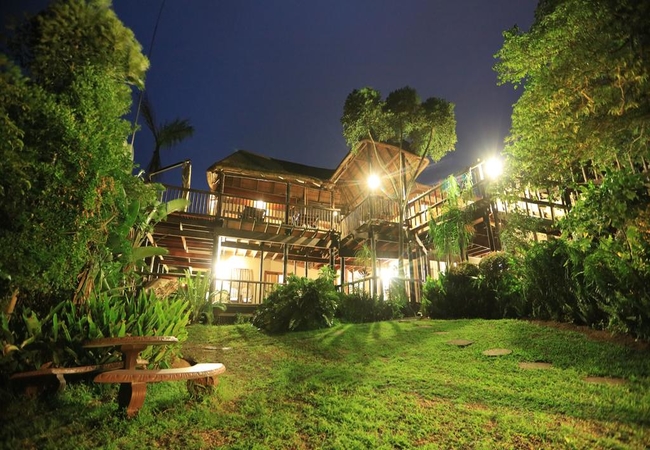
A panoramic view of the Indian Ocean, famous Maphelane dune (second highest dune in the world), the Umfolozi River mouth and part of famous Lake ...
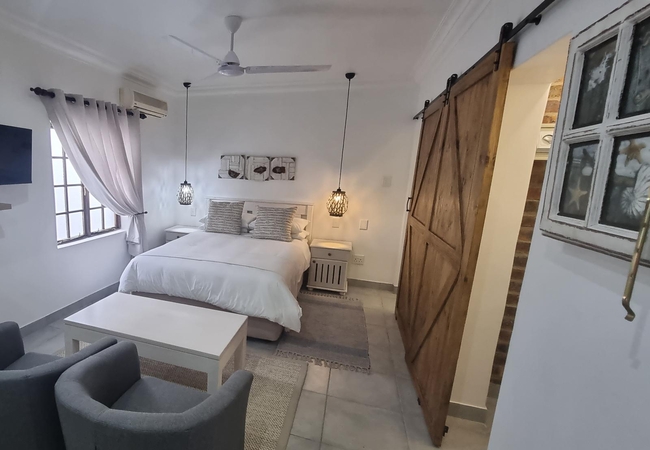
Hummingbird @ Leopard Tree
Hummingbird is an open plan apartment situated on the ground floor level of the lodge. The apartment is furnished with a double bed. There is a f...
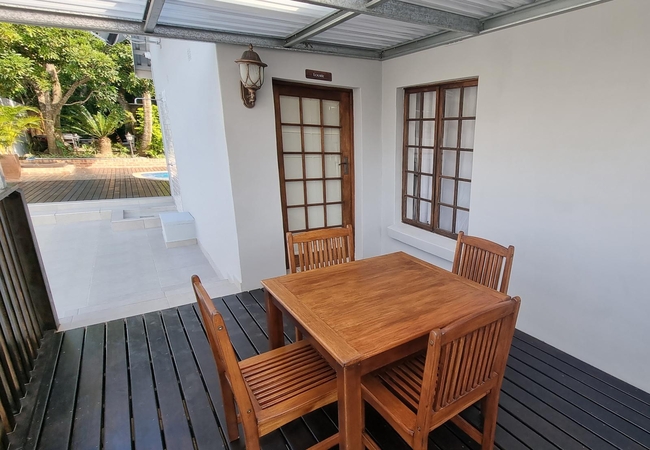
Lourie @ Leopard Tree
Lourie Apartment offers holiday accommodation at Leopard Tree Lodge in St Lucia. The lodge is located in the street closest to the beach, within...
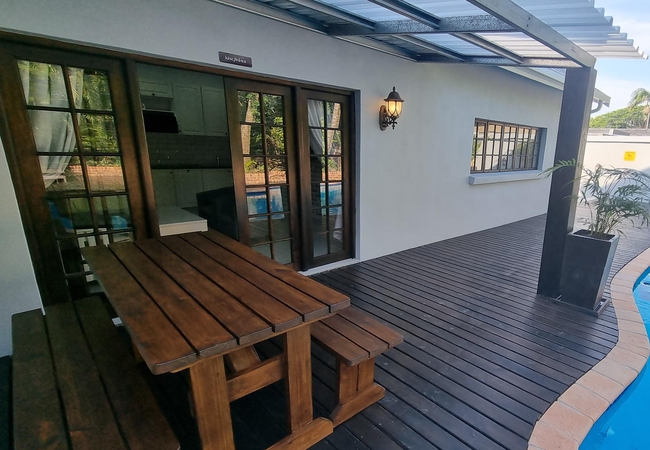
Kingfisher @ Leopard Tree
Kingfisher Apartment offers comortable holiday accommodating located on the edge of the forest/greenbelt area surrounding St Lucia, provides the ...
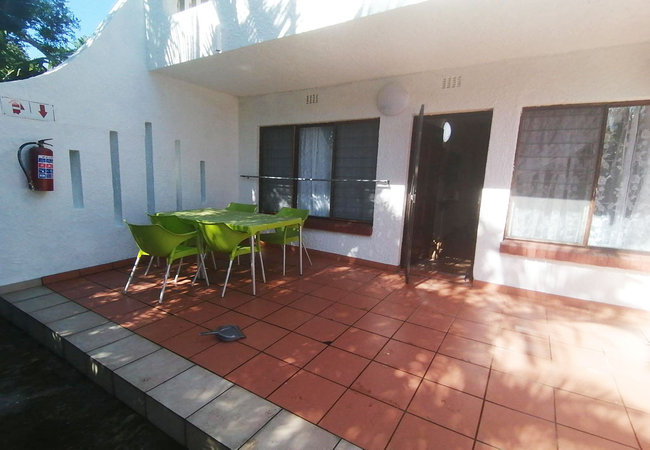
Villa Mia 8
Villa Mia 8 offers accommodation in St Lucia in a small resort where family and friends can gather and enjoy a variety of activities. The apartme...
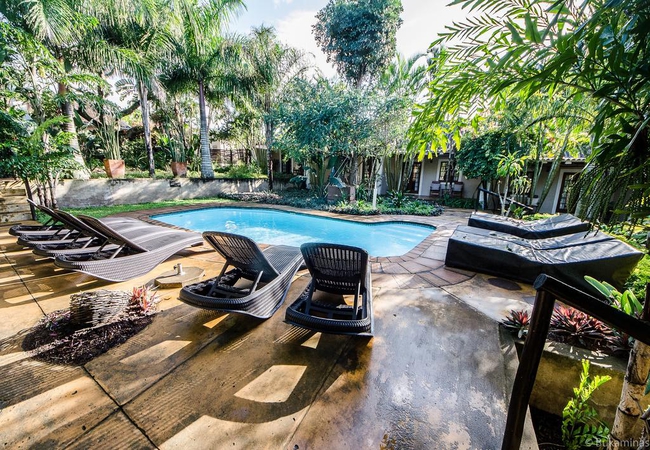
Lidiko Lodge
Lidiko Lodge is a 4 star lodge situated in the village of St Lucia, surrounded by the Greater St Lucia Wetland Park. Set above the Great St Lucia...
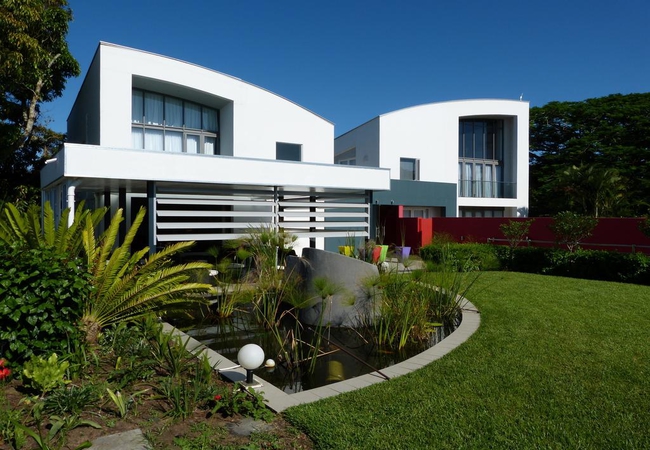
Serene-Estate Guesthouse
Serene-Estate Guesthouse is situated at the edge of St Lucia bordering the famous iSimangaliso Wetland Park and only 10 minutes walk from all the...
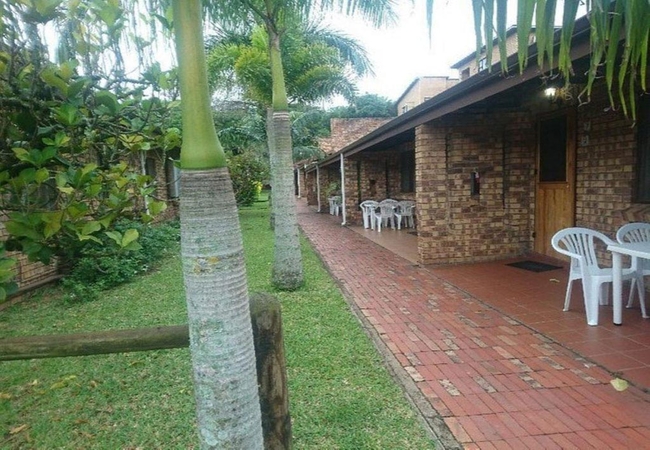
Flamboyant Apartments
Flamboyant Apartments are affordable self-catering holiday apartments in St Lucia located in a secure complex. St Lucia is home to South Africa's...
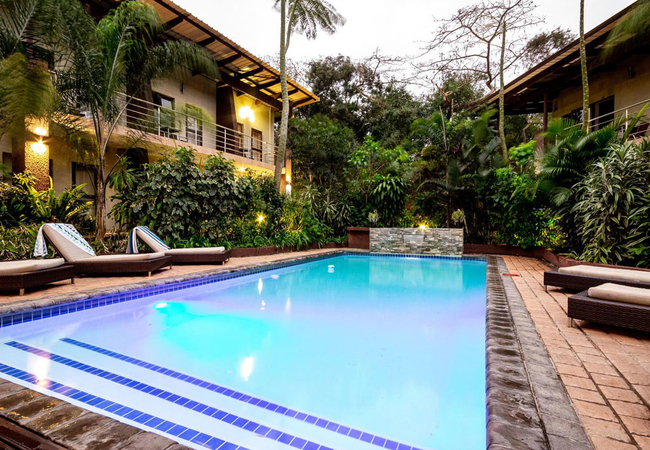
Forest Villas
Forest Villas is an upmarket Lodge in the town of St Lucia, iSimangaliso world heritage site. Each room has a patio which overlooks the tropical ...
Monzi Safaris Backpackers
Monzi Safaris Backpackers is situated on the main road of St Lucia. We differ from every other backpacker in that we do not have any dorm rooms. ...
Weaver Leopard Tree
Weaver at Leopard Tree offers accommodating in St Lucia at Leopard Tree Lodge. Being located on the edge of the forest / greenbelt area surround...
Maputaland Guest House
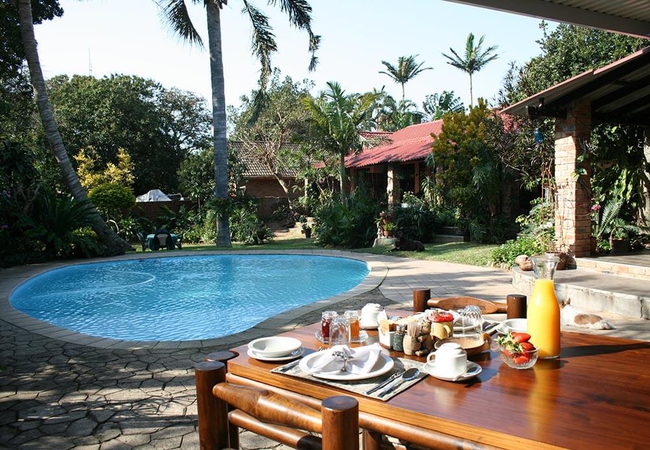
Maputaland Guest House offers bed and breakfast accommodation in the area of St Lucia. We are well known for our warm hospitality, comfortable ac...
Manzini Chalet 9
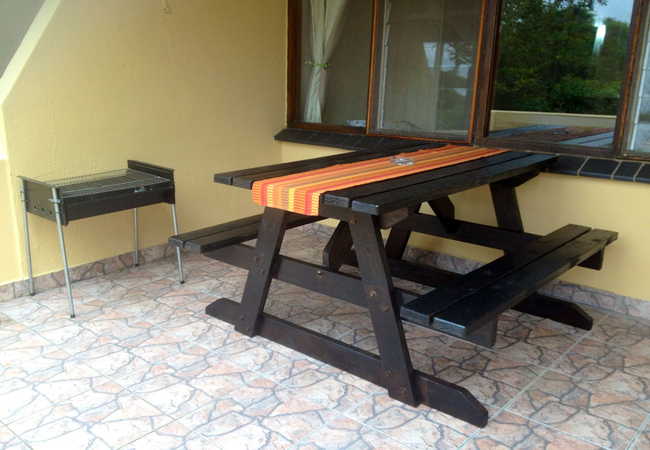
Manzini Chalet 9 has two bedrooms and one bathroom. The first bedroom is furnished with a Queen-size bed and the second room has two single beds....
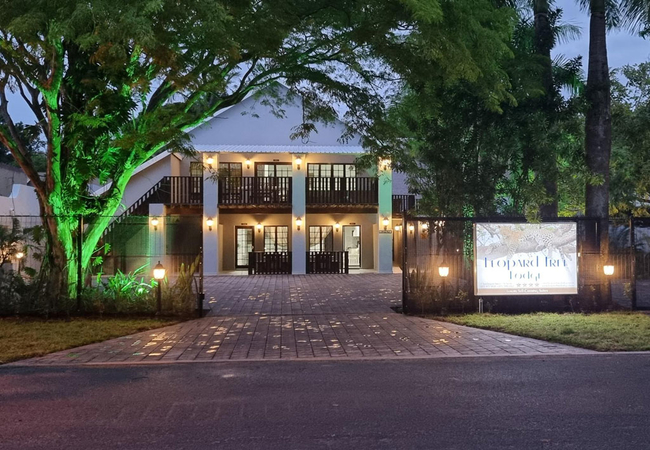
Leopard Tree Lodge
Situated in St. Lucia, one of the most beautiful unspoiled areas and the first World Heritage Site in South Africa, a warm welcome and personal s...
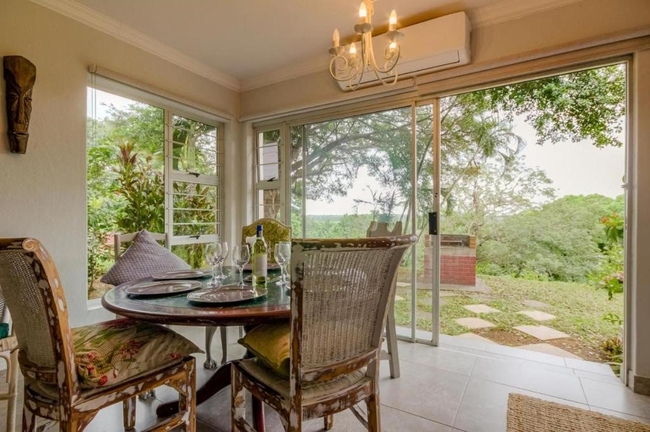
The Bridge 34
The Bridge 34 Apartment is located along the banks of the St Lucia Estuary, bordering the iSimangaliso Wetland Park. Guests often have the unique...
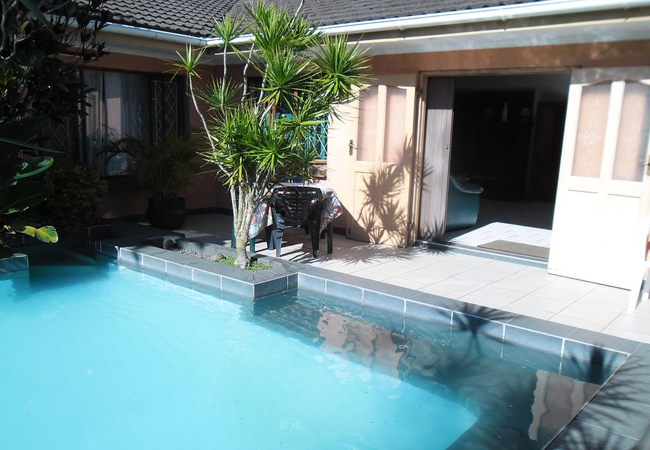
57 Pelican Street
57 Pelican Street provides pet friendly, self catering accommodation in St Lucia. The house consists of four bedrooms and three full bathrooms. T...
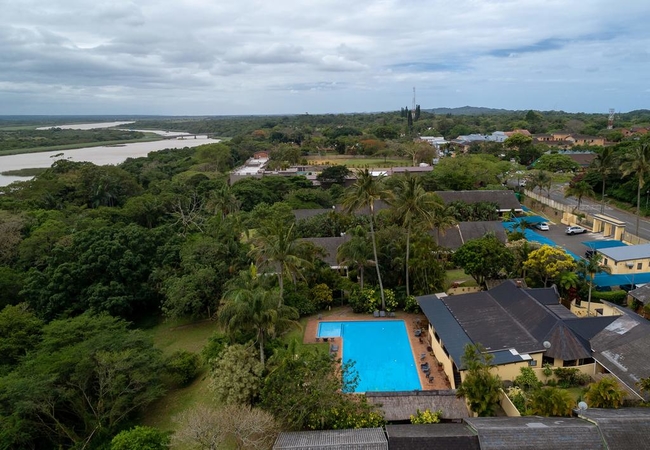
17 Manzini Holiday Resort
Situated in a secure complex on the banks of the St Lucia Estuary, 17 Manzini Holiday Resort offers accommodation for three adults and two childr...
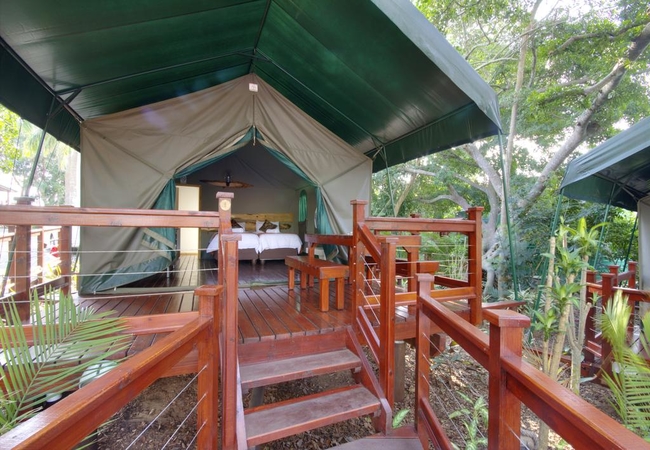
Urban Glamping
Urban Glamping is situated on the main road of St Lucia, the gateway to the Isimangaliso Wetland Park. This Luxury tented lodge is not what you w...
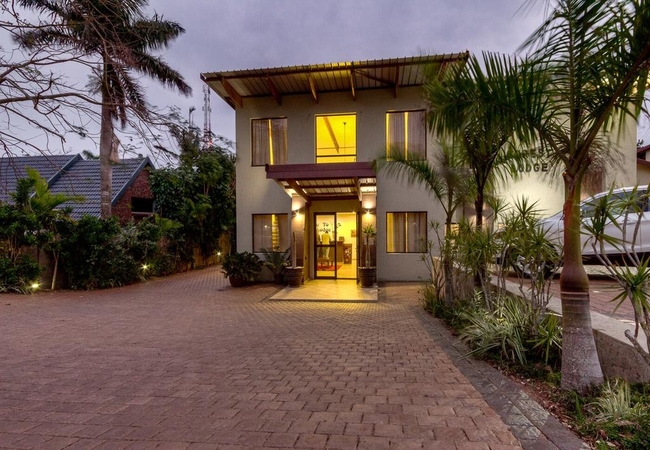
Forest Lodge
Forest Lodge is set in a tropical forest and garden, which is unique to the Zululand area of KwaZulu Natal. The lodge offers 17 en-suite rooms wi...
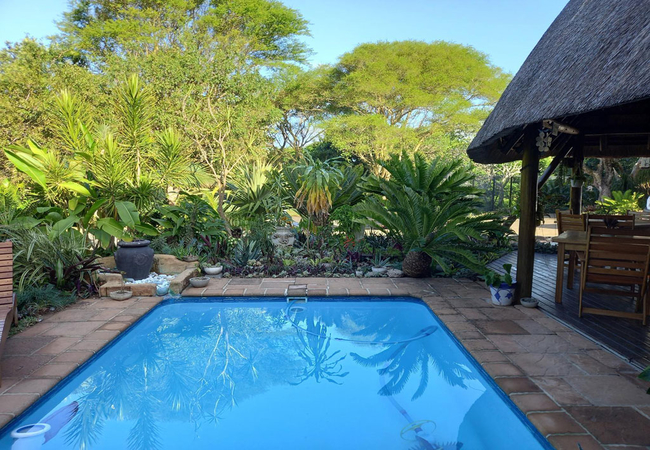
Leopard Corner Lodge
Leopard Corner Lodge borders the St Lucia Wetlands, which starts right beside the guest house. Often our guests are lucky enough to catch sight o...
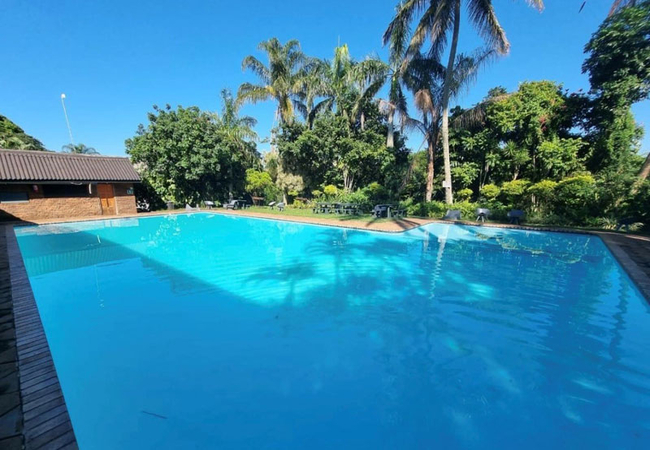
Manzini Chalet 5
Manzini Chalet 5 offers self catering accommodation within a very secure complex based on the banks of the St Lucia Estuary. The complex has 24hr...
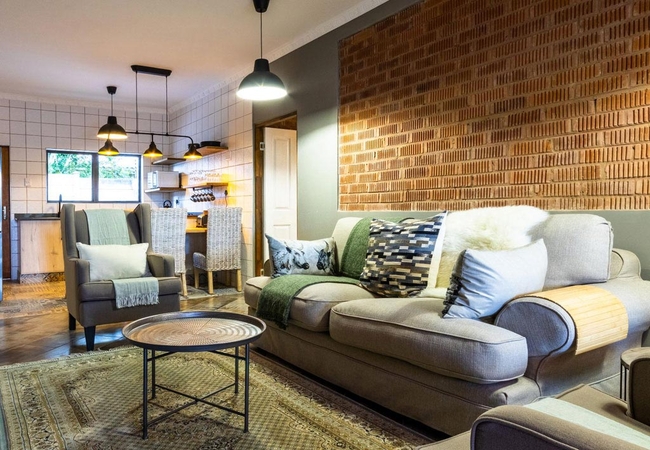
Hornbill Family Suite 1
Hornbill Family Suite 1 is a self-catering suite located at Hornbill Family Suites in the heart of the St Lucia Estuary. Experience a relaxed, se...
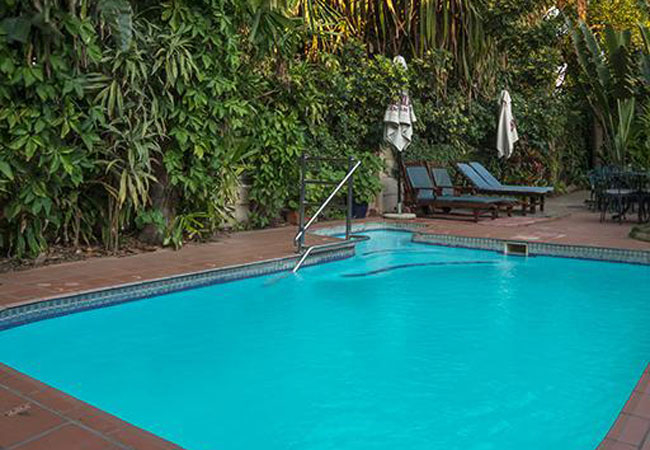
Wendy's Country Lodge
Wendy's Country Lodge is a nature lover's delight and offers Elephant Coast B&B accommodation in a property with bird life in abundance. The gues...
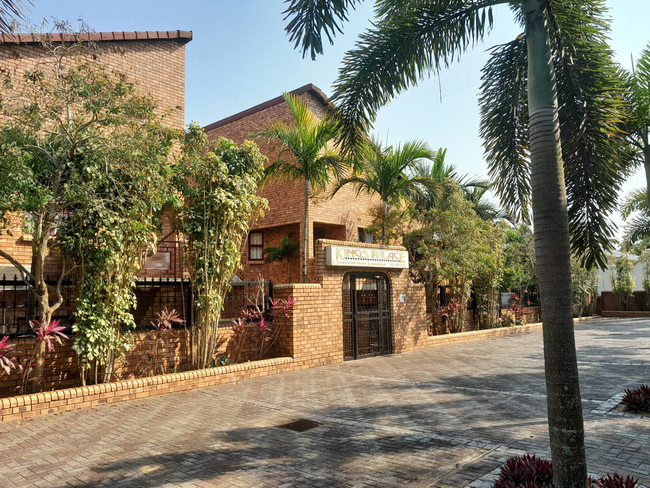
Kings Palace
Kings Palace is situated in the beautiful, tropical town of St Lucia, in the iSimangaliso Wetlands Park. Ideal for an overnight stop, your annual...
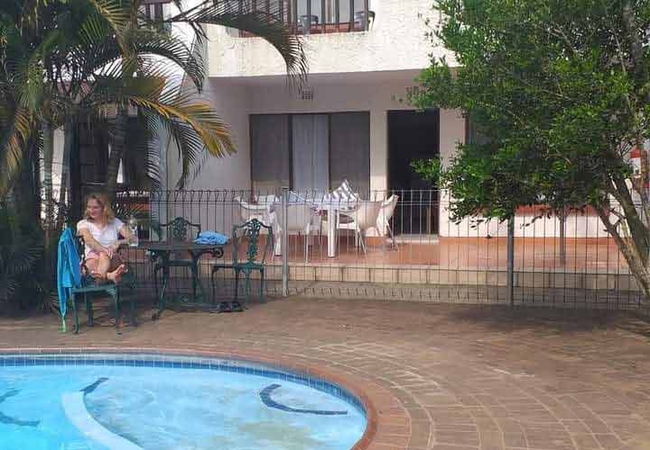
Villa Mia 5
Villa Mia 5 offers accommodation in St Lucia in a small resort where family and friends can gather and enjoy a variety of activities. The apartme...
Pelican Pad @ St Lucia
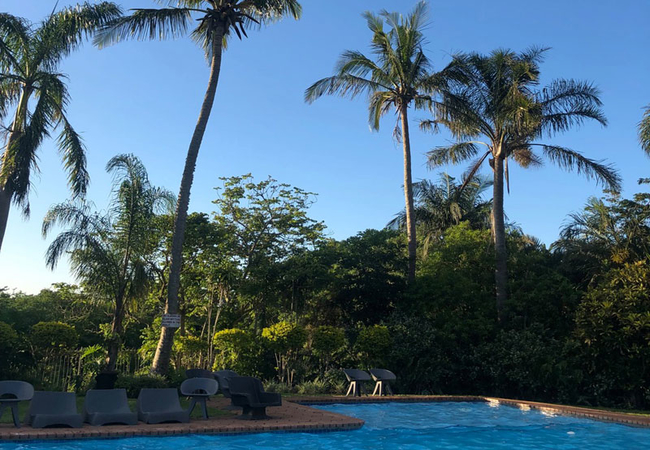
Pelican Pad @ St Lucia offers accommodation in St Lucia, this lovely little resort is secure, comfortable and friendly. Nicely secluded, the reso...
Lodge Afrique
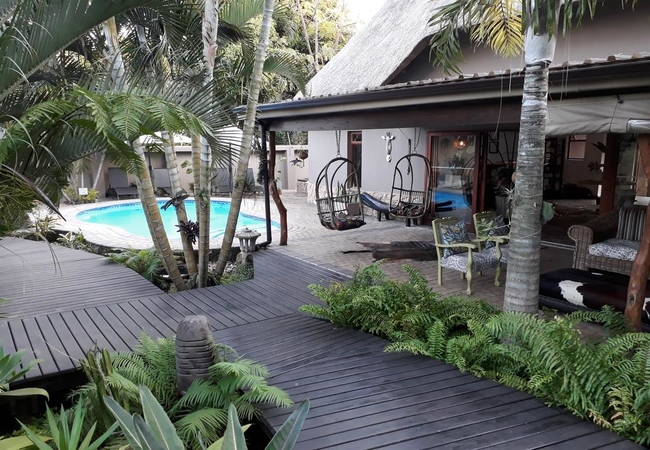
Lodge Afrique Guest House offers eight free standing luxurious thatched suites, each with full Afro / Victorian bathrooms. Lodge Afrique can cate...
Livingstone Lodge
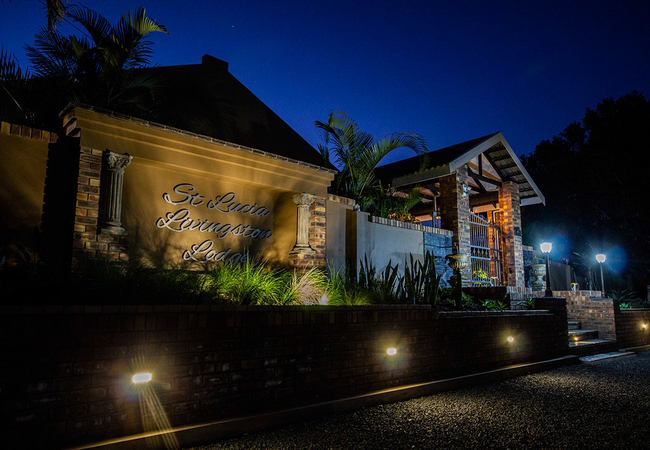
St Lucia Livingston Lodge, situated in the heart of St Lucia, offers accommodation in luxury suites with free capped Wi-Fi. There is a stunning p...
Things to do in the area
Cape Vidal Lighthouse
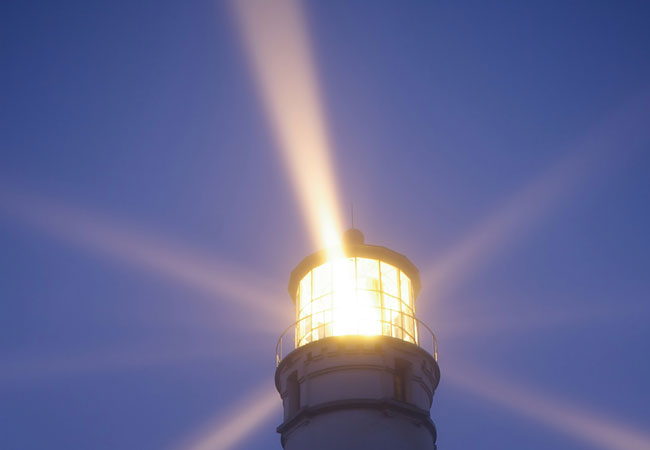
A river, a forest and an ocean are all individual attractions that a good getaway can be planned around. Where there is river, brown earthy soil;...
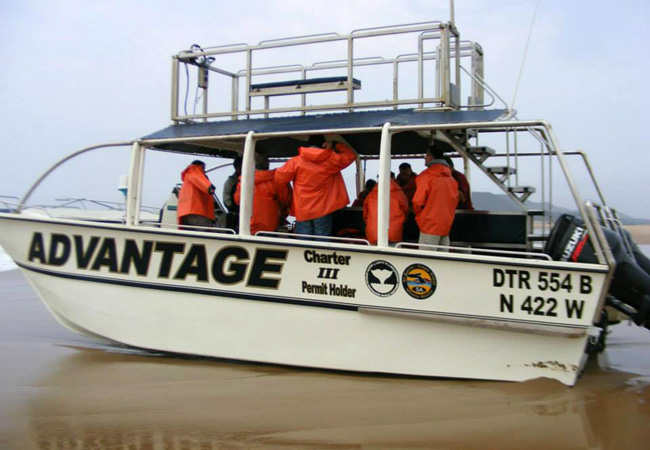
Whale Watching with St Lucia Charters
Go on an adventure with renowned skipper Danie Bennett, who together with his qualified crew has a treasure-house full of knowledge about the wha...
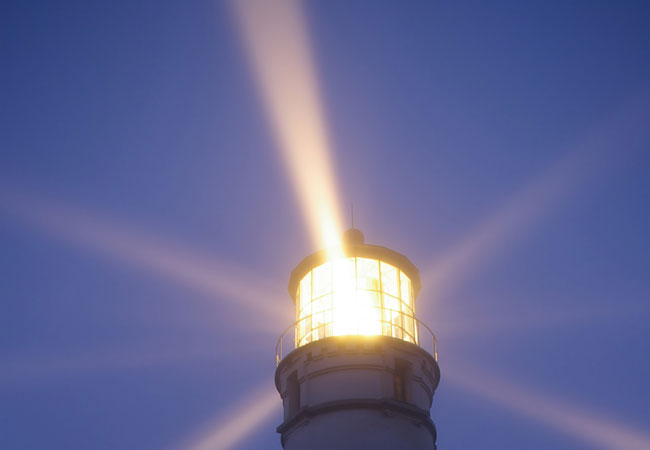
Cape St Lucia Lighthouse
Despite sounding as though it should lie right on the well-known lake and conservation area, now called the iSimangaliso Wetland park, Cape St Lu...
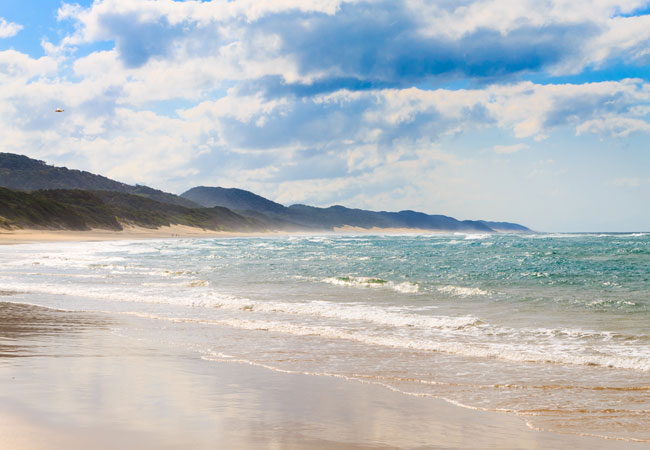
St Lucia Beach
The unspoilt beach of St Lucia is yet another testimony to the natural splendour of the KwaZulu-Natal coastline. Golden sands and warm blue water...
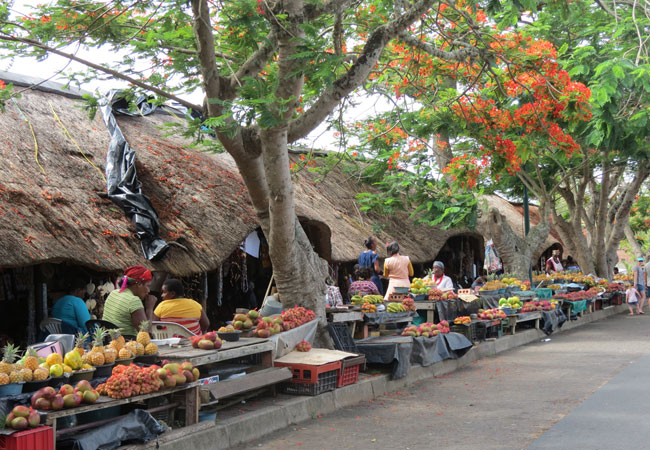
St Lucia Market
Tucked away in St Lucia at the end of McKenzie Street you will find the most wonderful market. Here you can find a vast selection of curios and f...
Mziki Trail
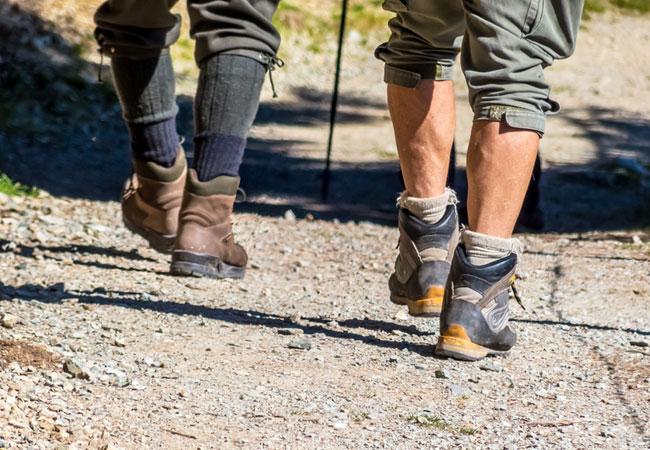
Start: Mount Tabor hut, iSimangaliso Wetland ParkFinish: Mount Tabor hutDuration: 40 kmFitness: moderate to difficultOur tip: head to the Mission...

Igwala Gwala Forest Trail
Start: Eden Park, St Lucia, iSimangaliso Wetland ParkFinish: St LuciaDuration: 1.5 kmFitness: easy, suitable for all ages, including moms with pr...
Emoyeni Trail
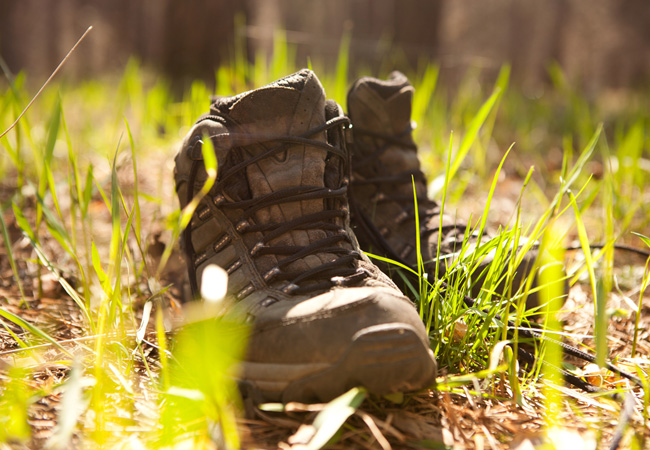
Start: Mission RocksFinish: Mission RocksDuration: 63 km over five daysFitness: fairly fit, particularly as it gets humid, which adds strain to t...
Kayak Safari at Cape Vidal
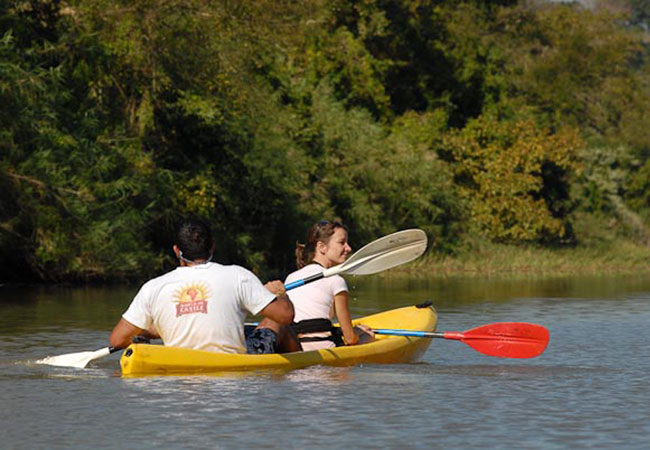
For visitors to the Elephant Coast that want to experience this area to the fullest, this guided kayak safari takes place in Cape Vidal, where th...
Noteworthy attractions
Kosi Bay Nature Reserve
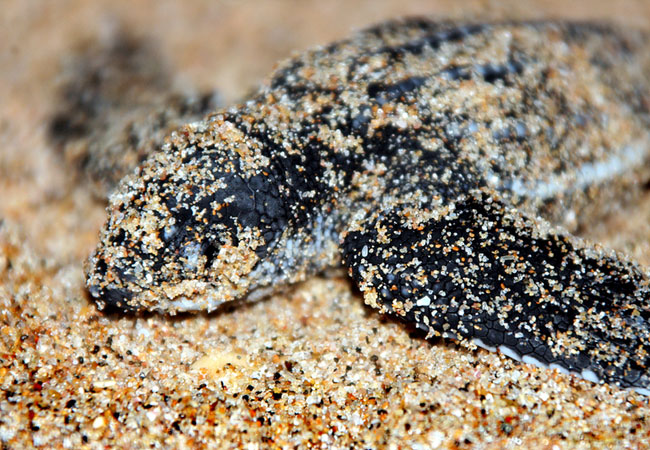
The Kosi Bay Nature Reserve is situated on the coast in the northern part of KwaZulu Natal and surrounds the Kosi Bay lake system. The system con...
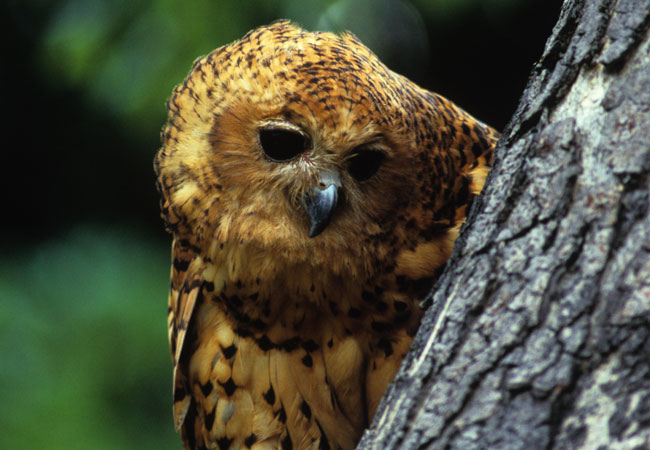
Lake Sibaya
Lake Sibaya is the largest fresh water lake in South Africa with a surface area of 77 km² and an average depth of 13 m. The lake was previously c...
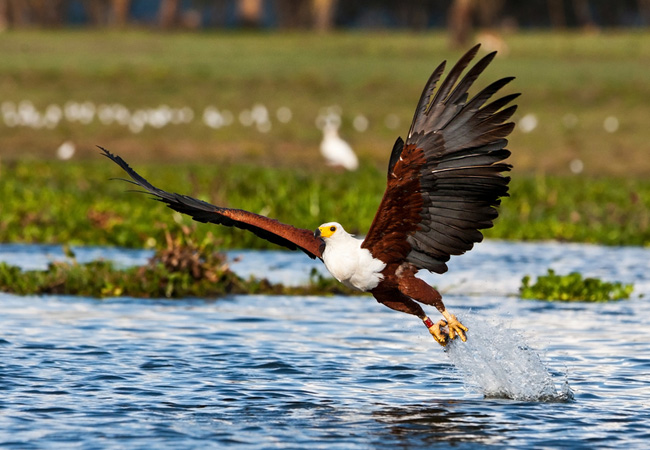
Greater St Lucia Wetlands Park
The Greater St Lucia Wetlands Park was declared South Africa's first Natural World Heritage Site on 1 December 1999. It is considered South Afric...
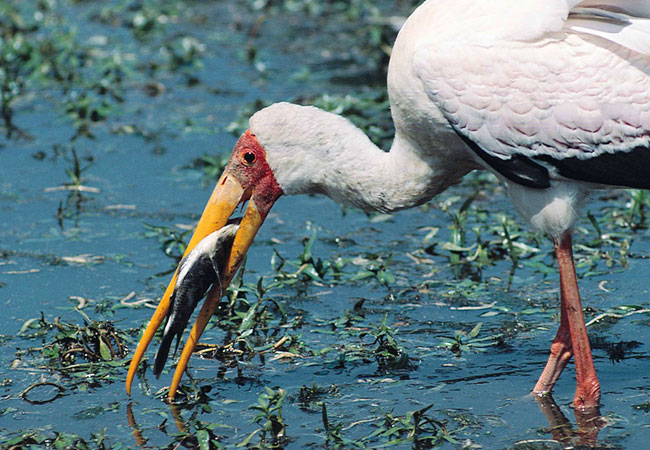
Mapelane Nature Reserve
Mapelane Nature Reserve is the southernmost reserve within the iSimangaliso Wetland Park. The Mapelane Nature Reserve is situated on the south ba...
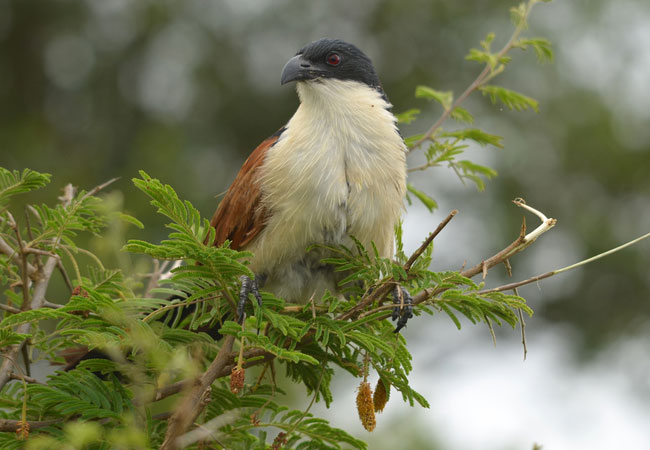
Ndumo Game Reserve
Ndumo Game Reserve (adjacent to the Tembe Elephant Park) is a small but impressive game reserve. Proclaimed in 1924 Ndumo Game Reserve is one of ...
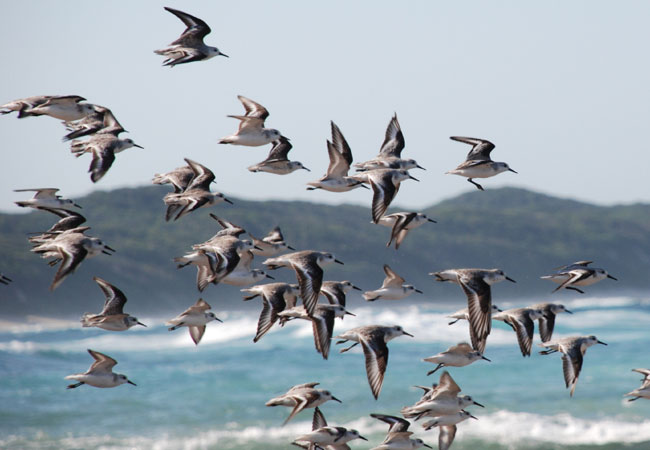
Sodwana Bay National Park
The small Sodwana Bay National Park consists of a narrow coastal strip of forest covered sand dunes. Sodwana Bay National Park was proclaimed in ...
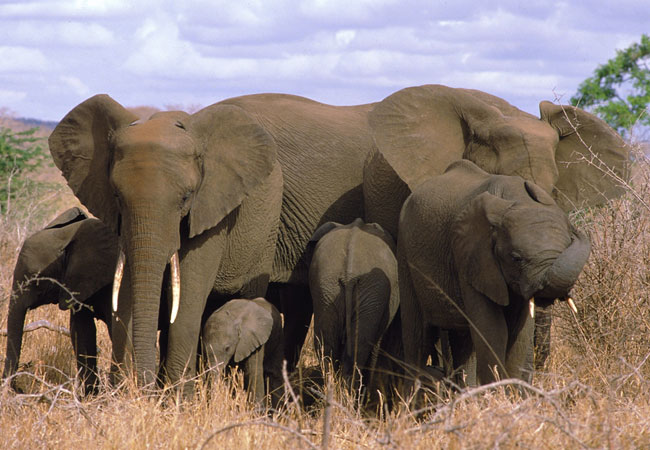
Tembe Elephant National Park
The largest African elephants in the world, along with rhino, buffalo, leopard, hippo and antelope species in a 300km² park on the South Africa /...
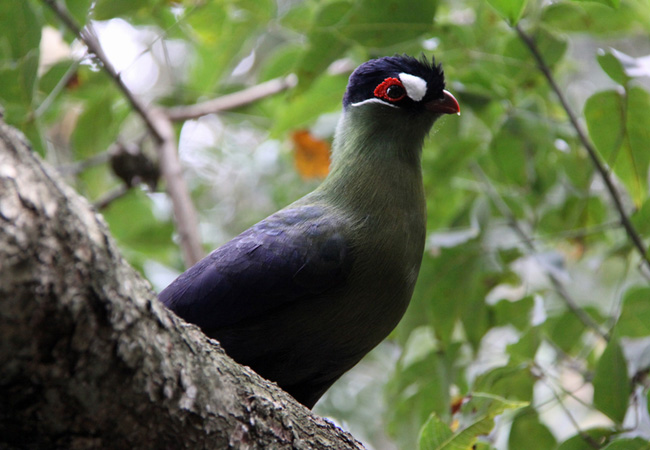
Enseleni Nature Reserve
The Enseleni Nature Reserve is a small reserve of 293 hectares lying just inland from the town of Richards Bay, almost midway between Empangeni a...
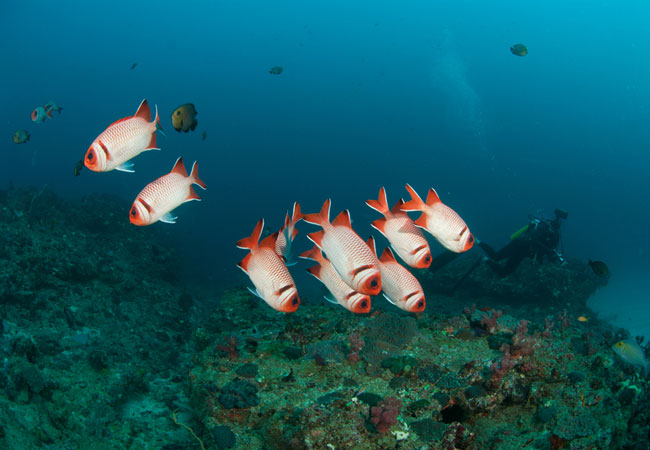
Maputaland Marine Reserve
The Maputaland Marine Reserve lies within the iSimangaliso Wetland Park, known as one of the 'jewels' of South Africa's coastline and a UNESCO de...
Accommodation near iSimangaliso Wetland Park
FIND / South Africa Accommodation / KwaZulu Natal Accommodation / Elephant Coast Accommodation / St Lucia Accommodation