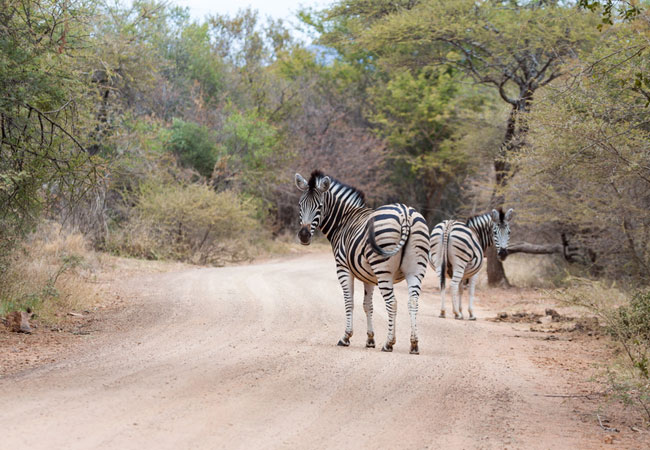


About Marakele National Park
The Marakele National Park in the heart of the Waterberg Mountains, only 2 and a half hours from Pretoria (223,7 km on the R511), has become a 'place of sanctuary' for a vast variety of wildlife mainly due to its location in the transitional zone between the dry western and moist eastern regions of South Africa.
Did you know? Situated in the Waterberg mountain range, Marakele National Parks distinct landscape offers everything from ragged mountains to lavish grasslands and deep valleys. You could probably shoot a fantasy epic like Lord of the Rings there and never have to leave.
The Marakele National Park is characterised by contrasting majestic mountain landscapes, grass-clad hills and deep valleys. Rare finds of yellowwood and cedar trees, five metre high cycads and tree ferns, are some of the plant species found here. All the large game species from elephant and rhino to the big cats as well as an amazing variety of birds including the largest colony of endangered Cape Vultures (more than 800 breeding pairs) in the world, have settled here.
Marakele is home to most of the large mammals synonymous with the African bush, including elephant, black and white rhino, buffalo, leopard and cheetah. Lion and spotted hyena are the only large predators found in the Marakele park.
Resident antelope include, sable, kudu, eland, impala, waterbuck, tsessebe and many smaller species. Chacma baboon and Vervet monkey are two species to be watched carefully for mischief, particularly around the rest camps.
One of the Park's biggest birding attractions is one of the largest colony of Cape Vultures in the world (more than 800 breeding pairs). However this national park is also appealing to birders as it falls within the transition zone between the dry western regions and the moister eastern regions of the country. The Marakele National park is an excellent place to look for raptors, with many species using the uplift generated off the cliff faces of the Waterberg to sore on the thermals.
Apart from the vultures, visitors should look for Gymnogene, Jackal Buzzard and several eagle species, including Black Eagle, African Hawk, Black-breasted Snake and Brown Snake Eagle. In summer Wahlberg's Eagle becomes prominent. On areas of high ground Cape Rock Thrush, Mocking and Mountain Chat, Malachite and Greater Double-collared Sunbird and Swee Waxbill should be searched for.
Other species to look out for in the lower lying bushveld and broadleaf woodland regions include Purple Roller, Black Cuckooshrike, Brubru, Whitecrowned Shrike and White Helmetshrike and the exquisite Blue Waxbill, Violeteared and Blackcheeked Waxbills. Bee-eaters are conspicuous, particularly Whitefronted and Little with Swallowtailed (winter) and Carmine and European (summer) present as well.
Need to Know
WhereMarakele National Park, Thabazimbi, Waterberg Region, Bushveld, Limpopo, South Africa
WhenDaylight hours.
OvernightStay in Waterberg Accommodation, Limpopo
Disclaimer
Please note, business details can change. While we endeavour to ensure all information provided by the service provider is correct at the time of publication, we do not assume any liability caused by errors or changes, such as price, cost, time, and location. Please check with the provider that the activity/business is still offered as described, before making any travel plans.
Feedback?
If this is your reserve, you can let us know if anything on this page is outdated or contains inaccuracies, by email. We regret, we do not have any other information, please contact the provider if you have questions.
Additional Reading
You might also be interested inGame & Nature Reserves in Limpopo
In the vicinity
Hotels & other accommodation options in Waterberg
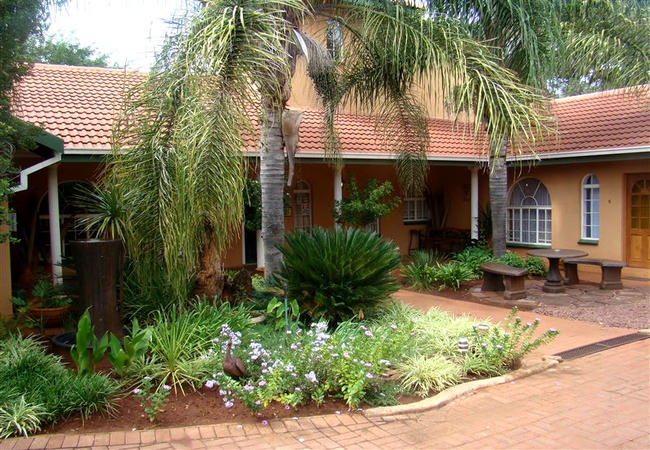
Villa Toscana Guesthouse
Villa Toscana Guesthouse provides luxury accommodation in a tranquil environment in the quiet area of Thabazimbi. Ideally located for visitors to...
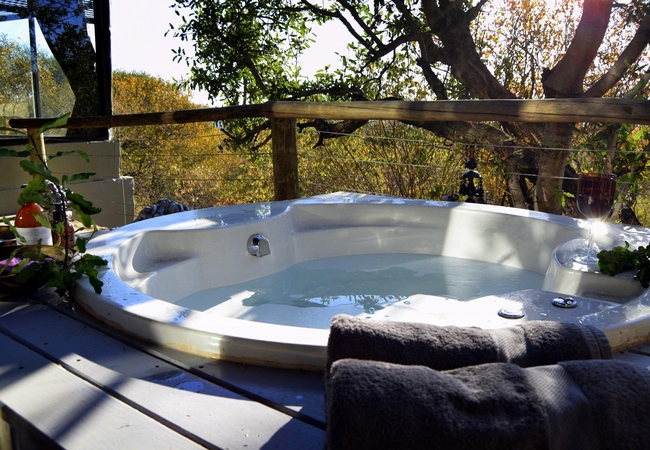
Thulani Game Lodge & Eco Estate
Thulani Game Lodge & Eco Estate offers comfortable self catering accommodation in seven units. While here you can enjoy an African bush experienc...
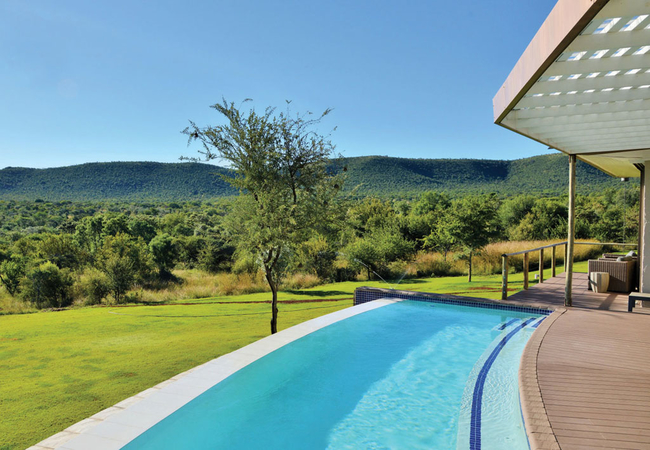
Babirwa Presidential Villa
Babirwa Presidential Villa offers accommodation in Rooiberg at Babirwa Golf and Bush Lodge. The Ranch is set in indigenous bushveld surrounded by...
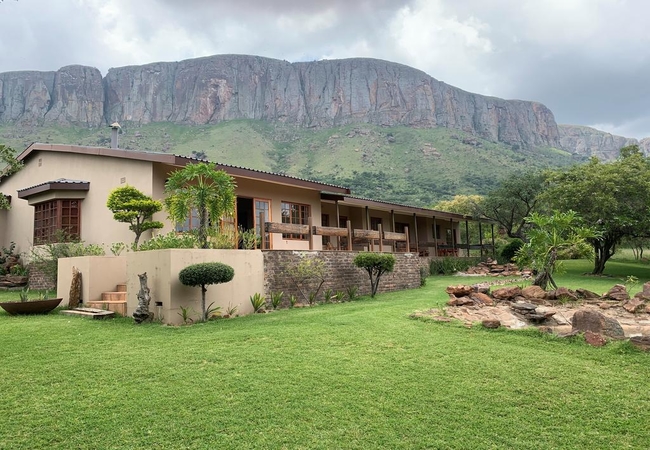
Kransberg Country Lodge
Kransberg Country Lodge is situated 25km outside the town Thabazimbi in the Waterberg Biosphere Reserve. The lodge has six en-suite bedrooms. Fou...
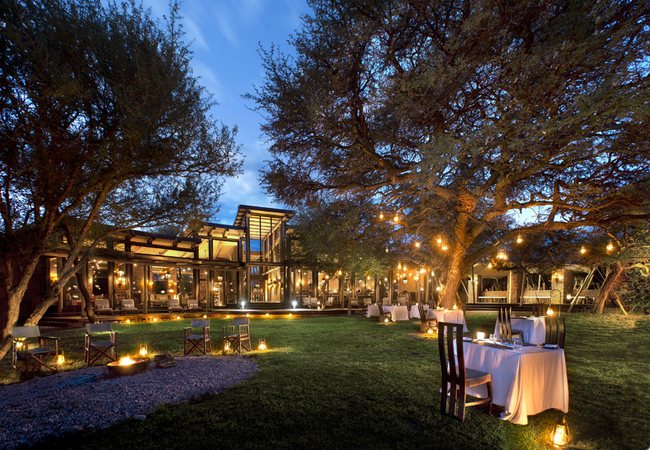
Marataba Safari Lodge
Marataba Safari Lodge is a simple extension of the natural environment beyond its walls – rich, bold, organic and patently magnificent. Each of t...
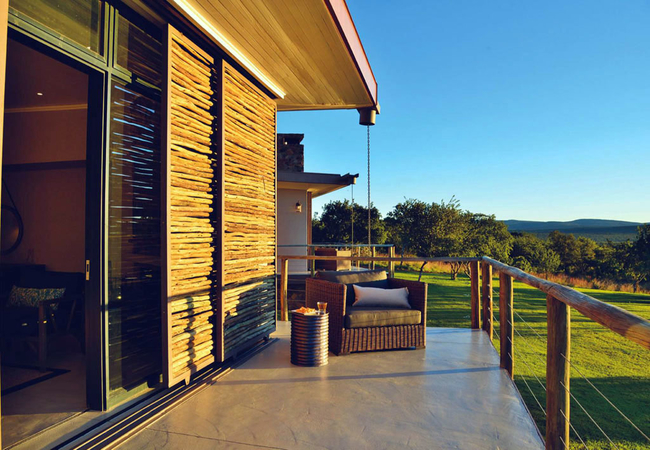
Babirwa Buffalo Villa
Babirwa Buffalo Villa offers accommodation in Rooiberg at Babirwa Golf and Bush Lodge. The Ranch is set in indigenous bushveld surrounded by roll...
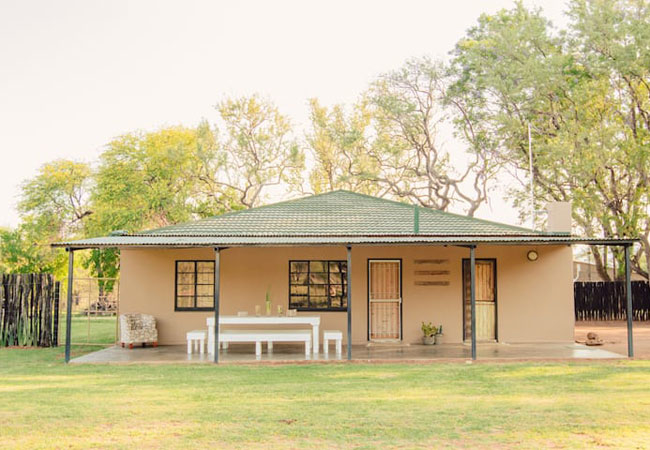
The Seed Pod
The Seed Pod is located on a farm and offers accommodation in Thabazimbi for a family or group of friends. The farm is near the south side of the...
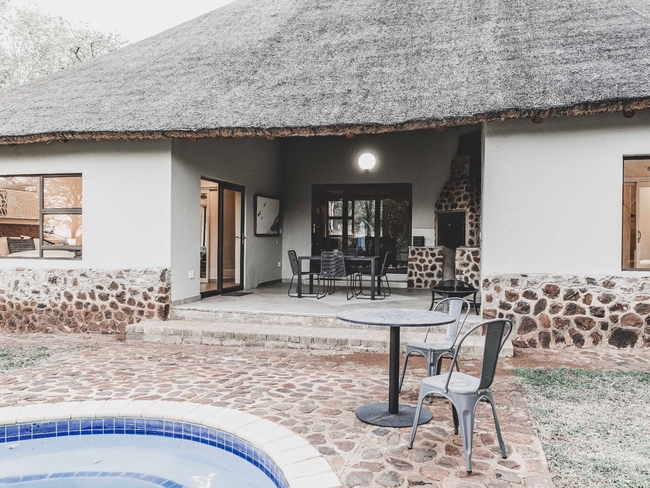
Villa June
Villa June provides luxury accommodation for up to six guests across three thoughtfully appointed bedrooms. Two of these bedrooms feature plush q...
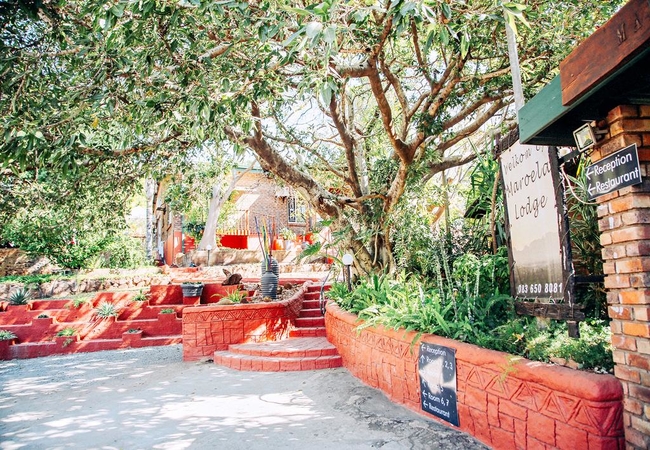
Maroela Guest Lodge
Maroela Guest Lodge offers accommodation in Thabazimbi and offers exclusively furnished rooms with FREE Wi-Fi and secure parking. Come and enjoy ...
Things to do in the area
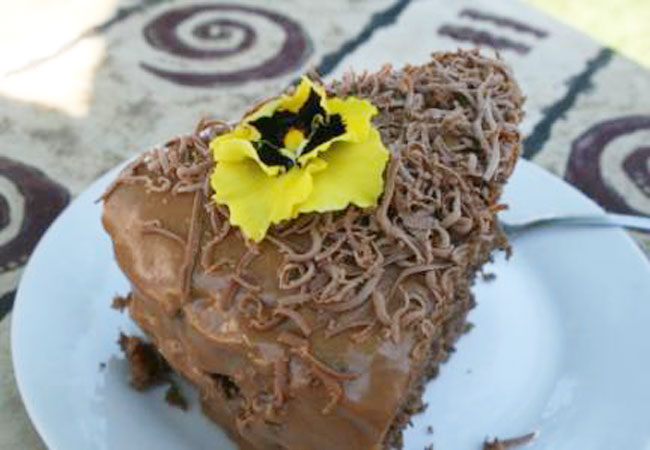
L'abri Farm Shop and Tea Garden
L'abri Farm Shop is located 37 km from Bela-Bela, off the Thabazimbi road (R516). Turn right at Diepdrift, and then left at Cyferfontein.Stop at...
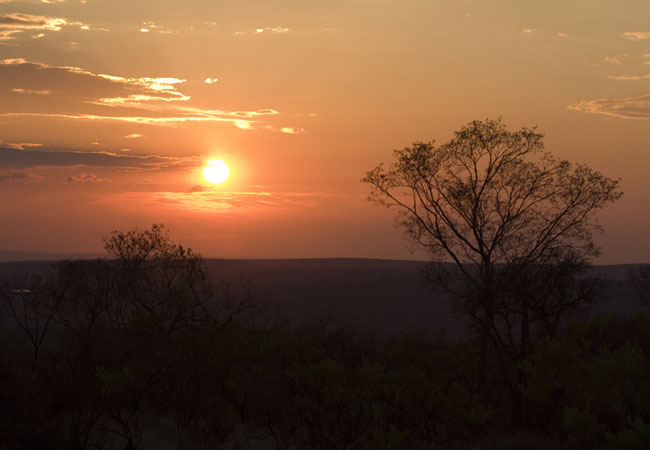
The Waterberg Meander
Just two hours north of Johannesburg, The Waterberg Meander consists of 8000 sq km of savannah, stretching from Marakele Mational Park in the sou...

Marakele 4x4 Trail
The Marakele National Park is situated in Limpopo Province, and is one of the natural gems that showcase the beauty and variety of South Africa. ...

Mateke 4x4 Trail
The Mateke Game Reserve is only a little over two hours' drive from Pretoria in Gauteng and spans some 2 000 hectares. The 4x4 routes here compri...
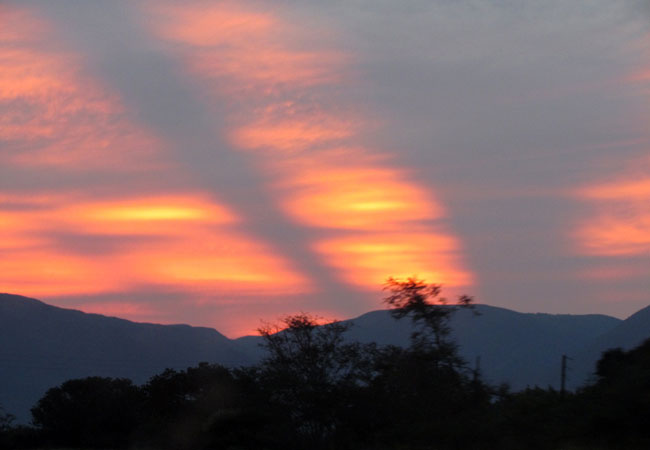
Waterberg Kruin Hiking Trail
Start: Jan Trichardts Pass, near Thabazimbi (next to the farm that hosts the Rhenosterpoort Trail)Finish: Jan Trichardts Pass, near ThabazimbiDur...
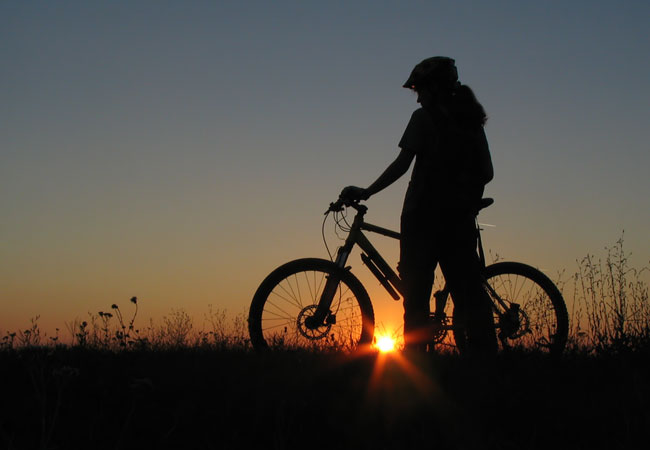
Thaba 'Nkwe MTB Trails
Where: Thaba'Nkwe Lodge, on the R510 near ThabazimbiLevel: easy to extremeType of route: road riding on double track clear gravel roads through b...
Noteworthy attractions
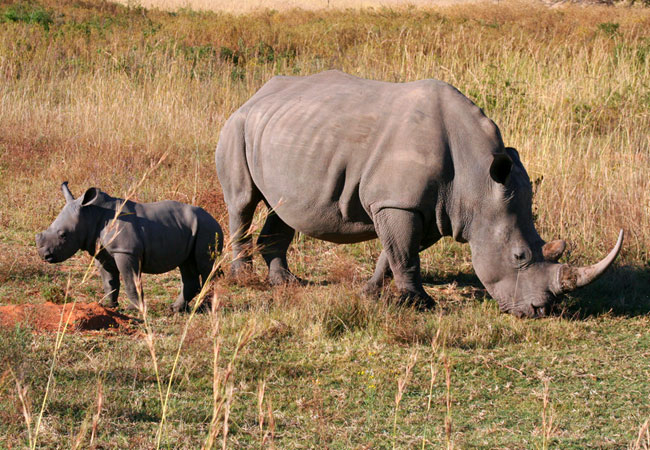
Welgevonden Game Reserve
The Malaria free Welgevonden Game Reserve is situated just 2.5 hours north of Pretoria. Welgevonden Game Reserve is a declared Heritage Site of 3...
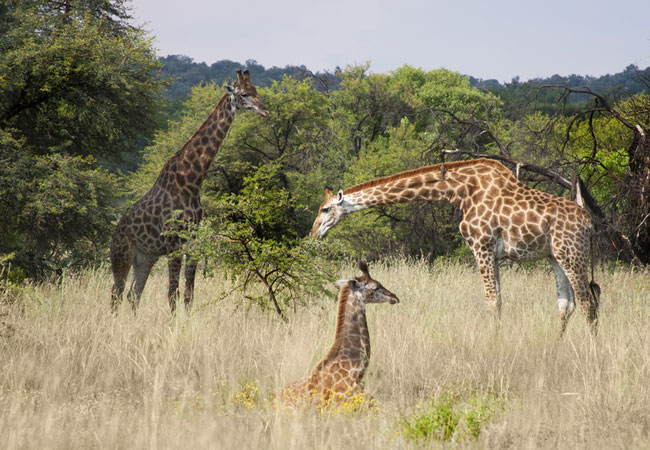
Mabalingwe Nature Reserve
Spread over more than 12 000 hectares of softly rolling hills, the malaria-free Mabalingwe Game reserve is host to the big 5, and also hippo, gir...
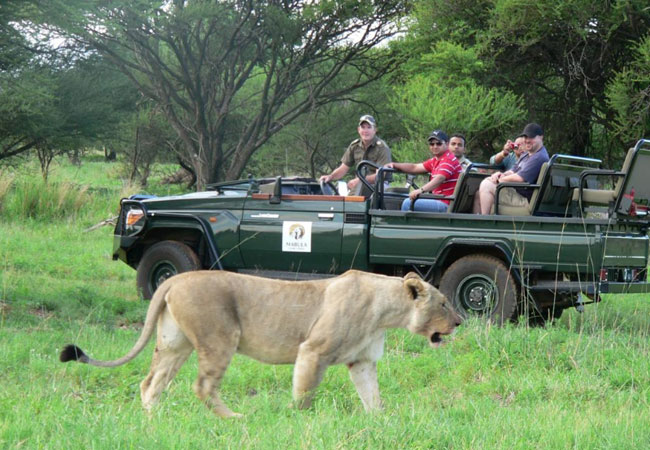
Mabula Game Reserve
Only two short hours drive North of Johannesburg lies the African wonder that is Mabula Private Game Reserve. This 12000ha of malaria free reserv...
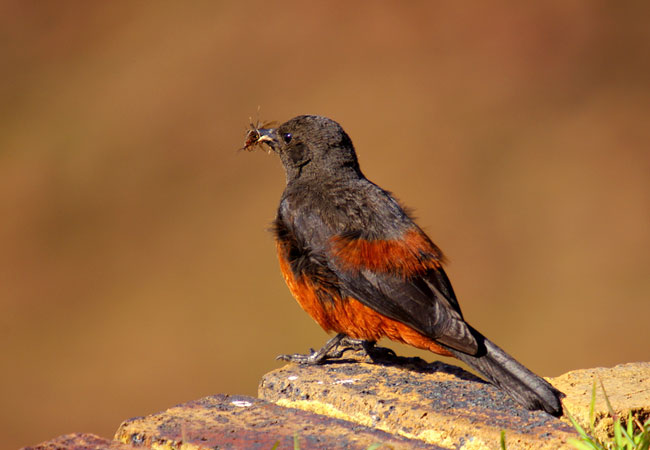
Lapalala Wilderness
Lapalala Game Reserve, today one of the largest private game reserves in South Africa, was established to safeguard a unique eco-system with 77 k...
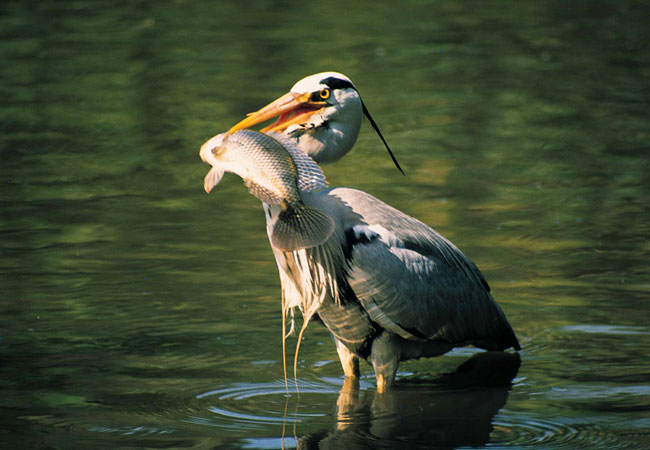
Doorndraai Dam Nature Reserve
The beautiful Doorndraai Dam nature reserve, set in amongst the foothills of the Waterberg south west of Potgietersrus, includes, as its name sug...
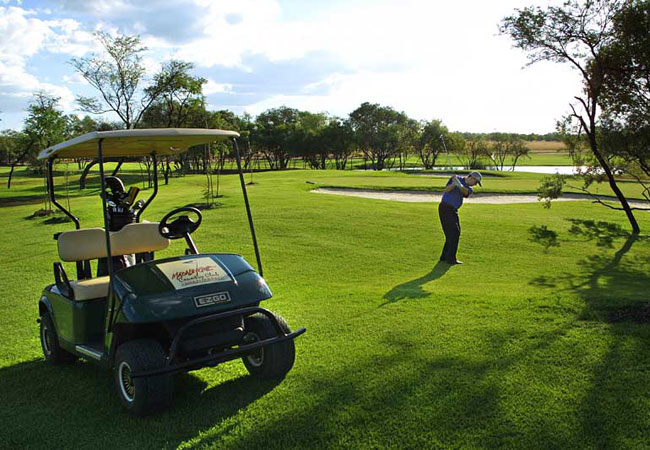
Zebula Country Club
This pristine 660-hectare bushveld estate boasts a sensational new world class Peter Matkovich designed golf course. It is also home to a variety...
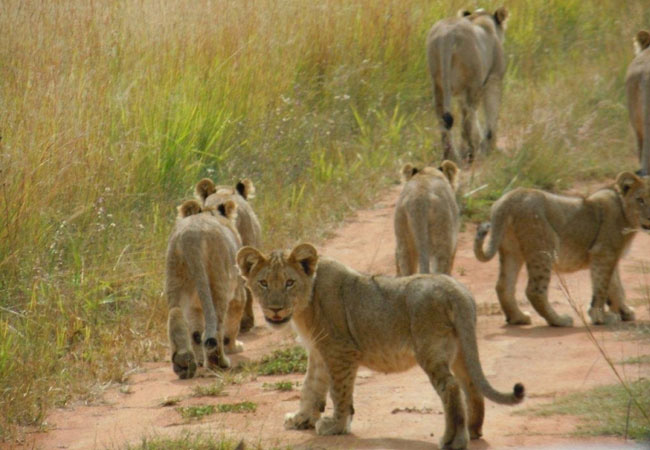
Kololo Private Game Reserve
Kololo Game Reserve is situated in the beautiful province of Limpopo, South Africa, in the heart of the Waterberg biosphere. Vast, peaceful and i...
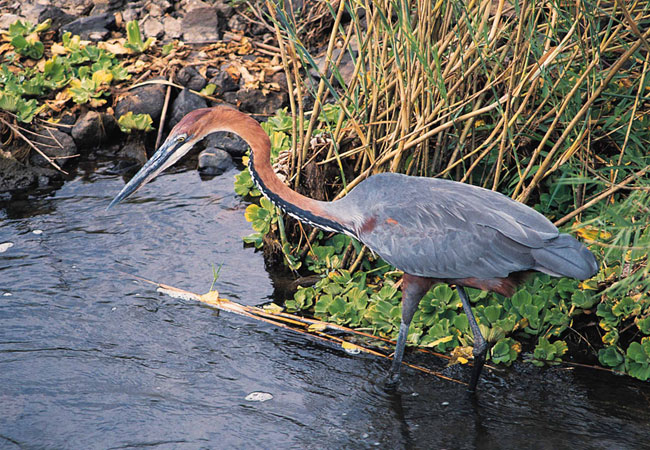
Nylsvley Nature Reserve
The Nylsvley Nature Reserve is situated in the upper reaches of the Nyl River near the town of Naboomspruit in Limpopo, and includes part of the ...
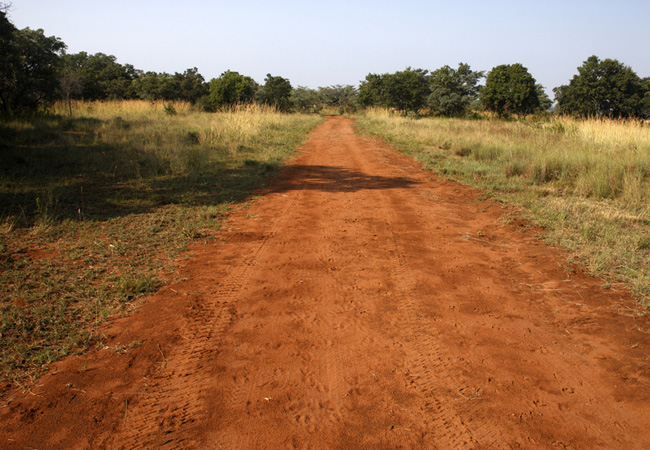
Waterberg Biosphere
Situated in the magnificent Waterberg Mountain Range of Limpopo, the Waterberg District is the ideal getaway where the weary traveller can relax ...
Accommodation near Marakele National Park
FIND / South Africa Accommodation / Limpopo Accommodation / Bushveld Accommodation / Waterberg Accommodation