
About Ntendeka Wilderness Area
South Africa's smallest and arguably most beautiful wilderness area is Ntendeka, consisting of 5 250 ha of undulating grasslands, verdant forests and dramatic cliffs with breathtaking waterfalls. Rivers and streams have formed deep valleys and the varied topography has resulted in great variations of temperature, rainfall and vegetation in this relatively small area.
Did you know? East of the Ntendeka Cliff is an exquisite waterfall. There are numerous other beautiful cascades, streams and fresh, clear pools, many of them bounded by smooth boulders, softened by moss and framed with foliage.
Lying within the Ngome State Forest, Ntendeka remains relatively isolated. Because it is small it is one of Southern Africa's more accessible wilderness areas and can easily be explored on foot from one end to another. Over 45 km of footpaths exist, most passing deep beneath the forest canopy on a carpet of leaves.
Despite the ravages of 20 years of uncontrolled logging, the area has been protected since 1905, and remains a majestic, lush forest with a rare combination of both coastal and inland tropical forest that is not found in any other conservation area in KwaZulu Natal. The vegetation is thick and richly textured, from delicate, lacy fern fronds to the giant-leafed Streptocarpus.
More than 180 species of trees and shrubs have been recorded here, and rare species include the bastard stinkwood, the Natal hard pear, green witch hazel and the terblanz beech which is also found in Tanzania and Madagascar. Both terrestrial and tree orchids thrive in the green heart of the forest, and in season, Ngome lilies and clivias create a showy display.
The tallest, most prolific trees are the forest waterwood, some growing as tall as 30m. Other common trees are the bushwillow, silver oak, tree fuchsia and knobwood.
Out in the open grasslands, umbrella shaped tree ferns line the watercourses, and in the spring, delicate wildflowers including coral candelabras, watsonias and white Erica's, speckle the landscape among the grass.
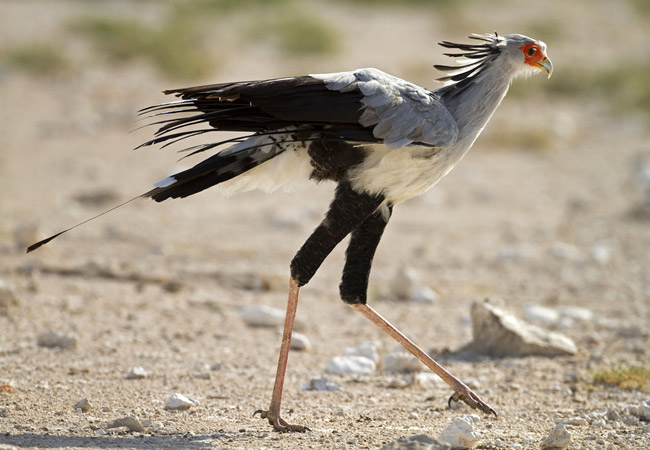
Birdlife is prolific in the Ntendeka Wilderness Area with nearly 200 species having been recorded, including some endangered birds such as white stork, martial eagle, house martin and blue swallow. Visitors might also see the bald ibis, secretary bird, purple-crested Loerie, crowned eagle and trumpeter hornbill.
A variety of animals live unobtrusively in the wilderness area, including baboon, Samango monkey, Vervet monkey, grey, blue and red duiker, bushbuck, bushpig, dassies, porcupine, caracal, and many other smaller creatures such as snakes, beetles, butterflies and frogs.
Some well trodden routes were established by the area's earliest inhabitants, such as the 'Zulu Highway' a traditional route leading from the plains to the highlands. This ancient way starts from the police station on the northern boundary and leads hikers past an isiVavine or stone cairn, where it is customary for passers-by to add another stone for good luck.
Need to Know
WhereNtendeka Wilderness Area, Vryheid, Zululand, KwaZulu Natal, South Africa
WhenBest during daylight hours.
OvernightStay in Vryheid Accommodation, KwaZulu Natal
Disclaimer
Please note, business details can change. While we endeavour to ensure all information provided by the service provider is correct at the time of publication, we do not assume any liability caused by errors or changes, such as price, cost, time, and location. Please check with the provider that the activity/business is still offered as described, before making any travel plans.
Feedback?
If this is your reserve, you can let us know if anything on this page is outdated or contains inaccuracies, by email. We regret, we do not have any other information, please contact the provider if you have questions.
Additional Reading
You might also be interested inGame & Nature Reserves in KwaZulu Natal
In the vicinity
Hotels & other accommodation options in Vryheid
Indwe Farm Stay
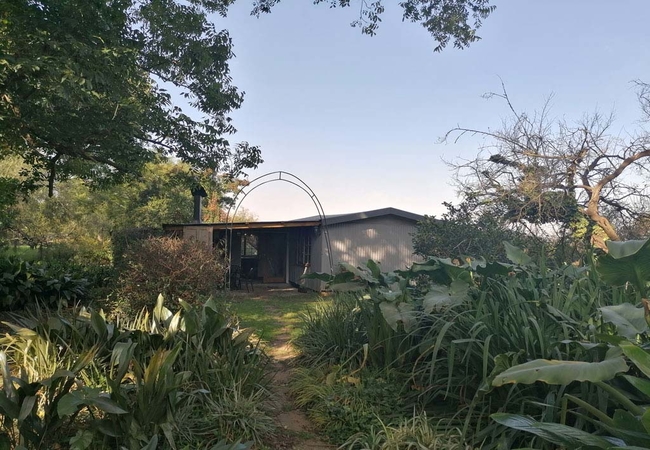
Indwe Farm Stay offers Vryheid accommodation in a cottage located in the historic Bloodriver area. Where the Boers trekked into the great unknown...
Kwantulindawo Guest House
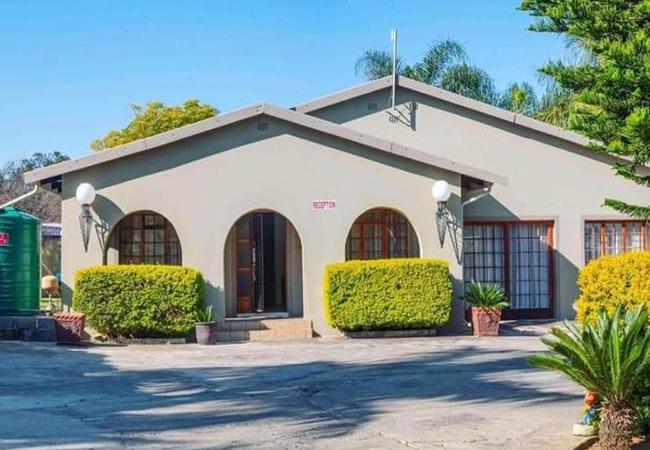
Kwantulindawo Vryheid offers accommodation in ten elegantly furnished rooms. The guesthouse is conveniently situated right in the heart of Vryhei...
Siesta B&B
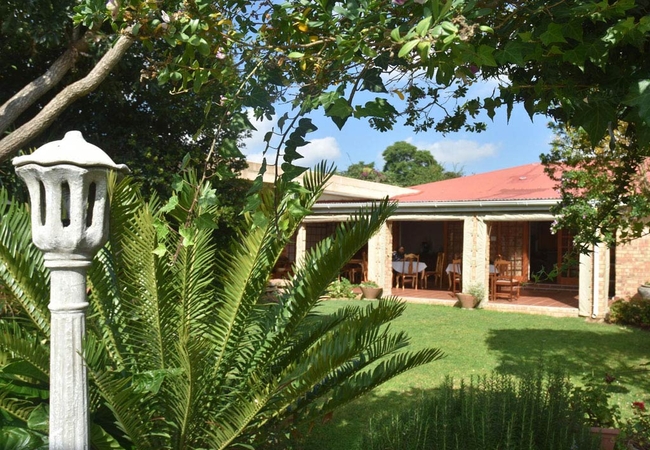
Siesta B&B has five comfortable rooms with en-suite fitted with bathrooms with a shower, toilet and basin. The rooms have Wi-Fi, a TV with DStv, ...
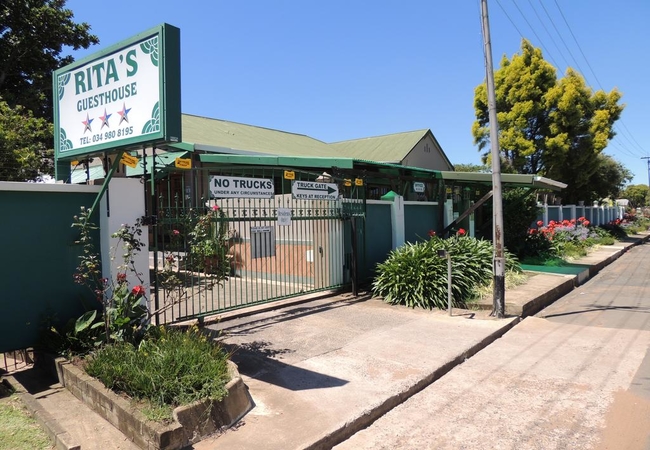
Rita's Guest House
Found in Vryheid, Rita's Guest House offers fine accommodation close to many great activities and things to do during. All rooms are equipped wi...
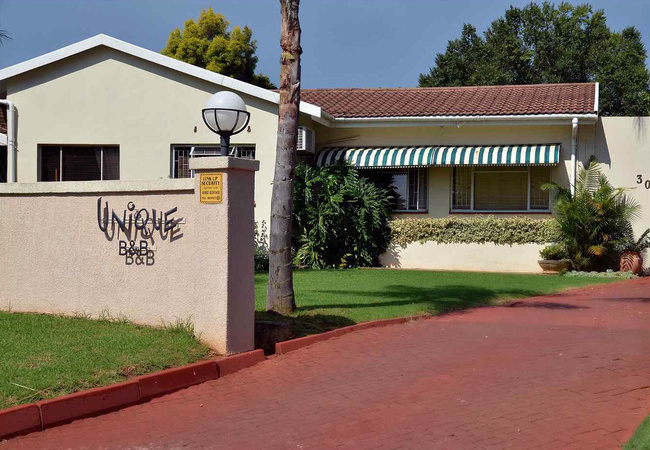
Unique Bed and Breakfast
Unique Bed and Breakfast offers a choice of seven luxury rooms each with their own entrance. Each room sleeps two guests in a King-size bed or tw...
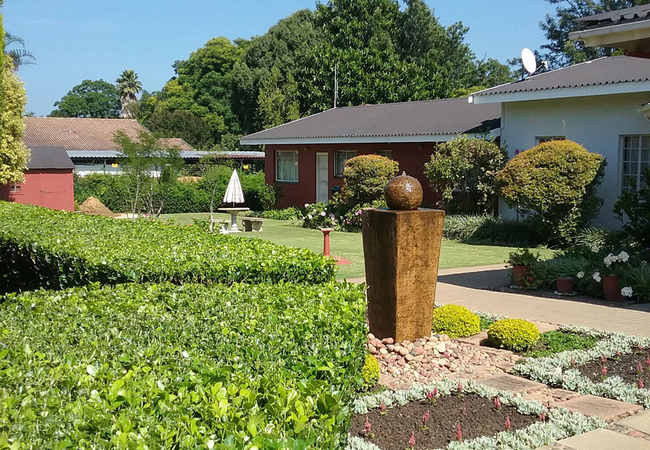
Villa Prince Imperial
Enjoy luxury accommodation at Villa Prince Imperial in Vryheid and from there tour the Battlefields of KwaZulu Natal or do an epic Safari in the ...
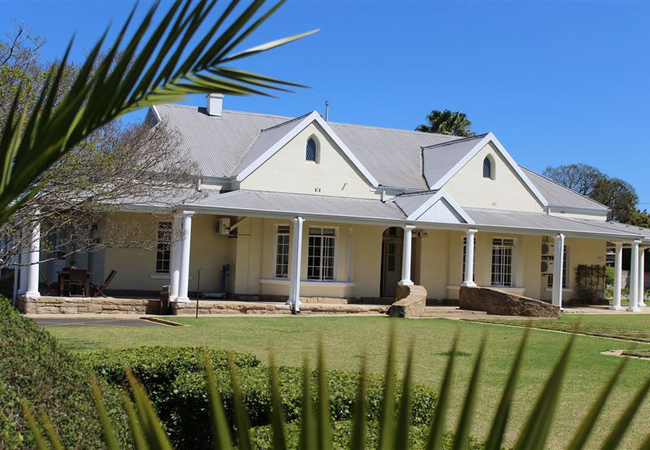
Villa Beryl Guesthouse
Villa Beryl Guesthouse is a stunning home away from home offering luxurious accommodation in Vryheid. All 12 bedrooms are fitted with a flat scre...
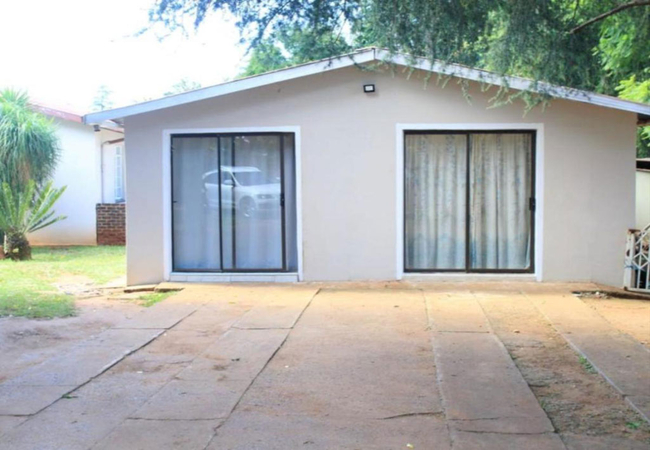
Kekeli B&B
Kekeli B&B offers comfortable overnight studio accommodation for a solo or business traveller in Vryheid. Kekeli B&B is a studio apartment furnis...
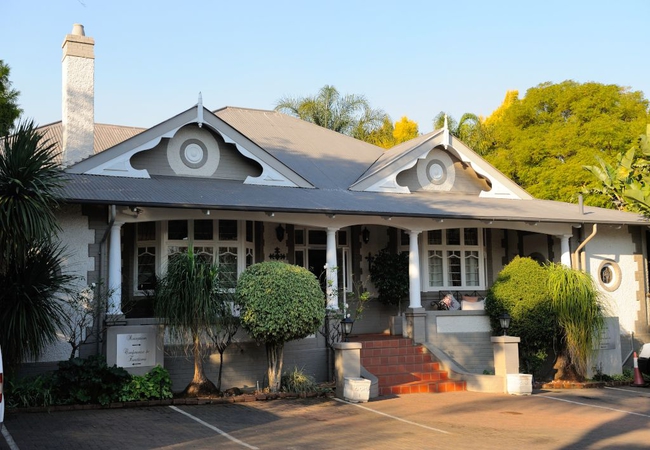
Oxford Lodge
Oxford Lodge can be found in Vryheid and is close to restaurants, shops and local amenities. Here you can enjoy a peaceful getaway, fantastic ser...
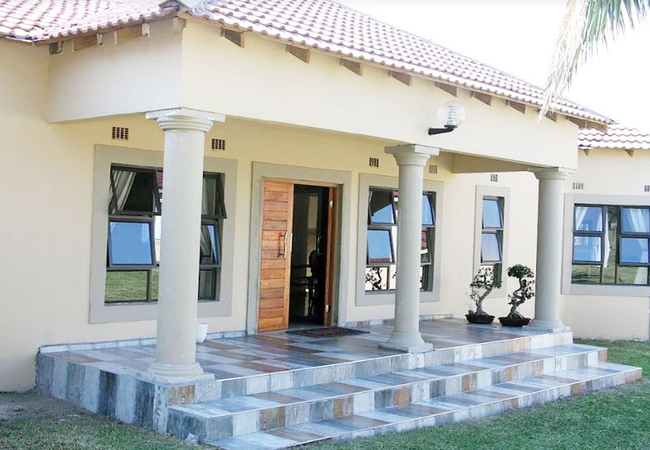
Black Horse Lodge
Situated just outside Vryheid on the R69, Black Horse Lodge offers bed and breakfast accommodation in a choice of three bedrooms. The lodge offer...
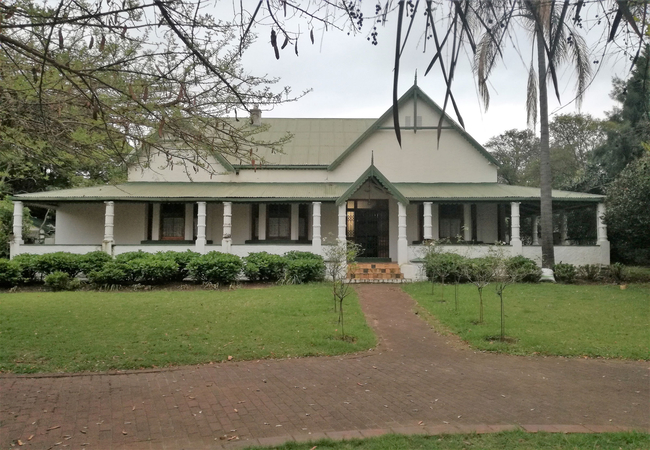
Cadle House
Cadle House, situated in Vryheid is only a short distance from Ntingonono Environmental Centre and Vryheid Hill Nature Reserve. The house is set ...
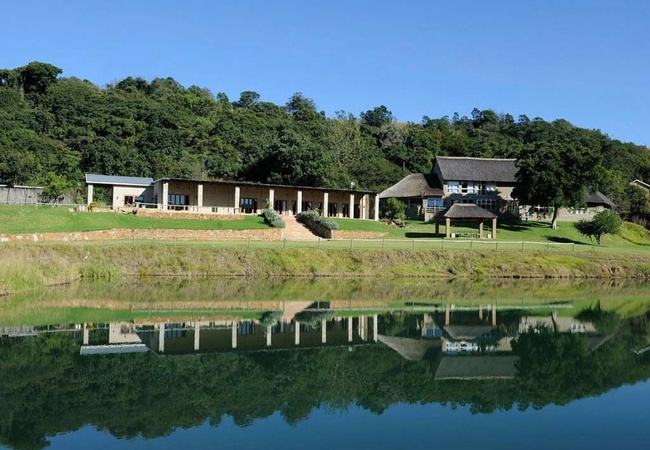
Mount Sinai Resort
Mount Sinai Resort is set in tranquil surroundings, just 2km outside of Vryheid, and is an excellent choice for rest and rejuvenation. Well-known...
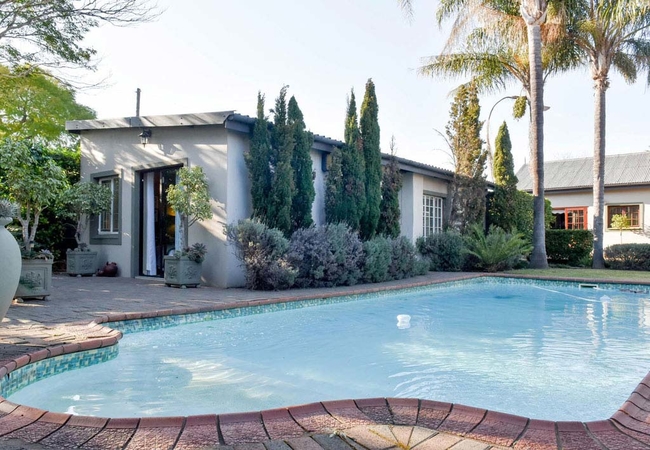
Bella's B and B
Bella's B and B offers Vryheid accommodation that is ideal for the business traveller, as it is located close to the centre of town....
Things to do in the area
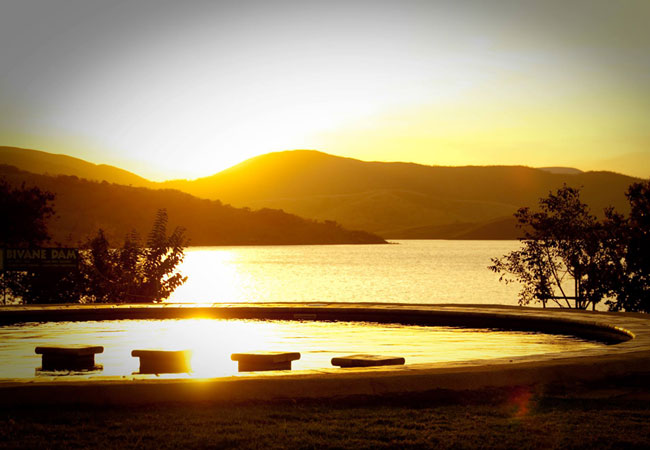
Bivane Dam
The breath-taking vistas of the Bivane Dam have ensured that this remains a popular spot for families, friends and couples to visit. This dam is ...
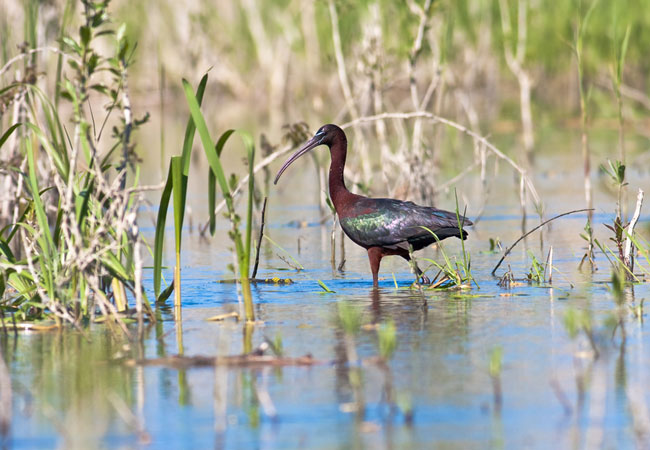
Rainbow Route
The Rainbow Route links the provinces of Mpumalanga and KwaZulu-Natal starting at Carolina. It passes through the towns of Kriel, Bethal, Ermelo,...
Noteworthy attractions
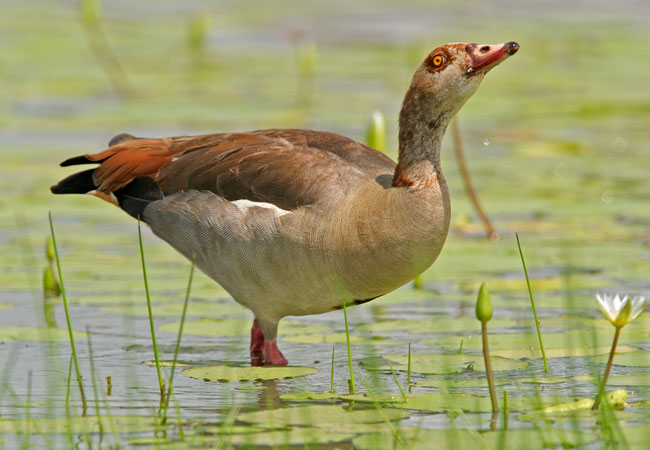
Chelmsford Nature Reserve
The Chelmsford Nature Reserve, situated on the Ngagane River, lies just 70 kilometres from Ladysmith and is the site of the third largest dam in ...
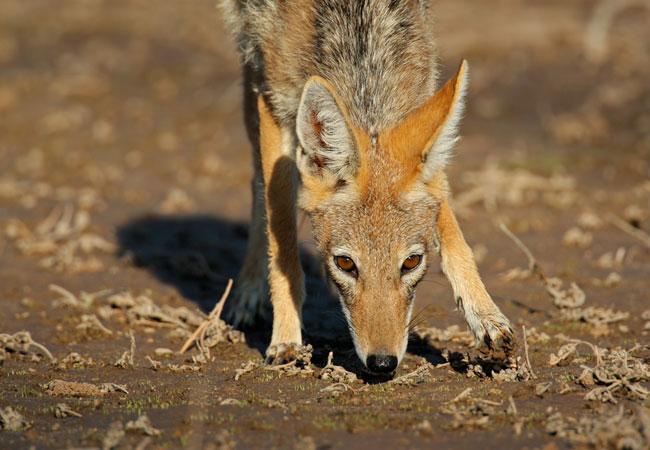
Weenen Nature Reserve
Weenen Game Reserve covers an area of typical inland KwaZulu Natal acacia grassland with occasional thickets. There are extensive game viewing fa...
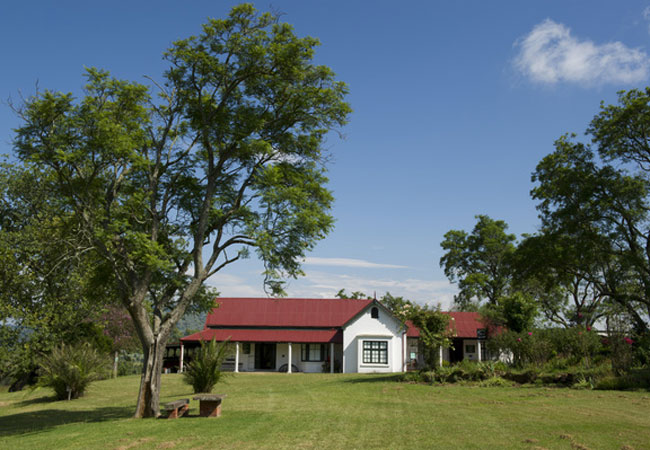
Talana Museum
Set in a 20 acre heritage park that forms a portion of the Talana battlefield - the first battle of the Anglo-Boer war - is a museum that is dedi...
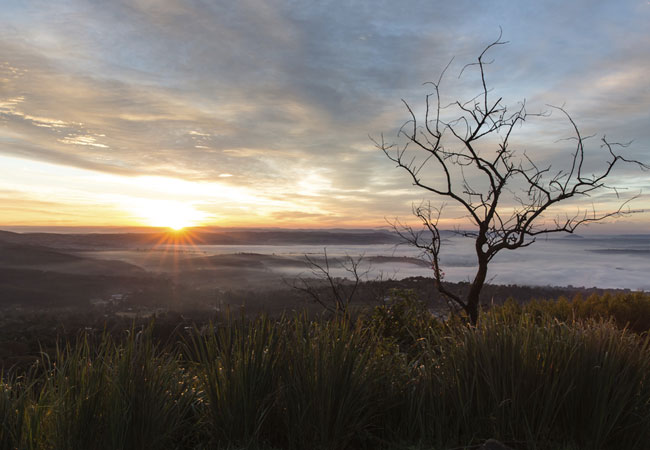
Midlands Meander
The enchantment of the Midlands has long inspired many a visitor and resident to creativity and as a result, local artists, potters and weavers c...
Dlinza Forest Nature Reserve
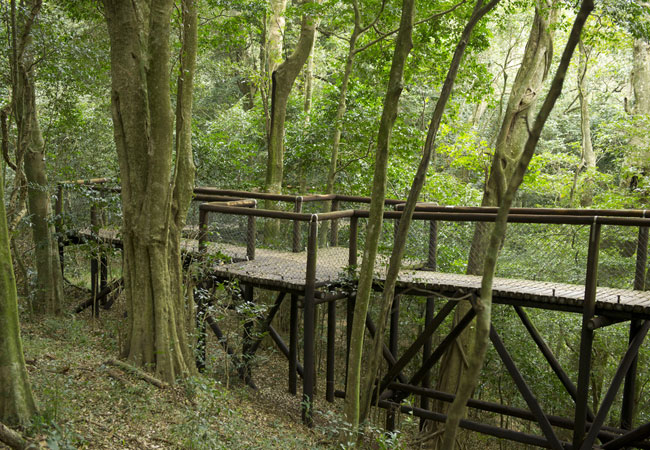
Found just outside the little town of Eshowe, the Dlinza Forest is one of two indigenous forests that lie close to one another in this southern p...
Vryheid Hill Nature Reserve
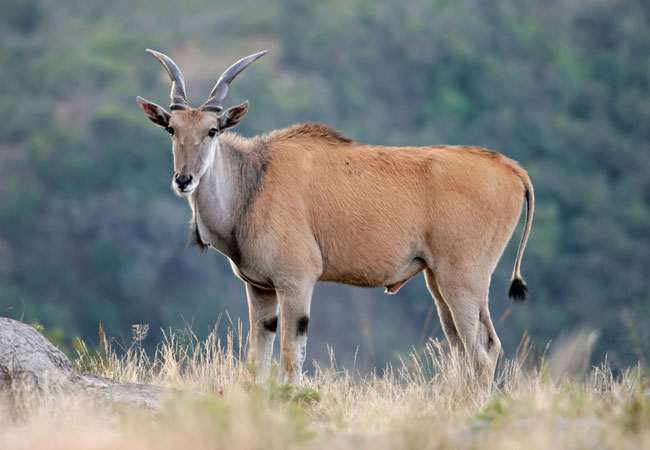
Vryheid, which lies in northern KwaZulu Natal, is the largest town in the area and is situated on a transitional belt between grasslands and low-...
Wagendrift Nature Reserve
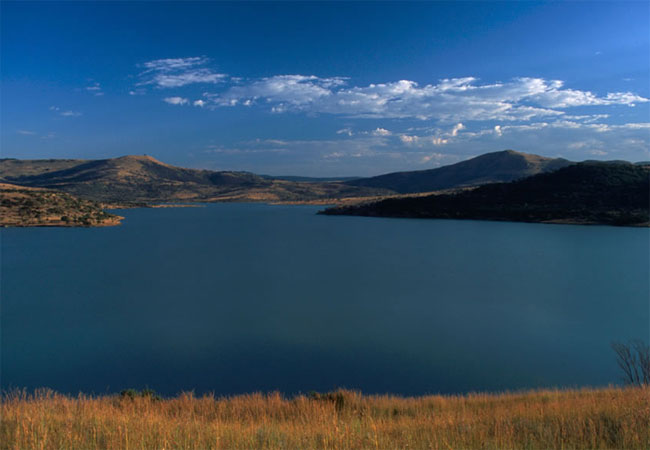
Situated on the other side of the N3 from Estcourt, Wagendrift Nature Reserve surrounds the dam of the same name. With a resident yacht club, and...

Eshowe Hills Golf Course
The Eshowe Country Club is situated on the Eshowe Hills Eco Estate in Eshowe and as such meanders through the famous Dhlinza Forest and grassland...
Nambiti Game Reserve
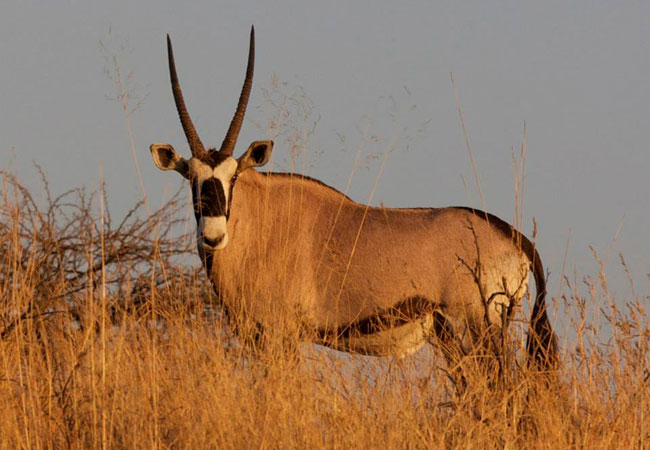
Nambiti's chief appeal is its exclusivity as the only reserve in Kwazulu-Natal with big 5 viewing. Lion, elephant, leopard, buffalo and rhino are...
Accommodation near Ntendeka Wilderness Area
FIND / South Africa Accommodation / KwaZulu Natal Accommodation / Battlefields Accommodation / Vryheid Accommodation