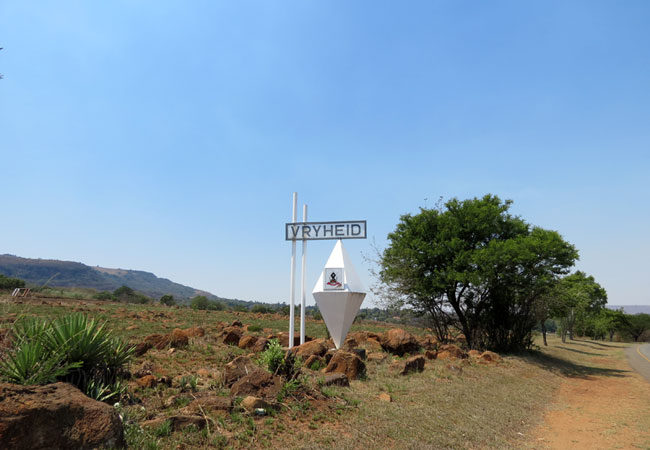
Vryheid, Battlefields
Fundamentally a coal mining and beef farming town, Vryheid - from the Afrikaans word for ‘freedom' - lies roughly 70 kilometres north east of Dundee in Zululand.
Vryheid also lies close to the site of one of the more infamous battles of the Battlefields Route, the battle of Blood River, fought on the river of the same name in 1838 when the Boers confronted the Zulus under Dingaan. The town of Vryheid was moreover intrinsically involved in the subsequent Anglo-Boer War of 1899, making it one of the more interesting towns on the Battlefields route - a route that traces the myriad battlefield sites and memorials dotted across the surrounding countryside.
Whilst Vryheid's surrounds are largely dominated by timber farming - hence the extensive wattle and timber plantations - crops such as groundnuts and maize, and mining, the town also lies near the sources of four major rivers, the White and Black Umfolozi, Mkhuze and Pongolo. Access to wetlands in the area is thus good, and some of them are of regional importance, which is of added benefit to bird watchers and provides a diversity of scenery for hikers to the area, coupled with the added value of several nature reserves.
There are several notable buildings in the town of Vryheid worth seeing, such as the Old Raadsaal (old council chambers), the Lucas Meyer House (he was president of the rather brief Nieuwe Republiek), and the Dutch Reformed Church.
The Vryheid Nature Reserve, just outside town that includes both one day and two day hikes, some small game and a bounteous bird life, and the Klipfontein Bird Sanctuary, two kilometres south west of the town and part of one of the aforementioned wetlands, are also worth a visit.
Travellers' Reviews
1 Review from SA-Venues.com travellers. All reviews are verified.
Verified review
We did the Battlefields Route last year and visited Vryheid as a result. Apart from the history, there's not much to this little town, but it does benefit from the KZN beauty. We had an interesting time overall.
U. Friedrichs (Kalk Bay)
In the vicinity
Hotels & other accommodation options
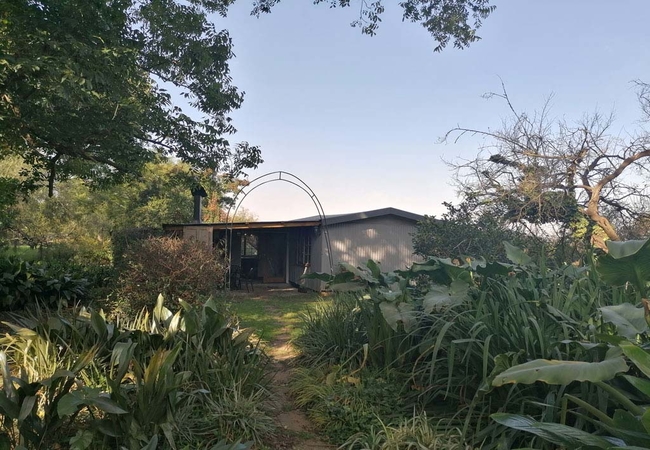
Indwe Farm Stay
Indwe Farm Stay offers Vryheid accommodation in a cottage located in the historic Bloodriver area. Where the Boers trekked into the great unknown...
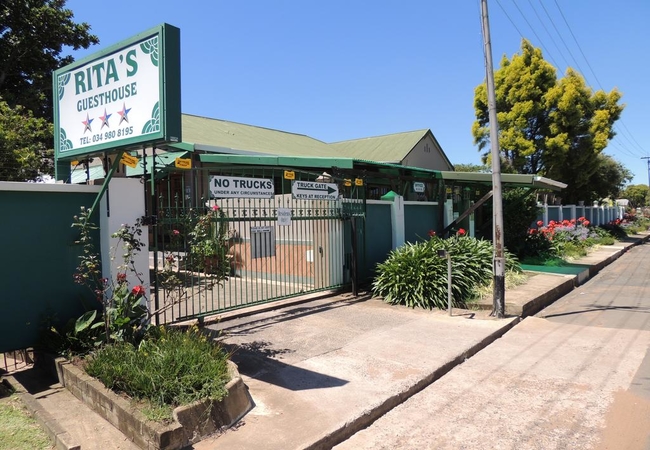
Rita's Guest House
Found in Vryheid, Rita's Guest House offers fine accommodation close to many great activities and things to do during. All rooms are equipped wi...
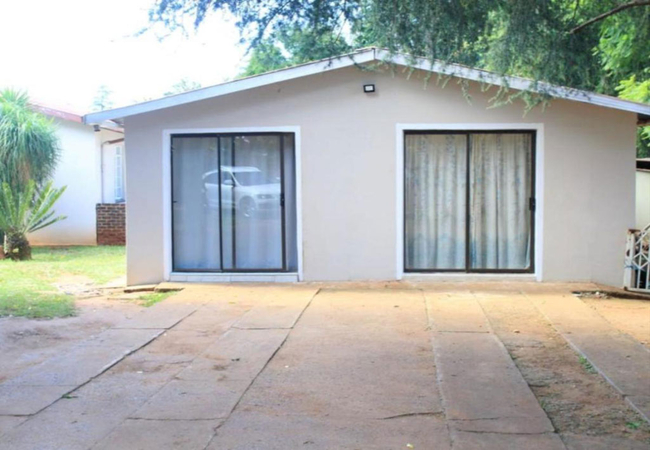
Kekeli B&B
Kekeli B&B offers comfortable overnight studio accommodation for a solo or business traveller in Vryheid. Kekeli B&B is a studio apartment furnis...
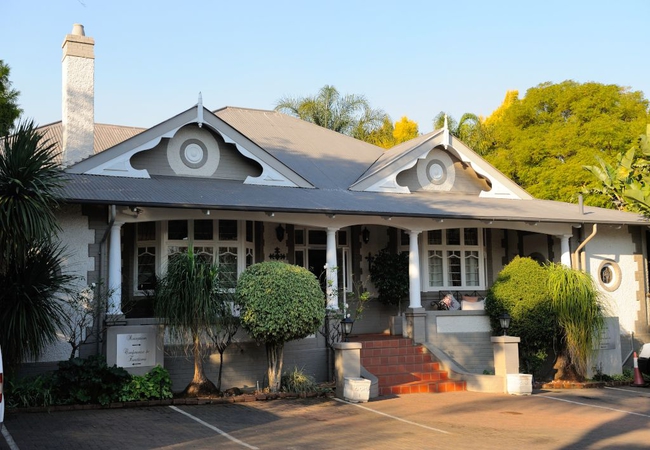
Oxford Lodge
Oxford Lodge can be found in Vryheid and is close to restaurants, shops and local amenities. Here you can enjoy a peaceful getaway, fantastic ser...
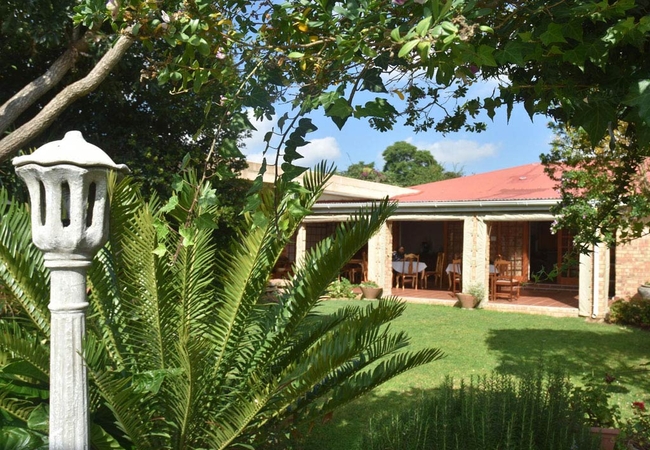
Siesta B&B
Siesta B&B has five comfortable rooms with en-suite fitted with bathrooms with a shower, toilet and basin. The rooms have Wi-Fi, a TV with DStv, ...
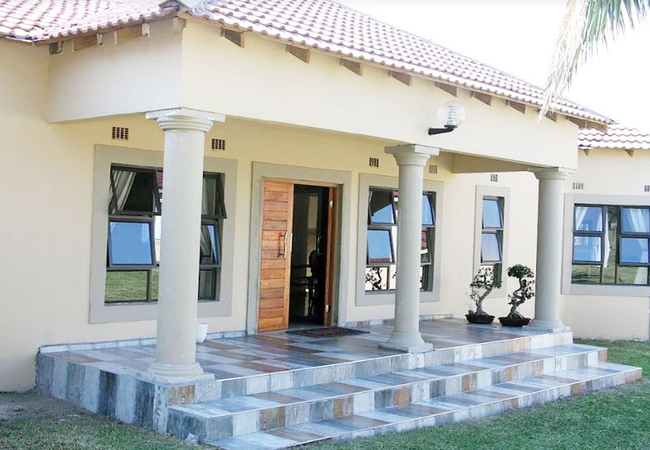
Black Horse Lodge
Situated just outside Vryheid on the R69, Black Horse Lodge offers bed and breakfast accommodation in a choice of three bedrooms. The lodge offer...
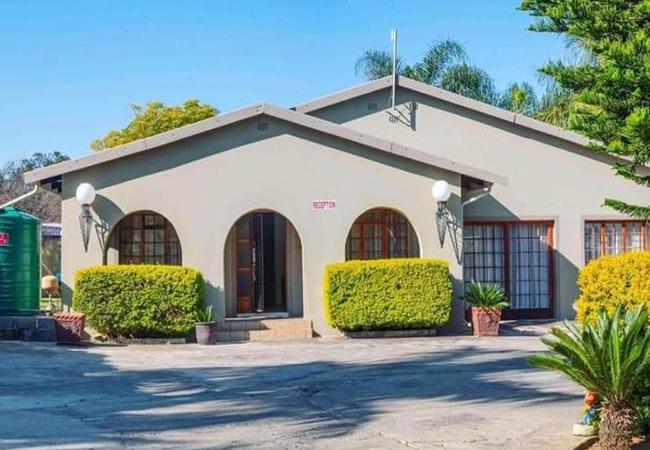
Kwantulindawo Guest House
Kwantulindawo Vryheid offers accommodation in ten elegantly furnished rooms. The guesthouse is conveniently situated right in the heart of Vryhei...
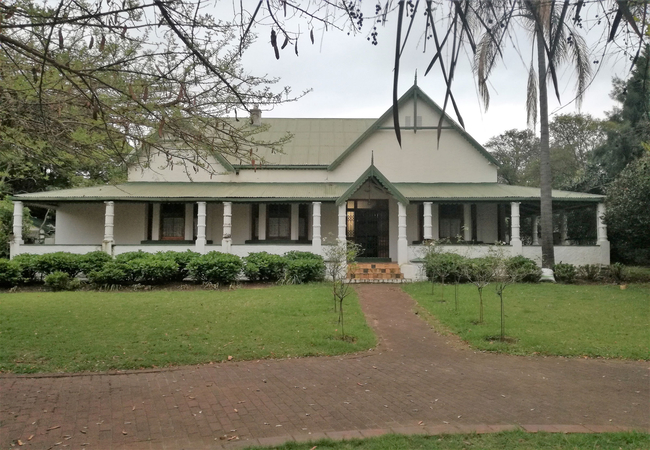
Cadle House
Cadle House, situated in Vryheid is only a short distance from Ntingonono Environmental Centre and Vryheid Hill Nature Reserve. The house is set ...
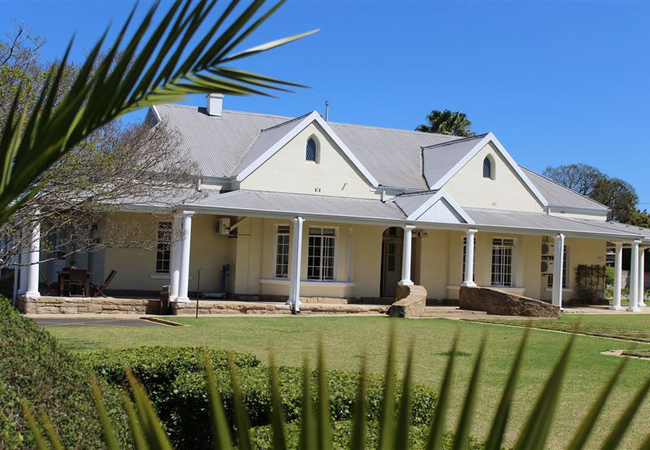
Villa Beryl Guesthouse
Villa Beryl Guesthouse is a stunning home away from home offering luxurious accommodation in Vryheid. All 12 bedrooms are fitted with a flat scre...
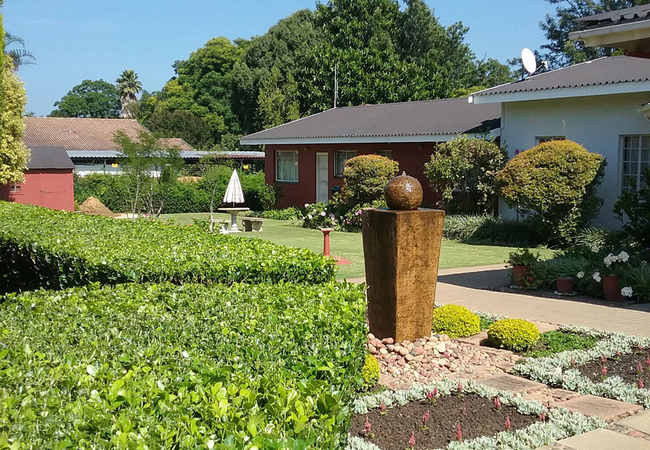
Villa Prince Imperial
Enjoy luxury accommodation at Villa Prince Imperial in Vryheid and from there tour the Battlefields of KwaZulu Natal or do an epic Safari in the ...
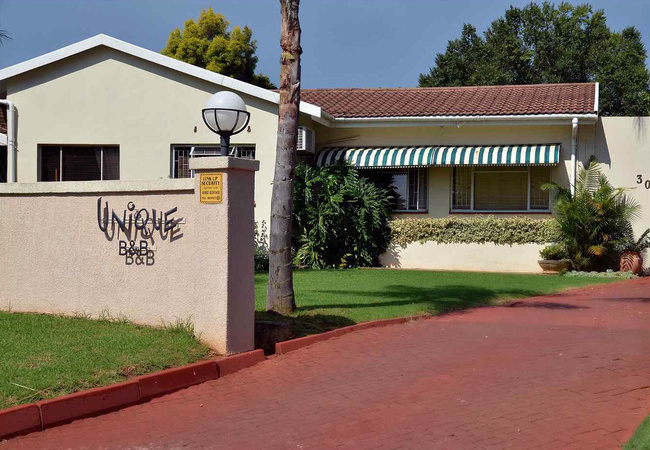
Unique Bed and Breakfast
Unique Bed and Breakfast offers a choice of seven luxury rooms each with their own entrance. Each room sleeps two guests in a King-size bed or tw...
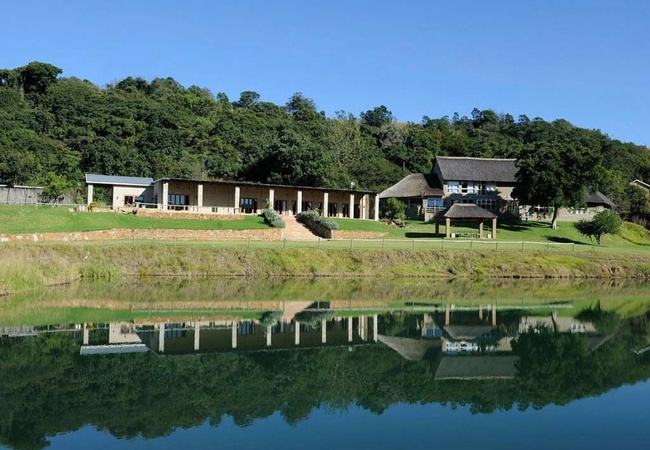
Mount Sinai Resort
Mount Sinai Resort is set in tranquil surroundings, just 2km outside of Vryheid, and is an excellent choice for rest and rejuvenation. Well-known...
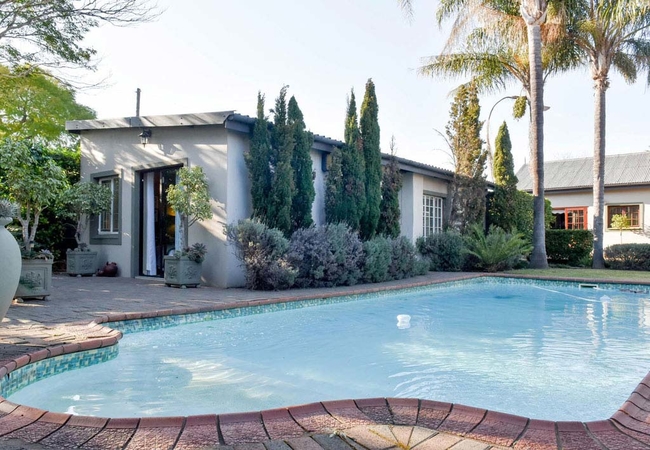
Bella's B and B
Bella's B and B offers Vryheid accommodation that is ideal for the business traveller, as it is located close to the centre of town....
Things to do in the area
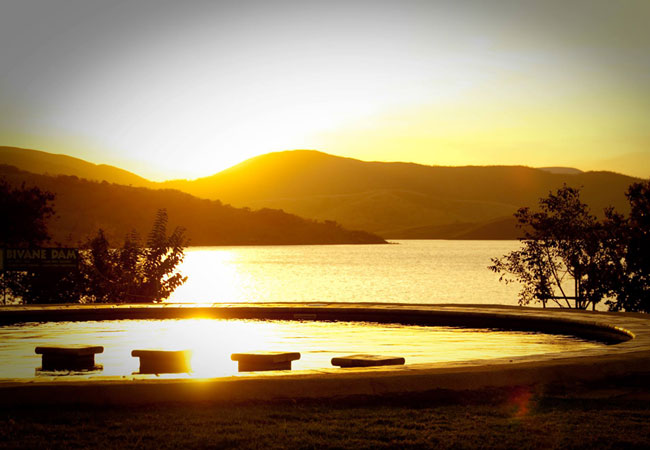
Bivane Dam
The breath-taking vistas of the Bivane Dam have ensured that this remains a popular spot for families, friends and couples to visit. This dam is ...
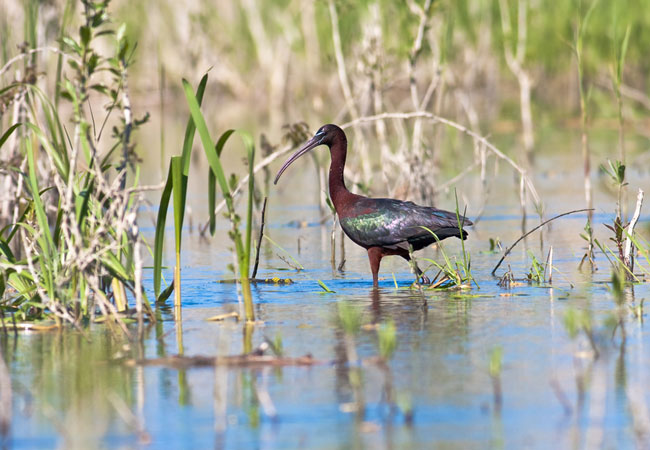
Rainbow Route
The Rainbow Route links the provinces of Mpumalanga and KwaZulu-Natal starting at Carolina. It passes through the towns of Kriel, Bethal, Ermelo,...
Noteworthy attractions
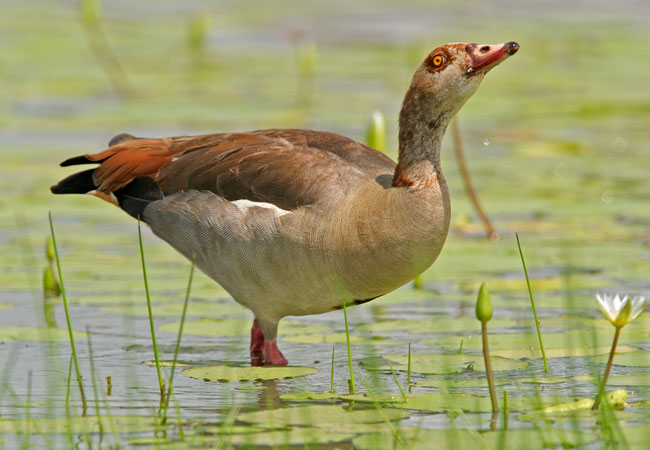
Chelmsford Nature Reserve
The Chelmsford Nature Reserve, situated on the Ngagane River, lies just 70 kilometres from Ladysmith and is the site of the third largest dam in ...
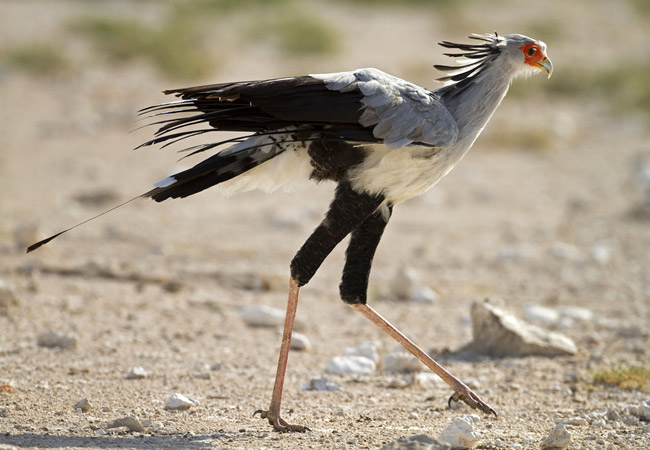
Ntendeka Wilderness Area
South Africa's smallest and arguably most beautiful wilderness area is Ntendeka, consisting of 5 250 ha of undulating grasslands, verdant forests...
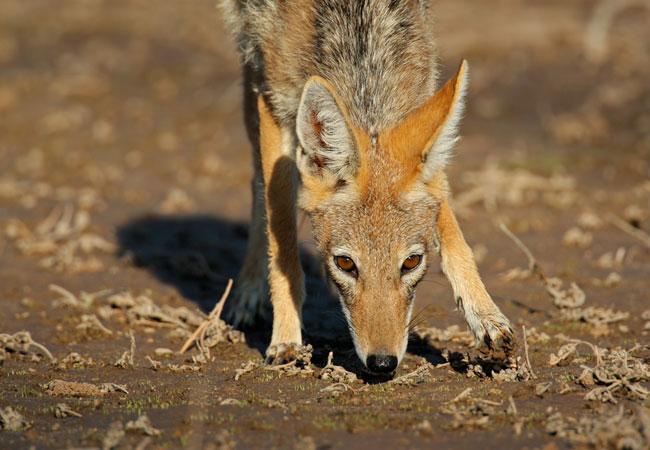
Weenen Nature Reserve
Weenen Game Reserve covers an area of typical inland KwaZulu Natal acacia grassland with occasional thickets. There are extensive game viewing fa...
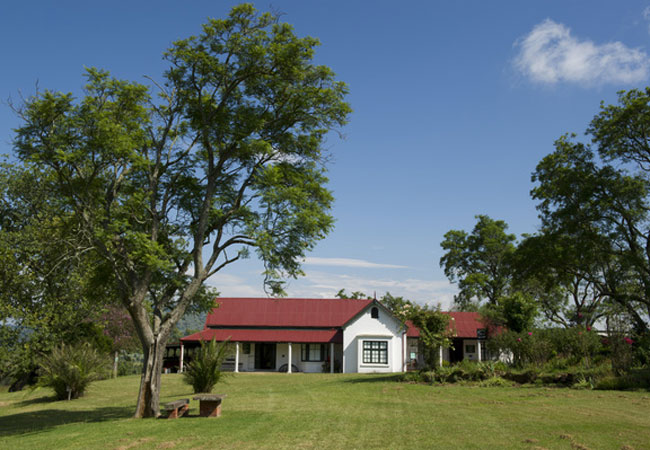
Talana Museum
Set in a 20 acre heritage park that forms a portion of the Talana battlefield - the first battle of the Anglo-Boer war - is a museum that is dedi...
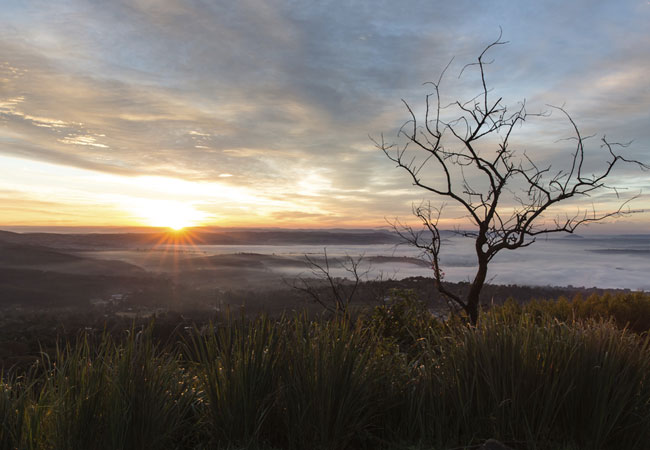
Midlands Meander
The enchantment of the Midlands has long inspired many a visitor and resident to creativity and as a result, local artists, potters and weavers c...
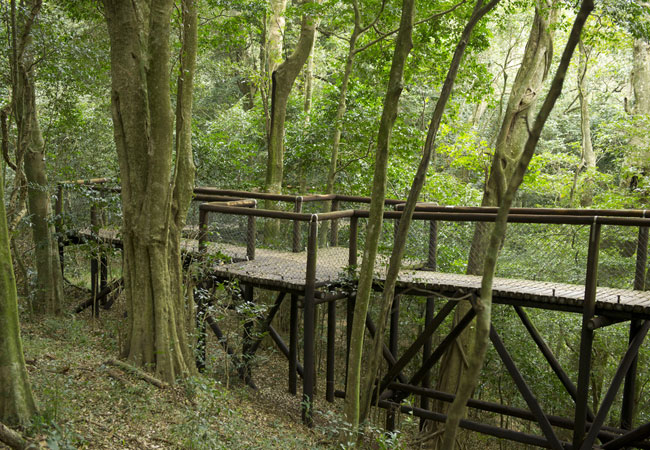
Dlinza Forest Nature Reserve
Found just outside the little town of Eshowe, the Dlinza Forest is one of two indigenous forests that lie close to one another in this southern p...
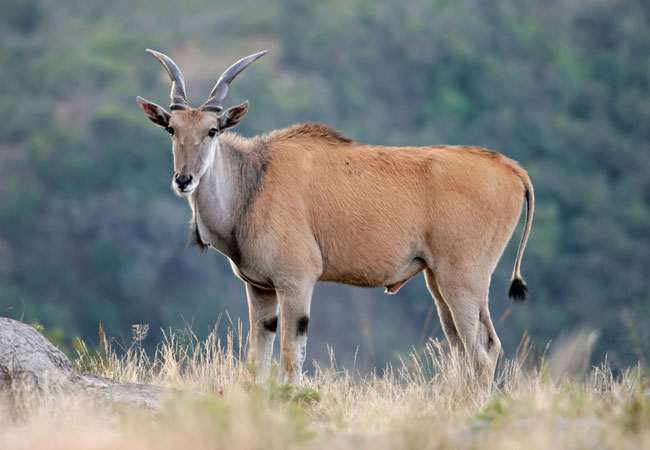
Vryheid Hill Nature Reserve
Vryheid, which lies in northern KwaZulu Natal, is the largest town in the area and is situated on a transitional belt between grasslands and low-...
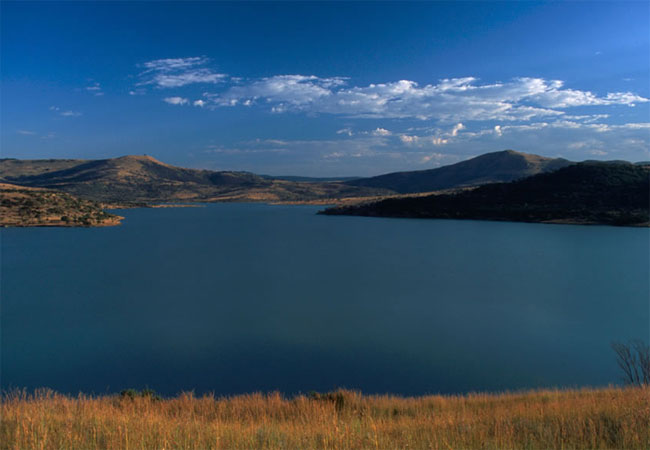
Wagendrift Nature Reserve
Situated on the other side of the N3 from Estcourt, Wagendrift Nature Reserve surrounds the dam of the same name. With a resident yacht club, and...

Eshowe Hills Golf Course
The Eshowe Country Club is situated on the Eshowe Hills Eco Estate in Eshowe and as such meanders through the famous Dhlinza Forest and grassland...
Find accommodation in Vryheid
FIND / South Africa Accommodation / KwaZulu Natal Accommodation / Battlefields Accommodation / Vryheid Accommodation