Isandlwana, Battlefields
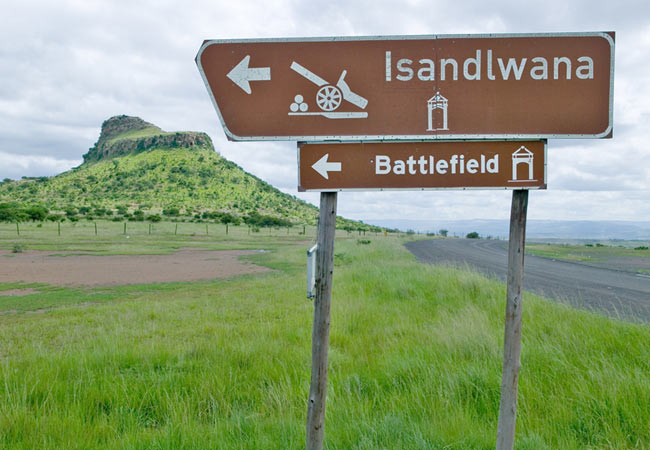
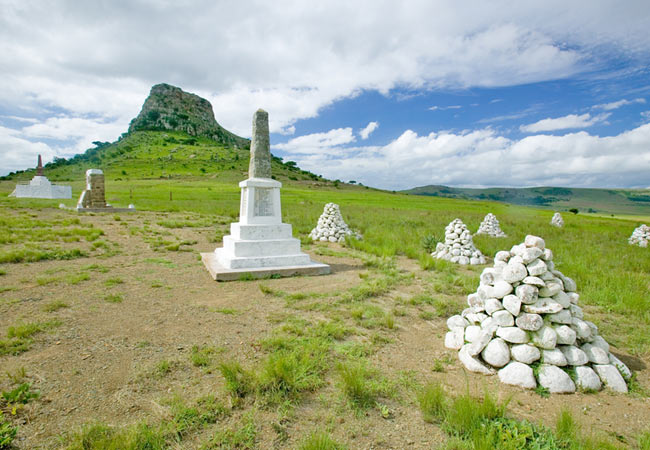
The isolated hill of Isandlwana stands just south east of Rorke's Drift, 170 kilometres north of Durban. At its base lie a number of white boulders that mark the graves from the Battle of Isandlwana, fought on 22 January 1879.
It is an eerie sight.
The Battle of Isandlwana forms part of the Battlefield Tours in KwaZulu-Natal. It was one of the fiercest defeats suffered by the British at the hands of the local Zulus in a rather brutal battle that remains the single greatest defeat for the British Army at the hands of a native army.
The hill today looks benign enough, aside from the graves and monuments that lie at its base. But to do a tour and to hear the story recounted is, by all accounts, fascinating.
Isandlwana was the first battle of the Anglo-Zulu War. By all accounts the British completely underestimated the Zulu forces, under Dabulamanzi kaMpande. The Zulus numbered 20 000 when they marched out quietly, by all accounts with the intention to attack from the rear. Detected by a scouting party, they then went on the offensive.
There are conflicting accounts as to the exact history. One account suggests a shortage of ammunition as the reason for spreading the British too thin, allowing for the Zulu offensive that left most of the British soldiers dead.
To hear the battle in its entirety you can join a guided tour of the Battlefields guided by knowledgeable guides who give realistic and somewhat shocking accounts of the battle. The Anglo-Zulu-Boer war routes include tours of the battle sites, monuments, memorials and graveyards around Rorke's Drift, Ladysmith and Dundee.
Although it is highly recommended to join a guided tour, there are also self-drive routes through the battlefields. Take the N3 to Estcourt and stop at a local tourist information for a map.
In the vicinity
Hotels & other accommodation options
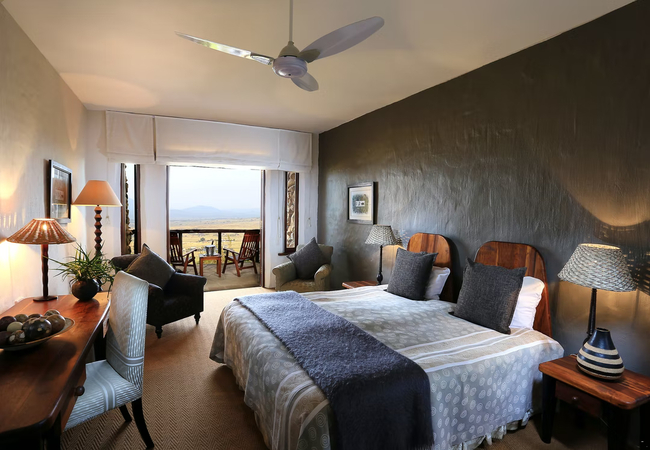
Isandlwana Lodge
Isandlwana Lodge offers splendid accommodation, tours of Anglo Zulu and Anglo Boer battle sites. Guests may also enjoy photographic safaris, walk...
Things to do in the area
Isandlwana Battlefields Tour
Hear in gripping detail the background to the Anglo-Zulu War as you are driven to Isandlwana in the early morning. Sit on the battlefield, mesmer...
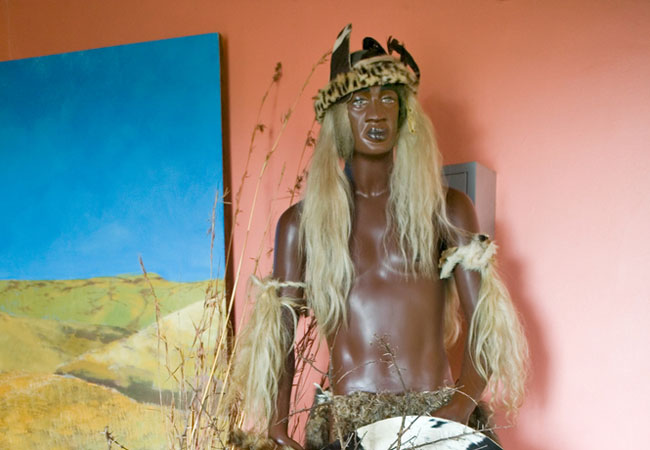
Rorke's Drift Orientation Centre
In the midst of the spectacular Drakensberg Mountain Range, the Rorke's Drift Orientation Centre reveals insights, even secrets, about the beauty...
Noteworthy attractions
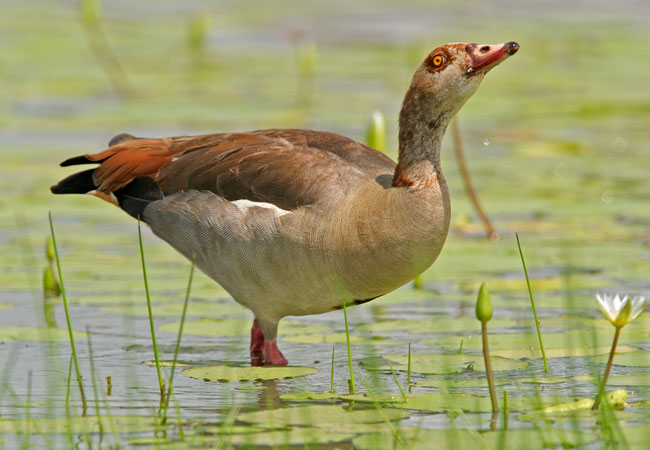
Chelmsford Nature Reserve
The Chelmsford Nature Reserve, situated on the Ngagane River, lies just 70 kilometres from Ladysmith and is the site of the third largest dam in ...
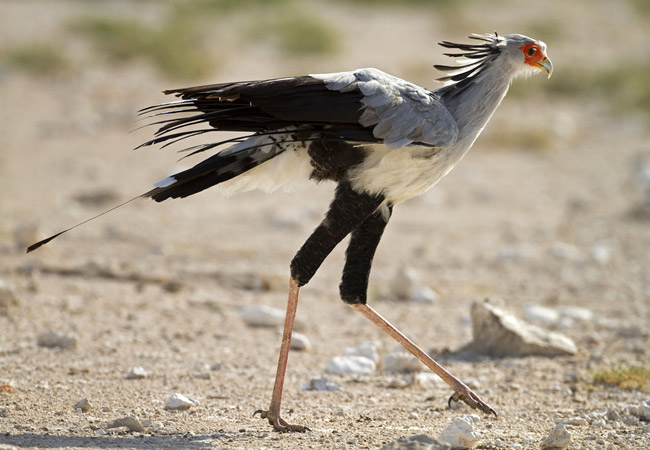
Ntendeka Wilderness Area
South Africa's smallest and arguably most beautiful wilderness area is Ntendeka, consisting of 5 250 ha of undulating grasslands, verdant forests...
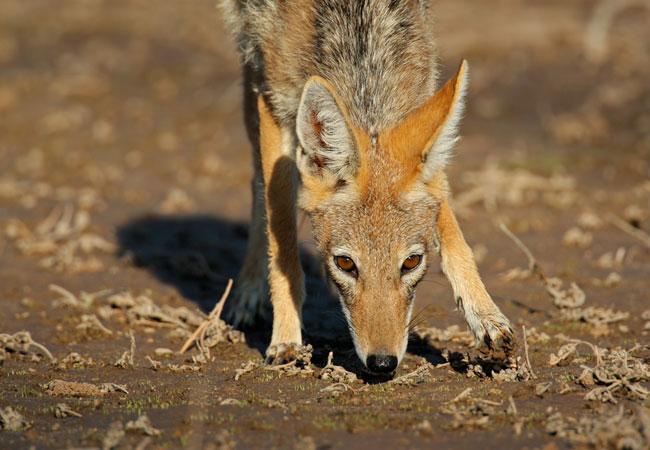
Weenen Nature Reserve
Weenen Game Reserve covers an area of typical inland KwaZulu Natal acacia grassland with occasional thickets. There are extensive game viewing fa...
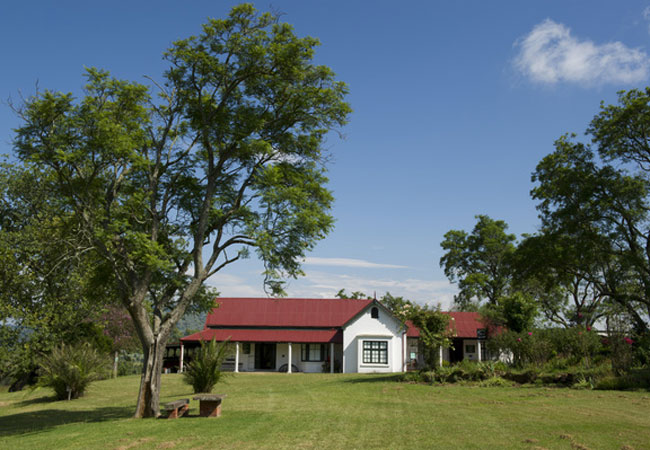
Talana Museum
Set in a 20 acre heritage park that forms a portion of the Talana battlefield - the first battle of the Anglo-Boer war - is a museum that is dedi...
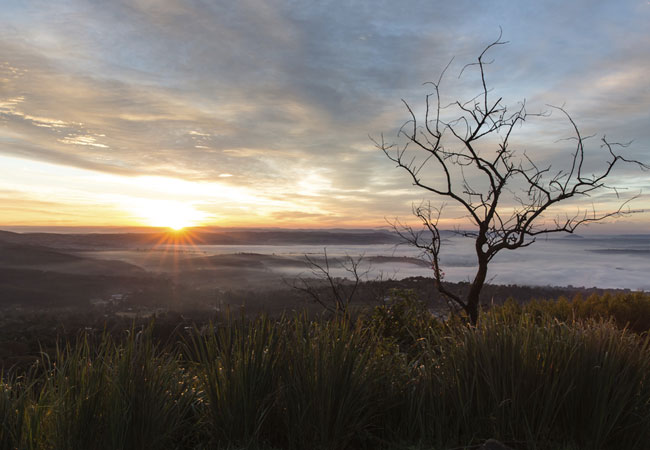
Midlands Meander
The enchantment of the Midlands has long inspired many a visitor and resident to creativity and as a result, local artists, potters and weavers c...
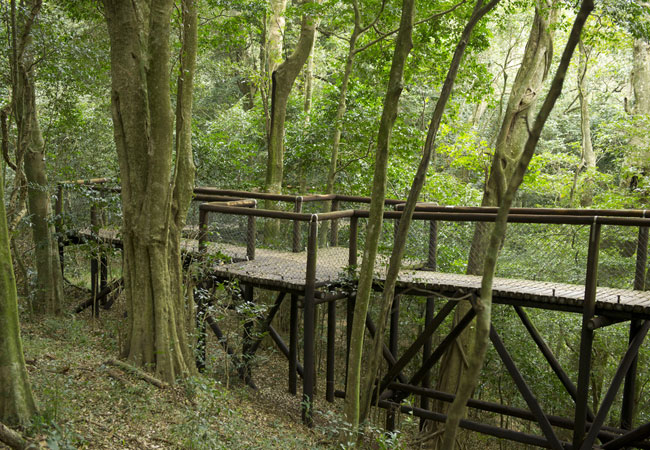
Dlinza Forest Nature Reserve
Found just outside the little town of Eshowe, the Dlinza Forest is one of two indigenous forests that lie close to one another in this southern p...
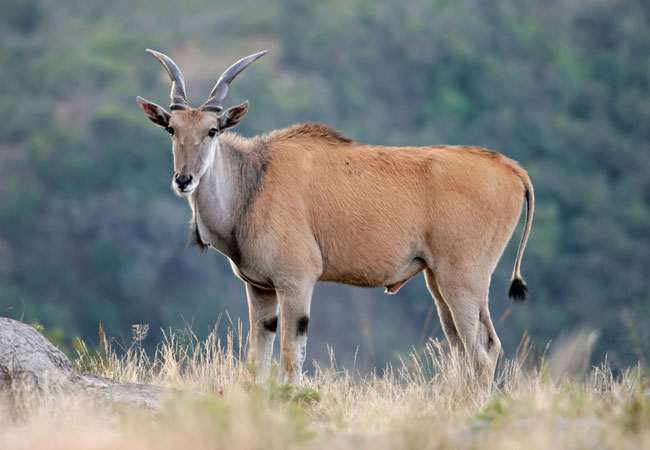
Vryheid Hill Nature Reserve
Vryheid, which lies in northern KwaZulu Natal, is the largest town in the area and is situated on a transitional belt between grasslands and low-...
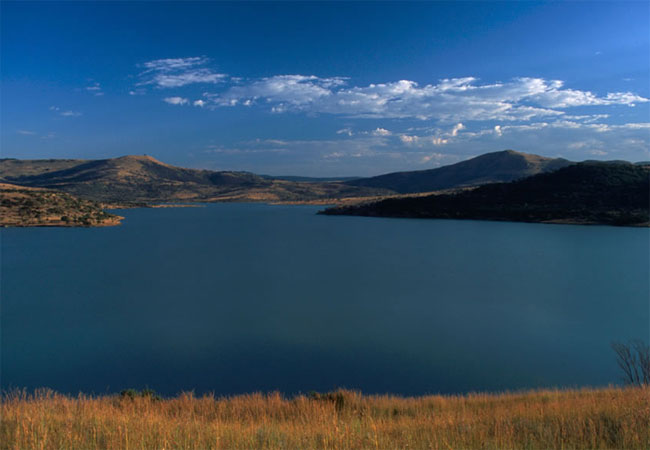
Wagendrift Nature Reserve
Situated on the other side of the N3 from Estcourt, Wagendrift Nature Reserve surrounds the dam of the same name. With a resident yacht club, and...

Eshowe Hills Golf Course
The Eshowe Country Club is situated on the Eshowe Hills Eco Estate in Eshowe and as such meanders through the famous Dhlinza Forest and grassland...
Find accommodation in Isandlwana
FIND / South Africa Accommodation / KwaZulu Natal Accommodation / Battlefields Accommodation / Isandlwana Accommodation