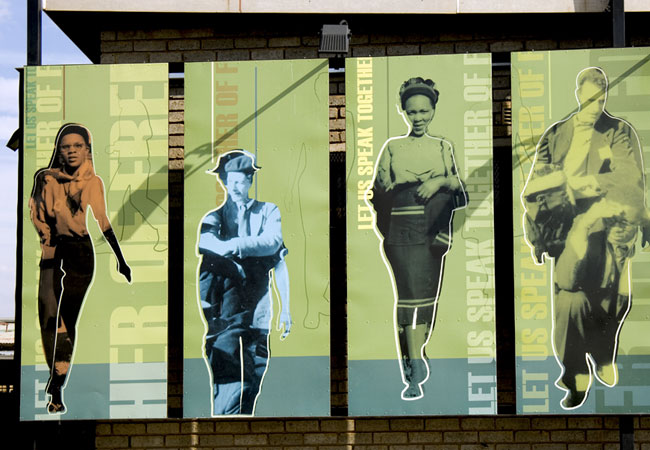
Soweto, Johannesburg
South of Johannesburg is Soweto, a city developed as a township for black people under the apartheid system. Most of the struggle against apartheid was fought in and from Soweto. The name Soweto is an acronym, made up - in apartheid days - from the first letters of the words “south western township”.
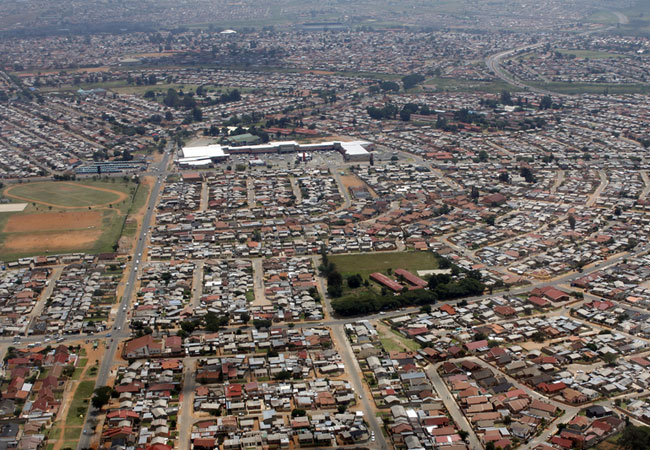
Soweto is inhabited by over two million people, with homes ranging from extravagant mansions to makeshift shacks. Soweto is a city of enterprise and cultural interaction. It is a popular tourist destination with sites such as Kliptown (where the Freedom Charter was drawn up), the home of former President Nelson Mandela, the Hector Petersen Memorial site, restaurants and shopping malls. It boasts one of the largest hospitals on the continent and the only African-owned private clinic (see Soweto Map).
Soweto is a sprawling township, or more accurately, a cluster of townships on the south-western flank of Johannesburg. Soweto was created in the 1930s, with Orlando the first township established. In the 1950s, more black people were relocated there from 'black spots' in the inner city - black neighbourhoods which the apartheid government had reserved for whites.
Soweto's growth was phenomenal - but unplanned. Despite government attempts to stop the influx of black workers to the cities, waves of migrant workers moved from the countryside and neighbouring countries to look for employment in the city of gold. With a population of over 2 million, the township is the biggest black urban settlement in Africa with a rich political history. Soweto was the centre of political campaigns aimed at the overthrow of the apartheid state. The 1976 student uprising, also known as the Soweto uprising, started in Soweto and spread to the rest of the country. Many of the sights on the heritage route therefore have political significance.
From the foot bridge of the Chris Hani Baragwanath Hospital, the largest on the continent, one can get a panoramic view of Soweto. In Diepkloof, you will find many grey, four-roomed dwellings, cynically called 'matchbox houses' by locals. These are the original dwellings constructed to accommodate the first black migrants to the cities who had come in search of greener pastures. Although they are small, locals take pride in their houses and many take efforts to make them habitable and even homely. In contrast to these symbols of poverty, there are various 'extensions' that have been established to accommodate the relatively affluent. One example is Diepkloof Extension, home to the emerging black middle class. The suburb boasts beautiful houses, the roads are in good condition, there are playgrounds and schools.
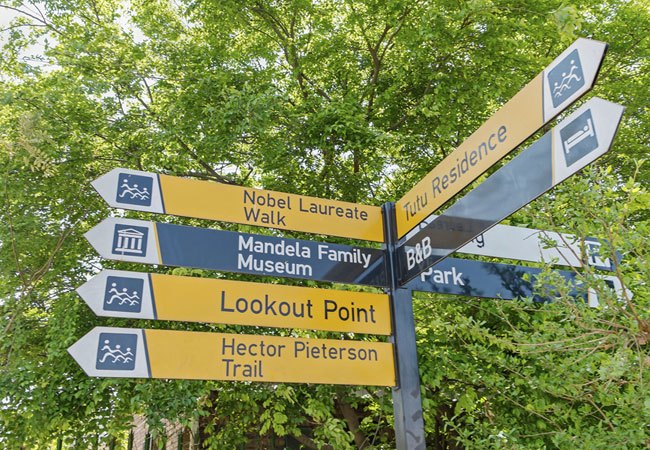
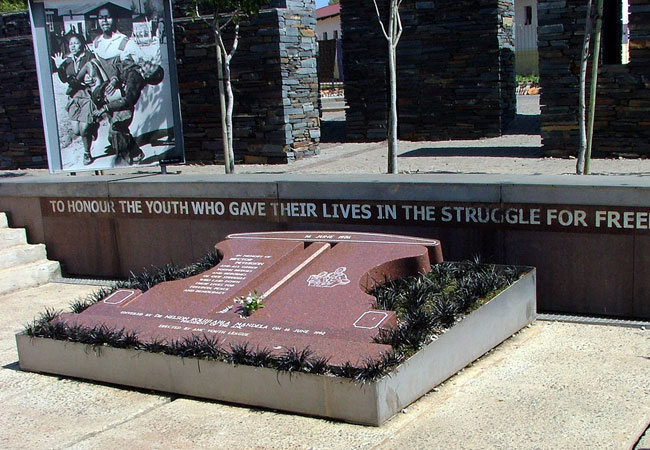
Other attractive sights are residences of famous anti-apartheid activists. Just a few kilometres drive from Diepkloof, you arrive at Orlando, the first township of Soweto. Here, you can visit Nelson Mandela's first house (left) which is a popular tourist attraction. Mandela stayed here before he was imprisoned in 1961. Security guards will not let you in, but you can see the modest house clearly enough from the street. You can also have a glimpse of the mansion belonging to Winnie Madikizela-Mandela in an affluent part of Orlando West. Archbishop Desmond Tutu's house, the Sisulu residence and the Hector Pieterson memorial museum are in the same neighbourhood. The recently renovated museum offers a detailed account of the events of 1976, including visuals and eye-witness accounts.
Along the Old Potchefstroom Road, you come across Regina Mundi: a local church which became home to many anti-apartheid organisations. The church encapsulates the spirit of resistance and is rich in political history. In Kliptown, you can visit Freedom Square, a place where the Freedom Charter was adopted as the guiding document of the Congress Alliance. This was a gathering of various political and cultural formations representing different constituencies to map a way forward in the repressive climate of the 1950s. The charter was the guiding document of the African National Congress and envisaged an alternative non-racial dispensation in which "all shall be equal before the law."
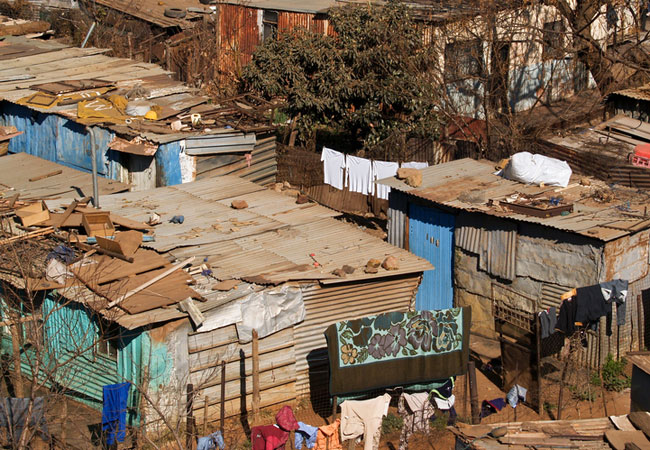
Soweto offers other less aesthetically pleasing sights for a visitor. For instance, there are the hostels: monstrous, prison-like buildings, designed to shelter male migrant workers from the rural areas and neighbouring countries. These workers were used as cheap labour and their stay in the city was considered temporary. The new government has converted some of these into 'family units,' but they remain unbending in their ugliness. Recent years have seen the emergence of squatter camp communities, euphemistically called informal settlements, where poverty is palpable. This is partly because of the scrapping of the 'influx control' regulations that prohibited people in the countryside from settling in the cities. These camps are home to many of the unemployed who use corrugated iron sheets to build shelters. These places lack basic amenities like running water and electricity and are a hazard to live in. Home to the destitute, there are no yards to speak of and privacy is sacrificed for communal well-being. These shacks get extremely hot in summer and freezing cold in winter.
Despite their poverty, these people have managed to build a strong sense of community. They remain in Johannesburg in search of the elusive gold. Many of these places have been named after the icons of the struggle who have since left in response to the beckoning of upward mobility. One such settlement is the Mandela squatter camp some seven kilometres from Baragwanath hospital.
Travellers' Reviews
1 Review from SA-Venues.com travellers. All reviews are verified.
Verified review
Soweto is a fascinating place! Unlike no other! Rich in history (understatement), diverse in culture, amazing business opportunities, warm, friendly people who are very appreciative for what they have and what you do for them! Developed and developing (more of) demography all in 1!
Len Swart (Vanderbijlpark)
In the vicinity
Hotels & other accommodation options
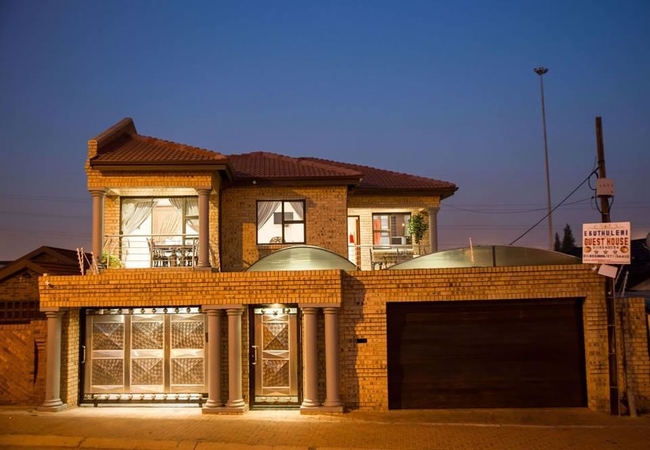
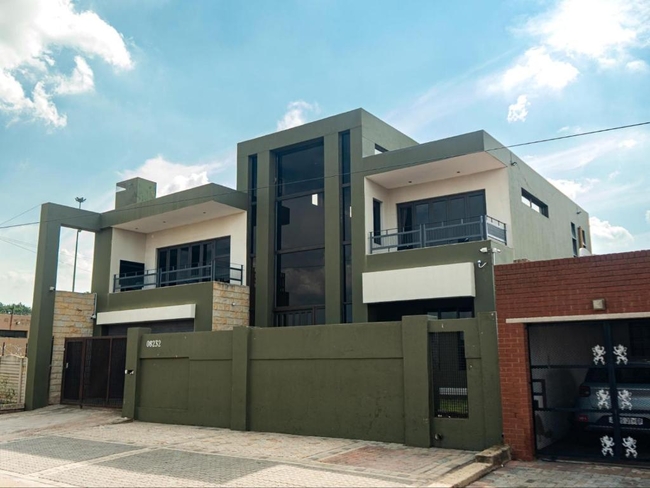
Ekuthuleni Guest House Soweto
Ekuthuleni Guest House offers accommodation in a double-storey mansion, with a Soweto influenced interior that's inviting and has a 'home away fr...
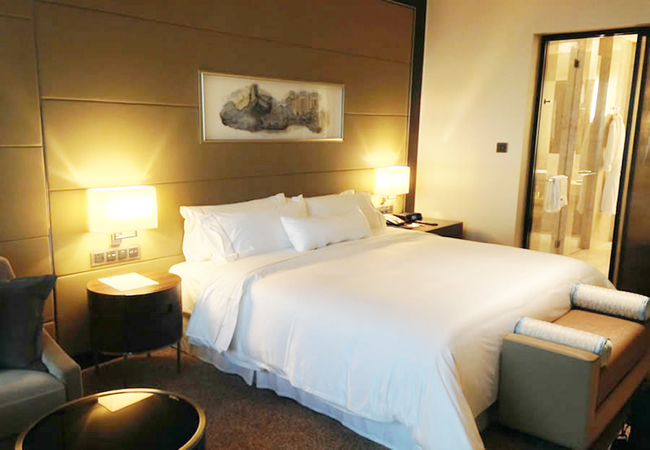
Soweto Boutique Hotel
For both corporate and recreational travellers, Soweto Boutique Hotel presents a sophisticated yet economical accommodation choice that maintains...
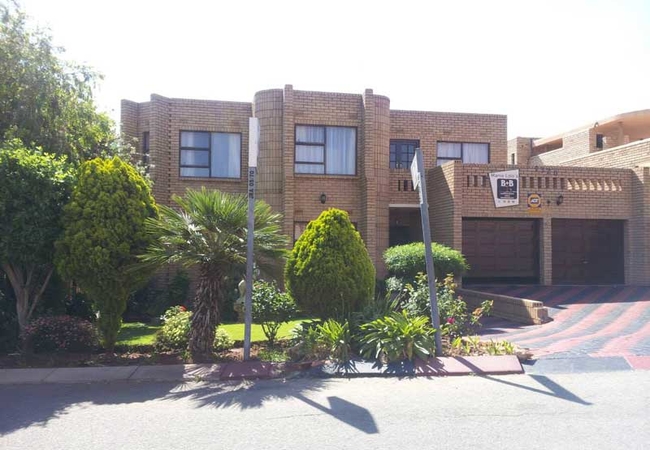
Botle's Guest House
Come and experience some truly South African hospitality and friendly service at Botle's Guest House in Soweto. Relax and enjoy excellent, yet af...
Lolo's Guest House
Situated in Diepkloof, which forms part of South Africa's most famous township, Soweto, Lolo's Guest House offers accommodation facilities and se...
Things to do in the area
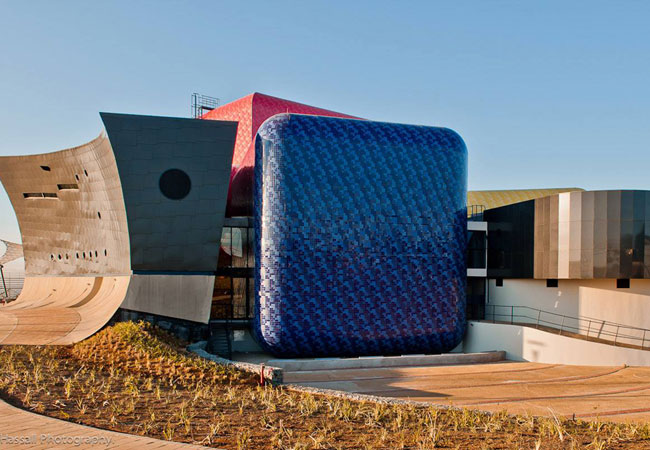
Soweto Theatre
Soweto was the largest township in South Africa before its incorporation into Johannesburg. Today, the Soweto Theatre is owned by the City of Job...
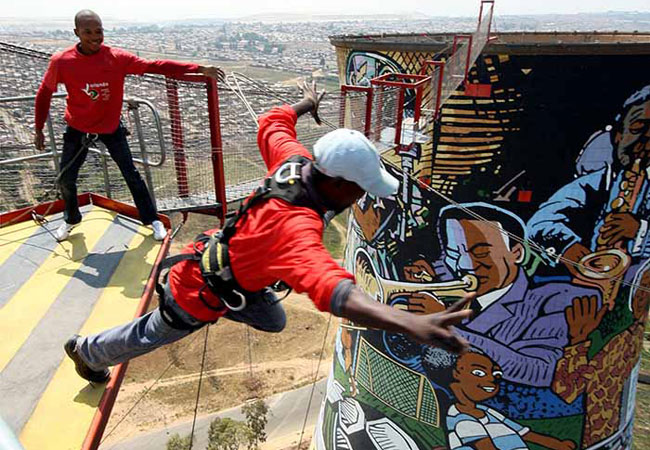
Power Swing across Soweto
Feel the power of gravity now where the power of electricity stood before. Free fall into a town that has arisen. The decommissioned cooling towe...
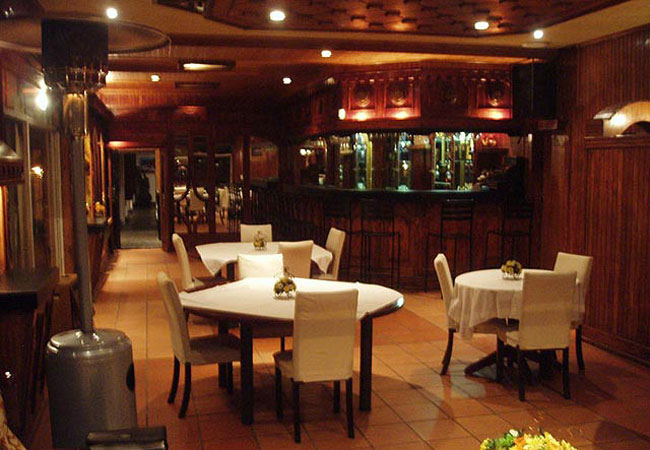
Roots Restaurant & Gallery
Roots, which seats 100 patrons, attracts local residents and tourists alike because it not only serves genuine township food but has an added v...
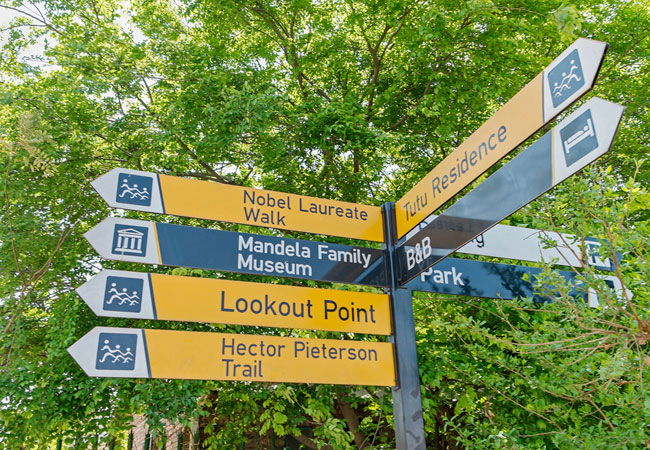
Soweto Tour
Visit Soweto, the biggest and most vibrant township in South Africa, which is increasingly becoming one of the most popular tourist destinations ...
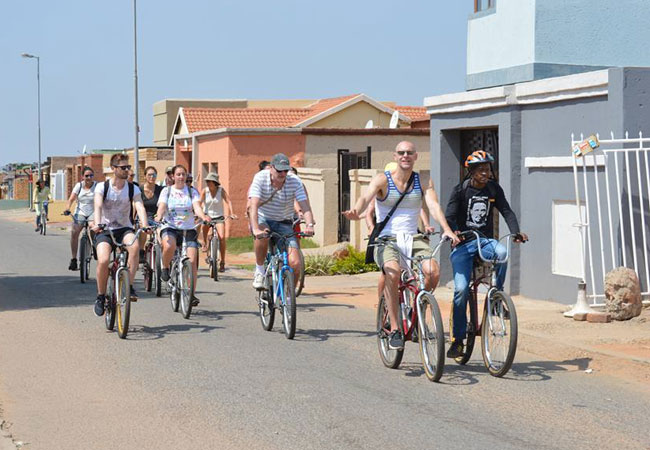
Tour de Soweto by Bicycle
Looking for a different way to explore Soweto? Jump on a bike at Lebo's Soweto Backpackers for a guided tour of the places, people and culture.Th...
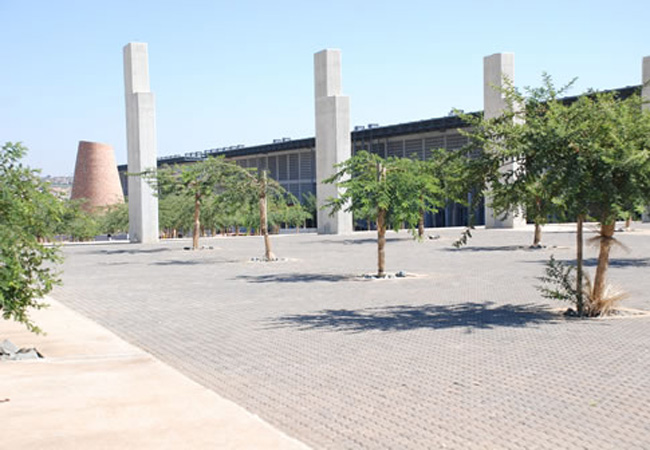
Walter Sisulu Square
Walter Sisulu Square in the heart of Kliptown, Soweto, is South Africa's first township entertainment explosion centre, the very first of its kin...
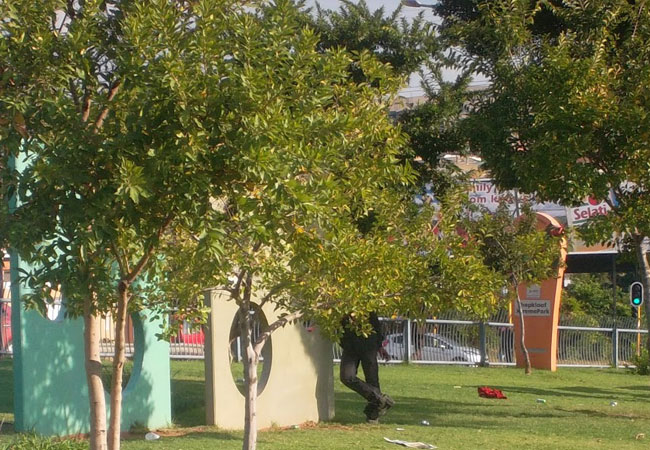
Diepkloof Park
The suburb famous for the Soweto Wine Festival and one of the founding places of kwaito (a style of hip-hop specific to South Africa) and where a...
Dorothy Nyembe Park
Set in Mofolo North, in Soweto, Dorothy Nyembe Park is a 26-hectare area that you will know it by the unusual sculpted figurines that stand four ...

Kremetart Park
Kremetart Park lies in a street of the same name in Eldorado Park Ext 3, between Kiaat and Boekenhout streets on the site where once a field stoo...
Noteworthy attractions

Crown Mines Golf Club
South Africa is famous for its gold, and Crown Mines Golf Club is built in genuine mining country, just a few kilometres southeast of central Joh...
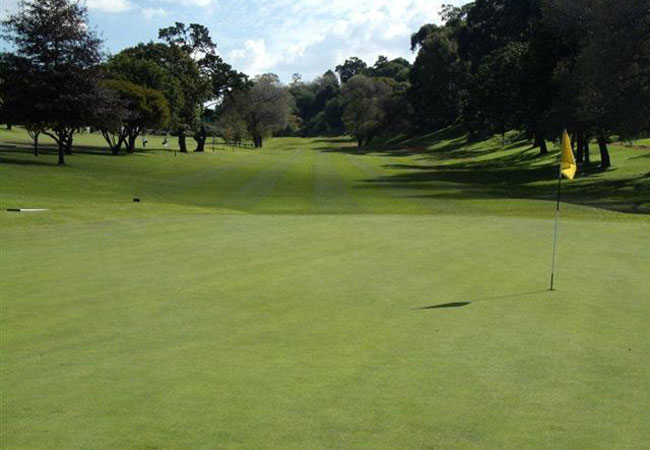
Observatory Golf Club
Observatory Golf Course is one of the less well known Johannesburg courses, but just as good as many of its more famous neighbors. A sophisticate...
Randpark Golf Club
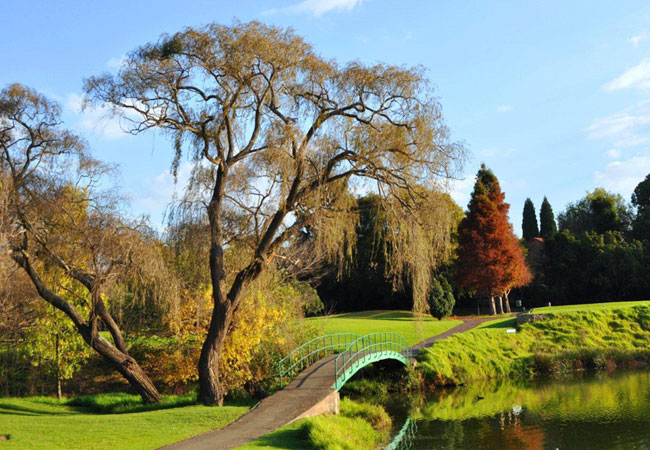
With two very distinct but different golf courses, Randpark offers golfers of varying ability an unforgettable experience on two of the finest an...

Royal Johannesburg Golf Club
The World Atlas of Golf, which lists the great courses and how they are played, features just two South African clubs on its hallowed pages. One ...
OR Tambo International Airport
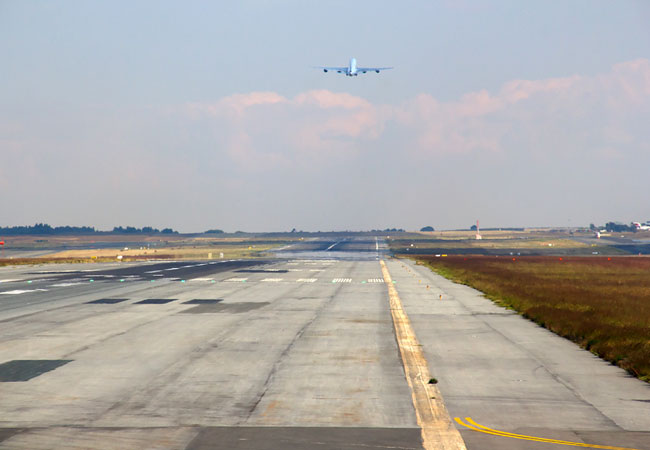
Formerly officially known as Johannesburg International Airport, the OR Tambo International Airport is a large airport near the city of Johannesb...
East Rand Flea Market
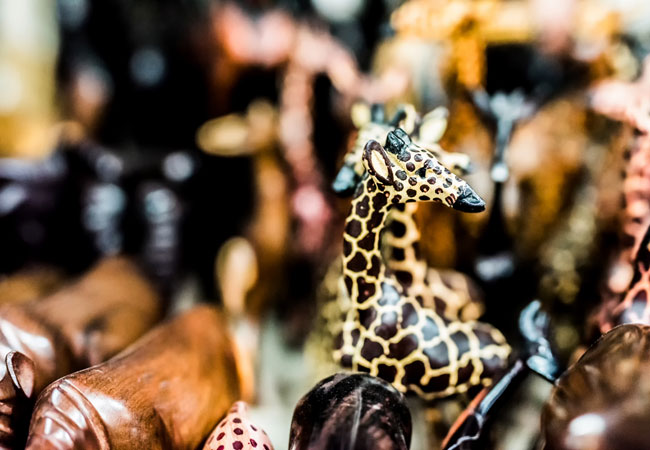
Just outside Johannesburg in Boksburg, the East Rand Flea Market lies right next to the East Rand Mall, and as a result, is open just about all w...
East Rand Mall
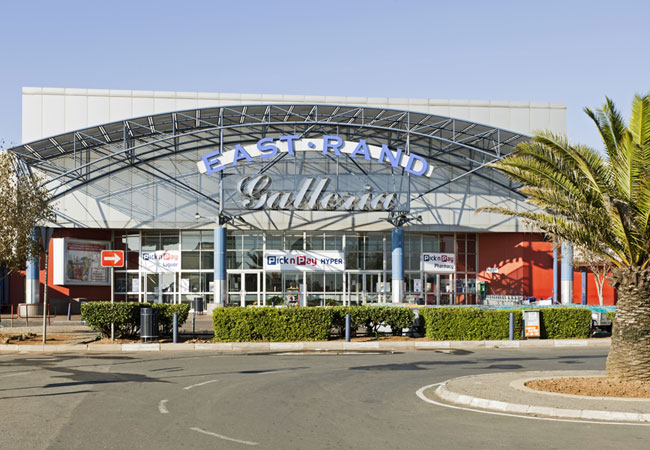
The popular East Rand Mall takes full advantage of the prime position of this area and offers a variety of restaurants, boutiques, chain stores a...
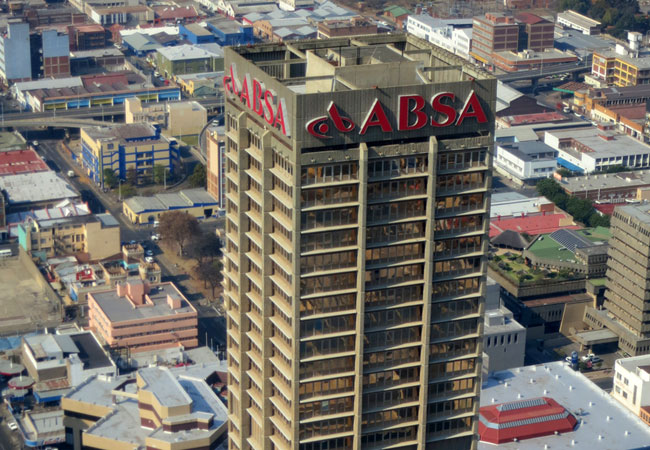
Absa Money Museum
Home to the largest collection of money used in South Africa's past in the world, Absa Money Museum lies in downtown Johannesburg on Troye Street...
Apartheid Museum
The Apartheid Museum is the story of the triumph of the human spirit over adversity. Beginning in 1948, the white elected National Party governme...
Find accommodation in Soweto
FIND / South Africa Accommodation / Gauteng Accommodation / Johannesburg Accommodation / Soweto Accommodation