



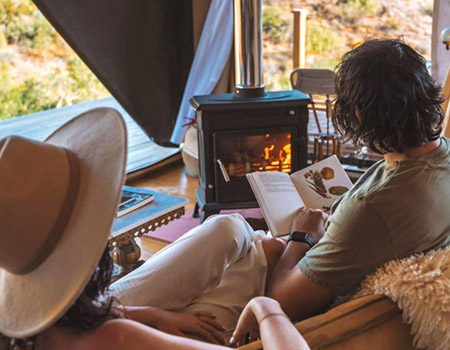
Winter Escapes with Hot Tubs and Fireplaces
Popular Destinations
- Cape Town
- Johannesburg
- Durban
- Franschhoek
- Natal Midlands
- Addo
- Hartbeespoort
![Hartbeespoort Dam Accommodation]()
- Panorama Route
![Panorama Route Accommodation]()
- Drakensberg
![Drakensberg Accommodation]()
- Stellenbosch
![Stellenbosch Accommodation]()
- Knysna
![Knysna Accommodation]()
- Umhlanga
![Umhlanga Accommodation]()
- Clarens
![Clarens Accommodation]()
- Ballito
![Ballito Accommodation]()
- Pretoria
![Pretoria Accommodation]()
- Bloubergstrand
![Blaauwberg Accommodation]()
- Hermanus
![Hermanus Accommodation]()
- Waterberg
![Waterberg Accommodation]()
Popular Categories

Auf Deutsch / German-speaking travellers can research and plan their perfect South African holiday on our sister site https://www.Suedafrika-Reise.net
Handpicked Recommendations
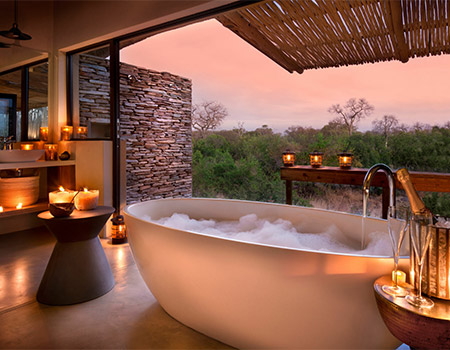
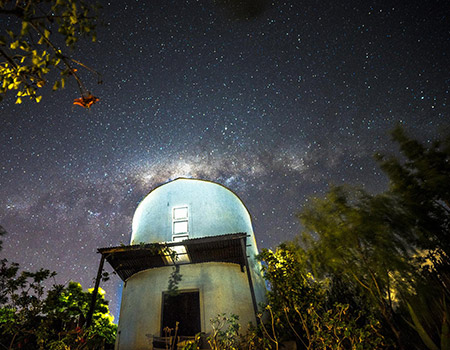
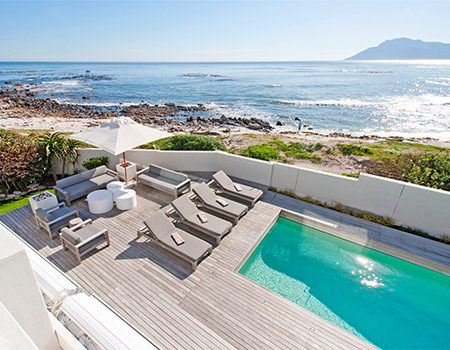
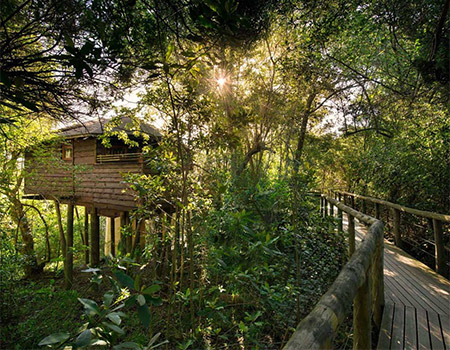
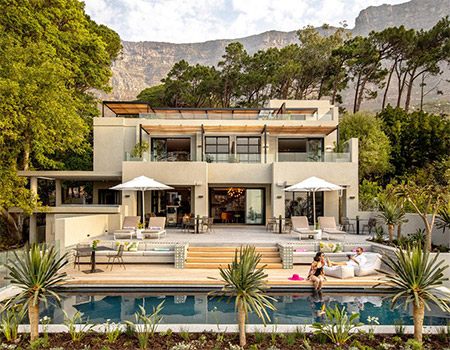
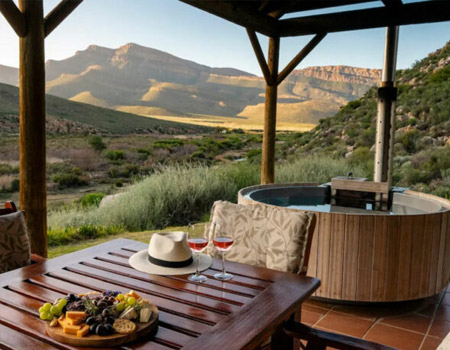
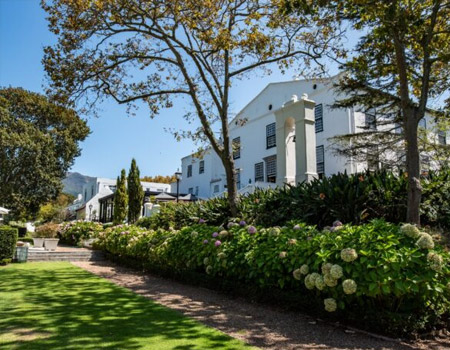
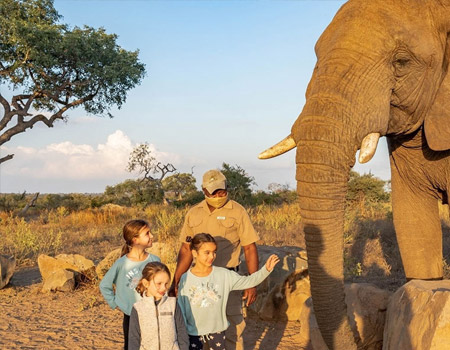
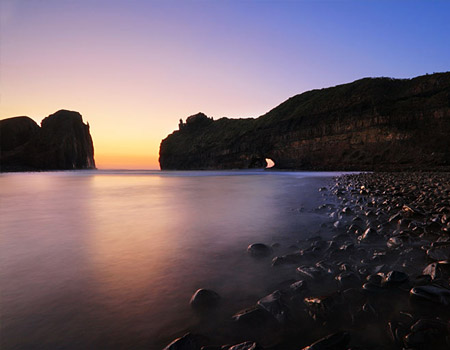
On special
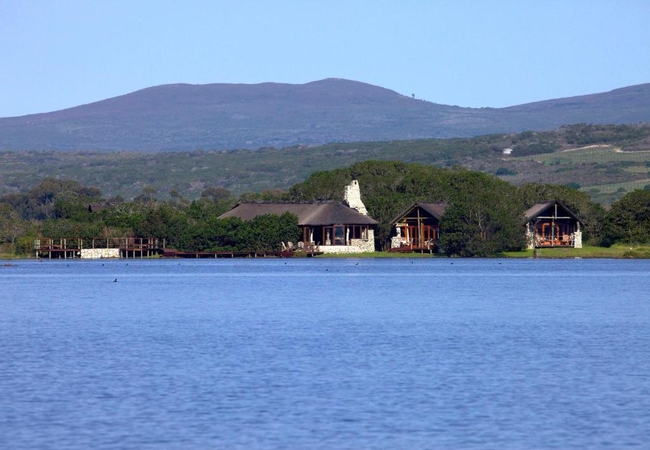
Stanford
30% off
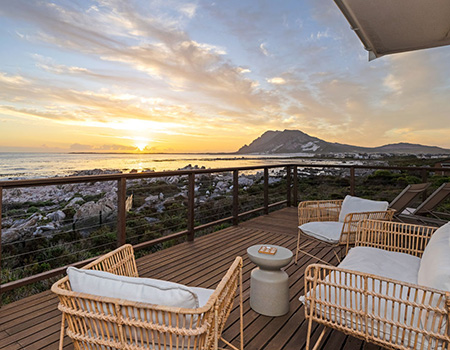
Mosaic Lagoon Lodge
A popular guest retreat and 1000 HA conservation reserve on the Hermanus Lagoon, bordering the pristine Whale Coast Walker Bay Beach. Our seclude...
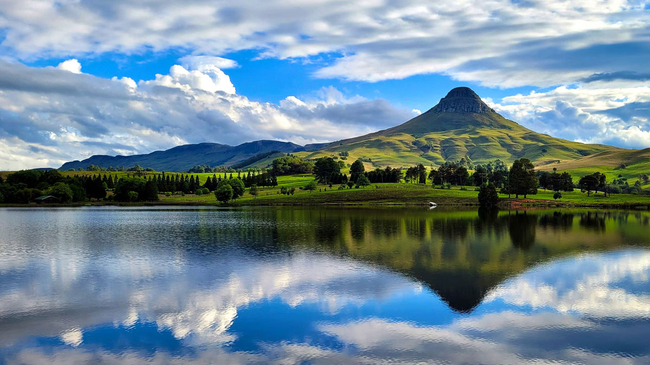
Dargle
20% off
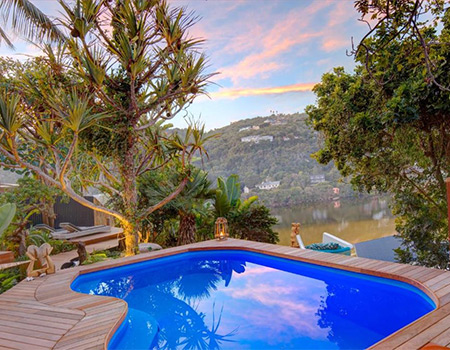
Copperleigh Trout Cottages
Copperleigh Trout Cottages is a beautifully decorated modern self-catering holiday cottage or home, overlooking the calm waters of Mavela Dam. Th...
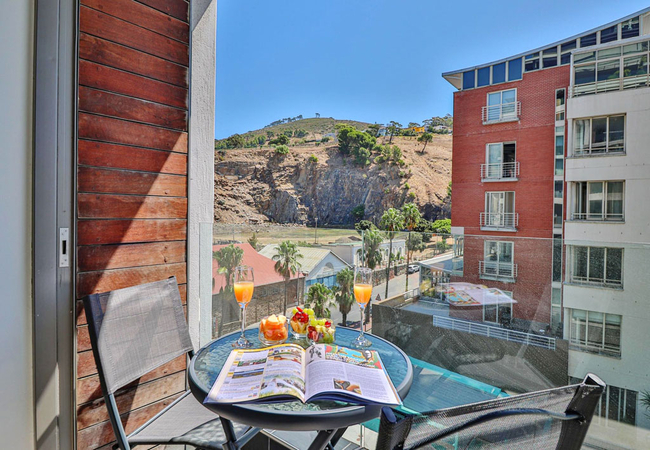
De Waterkant
30% off
The Capital Mirage 704
The Capital Mirage 704 Holiday Apartment in De Waterkant has one bedroom furnished with a Queen-size bed. There is a sleeper couch in the living ...
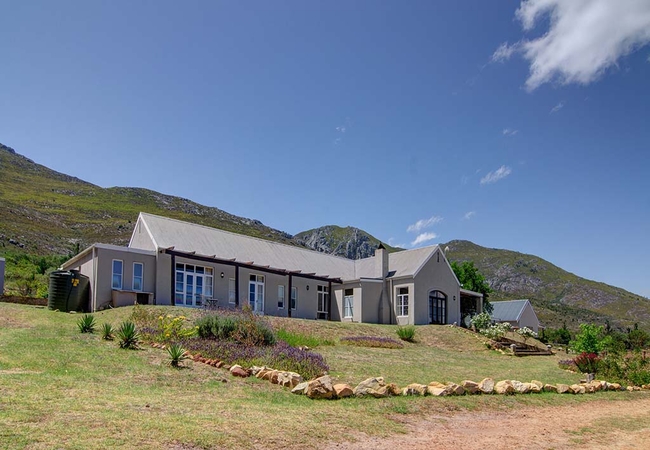
Stanford
10% off
Blue Gum Villa
The Villa @ Blue Gum offers accommodation in Stanford on a working wine estate. The delightful Country Estate, nestled among ancient Blue Gum tre...
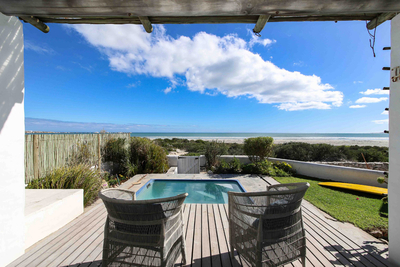
Paternoster
10% off
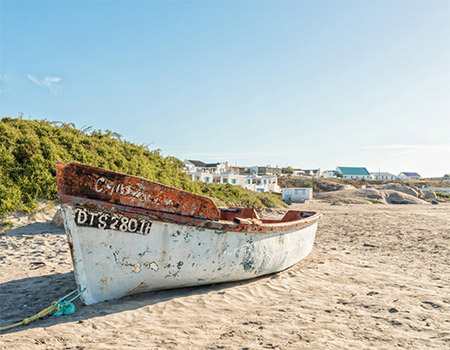
Casa Da Praia
Situated in a cul de sac right on the Voorstrand beach, Casa Da Praia is a lovely self catering holiday home on the Cape West Coast with uninterr...
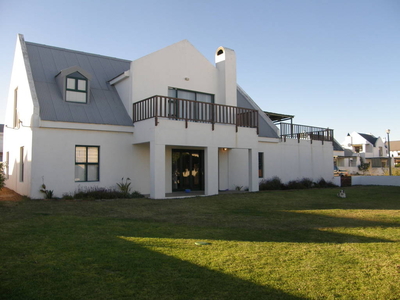
Paternoster
Stay 2+1
De Nada House
De Nada is a four bedroomed holiday house situated only 30m from the beach on Mosselbank in Paternoster. The house offers four bedrooms and three...
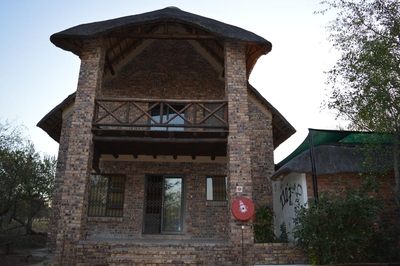
Marloth Park
35% off
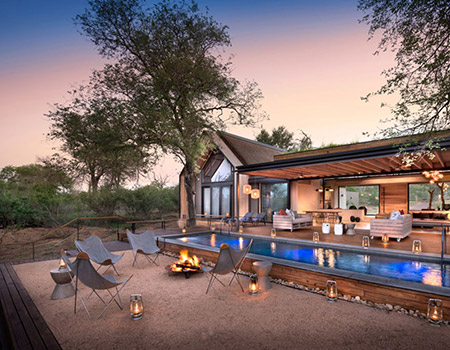
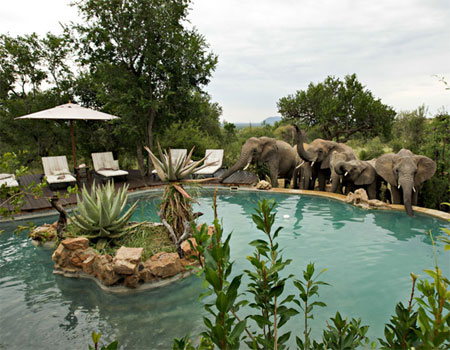
Wildgoose Self-Catering Lodge
Situated in Marloth Park, Wildgoose Lodge is set in a game reserve along the Crocodile River and borders the Kruger National Park. The villa has ...
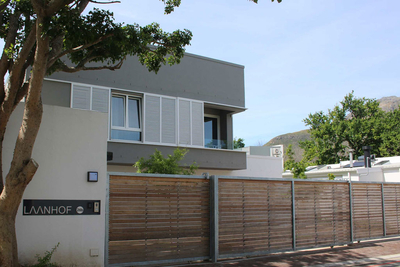
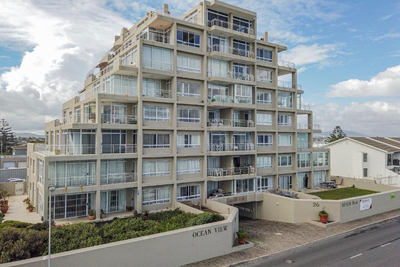
Bloubergstrand
30% off
Ocean View C403
Ocean View C403 is a self catering holiday apartment offering Bloubergstrand accommodation in a secure complex with easy access to the world famo...
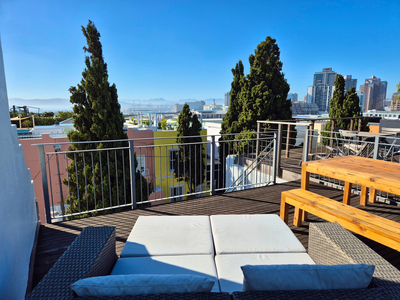
De Waterkant
10% off
77 Loader Street
77 Loader Street is a stylish 2-bedroom holiday home located in the vibrant De Waterkant district of Cape Town. The De Waterkant Village is ideal...
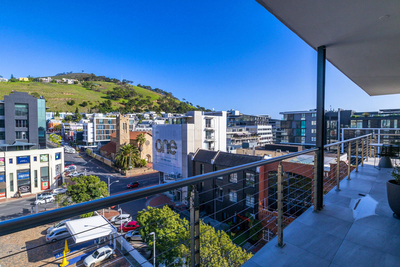
De Waterkant
30% off
Rockwell 613
Experience luxury living in the heart of Cape Town with this spacious 2-bedroom apartment located in the prestigious Rockwell Building, De Waterk...
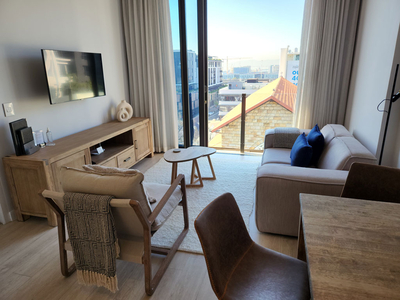
De Waterkant
10% off
32 Napier Apartment 403
32 Napier apartment 403 has two air-conditioned bedrooms furnished with Queen-size beds. There are two bathrooms. One of these is en-suite. Styli...
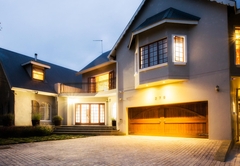
Dullstroom
20% off
The Browns' Luxury Guest Suites
Located in Dullstroom, The Browns' Luxury Guest Suites is the perfect solution to your accommodation needs. We have four exclusive suites with pr...
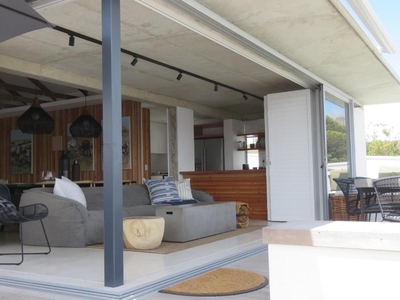
Hermanus
30% off
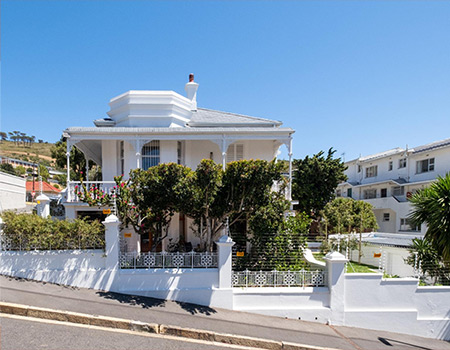
Troon Beach Cottage
Troon Beach Cottage offers accommodation with spectacular sea views and the famous cliff path is right in front of the cottage making for easy wh...
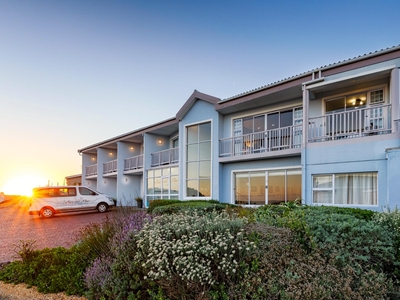
Gansbaai
12% off
Aire del Mar Guest House
Aire del Mar is ideally situated in the quiet seaside resort of Kleinbaai, world known for viewing of the Great White Sharks. Friendly personal s...
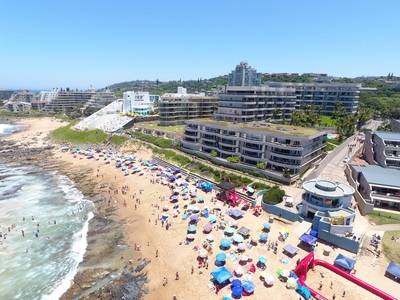
Ballito
15% off
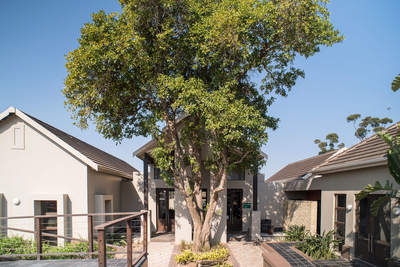
305 Manor Gardens
305 Manor Gardens is a luxury three bedroom holiday apartment in Ballito overlooking Willard Beach. All the bedrooms have sea views and an en-sui...
Westville
20% off
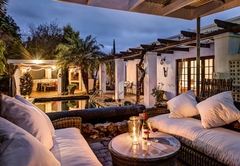
Westwood Skye
Westwood Skye provides accommodation in Durban in the secure Westwood Estate in the suburb of Westville. Westwood Estate is located just 1km from...
Robertson
10% off
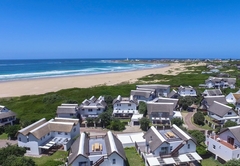
GuBas De Hoek meet eat sleep
The German quality, 'feel good' guesthouse with the green touch, a fine cuisine and super long beds. Relax in the old-world comfort of our beauti...
Cape St Francis
10% off
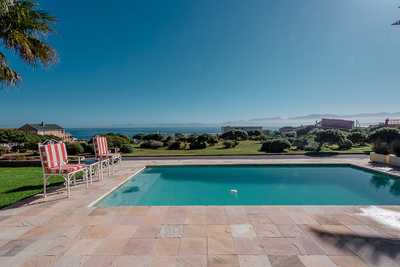
Cape St Francis Resort
Lapped by the waters of the Indian Ocean with 3kms of pristine beach, the resort offers self catering accommodation in The Club (3-star graded), ...
Recent Guest Reviews
My stay was awesome. It felt like home. Thank you Estelle for taking such good care of me. I will choose this guesthouse over and over again. Your hospitality is out of the books and thank.you for snacks and ...
 Juanita P.
Stayed at A Chateau de Lux
Upington, Green Kalahari
Greeted by the fabulously accommodating team at Parsons Hilltop and by THAT VIEW!! A five night stay with great dinners. Accommodation was beautifully designed with a very good bed. Inside and outside shower. ...
Jessica A.
Stayed at Parsons Hilltop Safari Camp
Balule, Valley of the Olifants
Wonderfull place with a very nice athmosphere. Excellent view from the lodge and animals come in frequently too. The houses are nicely decorated and clean. The staff are very kind and the food is great (they ...
Dimitri D.
Stayed at Buffalo Ridge Safari Lodge
Madikwe, Central Region
Wonderful oasis of calm after a long day's travelling. Convenient for shopping and restaurants and beautifully maintained.
Sue H.
Stayed at Hunters Rest Guest House
Hoedspruit, Valley of the Olifants
Beautiful place to go very therapeutic
Chima O.
Stayed at Mount Ceder Lodge
Cederberg, Olifants River Valley
Stayed here for a mother's day / birthday weekend with the entire family. Lovely place, with more than enough rooms available for 4 couples and a few little kids. Stones throw from the beach, with a lovely view ...
Taahir M.
Stayed at The Beach Retreat Kommetjie
Kommetjie, Atlantic Seaboard
We enjoyed our stay very much. The place is beautiful. We appreciate the host being extra helpful with heating our hot tub, and providing us with everything we needed for our baby (cot with fitted sheets, baby ...
Leora B.
Stayed at Syds Place
Montagu, Breede River Valley
The hosts are attentive and friendly. Excellent location and views. Outdoor spaces are charming and the room is spacious and comfortable.
Randall B.
Stayed at Villa Anna Katarina
Riebeek Kasteel, Swartland
Only one word....EXCELLENT!!
Ryno G.
Stayed at Manos Farm Stay
Montagu, Breede River Valley
What an amazing stay we had at the Sandstone Cottage. The view is absolutely mind blowing from the stoep. The stars and milky way are so close and clear here, fresh air and truely beautiful African sunsets. The ...
Marthalie L.
Stayed at Madikela Game Lodge
Vaalwater, Waterberg
Fantastic host, incredible home and setting- highly recommend!
Rita N.
Stayed at Kokerboom House
Vanrhynsdorp, Cape West Coast
Beautiful setting, stunning view from our room and the breakfast terrace, fabulous service from all the staff, great food and overall ambience including log fires. Highly recommend Misty Mountain Lodge. Thank ...
Susan C.
Stayed at Misty Mountain
Sabie, Panorama Route
Popular Places to Stay
Guest House
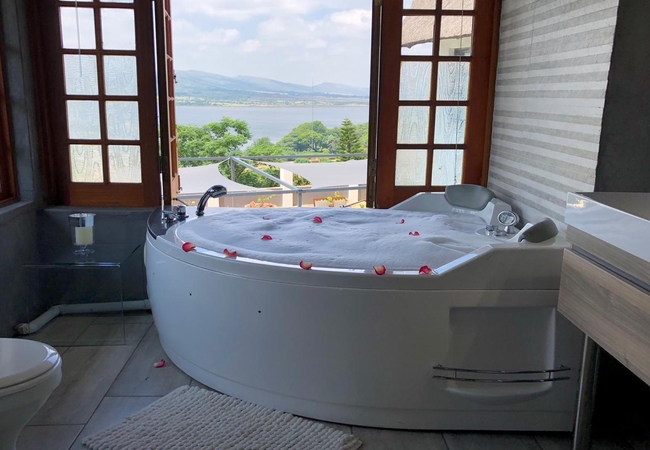
Galagos Lodge
This superior establishment offers warm hospitality in a tranquil environment with the emphasis on service excellence. This elegant lodge makes t...
Game Lodge
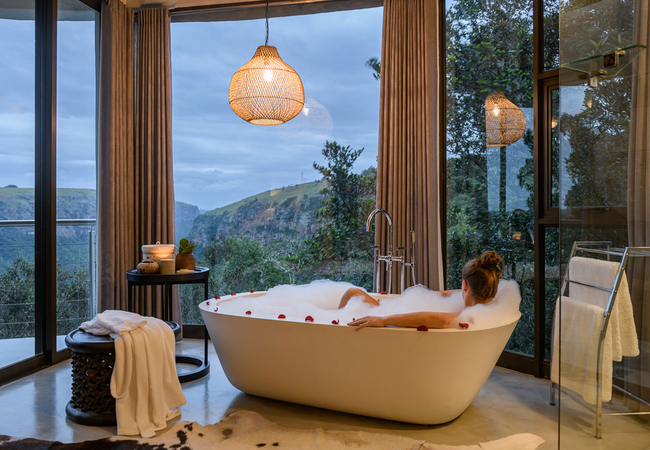
The Gorge Private Game Lodge & Spa
The Gorge Private Game Lodge & Spa is nestled in the pristine area of KwaZulu Natal's South Coast, a mere 35km inland from Port Shepstone. Referr...
Game Lodge
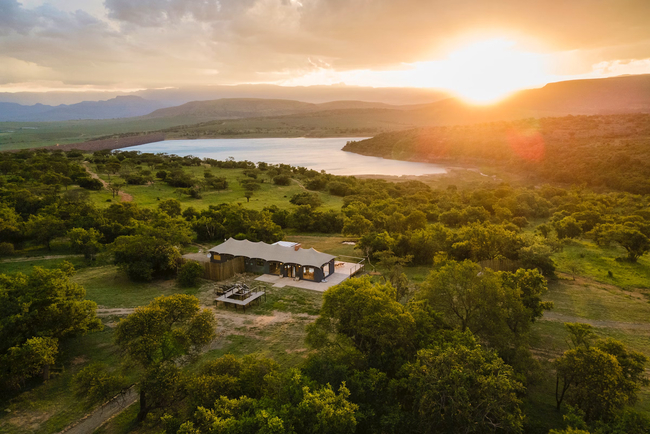
Sasi Bush Lodge
Journey on to Kilburn Farm and discover the world that awaits you on your unique stay at Sasi Bush Lodge in the Northern Drakensberg. Luxurious t...
Self Catering
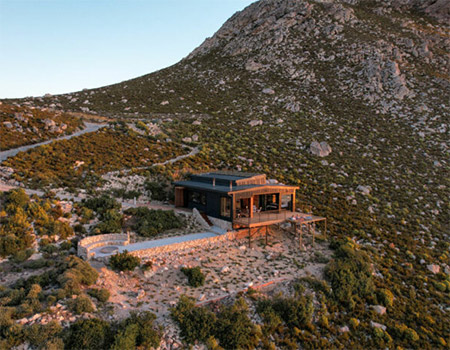
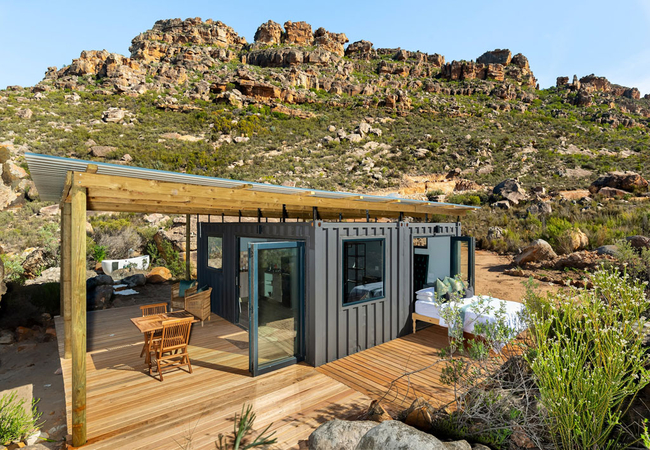
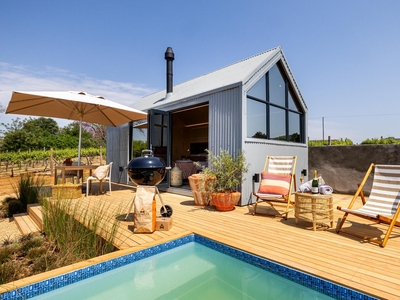
Rocklands Eco Retreat
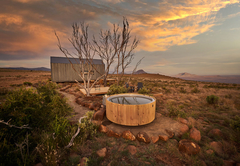
Rocklands Eco Retreat offers a tranquil, off-the-grid getaway perched on a cliff with stunning picturesque views of the Rocklands. The eco-friend...
Self Catering
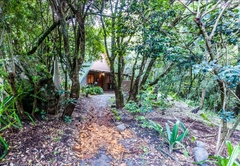
Klein Frans Cabin
Klein Frans Cabin is an exclusive luxury honeymoon retreat, situated in the heart of the vineyards with uninterrupted mountain views. This cabin ...
Self Catering
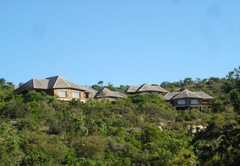
iKhayalamafu
High in the Monk's Cowl Reserve of the beautiful central Drakensberg Mountains and closer to paradise than anywhere else in the Champagne Valley....
Self Catering
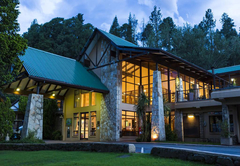
Blyde Canyon A Forever Resort
Blyde Canyon A Forever Resort is the only resort offering direct access to the world famous Three Rondavels, the Blyde Canyon Gorge and the World...
Hotel
Drakensberg Gardens Golf & Spa Resort
Nestled in the heart of the Southern Drakensberg, on a scenic 860 acre World Heritage site, rests the magnificent Drakensberg Gardens Golf & Spa ...
Self Catering
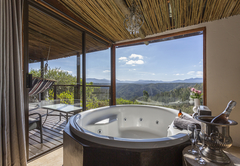
Forest Valley Cottages
Beaming with casual luxury.. Forest Valley embraces the dramatic beauty of the coastline town of Knysna with mountain and forest views. The offer...
Guest House / Self Catering
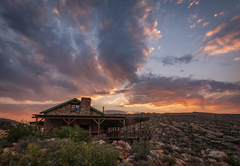
Mount Ceder Lodge
Mount Ceder is situated in a valley surrounded by mountains on the farm Grootrivier, next to the main route through the Cedarberg, approximately ...
Bed & Breakfast / Self Catering
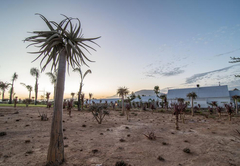
Letsatsi Lodge
Situated just outside Vanrhynsdorp, Letsatsi Lodge is an ideal stop over on the N7 route between Cape Town, Namibia, Springbok and Upington. The ...
Bed & Breakfast / Self Catering
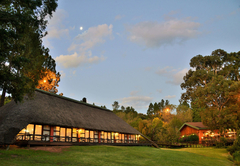
Little Switzerland Resort
Situated in the beautiful Drakensberg, Little Switzerland Resort is a little bit of heaven. Accommodation is provided either in hotel rooms or in...
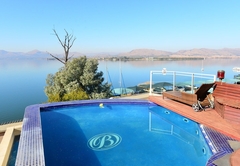
Bed & Breakfast / Self Catering
Kosmos Manor
Named after the quant neighborhood that it stems from, Kosmos Manor on the banks of the Hartebeespoort Dam consists of 6 beautifully appointed ro...
Self Catering
Tshipise a Forever Resort
At the foot of the Tshipise koppie, in a landscape dotted with ancient Baobabs and Mopani trees, you can relax in 3-star style in a fully-equippe...
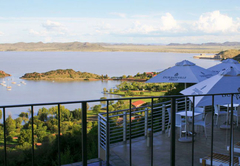
Hotel
De Stijl Gariep Hotel
De Stijl Gariep Hotel offers chic, contemporary, extremely comfortable rooms and welcoming overnight accommodation. The rooms all offer the ultim...
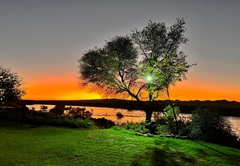
Guest House / Bed & Breakfast
Tzamenkomst River Lodge
Tzamenkomst River Lodge is a highly desirable premium hospitality destination that offers restful accommodation in spectacular surroundings. The ...
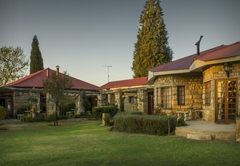
Guest House
Miss Chrissie's Country House
Situated in Chrissiesmeer, this lovingly restored country house oozes charm and character while still retaining many of its original features. We...
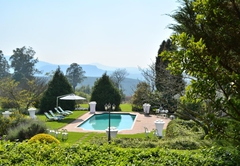
Hotel
Old Halliwell Country Inn
Built in the 1830's and set on 250 acres of rolling lawns and forests overlooking the Karkloof Valley, Old Halliwell captures the charms and trad...
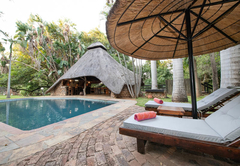
Hotel / Bed & Breakfast / Self Catering
Blyde River Wilderness Lodge
Surrounded by the tranquil Blyde River and the majestic Drakensberg mountains, this thatched lodge is set in a private reserve, in an area famous...
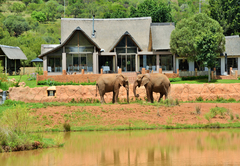
Game Lodge
African Hills Safari Lodge
Situated on the Plumari Private Reserve in the Magaliesberg, just over an hour from Johannesburg or Pretoria, African Hills Safari Lodge offers g...
About SA-Venues.com®
South Africa Accommodation
Travel South Africa with SA-Venues.com
Find a place to stay
It's easy with SA-Venues.com. Our online travel guide gets you from A to B anywhere in South Africa. No fuss, no booking fees, simply deal directly with the venue.
Everything about travel in one place
SA-Venues.com offers the choice of a huge variety of hotels and accommodation in South Africa. Find safaris and tours, and travel packages, for all budgets, all in one place. Whether you want luxury five star Cape Town hotels or an apartment in Pretoria, you'll find it here.
Our accommodation options include everything from small hotels in South Africa through game lodges, inns, guest houses, B&Bs to self catering accommodation, caravan parks, guest farms, houseboats, camping sites and bush escapes. You'll find we've included the secluded and less obvious options too, like environmentally friendly getaways, spas, and pet-friendly and child-friendly locations.
Everything you need to know about where you're going - 'must see' attractions, day tours, beaches, South Africa's 8 World Heritage sites, game and nature reserves, national parks, famous landmarks, national botanical gardens, wine estates, 18-hole golf courses ...
Getting around
Whether you're travelling from Cape Town to Jeffreys Bay, up the Garden Route, from Durban to the Drakensberg Mountains, or from Johannesburg and Sandton to the Kruger National Park there are endless travel options. SAA (South African Airlines) and a series of low budget airlines fly to all the major centres. Once there connect with numerous tour providers, or self drive and go it alone. Simply use SA-Venues.com to plan your South African travel itinerary.
South Africa Travel
'A World in One Country'
To call South Africa 'beautiful' comes only close to describing the unequalled diversity enfolded in its vastness. From the sandswept, icy waters of the Cape West Coast to the sunbaked savannah of the Limpopo there are terrains too numerous to absorb in one visit - South Africa is the smörgåsbord of the African continent.
Cape Town's iconic Table Mountain and Cape Point, Namakwaland's annual spring flower symphony, the epic peaks of the Drakensberg, the Kruger National Park's wildlife-filled plains, the shopping bonanza and heartbeat of Jo'burg's nightlife, the implausible scenic beauty of the Blyde River Canyon and God's Window in Mpumalanga, and the five ecosystems of the iSimangaliso Wetland Park on South Africa's Elephant Coast - there is magic in every corner of our country.
Whether you are here to experience everything, or simply to explore the beaches, the mountains or the wine routes, there is seldom a traveller who has not found something on our shores at which to marvel. Whatever your choice, SA-Venues.com makes it easier to travel in South Africa.
Wildlife encounters

Adventure Activity
Diving in Sodwana Bay
The beautiful Sodwana Bay, home to Triton Diving, is situated within the Greater St Lucia Wetland Park in KwaZulu-Natal. This park is one of Sout...
Game Lodges
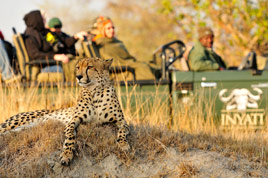
Inyati Private Game Reserve
The lodge is situated on the banks of the Sand River allowing for fantastic game viewing from the lodge ...
Bird Watching
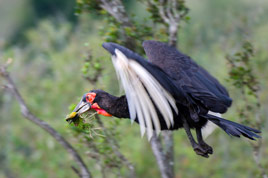
Southern Ground Hornbill
The largest hornbill in the world with a striking black plumage and the deep-red skin on its face and neck ...
Game Reserves
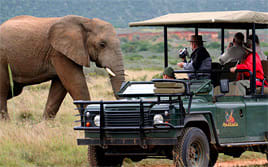
Amakhala Game Reserve
Steeped in history and beauty, this 7000 hectare game reserve creates an ideal environment for an unforgettable safari ...
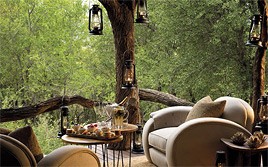
Game Lodges
Madikwe Safari Lodge
Set in a malaria-free reserve, 20 suites overlook the game-filled plains of the Madikwe Game Reserve ...
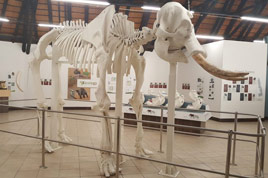
Attraction
Letaba Elephant Hall
An elephant museum that covers the evolution of elephants, their biology, behaviour, and ecology ...
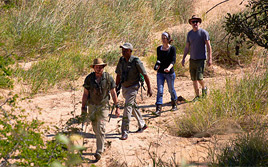
Adventure Activity
Kruger Walking Safari
A wilderness walking safari in a "Big Five" game viewing area, led by armed, professional, experienced guides ...
Whale watching
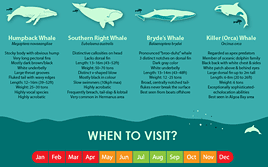
Outdoor activities
Whale Watching in South Africa
The annual migration of the whales (Jun to Nov) allows us to boast exceptional land- and boat-based whale-watching ...
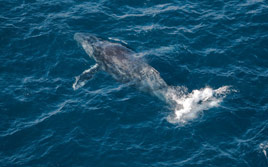
Wildlife
Southern Right Whale
Found in the waters of the Southern Hemisphere. From July to December they approach the coast to calve and feed ...
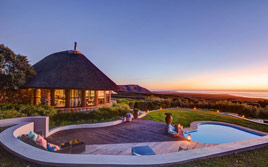
Lodge
Grootbos Nature Reserve
Guests experience a world full of outrageous flora, miles of private beaches, and safe encounters with giants of the sea ...
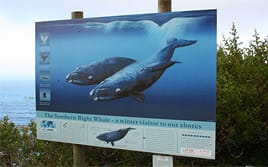
Annual Event
Hermanus Whale Festival
Guests experience a world full of outrageous flora, miles of private beaches, and safe encounters with giants of the sea ...
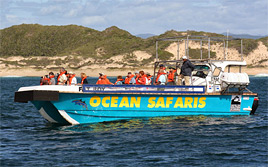
Things To Do
Close Encounter Cruises
Cruises are conducted on our permitted whale watching vessel, which is licenced to approach whales up to 50 metres ...
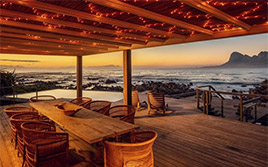
B&B / Guest House
Pringle Bay Beach House
A contemporary beach house retreat offering private and luxurious oceanfront accommodation with panoramic views ...
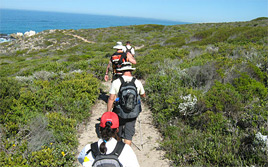
Hiking
Whale Trail
A 5-day slackpacker trail. Awe-inspiring mountain and coastal walking for moderately fit hikers. Booking essential ...
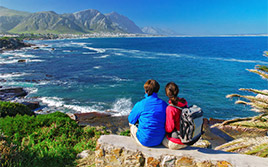
Tourist Route
The Whale Route
The Whale Route begins in Cape Town and follows the particularly pretty R44, also known as Clarence Drive, through the Kogelberg ...