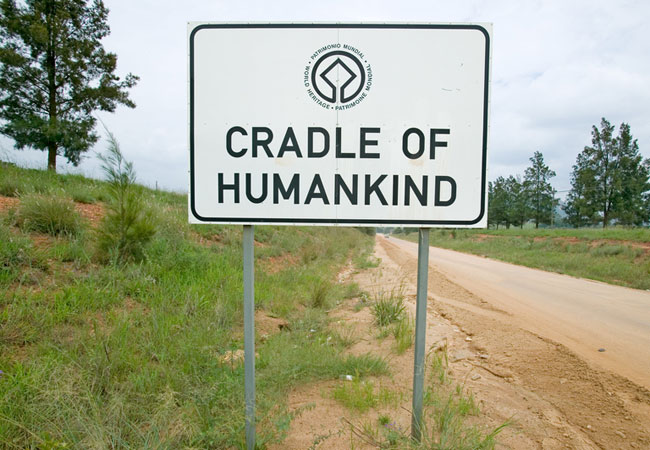
About Fossil Hominid Sites
The Fossil Hominid Sites of Sterkfontein caves, Swartkrans, Kromdraai, and Environs have produced abundant scientific information on the evolution of the human being over the past 3.5 million years, his way of life, and the animals with which he lived and on which he fed.
Did you know? The area contains essential elements that define the origin and evolution of humanity. (See Cradle of Humankind Map).
The landscape preserves many features of that prehistoric period. The Taung Skull Fossil Site, part of the extension to the site inscribed in 1999, is the place where in 1924 the celebrated Taung Skull, a specimen of the Australopithecus africanus species, was found. Makapan Valley, also in the site, features in its many archaeological caves traces of human occupation and evolution dating back some 3.3 million years.
Justification for Inscription: Criteria (iii) and (vi)
The Sterkfontein area contains an exceptionally large and scientifically significant group of sites which throw light on the earliest ancestors of humankind. They constitute a vast reserve of scientific information, the potential of which is enormous. (Source: UNESCO).
The Cradle of Humankind
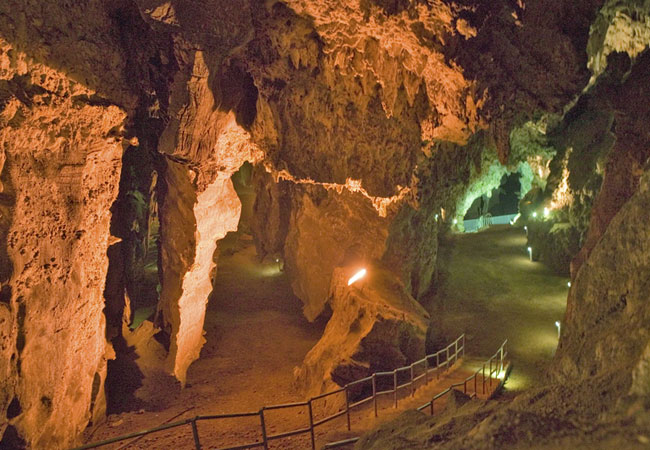
The Site lies mainly in Gauteng with a small extension into the neighboring North West Province, and covers 47 000 hectares of land mostly privately owned. The Cradle of Humankind Site comprises a strip of a dozen dolomitic limestone caves containing the fossillised remains of ancient forms of animals, plants and most importantly, hominids. The dolomite in which the caves formed, started out as coral reefs growing in a worm shallow sea about 2.3 billion years ago.
As the reefs died off they were transformed into limestone which some time later was converted into dolomite. Millions of years later after the sea had receded, slightly acidic groundwater began to dissolve out calcium carbonate from the dolomite to form underground caverns. Over time the water table dropped and the underground caverns were exposed to the air. The percolation of acidic water through the dolomite also dissolved calcium carbonates out of the rock into the caverns, which formed stalactites, stalagmites and other crystalline structures.
Continued erosion on the earth's surface and dissolution of the dolomite eventually resulted in shafts or avens forming between the surface of the earth and the caverns below. Bones, stones and plants washed down these shafts into the caves; and animals and hominids fell into the caves, became trapped and ... click to view more detailed information about the Cradle of Humankind.
Need to Know
WhereThe Fossil Hominid Sites of Sterkfontein, Swartkrans, Kromdraai, and Environs, The Cradle of Humankind, The Site lies mainly in Gauteng with a small extension into the neighboring North West Province, South Africa
WhenBest during daylight hours.
TelephoneGeneral Enquiries: +27 (0)11 085 2481
OvernightStay in Cradle of Humankind Accommodation, Gauteng
Disclaimer
Please note, business details can change. While we endeavour to ensure all information provided by the service provider is correct at the time of publication, we do not assume any liability caused by errors or changes, such as price, cost, time, and location. Please check with the provider that the activity/business is still offered as described, before making any travel plans.
Feedback?
If this is your attraction, you can let us know if anything on this page is outdated or contains inaccuracies, by email. We regret, we do not have any other information, please contact the provider if you have questions.
Additional Reading
- Everything You Need to Know to See the Cradle of Humankind Properly
- 20 Most Incredible Historical Sites in South Africa
- A Tour of the Most Famous Landmarks in South Africa
- South Africa's 10 World Heritage Sites – and why they're worth a visit
- Richtersveld Cultural & Botanical Landscape (Northern Cape)
- iSimangaliso Wetland Park (KwaZulu Natal)
- Cape Floral Region (Western Cape and Eastern Cape)
- Cradle of Humankind (Gauteng / North West)
- Mapungubwe Cultural Landscape (Limpopo)
- Robben Island (Western Cape)
- Ukhahlamba Drakensberg Park (KwaZulu Natal)
- Vredefort Dome (Free State)
- Khomani Cultural Landscape (Northern Cape)
- Barberton Makhonjwa Mountains (Mpumalanga)
Also See These Attractions
Nature Reserves
Cradle Nature Reserve
The Cradle Nature Reserve covers an area of 3 000 hectares, which includes a delightful array of plant and animal species representing the diversity of South Africa. The wildlife within this private reserve includes white rhino, giraffe, brown hyena and ...
World Heritage Sites / Landmarks / Archaeological
Cradle of Humankind
The Cradle of Humankind Site comprises a strip of a dozen dolomitic limestone caves containing the fossillised remains of ancient forms of animals, plants and most importantly, hominids. The dolomite in which the ...
Natural Wonders / World Heritage Sites
Sterkfontein Caves
The Sterkfontein Caves are a series of limestone caves 50 kilometres north west of Johannesburg that are not only the richest, but most productive palaeo-anthropological sites in the world. They form part of the Cradle of Humankind World Heritage Site, ...
Attractions near Cradle of Humankind
Wish you were here?

In the vicinity
Hotels & other accommodation options in Cradle of Humankind
Lethabo Estate
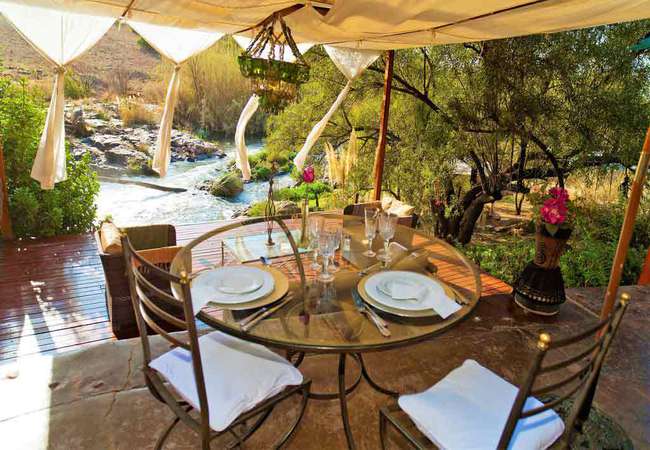
Lethabo Estate in Lanseria is set on the banks of the Crocodile River, centrally positioned very near Lanseria International Airport and a short ...
Maropeng Boutique Hotel
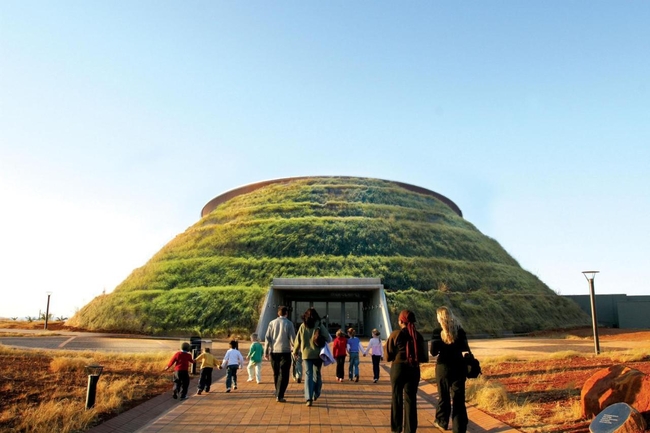
Maropeng Boutique Hotel, offering bed and breakfast, is located on the same property as the Cradle of Humankind visitor center. The hotel offers ...
Kloofzicht Lodge & Spa
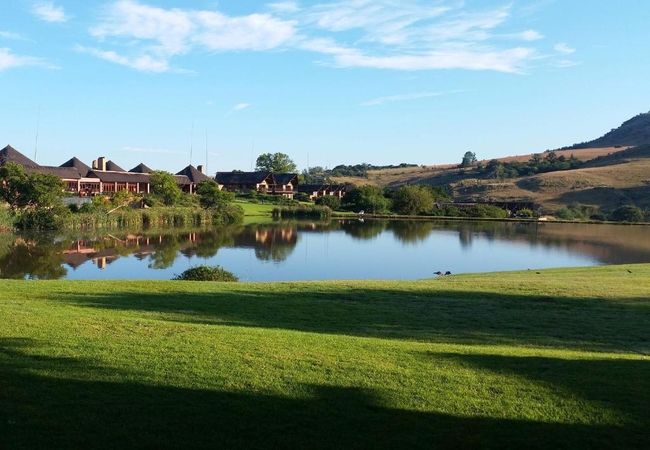
Guests entering the luxurious Kloofzicht Lodge are greeted with the stunning vista of endless stretches of water as the infinity pool spills over...
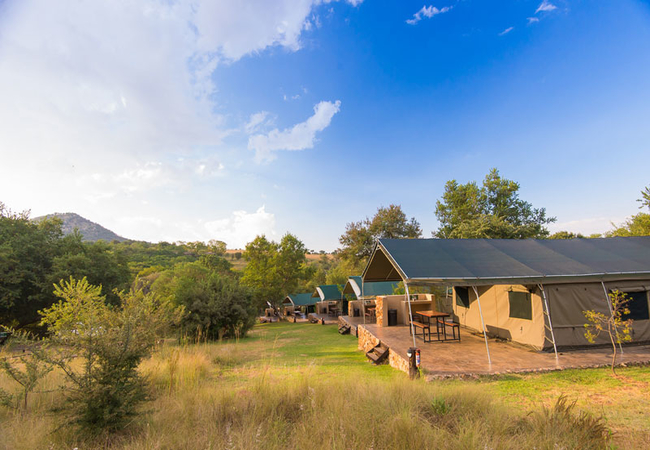
Bushwillow Tented Camp
Accommodation comprises ten large comfortable walk-in tents, sleeping between four and six people each, including hot indoor showers and a small ...
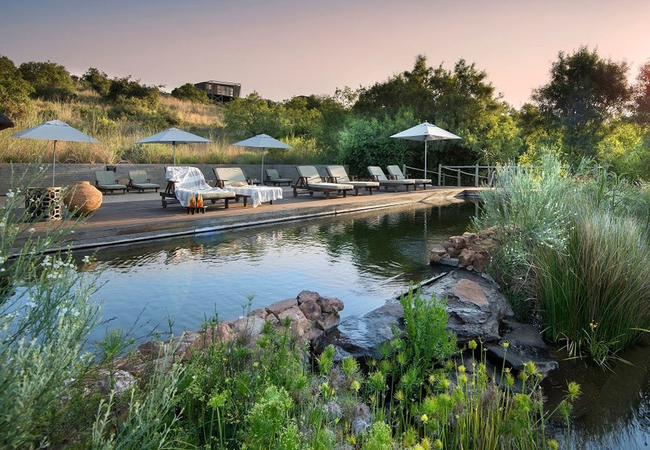
Cradle Boutique Hotel
Cradle Boutique Hotel, located in a spectacular 9 000 hectare nature reserve, is one of a kind. It is the only hotel in the world situated on an ...
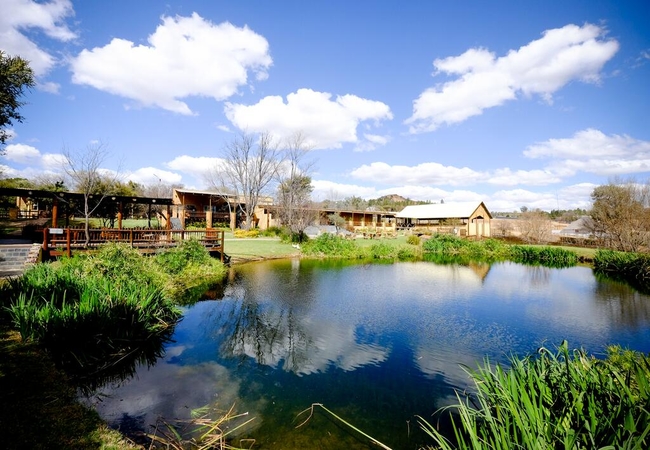
Cradle Valley
Cradle Valley is situated on the edge of the Cradle of Humankind. Cradle Valley offers accommodation in stylish and tastefully furnished bedrooms...
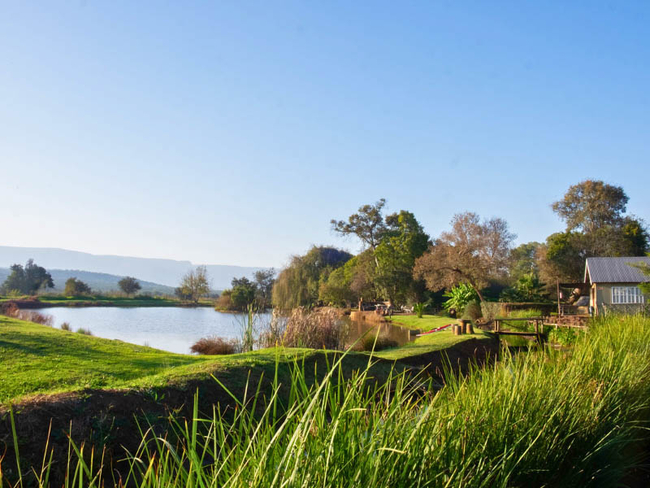
Imbabali Retreat
Imbabali Retreat is located in Hekpoort and offers accommodation in tranquil surroundings with views of the Magaliesburg Mountains. The farm has ...
Thabametsi Farm
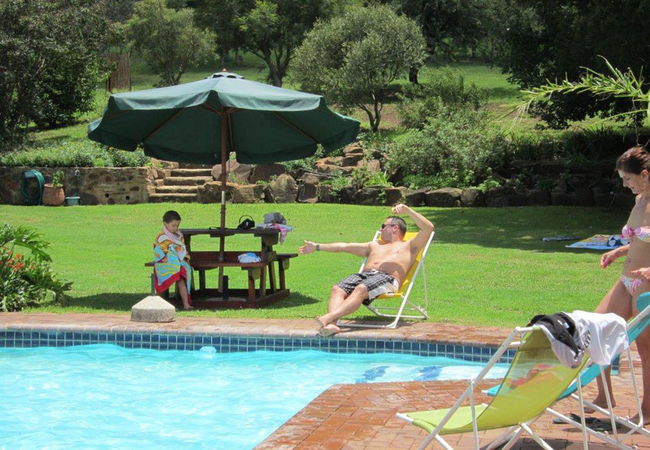
Thabametsi Farm meaning 'Mountain Water' is a tranquil, rustic self-catering getaway in the heart of scenic Magaliesburg. Situated on a 132Ha far...
Puschka Stone Cottage
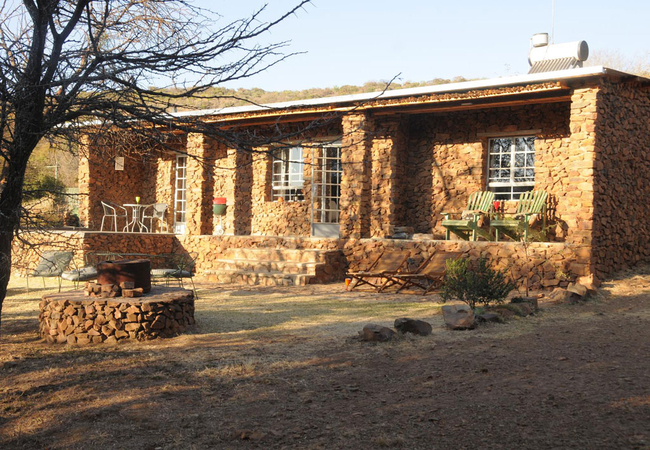
Puschka Stone Cottage offers accommodation in Magaliesburg that is built entirely of stone from the koppie on the farm. This romantic cottage boa...
Monchique Guest House
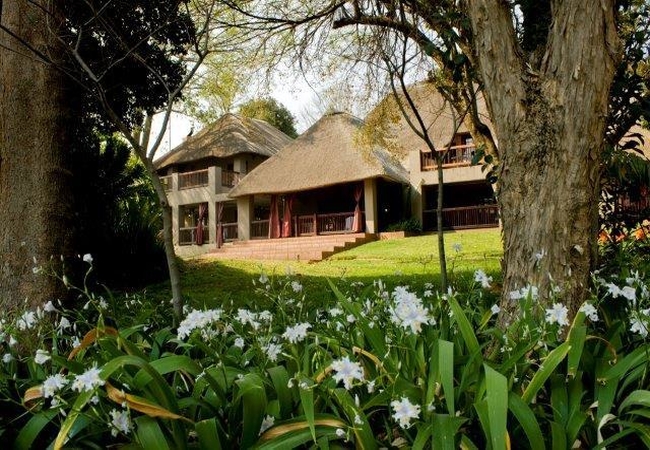
Monchique Guest House is a luxurious country retreat that offers affordable holiday or business accommodation. We pride ourselves on top-class am...
Idwala Le Ingwe Hiker's Haven
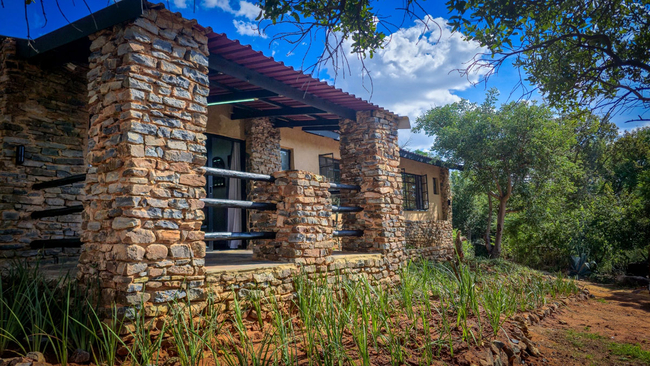
Set high on the mountainside, Hikers Haven offers a private and tranquil escape within the Idwala Le Ingwe collection. Although located on the sa...
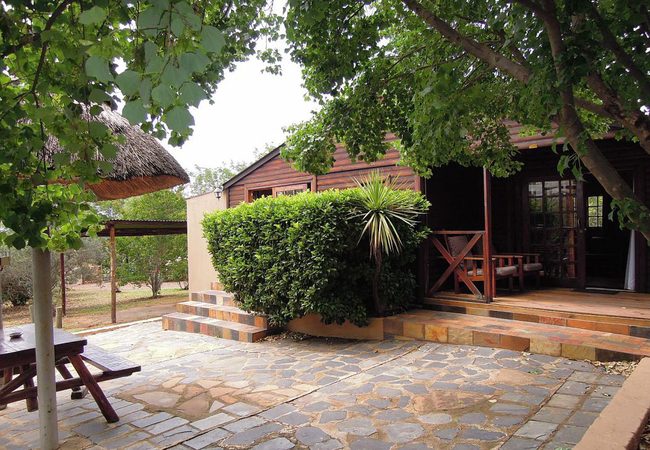
Nullarbor Cottages
Nestled in the rocky arms of the Magaliesburg Mountains on a private farm lie the Nullarbor Cottages - a piece of paradise in the tranquility of ...
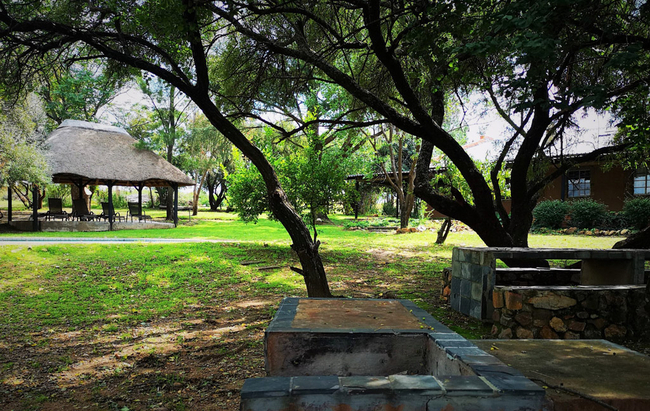
Lethabo Estate Farmhouse
Lethabo Farmhouse is a relaxed haven of easy country living with tranquil, uninterrupted views to the horizon over the pond, pool and rolling hil...
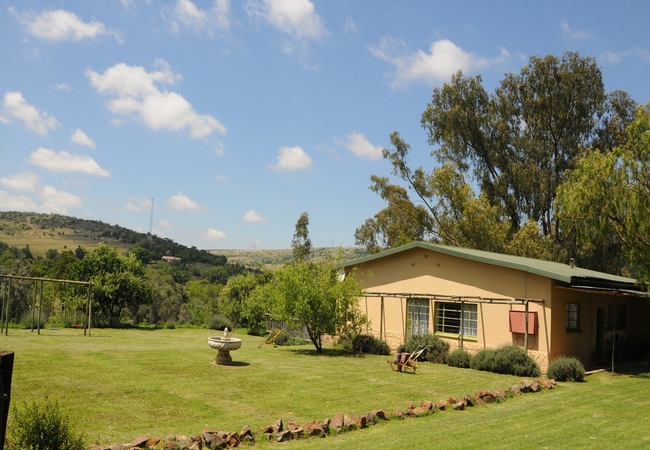
Puschka Farm
Puschka Farm is situated in the quiet and picturesque area of Buffelsfontein. Experience real country living and take a self-catered vacation on ...
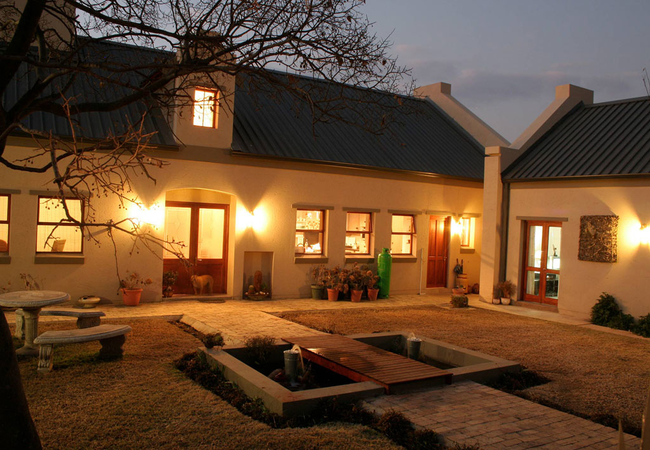
Hartley Manor Guest House
Set in the beautiful Muldersdrift area, Hartley Manor offers accommodation in 7 cottages and suites for up to 18 guests. Only 15 minutes from Lan...
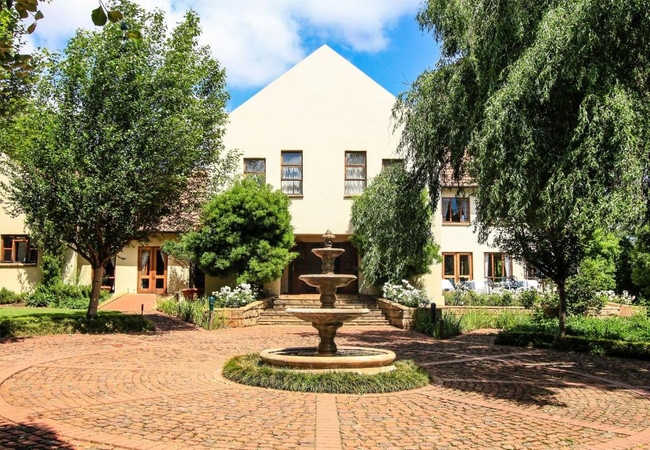
Budmarsh Country Lodge
Away from the hustle and bustle of the city, in the heart of the magical Magaliesberg, Budmarsh Lodge welcomes you to its world of understated el...
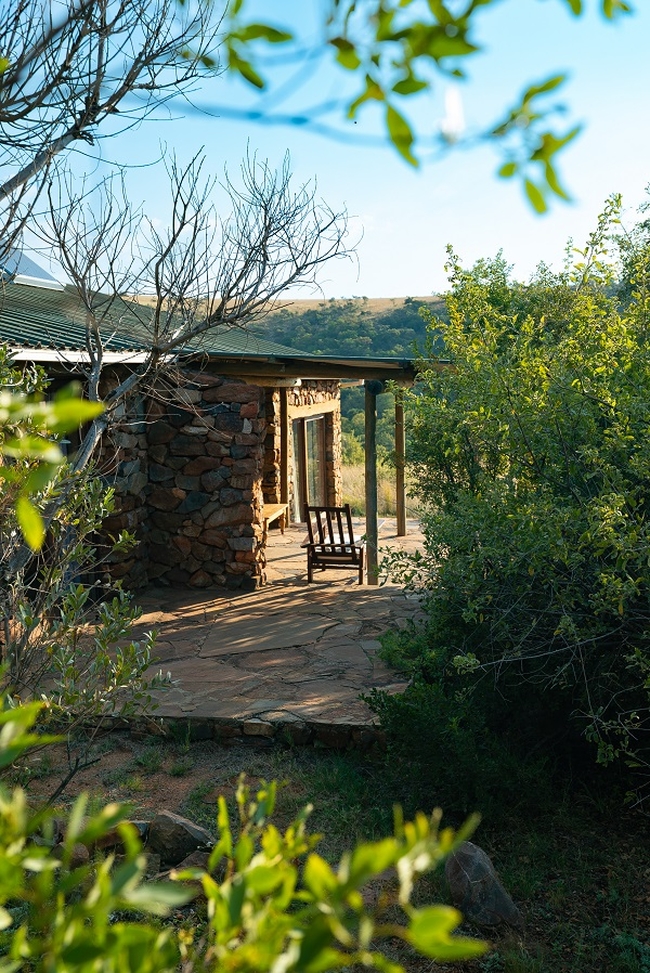
Buffalo Thorn
Buffalo Thorn is a cottage which provides accommodation in seclusion and privacy for up to six guests. Enjoy vast views over the Buffelsfontein v...
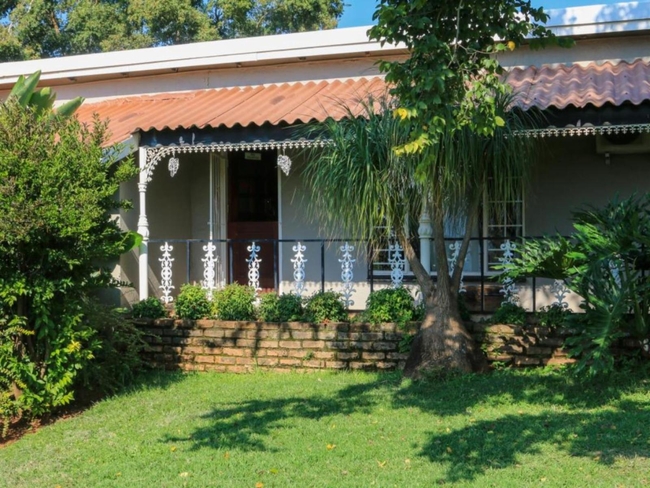
Misty Morn Cottages
Misty Morn cottages can be found in Muldersdrift at the foot of one of the Zwartberg hills in the Cradle of Humankind. Misty Morn has five fully ...
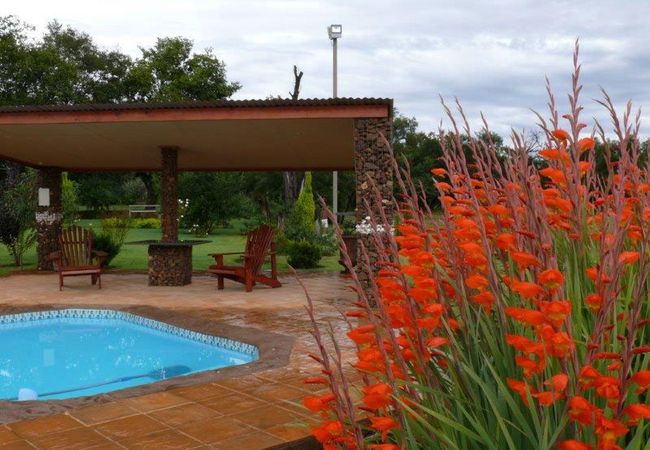
Votadini Country Cottages
Votadini Lodge offers accommodation in Hekpoort. The lodge is surrounded by spectacular views, a variety of bird life and clean fresh air. We hav...
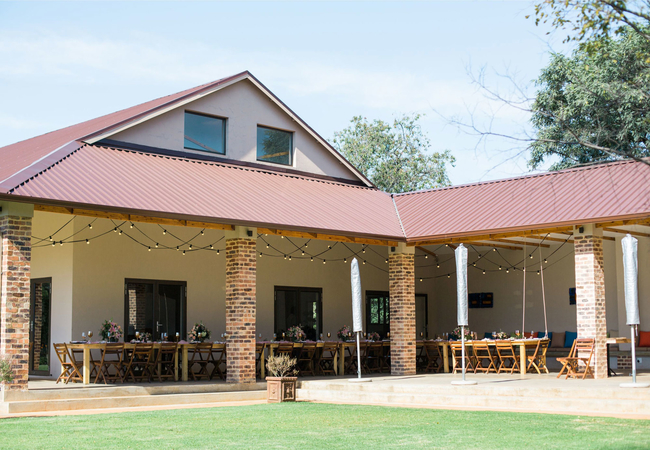
Esther's Country Lodge
On arrival at Esther's, one gets an impression of modern minimalism. This is a guest lodge with a difference, decorated with pieces of glass art ...
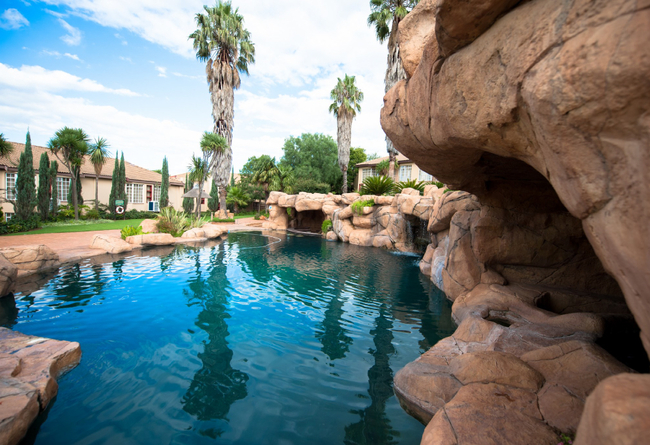
Glenburn Lodge and Spa
In the tranquility of the Swartkops Mountains, on the banks of the Blaauwbank and Crocodile Rivers, lies Glenburn Lodge and Spa. Situated within ...
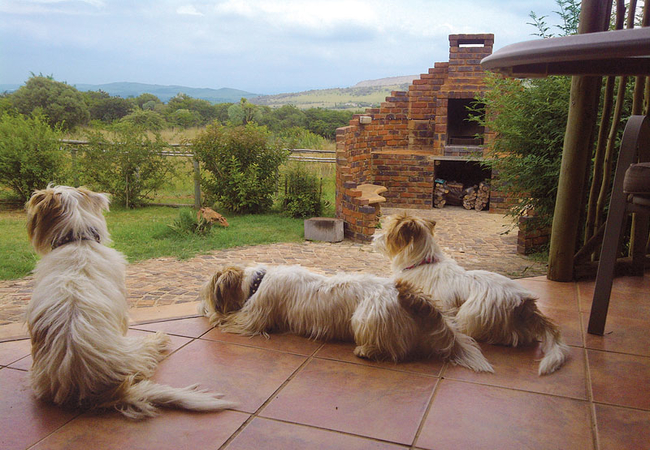
Stone Hill
Perched high above the distant village of Magaliesburg, Stone Hill offers 6 top class, fully equipped luxurious self-catering timber cottages, ac...
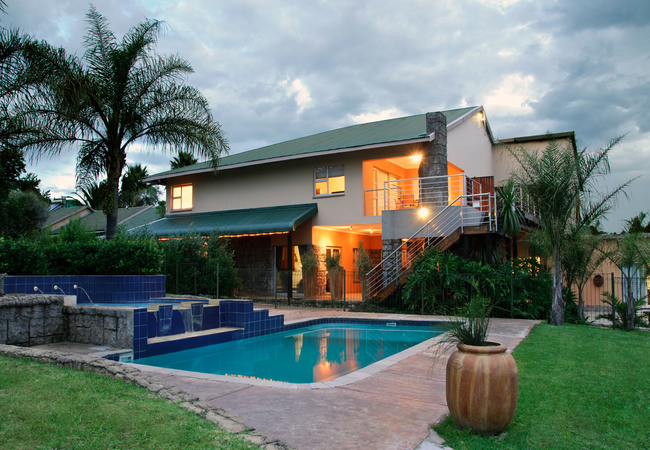
Country Park
Country Park is situated off Beyers Naude Drive, in the tranquil country atmosphere of Honeydew / Muldersdrif in Gauteng. The park offers self ca...
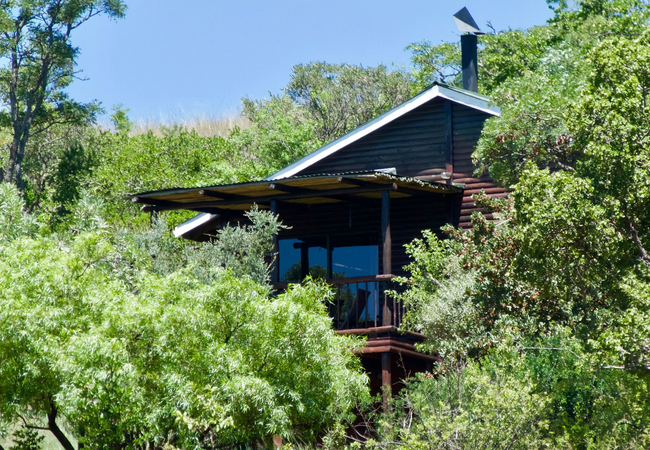
Wild Syringa
Wild Syringa offers accommodation for two guests in a tranquil haven away from the city. This secluded, private, log cabin styled cottage is loca...
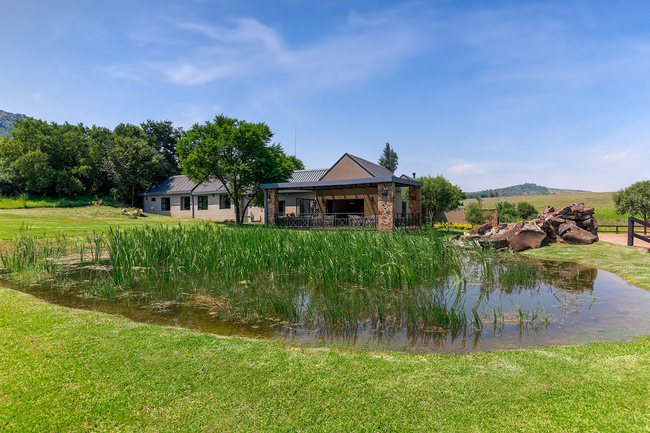
De Herberg at Kloofzicht
De Herberg at Kloofzicht is an exclusive-use luxury guesthouse, offering an elegant escape for families, groups of friends, or colleagues travell...
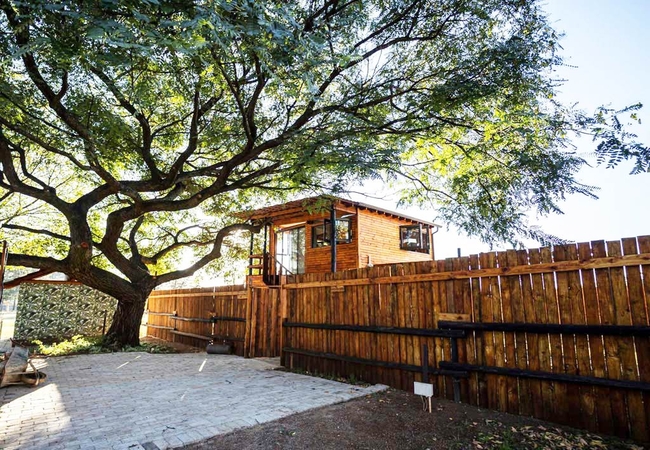
The Nest at Windsong Living
The Nest is located at Windsong Living, an Equestrian Estate in the Cradle of Humankind. The Nest offers modern tree-house living at its finest. ...
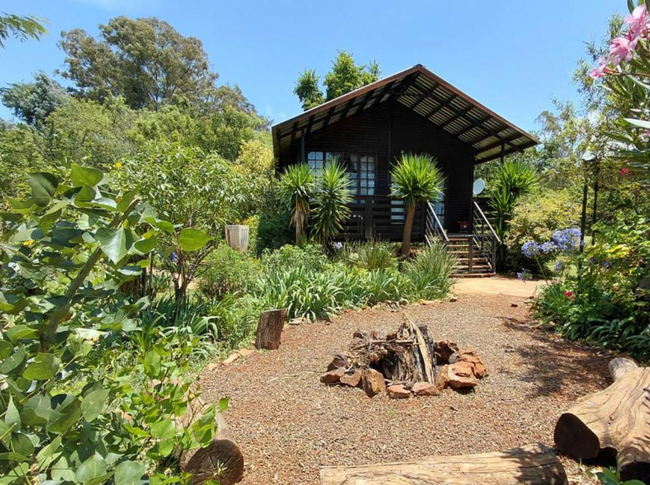
Woodland Gardens
Woodland Gardens offers fully equipped accommodation in the Magaliesberg. The chalets are secluded, romantic and luxurious with log fires. Each c...
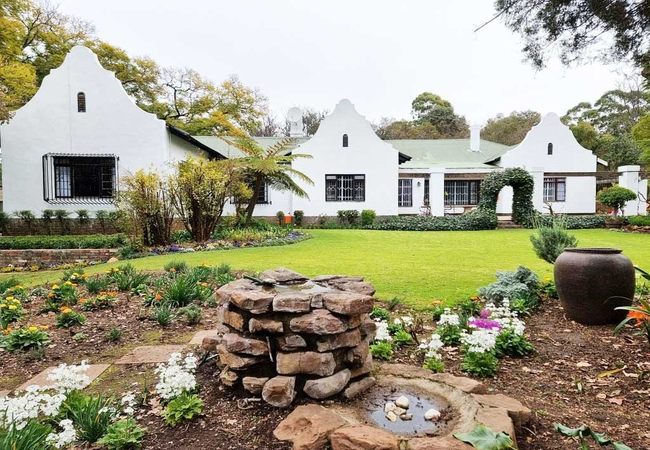
Casalinga La Casa
Casalinga La Casa Guest House offers guests a quick farm break-away from the city. The lovely accommodation, which combines old-country charm wit...
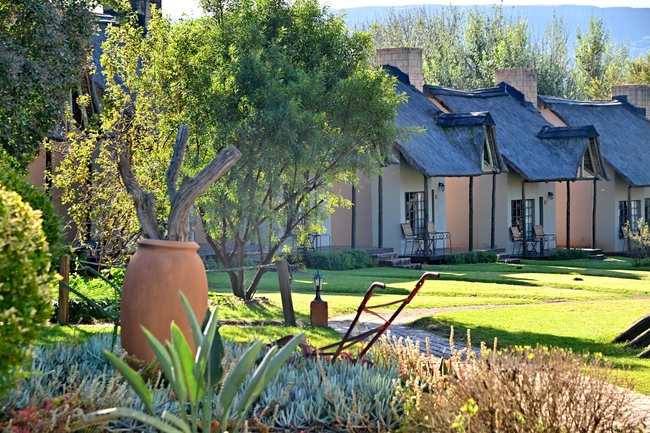
African Hills Safari Lodge
Situated on the Plumari Private Reserve in the Magaliesberg, just over an hour from Johannesburg or Pretoria, African Hills Safari Lodge offers g...
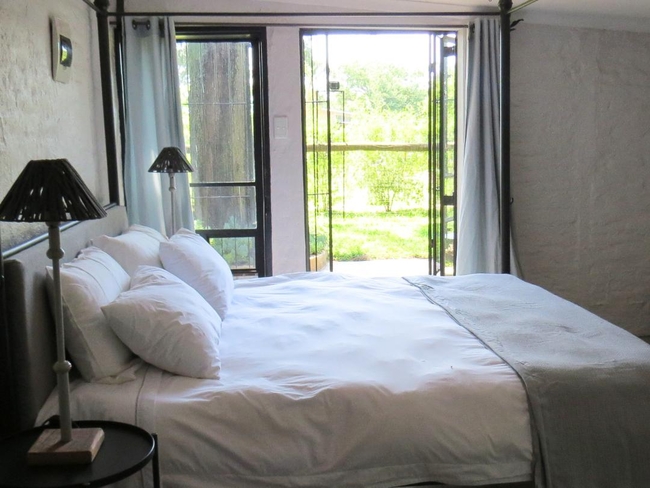
The House On The Hill
The House on the Hill offers holiday and getaway accommodation in three charming self-catering cottages, each thoughtfully designed for comfort a...
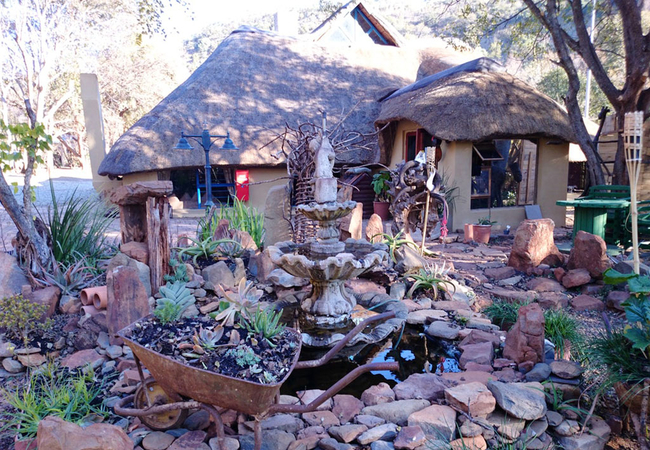
Hornbill Lodge
Located in Magaliesburg, Hornbill Lodge and Legends offers both Bed and Breakfast and Self Catering accommodation. The lodge features a large lan...
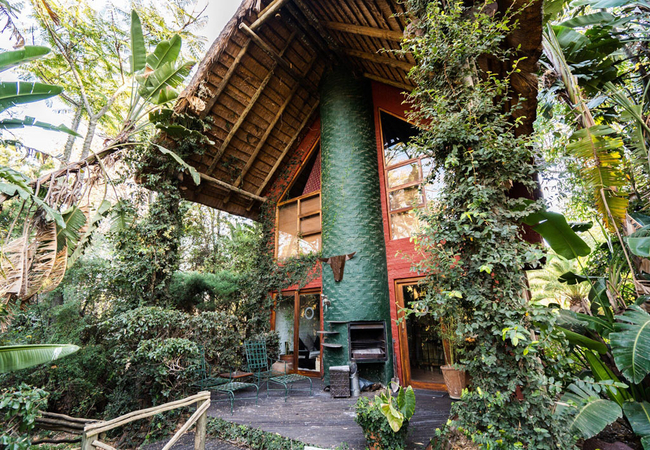
Hakunamatata Lodge and Health Spa
Situated 30 mins from Johannesburg and Pretoria in the Muldersdrift/Honeydew area. Fully secured 21 acre estate offering luxury accommodation in ...
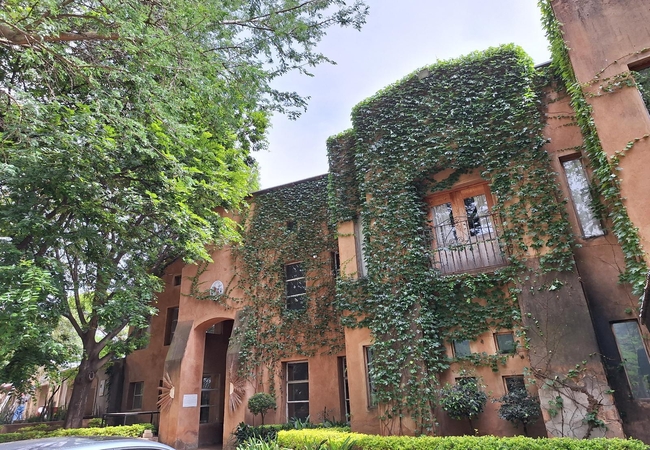
Bosheuvel Country Estate
Bosheuvel Country Estate is located in Muldersdrift. Accommodation is offered for a total of thirty six guests. The farm has a prized Pinzgauer c...
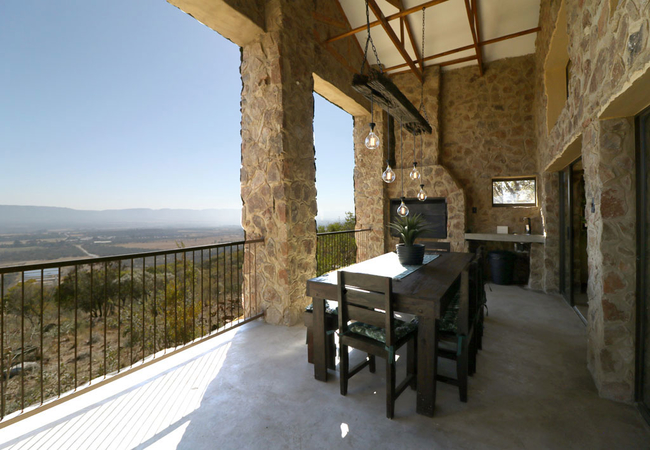
Idwala Le Ingwe House
Idwala Le Ingwe House is a unique holiday home offering accommodation in Magaliesberg on a picturesque farm. The home is a fully equipped for a s...
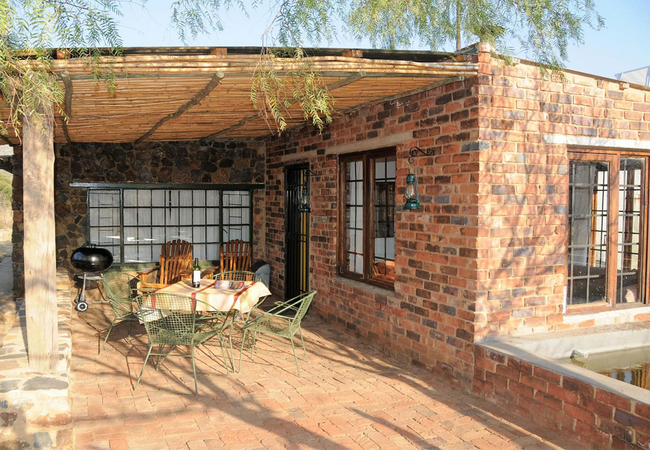
Puschka Writers Cottage
Puschka Writers Cottage offers accommodation in Magaliesburg in a converted and extended old farm cottage that is located on the opposite side of...
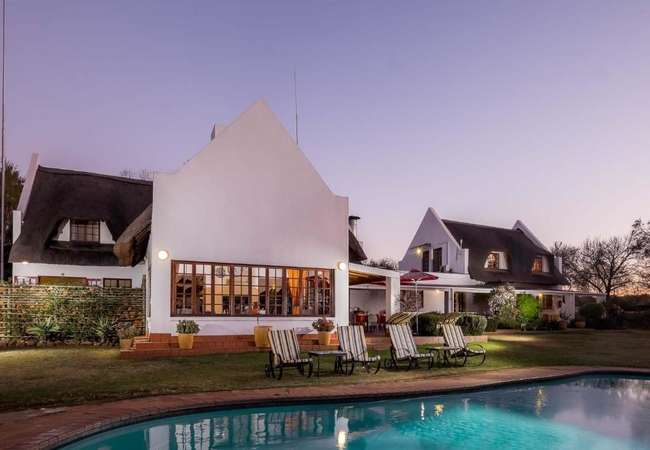
Mokoya Lodge
At Mokoya Lodge you will have a comfortable and relaxed sleep in one of the private twin or double rooms; which are en-suite and have scenic view...
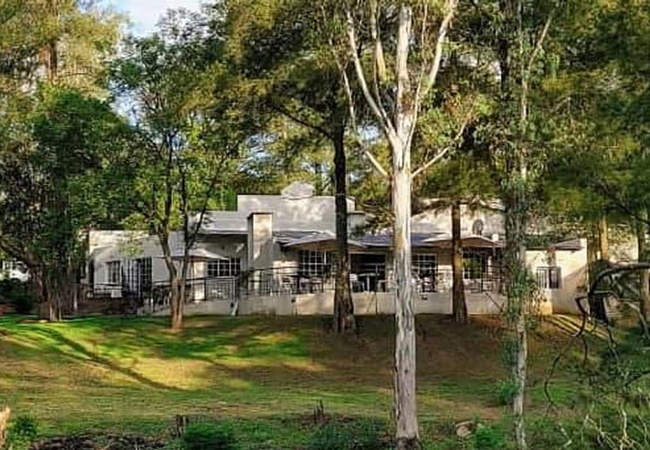
La Moor Country Venue
La Moor Country Venue is a guesthouse located at Lammermoor offering Muldersdrift accommodation. We are a family of families, all bonded together...
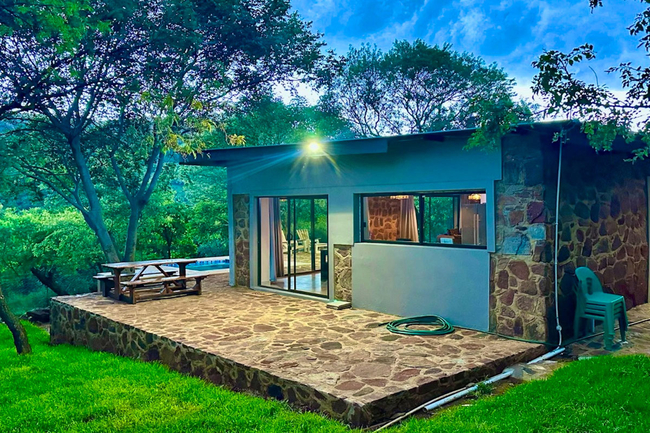
Athule Inn Cradle
This thoughtfully appointed holiday home comfortably hosts up to six guests, featuring three tastefully furnished bedrooms and two well-appointed...
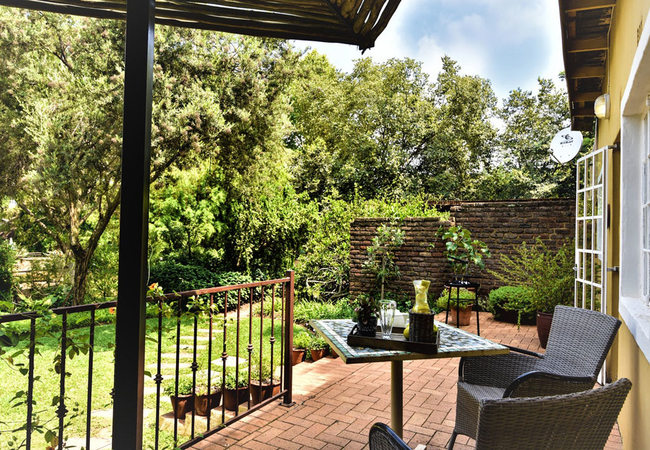
Random Harvest Country Cottages
Set in Muldersdrift on a gorgeous country retreat, Random Harvest Country Cottages allow you to relax and rejuvenate in finely furnished comfort ...
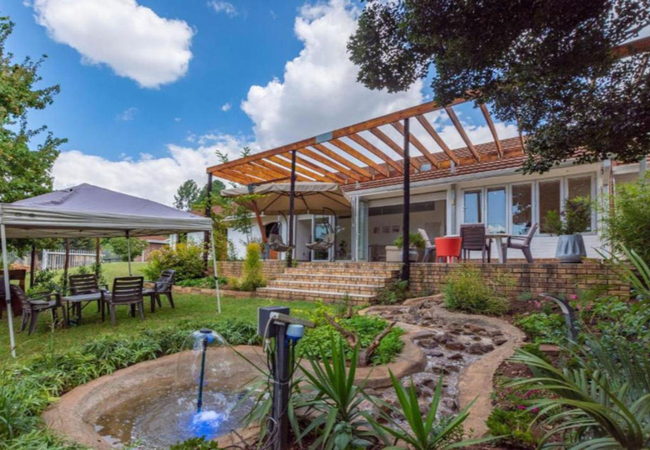
Eagle Owl at Windsong Living
Eagle Owl has one bedroom furnished with a Queen-size bed. The bedroom leads onto a private courtyard with a Jacuzzi. The open plan living area h...
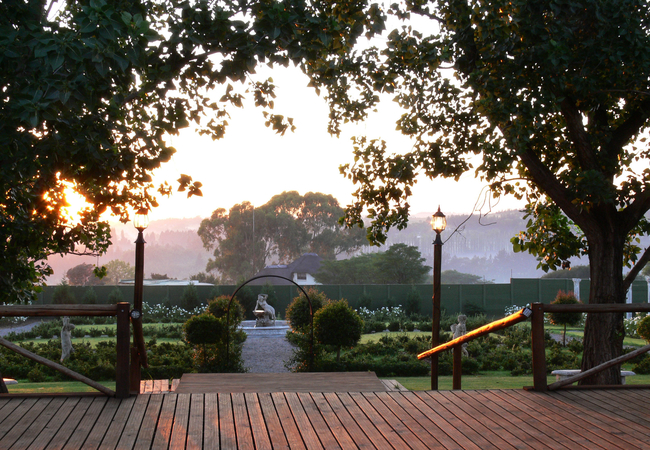
Valverde Eco Hotel
Valverde Eco Hotel is a unique country-style venue situated near Muldersdrift, with twenty five comfortable luxury rooms, two Wedding venues, fun...
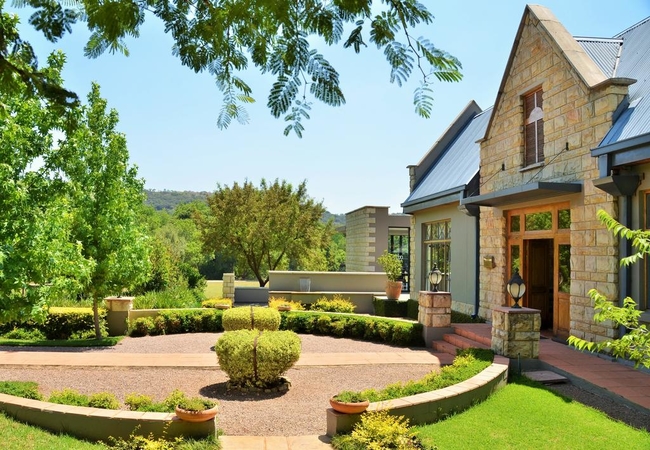
De Hoek Country Hotel
De Hoek lies graciously in a serene country setting an hour from Johannesburg and Pretoria. The hotel is an impressive masterpiece of Sandstone, ...
Things to do in the area
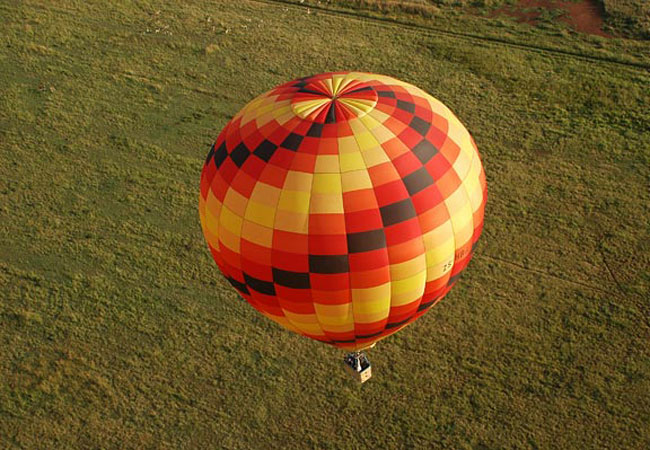
Hot Air Ballooning in the Magaliesberg
Come and experience a spectacular South African sunrise, occasionally skimming treetops or simply drifting peacefully across the skies. Hot air b...
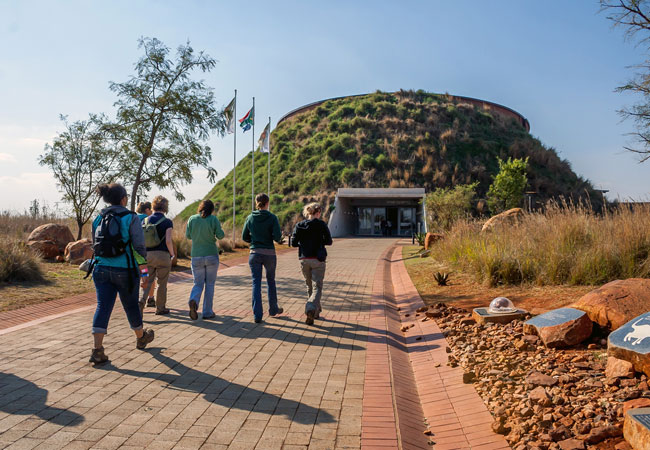
Maropeng Visitor Centre
Visitors that have booked accommodation in Johannesburg or are staying elsewhere around Gauteng are invited to see the historical wonder of the M...
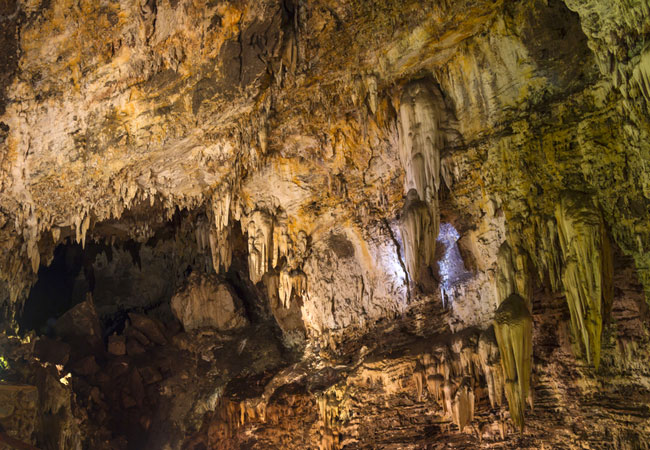
Wow at the Wonder Cave
Wander through the wonderland of Wondercave in Magaliesberg. 87 Footsteps lead you one step at a time down to an eccentric elevator or abseil adv...
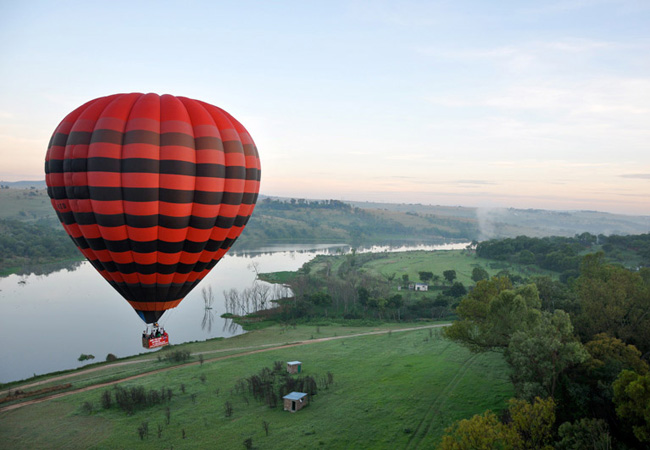
Hot Air Ballooning in The Cradle
Join us for the ultimate flying experience. Get to know your fellow passengers as you enjoy a pre-flight cup of tea or coffee before joining the ...
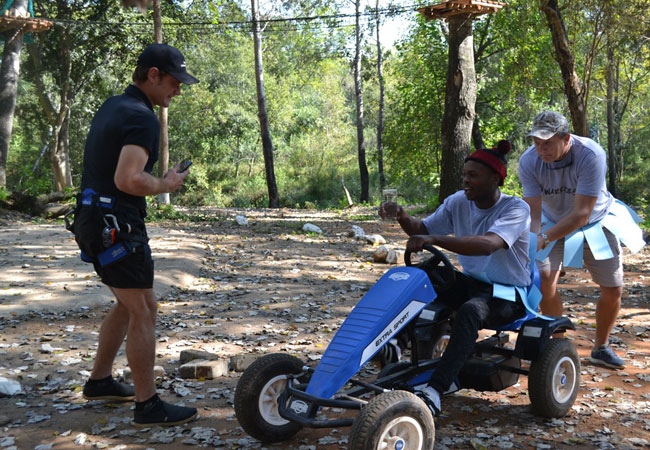
Noble Adventures
Although it's hard to tear yourself away from the beautiful accommodation in Magaliesburg, you'll probably want to experience a bit of this gorge...
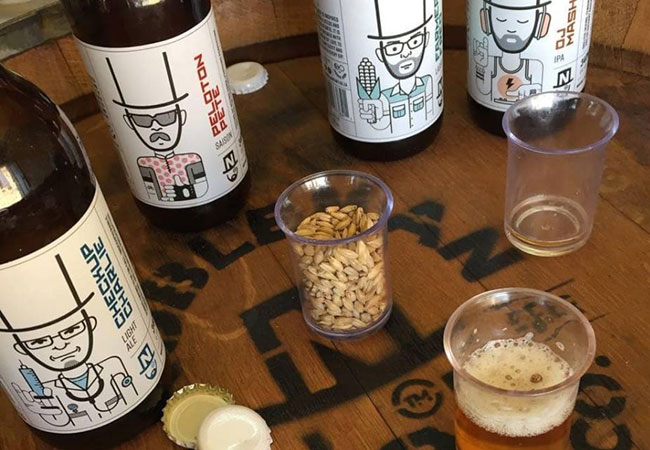
Nobleman Brewing Company
The Magaliesberg accommodation available to visitors ranges from rustic lodges to boutique guest houses. Staying here promises gorgeous views, pl...
Accommodation convenient to Fossil Hominid Sites
FIND / South Africa Accommodation / Gauteng Accommodation / West Rand Accommodation / Magaliesberg Accommodation / Cradle of Humankind Accommodation