Zulu Language
About the Zulu Language
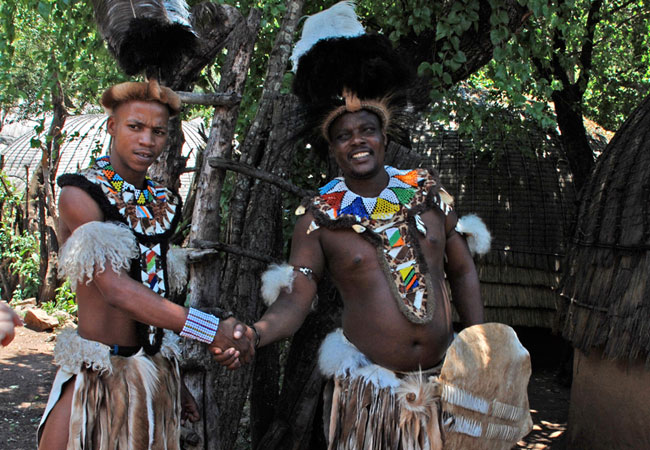
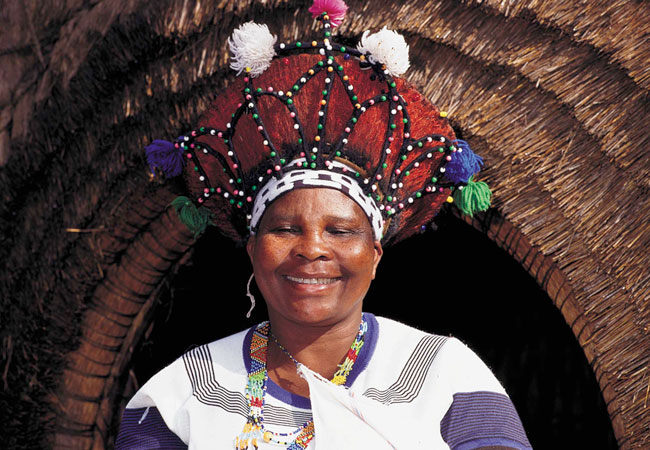
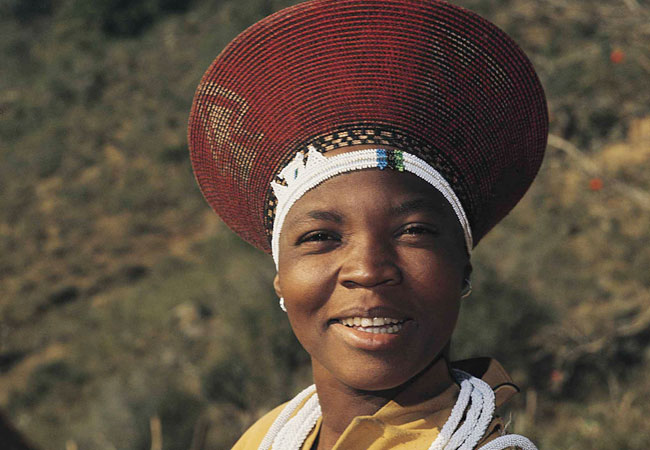
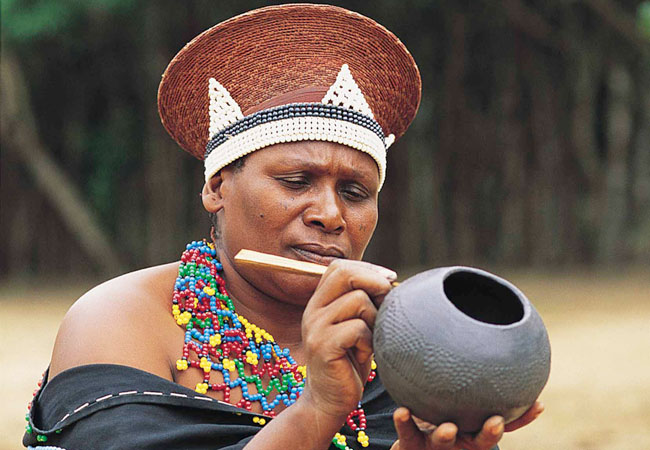
IsiZulu, more commonly shorted to Zulu, is one of the 11 official languages of this country. 10 million people speak the language and most of them live in South Africa. Zulu is the home language of about 22.7% of South Africans; while as many as half of the local population understands it. It falls under the Nguni group and is one of the Bantu languages. Xhosa and Zulu are the only two languages that are considered to be mutually understandable.
Did you know? There are 11 officially recognised languages, most of which are indigenous to South Africa. English is spoken everywhere you go. English is the language of the cities, of commerce and banking, of government and official documents. All our road signs and official forms are in English and at any Hotel, Bed and Breakfast or Guest House the service staff will speak to you in English.
The Zulu nation came into existence around the 14th century. Although there are many Bantu migrants, the Zulu language adopted many of the sounds that make up the modern language from the San and the Khoi. The San and the Khoi were the indigenous folk of South Africa, living off the abundance of the land and forming a crucial part of its history and heritage.
The evidence of their influence remains the clicking consonants in the modern Zulu language. Other early indigenous tongues were all oral languages until the missionaries from Europe arrived. These ones taught the local inhabitants to read and write, creating a written version of their tongue. Missionaries also began to jot down interesting facts about this language using a Latin alphabet. The year was 1883, and this was the year in which the first book containing the Zulu language was produced – the Bible.
John Dube, who resided in Natal at the time, established what was called the Ohlange Institute in 1901. The Ohlange Institute was South Africa's very first educational foundation. John Dube was considered a great pioneer in the Zulu language and wrote the first Zulu paperback entitled “Insila Kashaka”.
Other names in original Zulu literature include Oswald-Mbuyiseni Mtshali, Reginald Dhlomo and Benedict-Wallet Vilakazi. These novelists specialised in creating historically-based novels that told the life stories of known Zulu leaders like Dingane and Shaka (also known as Shaka Zulu). Zulu anthologies came into production in the year 1935 and later with writers such as JC Dlamini, BWV Vilkazi and OEH Nxumalo. Today, written Zulu is under the Kwazulu Natal Zulu-Language Jurisdiction Board.
Zulu is now a widespread language that can be found throughout Africa. It is especially widely spoken in KwaZulu-Natal, which is also known as “Land of the Zulu”. The language can be heard in Mpumalanga and Gauteng provinces as well. Other countries in Africa in which Zulu is spoken are Swaziland and Lesotho, which are South Africa's very close neighbours.
South African English has adopted many Zulu words into its vocabulary. Some of these words include ubuntu (humanity), donga (ditch), indaba (conference) and muti (medicine). Two Zulu animal names are used in Standard English; impala (proper name) and mamba (a poisonous snake).
If you are considering learning a South African language, Zulu is an easily understood and wide-spread tongue.
Additional Reading
- South African Languages – A Quick Guide (including how to say ‘hello')
- 20 Best Secret Scenic Spots In KwaZulu Natal
- Top Ten Natural Attractions in KwaZulu Natal
- Visit Khomani Cultural Landscape 9th of South Africa's World Heritage Sites
- Reasons Why People Visit South Africa
- Essential Travel Guide to South Africa
Also See

Cuisine
Zulu Cuisine
Zulu Cuisine of South Africa : The Zulu nation has a long and fascinating history. They have the largest representation in South Africa, and their culture has remained strong through the many generations. Zulu is part of the Bantu languages, along with ...
Popular Tourist Routes / Heritage Routes
Route 66 Zululand Heritage Route
Whilst the name of the route brings the battlefields of Ladysmith, Colenso, Dundee and Volksrust to mind, Route 66 is of a slightly different nature. Rather than heading up and around the N3, Route 66 takes one along a parallel route, slightly further ...
Where to find cultural villages
Tips & Information for Tourists
- Travelling to South Africa? We make it easy for you to plan your trip online. We have some useful tips for tourists and then start planning your trip with our introduction to South Africa.
- By Province
- Getting to South Africa
- Getting Around in South Africa
- South Africa's Climate
- Exchange Rates and Currency
- Maps / Atlas
- Malaria Risk Areas
- Wildlife
- Birdlife
- Plant Life
- Languages and Culture
- South African Cuisine
- Top Attractions in South Africa
- Popular Tourist Routes
- Find a Hotel
SA-Venues.com® has been assisting travellers with their South Africa travel plans since 1999, and is the largest, independent online travel guide for South Africa available in both English and German.
SA-Venues.com © 1999-2026. All Rights Reserved. Find and book hotels and accommodation in South Africa. Sitemap