Xhosa Language
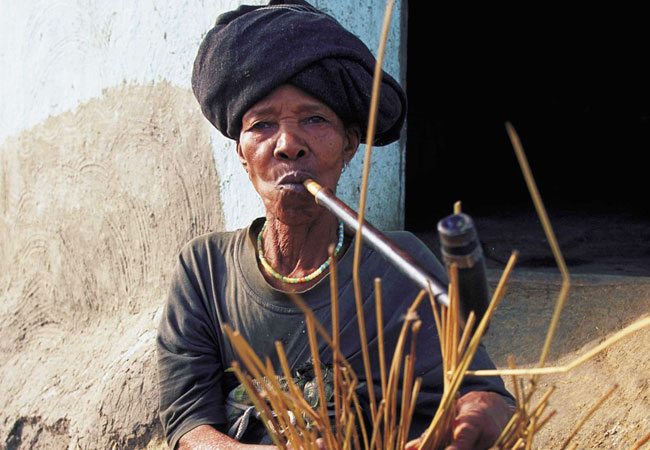
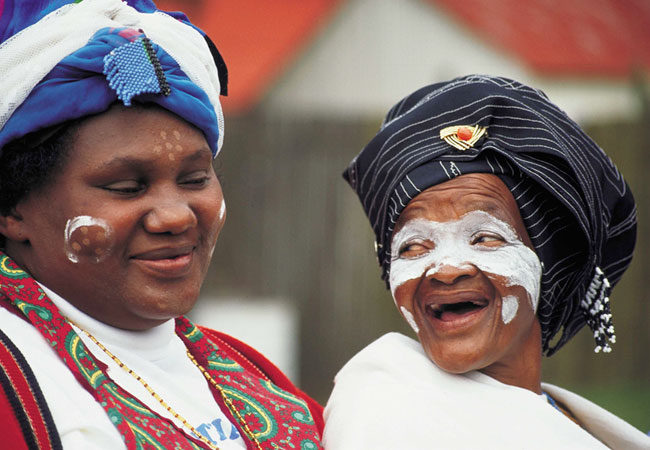

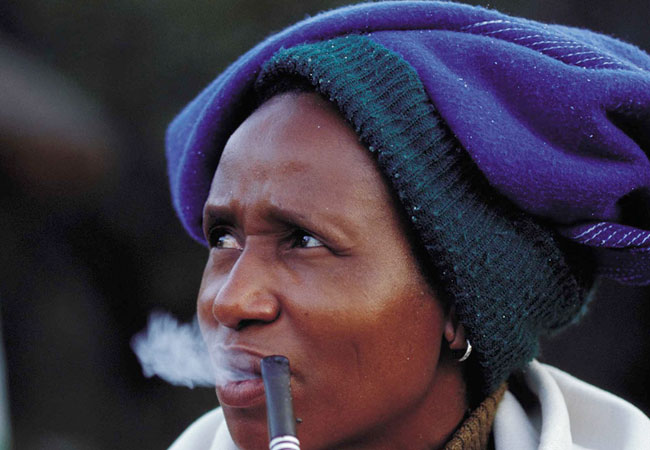
About the Xhosa Language
There are 11 official languages in South Africa, of which Xhosa is one of the most widely spoken. Approximately 16 percent of South Africa's population, or 8.3 million people, cite Xhosa as being their home language. Xhosa is characterised by a number of clicking sounds, which are formed by the tongue. These are represented by the letters c, x and q.
Did you know? There are 11 officially recognised languages, most of which are indigenous to South Africa. English is spoken everywhere you go. English is the language of the cities, of commerce and banking, of government and official documents. All our road signs and official forms are in English and at any Hotel, Bed and Breakfast or Guest House the service staff will speak to you in English.
Those that speak the Xhosa language are usually part of an ethnic group known as the amaXhosa. This language is officially referred to as isiXhosa. The word “Xhosa” is derived from the Khoisan language and means “angry men”. Most of the languages in South Africa that involve tongue-clicking originate from the indigenous Khoisan people, who included plenty of different clicks in their speech and language.
Xhosa falls under the umbrella of the Bantu languages, and is a representative of the south-western Nguni family. As a result, South Africa is known to be the native land of the Xhosa folk. This is especially true of the Eastern Cape, where the language is spoken extensively and taught in the schools. The Zulu people of South Africa have their own name for the Xhosa people, the KwaXhosa. When translated, KwaXhosa simply means “land of Xhosa”.
Visiting Cape Town and the Western Cape and Gauteng, one will also see and hear many Xhosa people. Because Xhosa and Zulu are both classed as Bantu languages, they are quite similar. Therefore, Xhosa and Zulu people frequently understand one another, even if they are each speaking their mother tongue.
Xhosa has been grouped into several dialects. While the actual dialects are still being finalised, the accepted dialect groups are: Xhosa (original), Gcaleka, Bhaca, Ngqika, Thembu, Mpondomise, Mfengu, Mpondo and Bomvana.
Xhosa is an unusual, yet pretty-sounding, language. To many, it is difficult to learn because the consonants are uncommon and also densely populated. The sounds are relatively aggressive (as opposed to soothing and melodic).
They comprise English sounds, 15 clicks, ejectives and an implosive. Learners most frequently battle with the 15 clicks, and these are divided into three groups: 1) The dental clicks - where the tongue presses against the person's teeth. The end result should be “tut-tut”. 2) Alveolar clicks – where the tongue presses against the palate. The end result should be a sound resembling a cork popping out of a bottle. 3) Lateral clicks - where the tongue presses against the side of the mouth. The end result should be the sound one makes when calling a horse.
Learning to speak the language can be very challenging, but also very rewarding.
The next time you decide to travel to South Africa's Eastern Cape, try to ask a local Xhosa-speaking person to teach you a few simple phrases. They are a warm, friendly people that will almost certainly be happy to share some of their rich heritage with you.
Additional Reading
Also See
Cuisine
Xhosa Cuisine
The Xhosa culture is one of the most commonly found in South Africa. The Xhosa people traditionally occupy the south-eastern parts of the country, including Port Elizabeth, East London and the Transkei / Wild Coast. Of interest to visitors to the Cape, ...
Mountain Passes
Kei Cuttings
Between Komka and Butterworth the N2 passes through what is known as the Kei Cuttings, a notorious section of road for its high prevalence of accidents due, in no small part, to high mists and wandering cattle. This section of the ...
Game Reserves / Nature Reserves
Great Fish River Reserve
The spectacularly beautiful Great Fish River Reserve lies in the valley of the Great Fish River, between the town of Grahamstown and Fort Beaufort, extending eastwards all the way to the Kieskama River. It is a malaria-free area of enormous potential ...
Where to find cultural villages
Tips & Information for Tourists
- Travelling to South Africa? We make it easy for you to plan your trip online. We have some useful tips for tourists and then start planning your trip with our introduction to South Africa.
- By Province
- Getting to South Africa
- Getting Around in South Africa
- South Africa's Climate
- Exchange Rates and Currency
- Maps / Atlas
- Malaria Risk Areas
- Wildlife
- Birdlife
- Plant Life
- Languages and Culture
- South African Cuisine
- Top Attractions in South Africa
- Popular Tourist Routes
- Find a Hotel
SA-Venues.com® has been assisting travellers with their South Africa travel plans since 1999, and is the largest, independent online travel guide for South Africa available in both English and German.
SA-Venues.com © 1999-2026. All Rights Reserved. Find and book hotels and accommodation in South Africa. Sitemap