Afrikaans Language

About the Afrikaans Language
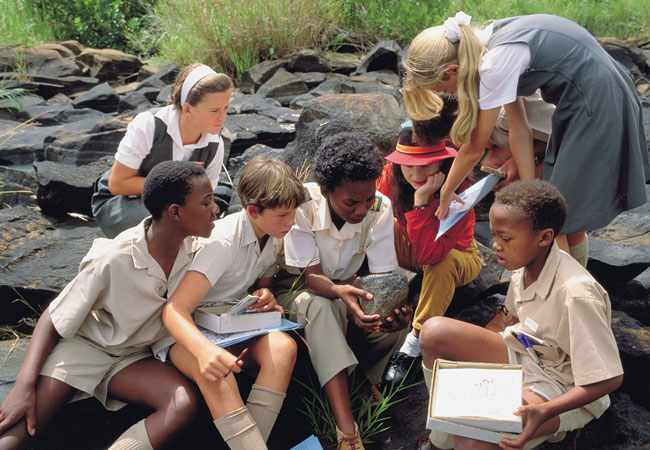
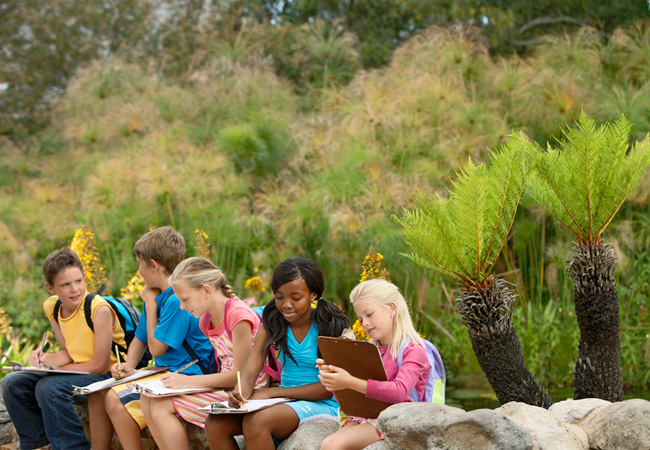
The Afrikaans language is one of South Africa's official languages and a large proportion of the local population uses it as their first or second language. It is still taught in schools. Afrikaans has a fascinating history of its own, and a heritage and culture that are deeply entwined in its character.
Did you know? There are 11 officially recognised languages, most of which are indigenous to South Africa. English is spoken everywhere you go. English is the language of the cities, of commerce and banking, of government and official documents. All our road signs and official forms are in English and at any Hotel, Bed and Breakfast or Guest House the service staff will speak to you in English.
The language is also widely spoken in Namibia and, to a lesser degree, in Zimbabwe, Botswana and other surrounding countries. Some believe that Afrikaans is a dying language, however, it remains spoken all over the country and respected for its origins.
“Afrikaans” is a Dutch word that means “African”. Afrikaans was formed as a language in Cape Town, thanks mainly to the French and Dutch settlers of centuries ago. Today, the Mother City is still home to a smorgasbord of nationalities. Historically, the main nationalities that contributed to South African society were Indonesians, Madagascans, Khoi, the Dutch settlers and West Africans.
Afrikaans is heavily based on the Dutch language. Today, the original dialect is still referred to as Kitchen Dutch, Cape Dutch or African Dutch. It was only in the late 19th century that Afrikaans was actually recognised as a separate language to Dutch. In 1961, Afrikaans became one of the official languages of the country, along with English.
Dutch and Afrikaans are differentiated by their grammar and the vocabulary. Afrikaans is considered to be a language containing “regular” grammar. This is ascribed to certain influences by Dutch-creole languages. A huge proportion of vocabulary shows evidence of its South-Hollandic Dutch origins. The Afrikaans language contains influences and roots from English, Khoi, Xhosa, Asian Malay, Malagasy, San, Portuguese and French; although many of these words do sound extremely different.
The dialect in the north-east was a form of Afrikaans and the written standard was developed from this. Afrikaans is spoken as a first language by 60% of white South Africans and by about 90% of the local coloured folk. Many South African races use Afrikaans as their second or third language.
Afrikaans has been labelled by critics as being an "ugly language" for its guttural quality. This has not prevented it from gaining popularity in many other countries, though. Universities in Belgium, the Netherlands, Germany, Austria, Russia and Poland are also teaching Afrikaans.
In 1975, Afrikaans-Language Monument was built near the town of Paarl in the Western Cape Province. The structure was extremely impressive and was created to commemorate and honour the Afrikaans language.
Additional Reading
You might also be interested inAlso See

Cuisine
Afrikaans Cuisine
Afrikaans Cuisine of South Africa : The Afrikaans culture in South Africa is an extremely diverse one, with plenty of influences (cultural, religious and culinary) from all over the world. This culture is unique to South Africa, and is the result of ...
National Monuments
Afrikaanse Taal Monument
Known simply as the Taal monument or Afrikaans language monument, the most famous Afrikaans icon, die Afrikaanse Taalmonument, sits on Paarl rock, erected in 1975 to commemorate the semi centenary of Afrikaans as an official language, separate from ...
Museums
Afrikaanse Taalmuseum (Language Museum)
The Afrikaanse Taalmuseum (language museum) in Paarl, set on the banks of the Berg River, and roughly 50 kilometres north east of Cape Town, is at once associated with the Afrikaanse Taalmuseum, and a dedication to the Afrikaans language. The Afrikaans ...
Where to find cultural villages
Tips & Information for Tourists
- Travelling to South Africa? We make it easy for you to plan your trip online. We have some useful tips for tourists and then start planning your trip with our introduction to South Africa.
- By Province
- Getting to South Africa
- Getting Around in South Africa
- South Africa's Climate
- Exchange Rates and Currency
- Maps / Atlas
- Malaria Risk Areas
- Wildlife
- Birdlife
- Plant Life
- Languages and Culture
- South African Cuisine
- Top Attractions in South Africa
- Popular Tourist Routes
- Find a Hotel
SA-Venues.com® has been assisting travellers with their South Africa travel plans since 1999, and is the largest, independent online travel guide for South Africa available in both English and German.
SA-Venues.com © 1999-2026. All Rights Reserved. Find and book hotels and accommodation in South Africa. Sitemap