

About Klipriviersberg Nature Reserve
Klipriviersberg Nature Reserve is steeped in history and an abundance of fauna and flora. The reserve is home to 650 species of indigenous plants and trees, while zebra, red hartebeest, porcupines, black wildebeest, otters, blesbok, springbok, duiker and 170 bird species.
Did you know? Guided walks are hosted on the second and fourth Sundays of the month, ranging from 5.8km to 9km in length.
There are several destinations to which Jo'burgers can travel to get away for a weekend retreat. But there are fewer available to explore for a morning's weekend walk, or an afternoon biology lesson with the kids. Imagine if with only a 15km drive from Sandton, that you could land in the heart of a 680 hectare nature reserve? Well you can at the Klipriviersberg Nature Reserve, (Klipriviersberg Conservancy) dubbed “the jewel of the south”. And what's more, entry is free.
The main access route seems to be the N1, with entrances on Impala Drive, Peggy Vera Road and Frandaph Drive in the suburb of Kibler Park. The reserve is open daily and guided walks are hosted on the second and fourth Sundays of the month, ranging from 5.8km to 9km in length. Additional birding and floral walks appear on Saturdays on their calendar of activities, so be sure to check those out.
The history of the area is well detailed on the website of the Klipriviersberg Nature Reserve Association, an 800 member strong interest group, which works closely with Johannesburg City Parks in managing the reserve. Stone age artefacts from 250 000 years ago, suggest that stone age people hunted in the area but did not settle until the iron age, where evidence of settlements from about the year 1500 is apparent.
A large pastoral Tswana community of some 19 settlements was established on the koppies and is evidenced by remnants of the original stone walls, which surrounded their kraals, and reached some 1.5m in height. The inner walls protected their cattle and sheep and sorghum appears to have been the crop of choice.
This Tswana community was eradicated by King Mzilikazi during the early 1800s and the Voortrekkers appear to have been the next inhabitants, with Sarel Marais building a fruit farm in 1850 towards the south of the reserve. The original farmstead was destroyed by fire and the ruins, together with the family cemetery some 500m away, can still be seen.
The Vierfontein dam lies at the northern end of the reserve at the Mondeor gate and was originally intended to supply the whole of Johannesburg with water in the late 1880s. Large stacked quartzite blocks are still visible, which were quarried in Mondeor. Construction was halted, however, with the onset of the Anglo Boer war and the new government concluded that further excavation was uneconomical, and the Vaal river was selected as an alternate water source.
Whether you visit the Klipriviersberg reserve to observe the evidence of its rich history, or for the archaeological sites, abundance of fauna and flora, or join a guided walk, it is certain that you will be well rewarded for your trouble.
Need to Know
WherePeggy Vera Road, Kibler Park, Johannesburg, Gauteng
WhenOpen daily from 07h00 to 18h00.
Telephone+27 (0)11 943-1312
OvernightStay in Kibler Park Accommodation, Gauteng
Disclaimer
Please note, business details can change. While we endeavour to ensure all information provided by the service provider is correct at the time of publication, we do not assume any liability caused by errors or changes, such as price, cost, time, and location. Please check with the provider that the activity/business is still offered as described, before making any travel plans.
Feedback?
If this is your reserve, you can let us know if anything on this page is outdated or contains inaccuracies, by email. We regret, we do not have any other information, please contact the provider if you have questions.
Additional Reading
You might also be interested inGame & Nature Reserves in Gauteng
In the vicinity
Hotels & other accommodation options in Johannesburg
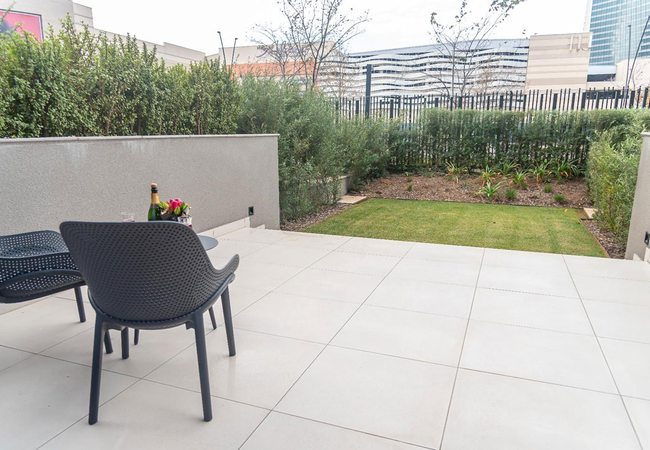
Ellipse Waterfall 2008
Ellipse Waterfall 2008 is an executive studio apartment located in Ellipse Waterfall complex, adjacent to the renowned Mall of Africa. It is a lo...
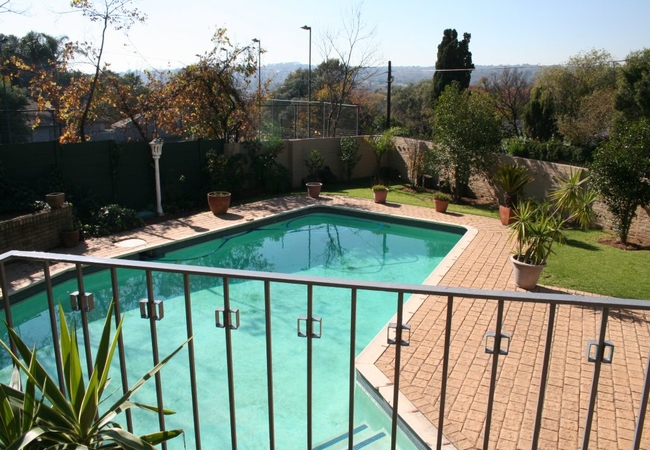
Sunflower Villa One
Sunflower Villa 1 is a semi-detached Villa which has old world charm with polished parquet flooring throughout. Top schools, universities and res...
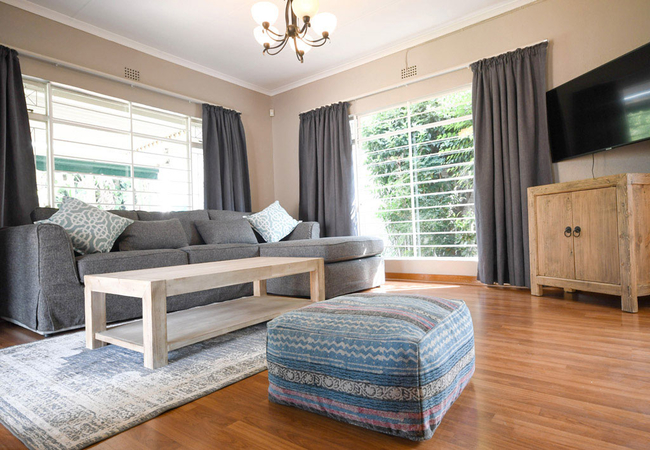
Plantation House
Plantation House is a modern and airy three bedroom home on a secure property in trendy Linden. From here you are within safe walking distance of...
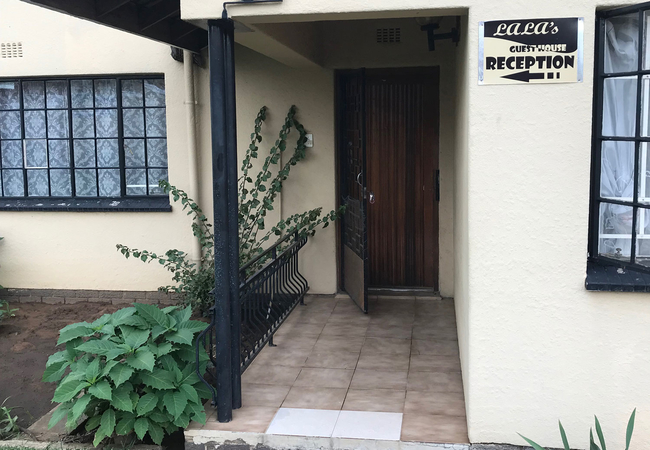
Lalas Guesthouse
Lalas Guesthouse is located in Southdale, Johannesburg and offers accommodation for a total of eighteen guests. The nearest airport is O.R. Tambo...
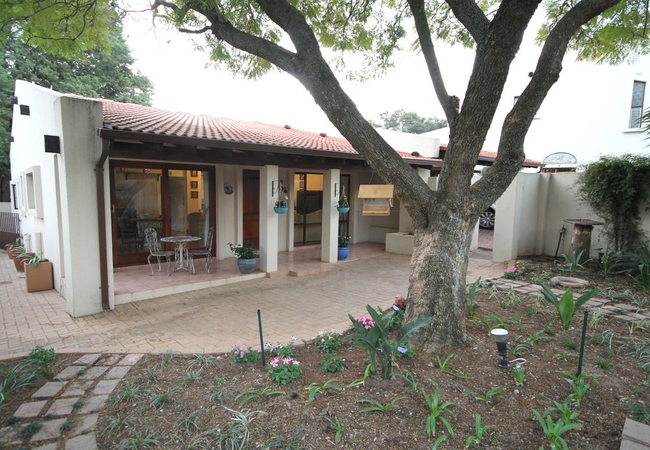
Wilde Cottage on Elder
Wilde Cottage on Elder is located in a quiet area of Bryanston in Johannesburg and offers accommodation for five guests. The property is within w...
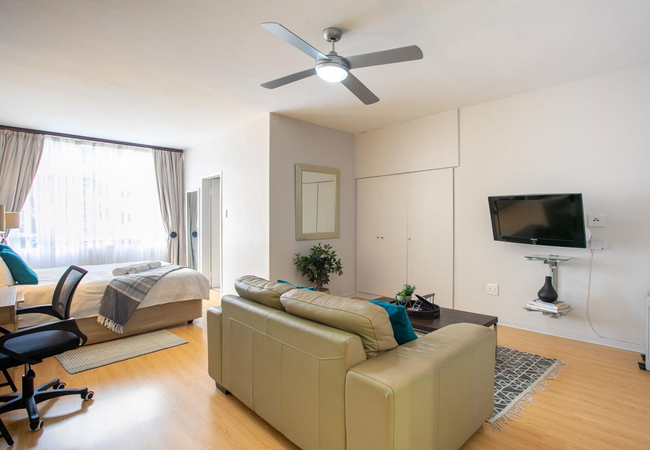
Illovo Mews 220
Illovo Mews 220 is a studio apartment offering self catering accommodation in Illovo. The apartment is perfect for a couple or a corporate travel...
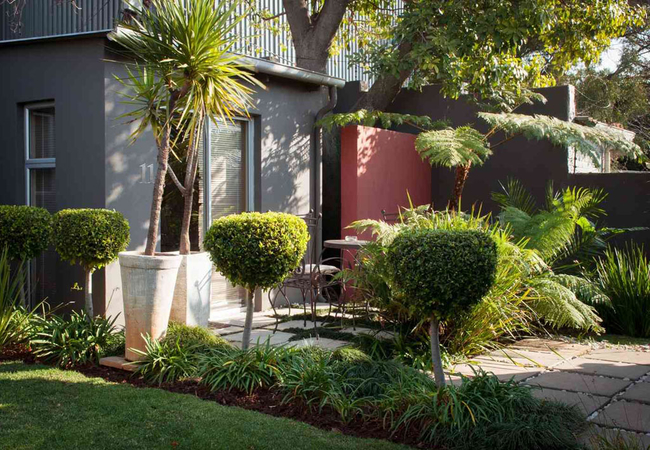
Saffron Guesthouse
Saffron Guest House is centrally located in the heart of trendy Melville and offers accommodation in luxurious suites and double rooms, all en-su...
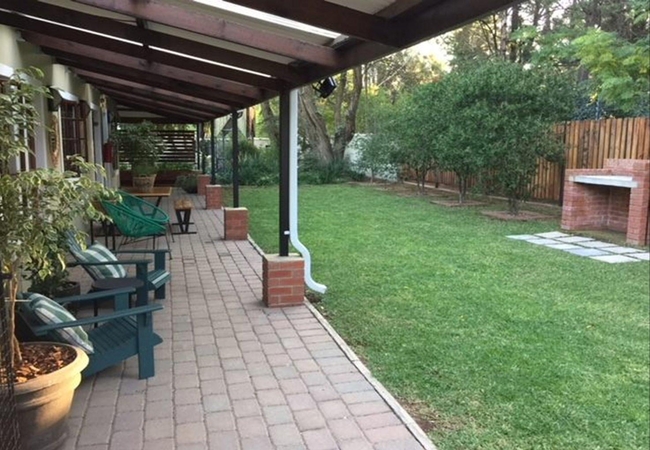
Filmerton Lodge
Filmerton Guest Lodge is located in the tranquil equestrian suburb of Kyalami Agricultural Holdings in Midrand, Johannesburg and offers quality a...
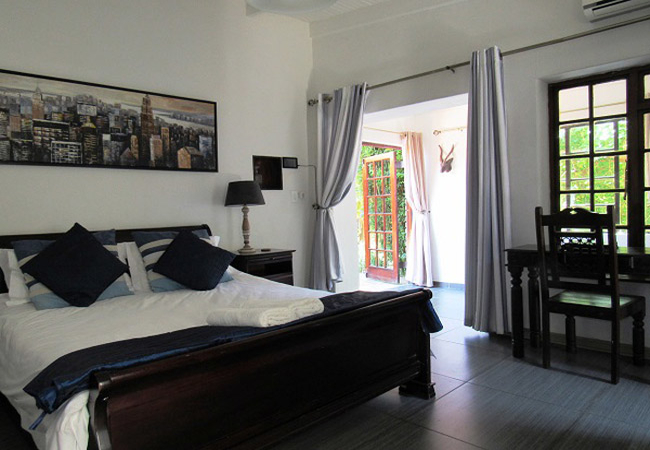
House on York Guesthouse
House on York offers accommodation in elegant, well-designed en-suite rooms, individually decorated with style and comfort in mind. Heated pool, ...
Things to do in the area
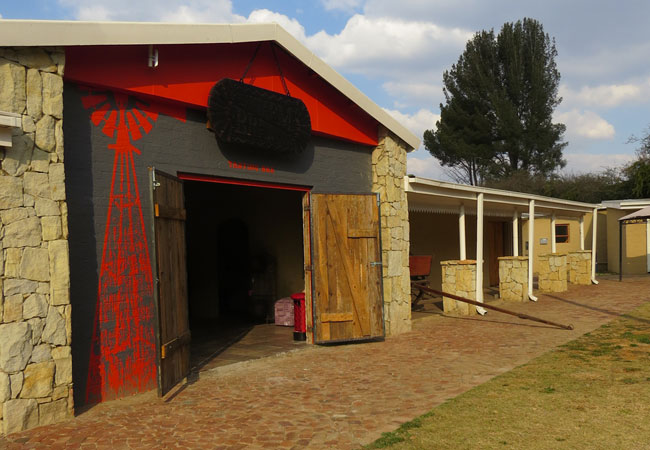
The Art Farm Craft Yard Market
The Art Farm in Eikenhoff is the proud home of the Craft Yard Market, where families enjoy coming together to enjoy gorgeous goodies, delicious f...

ArtMatters Paint in the Park
ArtMatters in Johannesburg hosts a relaxing and fun weekly paint in the park initiative with the aim of making art more accessible to the public....
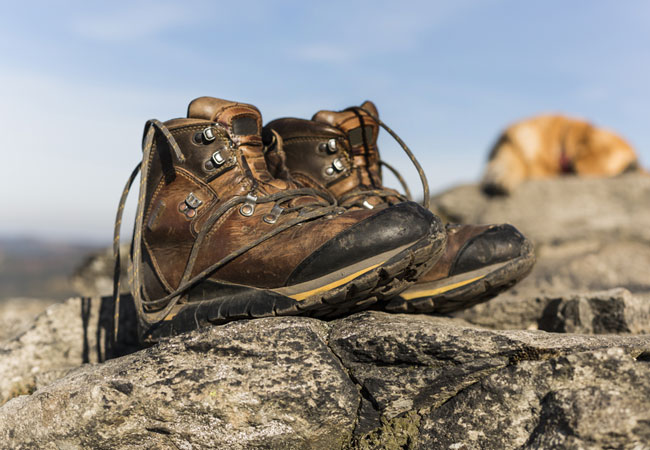
Klipriviersberg Hikes
Start: Frandaph Drive, off Columbine Avenue, MondeorFinish: back where you startedDuration: over 20 km worth of well-marked hiking trailsFitness:...
Noteworthy attractions

Crown Mines Golf Club
South Africa is famous for its gold, and Crown Mines Golf Club is built in genuine mining country, just a few kilometres southeast of central Joh...
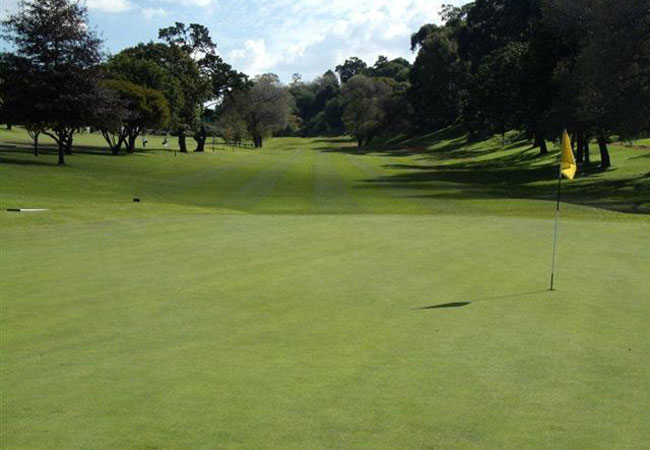
Observatory Golf Club
Observatory Golf Course is one of the less well known Johannesburg courses, but just as good as many of its more famous neighbors. A sophisticate...
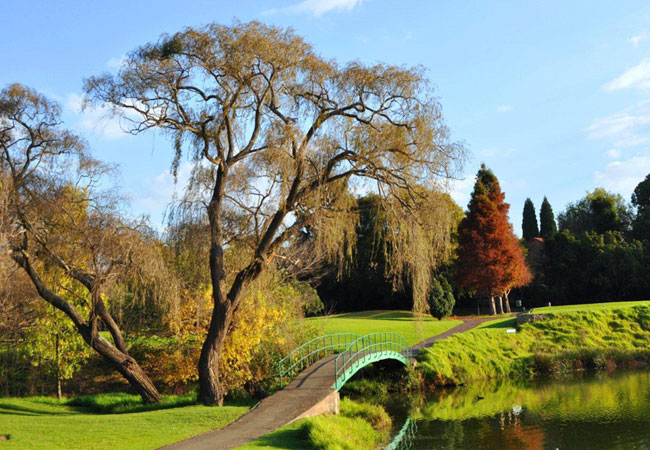
Randpark Golf Club
With two very distinct but different golf courses, Randpark offers golfers of varying ability an unforgettable experience on two of the finest an...

Royal Johannesburg Golf Club
The World Atlas of Golf, which lists the great courses and how they are played, features just two South African clubs on its hallowed pages. One ...
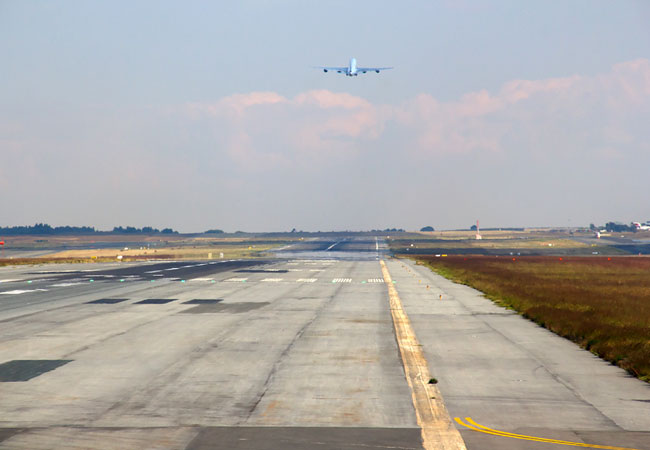
OR Tambo International Airport
Formerly officially known as Johannesburg International Airport, the OR Tambo International Airport is a large airport near the city of Johannesb...
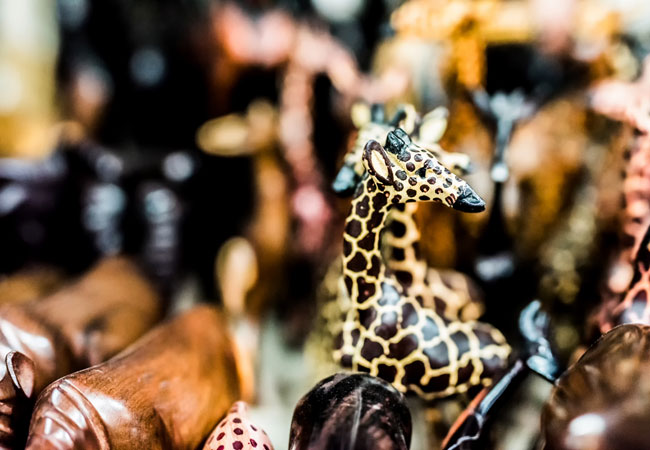
East Rand Flea Market
Just outside Johannesburg in Boksburg, the East Rand Flea Market lies right next to the East Rand Mall, and as a result, is open just about all w...
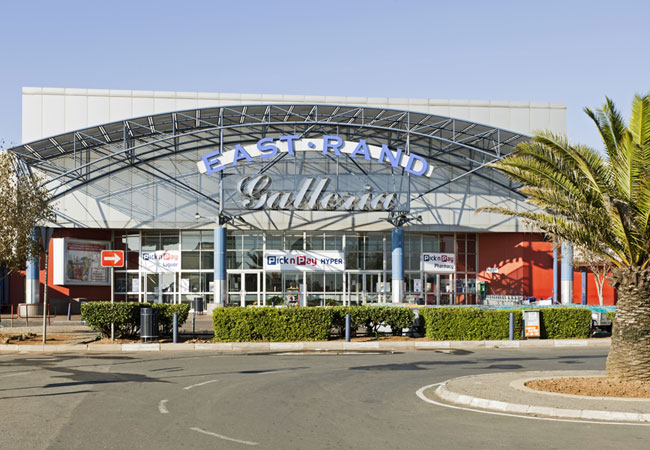
East Rand Mall
The popular East Rand Mall takes full advantage of the prime position of this area and offers a variety of restaurants, boutiques, chain stores a...

Absa Money Museum
Home to the largest collection of money used in South Africa's past in the world, Absa Money Museum lies in downtown Johannesburg on Troye Street...
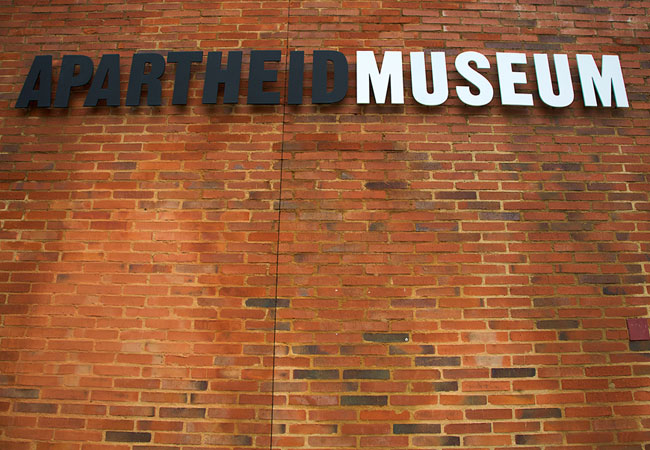
Apartheid Museum
The Apartheid Museum is the story of the triumph of the human spirit over adversity. Beginning in 1948, the white elected National Party governme...
Accommodation near Klipriviersberg Nature Reserve
FIND / South Africa Accommodation / Gauteng Accommodation / Johannesburg Accommodation / Kibler Park Accommodation