About Constitution Hill
Constitution Hill tells the fascinating, often tragic, story of the real South African history; a history in which injustices abounded on social, cultural and political levels. However, this is also a story of victory, as South Africa won back its freedom and now protects the rights and dignity of each citizen. The journey to this state of freedom is explored at Constitution Hill, and comes alive through the many tours and exhibitions on offer.
Did you know? The Apartheid Museum is as interesting, and as good, as the guide books say it is. There is no better way to explain the city and the country's history. And it is the ‘missing link' to much of the Johannesburg experience.
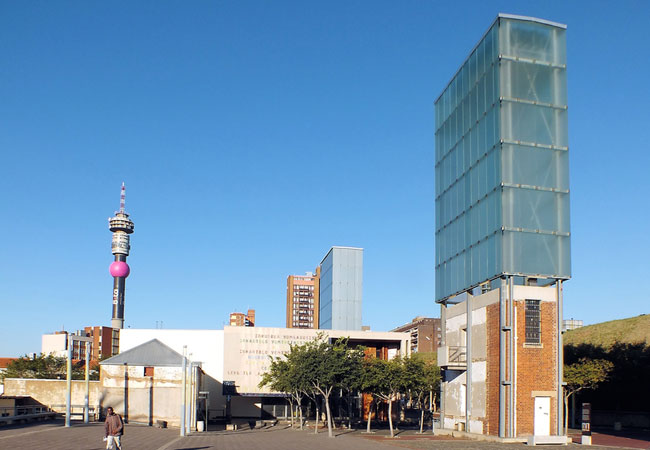
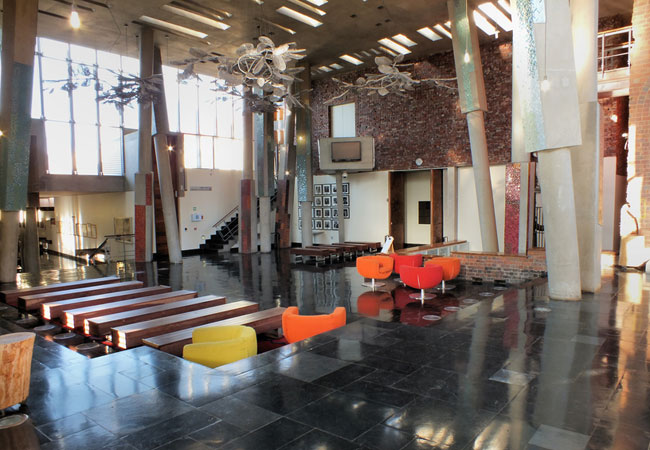
Johannesburg is the urban epicentre of Gauteng, and has played a major role in the history and heritage of South Africa. It is the home of the Constitutional Court, which was built on the site of the Old Fort Prison Complex, Number Four. The court remains one of the city's most significant historical landmarks. In addition, it showcases a fascinating architecture that sets it apart, making in an apt symbol of democracy.
Number Four used to be the place that prisoners (whether political or otherwise) were kept, and was known for its macabre ambience, based on the often unfair convictions and sentences of these ones. Today, the beautiful Constitutional Court stands proudly on these grounds, signifying the freedom that South Africa eventually earned through much fighting, heartache, and the positive initiative of loyal freedom-fighters.
South Africans and international visitors alike are invited to visit the Constitutional Court and be a part of the fascinating history and the artwork that is not only aesthetically stunning but also speaks volumes about the struggle. The public gallery allows visitors to watch the 11 justices hard at work while the human rights library reveals some intriguing cases and political events. This is, in fact, the largest human rights library in the Southern Hemisphere.
When the court justices needed a permanent location for the new Constitutional Court in 1995, the Prison Complex, which had become rundown and neglected, offered exactly the right look and feel. It was centrally situated and boasted a rich cultural history. In fact, during the apartheid regime, 2 000 black South Africans were going through this complex on a daily basis, many times for fighting against the injustices and racial inequalities of the political system. These men included historical icons like Nelson Mandela, Mahatma Gandhi, Robert Sobukwe and Albert Luthuli, who spent countless hours and cold nights in the squalid conditions of the Number Four prison cells.
In 1983, the prison was shut down, but it remained standing as a painful reminder of the terrible past. However, this has now been transformed into a vibrant, attractive museum that is dedicated to celebrating the resilience of the human spirit and the return to a free and fair South Africa.
The prisoners of Number Four were forced to endure painful and humiliating processes. They were deloused, made to do a humiliating dance known as the Tauza, beaten, abused, and held for extended periods of time in dirty, overcrowded cells while awaiting trial. Female prisoners were also often stripped of their clothes, humiliating them.
Prisoners included insubordinate British soldiers who had fought with the Boers, mineworkers that were incarcerated for striking, defiance campaigners, those on trial for treason, and youngsters that had been caught up in the Soweto Uprising. However, they also included the men and women that were arrested on a daily basis for not adhering to the inhumane Pass Laws.
Those visiting Constitution Hill will see how the past pain and injustices can be used to build a nation of strength, optimism and hope.
Constitution Hill has a public participation programme called We the People, which invites ex-prisoners and wardens of the prison back to participate in important research-based workshops. This is a lengthy initiative, but goes a long way in restoring dignity and debriefing these ones to some extent. These workshops use the images, voices, stories and sounds of prison life to expose the real-life experiences of individuals that were once part of it. These form the basis of many of the tours and exhibitions.
Photographs, memories and other objects are shared to prove the strength of the human mind and body; their resilience against the misuse of power and the effects of abuse.
The exhibitions at Constitution Hill are participatory experiences that draw the viewer in and involve them in a personal way. There are even places to record your own memories and your feelings about the exhibitions to ensure that this is not only about the past, but also an important record of the present and future.
Exhibitions and Tours
Number Four - explore the prison and get a glimpse into the unfair, often inhumane, treatment of people based on their colour and their political affiliation.
The Mandela Cell - this includes a short film about former president, Nelson Mandela's time at the Old Fort, as well as of his return to Constitution Hill some four decades later, which is rather stirring. This is a touching testimony of a man's ability to inspire change, and to influence an entire society.
The Women's Jail - although this beautiful Victorian-style building is currently under renovation, the hoarding around it currently acts as an exhibition honouring the efforts and victories of some of the influential women that shaped the country's future, despite pain and opposition of the worst kind.
We the People Wall - leave your message on this wall for other visitors to see. The wall extends for the entire length of Constitution Square, and other important contributors include Nelson Mandela.
We the People - this is a photographic exhibition that tells the story of the first We the People road trip that visited rural communities all over South Africa in 2003.
Objects from the Past - an exhibition that showcases prison objects and emblems that have been preserved as testimony to the system of incarceration in apartheid South Africa.
Need to Know
WhereConstitutional Court, 1 Kotze Street, Braamfontein, Johannesburg, Gauteng, South Africa
WhenBest during daylight hours
Telephone+27 (0)11 381-3100
OvernightStay in Johannesburg Accommodation, Gauteng
Disclaimer
Please note, business details can change. While we endeavour to ensure all information provided by the service provider is correct at the time of publication, we do not assume any liability caused by errors or changes, such as price, cost, time, and location. Please check with the provider that the activity/business is still offered as described, before making any travel plans.
Feedback?
If this is your attraction, you can let us know if anything on this page is outdated or contains inaccuracies, by email. We regret, we do not have any other information, please contact the provider if you have questions.
Additional Reading
You might also be interested inNelson Mandela
Fascinated with Past President Nelson Rolihlahla Mandela? Nelson Mandela is one of the world's most remarkable leaders. Find out more about his past and his impact on South Africa's present and future, and follow in his footsteps with our curated Mandela Route of South Africa.
A Tribute to Nelson Mandela
The Mandela Route
In the vicinity
Hotels & other accommodation options in Johannesburg
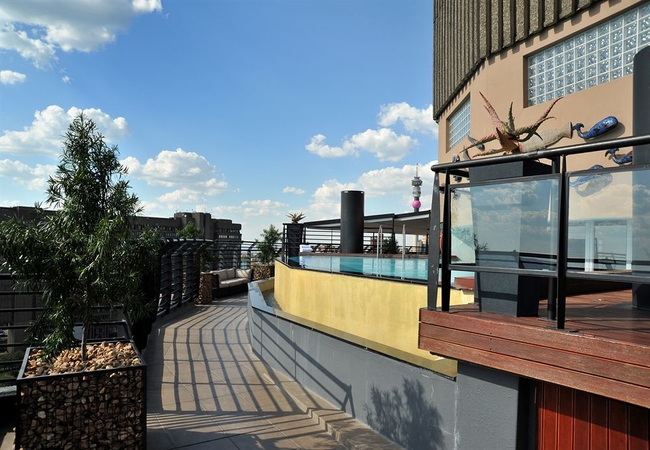
The Parktonian All Suite Hotel
The ANEW Hotel Parktonian offers a wide variety of services to ensure a successful and memorable stay, be it for business or leisure. The hotel ...
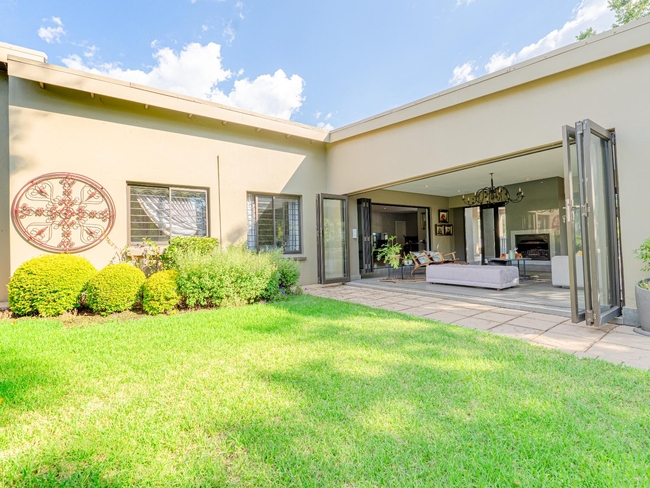
4 on Juweel
4 on Juweel is a stylish self-catering holiday home located in the heart of Randburg, offering a modern and comfortable retreat in Johannesburg. ...
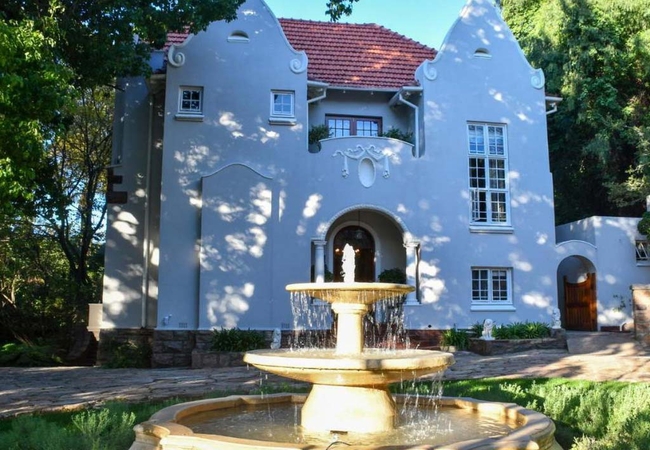
The Great Gatsby
The Great Gatsby in Houghton is conveniently close to Killarney and Rosebank and close to top private schools in the area. It offers a selection ...
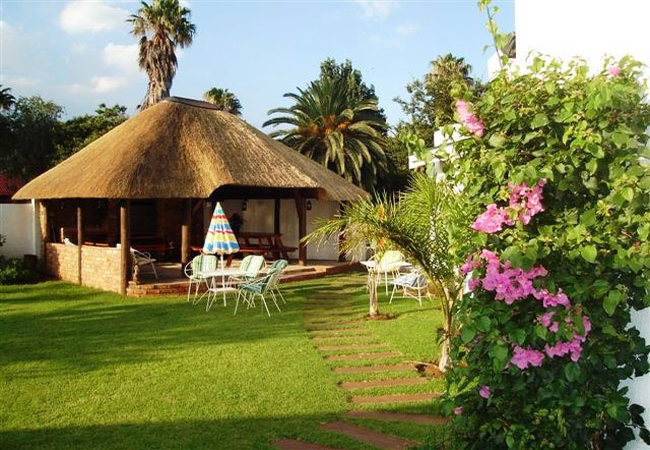
Sunward Guest House
Sunward Guest House in Boksburg and is conveniently located close to restaurants, shops and golf courses. Accommodation is offered in three twin ...
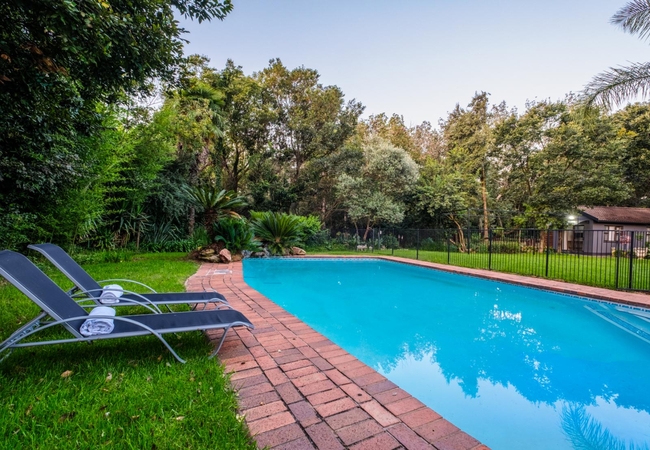
Hurlingham House Guest House
Hurlingham House Guest House offers a tranquil retreat at the end of a busy day. Set in the quiet suburb of Hurlingham, in a beautifully treed ga...
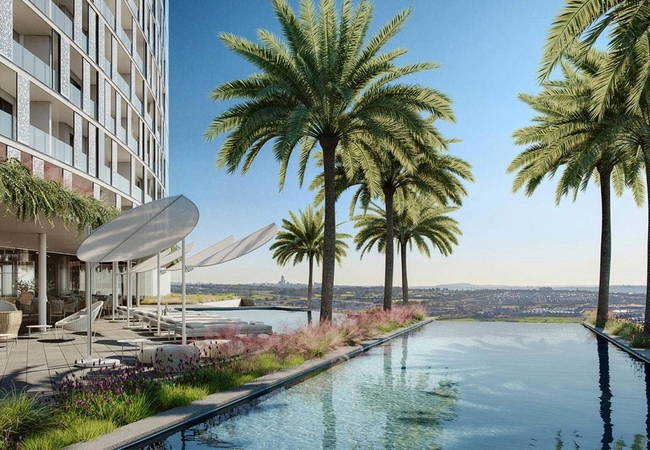
Ellipse Waterfall
Ellipse is located in Waterfall City, and offers Midrand accommodation with a multitude of onsite facilities. The accommodation is located right ...
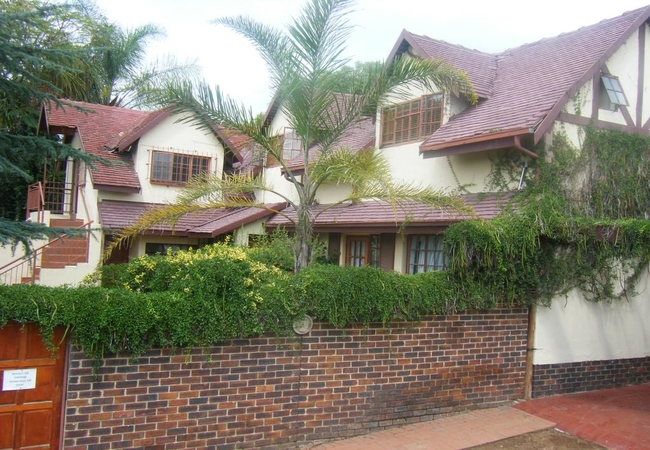
Tudor Lodge
Located 8km from the Sandton CBD, Tudor Lodge offers affordable bed and breakfast accommodation in a number of functional rooms that vary in size...
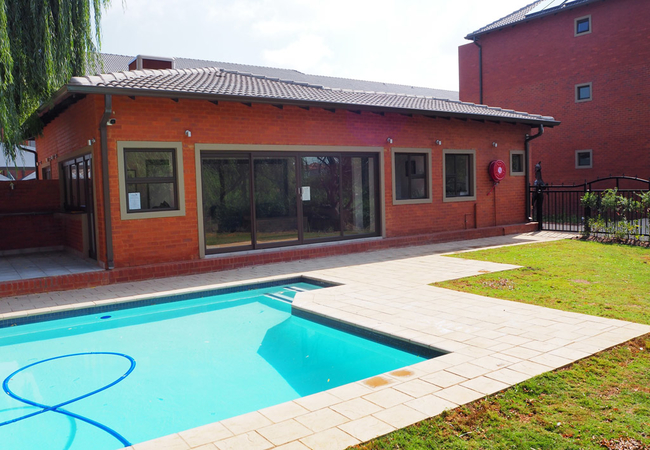
The Willows Apartments
Set amongst a natural wetland where bird life abounds, The Willows @ OR Tambo offers accommodation in a collection of superbly appointed, one or ...
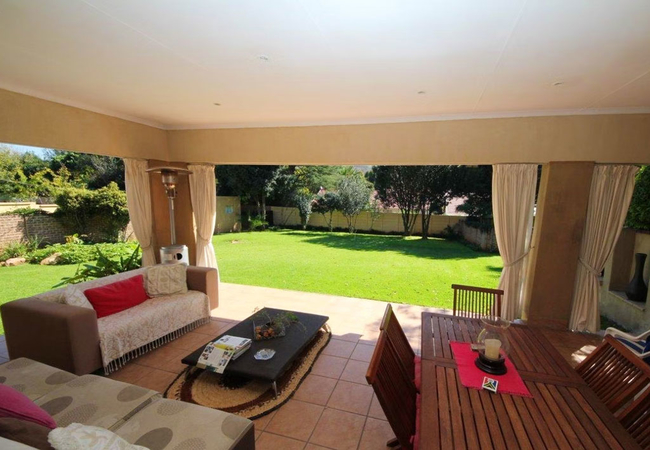
The Munday
The Munday is perfectly situated in the tranquil up market residential suburb of Bedfordview, Johannesburg. Accommodation is offered in four apar...
Things to do in the area
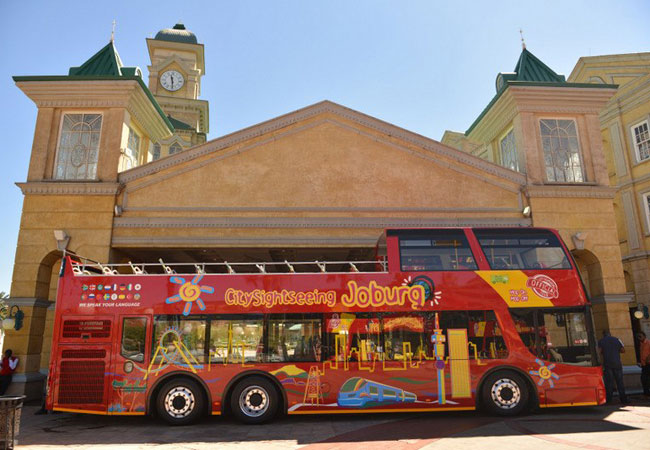
City Sightseeing Joburg & Soweto
City Sightseeing Joburg and Soweto is a fun and fascinating Red City Tour and Soweto Combo Tour in red double-decker buses along an awe-inspiring...
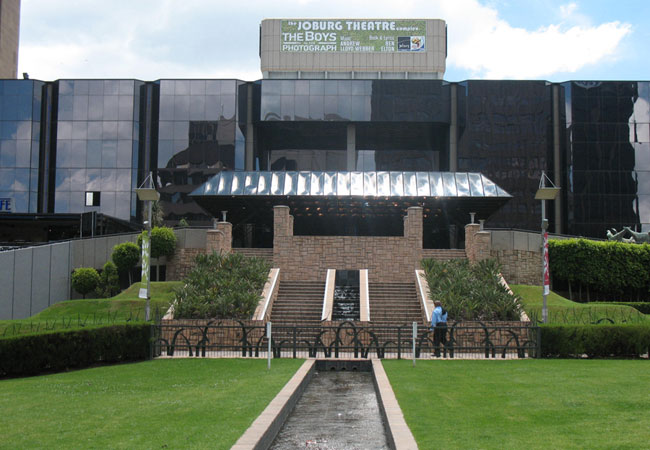
Joburg Theatre
The Joburg Theatre is Africa's premiere home of live entertainment, presenting world-class international and home-grown theatre. With three theat...
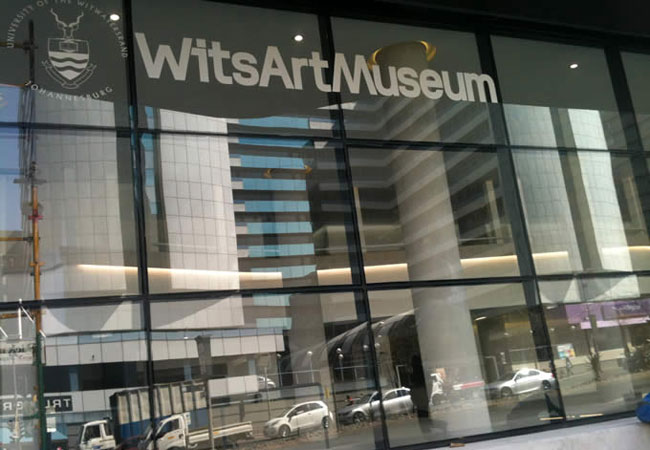
Wits Art Museum
A visit to the Wits Art Museum gives you the opportunity to explore and celebrate Africa's unique heritage and discover a treasure trove of Afric...
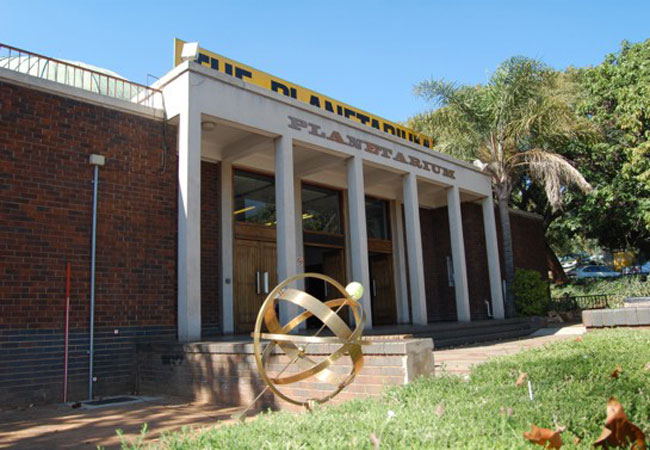
Johannesburg Planetarium
While a stay in Johannesburg might largely be about shopping and entertainment, those that travel to South Africa often remark on the spectacular...
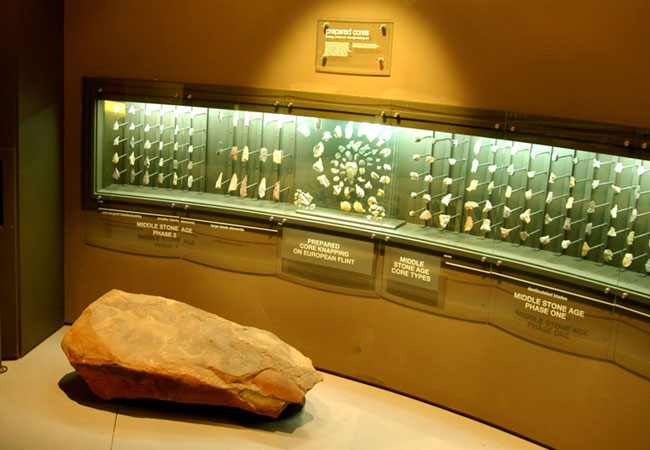
Visit the Origins Centre
Explore your origins at The Origins Centre at Wits. The newest heritage resource in South Africa, this is one of the finest learning centres and...

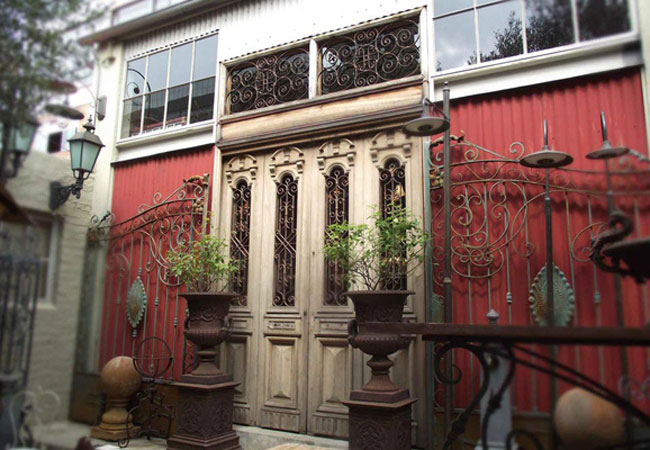
44 Stanley
This is a breath of fresh air when it comes to shopping. No artificial lighting and busy shopping malls at the 44 Stanely Avenue Precinct in Joha...

Braamfontein Spruit Hiking Trail
The Braamfontein Spruit Trail is suitable for children, so you won't need to find a baby sitter while you're out on the trail. 9km in length this...
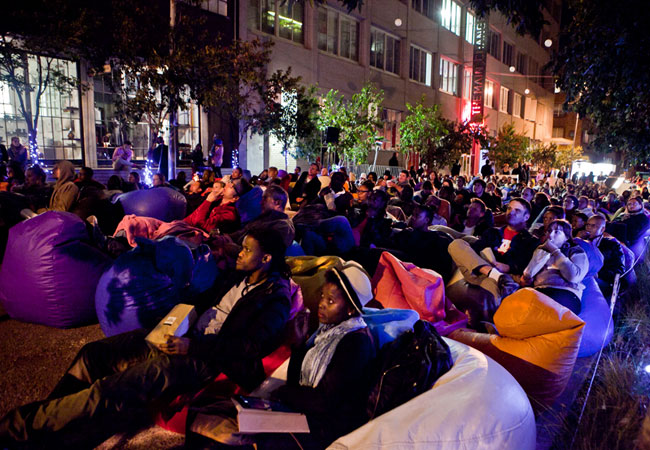
The Bioscope
Independent cinema is given a new face in the form of The Bioscope. It is aptly positioned in the heart of the City of Gold, Johannesburg, where ...
Accommodation convenient to Constitution Hill
FIND / South Africa Accommodation / Gauteng Accommodation / Johannesburg Accommodation