Cape Wine Routes

Cape Wine Routes | The Wine Routes of the Western Cape Cape Winelands well known and newer Cape wine routes South Africa

Cape Wine Routes

Wine Routes of the Cape, South Africa

SOUTH AFRICA SEARCH BY MAP REGIONS HOTELS ACCOMMODATION TOURS TRANSPORT WEDDINGS CONFERENCES INFO

western cape  garden route  eastern cape  kwazulu natal  mpumalanga  gauteng  limpopo  north west  free state  northern cape  |  namibia  |  botswana

Western Cape Attractions & Destinations >

CAPE WINE ROUTES

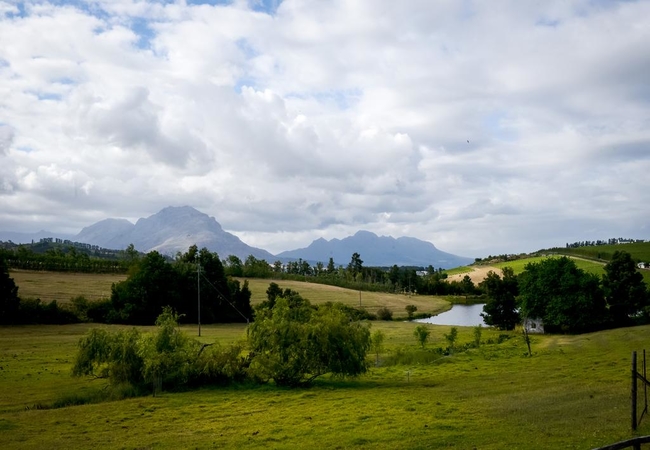
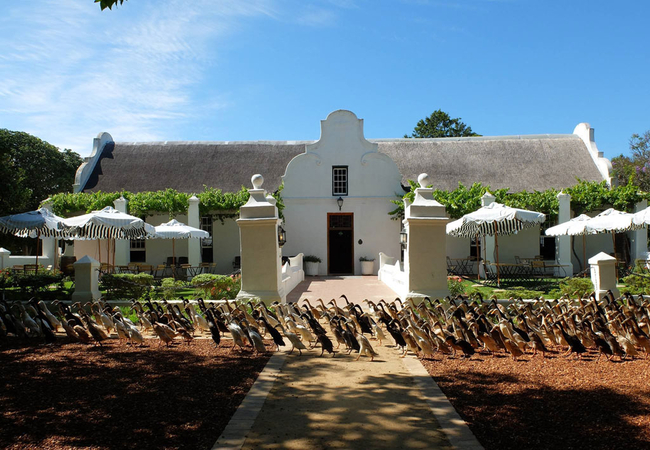
Cape Wine Routes: When one reflects on the splendours of the Cape - lush green valleys, rugged mountains, azure seas and sky - then the Cape’s winelands are usually top of the list. Visitors pour into the Cape to experience our viticulture, restored Cape Dutch farmsteads with their distinctive gables and thatched roofs, and the mountains that form the dramatic backdrop to all of this. The Cape winelands are some of the most scenic in the world and wine tourism is one of South Africa’s fastest growing industries. South Africa also has the largest number of Fairtrade certified wineries in the world and the biggest single Fairtrade accredited project worldwide was recently launched at Du Toitskloof Cellar in Rawsonville in the Western Cape.

Traditionally, when referring to the Cape Winelands, one called to mind the cellars around Stellenbosch, Paarl, Wellington and Franschhoek. However, South African wine has undergone a whole new momentum. An emerging ethos has taken the local wine industry into the global arena. South African wine has come of age and is now competing on the world wine stage. A whole new generation of winemakers has appeared and there has been a shift from grape farming to wine growing.

One would thus be remiss if one did not include the many wine routes of the Cape, some of which are an easy drive from Cape Town, such as the Constantia, Durbanville, Darling and Walker Bay winelands. Most of South Africa’s vineyards are found in the Western Cape near the coast. The weather is perfect for growing grapes - rainfall measures up to 40 inches a year, the mild Mediterranean weather provides the perfect climate and the ground is mainly sandy and rough.

The Cape’s winelands stretch from the coast to the plains of the Little Karoo, where grapes are also grown in the riverine valleys. There are currently some 560 wineries and 4 400 primary producers of vineyards in the Cape, divided by the Wine of Origin Scheme into 4 main regions:
WINELANDS REGIONS:
Breede River Valley Little Karoo
Coastal Olifants River
POPULAR WINE ROUTES:
Breedekloof Paarl
Cape Agulhas (Elim) Robertson
Cape Point Stellenbosch Routes:
Constantia Valley   • Bottlelary Hills
Darling   • Devon Valley
Durbaville   • Helderberg
Elgin (Overberg)   • Simonsberg
Franschhoek Swartland
Helderberg Tulbagh
Little Karoo Walker Bay
Olifants River Wellington
Orange River Worcester
Western Cape Attractions & Destinations >
Wine Routes of the Cape
The youngest wine route in South Africa and just 90 km outside of Cape Town, the Breedekloof wine route lies in the Breede River Valley, which stretches from Gouda in the west, McGregor in the south, Montagu in the east and the Tankwa-Karoo National Park in the north. Wine in this region was initially produced by co-operative cellars that focused primarily on producing sweet wines in bulk. Today individual wine growers create award winning red, dry white and sweet wine varieties and there are some 23 cellars to visit and scenery to take your breath away.

Route 62, which markets itself as the longest wine route in the world, includes the Breedekloof on its wine routes.
Most of the vineyards of this, the southern most point of Africa, are found in the little village of Elim. The pretty village is a national monument in its entirety and lies on a peninsular washed by two oceans - the Indian and Atlantic. Elim is something of a phenomenon as its unique *‘terroir’ has caused much excitement in the wine community worldwide. The cool and strong winds that prevail - south westerly and south easterly - have the effect of providing a very cool ripening season, perfect for Sauvignon Blanc and promising for Semillon and Shiraz. But more than that, this aspect, together with other climatic factors, results in the vineyards here developing unique explosive flavours that have not been tasted before, even by seasoned connoisseurs. The farms here have as their slogan - ‘Real wine, Real people’ and this encapsulates the atmosphere and flavoursome wines in this little hamlet.

*(terroir refers to the natural features of an area of land - such as climate, soil, geology - that combine to create a unique set of conditions influencing the characteristics of a wine produced in this area). More info about » Cape Agulhas
It was only in 1998 that the new Cape Point Wine District was declared and the Cape Point Vineyards are still relatively new on the tourist itinerary. They were established in 1996 with the first vines on the Noordhoek wine estate, overlooking Noordhoek beach and the first Sauvignon Blanc vines were planted in 1997. The influence of the cooler breezes off the Atlantic and warmer winds from False Bay, allow the grapes to ripen slowly, producing premium quality wines. These young vines have already received awards both at home and overseas.

At the moment there are 30 hectares under vine on the Noordhoek and Scarborough sites with Sauvignon Blanc and Semillon as their main focus although a recent planting at Red Hill, bordering the Cape Point Nature Reserve, means that the first red wine vineyards have joined the stable. These promising vineyards, some of them a mere kilometre from the sea, are situated on the western edges of the Cape Peninsula. This cool-climate district is recognised for its Sauvignon Blanc and Semillon. Now the first red wine vineyards, planted at Red Hill bordering the Cape Point Nature Reserve, have come on stream. More info about » Cape Point
One of the very few appellations in the world just minutes outside of a city, the Constantia wine route includes five producers, each with a rich history and winemaking that dates back to late 1600s. The original Constantia farm was cultivated by Simon van der Stel and today the smaller farms, into which the original was divided, produce unique, award winning wines that benefit from the cool sea breezes blowing across False Bay just a few kilometres away.

The Constantia valley, just 20 minutes outside of Cape Town’s city bowl, is breathtakingly beautiful, with vineyard rows that stretch up the eastern slopes of the Constantiaberg mountainside. The route is an easy morning or day trip and the farms provide quality restaurants for lunches and tea.
Although traditionally part of the Swartland, Darling is now a demarcated wine district and home to her own wine route, including five wine cellars all of which benefit from the cool breezes off the Atlantic Ocean and the long, hot summers to produce some stunning wines with concentrated flavour, depth and intensity.

The Cape West Coast has recently been recognised as a viticultural region with great potential and is undoubtedly one of the most beautiful areas in South Africa. Darling is only an hour’s drive from Cape Town and one can visit the cellars easily within a day’s trip. If you’re in a hurry, the Vyge valley farmstall, on Route 27, stocks some of the local wines at cellar prices.
Only 20 km north of Cape Town, the Durbanville wine route, like Constantia, is very close to the mother city but frequently overlooked. Some nine estates lie on the beautiful, rolling Tygerberg hills, producing a wide variety of wines. The terroir is vastly different from one cellar to the next, and whilst some farms are influenced by the cool Atlantic Ocean, deep soils and night-time mists, those within the interior valley are snugger and warm. The result - a vast range of fruit-driven and stylish wines, some of whose history dates back as far as the late 1600s.

The wine growers too range from the more traditional to the ultra modern and visiting the estates makes for a busy but rewarding day.
Traditionally an apple-growing region, Elgin lies, embraced by the Hottentots Holland Mountains, 45 minutes’ drive from Cape Town in the Cape Overberg. The Elgin Valley is exquisite, with long stretches of forest and endless mountain peaks surrounding fruit orchards, and indeed Elgin is part of the Four Passes Fruit Route. The wines that have begun production here are predominantly fruity, and Sauvignon Blanc, Pinot Noir and Shiraz do particularly well. Elgin is regarded as a cool climate terroir, which means that grapes grown here potentially ripen slowly.

The Elgin Valley includes Thandi Wines, a successful empowerment project that is producing wines of exceptional quality, the methods of which have been so successful that the project is being studied by international observers.
Franshhoek is just 50 minutes’ drive from Cape Town and the heart of one of the oldest and most beautiful wine routes in the Cape. Just half an hour’s drive from Stellenbosch, Paarl, Wellington and Somerset West wine routes, Franschhoek is also part of the Four Passes Fruit Route.

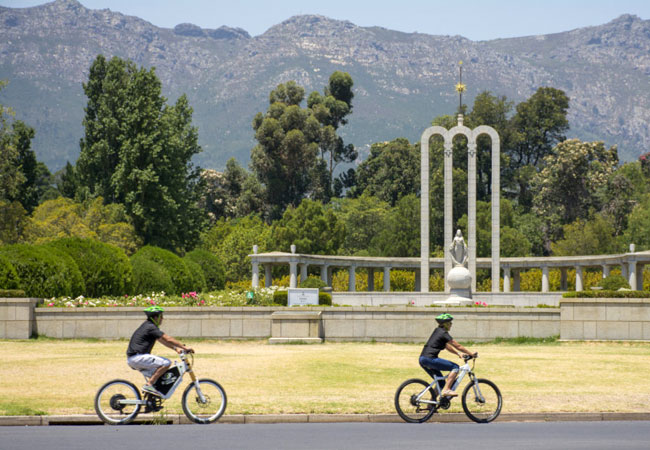
The Valley of the Huguenots, as Franschhoek is also known, became home to a community of French Huguenots who fled their country from religious persecution. They soon recognised that this valley had very similar weather to the wine growing regions in France. Today, over 300 years later, this tradition continues and the valley produces all the classic styles and noble cultivars - from whites such as Sauvignon Blanc, Semillon and Chenin Blanc through to the reds of Cabernet Sauvignon, Shiraz, Merlot and Pinot Noir. Over 30 wine cellars produce some of the country’s top wines.

The valley has just launched a Cap Classique route that includes nine cellars, within a distance of 4 km, in a combined marketing initiative. The sparkling wine tour includes teaching visitors about the methods of making Cap Classique in a unique attempt to add value to wine consumption. The long restaurant row on Huguenot Street in Franschhoek list Franschhoek wines on their menus.
Helderberg (included because of its proximity to Cape Town): A sub-route of the Stellenbosch Wine Routes, the Helderberg route is only 15 minutes’ drive from Cape Town’s airport and is near the town of Somerset West. These vines lie on the slopes of the Helderberg and combine the influences of both a mountain and maritime climate, producing some very unique wines.

The 25 members of the Helderberg route follow distinctly different methods of growing grapes, from a 300-year old historical cellar to state-of-the-art boutique wineries and visiting the wide range of family-owned estates and grand manor houses is a superb weekend or day’s outing. Helderberg wineries include Vergelegen, Ken Forrester Wines at Scholtzenhof Vineyards, Morgenster Estate, Post House Cellar and many others.
A little surprising, perhaps - that grapes can grow in a semi-arid area - but grow they do in this region, renowned for its extremes in soils and climate. Despite the low rainfall for the area, viticulture happens in the riverine sites, kloofs and valleys of its spectacularly rugged mountains and produces some of the country’s most diverse wines.

Within the Little Karoo are a number of microclimates allowing winemakers to produce a large variety of wines that include dry and fortified wines, such as South Africa’s champion Muscadel, pot-stilled brandies and a wide range of premium red and white wines. The Little Karoo stretches from Montagu in the west to Uniondale in the east; the Langeberg Mountains form a boundary in the south, and the Cape Garden Route and the Swartberg lie to the north. Route 62 runs through the Little Karoo and includes the 16 members of this wine route. More info about » Little Karoo
The Olifants River wine route starts at Citrusdal, 180 km outside of Cape Town and meanders along the river for 120 km until it reaches Lutzville and the country’s most westerly vineyards. This area around Lutzville is regarded as one of the most ideal wine growing areas due to its mild climate, misty mornings, sunny days and south westerly sea breeze. The soil varies from sandy to red clay loams.

All in all, this wine route encompasses 200 km of stark contrasts and extraordinary beauty, and the wines produced are quality, value-for-money wines. Rainfall is low and soils vary from sandy to red clay loams, but the Olifants River provides an abundance of water. It wasn’t always so. Only after WW II was a canal built in the lower Olifants River and intensive wine farming began. Nevertheless, over 200 years of wine-making tradition makes for easy drinking wines that compete with the best in the industry and have won both local and international acclaim. More info about » Olifants River Valley
Along the banks of the Orange River lie large, mostly white-wine producing vineyards, although reds are increasingly being planted. These wine farms are the most northerly in the Cape and the area is the 4th largest wine producing area.

The region uses trellising systems, which create microclimates that protect the grapes and allow them to ripen away from direct exposure to the harsh sunlight that would otherwise shrivel anything in sight. Lying so close to the water of the Orange River, the grapes are cooled to a large degree and interestingly the wines differ in style and flavour from the east to the west banks of the river. Wines produced here include Chenin Blanc, Chardonay, Pinotage, Shiraz, Merlot, Muscadel (red and white) and Muscat D’Alexandrie.
The town of Paarl, named so because of the large granite outcrop - the most prominent of which looks like a large dome or pearl - lies only 50 km outside of Cape Town and within easy reach of the mother city. Paarl Vintners has earned its place as the world’s first ‘red route’ because of its focus on wines such as Roodeberg, Cabernet Sauvignon, port and Shiraz. The Paarl district includes the wards of Franschhoek and Wellington as well as the newer wards of Simonsberg-Paarl and Voor-Paardeberg.

A large variety of grapes is grown in the district including Cabernet Sauvignon, Pinotage, Shiraz, Chardonnay and Chenin Blanc. Because the summers are warm and long and there is good rainfall in the area, irrigation is only necessary in exceptional circumstances. Most of the estates, 33 at last count, offer wine tasting and cellar tours and some have excellent restaurants.
Only 1.5 hours’ drive from Cape Town and in the heart of Route 62 - the longest wine route in the country - Robertson Wine Valley lies surrounded by majestic mountains in the Breede River Valley. With a minimal annual rainfall and harsh weather conditions, including hot, dry days and cold nights, wines produced in this region of lime-rich soil yield some world-class and unique tasting wines. The wine route includes the town of Ashton, Bonnievale, McGregor and Robertson as well as some of South Africa’s best names such as Weltevrede, Bon Courage, De Wetshof, Rooiberg, Bon Cap and Kranskop – to name but a few.

The valley, known as the ‘valley of vines and roses’, has undergone something of a wine evolution in the last couple of decades. The region was initially best known for its dessert wines and more recently Chardonnay, Sauvignon Blancs and Cap Classiques. A red wine project, started in the early 1990’s, however, has brought the region’s Shiraz and Cabernet Sauvignon to the attention of wine consumers both locally and internationally.
Just 45 minutes from Cape Town, the Stellenbosch wine route is the oldest in the country and represents over 300 wineries. Because of this it is divided into a number of sub-routes to make it easier to travel: Bottelary Hills, Devon Valley Vintners, Helderberg and Simonsberg-Stellenbosch.

Bottelary Hills lies on the slopes of the Bottelary Mountain range with most of its vineyards facing north thus producing excellent red wines. This area is considered at the forefront of viticulture and viniculture when it comes to Pinotage. Devon Valley Vintners lies to the west of Stellenbosch. Most of the wineries are small and focus on red wines although they have also produced some enviable premium white and sparkling wines. Simonsberg-Stellenbosch is known as ‘Cabernet country’.

The town of Stellenbosch, which lies at the heart of this winemaking area, is a gorgeous, historical university town with some of the best-preserved Victorian and Georgian buildings along Dorp Street, itself a national monument. Its oak-lined streets are home to a number of excellent restaurants, coffee shops, boutiques and galleries. The university is the only one in South Africa with a viticultural and oenological department and Stellenbosch is home to one of the most modern experimental wineries in the world.
The Swartland, an area synonymous with wheat and sheep farming, is just 40 minutes’ drive north of Cape Town. Meaning ‘black country’ and named after the indigenous Renosterbos, which turns a dark colour at a certain time of the year, the wine route extends from Darling on the west coast down to the Oliphants Mountain at Porterville in the east and includes Malmesbury, Riebeek Valley and Piketberg in the north.

The vineyards lie along the banks of the Berg River and in the foothills of a number of imposing mountain ranges that lie in the Swartland, producing a constant blue and black backdrop to the beauty of the vineyards. Initially the Swartland was renowned for its full-bodied red and fortified wines but the area has recently produced some top-table white wines and continues to produce top port-style wines.

Most of the vines are grown under dryland conditions, although some of them are irrigated towards the end of the dry and very long summers. Because the vines are not irrigated they are favoured as a blend with wines produced from irrigated vineyards due to their excellent quality and flavour. More info about » Swartland
Only 80 minutes’ drive from Cape Town, the Tulbagh Valley lies surrounded on three sides by mountains – in the west, the Obiqua Mountains, to the north the Winterhoek Mountains and to the east, the Witzenberg Mountain range. Cool, south-easterly winds blow in along the southern side of this beautiful valley during the summer – creating perfect conditions for viticulture. The valley, graced with fertile soil, plenty of sunshine and good rainfall has a mild Mediterranean climate, characterised by extreme differences in temperature during the day and night and hot, dry summers. The true potential of the area is now being realised and the extremely variable soils in this secluded valley produce some award-winning wines.

The Tulbagh valley has some of the most natural beauty in the Cape and wine has become a focus of attention recently, particularly due to the string of national and international awards taken by a number of estates and private cellars. Some of South Africa’s best known wine estates, including Drostdyhof, Theuniskraal and Twee Jonge Gezellen are part of this valley’s wine route.
Walker Bay, a 45 minute drive from Cape Town, has become a fashionable region to visit, particularly with the establishment of over a dozen wineries in and around Hermanus, already popular for its whale spotting between June and November. The Hemel-en-Aarde (heaven and earth) Valley, just behind Hermanus, has become part of a popular wine farm meander and is definitely worth a visit.

Grapes grown in the Hemel-en-Aarde Valley are influenced by the cold Atlantic Ocean and the temperate conditions and clayey soil produce wines similar to those of Northern France. The valley, which stretches some 6km from Hermanus to Caledon, is surrounded and sheltered by mountains on all sides - Galpin Peak and the Glen Varloch range to the south and the Babylonstoring mountain range to the north - which trap cloud cover and retain moisture throughout the valley.

The Onrust River winds its way through the valley where one of the youngest but fastest growing wine routes in South Africa is already establishing a name with its Pinot Noir and Chardonnay cultivars. The Bouchard Finlayson estate, Whalehaven Wines, Hamilton Russel Vineyards, Cape Bay and Sumaridge are open to the public for wine tastings. More info about » Hermanus
Only 45 minutes outside of Cape Town, the Wellington wine route is one of the youngest wine routes in the Cape, although the viticultural heritage dates back to the French Huguenots of the late 1600s. Officially launched in the mid 1990s, the predominantly working but charming farms produce some top quality red and white wines.

The town of Wellington lies at the foot of the Groenberg Mountain with the majestic Hawequa Mountains to the east. This truly beautiful valley is home of the vines, quite literally – almost 90% of the country’s vines are grown in the nurseries (called ‘stokkieskwekerve’) here, before being transported for planting. The soils here are excellent as is the climate - hot, dry summers with a winter rainfall. The farms lie on the banks of the Kromme River in the heart of the valley. The Wellington Wine Walk is a 3-day hike through vineyards, orchards and indigenous fynbos, which includes wine tasting and samplings of cheeses and olives with stay-overs at one of the four historic Huguenot farms.
Only an hour’s drive from Cape Town, the Worcester winelands incorporate over 250 years of winemaking knowledge to produce, amongst other cultivars, Cabernet Sauvignon, Chenin Blanc and Columbar to national acclaim. The town of Worcester lies in the Breede River Valley encircled by majestic mountains and is the centre of this wine route, surrounded by wine and table grape farms. The Worcester district is the largest in terms of winegrowing area and volume, accounting for nearly 20% of national vineyards. It produces almost 27% of South Africa’s total volume of wine and spirits and is the most important brandy producing area in the country.

The wine route is also the first in the world to produce a Braille wine bottle as part of the wine region’s new brand identity. A percentage of the sale of the wines – a blend of red and white - goes directly to the Institute for the Blind. [More about Worcester]

«  The Western Cape | Cape Town Restaurants | Cape Town Golf Clubs »

General Information / Western Cape
Information for Tourists and Visitors
» Tourist Attractions and Destinations
Cape Town Hotels
Cape Town Accommodation
Western Cape Search by Map
Cape Town Search by Map
Cape Town Guest Houses
Cape Town Bed and Breakfast
Cape Town Self Catering
- Cape Town Holiday Houses
- Cape Town Apartments
- Cottages and Chalets
Game Reserves and Lodges
Accommodation by Special Category
Cape Town Health Resorts and Spas
Search by TGCSA Star Grading
Special Accommodation Offers
Conference Venues and Services
Wedding Venues and Services
Honeymoon Venues and Destinations
Package Tours, Day Trips and Guides
Transport and Travel Arrangements
Golf Courses, Tours and Lodges
Backpackers Tours and Lodges
Cape Town Maps
Venues by Alphabetised List
Cape Town Annual Events
Urlaub in Kapstadt

» Photographs © South Africa Tourism «

Click for more travel guides & books »

Click to search by Clickable Search Maps >
Click to view Special Rates & Discounted Accommodation Offers >

Car Hire Cape Town - Hire from international and local companies, which offer a wide range of cars, from budget to luxury. For the best deals we recommend you book your car before travelling.
Go to » Car Rental South Africa

South Africa Accommodation & Travel Network of Web Sites brought to you by and © SA-Venues.com and Suedafrika-Reise.net

Cape Wine Routes | The Wine Routes of the Western Cape / Cape Winelands wine routes the well known and newer wine routes

South Africa AccommodationSouth Africa TravelSouth Africa HotelsSüdafrika ReiseSüdafrikaTravel Resources
Cape Winelands HotelsSite by DTP OrbitGet ListedContactSitemapCreditsCopyrightDisclaimer
Paarl HotelsStellenbosch HotelsFranschhoek HotelsSomerset West HotelsWellington Hotels