Cephalophus - The Duiker
Duiker are small antelopes that inhabit forest or dense bushland. They are a good example of how an animal can be very successful in finding and filling a certain ecological niche.
They are the most widespread of all the forest antelopes. A striking peculiarity of duiker in the genus Cephalophus is that they all have the same distinctive body type, although the different species vary in size.
Did you know? According to the AWF, only an estimated 640 Ader's duikers remain.
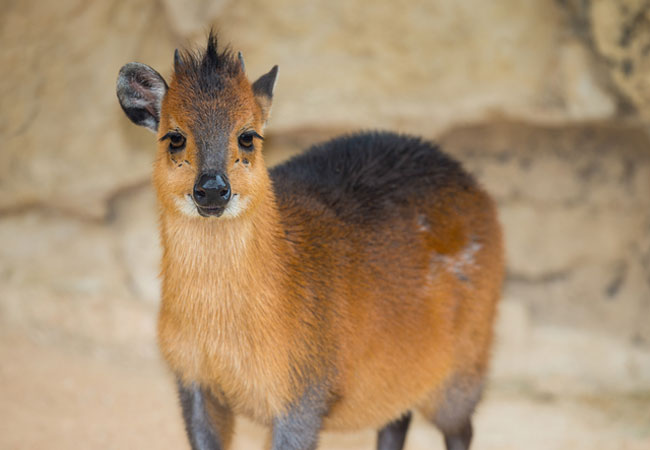
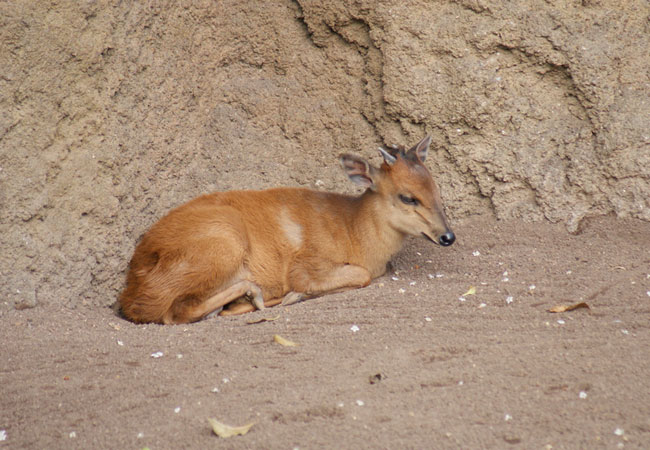
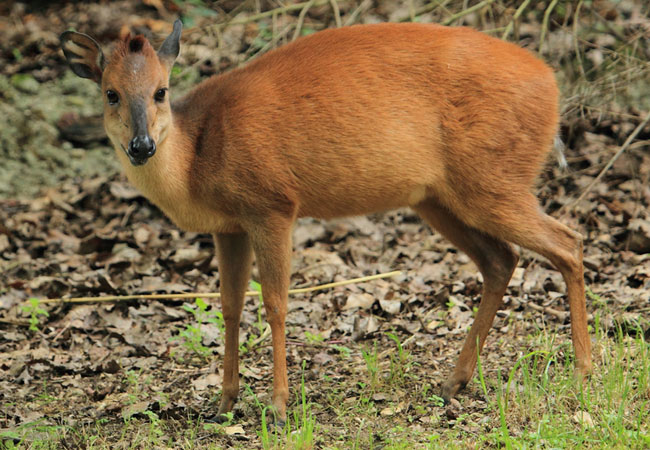
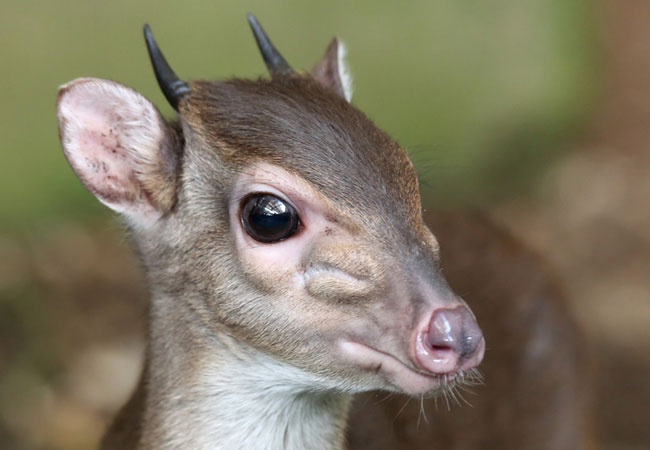
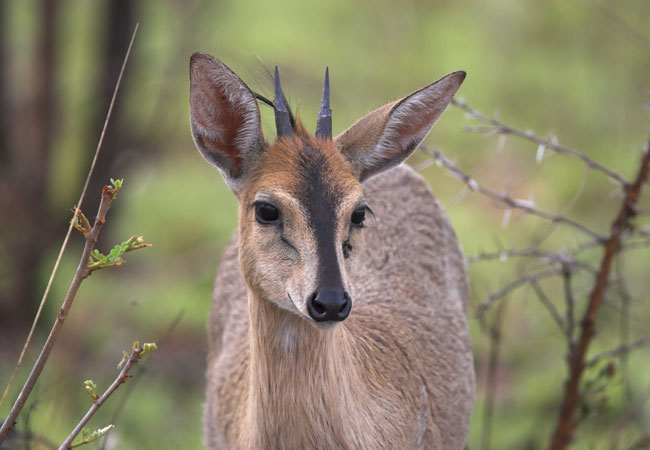
Duikers have low-slung bodies on slender legs, wedge-shaped heads topped by a crest of long hair, and relatively large eyes. With their heads held close to the ground, duikers can move easily through the dense vegetation of forests and bushlands. They regularly run through these areas and when disturbed, plunge into thick cover to hide. This trait is the source of the name "duiker," which in Dutch means "diver".
Size
24 inches (bush duiker); Weight: 40 to 45 pounds (bush duiker).
Scientific Names
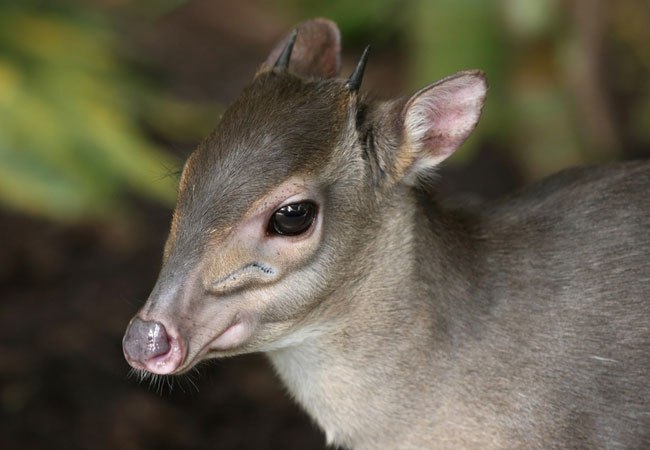
Blue duiker: Cephalophus monticla
Yellow-backed duiker: Cephalophus silvicultor
Bush duiker: Sylvicapra grimmi
Habitat
Forest and bush.
Distribution
This animal has a wide distribution and can be found all over South Africa. Visitors that would like to see a duiker can visit the Sibuya Private Game Reserve at Kenton On Sea (about halfway between Port Elizabeth and East London in the Eastern Cape), the Rietvlei Nature Reserve just outside Johannesburg and the Leeuwkloof Valley Conservancy (both in Gauteng), and the Entumeni Nature Reserve (two hours from Durban city centre).
Diet - Herbivores
Fruit, leaves, seeds and foliage. Duikers are almost exclusively browsers. diet consists of leaves, twigs, fruits, flowers and seeds of a large variety of trees and shrubs. They also dig for tubers and roots and eat unusual items such as young birds, caterpillars and lizards. They are independent of water and rarely drink even where it is freely available.
Reproduction
Duiker mature rapidly and females are able to conceive when they are about eight months old.
Gestation
Gestation is 5 to 7 months.
Life Expectancy
12 years
Predators
- Humans
- Eagles
- Lions
- Leopards
Wish you were here?

Additional Reading
You might also be interested inWhere to see Duiker in their natural habitat?
Want to see duiker in their natural habitat? In South Africa, find duiker in these reserves and parks...