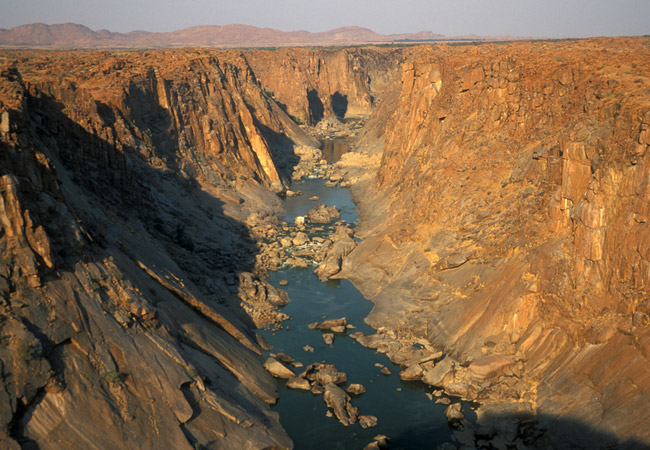


About Augrabies Falls National Park
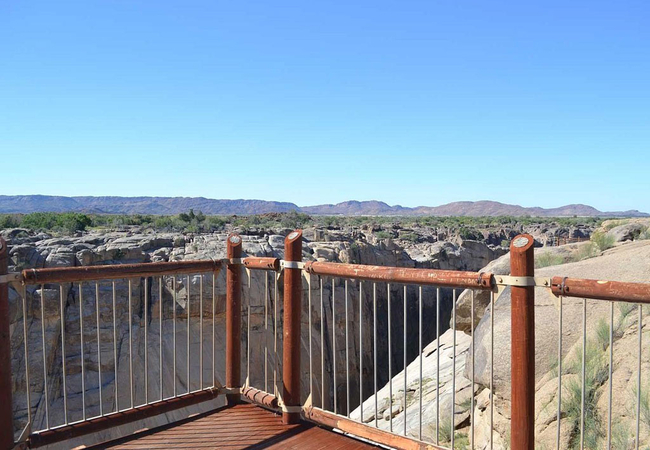
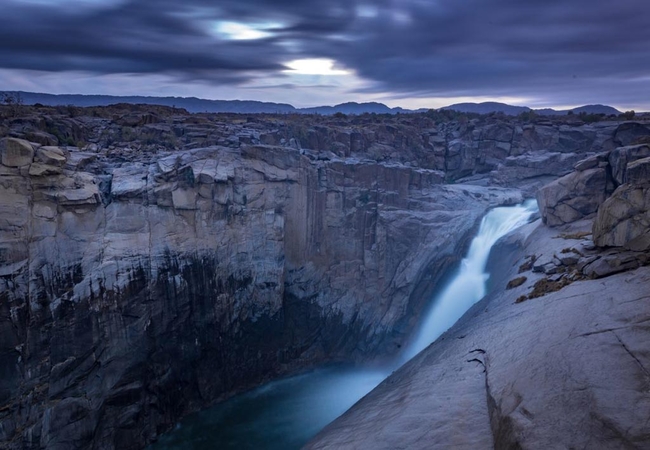
The Khoi people called the Augrabies Falls 'Aukoerebis', the place of the Great Noise, referring to the Orange River thundering its way downwards for 60 metres in a spectacular waterfall.
Did you know? Note: The fine for unlicensed excavation of fossils in South Africa is R20,000.00. Don't do it!
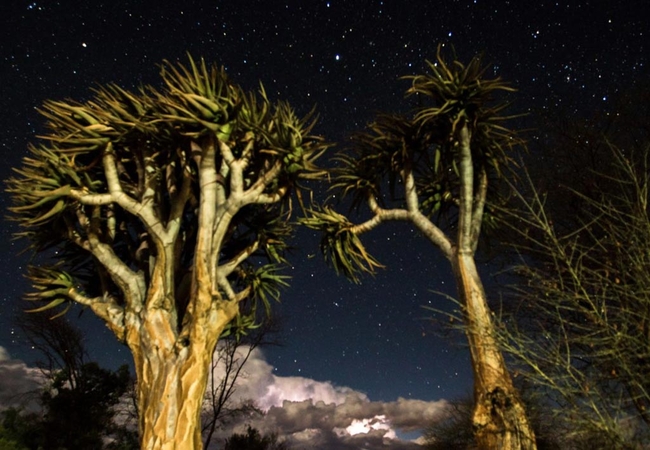
Picturesque names such as Moon Rock, Ararat and Echo Corner are descriptive of this rocky region, characterised by the 18 kilometre abyss of the Orange River Gorge and craggy outcrops dominating scrub-dotted plains. Klipspringer and kokerboom (quiver trees) stand in stark silhouette against the African sky, silent sentinels in a strangely unique environment where only those that are able to adapt ultimately survive.
The 28 000 hectares on both the northern and southern sides of the Orange River provide sanctuary to a diversity of species, from the very smallest succulents, birds and reptiles to springbok, gemsbok and the endangered black rhino.
The ancestors of modern history have inhabited the area surrounding the Orange River since the Early Stone Age. During this time, there is evidence that early man had developed weapons for hunting animal like hippopotamus. They knew to establish themselves near good water sources like the Orange River. During the Middle Stone Age man had created more formal work tools and began to utilise fire. The Late Stone Age, which dates back 22 000 years, is characterised by tools that are smaller from the previous periods. The most prolific archaeological features are the stone cairns from the later Stone Age. Excavations have shown that not all the cairns contains human skeletal remains.
The area is inhabited by the Nama People who over the centuries have managed to adapt to the harsh conditions of the area. A traditional expression from this area is the traditional domed huts known as 'matjieshuise' and a direct translation would be ‘mat houses'. These houses are extremely well suited for hot climate in this area.
During the summer the stems and culms from which the mats are made up of, shrink, allowing gaps to appear. This results in a breeze being able to low through and cooling the hut down. In winter the stems expand keeping out the cold winds and rain. Temperature fluctuations in the region have resulted in unique adaptations in animals.
The animals in Augrabies Falls National Park can survive in extreme high and low temperatures. Smaller animals make use of whatever shade is available as well as burrows, rock crevices and fallen trees. The types of animals that have made these adaptations are the slender mongoose, the yellow mongoose, and rock dassies. An interesting mammal found in Augrabies is the cape clawless otter, their presence in the park indicates that the river ecosystem is relatively healthy.
The giraffes found in Augrabies are lighter in colour than those found in the regions of the east, as a counter measure for the extreme heat. One of the most often seen antelope is the klipspringer, which are often seen in pairs. Other antelope found in the park are steenbok, springbok, gemsbok, kudu and eland.
Predators in Augrabies Falls National Park come in the form of leopard, black backed jackals, caracal, the bat-eared fox, and the African wild cat.
Need to Know
WhereAugrabies Falls National Park, Augrabies, Green Kalahari, Northern Cape, South Africa
WhenDaylight hours.
OvernightStay in Augrabies Accommodation, Northern Cape
Disclaimer
Please note, business details can change. While we endeavour to ensure all information provided by the service provider is correct at the time of publication, we do not assume any liability caused by errors or changes, such as price, cost, time, and location. Please check with the provider that the activity/business is still offered as described, before making any travel plans.
Feedback?
If this is your reserve, you can let us know if anything on this page is outdated or contains inaccuracies, by email. We regret, we do not have any other information, please contact the provider if you have questions.
Additional Reading
You might also be interested inStay at Augrabies Falls National Park
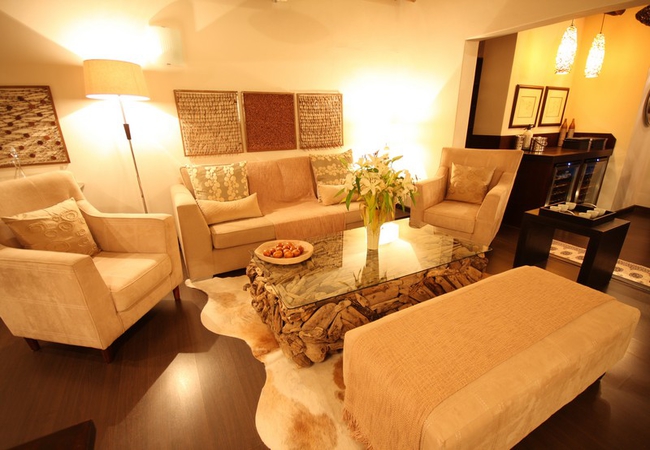
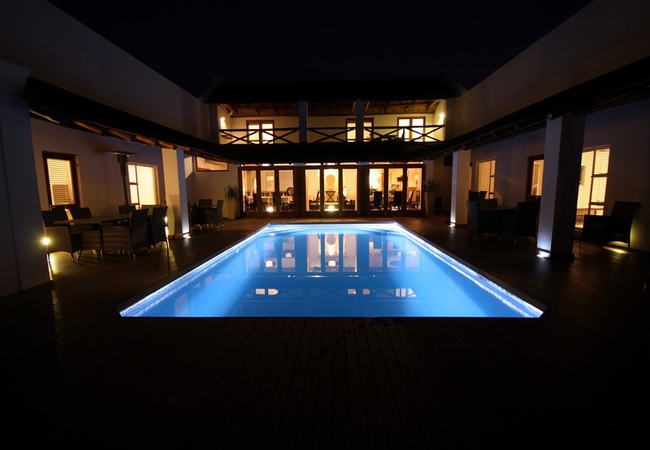
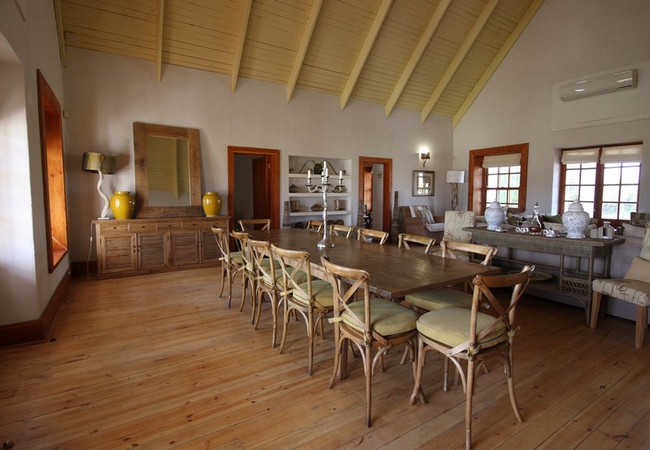
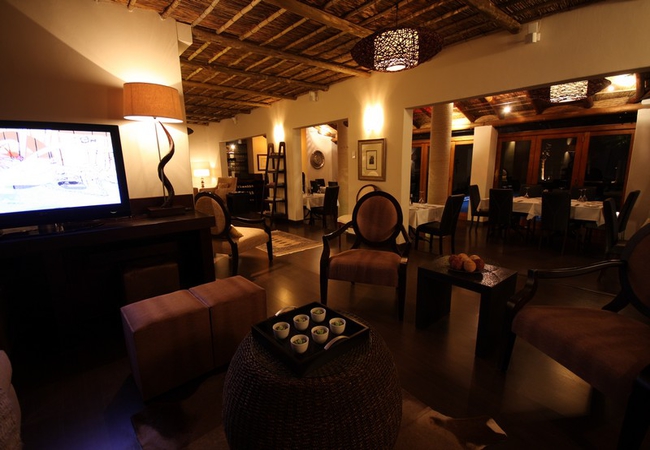
Sleeps 20 people in 9 rooms
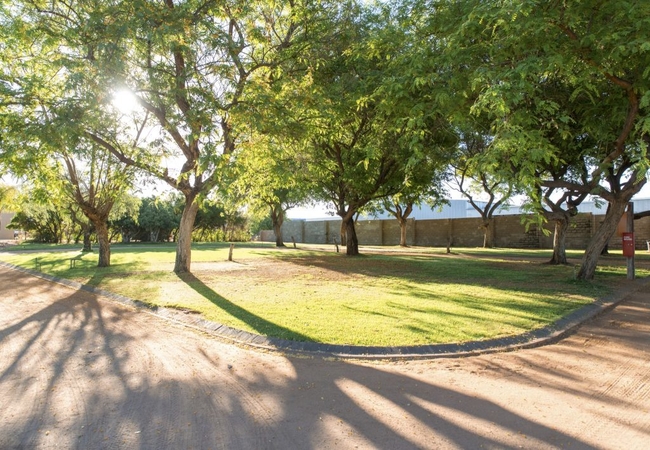
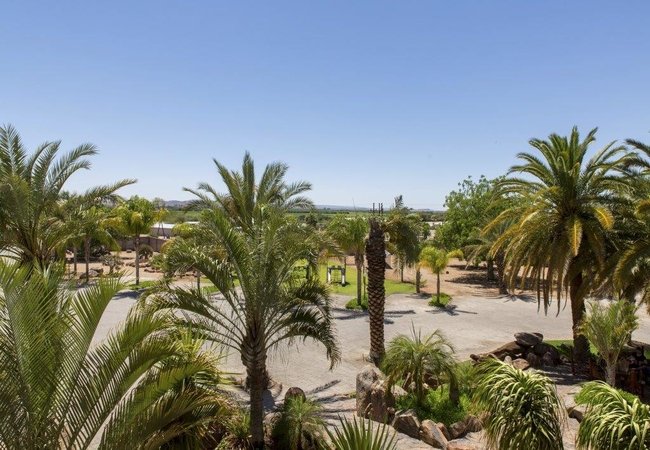
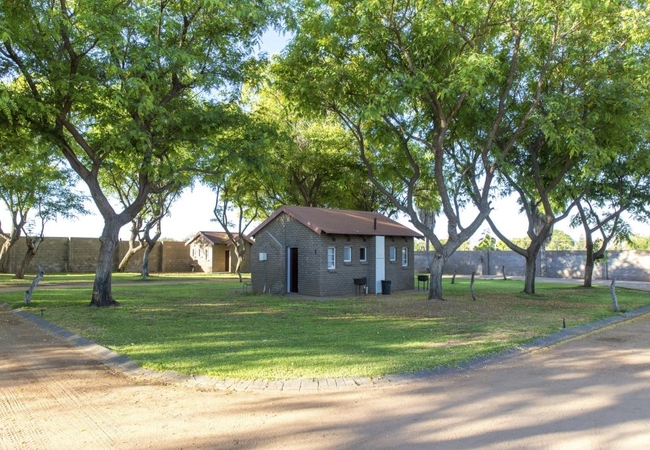
Dundi Lodge is conveniently situated three km from the world famous Augrabies Falls and offers the discerning visitor ...
- free wifi
- all ages welcome
- parking
- swimming pool
- aircon
- airport transfers
- from 1790
- R
- 1701
- per room per night
based on 2 persons
instant booking possible
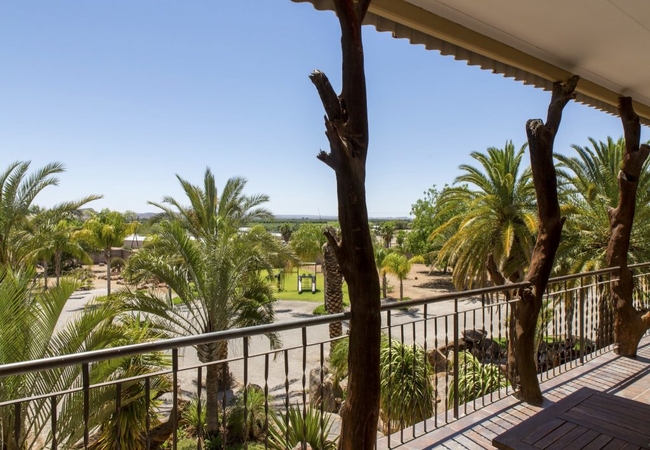
Sleeps 70 people in 19 units
Augrabies Falls Lodge & Camps offers affordable accommodation within close proximity of the famous Augrabies Falls ...
- free wifi
- pet friendly
- all ages welcome
- parking
- aircon
- from 1200
- R
- 1140
- per room per night
based on 2 persons
instant booking possible
Sleeps 138 people in 56 units
The Rest Camp offers accommodation in various chalets and cottages in the Augrabies Falls National Park. All of the ...
- all ages welcome
- parking
- swimming pool
- aircon
- tonight from
- R
- 1490
- per room per night
based on 2 persons
Game & Nature Reserves in Northern Cape
In the vicinity
Hotels & other accommodation options in Augrabies
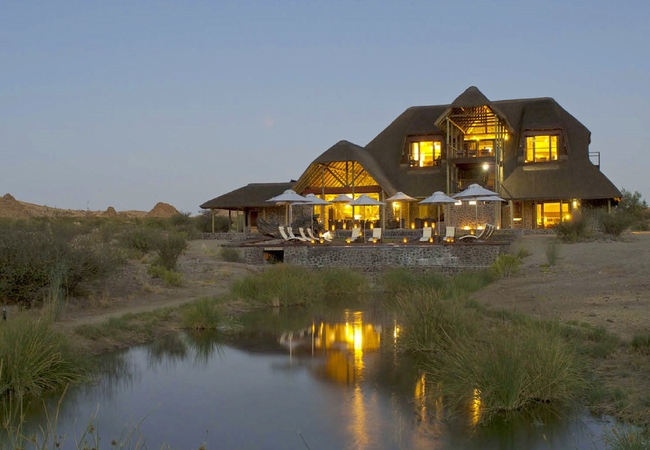
Tutwa Desert Lodge
Tutwa Desert Lodge is set on a 16 000 ha private game reserve in the heart of the Green Kalahari in the Northern Cape. With exclusive access to o...
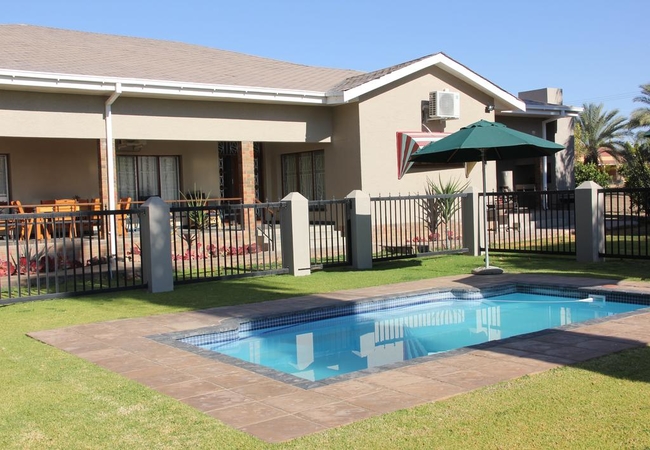
Augrabies Valle Guesthouse
Augrabies Valle Gastehuis is the nearest guesthouse to the Augrabies Falls offering spacious accommodation right on the border of Augrabies Falls...
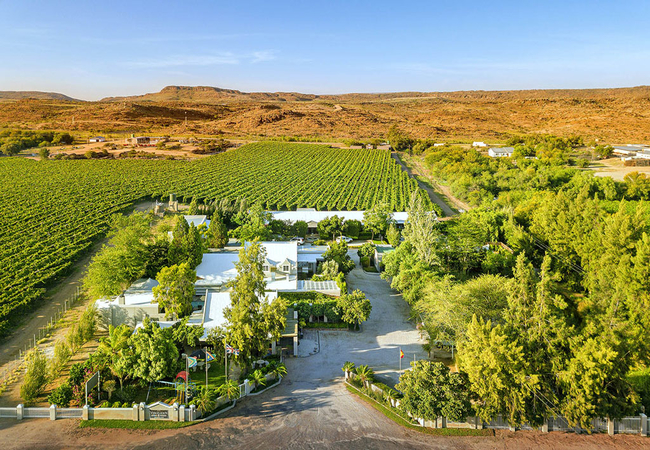
Kakamas Hotel
Kakamas Hotel is situated near Augrabies Falls, on the outskirts of Kakamas with a beautiful farm setting - overlooking the splendid vineyard of ...
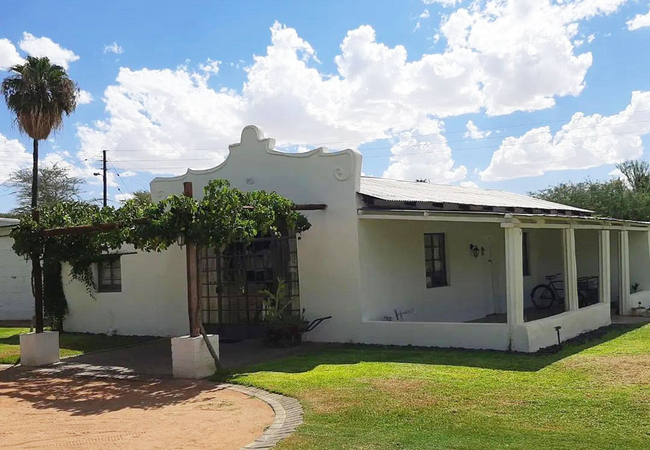
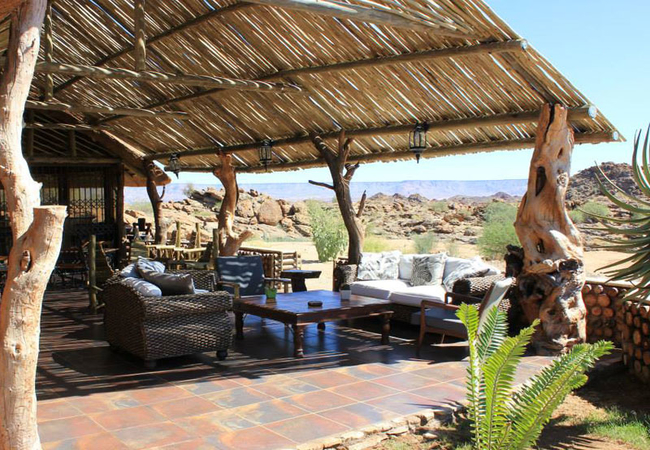
Plato Lodge
Plato Lodge is situated 50km west from Augrabies Waterfalls Natural Park. It is ideal for the visitor who wants to explore the waterfalls at Augr...
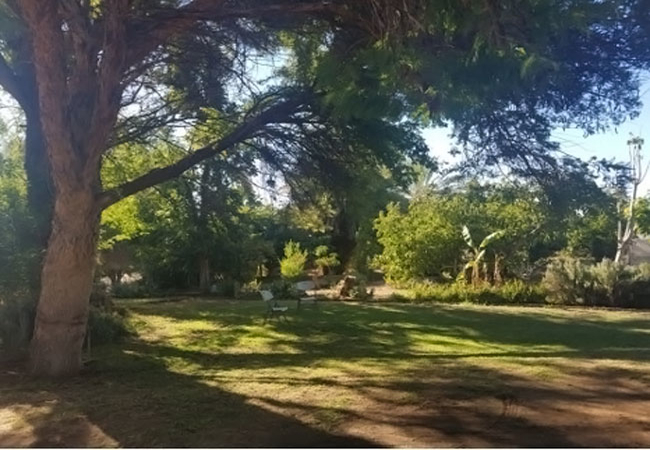
Orange River Guest Farm
Orange River Guest Farm is located on a smallholding in Augrabies, Northern Cape. The accommodation is within easy reach of shops, restaurants an...
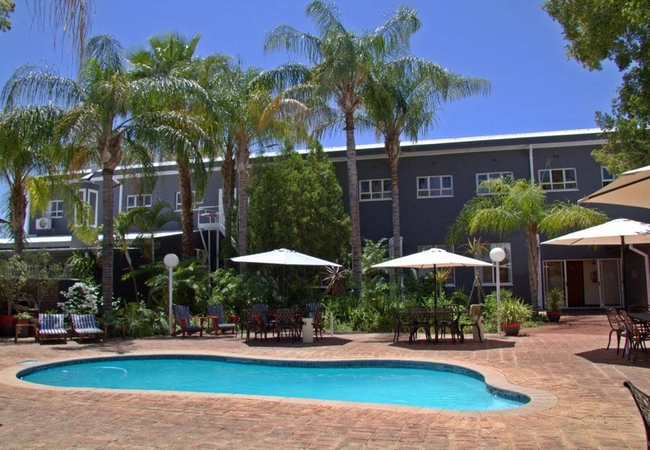
Kalahari Gateway Hotel
Kalahari Gateway Hotel in Kakamas is a modern hotel that offers luxury and outstanding service en route to the Namaqualand and 40km from the Augr...
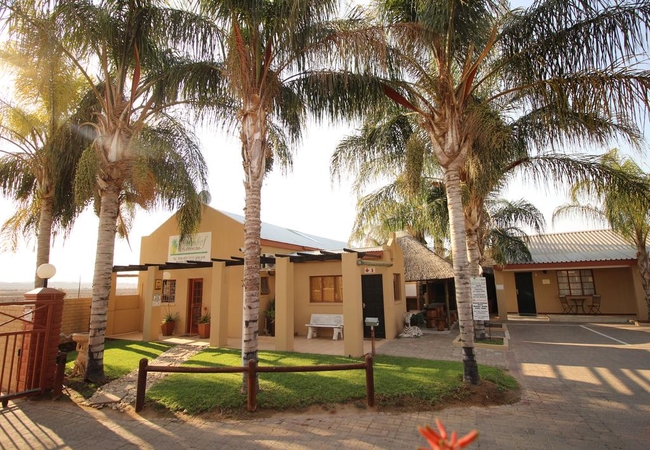
Palmhof Chalets
Palmhof Chalets welcomes you to the Orange River Valley in Kakamas, where vineyards, palm trees and citrus surround the area, the contrast route;...
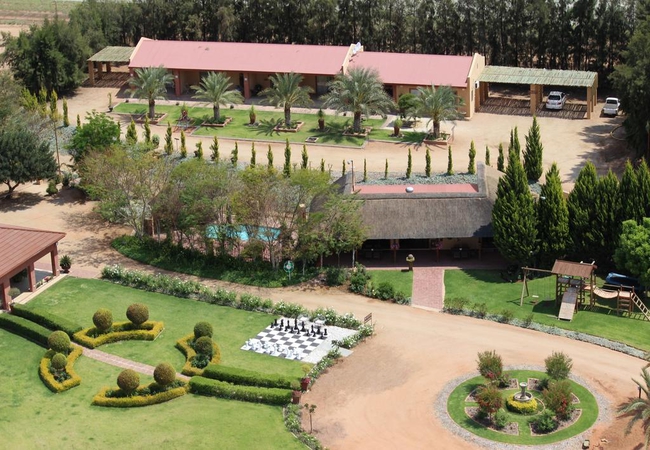
The Falls Guest House
Only 2km outside the Augrabies Falls National Park, enjoy peace and tranquillity in a beautiful guesthouse, surrounded by green vineyards and swe...
Things to do in the area
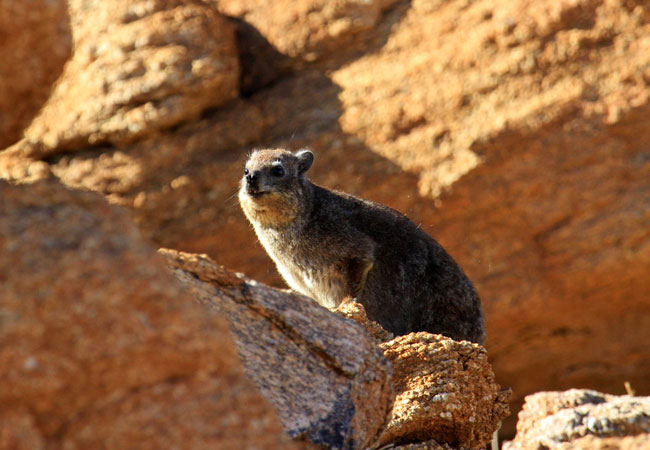
Dassie Trail Augrabies
Start: Augrabies National Park, rest campFinish: rest camp – the trail is circularDuration: 5 kmFitness: moderateOur tip: if you are in the reser...
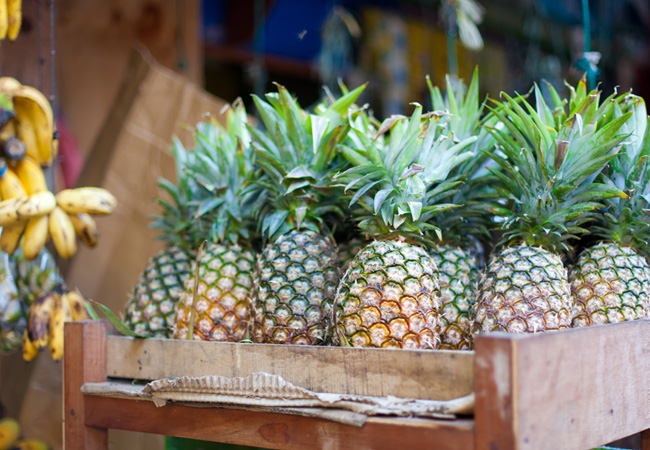
Desert Raisins Farm Stall
The Desert Raisins Farm Stall is ideally visited in the summer months when this quaint hilltop farm stall has an abundance of stock including gra...
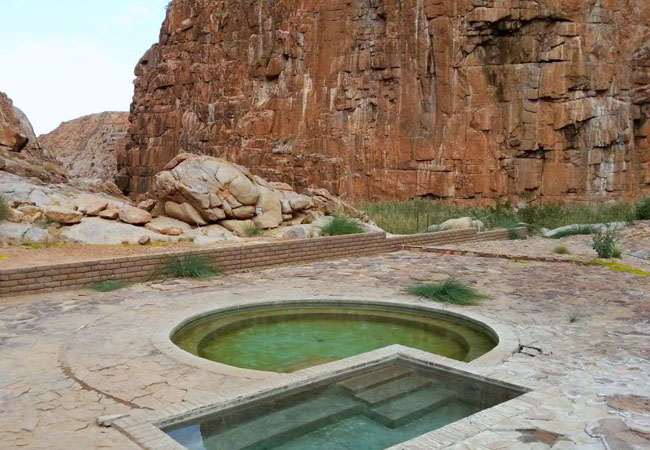
Riemvasmaak Hot Springs
Riemvasmaak is close to the Namibian border, secluded between the mighty Orange River and the Molopo River (which has dried up). It covers a mass...
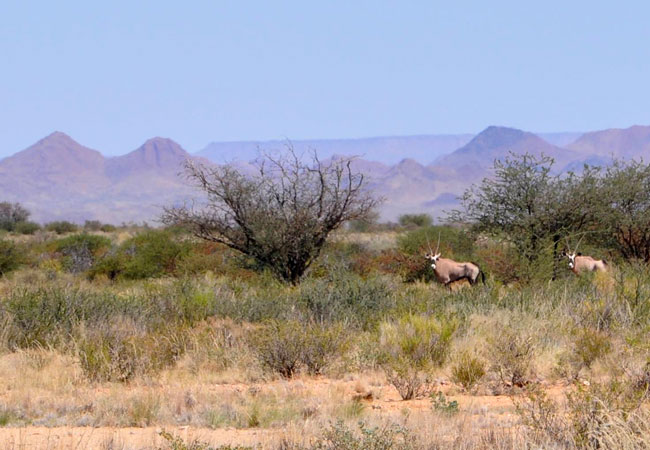
Daberas 4x4 Trail
Daberas Adventures is found on the South west border of Augrabies Falls National Park. There are lots of activities you can get involved in, such...
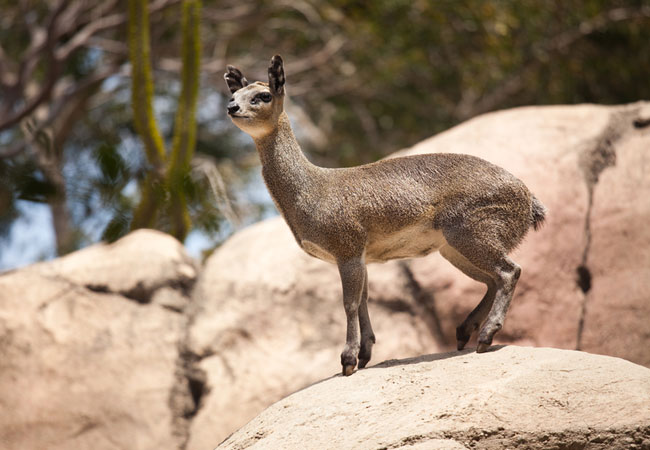
Klipspringer Hiking Trail
Start: Augrabies National Park, rest campFinish: rest camp (the trail is circular)Duration: 39.5 km, 3 daysFitness: fit, the trail is both demand...
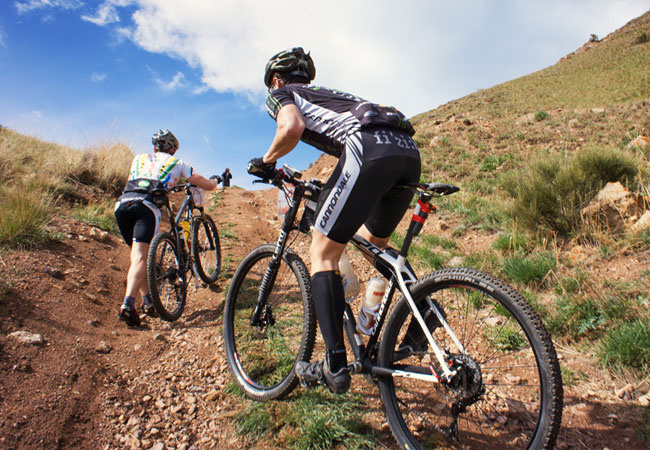
Khamkirri MTB Trails
Where: Khamkirri River Camp, near Kakamas in the Green Kalahari section of the Northern CapeLevel: easy to difficultType of route: varied; betwee...
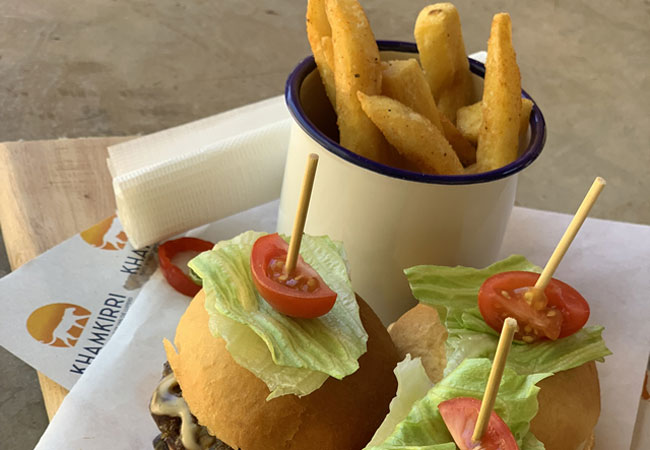
Riverside Kitchen & Restaurant
Khamkirri is all about celebrating the outdoors and creating a beautiful place for families to be together along the Orange River. So, it's no su...
Noteworthy attractions
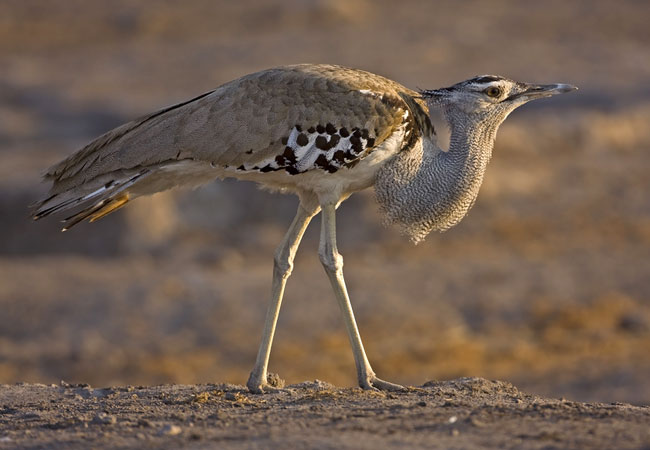
Spitskop Nature Reserve
The Spitskop Nature Reserve was named after Spitskop, an impressive granite koppie just outside the small town of Upington. Consisting mainly of ...
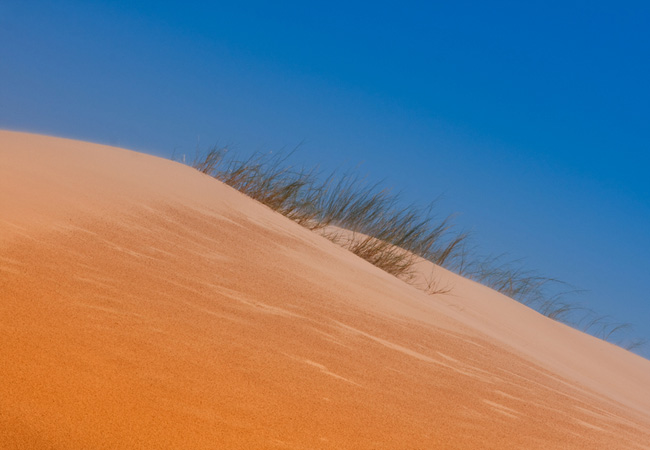
Witsand Nature Reserve
The Witsand (White Sands) Nature Reserve is a 2 500 hectares island of brilliant white sands surrounded by a sea of regular Red Kalahari sand. Al...

Upington Golf Club
Situated just outside of Upington on the N14 road to Johannesburg and Olifantshoek, next to Desert Palace Casino, is the Upington Golf Course. Th...
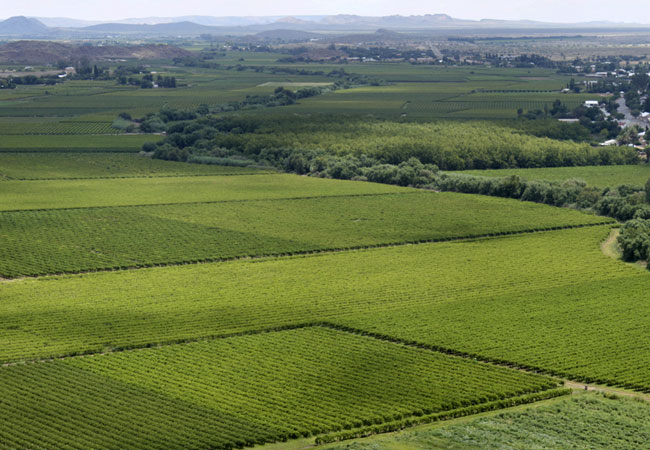
Orange River Wine Route
In a part of South Africa that is, for all intents and purposes, practically desert, one does not expect to find a wine route. But the Orange Riv...
Northern Cape Wine Estates
With a completely different climate to the Cape Winelands, the Northern Cape produces a number of ranges of wines that boast unique flavours. The...
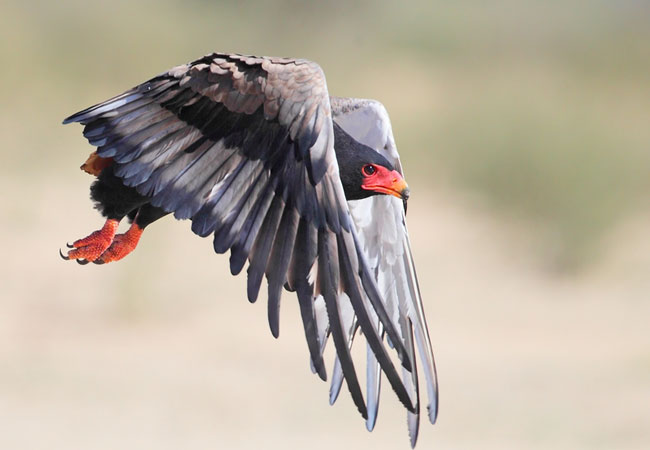
Riemvasmaak Community Conservancy
North west of the town of Kakamas and bordering the Augrabies National Park is the Riemvasmaak Community Conservancy - 75 00 hectares of land bet...
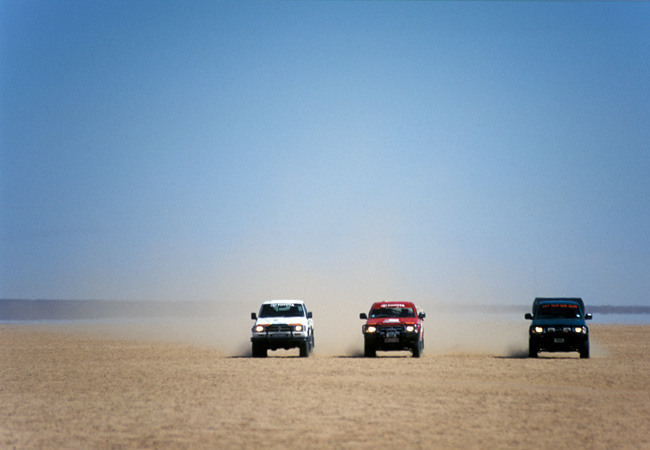
Hakskeen Pan
Hakskeen Pan is a dry lake bed, and the world's largest unworked saltpan. It lies way up in the far north west of the Northern Cape, 300 km from ...
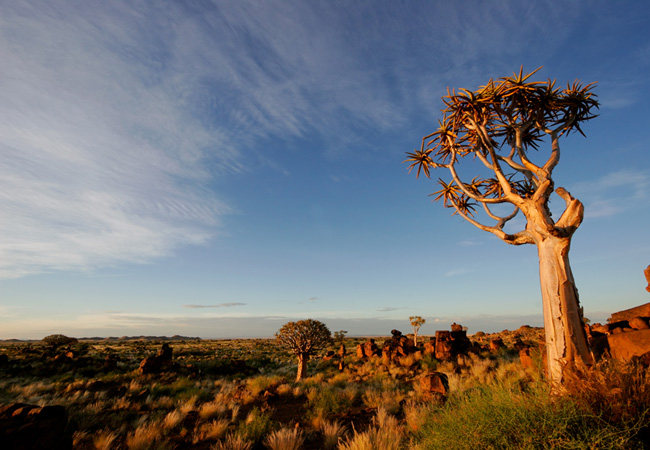
Kokerboom Food and Wine Route
The Kokerboom, or quiver tree, is one of the most idiosyncratic trees of the Kalahari (South Africa and Namibia). Also known, in scientific circl...
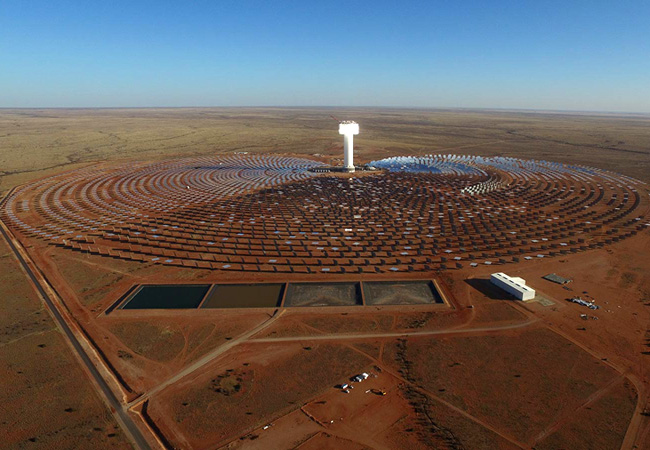
Khi Solar One
Africa's first concentrated solar power thermal power plant lies just outside Upington, in the Northern Cape. You can see the huge 205-metre towe...
Accommodation near Augrabies Falls National Park
FIND / South Africa Accommodation / Northern Cape Accommodation / Green Kalahari Accommodation / Augrabies Accommodation