About V&A Waterfront
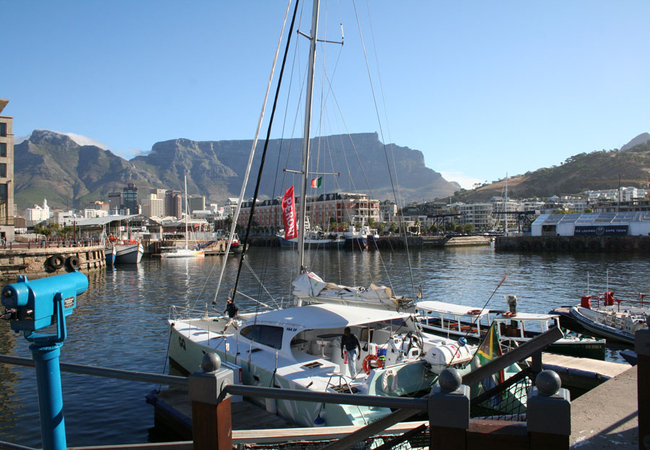
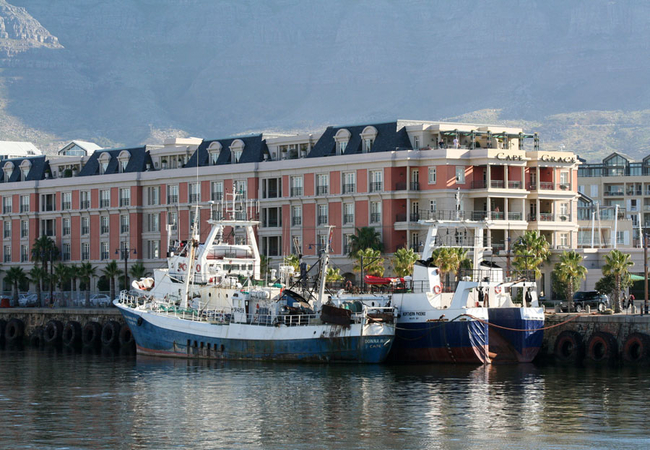
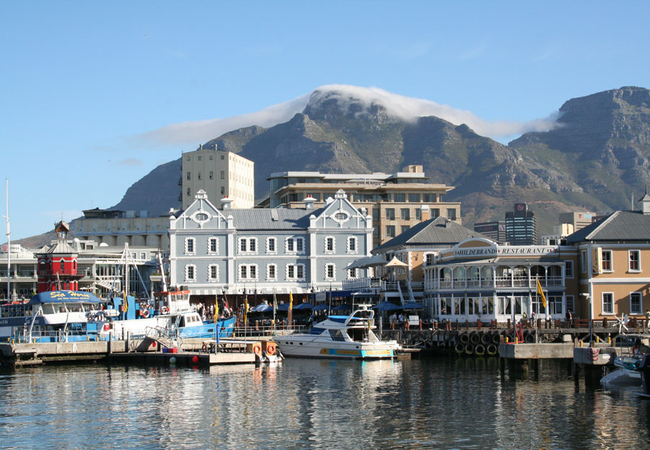
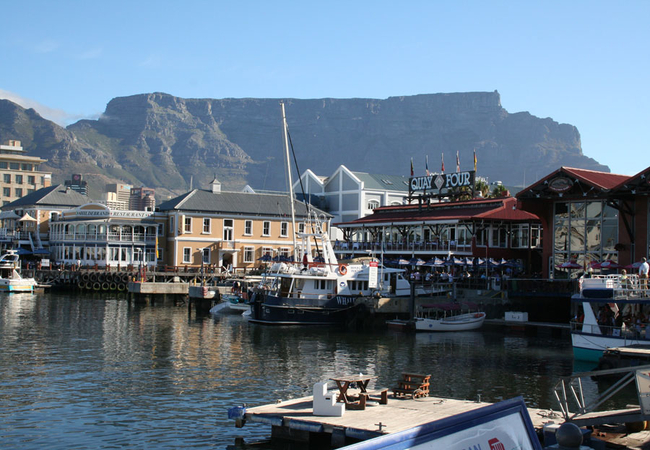
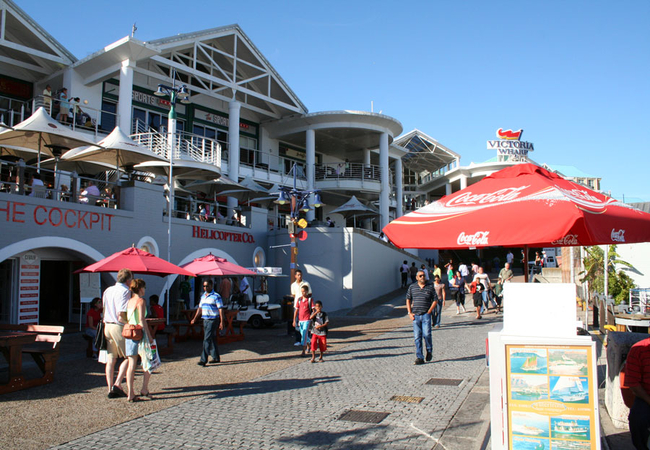
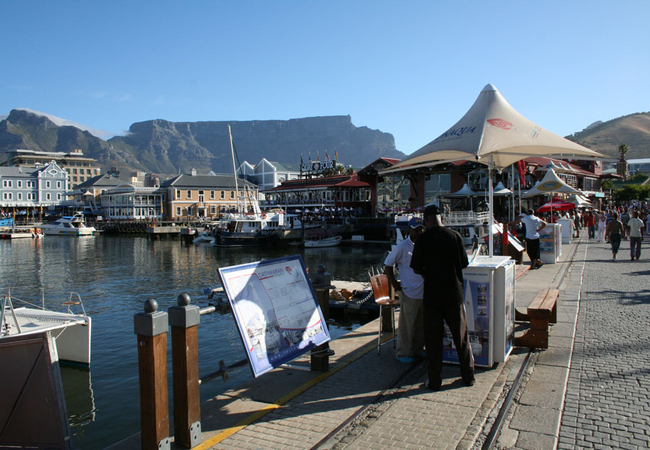
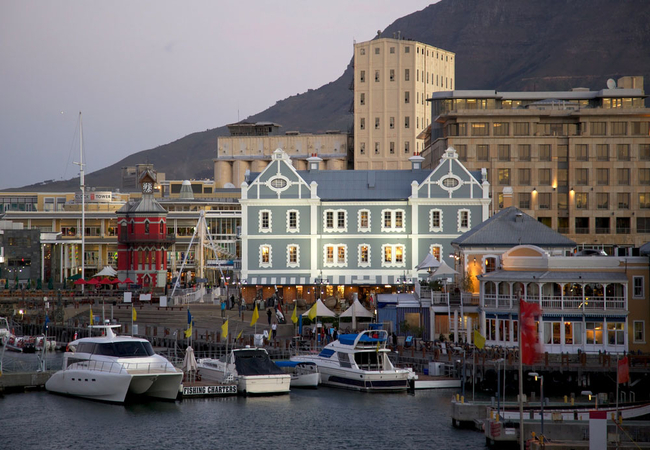
The restaurants, shops, and accommodation at the V&A Waterfront is nothing less than world-class, making your travel to South Africa a glitzy experience. This is one of Cape Town's biggest tourist attractions, the Waterfront evokes images of the early activities of the harbour. Much of its charm lies in the fact that this busy commercial harbour is set in the midst of a huge entertainment venue with pubs, restaurants, specialty shops, craft markets, theatres and movies.
Did you know? The Dragon Tree (dracaeno draco) planted next to the Time Ball Tower is a species originally from the Canary Islands. Well over 100 years old, this is one of the largest of its type in Cape Town. Believed to have been planted by a sailor passing through Cape Town, the sap of these trees was once popular as a medicine to treat dysentery and diarrhea.
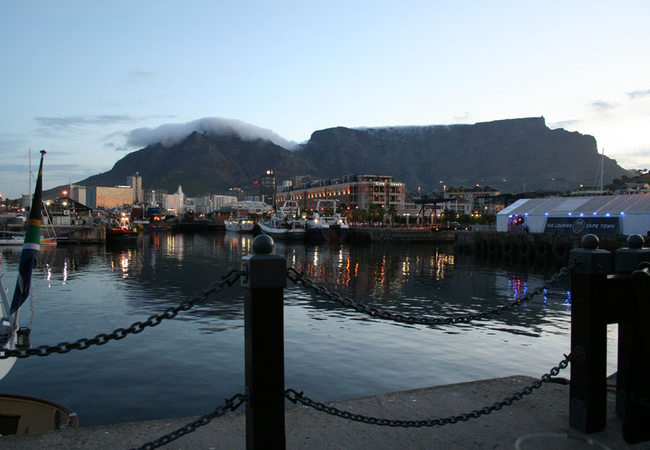
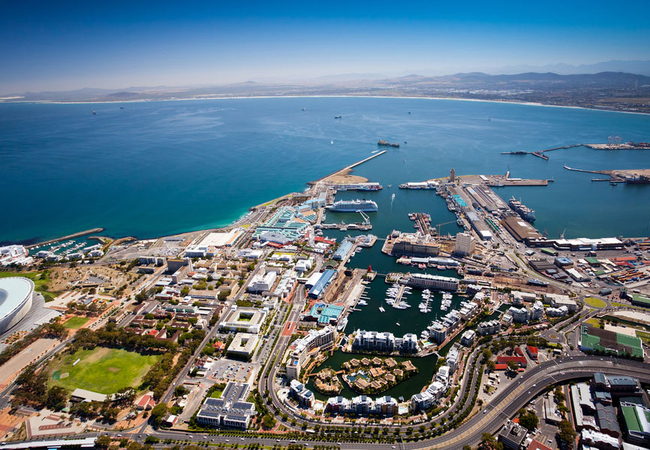
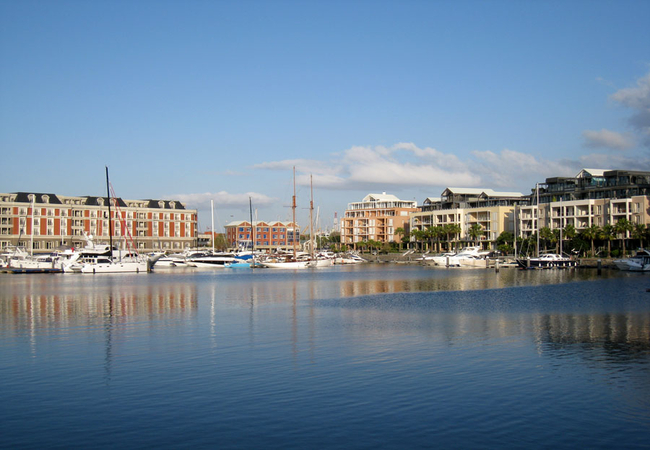
Situated between Robben Island and Table Mountain in the heart of Cape Town's working harbour, the Victoria & Alfred Waterfront has become South Africa's most visited destination. Set against a backdrop of magnificent sea and mountain views, exciting shopping and entertainment venues are intermingled with imaginative office locations, world-class hotels and luxury apartments in the residential marina. We invite you to discover the experience... live, work, shop and play at the V&A Waterfront.
Seal-watching is an amusing diversion. Visitors to the Two Oceans Aquarium will enjoy a fascinating underwater world. The Maritime Museum focuses on the history of shipping from prehistoric times to the present day. Boat trips around the harbour and along the coast are always popular. Helicopter flips provide a broader perspective. The Information Centre provides maps and information on special events planned for the day.
Waterfront Heritage Route
Calls for greater public access and a wider use of Cape Town's historic harbour started in the early 1970's. In 1988, the then landowner (State-owned transport corporation, Transnet Limited) established a wholly owned subsidiary company, Victoria & Alfred Waterfront (Pty) Limited, to redevelop the historic docklands. This was received with large-scale public acclaim.
Since its origins in 1860, the Port of Cape Town has been the scene of excavations, reclamations, harbour construction programmes and land based developments. By the time Prince Alfred* tipped the first load of stone into the sea to initiate construction of Cape Town's harbour, the trade routes to the East had transformed the city into a hive of seafront activity. The discovery of gold and diamonds in South Africa meant that the first section of harbour, the Alfred Basin, had to be added to and the Victoria Basin was built. (* Prince Alfred was Queen Victoria's second son)
The construction of the two harbour basins took place between 1860 and 1920, and the area is notable for its outstanding heritage buildings. It retains the charm of Victorian industrial architecture and the scale of a harbour built for sail and the early days of steam travel. In the 1970s, containerisation had developed worldwide as the major method of cargo handling and transportation. It was this, together with South Africa's economic isolation at the time and the reopening of the Suez Canal, that led to a sharp reduction in the utilisation of land and harbour facilities surrounding the Victoria & Alfred Basins. At the time, Transnet was in the process of rationalising harbour facilities and reviewing its harbour and other land holdings with particular emphasis on the returns being generated by these assets.
Over the past 140 years, the harbour has undergone numerous changes, which continue even today with the redevelopment of land and buildings surrounding the original Victoria & Alfred Basins. The Victoria & Alfred Waterfront project is the culmination of nearly three decades of planning and development proposals.
The Clock Tower
Situated near the site of the original Bertie's Landing Restaurant, the Victorian Gothic-style Clock Tower has always been an icon of the old docks and has become an important focal point in the Waterfront's recent urban design. This was the original Port Captain's Office completed in 1882. On the second floor is a decorative mirror room, which enabled the Port Captain to have a view of all activities in the harbour. On the bottom floor is a tide-gauge mechanism used to check the level of the tide. Restoration of the Clock Tower was completed towards the end of 1997.
Time Ball Tower
The Time Ball (invented by Captain Robert Wauchope) is a signaling device in which a ball is dropped at a given time in order for ships' masters to determine the error and rate of their chronometers whilst in harbour. The Time Ball Tower in the Waterfront was built in 1894 and is situated next the Harbour Engineer's former residence (Dock House). It remained in use for 40 years after which new technology led to it lying idle for 63 years before being restored and officially recommissioned in November 1997.
Robben Island Embarkation Building
At the end of Quay 5 on Jetty 1 is the embarkation building for prisoners sent to Robben Island. Although the purpose and use of the island changed a number of times over the last century or so, it more recently gained international notoriety as a prison for contemporary political figures including South Africa's first democratically elected President, Nelson Mandela. The Robben Island Exhibition and Information Centre situated next door to the Clock Tower building, is a unique museum depicting the history of Robben Island and the political struggle to overthrow apartheid. Bookings for guided tours are essential, and can be made at tel: +27 (0)21 419 1300.
Daily ferry trips to Robben Island depart from the jetty near the Robben Island Exhibition and Information Centre in the Clock Tower Precinct and from the Robben Island Embarkation Building on Jetty 1. Guided tours and bus tours on the island include a visit to the prison with viewing of the limestone quarry, Garrison Church (1841), lighthouse (1863), Leper's Church (1895) and a Kramat. Seabirds, African penguins, ostriches and bontebok are some of the wildlife on the island. Tickets may be purchased from the Embarkation Building.
Seal Landing
It is unusual to get a close view of seals, as offshore islands are their preferred breeding grounds. A colony of Cape fur seals are however a familiar sight resting on the seal landing in the Clock Tower Precinct next to the original Bertie's Landing Restaurant and on old tyres lining the quaysides around the Waterfront. They are an integral part of harbour life and Capetonians are fortunate enough to have these seals living in such close proximity.
Breakwater Prison
The original Breakwater Prison was constructed in 1860 to house the convicts working on the breakwater. A dramatic reminder of the punitive penal attitudes prevalent in the 1890's is the remains of a treadmill visible alongside the former prison building, now housing the University of Cape Town's Graduate School of Business and the Breakwater Lodge - a comfortable hotel.
South African Maritime Museum
The museum showcases the maritime history of Table Bay and houses the largest collection of model ships in South Africa. Floating exhibits in the Victoria and Alfred Basins include the SAS Somerset - a retired Naval Defence Boom Vessel and the Alwyn Vintcent - a coal-fired steam tug. Both may be boarded for a nominal fee. Tel: +27 (0)21 419 2505.
Chavonnes Battery Museum
Of particular significance to the new Clock Tower Precinct development, is its historical base - the Clock Tower, itself a national monument. Recently, preliminary excavation uncovered a portion of the Chavonnes Battery, which is one of the oldest European structures in South Africa, built in the early 1700's.
Investigations conducted by the Archaeology Contracts Office at the Department of Archaeology at the University of Cape Town have yielded a full report on the history of the battery. Built in 1714-1725 by the Dutch East India Company, the Chavonnes Battery was designed to further protect the Cape, together with Fort Knokke and the Amsterdam Battery. Eyewitness accounts described the Chavonnes Battery as being the most formidable of the Table Bay fortifications. By mid-19th century, the Chavonnes Battery had been put to a number of uses.
Besides serving a military role, it was used as an isolation and convalescent wing of the old Somerset Hospital. Crews and passengers of ships stricken with contagious illnesses such as smallpox were confined to the battery until they were considered fit. The Battery was decommissioned in 1861. As part of the new development, the Chavonnes Battery Museum has been retained and part of the ruins opened to the public for viewing - and acts as a real feature of the Clock Tower Precinct.
Popular V&A Waterfront
Nobel Square
Overnight? Accommodation in Cape Town
Nobel Square, located at the iconic V&A Waterfront in Cape Town, serves as a poignant tribute to South Africa’s four Nobel Peace Prize laureates: the late Chief ...

Family Entertainment / Malls & Shopping
Victoria Wharf Shopping Centre
Stay? V&A Waterfront Accommodation
As the most popular shopping destination in South Africa, the Victoria Wharf Shopping Centre, at the V&A Waterfront, is a hub of excitement and activity. It is one ...
Family Entertainment / Sight Seeing
Cape Wheel
Stay? V&A Waterfront Accommodation
Reminiscent of the mammoth London Eye in the UK, the Cape Wheel is an observation wheel that continues to awe visitors that are exploring the Mother City of Cape ...

Robben Island Helicopter Tour
Stay? V&A Waterfront Accommodation
Part of the beauty of South Africa as a destination is its poignant and complex history, and a trip to Cape Town certainly demands a visit to the iconic heritage ...
Need to Know
WhereVictoria & Alfred Waterfront, Breakwater Boulevard, Foreshore, Cape Town, 8002, South Africa
WhenOpen Daily
TelephoneThe Information Centre on +27 (0)21 408-7600
OvernightStay in V&A Waterfront Accommodation, Cape Town
Disclaimer
Please note, business details can change. While we endeavour to ensure all information provided by the service provider is correct at the time of publication, we do not assume any liability caused by errors or changes, such as price, cost, time, and location. Please check with the provider that the activity/business is still offered as described, before making any travel plans.
Feedback?
If this is your attraction, you can let us know if anything on this page is outdated or contains inaccuracies, by email. We regret, we do not have any other information, please contact the provider if you have questions.
Additional Reading
You might also be interested inAttractions near V&A Waterfront
Wish you were here?

In the vicinity
Hotels & other accommodation options in V&A Waterfront
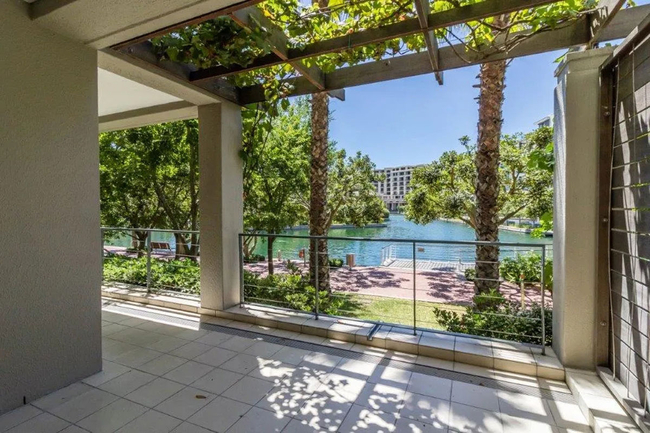
Mountain Marina Premier 2 One-Bedroom
Overlooking the tranquil canal and island, this sophisticated retreat provides spacious accommodation in one of the city’s most sought-after loca...
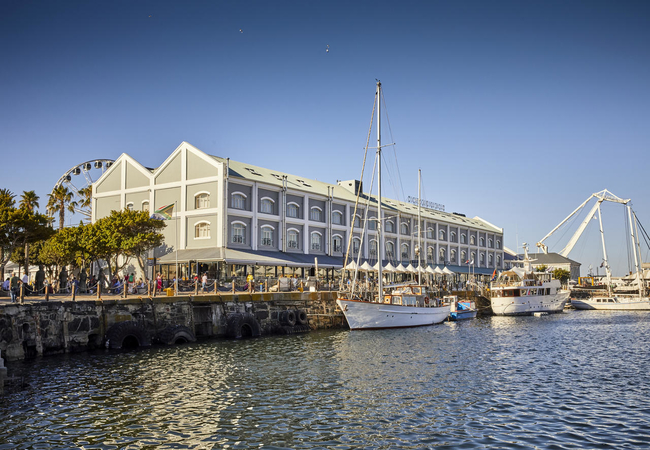
Victoria & Alfred Hotel
The Victoria and Alfred Hotel is internationally renowned for the highest standards of service. The warm personality of the Hotel, the attention ...
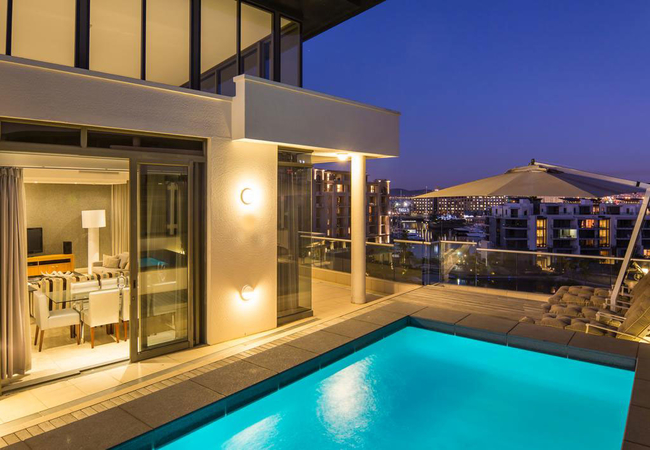
Lawhill Luxury Apartments
Regardless of your reason for visiting Cape Town, Lawhill Luxury Apartments is the perfect place to stay, located in the Marina at the V&A Waterf...
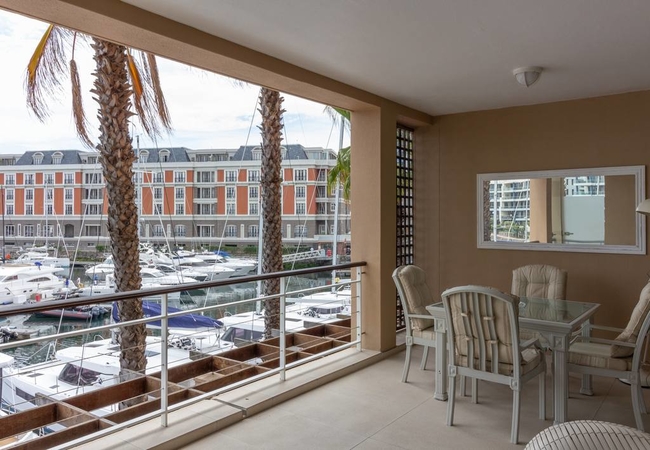
Parergon 104
Parergon 104 offers accommodation in a luxuriously furnished apartment overlooking the yacht basin in the V&A Waterfront in Cape Town. From here ...
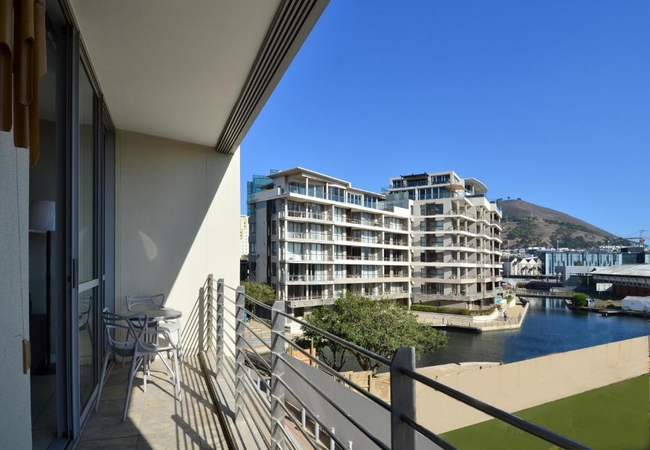
214 Harbour Bridge
214 Harbour Bridge is a luxurious holiday apartment, situated on the 2nd floor with a sweeping view over the Roggebaai Canal, Signal Hill and the...
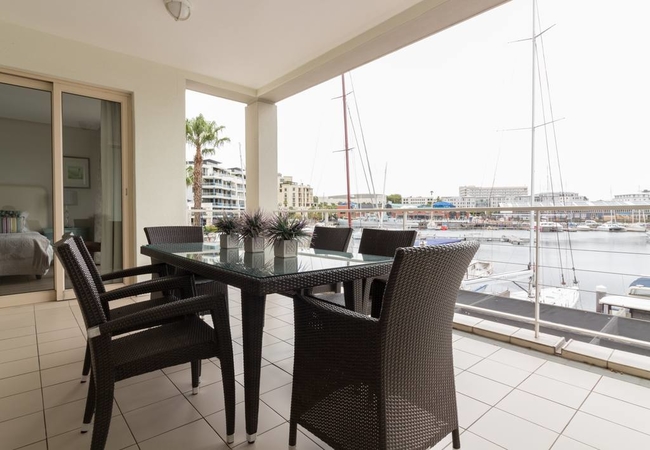
Penrith 103
Penrith 103 is a stylish two bedroom self catering apartment offering fabulous views over the marina in the V&A Waterfront. The apartment is beau...
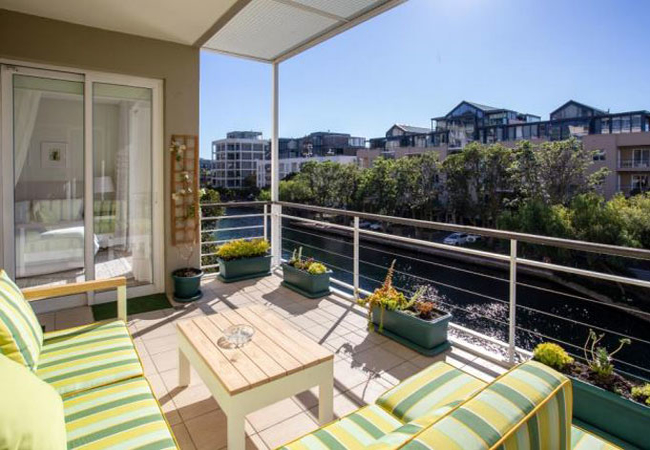
Carradale 204
A true home from home. Carradale 204 is a gorgeous, sun filled, and airy apartment and is just the place to take time out the rat race. A system ...
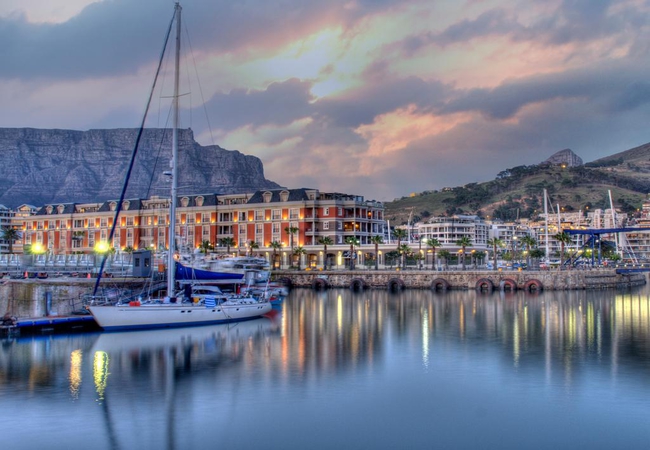
Cape Grace
The gentle elegance of a luxurious small hotel, combined with the allure of one of the world's most beautiful cities, provides a unique experienc...
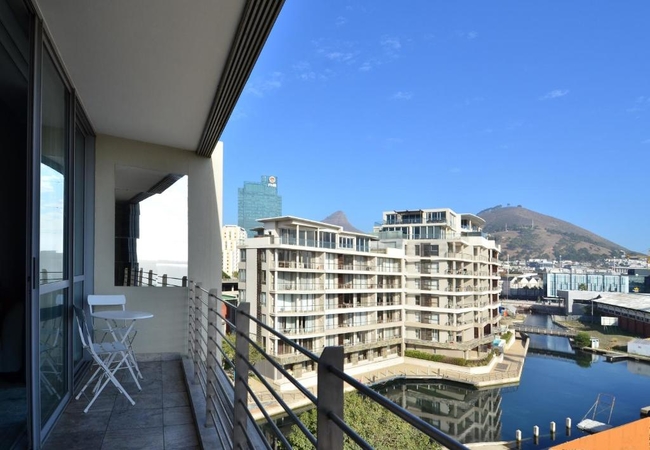
410 Harbour Bridge
410 Harbour Bridge is a luxurious one bedroom self-catering holiday apartment situated on the 4th floor with a sweeping view over the Roggebaai C...
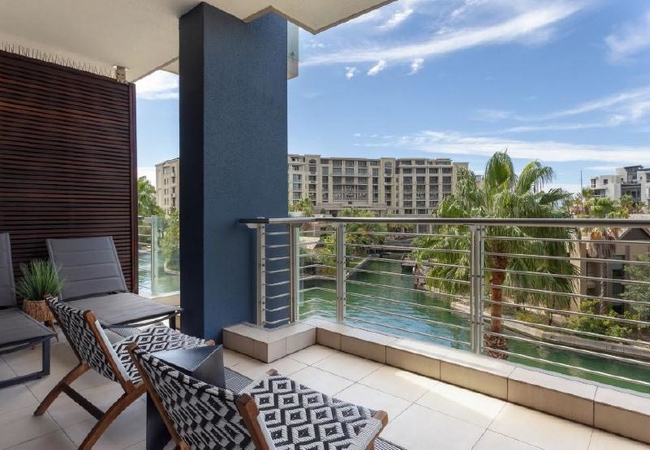
Kylemore 206
Kylemore 206 is a stylish one bedroom apartment offering Cape Town self catering in the V&A Waterfront. Overlooking the marine waterways, there i...
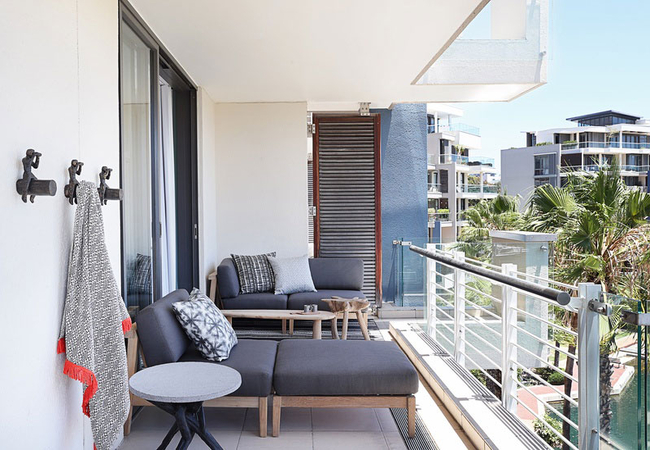
Juliette 402
Juliette 402 offers accommodation in a two bedroom apartment on the marina waterways in the V&A Waterfront, ideal for a single person or a couple...
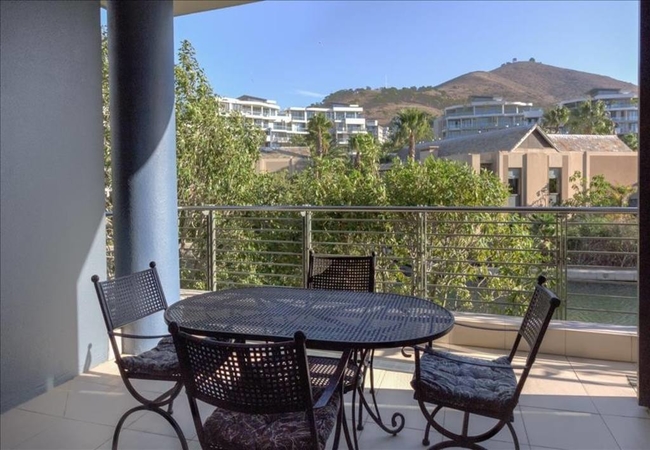
Pembroke 108
Pembroke 108 is a great self catering apartment in the Marina Residential Area of the V&A Waterfront and has one bedroom, sleeping two guests. Th...
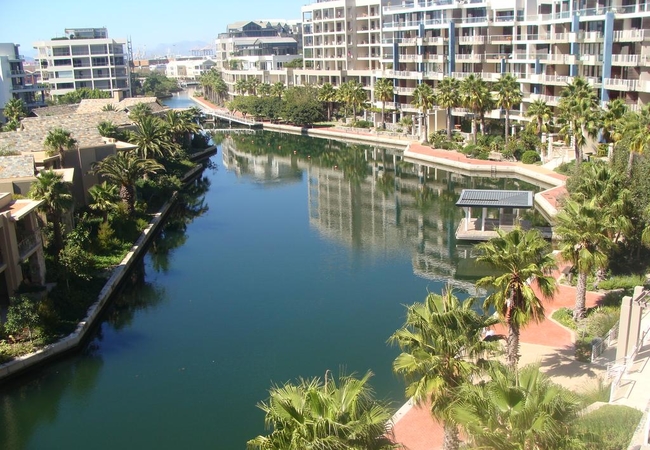
Kylemore 202
Kylemore 202 is a lovely apartment in the V&A Waterfront accommodating two guests. The apartment is situated on the second floor with gorgeous vi...
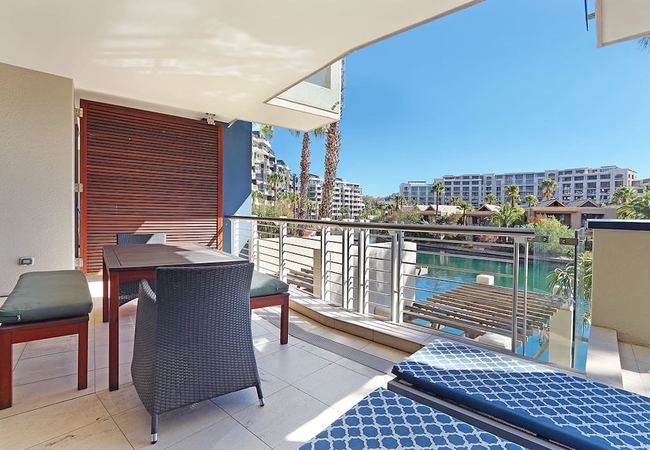
Waterfront Stays 109
These luxurious and modern apartments are located on the water's edge in the heart of the famous V&A Waterfront Marina, within walking distance o...
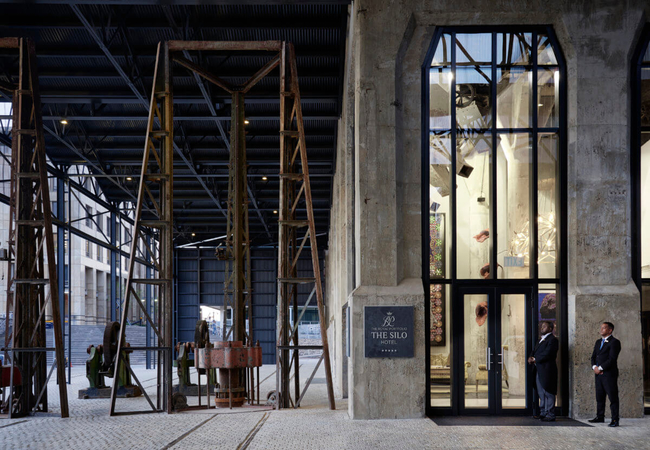
The Silo Hotel
The Silo is an extraordinary five-star hotel in Cape Town's V&A Waterfront which sets a new standard for luxury Cape Town accommodation. A magica...
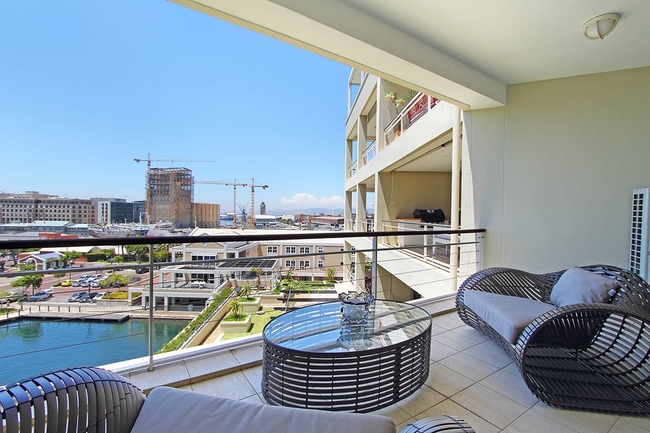
Bannockburn 503
This exceptional seafront apartment offers an unparalleled Cape Town accommodation experience, with breathtaking views and an atmosphere that imm...
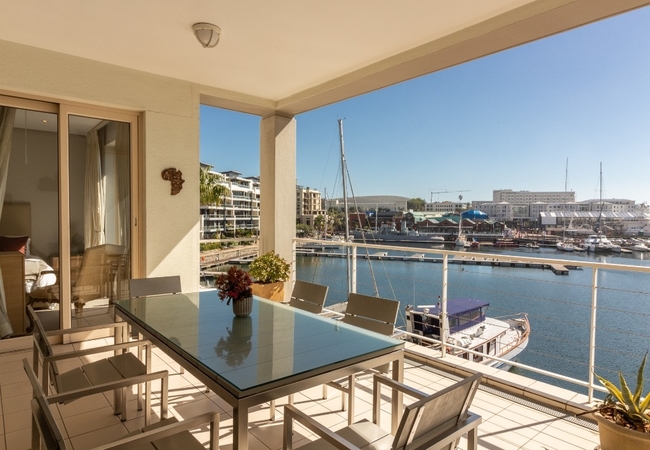
Penrith 203
Penrith 203 is a classic and contemporary two bedroom apartment sleeps four guests. The main bedroom has a double bed and an en-suite bathroom wi...
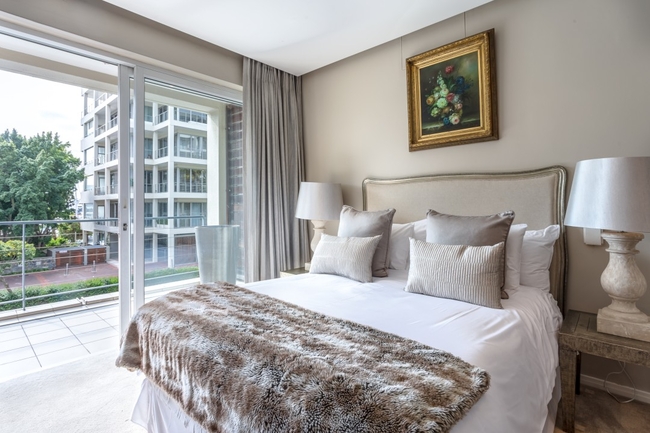
Gulmarn 103
Gulmarn 103 is a spacious, modern two-bedroom holiday apartment that offers a relaxing retreat with stunning views of the marina waterways from b...
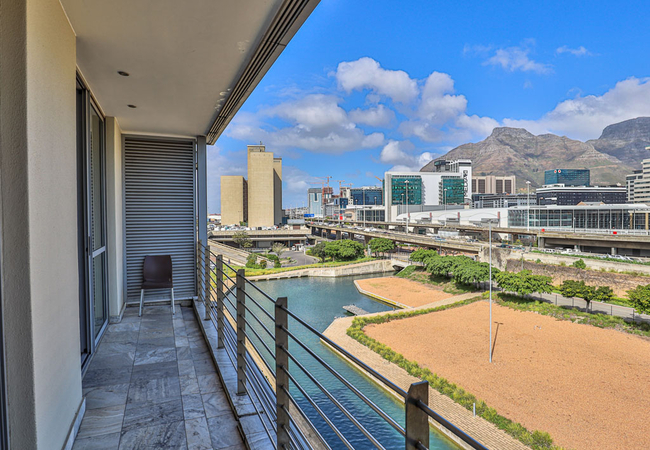
Harbour Bridge 417
Harbour Bridge 417 is situated on the Foreshore in the Cape Town City Bowl. The two-bedroom apartment is located a stone's throw from the CTICC a...
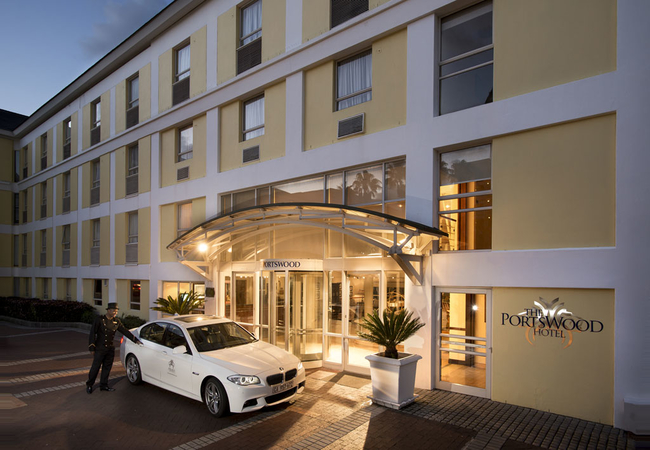
The PortsWood Hotel
The PortsWood Hotel can be found in the V&A Waterfront and offers its guest luxury accommodation and excellent service. Accommodation is offered ...
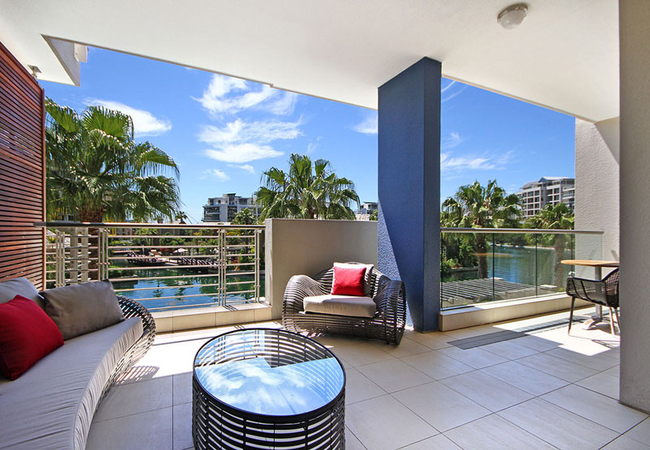
Kylemore 109
Kylemore 109 is simply luxurious and oozes opulence. This two bedroom apartment can be found in the very popular marina residential area at the V...
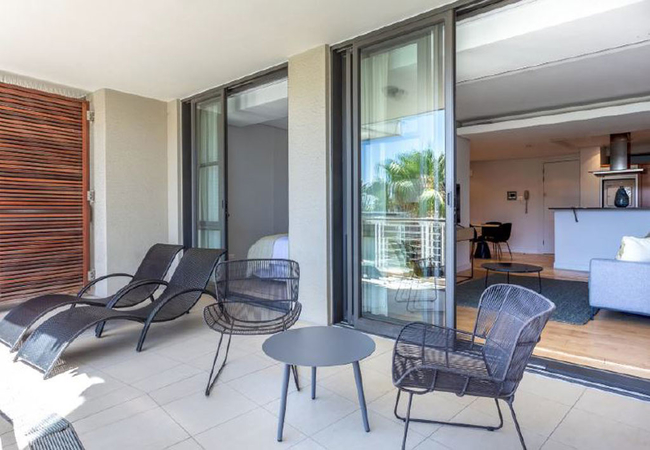
Juliette 209
Juliette 209 is a beautiful and cosy one bedroom apartment, with a massive outdoor space. This Cape Town self catering apartment is decorated wit...
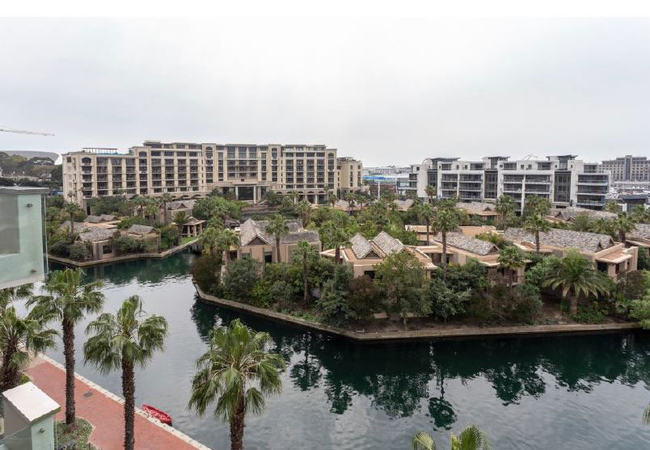
Kylemore 501
Kylemore 501 is a gorgeous three bedroom apartment on the fifth floor, giving you spectacular views across the waterfront and beautiful views of ...
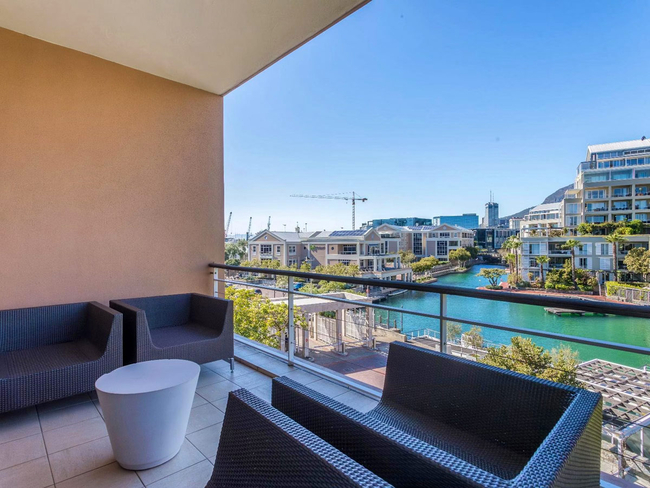
Mountain Marina Premier 4 Two-Bedroom
Indulge in the exclusivity of a luxurious waterfront apartment, where five-star service and world-class amenities complement an unparalleled loca...
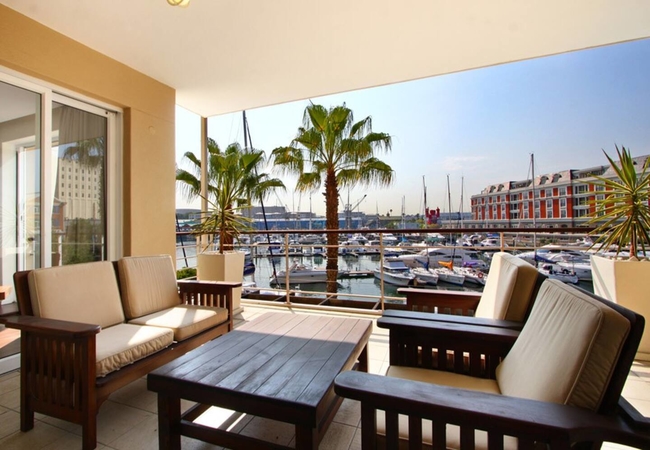
Parergon 102
Parergon 102 is a two bedroom apartment within the V&A Marina Residential area boasting fabulous accommodation with phenomenal views. This apartm...
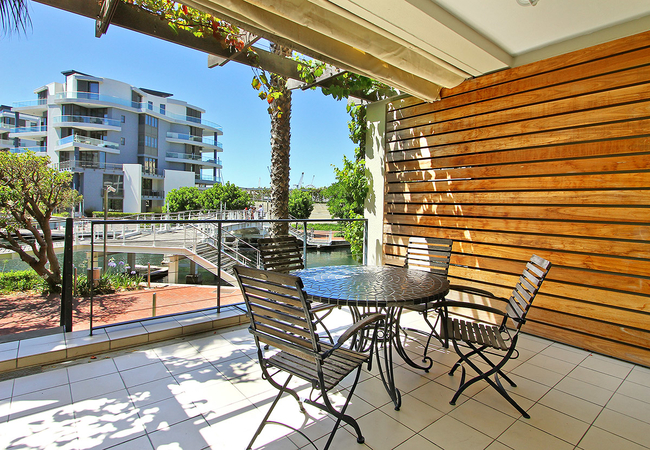
Gulmarn 006
This one bedroom apartment overlooks the marina waterways at the V&A Waterfront. Sleeping two guests this lovely apartment has a stunning bedroom...
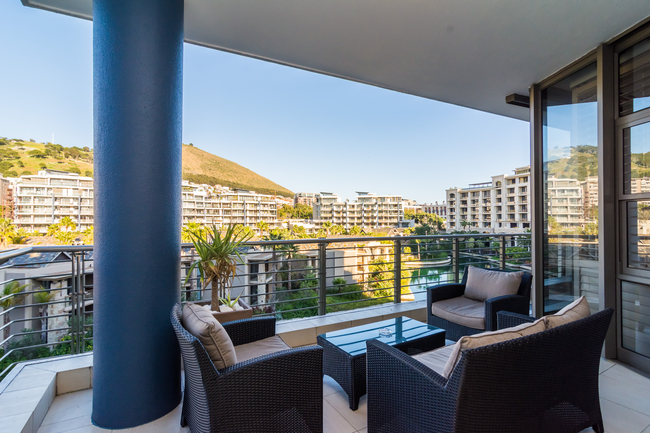
Mountain Marina Premier 4 One-Bedroom
Experience an exceptional blend of space and comfort in our One-Bedroom Premier Apartment, a generously sized 105m² sanctuary crafted for an elev...
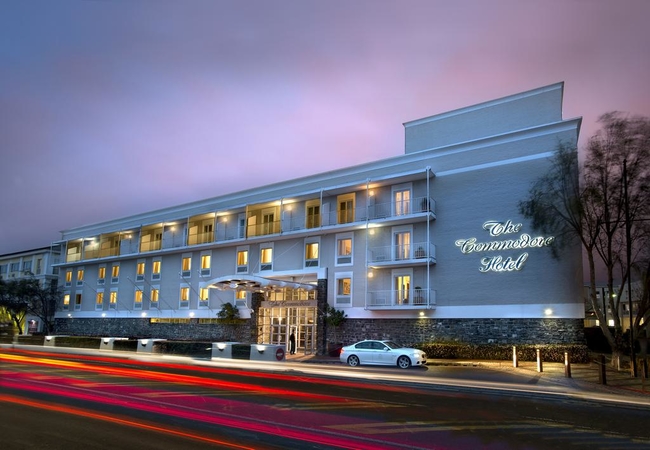
The Commodore Hotel
A visitor to the Commodore Hotel will find himself enveloped inside this postcard picture. The hotel is located in the V & A Waterfront, one of t...
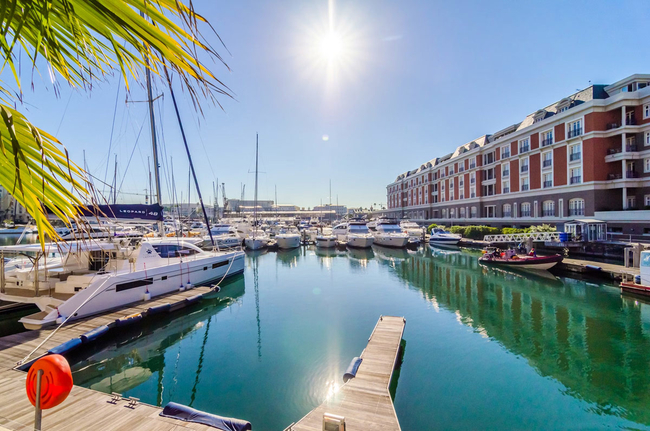
Mountain Marina Premier 1 Two-Bedroom
Enjoy the luxury of a private waterfront apartment offering accommodation with impeccable service and top-tier facilities in one of South Africa’...
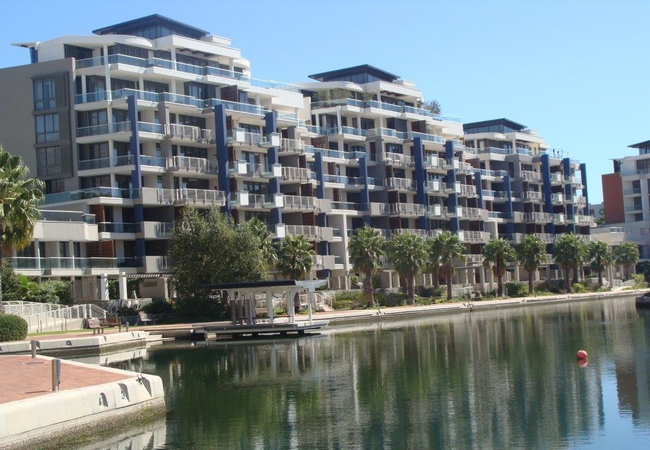
Kylemore 405
Kylemore 405 offers accommodation in a luxurious, up-market one-bedroomed apartment situated on the fourth floor and boasts beautiful canal views...
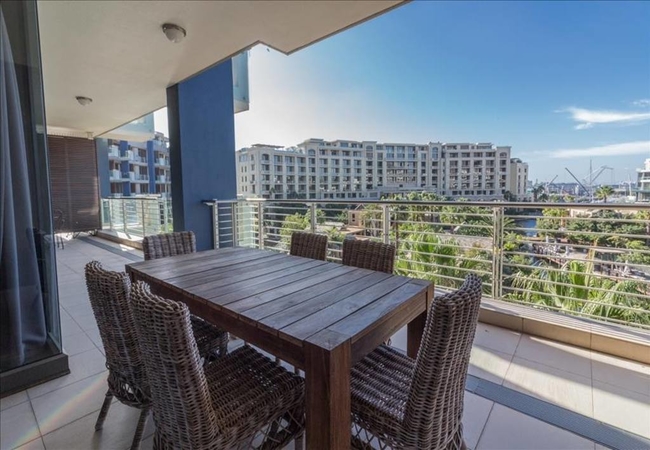
Kylemore 309
Kylemore 309 offers accommodation in a two bedroom apartment in the V&A Waterfront Marina with stunning views and access to four communal swimmin...
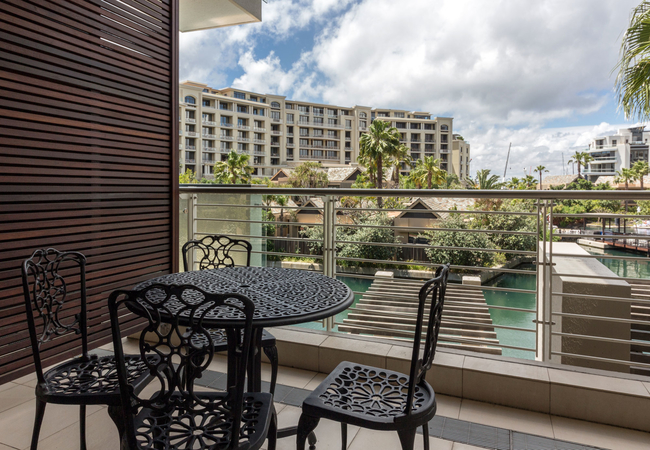
Kylemore 110
The trendy apartment block of Kylemore is irresistible for travellers to the Mother City. Kylemore 110 is a stylish apartment for up to four peop...
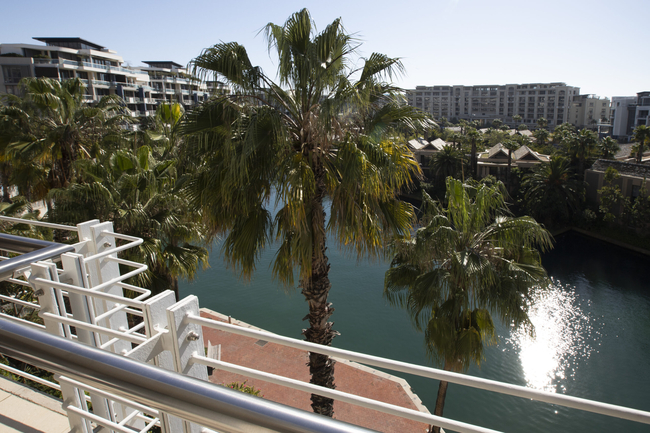
Mountain Marina Superior 4 One-Bedroom
Enjoy the exclusivity of a luxury waterfront apartment, complemented by five-star service and world-class amenities in one of South Africa’s most...
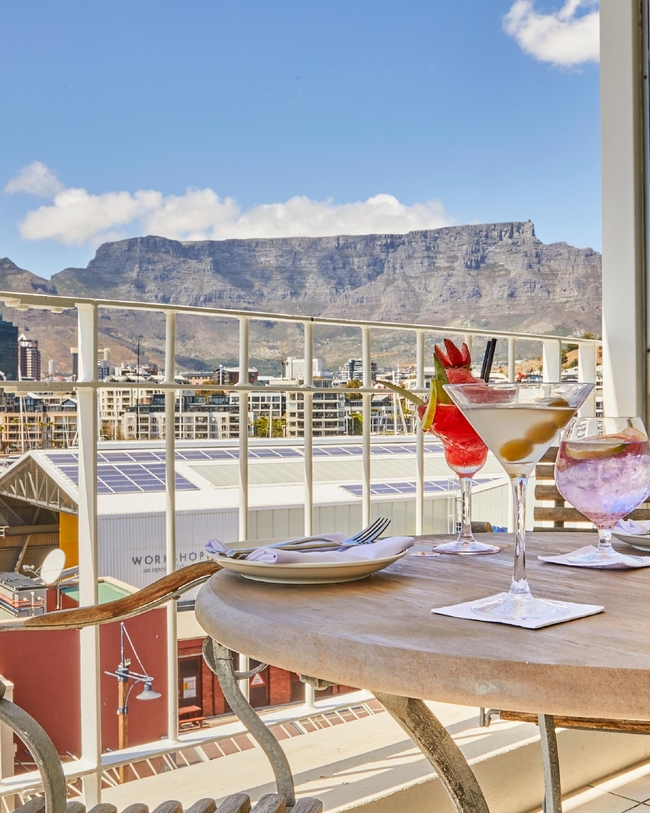
Queen Victoria Hotel
Situated in the heart of Cape Town, the Queen Victoria Hotel welcomes guests to experience the very essence of distinguished luxury, where classi...
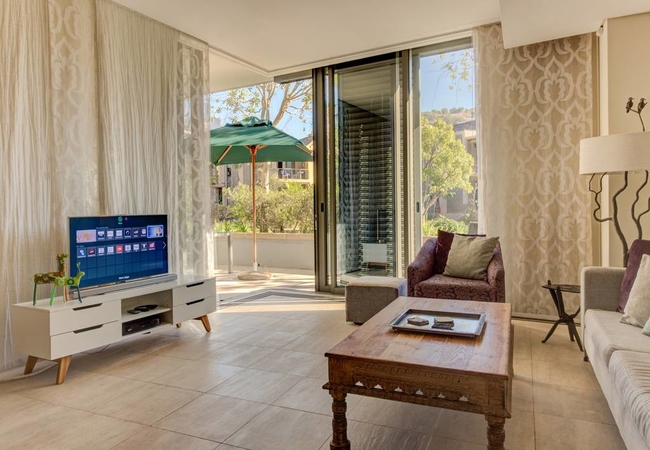
Pembroke G09
Pembroke G09 is a fully furnished holiday apartment found in the Waterfront Marina. The apartment is modern and stylish and sleeps two guests. Th...
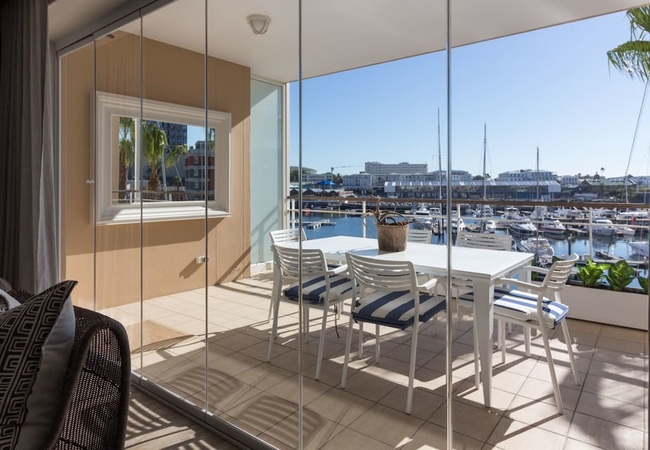
Parergon 205
Parergon 205 is a large three bedroom apartment found in the Marina Residential at the V&A Waterfront. This apartment has all the space you will ...
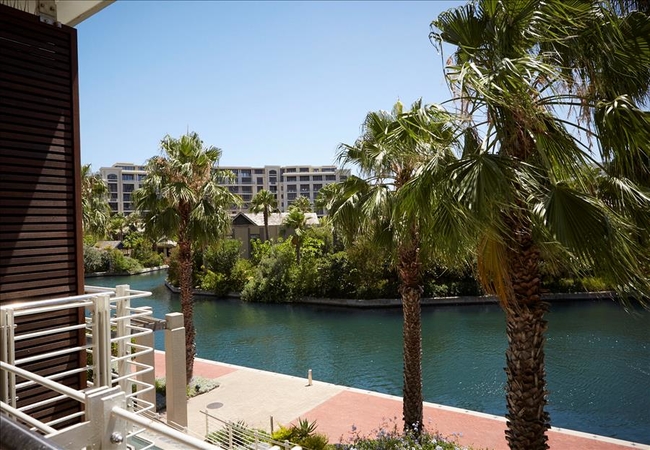
Kylemore 101
Kylemore 101 Holiday Apartment is a two-bedroom unit measuring 140 square metres. The kitchen, lounge and dining area are designed to be open-pla...
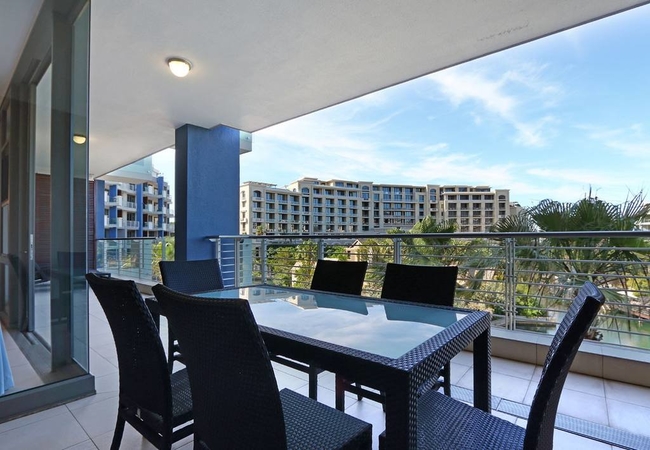
Kylemore 210
Kylemore 210 is a two bedroom apartment located in the popular V&A Waterfront Marina. This ultra modern and comfortable unit sleeps up to four gu...
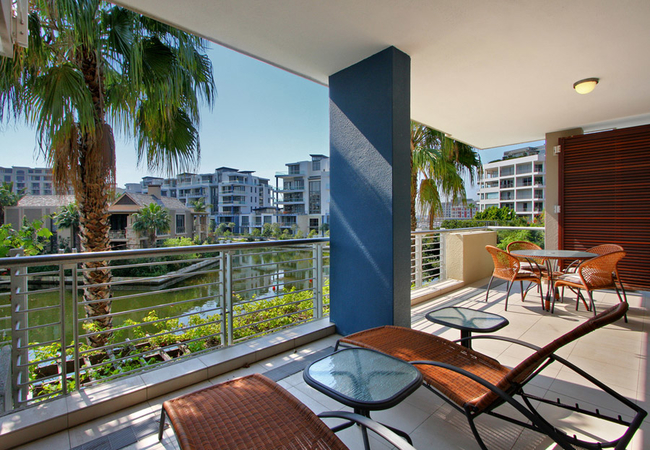
Juliette 102
Juliette 102 is a one bedroom apartment on the marina waterways in the V&A Waterfront, ideal for a single person or a couple looking for a romant...
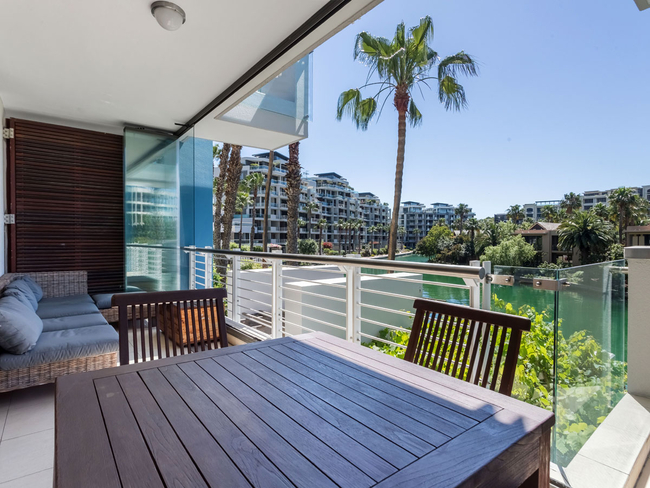
Mountain Marina Superior 5 One-Bedroom
Thoughtfully designed to accommodate two guests, the apartment features a stylishly appointed bedroom with a queen-sized bed and an en-suite bath...
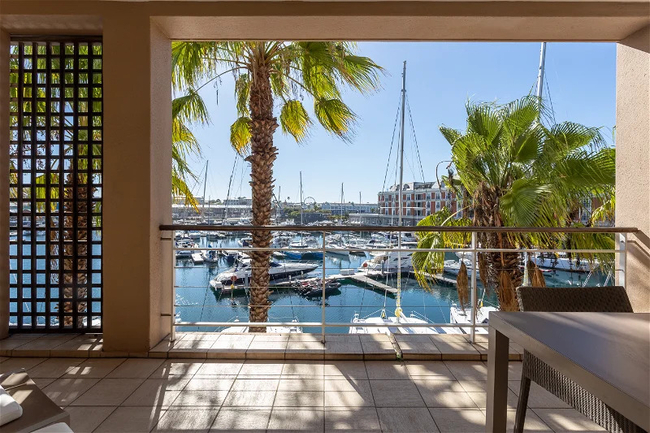
Parergon 203
Parergon 203 is a beautiful one bedroom apartment in the Waterfront Marina Residential area. This apartment is warm and homely and sleeps two gue...
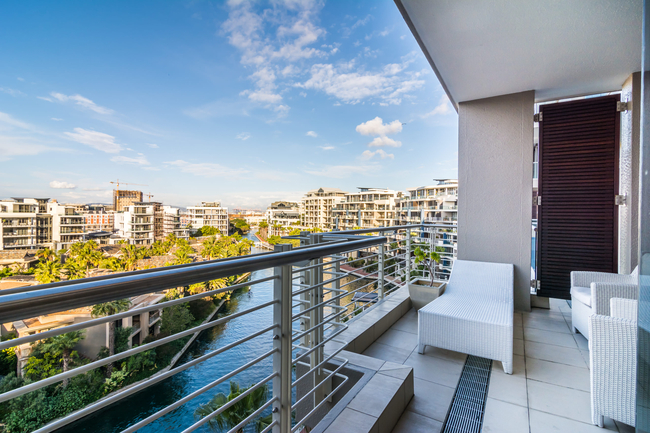
Mountain Marina Superior 3 One-Bedroom
Indulge in the privacy of your own luxurious waterfront apartment, complemented by exceptional 5-star service and top-tier amenities. Located in ...
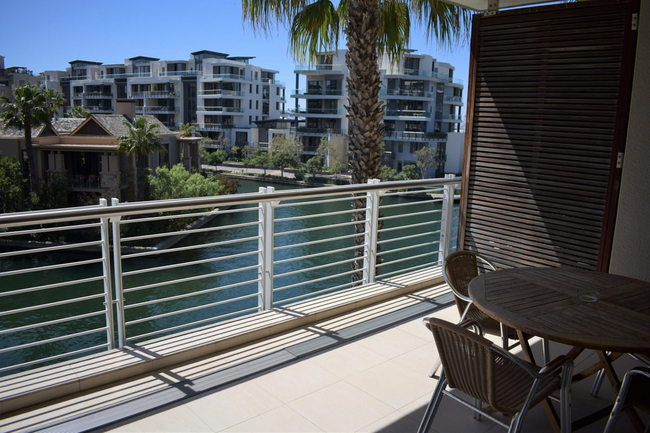
Mountain Marina Superior 2 One-Bedroom
Designed for both relaxation and practicality, this air-conditioned apartment boasts a private entrance and an inviting, open-plan layout. Expans...
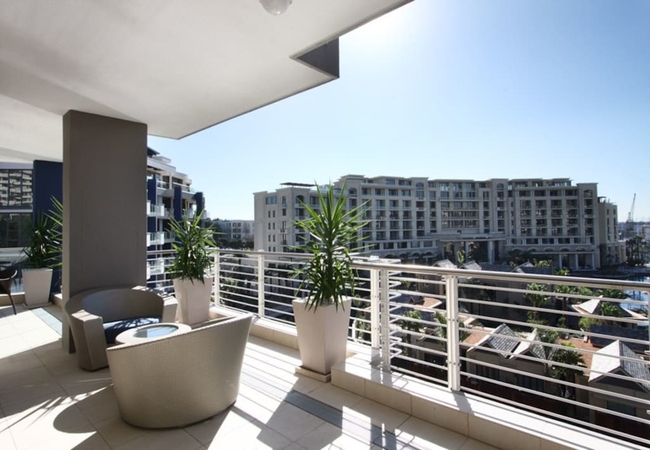
Kylemore 410
The V&A Marina Residential area is home to Kylemore 410, a three bedroom self catering apartment with outstanding views and home comforts. There ...
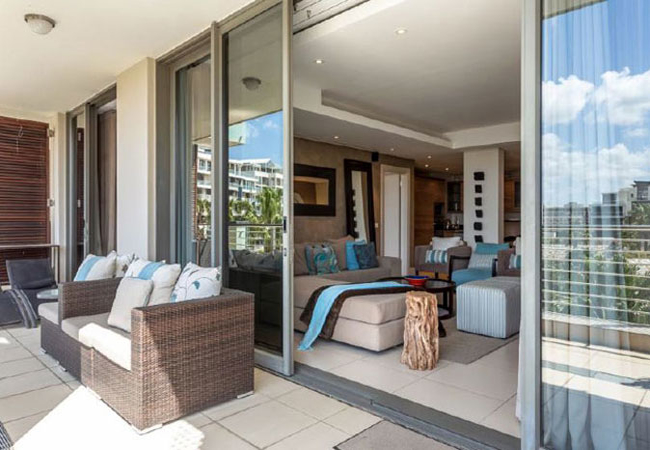
Kylemore 302
Kylemore 302 is a beautiful two bedroom apartment that offers a relaxed environment, whilst enjoying the high end luxury of the V&A Marina Reside...
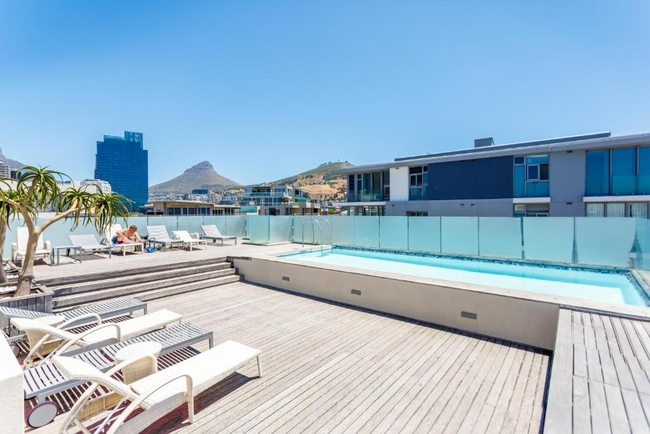
Harbour Bridge 326
Harbour Bridge 326 is a sophisticated self-catering hotel apartment situated along the scenic canals in the Foreshore. With its prime location, g...
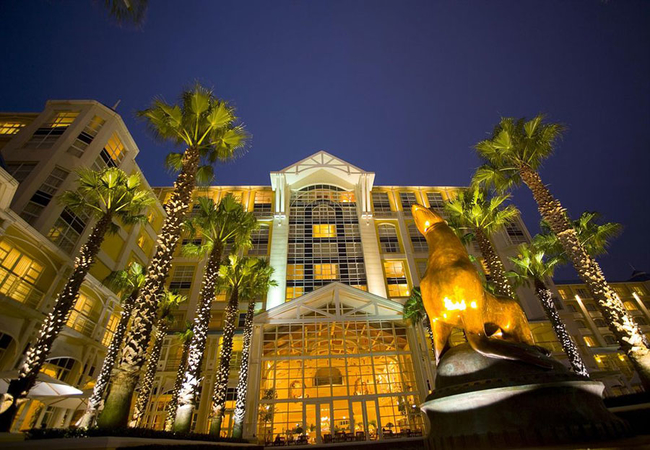
The Table Bay Hotel
The Table Bay is a 5 star, 329-room hotel with magnificent surroundings. It has a maritime flavour that extends to each of the exclusively design...
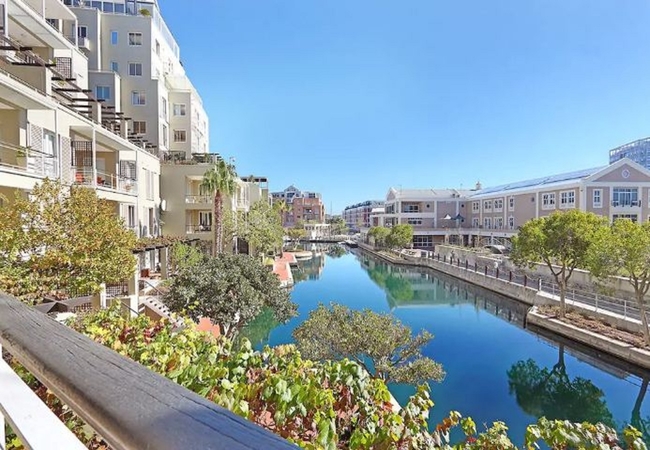
Waterfront Stays 102
Situated in the tourism and shopping Mecca of the V&A Waterfront in Cape Town, Waterfront Stays 102 provides accommodation for two adults and two...
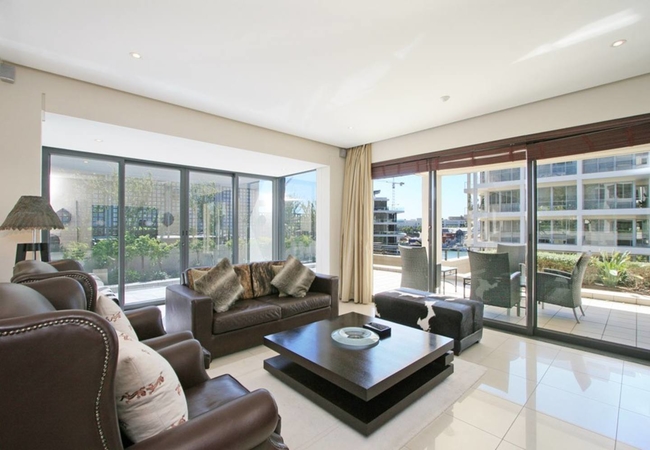
Faulconier 303
Situated in the V&A Waterfront, Faulconier 303 s a two bedroom apartment that sets itself apart, providing the ideal space to feel at home while ...
Things to do in the area
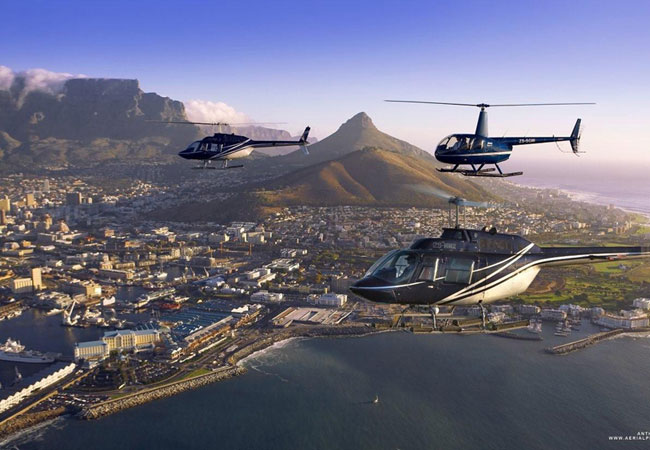
Helicopter Flights With Extreme Scene
Take a tour via Helicopter over Cape Town and the Peninsula. Get a birds eye view of the Cape on this fun and popular Helicopter Tour. Various tr...
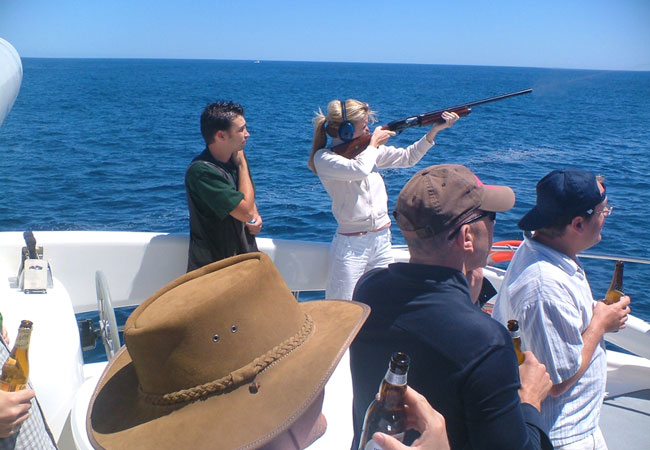
Claypigeon Shooting Cruise
Depart from the V&A Waterfront for a scenic cruise on the Tigger 2. A cruise with all the equipment onboard to shoot under the supervision of a q...
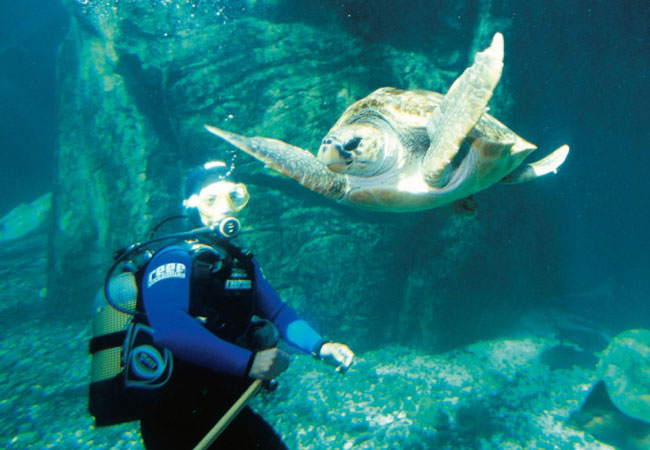
Diving at the Two Oceans Aquarium
When you dive at the Two Oceans Aquarium at Cape town's V&A waterfront, you will dive with ragged-tooth sharks (sand tigers), shoals of large pre...
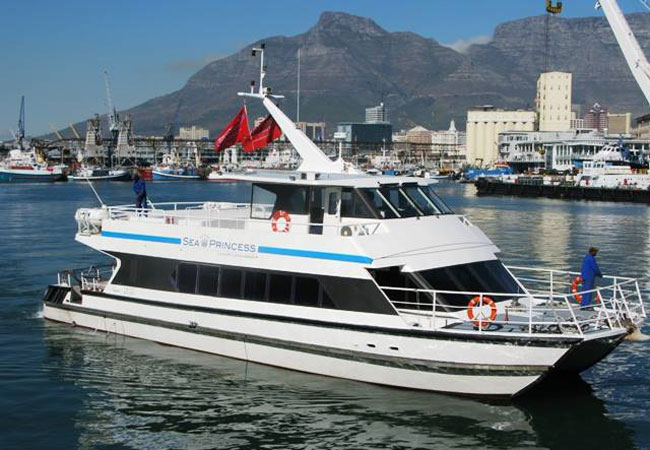
Harbour Seal Cruise
Look out for Alfie the Seal! This is a scenic guided Harbour cruise through the working Harbour of Cape Town, seals, ships and much much more. Id...
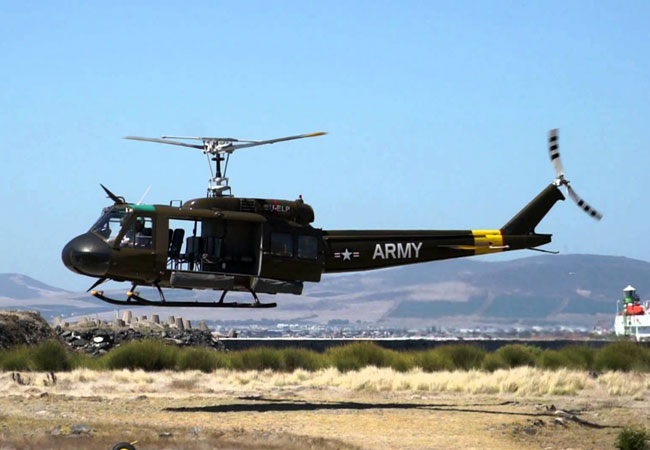
Huey Helicopter Flight
This transmission is for adrenalin junkies and warfare warriors. Your mission is to take to the Cape Town skies Vietnam style. Adventure brief, e...
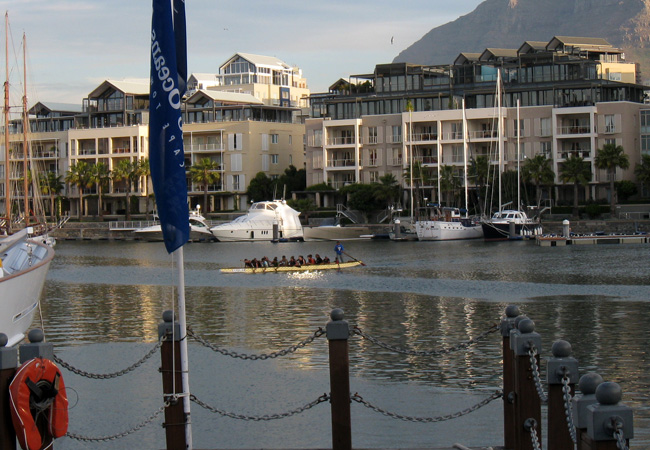
Watch the Dragon Boats
The Cape Town Dragon Boat Racing Club have their practice sessions from Mondays to Thursdays - if you are at the V&A Waterfront at this time, hea...
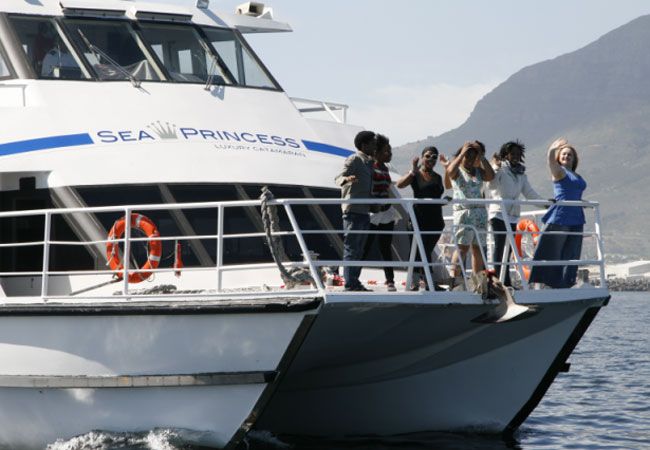
Robben Island Cruise
Cruise to the coast of Robben Island where Mandela was imprisoned for most of 17 years. This trip offers breathtaking views of Robben Island and ...
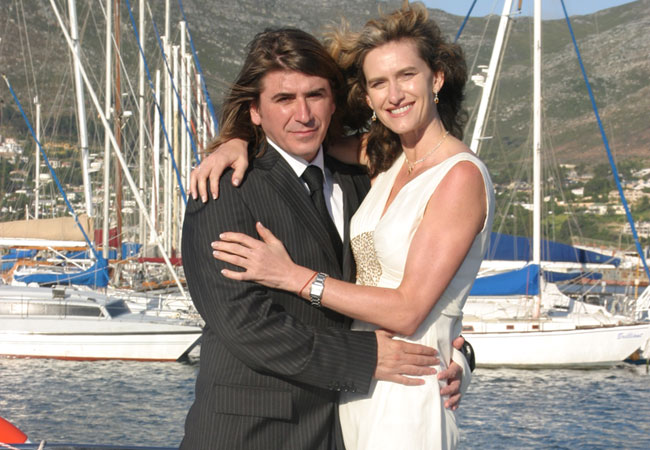
Romantic Dinner Cruise for 2
This is a Private Charter for one couple only. Departing from the V&A Waterfront in Cape Town, set off on a romantic sunset cruise and be served ...
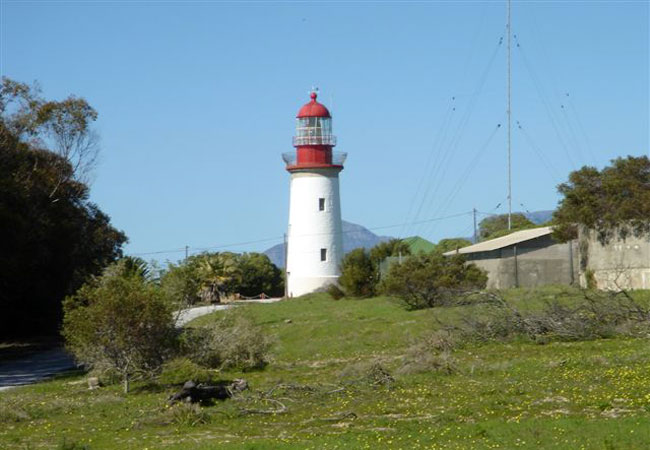
See the Light on Robben Island
Robben Island is a small island whose activities have documented the changing of time, the course of history and the progress of mankind. First d...
Accommodation convenient to V&A Waterfront
FIND / South Africa Accommodation / Western Cape Accommodation / Cape Town Accommodation / Atlantic Seaboard Accommodation / V&A Waterfront Accommodation