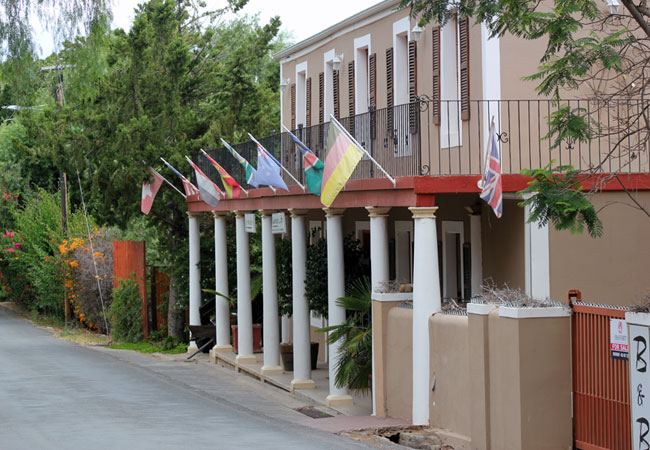
The Karoo Region, Western Cape
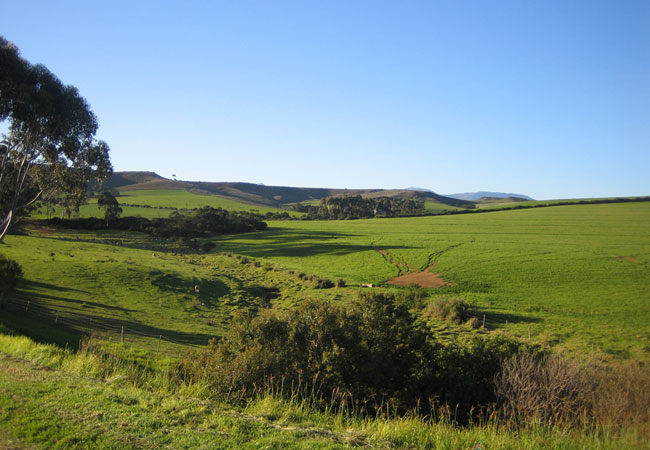
The Little or Klein Karoo, which is a long valley bordered by the Swartberg and the Langeberg Mountains in the Western Cape, forms the southern sibling of the larger Karoo - the Great or Groot Karoo occupies the northern part thereof.
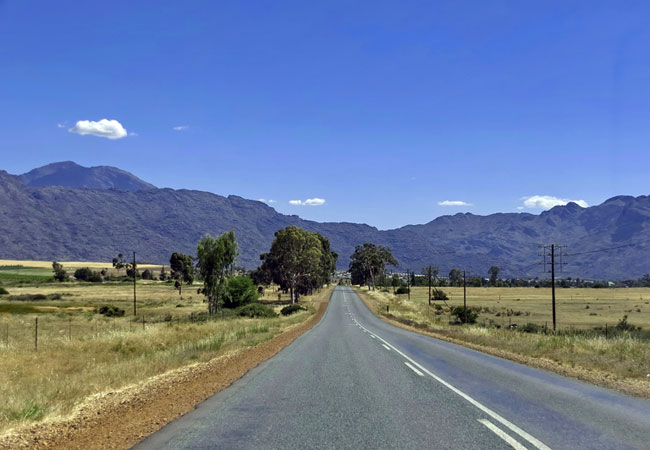
This is the land of succulents - their thick, fleshy diversity unparalleled anywhere else in the world - peppered only by the odd bush and tree that gives the Karoo, at first glance, the appearance of arid, dry and very flat land devoid of living matter and given over to hot days and cold nights. Herds of buffalo, elephant and kudu once dominated these plains only to be hunted or driven out by modern development.
Did you know? Once you've booked your hotel or Karoo accommodation, explore the destination pages below for info on attractions, activities and things to do when you visit the Klein Karoo.
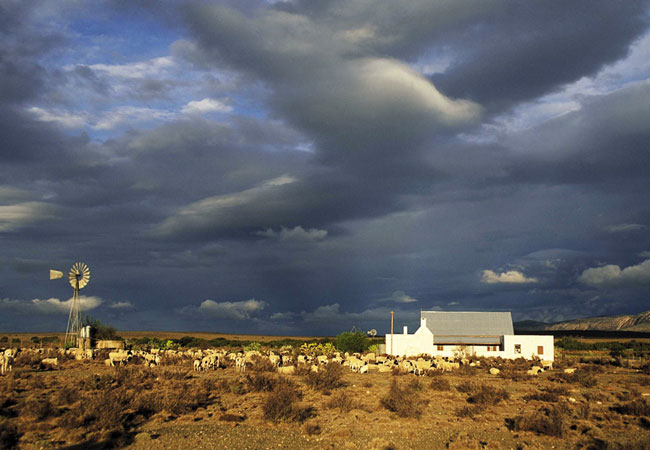
Today the mainly visible animal in the area is the ostrich, farmed for his meat, eggs and feathers, but stay awhile and you'll hear the rustlings of the bat-eared fox, the suricate or meerkat and the common barking gecko.
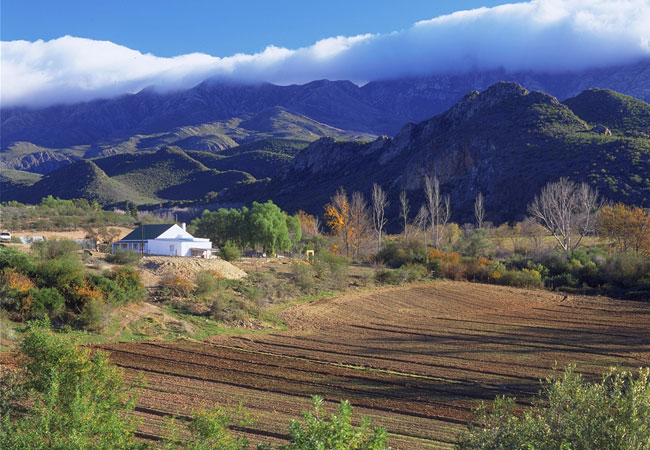
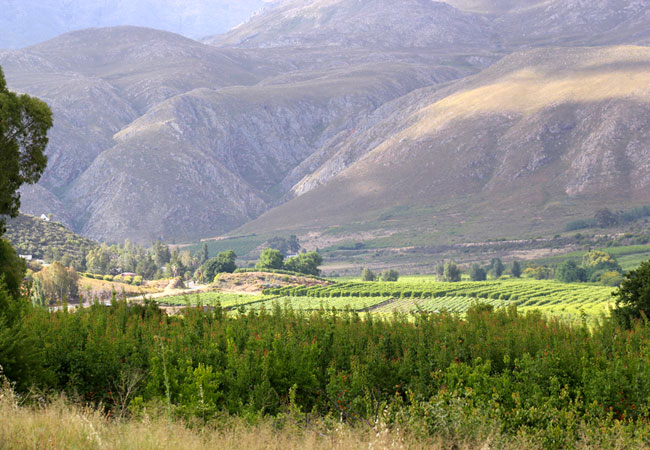
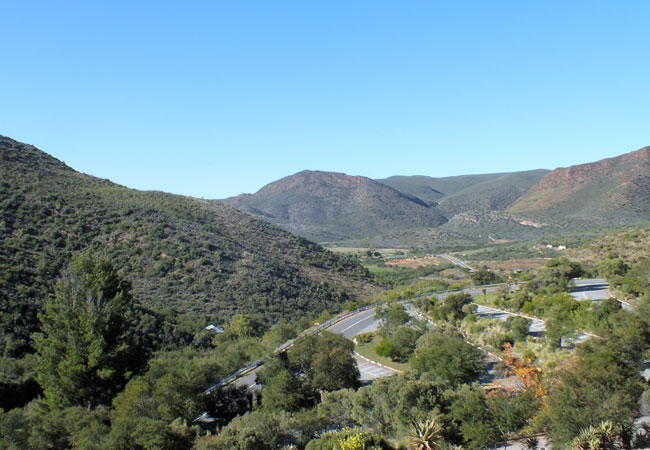
This bleak landscape is, on second glance, an area of towering cliffs, clear streams and a unique biome dominated by the aloe and dwarf baobab tree with its yellow peeling bark and midsummer red tubular flowers. Majestic mountains lend a blue haze to the distant horizon and spring flowers draw huge numbers of tourists from all over the world for a few weeks every year when sand becomes a tapestry of flowers.
This semi-arid climate with winter rainfall gives rise to various microclimates that allow Karoo winemakers to produce a wide variety of quality wines from vines grown typically along the fertile river banks. Little villages and hamlets make intermittent appearances and towns like Calitzdorp, Ladismith, Van Wyksdorp and Uniondale give the visitor a good idea of a typical South African dorp or town.
The Cango Caves, just west of Oudtshoorn, were discovered by a young Hottentot looking for missing cattle and extend underground for over two kilometres.
Did you know? Herds of buffalo, elephant and kudu once dominated these plains only to be hunted or driven out by modern development. Today the mainly visible animal in the area is the ostrich, farmed for his meat, eggs and feathers, but stay awhile and you'll hear the rustlings of the bat-eared fox, the suricate or meerkat and the common barking gecko.
Formed as a result of 20 million years of rainwater scouring and dissolving rock and limestone to form halls and passageways, the caves were declared a National Monument in 1938 and include the Wonder Cave that has some superb examples of drip stone formations and a resident bat population.
And last but not least, the Klein Karoo National Arts Festival at Oudtshoorn showcases South African art forms from serious drama to farce and includes music, fine arts, festive food, poetry, theatre for the little people and dancing. Some have described it as a ‘boere bazaar' (farmers' market) rather than an arts festival, but one is seriously spoiled for choice here when it comes to catching up on the local art scene.
Find accommodation in the Karoo
South Africa Accommodation / Western Cape Accommodation / Cape Town Accommodation / Karoo Accommodation
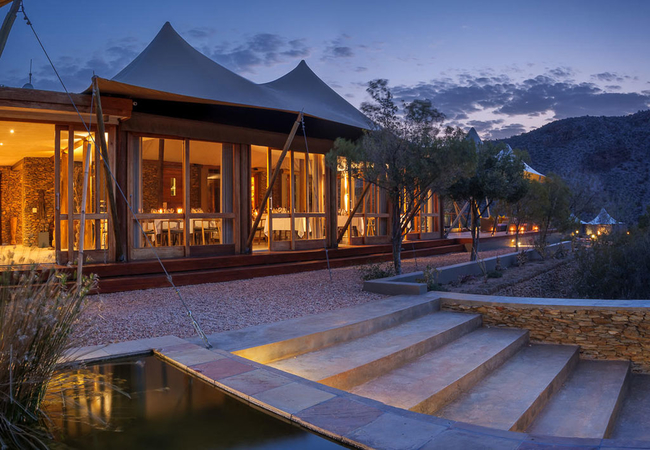
Dwyka Tented Lodge
Embraced by striking rock formations, Dwyka Tented Lodge in Sanbona epitomises an atmosphere of seclusion. The lodge stands proud within the beau...
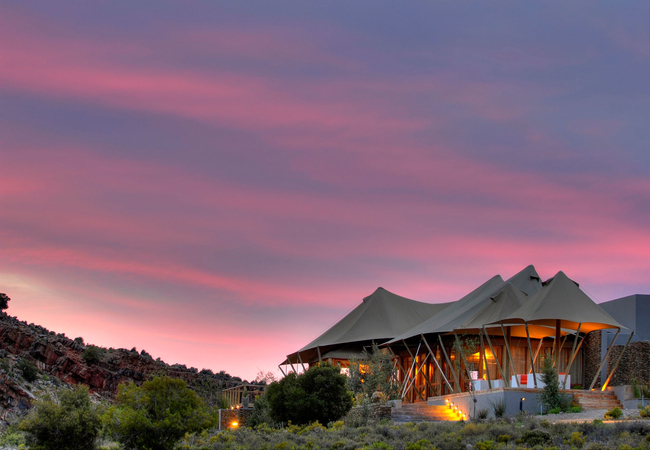
Sanbona Wildlife Reserve
Nestled in the rolling koppies of the Little Karoo, a sprawling expanse of undulating rock formations, hardy scrub vegetation and blue African sk...
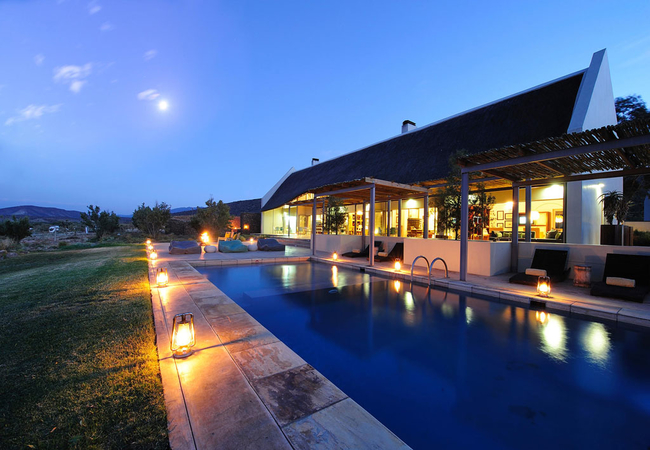
Gondwana Family Lodge
With views of the magnificent Anysberg Mountains and overlooking the Bellair Dam, Gondwana Lodge is the perfect sanctuary for family, friends and...
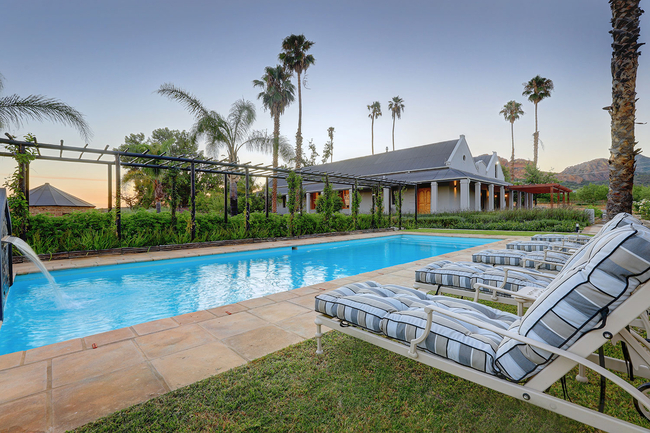
Almond Valley Manor House
Nestled in the heart of South Africa's Klein Karoo, Almond Valley presents a captivating retreat in the form of a meticulously restored Victorian...
Die Opstal at Aardvark
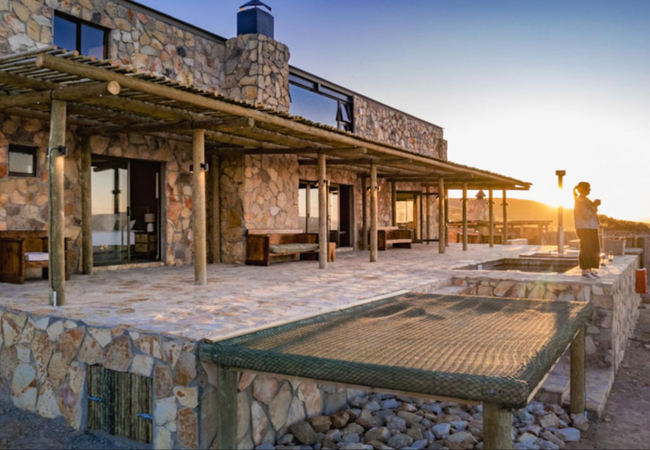
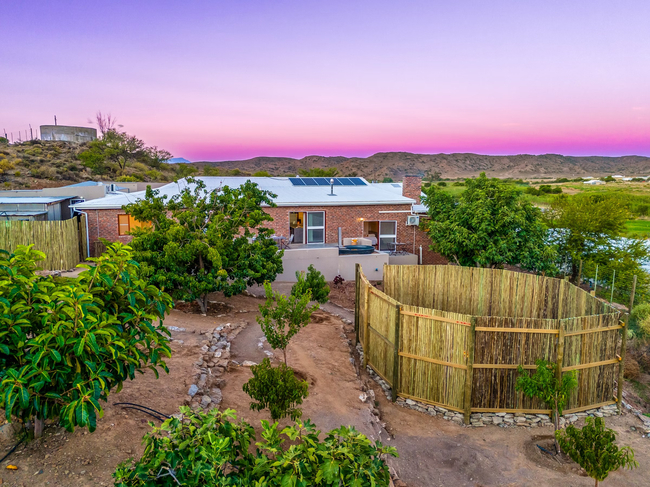
Die Opstal, a spacious 4-bedroom farmhouse, nestles uniquely within the rustic charm of Aardvark Bioreserve's Western section, amidst wandering c...
The Olive House
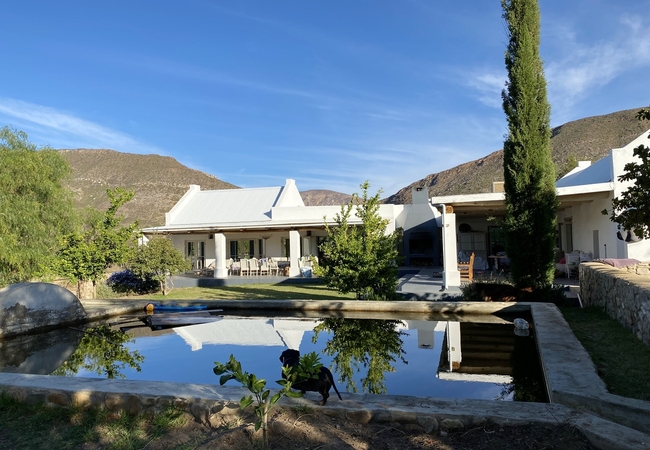
The Olive House offers self catering accommodation in Prince Albert. Here time is not historical. The sky is a song of stars. The wind is solitar...
De Aap Farm Lodge
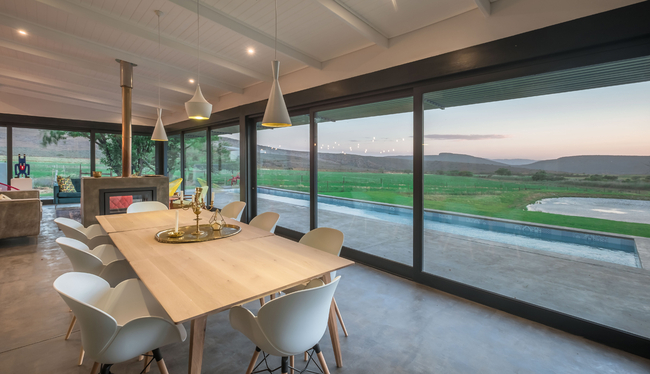
Nestled amidst the rugged beauty of the Swartberg Mountains lies De Aap Farm Lodge, an idyllic retreat offering accommodation in Klaarstroom. Thi...

The Shepherd's Cottage
Escaping to the peaceful solitude of the Karoo works quiet wonders on one’s well-being. At the Shepherd’s Cottage, you’re invited to fully discon...
Destinations in the Karoo Region
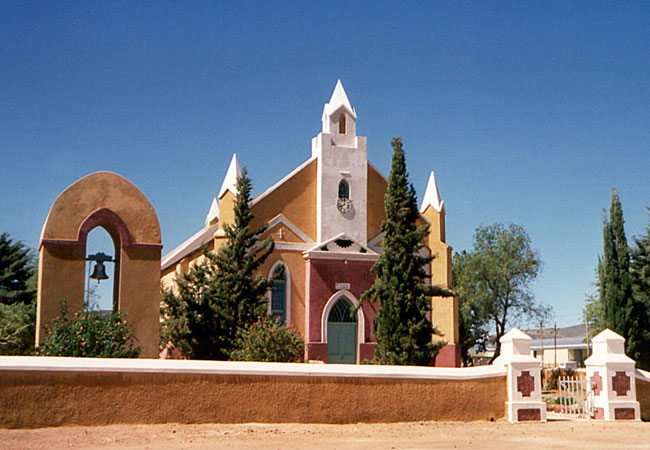
Amalienstein and Zoar
It is difficult to talk about Zoar or Amalienstein separately, so interwoven are these sister towns. They lie adjacent to one another on Route 62 at the entrance to the Sewe Weeks Poort (Amalienstein is the one with the beautiful yellow church that yo...
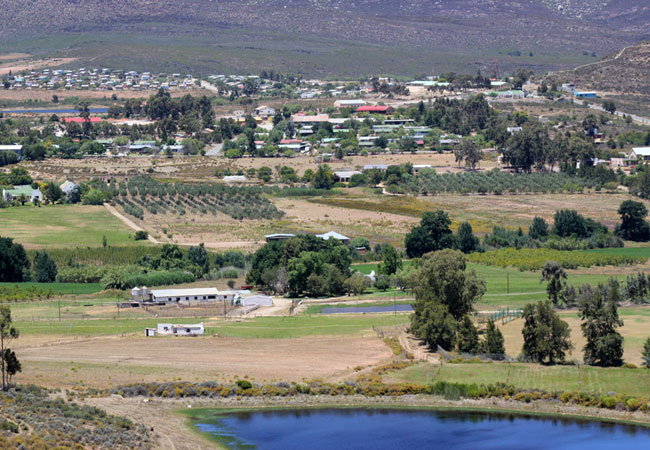
Barrydale
Overnight? Barrydale accommodation
The little town of Barrydale lies nestled at the foot of the beautiful Langeberge in the heart of the Tradouw Valley, close to where the northern exit of the Tradouw Pass winds through the mountains to meet Route 62, the longest wine route in the world, e...
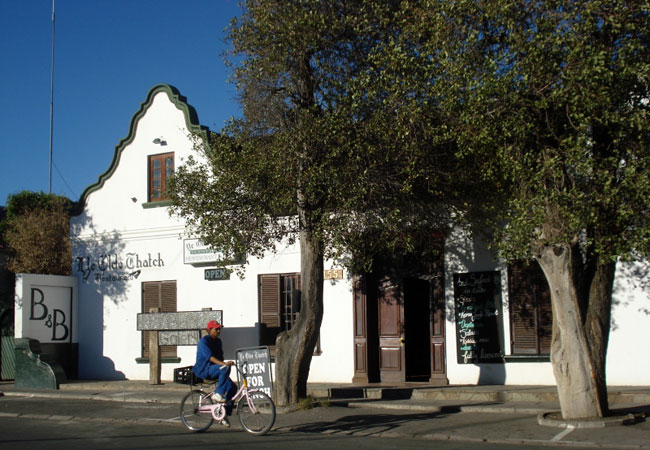
Beaufort West
Overnight? Beaufort West accommodation
Beaufort West lies between the Gamka and Kuils Rivers, just south of a ridge of hills and north of the Nuweveld Mountains in the Central Karoo, where rocks date back some 230 million years. Although for many South Africans, travelling on the N1, it is yet...
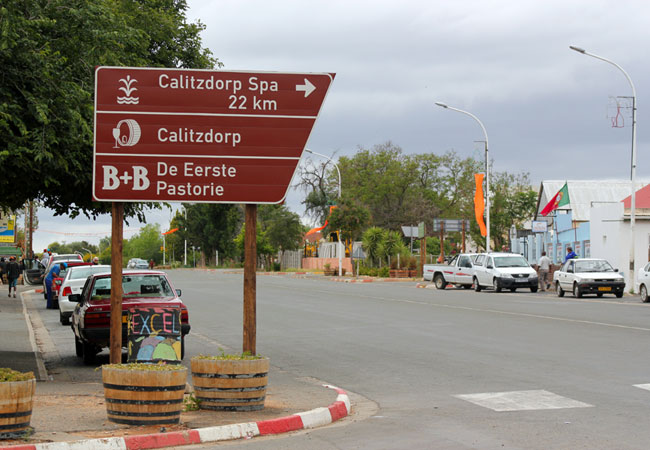
Calitzdorp
Overnight? Calitzdorp accommodation
The typical little Karoo town of Calitzdorp lies on Route 62, about four hours drive from Cape Town and roughly half way to Port Elizabeth. Calitzdorp is renowned in its own right for a number of reasons, not least of which is its bona fide Klein Karoo ch...
De Doorns
Overnight? De Doorns accommodation
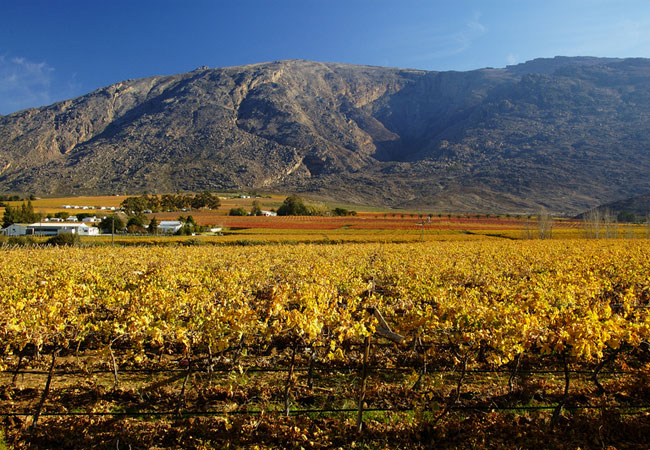
De Doorns lies on the main route to and from Cape Town, Johannesburg and Port Elizabeth. With its wide range of service and commercial facilities, De Doorns has become the business and shopping centre for the entire valley and surrounding towns.
De Do...
De Rust
Overnight? De Rust accommodation
Stay overnight in the Karoo when you book holiday accommodation in De Rust, a pretty little town in the Western Cape. The quaint little Victorian town of De Rust, on Route 62, is conveniently positioned at the southern entrance to Meiringspoort - a magnif...
De Vlugt
Overnight? De Vlugt accommodation
Roughly halfway along Prince Alfred Pass (R339), as it descends to meet the river, is the historical hamlet of De Vlugt. Also know as Die Vlug, De Vlugt is what remains of the dwellings of Andrew Geddes Bain and his son, Thomas, their outbuildings and the...
Herold
Overnight? Herold accommodation
Herold doesn't need much by way of imaginative writing to inspire a visit.
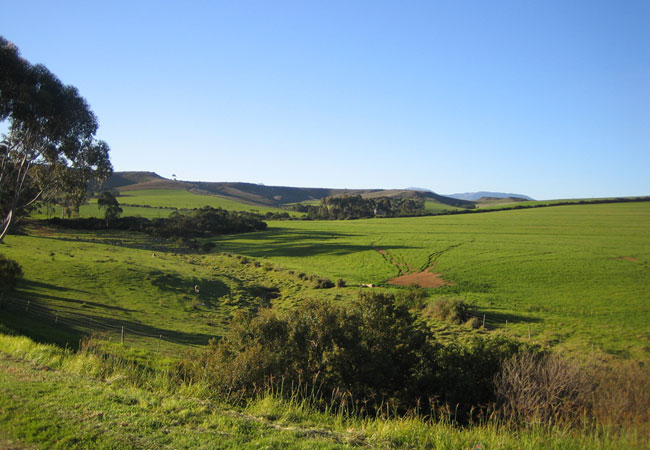
The little hamlet lies right on the Montagu Pass cradled by some of the most majestic mountain scenery in the country on the R62, (Route 62) one of South Africa's newest and mo...
Klaarstroom
Overnight? Klaarstroom accommodation
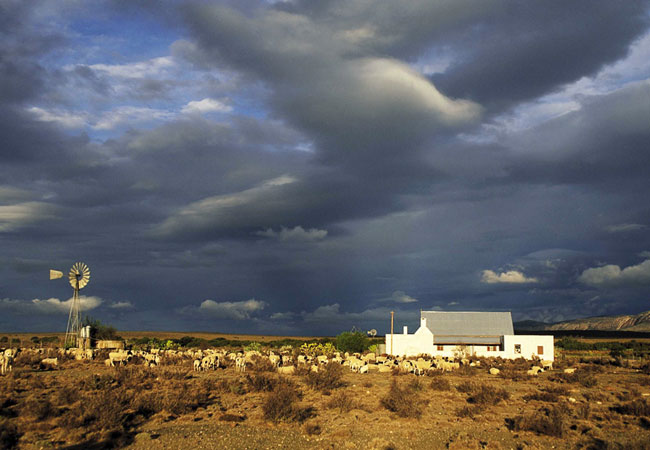
The tiny hamlet of Klaarstroom, positioned at the foot of the Swartberg Mountains at the Great Karoo entrance to Meiringspoort, is the genuine article when it comes to Victorian working farm villages - little affected by time and change in South Africa.
...
Ladismith
Overnight? Ladismith accommodation
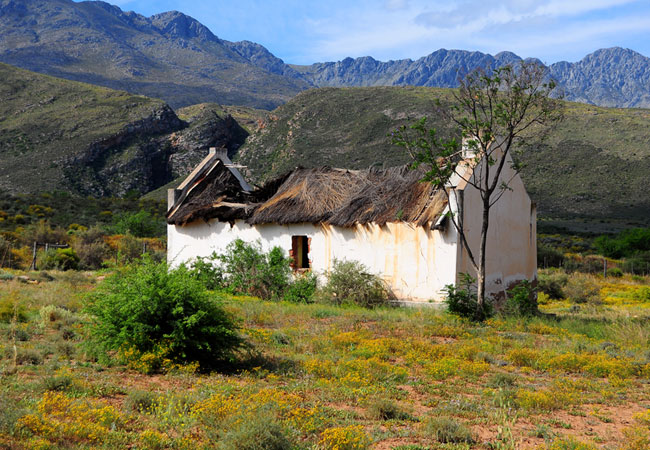
Find holiday accommodation in Ladismith to experience the loveliness of South Africa and the hospitality of the Western Cape. The little town of Ladismith, not to be confused with the Natalian version of Ladysmith, lies in the shadow of the Towerkop Mount...
Laingsburg
Overnight? Laingsburg accommodation
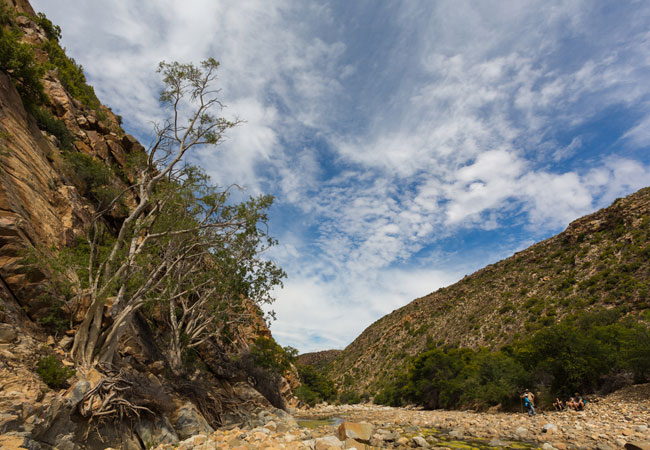
A small, modern Karoo village, Laingsburg lies at the confluence of two rivers in one of the driest parts of the country, 280 km from Cape Town just off the N1 highway that travels through the Great Karoo.
Despite its aridness, Laingsburg is well know...
Matjiesfontein
Overnight? Matjiesfontein accommodation
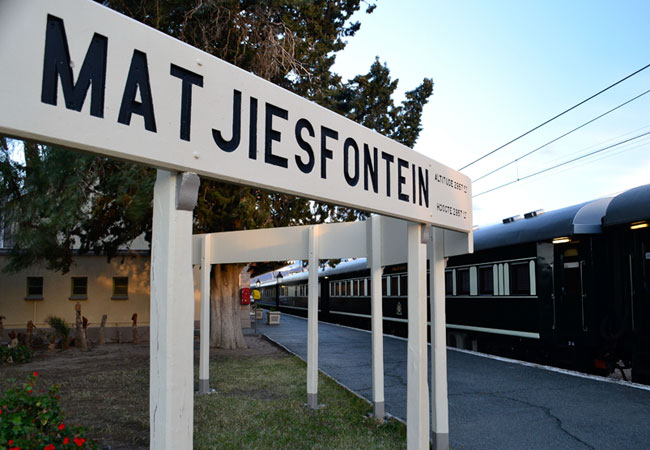
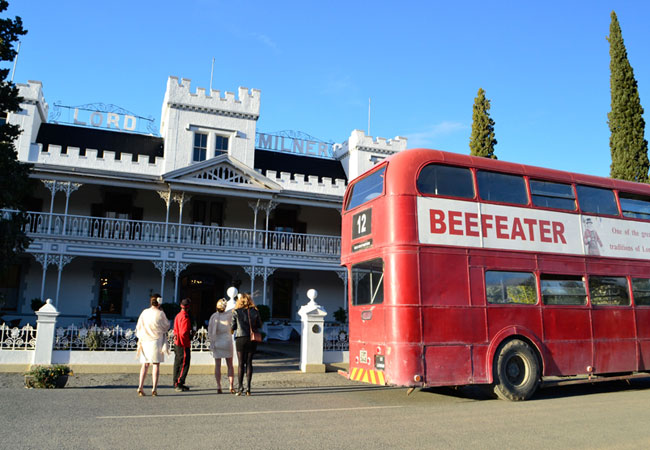
Matjiesfontein lies just off the N1 past Touwsriver en route to Laingsburg, in the Klein Karoo.
The highway does not pass through the gorgeous little Victorian town that is also a national monument, you need to actually make a point of going there. Un...
Murraysburg
Overnight? Murraysburg accommodation
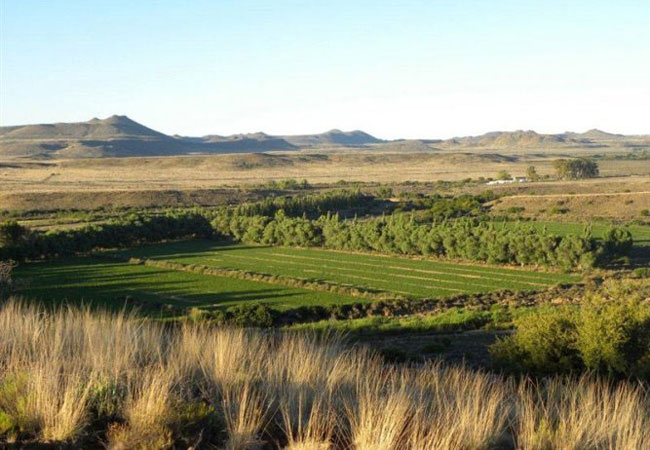
Murraysburg barely qualifies as a Western Cape town, lying as it does on the very parameters of the province's borders with the Northern Cape Province in the Great Karoo. It's a beautiful little town nestled up against the Sneeuberg Mountain, picturesque ...
Oudtshoorn
Overnight? Oudtshoorn accommodation
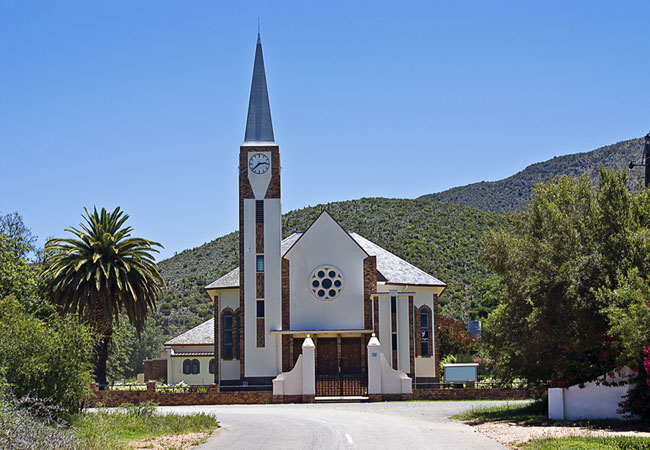
Visit Oudtshoorn, the principal town of the Little Karoo, where you will be welcomed with hospitality which has become synonymous with the people of the Klein Karoo. The Klein Karoo is an oasis-like setting in a fertile valley cupped by the Swartberg and ...
Prince Albert
Overnight? Prince Albert accommodation
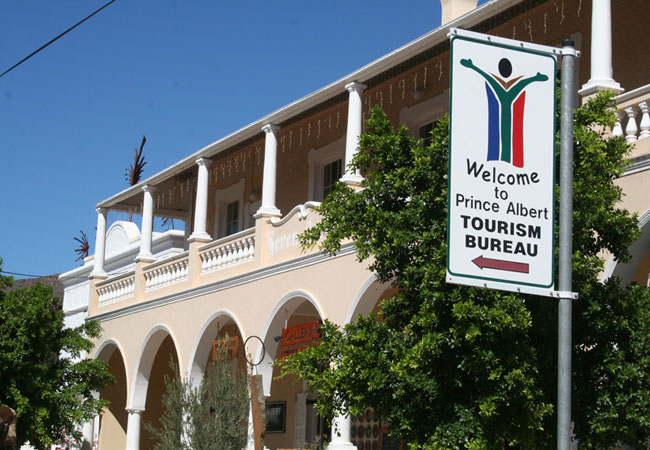
Prince Albert had its origins in 1762 when a loan farm named Kweeckvalleij "the valley of cultivation and plenty" was established in a green and fertile valley at the foot of the awesome Swartberg Mountains.
Today, the town is one of the prettiest in ...
Rouxpos
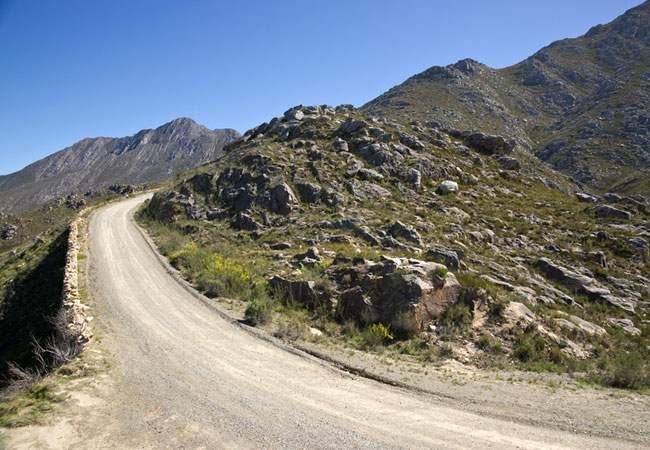
Rouxpos is one of those little Karoo towns that has managed, despite the penchant for second homes in available little dorps within a couple of hours of major cities, to remain in relative obscurity. You will not find it on the average map of the Karo...
Sanbona
Overnight? Sanbona accommodation
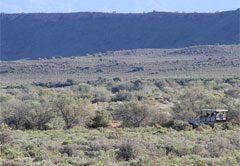
At the foot of the Warmwaterberg, in the heart of the Little Karoo, between Montagu and Barrydale on the famous Route 62, the vision of the San is becoming a reality. Sanbona Wildlife Reserve, 54 000 hectares of undulating mountains and plains, indigenous...
Touws River
Overnight? Touws River accommodation
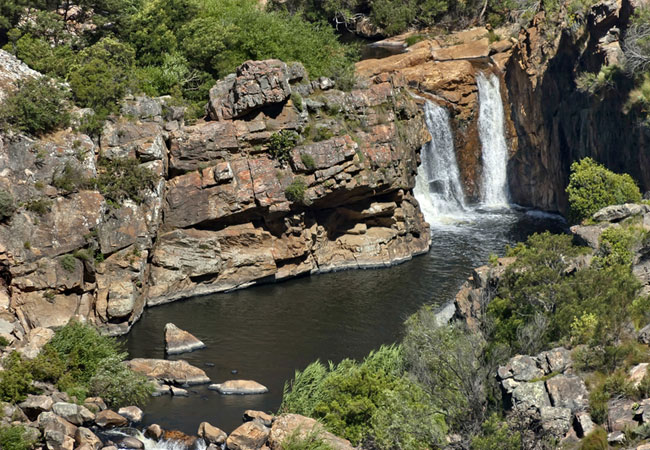
The pretty little railway town of Touws River, between Barrydale and Ladismith in the little Karoo, lies some 185 kilometres east of Cape Town.
Touws River is set on the fringes of the Klein Karoo, basically a valley sandwiched between the Langeberg a...

Uniondale
Overnight? Uniondale accommodation
This charming little town with its quirky individuals and leisurely way of life is set in the Klein Karoo, about an hour's drive from George and only 80 km from Knysna and Plettenberg Bay.
Uniondale lies adjacent to the Langkloof, which winds its way ...
Van Wyksdorp
Overnight? Van Wyksdorp accommodation
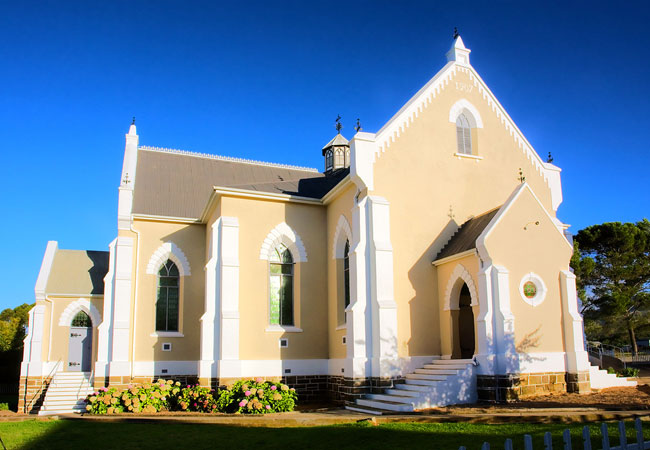
The little Karoo village of Van Wyksdorp lies on the R327 from Ladismith, just off the famous R62, in the foothills of the Rooiberg Mountains. It's the kind of town people describe as a typical Karoo 'dorp' - a rural town in essence, in the heart of Kanna...