About Vredefort Dome
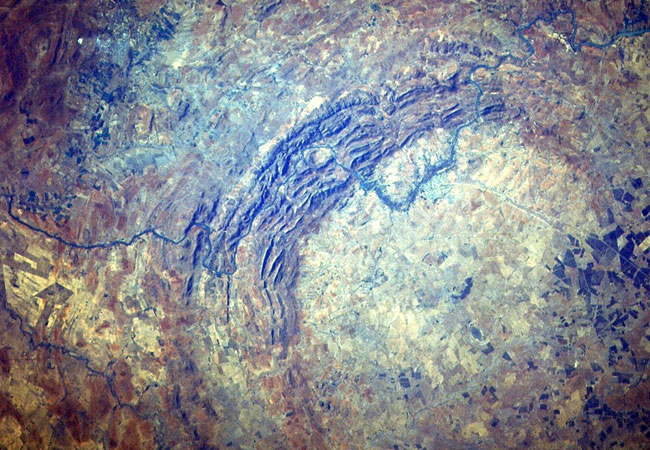
The Vredefort Dome is the oldest and largest meteorite impact site (Asrobleme) in the world. Formed an estimated 2000 million years ago when a gigantic meteorite (larger than Table Mountain) hit the earth close to where Vredefort is today.
Did you know? The Vredefort structure is currently regarded the biggest and oldest clearly visible impact structure on Earth.
The force of the impact opened up a crater, which is still visible, and is about 40km in diameter. When visiting the area you will notice small hills in a large dome shape with beautiful valleys between them.
Evidence has been found by geologists that the cause of this upliftment was an extreme impact event, caused by an asteroid some 10 kilometres in diameter. The ring of hills we see now are the eroded remains of a dome created by the rebound of the rock below the impact site after the asteroid hit.
The original crater, now eroded away, is estimated to have been 250 - 300 kilometres in diameter. Some 70 cubic kilometres of rock would have been vaporised in the impact.
The Vredefort structure is currently regarded the biggest and oldest clearly visible impact structure on Earth. It just beats the Sudbury impact structure in Canada for this ranking. The Sudbury structure is some 200 km in diameter and is estimated to be 1.85 billion years old.
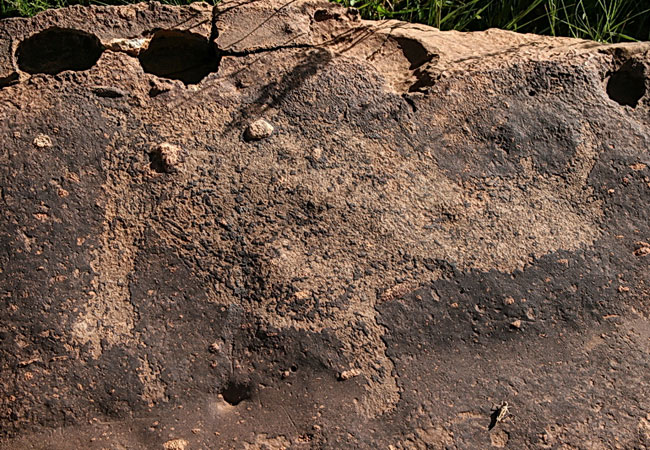
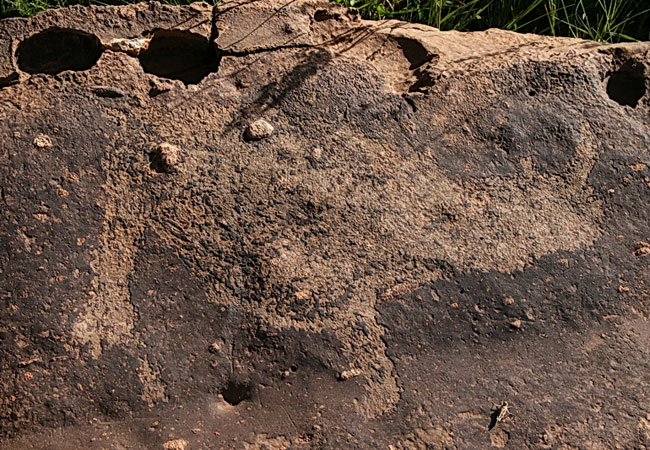
Within the ring of hills at Vredefort is found granitic gneiss rock. The force of the impact produced deep fractures in the underlying rock. Rock melted by the impact flowed down into the cracks, producing what are now exposed as ridges of hard dark rock - the granophyre dykes. This contrasts with normal geological dykes, where molten rock from deeper in the earth has flowed upwards through cracks.
Many activities can be enjoyed in the area. From river rafting, river tubing, abseiling, horse riding, mountain biking, archery or walking. Or visits to Anglo Boer War sites, the the largest wild olive forest in South Africa at Venterskroon, or a visit to a distillery where traditional South African "witblits" (extremely strong spirits) is made.
South Africa is a treasure trove for archaeologists and palaeontologists as it has produced some of the world's oldest and most valuable fossils to date.
Need to Know
WhereVredefort Dome, Vredefort, Northern Free State, Free State, South Africa
WhenBest during daylight hours.
Telephone+27 (0)18 299-5371
OvernightStay in Vredefort Accommodation, Free State
Disclaimer
Please note, business details can change. While we endeavour to ensure all information provided by the service provider is correct at the time of publication, we do not assume any liability caused by errors or changes, such as price, cost, time, and location. Please check with the provider that the activity/business is still offered as described, before making any travel plans.
Feedback?
If this is your attraction, you can let us know if anything on this page is outdated or contains inaccuracies, by email. We regret, we do not have any other information, please contact the provider if you have questions.
Additional Reading
- Vredefort Dome - A World Heritage Site
- Did You Know? 25 Fascinating Facts about South Africa
- Weekend Breaks from Gauteng
- Richtersveld Cultural & Botanical Landscape (Northern Cape)
- iSimangaliso Wetland Park (KwaZulu Natal)
- Cape Floral Region (Western Cape and Eastern Cape)
- Cradle of Humankind (Gauteng / North West)
- Mapungubwe Cultural Landscape (Limpopo)
- Robben Island (Western Cape)
- Ukhahlamba Drakensberg Park (KwaZulu Natal)
- Vredefort Dome (Free State)
- Khomani Cultural Landscape (Northern Cape)
- Barberton Makhonjwa Mountains (Mpumalanga)
Attractions near Vredefort
In the vicinity
Hotels & other accommodation options in Vredefort
Bergpatrys at Kieriebos
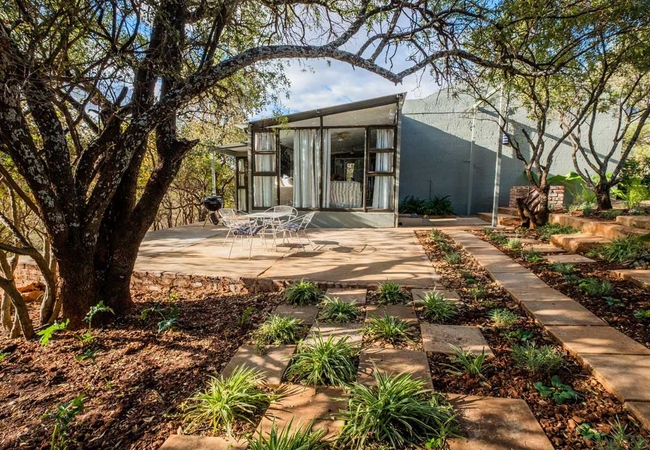
Bergpatrys is a cottage located on Kieriebos Guest Farm in Vredefort. Just 2 hours' drive from Johannesburg, on a rural dirt road, you will find ...
Edge of the Crater
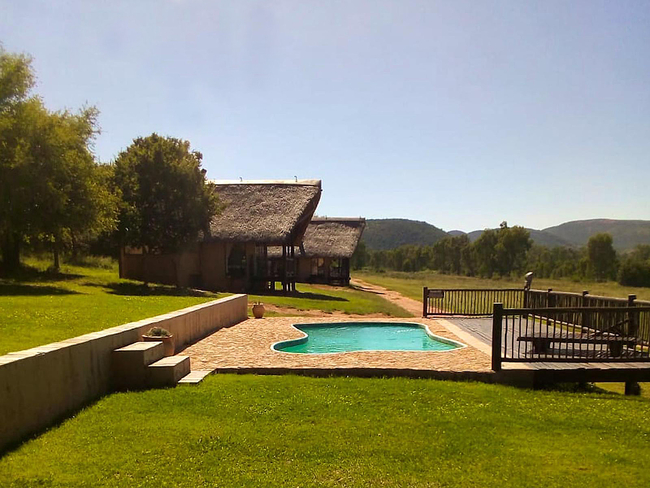
Edge of the Crater is located along the Vaal River, just 20 km from Parys, Free State. It is approximately 120 km from Johannesburg and 40 km fro...
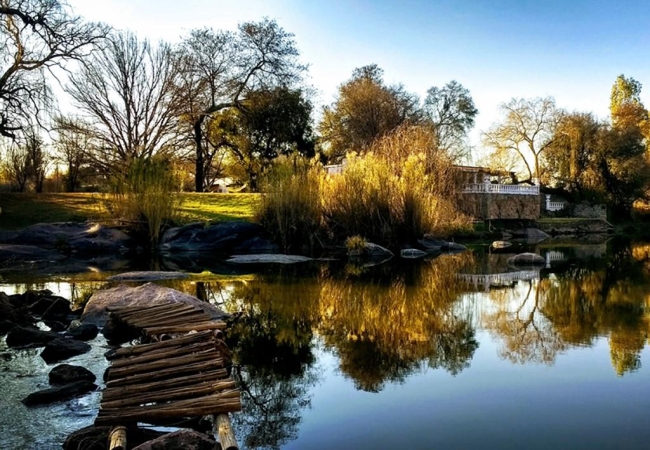
Otters Haunt
Otters' Haunt is surrounded by water, forests and mountains in the Vredefort Dome Site. Rustic accommodations include a large guest house, bush c...
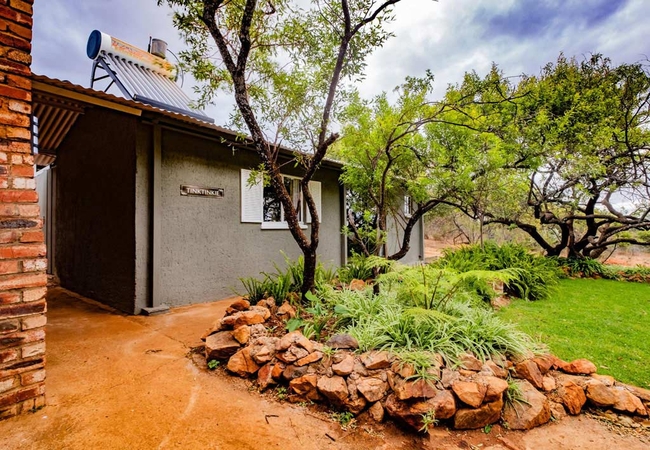
Tinktinkie at Kieriebos
Tinktinkie is a bachelor unit / studio holiday apartment located on Kieriebos Guest Farm in Vredefort, only two hours' drive from Johannesburg. T...
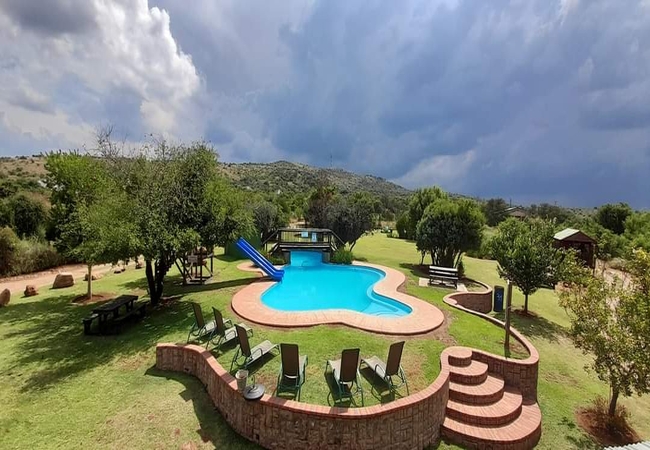
Tava Lingwe Game Lodge
Situated in Vredefort and just 35kms outside of Parys, Tava Lingwe Game Lodge offers a variety of accommodation from fully equipped chalets to lo...
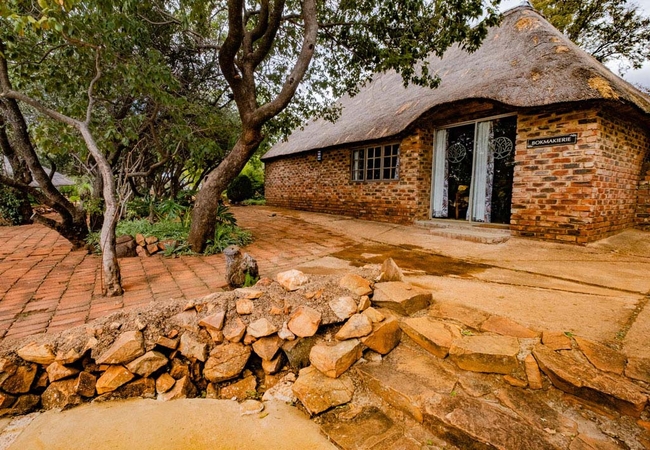
Bokmakierie at Kieriebos
Bokmakierie has two bedrooms. One bedroom is furnished with a Queen-size bed and the other with a two single beds. The cottage has a well-equippe...
Things to do in the area
Vredefort Meteorite Trails
If you ever watched the movie ‘Bio-Dome' and thought it was great that they had so many different ecosystems in one confined space, then make sur...
Accommodation convenient to Vredefort Dome
FIND / South Africa Accommodation / Free State Accommodation / Northern Free State Accommodation / Vredefort Accommodation