The Diamond Fields Region, Northern Cape
During the world's greatest diamond rush, hordes of prospectors converged on the Diamond Fields region, scouring the river banks and sifting soil in a frenetic quest for wealth.
Did you know? Thousands of the lesser flamingo use the Kamfers Dam as one of only four breeding sites in Africa. For any birder this is one of the highlights of a visit to Kimberley.
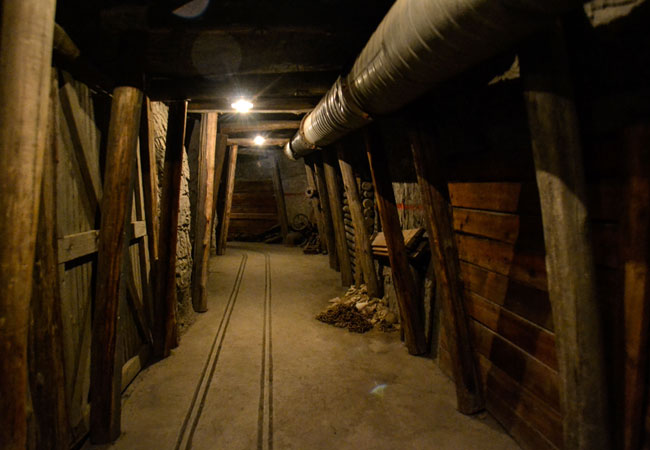
At times, there were as many as 30 000 diggers labouring all day and far into the night. Although the name Kimberley evokes images of glamour and romance, the diamond heyday was an era of blood, sweat and tears, high stakes and ruthless power struggles.
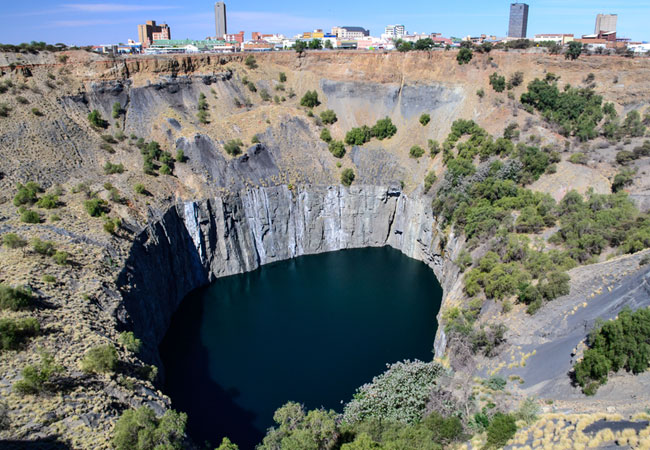
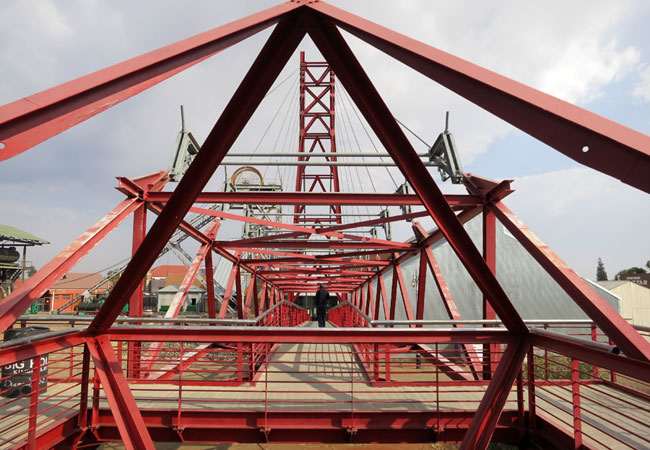
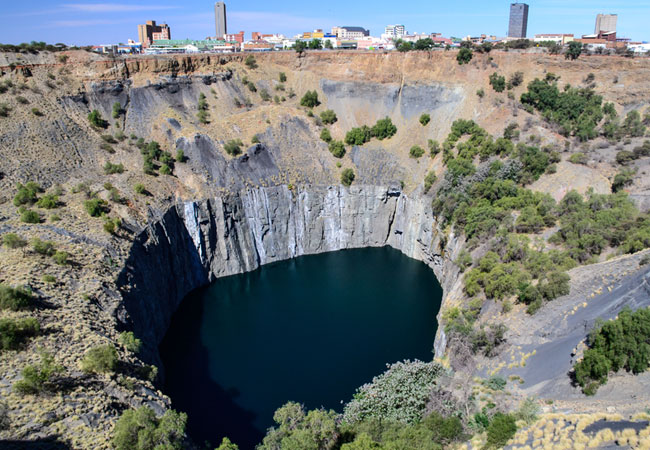
Kimberley developed around the huge hole in the ground, formerly a small hill known as Colesberg Koppie, where diamonds were discovered early in 1871. An observation platform provides a good view of the Big Hole, about 365 m deep and covering an area close on 15,5 ha.
Between 1871 and 1914, men toiled to remove some 25 million tons of earth from the site. It yielded about 14,5 million carats of diamonds.
Find accommodation in Diamond Fields
South Africa Accommodation / Northern Cape Accommodation / Diamond Fields Accommodation
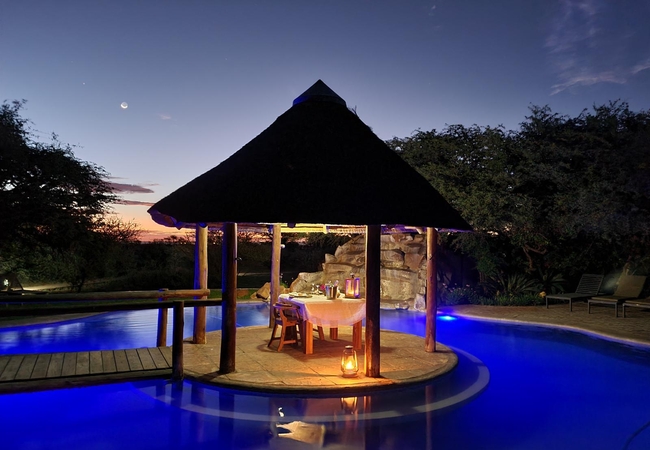
Mattanu Private Game Reserve
Mattanu Private Game Reserve is located just 50km from the diamond city of Kimberley and 17kms from Barkly West. Accommodation is offered on a Di...
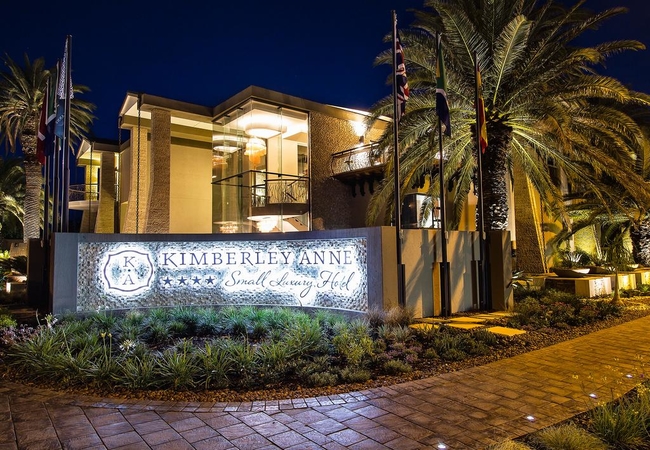
Kimberley Anne Small Luxury Hotel
Kimberley Anne Small Luxury Hotel has accommodation where you can be at home in an exquisite work of art. All the suites have been designed with ...
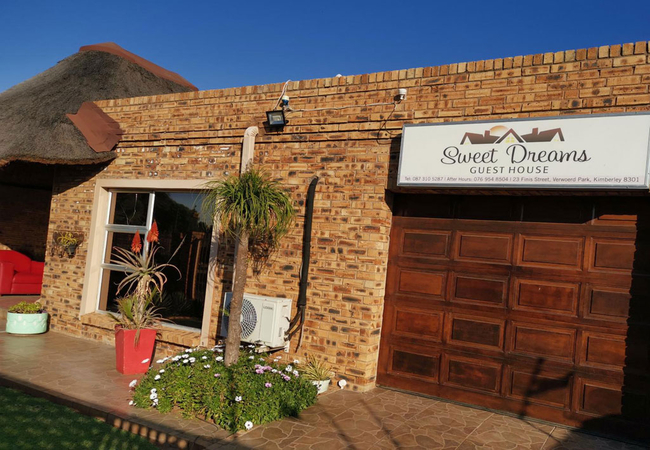
Sweet Dreams Guesthouse
Sweet Dreams Guesthouse offers comfortable accommodation in Kimberley. Each one of our double rooms has a King-size bed and an en-suite bathroom ...
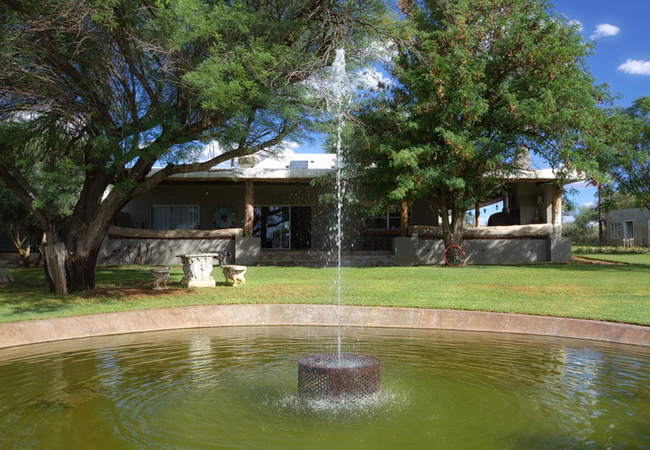
Die Olyfhuis
Die Olyfhuis offers farm style accommodation in Barkly West. Choose from the seven luxurious double en-suite rooms with double beds or two single...
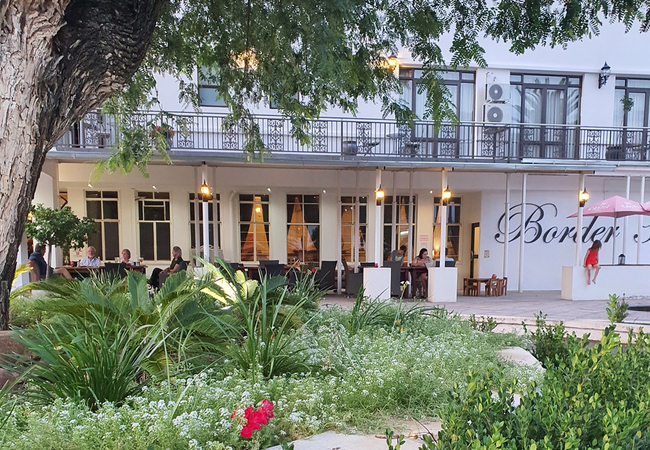
Border Hotel
The Border Hotel in Jan Kempdorp is situated on an operational Pecan Nut Farm on the border of the North West and Northern Cape Provinces, just 4...
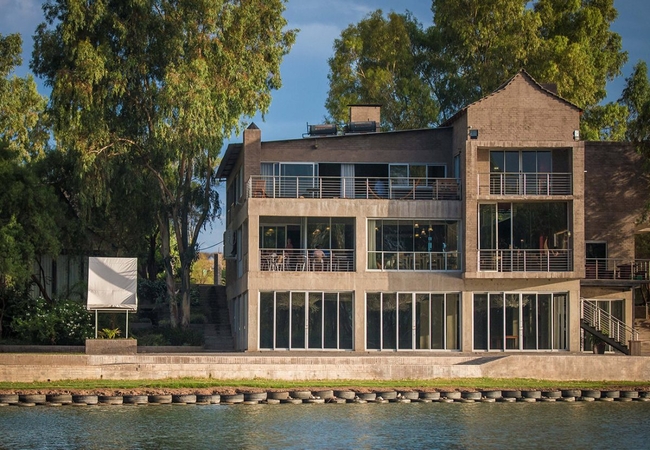
Broadwater River Estate
Endless water views, the call of the fish eagle, breathtaking sunsets and champagne under a starry sky. Broadwater is a private river escape that...
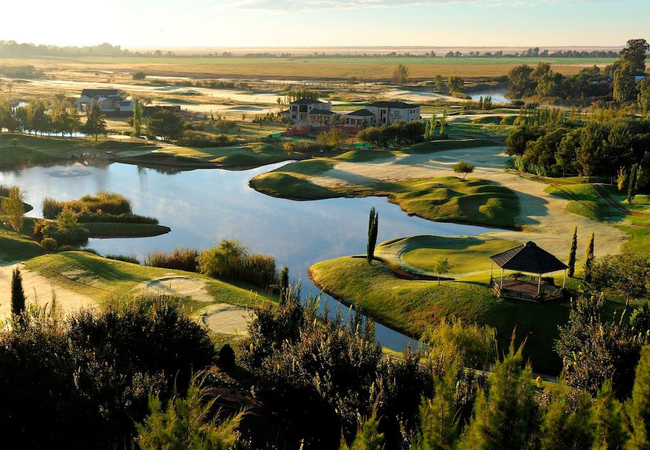
Cygnature Boutique Lodge
Cygnature Boutique Lodge offers accommodation on the Magersfontein Memorial Golf Estate in the lovely area of Modderrivier. Each room is equippe...

Farm Secretaris
Farm Secretaris is a colonial-style farm guest house that has been declared a National Heritage Site. The farm is set in unspoiled nature, 20km o...
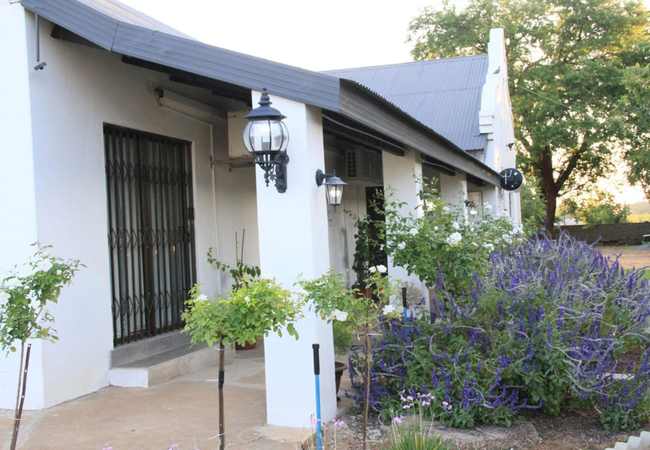
Sonskyn Hof Guest House
Sonskyn Hof Guest House offers four rooms with en-suite bathrooms. Each room has a smart TV with DStv and Showmax, tea / coffee station, fridge, ...
Destinations in the Diamond Fields Region
Barkly West
Overnight? Barkly West accommodation
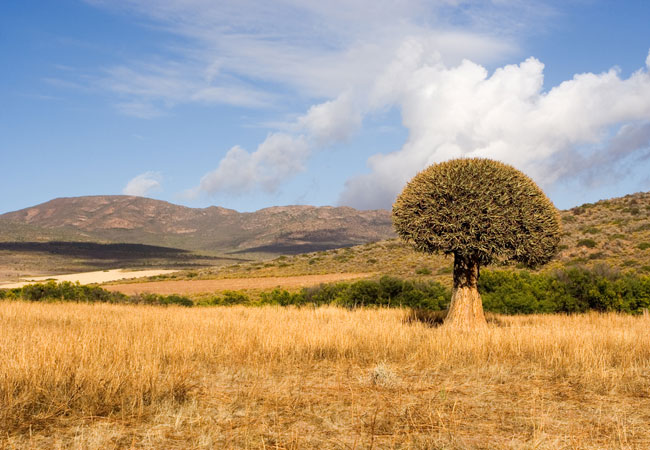
Barkly West lies just off the N12, north west of Kimberley, in the Northern Cape. Its counterpart Barkly East, on the other hand, lies in the Eastern Cape closer to Lady Grey than Kimberley - the only link between the two that they are both named after Si...
Campbell
Overnight? Campbell accommodation
The area now known as Campbell was once inhabited by the indigenous San, Koranna and Griqua tribes, who lived off the land and its produce. They established this region to a considerable degree in terms of the culture that still exists.
Later, at the ...
Douglas
Overnight? Douglas accommodation
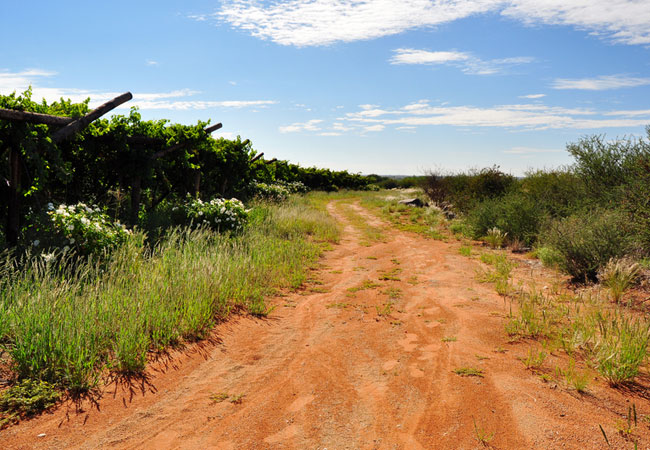
The pretty, very little town of Douglas lies almost halfway between Kimberley and the town of Prieska, which, unless you happen to have met someone who hails from there, you might not know at all (Prieska, that is. Douglas you probably definitely won't be...
Griquatown
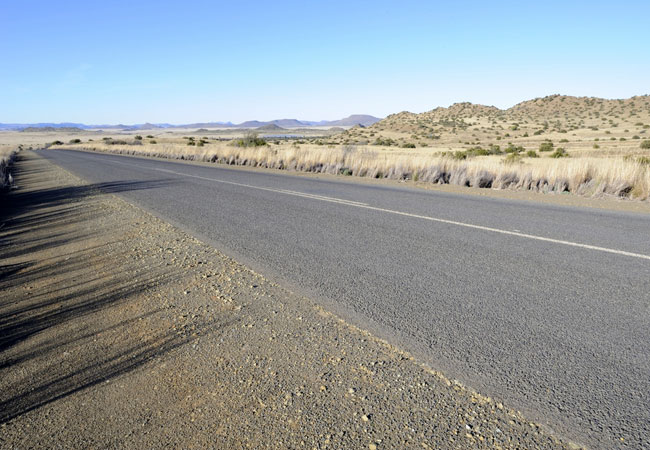
Griquatown, more commonly known as Grikwastad, lies on the N8 that links Kimberley with Upington, just beyond the northern reaches of the Nama Karoo, although others will argue it is still within the Great Karoo. It is essentially a sheep farming communit...
Hartswater
Overnight? Hartswater accommodation
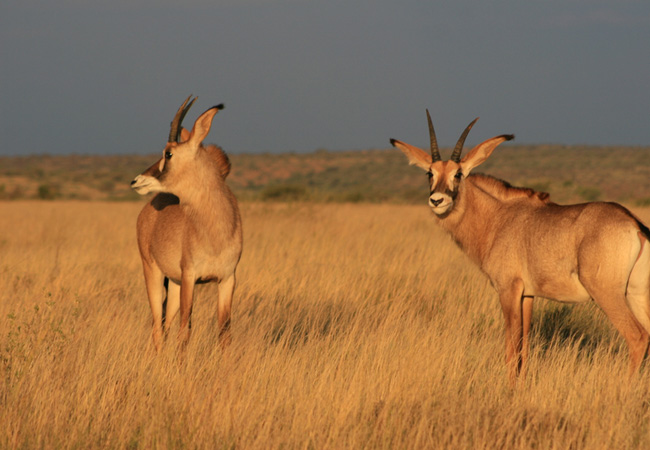
Hartswater is one of two main towns in the Vaalharts Valley; an oasis on the edge of the arid Northern Cape border with North West.
Up until a recent agritourism push the Vaalharts Valley was unknown by holiday makers and travellers alike. But as the a...
Jan Kempdorp
Overnight? Jan Kempdorp accommodation
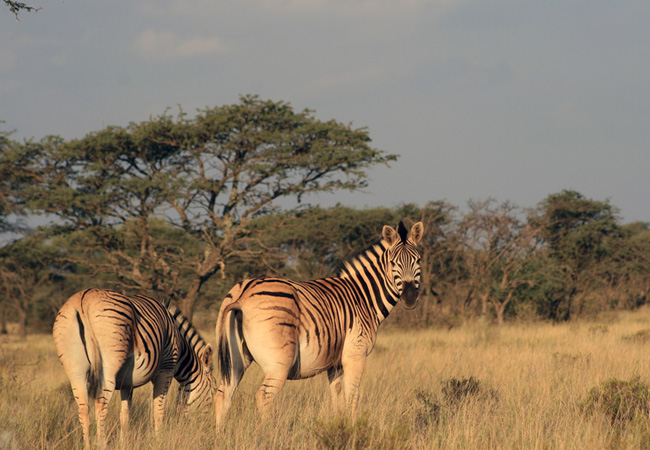
Despite being the largest province in South Africa, the Northern Cape remains the most sparsely populated. Rather than urban landscapes, it is characterised by the spectacularly vast African landscapes, which rise in impressive scope to meet the blue of t...
Kimberley
Overnight? Kimberley accommodation
Say the name Kimberley, and nine times out of ten the phrase evoked by the name will be ‘big hole’. And indeed, Kimberley, the capital of the Northern Cape that is a perfect detour on the N12, just off the N1, that functions as an alternative route betwee...
Warrenton
Overnight? Warrenton accommodation
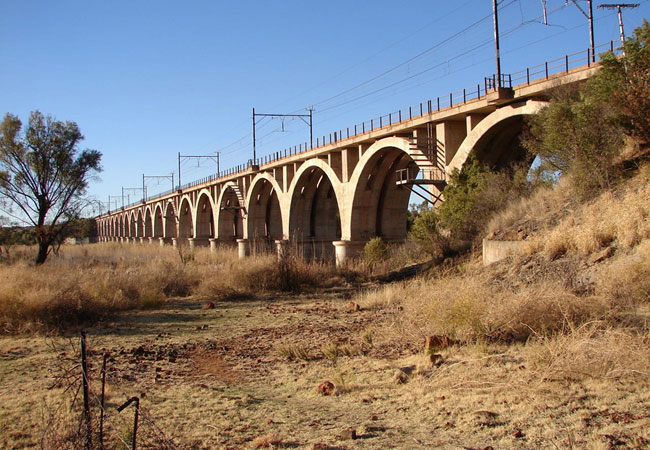
Warrenton is principally an agricultural town, almost halfway between Kimberley in the south and Vryburg to the north. Just north east of Warrenton is the little town of Christiana and then Bloemhof Dam.
In June 2013 newspapers published stories of the...