The Northern Cape, South Africa
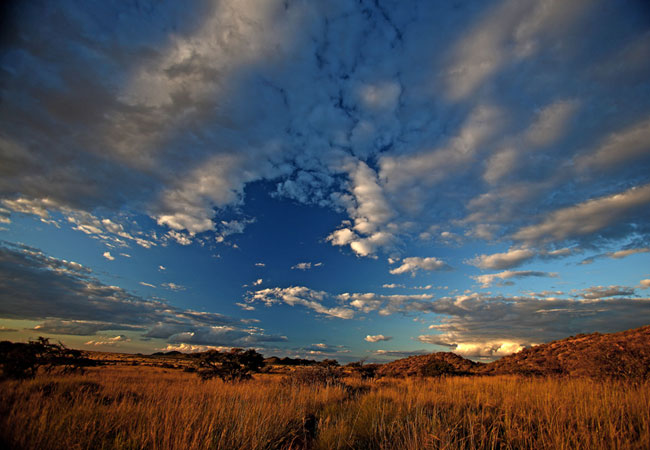
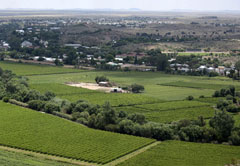
Vast expanses of space and silence, drought and blazing summer sunshine. Across the arid landscape, the Orange River flows, at places in a sluggish tide, at others in a powerful explosion of sound and fury. Were it not for the river, much of the region may well have remained bleak and populated only by nomadic bands of Bushmen. Instead, prosperous towns and villages have risen from its banks, and large stretches of once-barren land have been transformed into fields of cotton, Lucerne, dates and grapes.
Did you know? Once you've booked your hotels or Northern Cape accommodation, explore the destination pages for info on attractions, activities and things to do when you visit the Northern Cape Province in South Africa.
In addition to the fabulous diamonds discovered which catapulted the city of Kimberley to fame and fortune, and changed the course of history, a rich bounty of alluvial diamonds is mined off the west coast. The wild and lonely western coastline is also one of the world's most prolific fishing grounds, providing yet another source of revenue. Wealth there is too, in copper, but to some, the greatest gift of all lies in the extravagant beauty of Namaqualand's wild flowers.
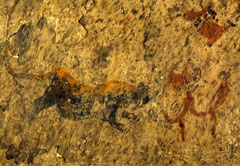
The area is also notable for fine examples of Bushman art, abundant deposits of semi-precious stones, and friendly hospitality. Four major wildlife santuaries and a number of smaller reserves provide endless opportunities for getting back to nature.
Kimberley, "The Diamond Capital of the World", is the largest and most modern city of the Northern Cape, with much to see and enjoy, especially from a historical point of view. Kimberley is also the gateway through which most travellers enter the province.
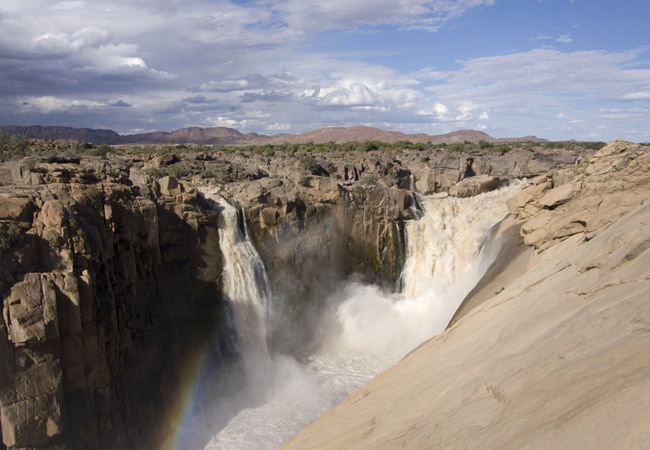
Also historically interesting, the town of Kurman provides a pleasant base from which to explore the surroundings. Westward, the facilities at Upington offer a relaxing interlude, and from there, it's a short and pleasant drive to the spectacular Augrabies Falls.
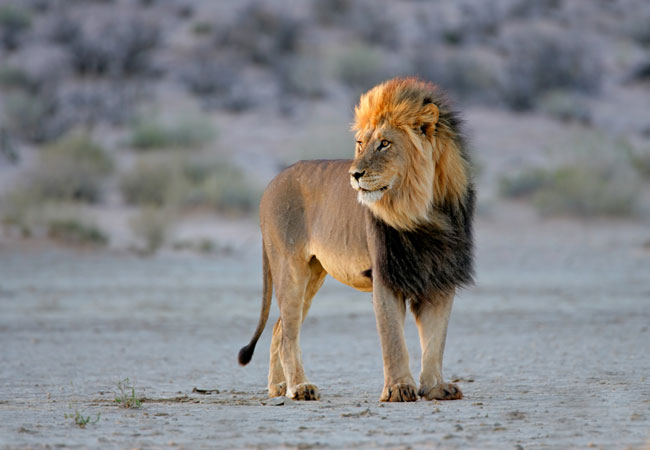
Wildlife enthusiasts should spend a day or two in the Kgalagadi Transfrontier Park, and those who are looking for an unparalleled adventure should head for the Richtersveld. Visitors to Springbok, in the centre of the country's famous wild flower region, will find fascinating relics of the early copper mining days. Apart from stunning scenery, Calvinia enjoys a pollution-free atmosphere, providing excellent views or stargazing opportunities.
Today, Kimberley's open-cast mines are nearing the end of their productive lives, but along the Vaal River, diggers still sift the gravel for diamonds, searching for the stone which will bring them instant riches. Abandoned diamond fields scattered throughout the region are marked by countless holes, mounds of rubble, rusted machinery and empty shacks.
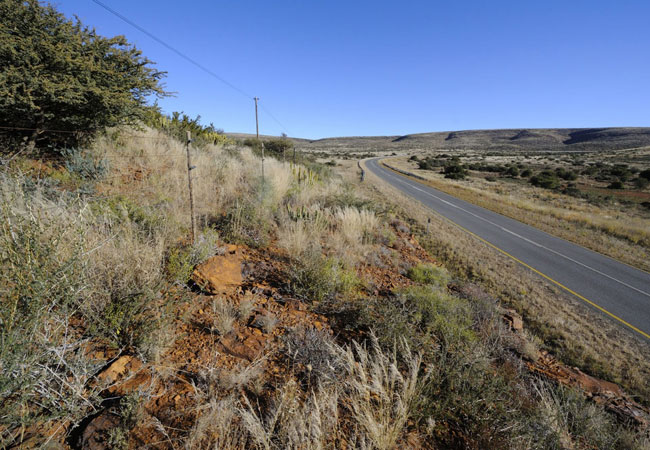
Did you know? The Northern Cape lies to the south of the mighty Orange River and comprises mostly desert and semi-desert. The landscape is characterised by vast arid plains with outcroppings of haphazard rock piles. The cold Atlantic Ocean forms the western boundary.
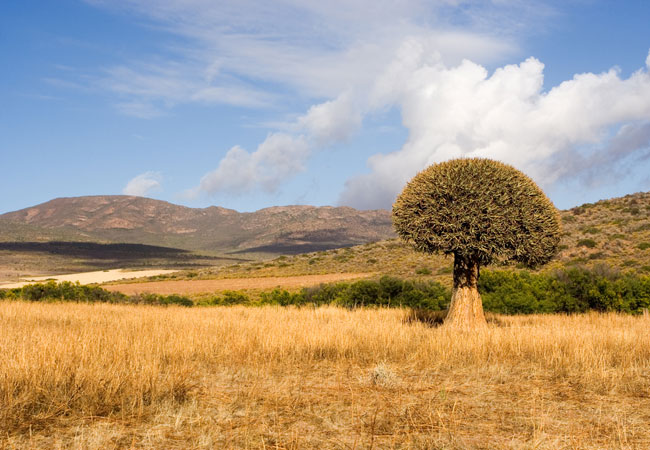
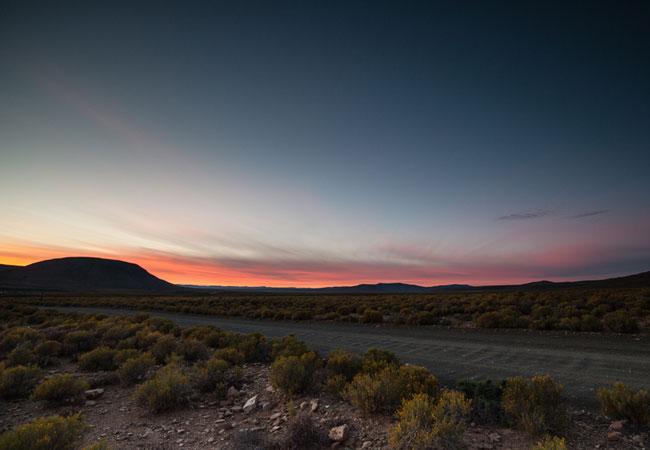
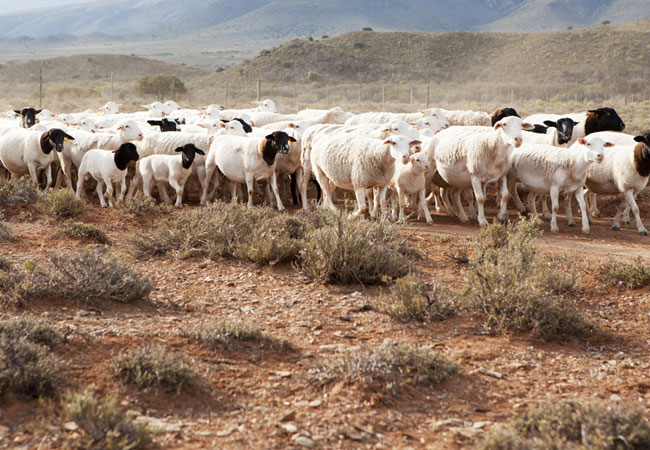
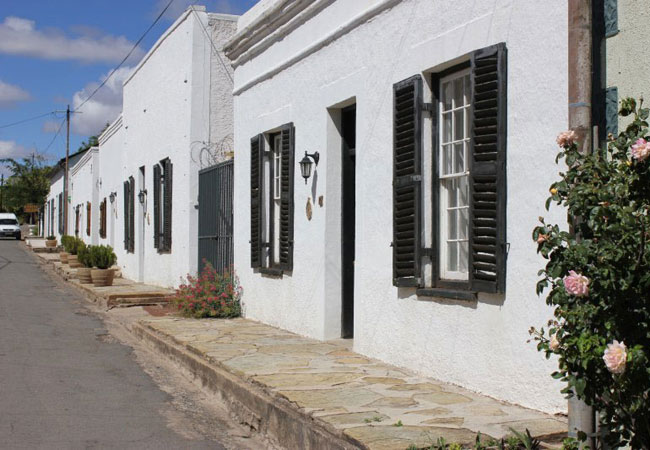
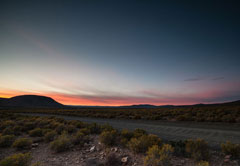
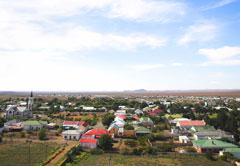
Southward, the immense, spacious plain of the Great Karoo, covered with grass and acacia trees, forms the backdrop for far-flung towns and villages, old battlefields and epic adventures. This is not a soft, gentle landscape. The wide open spaces and distant horizons are characterised by crisp dry air, clear skies, flamboyant sunsets, brilliant starry nights, and enormous sheep farms. To serve the needs of the farmers, typical South African towns, each dominated by an imposing Dutch Reformed Church, are inhabited by genuine, hospitable people with wisdom that comes from respecting Nature's rules.
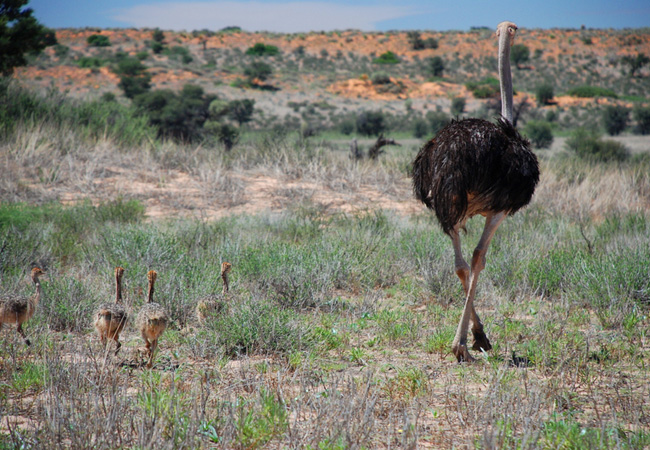
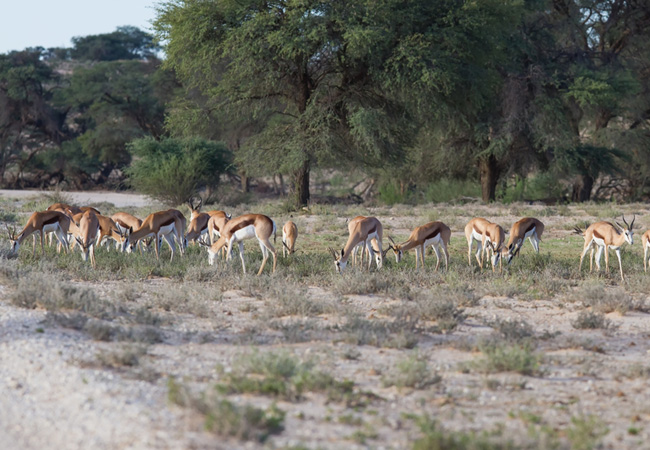
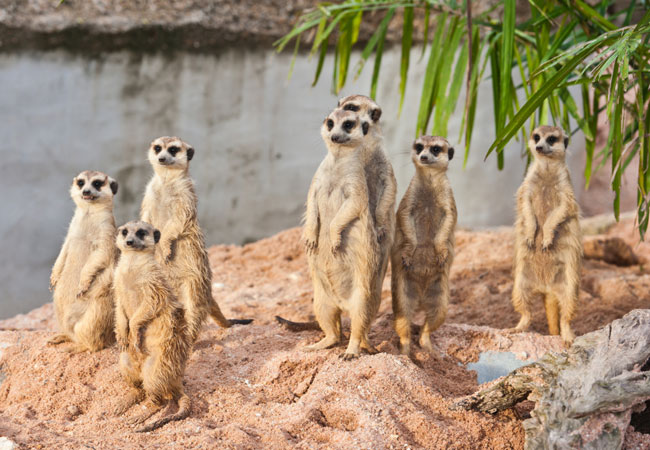
The semi-desert wilderness area of the Kalahari supports sweet grasses and water-storing plants, which in turn sustain enormous herds of wildlife, mainly in reserves. The dunes and dry river courses of the Kalahari are also the last refuge of a few nomadic Bushmen (San), living their hunter-gatherer lives in harmony with the natural world.
The green agricultural belt which flanks the Orange River as it nears the Atlantic Ocean provides a lush contrast to the ruggedness of the Richtersveld. Nestled between the river and the ocean, the saw-toothed mountain peaks, winds sculpted boulders and colourful indigenous flora of the Richtersveld have a unique beauty found nowhere on earth.
Along the coastline, small fishing villages have been established to harvest the shoals of fish in the cold Benguela Current sweeping north from the Antarctica. Some boats put to sea with nets; others carry divers and suction pipes to exploit the diamonds that lie on the bed of the sea. The promise of riches brought a tide of humanity to the lonely north-west corner of South Africa.
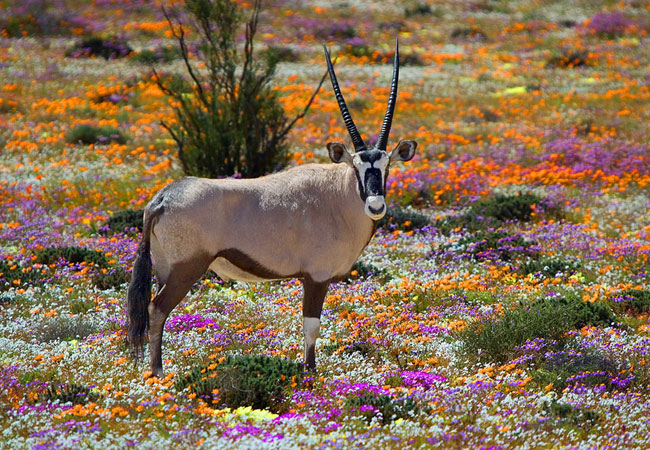
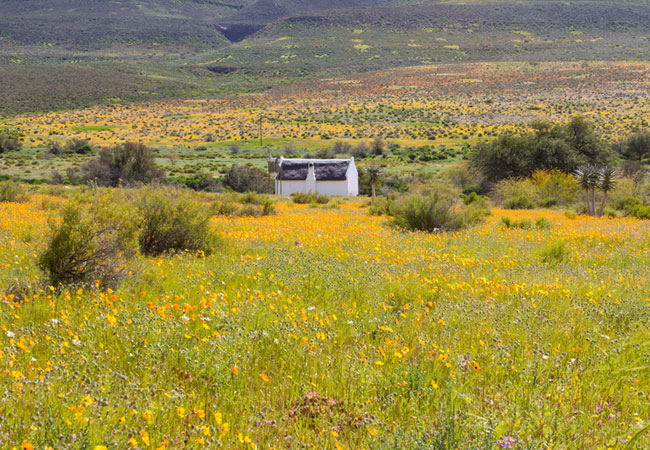
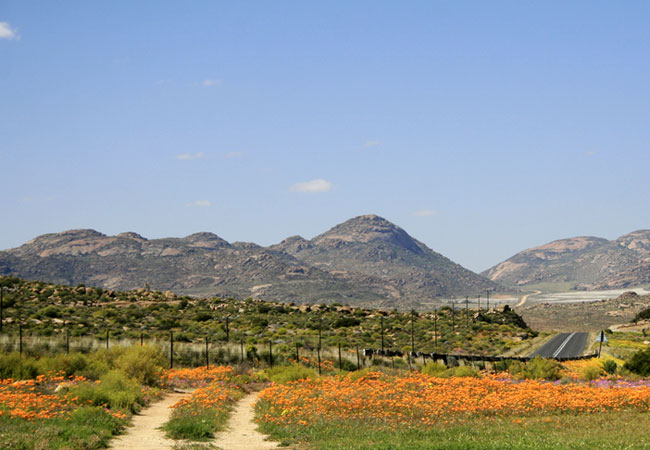
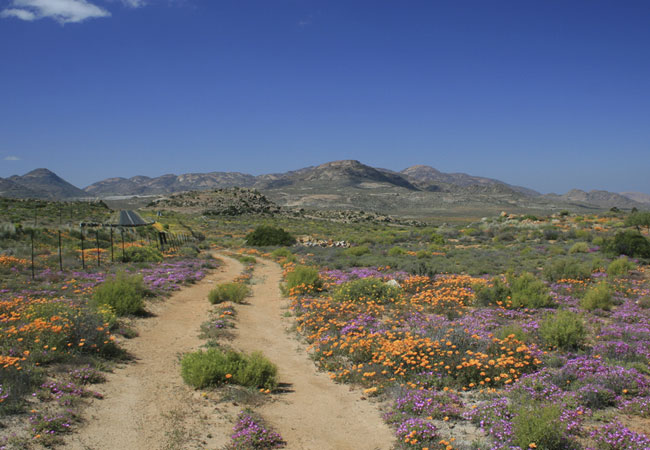
The Namaqualand copper rush of the 1850s was the catalyst for the evolution of these once undeveloped wastelands. Although the boom years are long over, mining is still carried out in the region. For much of the year, the undulating semi-desert of Namaqualand harbours an unseen treasure house of dormant floral glory. After the right amount of winter rainfall, the landscape in spring is transformed into a carpet of brilliant blooms form one horizon to another.
The Northern Cape as a destination
Must See in the Northern Cape
Museums / National Monuments
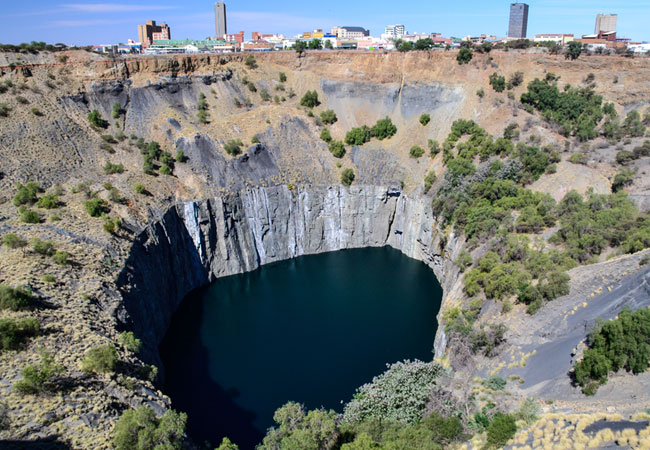
The Big Hole
Kimberley developed around this huge hole in the ground, formerly a small hill known as Colesberg Koppie, where diamonds were discovered early in 1871. An observation platform provides a good view of the Big Hole, about 365 m deep and covering an ...
Museums
Kimberley Mine Museum
Situated next to The Big Hole, this open-air museum (one of the finest in the world) depicts Kimberley in its Victorian heyday during the diamond rush. It incorporates shops and houses, a church, diggers' tavern, Barney Barnato's Boxing Academy, and the ...
Botanical Gardens / Landmarks / Natural Wonders
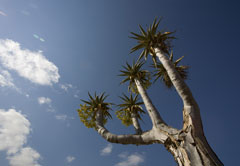
Richtersveld Cultural and Botanical Landscape
Inscribed in 2007 as the eighth World Heritage Site in South Africa, the Richtersveld Cultural and Botanical Landscape is a remarkable mountainous desert in the north-west of the country that is uniquely owned and managed by the Nama community, ...
National Parks
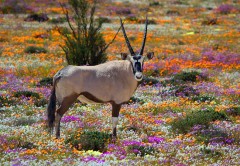
Namaqua National Park
Say Namaqua National Park and people immediately think carpets of spring wild flowers. And they would not be wrong - Namaqualand not only has some of the richest bulb flora of any arid region in the world, but more than a 1 000 of its approximate 3 500 ...
Game Reserves / National Parks
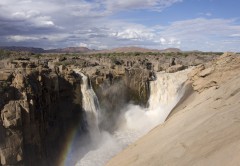
Augrabies Falls National Park
The Khoi people called it 'Aukoerebis', the place of the Great Noise, referring to the Orange River thundering its way downwards for 60 metres in a spectacular waterfall. Picturesque names such as Moon Rock, Ararat and Echo Corner are descriptive of this ...
Nature Reserves
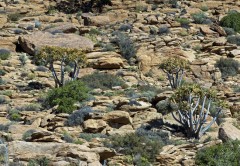
Goegap Nature Reserve
The Goegap Nature Reserve with its granite peaks and sandy plains are dominated by Carolusberg, the highest point in the area. Goegap's wild flower garden contains an enormous collection of succulents endemic to the area. A visit to the Goegap Nature ...
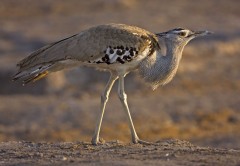
Nature Reserves
Spitskop Nature Reserve
The Spitskop Nature Reserve was named after Spitskop, an impressive granite koppie just outside the small town of Upington. Consisting mainly of sandy flats interrupted by two rocky outcrops, the Spitskop Nature Reserve is worth a visit not only for its ...
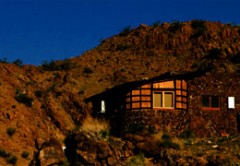
Nature Reserves
Riemvasmaak Community Conservancy
North west of the town of Kakamas and bordering the Augrabies National Park is the Riemvasmaak Community Conservancy - 75 00 hectares of land between the flowing Orange and dry Molopo rivers. Pronounced 'reem fuss mark', meaning 'tighten the strap', the ...
Game Reserves / National Parks
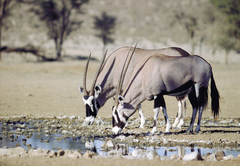
Kgalagadi Transfrontier Park
Africa's first formally declared trans-border conservation area, the Kgalagadi Transfrontier Park, on the border of South Africa and Botswana, was officially launched on May 12, 2000. The combined land area of the Kgalagadi Transfrontier Park is +/- ...
Natural Wonders / Popular Tourist Routes
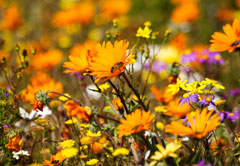
Namaqualand Flower Route
The spring wild flowers are a phenomenon that never ceases to amaze and delight, even for those who live in what is considered South Africa's "outback" – Namaqualand. What at first glance appears to be a wilderness of semi-desert, is suddenly ...
Additional Reading
- Northern Cape Blog. Explore
- 9 Best Small Towns of the Northern Cape
- Why The Lesser-Known Northern Cape Is The Perfect Place For Adventure
- The Top Ten Natural Attractions in the Northern Cape Province
- Explore the Northern Cape - 10 Top Things To Do, Places To Visit
- 10 Oddities that make the Northern Cape such a gem
- Top Ten Natural Attractions in Northern Cape
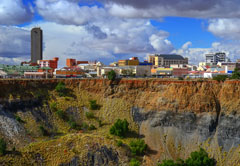 Kimberley
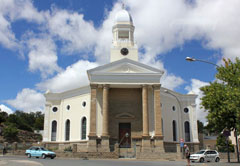 Colesberg
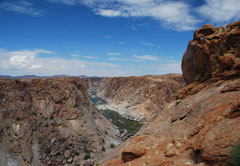 Augrabies
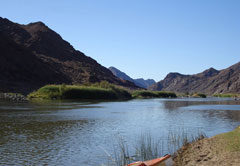 Vioolsdrift
 De Aar
 Sutherland
 Hanover
 Upington
 Kuruman
 Calvinia
 Springbok