Game Reserves and National Parks
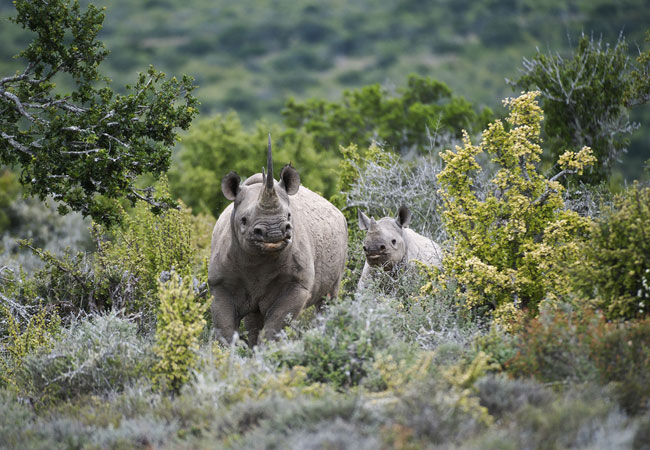
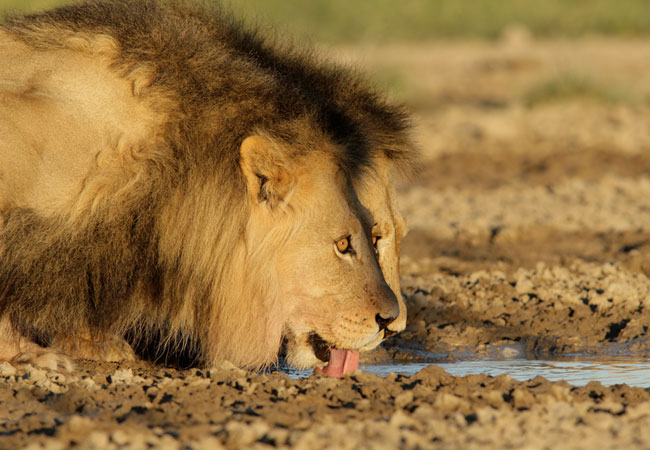


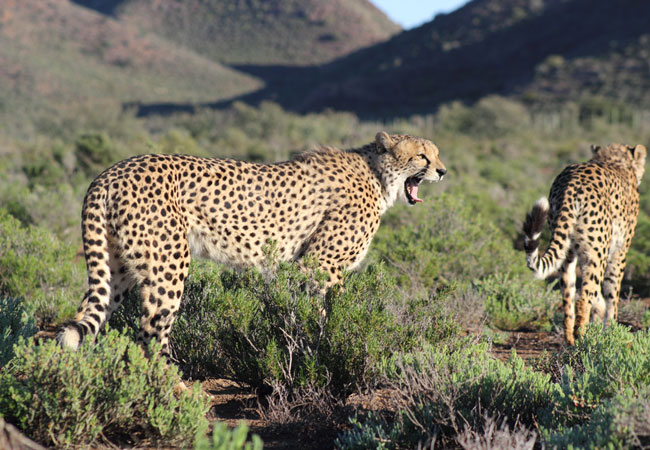


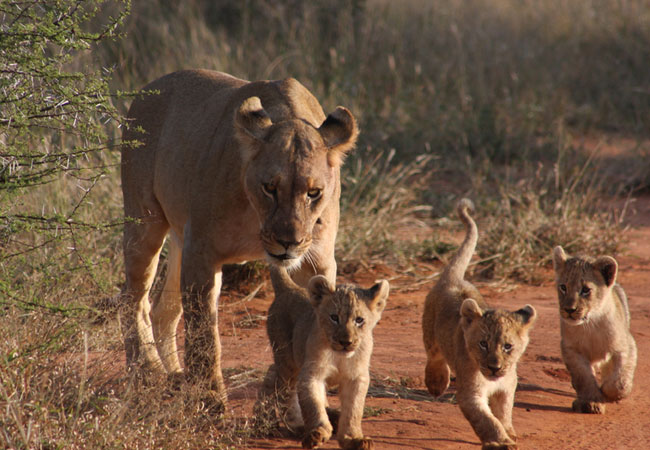
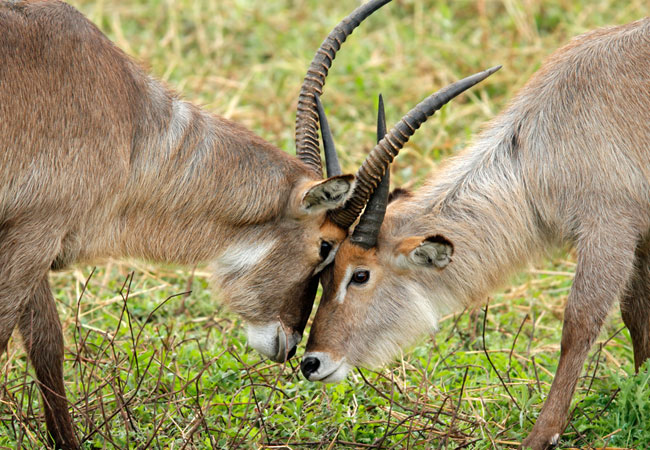
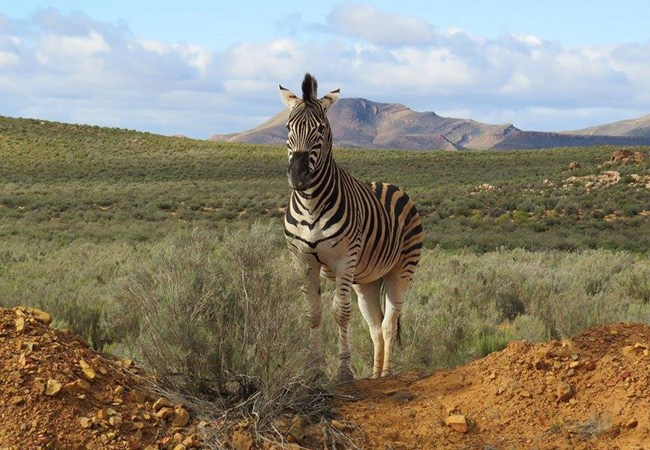

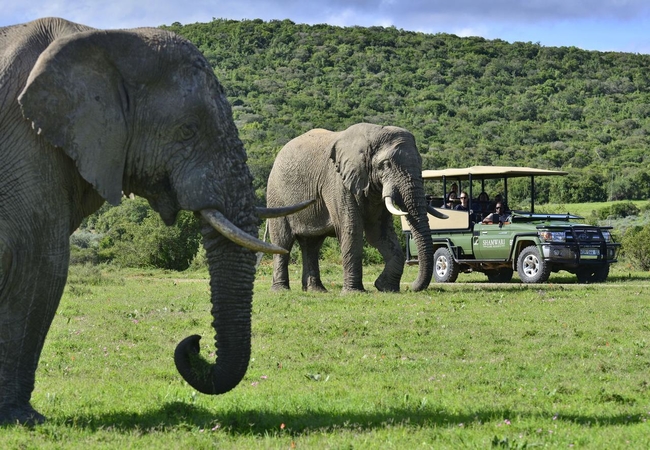
South Africa boasts a huge collection of wildlife regions and game parks; both public and private. Part of the magic of South Africa is that, as a country, it encompasses every possible landscape - from deserts to forests to mountains to coast. And each of these landscapes is home to its own variety of wildlife and birdlife species. So, the game reserves and national parks of the country reflect the same variety in their fauna and flora.
South Africa is the proud home of no fewer than 20 national parks. This includes two of the world's most famous wildlife reserves, the Kruger National Park and Kgalagadi Transfrontier Park. In addition, there are numerous private game reserves that have massive biodiversity and world-class safari opportunities. A South African safari is high on the bucket lists of many travellers, and promises endless memories and adventure.
Game & Nature Reserves in South Africa
Most Popular
The Big 5
Africa's Big 5 can be found at many of these parks and reserves, and are always particularly special to see in their natural environments. The Big 5 is made up of the leopard, lion, buffalo, elephant and rhinoceros. Of course, these impressive animals share their habitats with thousands of other fantastic species; including giraffe, kudu, hippopotamus, cheetah, zebra, ostrich, wildebeest, bushpig, and many more.
All of the members of the Big 5 can be seen at the Hluhluwe-Imfolozi Game Reserve, Kruger National Park, Pilanesberg Game Reserve, Madikwe Game Reserve, Addo Elephant National Park, Sabi Sand Reserve, Shamwari Game Reserve, Timbavati Game Reserve, Kapama Game Reserve, Thornybush Reserve, Welgevonden, and Balule Nature Reserve.
Which wildlife where?
Visitors that want to see hundreds of African elephants up close as they feed and drink at the watering holes should head to Addo Elephant National Park in the Eastern Cape, just an hour from Port Elizabeth. If it's the mighty buffalo that you’re keen on seeing in its natural habitat, visit the Pilanesberg National Park in the North West Province. One of the best places to see prehistoric-looking rhinoceros is at the Hluhluwe-iMfolozi Park in KwaZulu Natal or Aquila Game Reserve (a few hours outside Cape Town); while lions can be found in abundance in the Kruger National Park. Leopards are shy, often hiding from visitors, but for the best chance to see them, try the Sabi Sands Game Reserve adjoining the Kruger Park.
For a wildlife experience, we recommend
Many of the reserves offer overnight accommodation including safari experiences.
Accommodation offered at South African Game Lodges ranges from rustic to 5-star luxury; from self-catering bush camps to fully catered lodges. Packages often include daily game activities, day and night game drives in an open-air vehicle with experienced guides, bush walks, horse-back safaris, river cruises, and other wildlife activities. A stay of 3-4 nights is usually recommended.
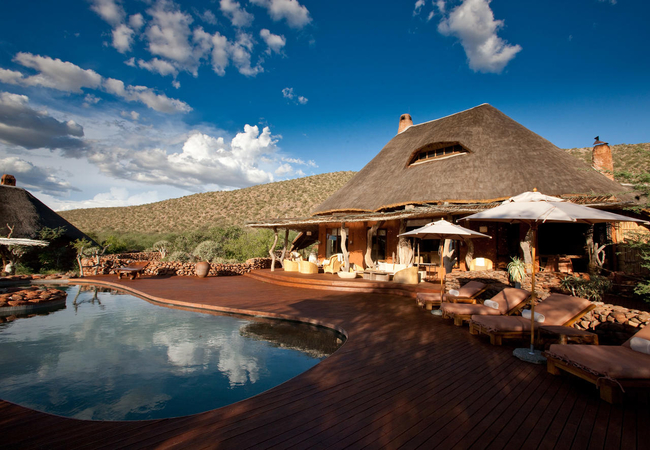
Tswalu Kalahari Reserve
Situated in the heart of the malaria-free Northern Cape Province, Tswalu Kalahari Reserve is the ultimate safari experience. Explore Tswalu with ...
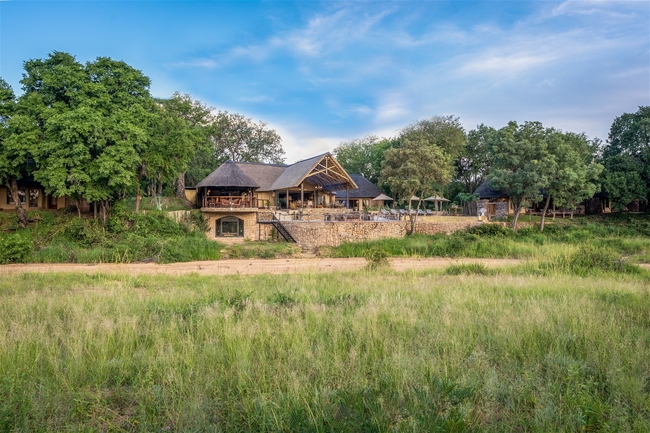
Shumbalala Game Lodge
Shumbalala, rebuilt and refurbished and awarded 5 stars by the Tourism Grading Council of South Africa, Big Five Country in the Heart of the 1100...
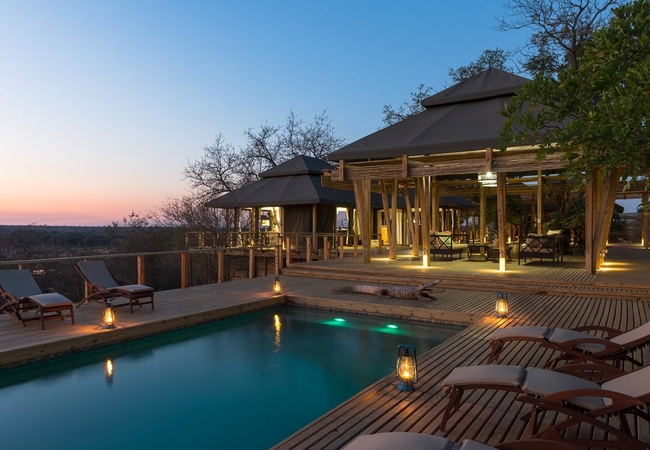
Simbavati Hilltop Lodge
Simbavati Hilltop Lodge offers game lodge accommodation in luxury safari tents. This is a fabulous spot for a romantic getaway where you can enjo...
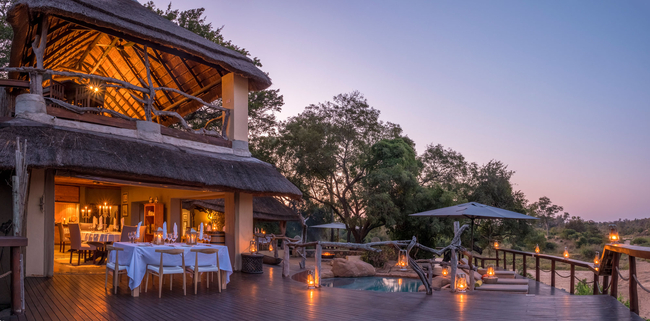
Jock Safari Lodge
Jock Safari Lodge is the first private lodge set in the heart of Africa's premier wildlife reserve, the Kruger National Park. Situated in the sou...
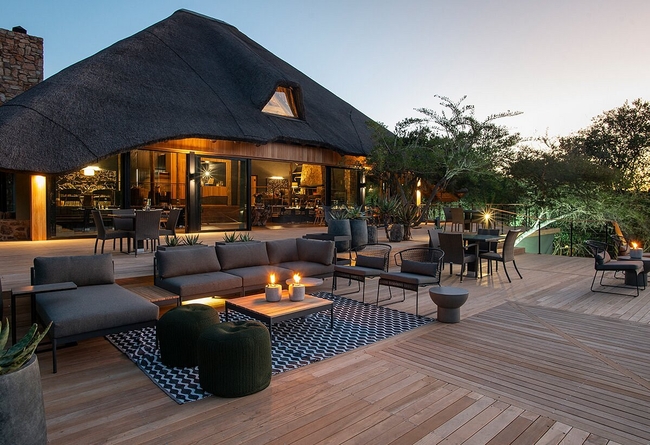
Shamwari Bayethe Tented Lodge
Bayethe Tented Lodge offers fully inclusive luxury accommodation in Shamwari Game Reserve. Here you can enjoy a totally tranquil safari experienc...
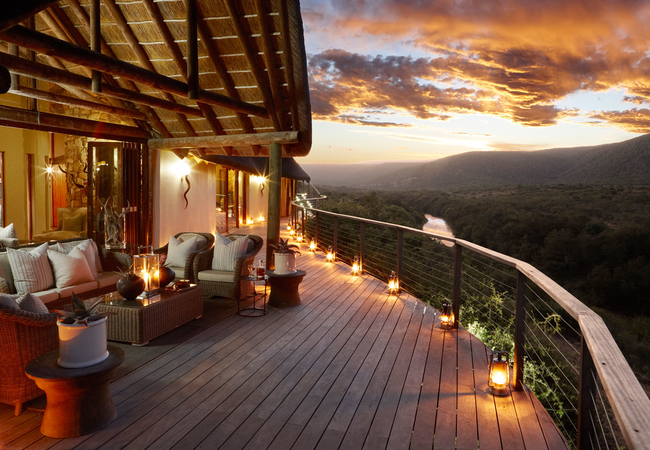
Kwandwe Great Fish River Lodge
Great Fish River Lodge is located in the magnificent malaria-free Eastern Cape, Kwandwe Game Reserve and is within easy reach of South Africa's b...
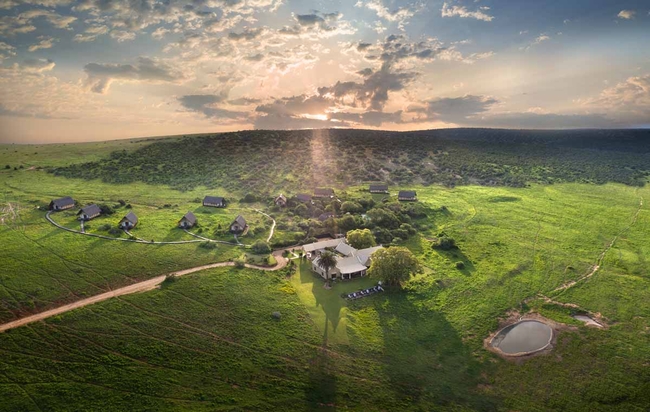
Gorah Elephant Camp
The incomparable thrill of quietly observing a passing herd of elephant while being served tea on the verandah of a stately Colonial manor house ...
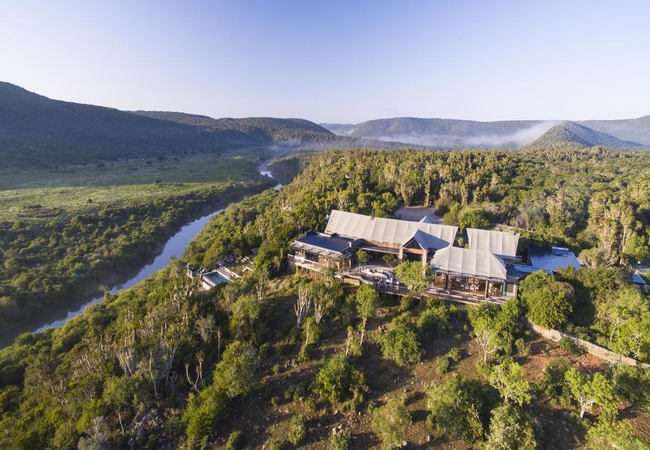
Settlers Drift Lodge
Located in a remote and untouched part of the Kariega wilderness, Settlers Drift Lodge offers a unique tented safari combined with 5-star luxury....
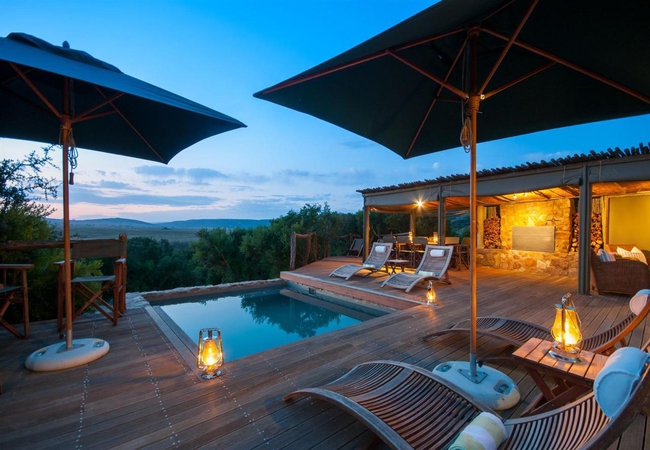
HillsNek Safaris
Nestling on the banks of the Bushman's River with a breathtaking vista of rolling African plains, lies HillsNek Safaris. An exclusive-use safari ...
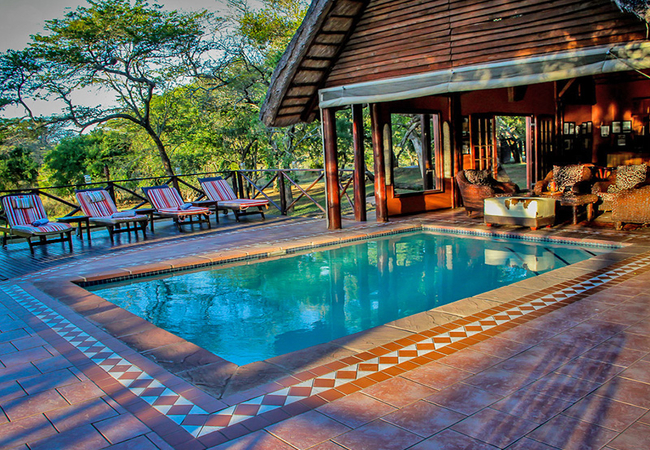
Thula Thula Private Game Reserve
The 4500 ha private game reserve Thula Thula is situated only 45 minutes from Richards Bay harbour and airport, and less than 2 hours drive from ...
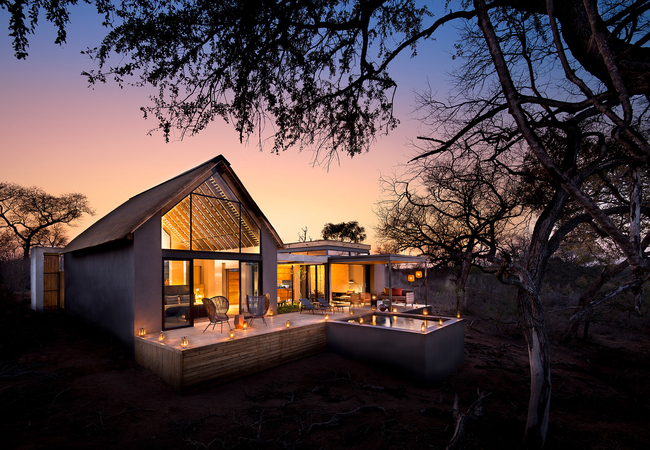
Lion Sands Ivory Lodge
Situated in the Southern portion of the 65,000-hectare Sabi Sand Game Reserve, an area well known for its high concentration of wildlife through ...
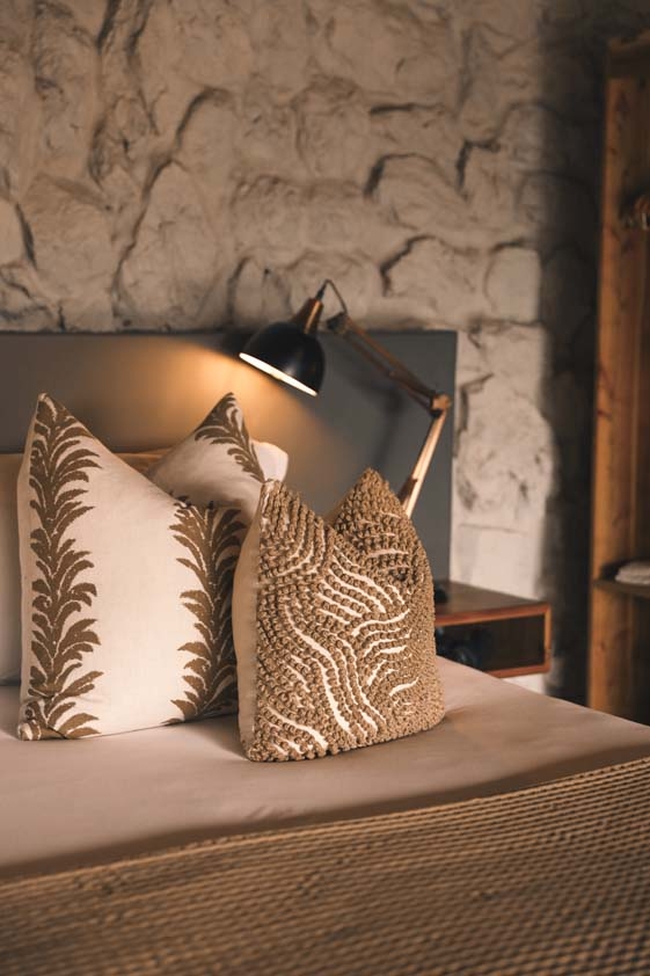
Leopard Mountain Safari Lodge
This 5 Star Multi Award winning, Big 5, Family Run Safari Lodge set within an endangered species protected area in the magnificent 58 000 acre Ma...
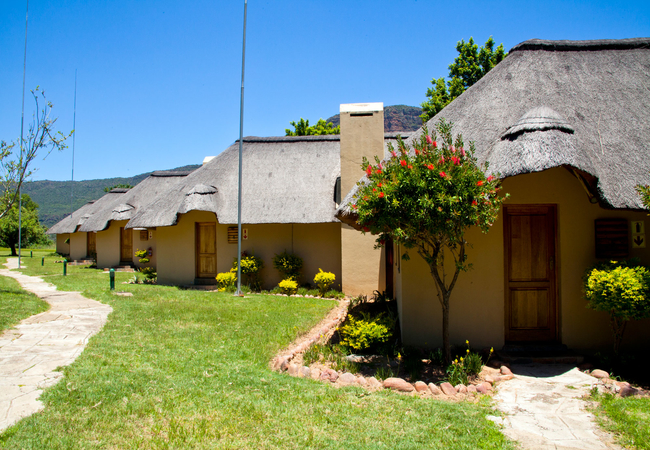
Entabeni Safari Conservancy
Entabeni is a private game reserve situated within the Limpopo Province of South Africa in the game-rich Welgevonden area. This is a convenient s...
On Safari
Guided game drives are excellent ways to spot the widest variety of animals. The experienced guide will share information and insights about the animals and the countryside, and will answer your questions along the way. They may even track some of the more elusive or exciting species that the safari-goers may otherwise have missed. Guided game drives are usually done in the early morning or evening, when different species emerge to find food and water.
Self-guided game drives are often available too, particularly in the National Parks; giving visitors the opportunity to explore the parks and reserves at their own pace. Some reserves require a 4x4 vehicle to negotiate rugged areas, while others (like Addo and Kruger National Park) are easy to navigate in a sedan or a 2x4.
Visiting the South African national parks and game reserves is an experience that is unique for each visitor. It touches you in a special way to look into the soulful eyes of an elephant or to watch as giraffe reach high into the trees to get the sweetest leaves. Breathe in the fresh, pristine air of the bushveld and savour the raw, wild adventure that is Africa.
Additional Reading
- Big 5 malaria-free game reserves in South Africa
- Best places to stay IN the Kruger National Park
- On safari in Cape Town? Yes you can
- You'll find these 15 amazing animals in South Africa
- Everything you need to know to see the Blyde River Canyon in South Africa properly
You might also be interested in
Related Pages
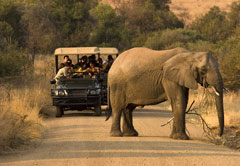
Safaris & Excursions
South Africa's inbound tour operators specialise in tailor-made safari packages and daily excursions of South Africa and her Wildlife Reserves. Whether you are a seasoned traveller to South Africa or visiting for the first time, enjoy the diversity of this region with the security, convenience, flexibility and knowledge that these professional companies offer.
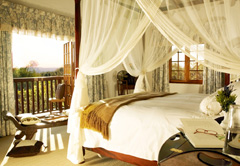
South Africa Game Lodges
South Africa boasts a huge collection of wildlife regions, encompassing every possible landscape from deserts to forests, mountains to coast, teeming with wildlife species. Accommodation ranges from rustic to 5-star luxury; from self catering bush camps to fully catered lodges.
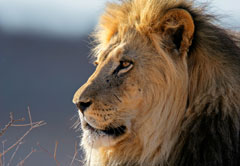
Wildlife Gallery
Visitors from all around the world descend on South Africa to take advantage of the stunning climate, accommodation, game reserves, natural attractions, and, of course, the huge variety of wildlife. In particular, the "Big 5" is a drawcard which lures tourists to renowned conservation areas.
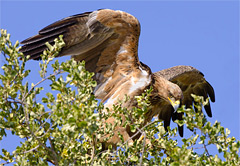
Birdlife Gallery
South Africa boasts a multitude of nature reserves and game reserves, and these are home to an extraordinary array of bird species. Many of these cater specifically to keen bird-watchers to make their experience as rewarding as possible. Added facilities may comprise bird hides, trails ...
View all game reserves by province, indicated with red markers on the map below.
Blue markers show some of the most popular game reserves and national parks in the country.
South Africa's Nature Reserves, Game Reserves and National Parks
Game Reserves
- By Province
-
Search
Search our comprehensive list of game and nature reserves you could visit whilst touring our beautiful country.
SA-Venues.com® has been assisting travellers with their South Africa travel plans since 1999, and is the largest, independent online travel guide for South Africa available in both English and German.
SA-Venues.com © 1999-2026. All Rights Reserved. Find and book hotels and accommodation in South Africa. Sitemap