



The Cape Flats Region, Cape Town
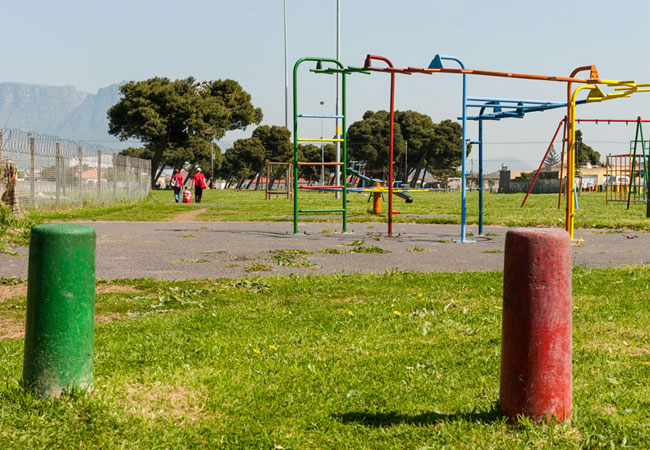
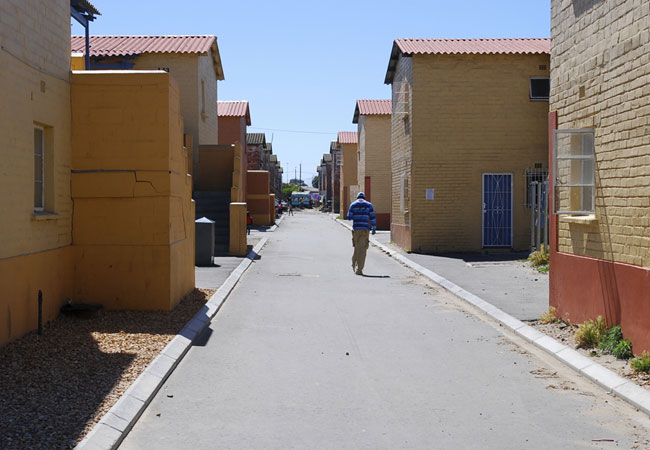
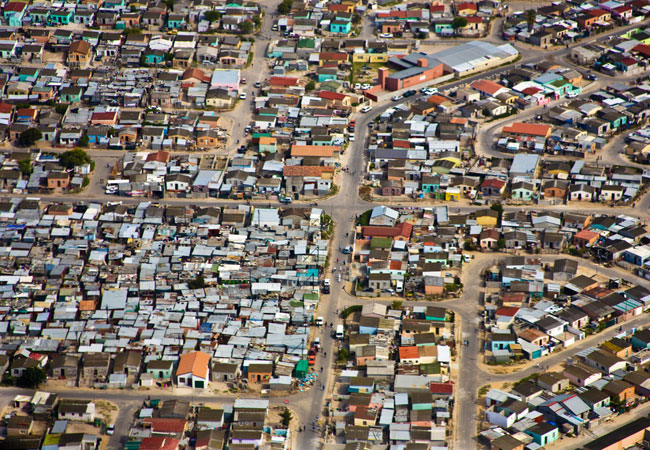
A large area of wind-blown, flat land, covered predominantly by sand, lies to the north of Cape Town, known merely as the Cape Flats. Described fairly accurately as the 'dumping ground of apartheid' it was here that thousands of 'non-white' households were forced to move as a result of the Group Areas Act, and today it is home to over a million people who manage to eke out an existence in a combination of townships and informal settlements.
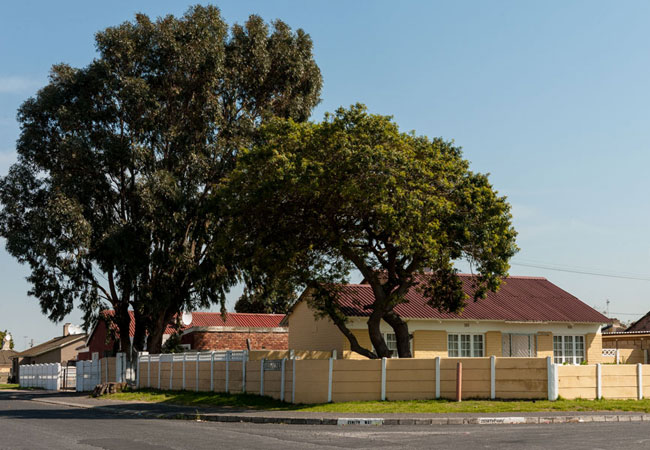
Despite its origins, and the harsh conditions under which people still live, taking into account the present government's housing initiatives, the area is totally unique and has emerged as a vibrant and culturally diverse part of the city that stands in strong contrast to the largely 'white' suburbs of Cape Town.
Did you know? Once you've booked your hotels or accommodation in Cape Town, explore the destination pages below for info on attractions, activities and things to do when you visit the Cape Flats.
Many visitors' first impression of the mother city is along the N2, lined with tin and wood shacks that smack of poverty and little access to facilities. Even the country's successful bid for the 2010 Soccer World Cup did not see these shacks vanish. According to the city's mayor, it will take 30 years to deal with the upgrading of informal settlements and the city already has a housing backlog of 400 000 units.
Yet a visit through the townships of Langa, Gugulethu, Khayelitsha, Cross Roads, Mitchell's Plain and Manenberg is one of the most revealing and enriching things you can do whilst in Cape Town – for better or worse this area is considered the birthplace of Cape Town's soul and art, crafts, music and entrepreneurship abound in a collective show of making the best of a bad situation.
Did you know? Township tourism, which took off after our first post-Apartheid elections in 1994, is becoming increasingly more popular, as visitors to the country look for a more ‘authentic' experience, away from game reserves, Table Mountain, and the usual breathtaking scenery.
Add to this the pervasive 'Cape sense of humour' – the ability of people who live on the Flats to see the funny side of life – despite the odds, and you will have a better understanding of how the people of South Africa actually live. Yet, despite its association with flat sandy plains, the Cape Flats is also an extensive wetland and home to unique strandveld vegetation that has come under extreme urbanisation pressure.
Find accommodation in the Cape Flats
South Africa Accommodation / Western Cape Accommodation / Cape Town Accommodation / Cape Flats Accommodation
Camdene Guest House
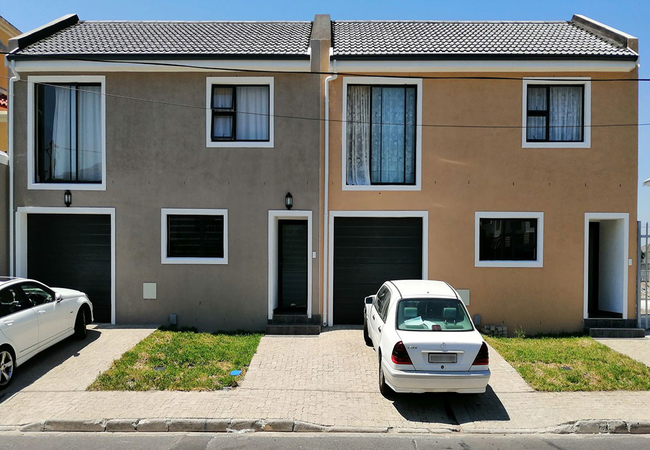
Camdene Guest House offers accommodation in an Halaal friendly environment and is a home away from home. Ideally situated to explore the charms o...
Camdale Guesthouse
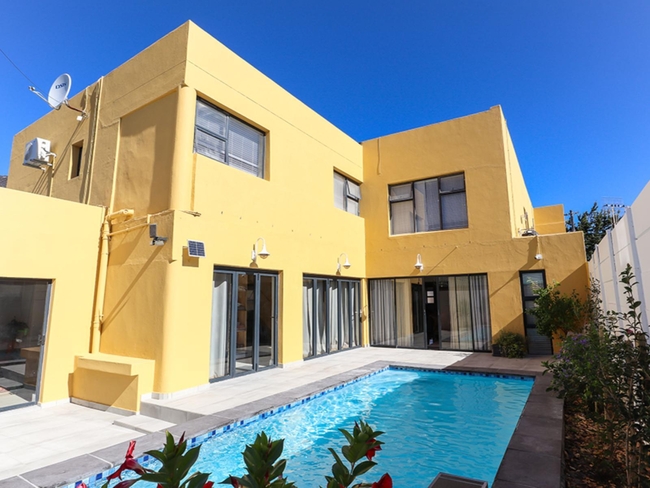
Discover the ease of refined living and sincere hospitality at Camdale Guesthouse, an elegant bed and breakfast situated in Cape Town’s distingui...
Cheval Vapeur
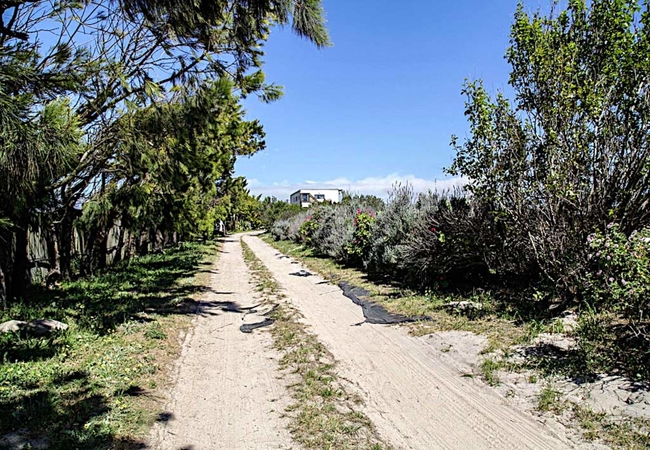
Cheval Vapeur offers self catering Philippi accommodation on a horse farm in the heart of Cape Town's seasonal wetlands. All the units are self c...
Hotel Verde
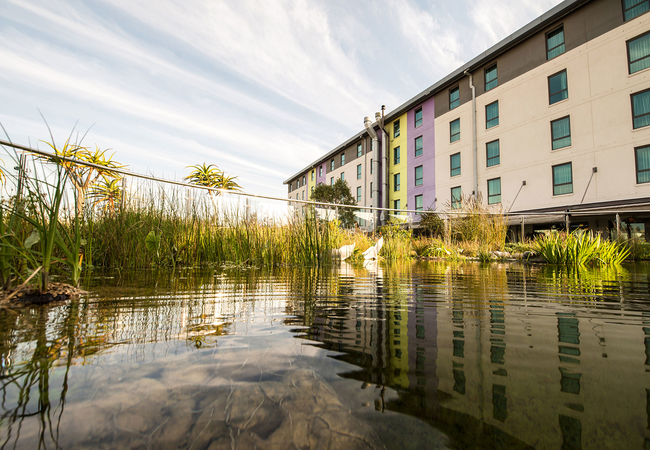
Located 400m from Cape Town International Airport, Hotel Verde offers 145 rooms, conference facilities, restaurant, bar, indoor gym, outdoor jogg...
Destinations in the Cape Flats Region
Athlone
Overnight? Athlone accommodation
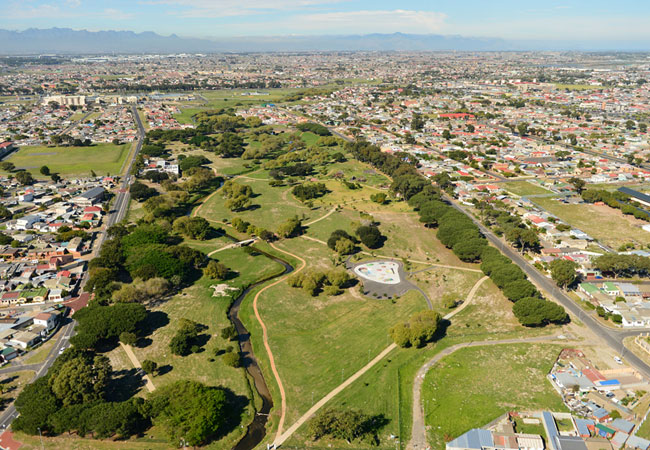
Athlone lies to the east of the city centre in what's commonly known as the Cape Flats - a large and very flat section of low-lying land to the southeast of the City Bowl, colourfully described as apartheid's 'dumping ground'.
Athlone is a large subur...
Grassy Park
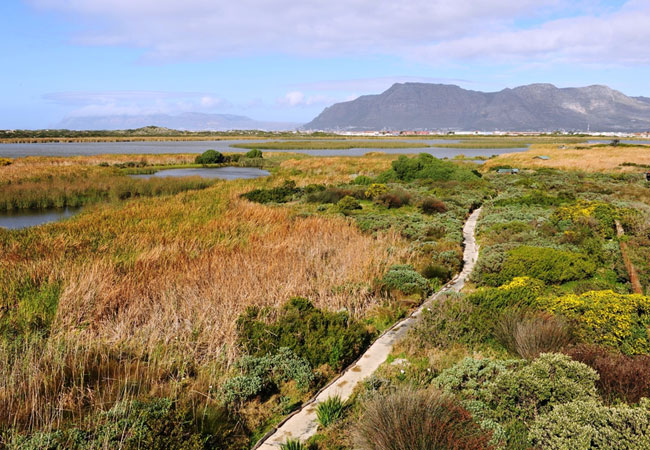
Grassy Park is one of the southern suburbs of Cape Town set on the Cape flats, just east of the M5 and the Princess Vlei, and closest to the suburbs of Ottery and Lotus River. Historically the suburb has been around a long time, emerging initially on part...
Gugulethu
Overnight? Gugulethu accommodation
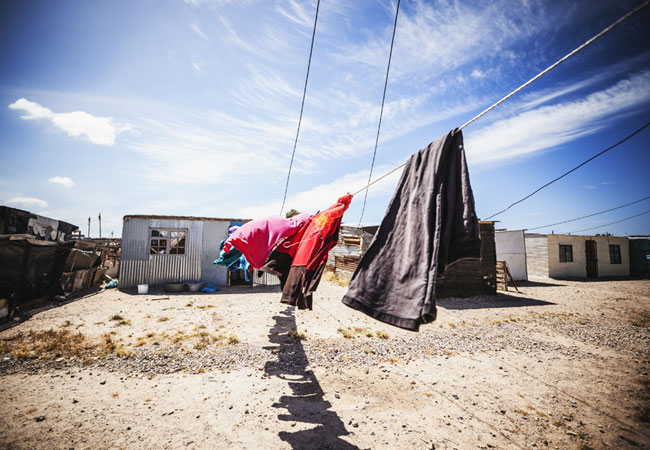
The energetic community of Gugs, better known as Gugulethu, lies virtually on top of Cape Town's International airport, about 20 kilometres outside of Cape Town - one of the oldest black townships in South Africa and arguably one of the fastest developing...
Khayelitsha
Overnight? Khayelitsha accommodation
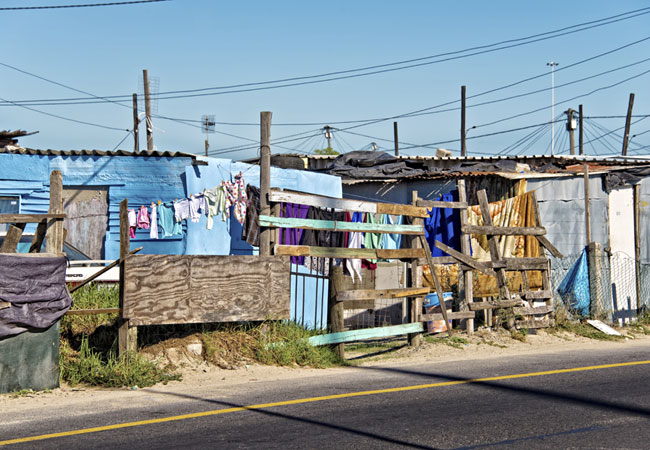
More than half of Cape Town's unemployed live in the notoriously high crime area of Khayelitsha, a township just outside Cape Town that means ‘new home'.
Created during apartheid as a dormitory area for migratory workers, today it is the biggest and y...
Langa
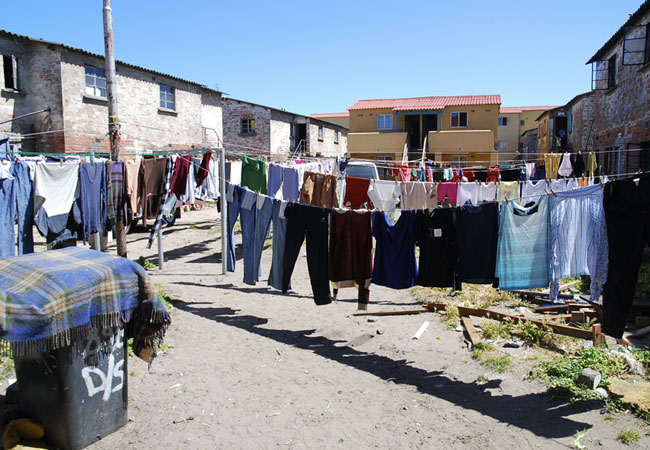
Set just 15 to 20 kilometres from the centre of Cape Town and accessible where the N2 joins Bunga Avenue, Langa, the birth and resting place of Brenda Fassie - outrageous superstar and queen of pop - is one of the oldest townships in Cape Town. An are...
Macassar
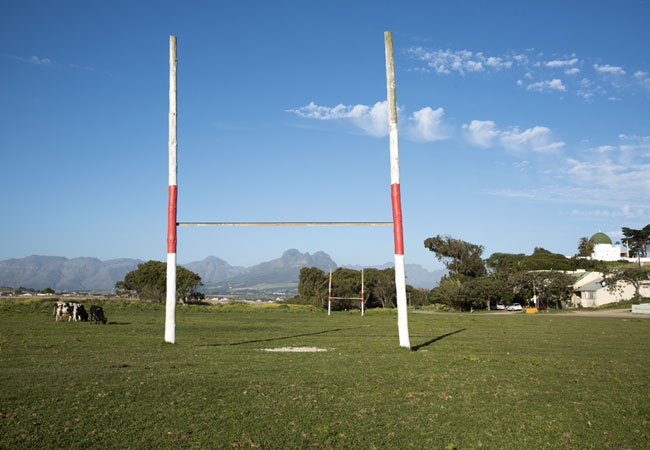
Lying on the wind-blown rugged coastal road that takes one from Cape Town to Somerset West the long way - along the coast - is the beach of Macassar, more or less across the road from the Helderberg suburb of Macassar on the Cape Flats. The beach, whic...
Manenberg
Manenberg is a largely Coloured community on the Cape Flats, where clotheslines span across apartheid-government-built housing and children play in the streets - the back of Table Mountain visible in the distance - the one redeeming factor in a township w...
Matroosfontein
Overnight? Matroosfontein accommodation
Matroosfontein is a residential area that, while outside the city centre, is part of the Mother City and home to many of its locals. It is extremely close to the Cape Town International Airport (less than about four kilometres, in fact) and is fewer than ...
Mitchells Plain
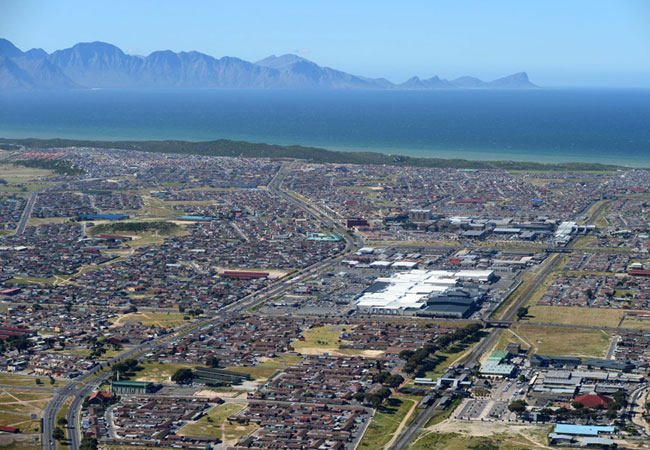
Described in a former resident's own terms, Mitchell's Plain is a large, sprawling coloured township originally billed, when it was built about 30 years' ago, as the area for coloureds and erected to house the middle income group. Parts of it quickly ...
Nyanga
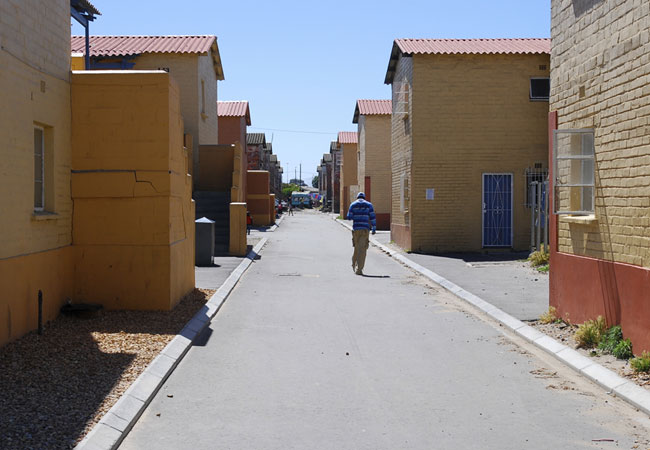
Nyanga, a sprawling, poverty-stricken illustration of Cape Town's urban sprawl, is one of the oldest and largest black townships after Langa, establishing itself as early as 1955. It lies about 26 kilometres from the city centre, along the N2 close to the...
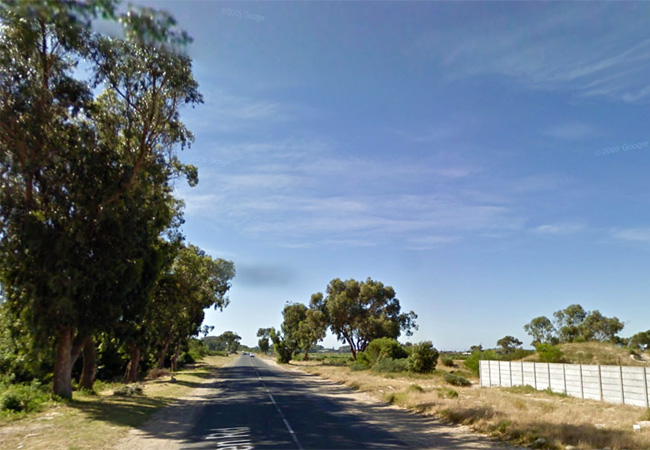
Philippi
Overnight? Philippi accommodation
Philippi is one of Cape Town's townships formed, in the 1980s, at more-or-less the same time as Khayelitsha and Delft. It lies sandwiched between Ottery, Hanover Park, Grassy Park, Mitchells Plain and Manenberg on what is known as The Cape Flats.
Durin...