





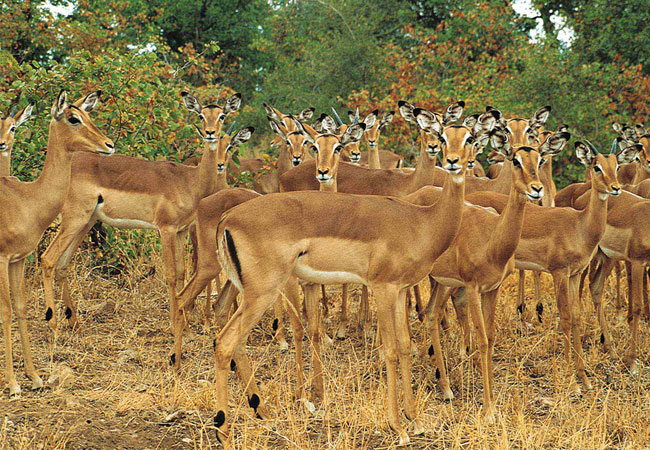

About Kruger National Park
The largest game reserve in South Africa, the Kruger National Park is larger than Israel. Nearly 2 million hectares of land that stretch for 352 kilometres (20 000 square kilometres) from north to south along the Mozambique border, is given over to an almost indescribable wildlife experience. Certainly it ranks with the best in Africa and is the flagship of the country's national parks - rated as the ultimate safari experience.
Did you know? The Kruger park itself was established in 1898, following a twelve year crusade to conserve the Lowveld wildlife by Paul Kruger, from whom the park takes its name.
Lying in the heart of the Lowveld is a wildlife sanctuary like no other, its atmosphere so unique that it allows those who enter its vastness to immerse themselves in the unpredictability and endless wilderness that is the true quality of Africa.
The Kruger National Park lies across the provinces of Mpumalanga and Limpopo in the north of South Africa, just south of Zimbabwe and west of Mozambique. It now forms part of the Great Limpopo Transfrontier Park - a peace park that links Kruger National Park with game parks in Zimbabwe and Mozambique, and fences are already coming down to allow game to freely roam in much the way it would have in the time before man's intervention. When complete, the Greater Limpopo Transfrontier Park will extend across 35 000 square kilometres, 58% of it South African, 24% Mozambican and 18% Zimbabwean territory.
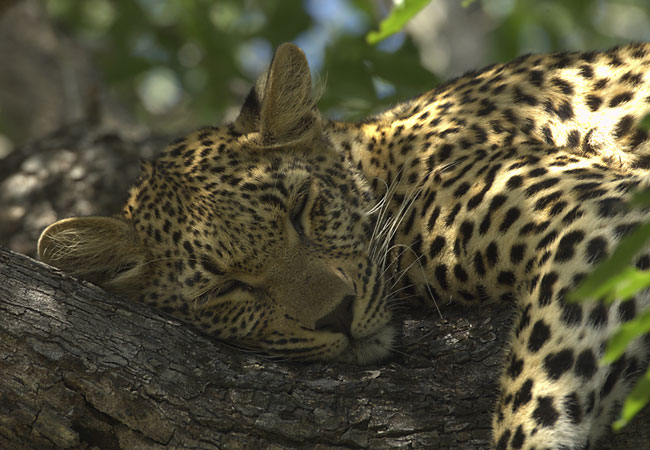
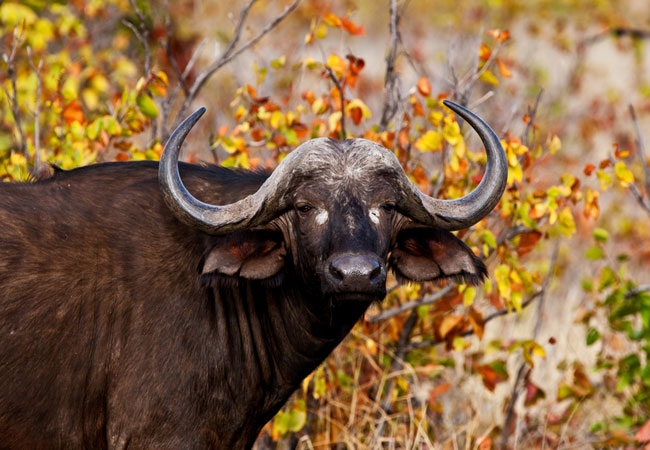
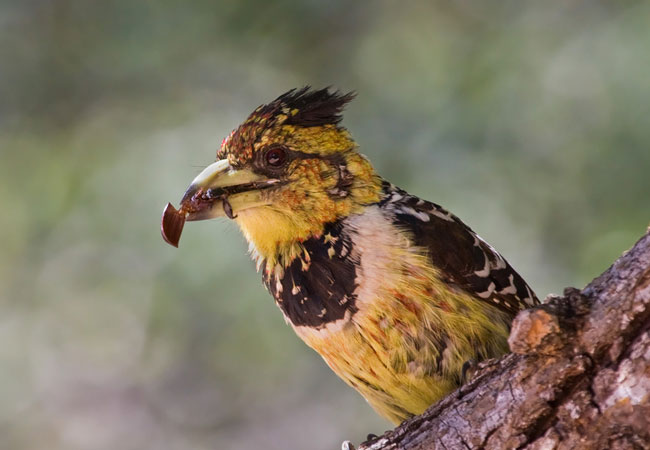
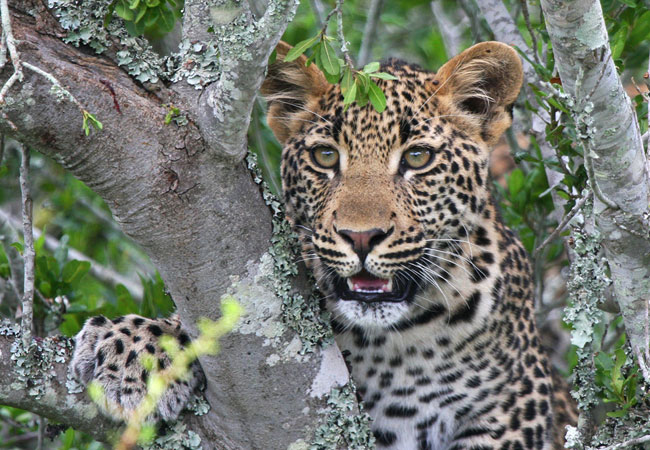
This is the land of baobabs, fever trees, knob thorns, marula and mopane trees underneath which lurk the Big Five, the Little Five (buffalo weaver, elephant shrew, leopard tortoise, ant lion and rhino beetle), the birding Big Six (ground hornbill, kori bustard, lappet-faced vulture, martial eagle, pel's fishing owl and saddle-bill stork) and more species of mammals than any other African Game Reserve.
The Kruger Park is a self-drive destination, although there are guided tour operators, with an excellent infrastructure that includes picnic sites, rest camps, waterholes and hides. The Kruger Park is a remarkable reserve offering an incredible experience of Africa at its most wild. (See Kruger Park Tours for overnight and package tours lasting from 1 night and 2 days to weeks long safaris or see Kruger Park Day Tours for single day guided trips into Kruger National Park.
Kruger Park's different Zones and Regions
Very broadly speaking, the Kruger National Park is flat with a few gentle hills, and people tend to classify the bushveld of the Kruger as unvaried and dry, which is rather like saying South Africa is sunny - it conceals an amazingly rich diversity. The Kruger National Park is divided into no fewer than six ecosystems - baobab sandveld, Lebombo knobthorn-marula bushveld, mixed acacia thicket, combretun-silver clusterleaf, woodland on granite, and riverine forest.
Four regions make it easier for you to select the type of experience you want from your time in the Kruger National Park:-
Kruger Park Central Region
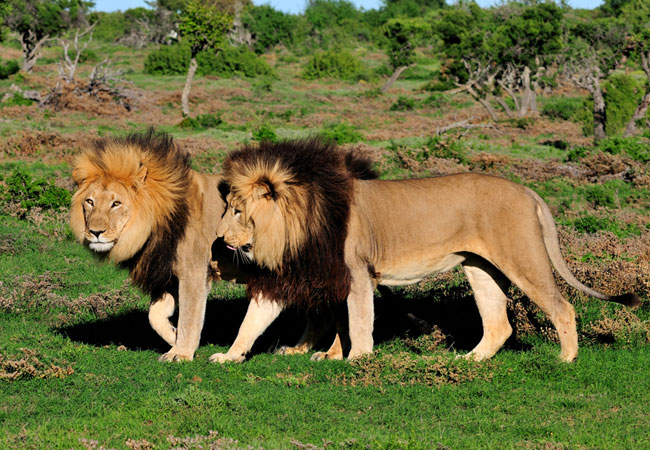
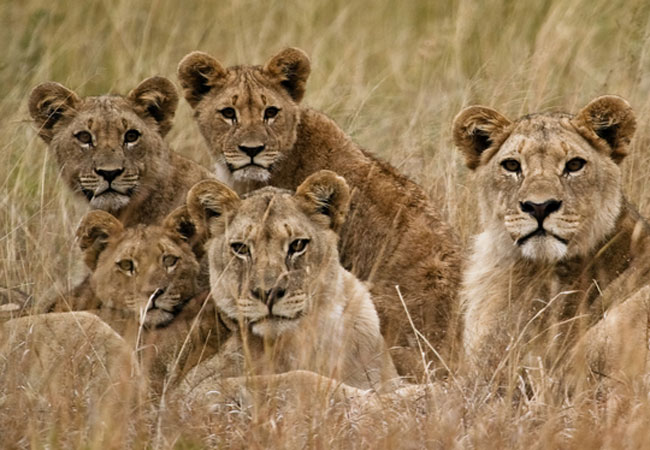
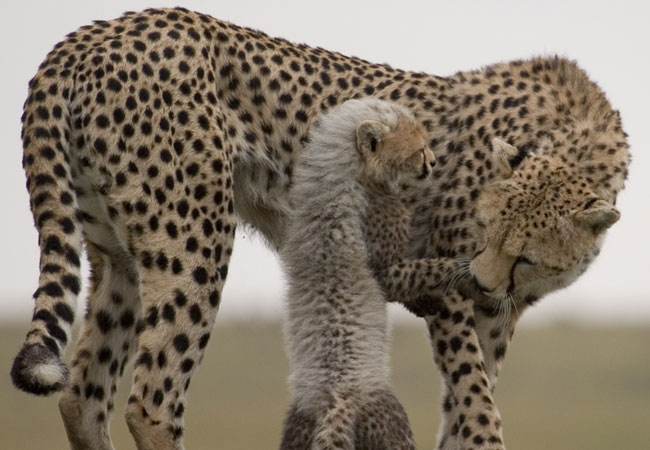
Encompassing only 30% of the kruger park's surface area, the central region supports nearly half the park's lion population as well as numbers of leopard, hyena and cheetah.
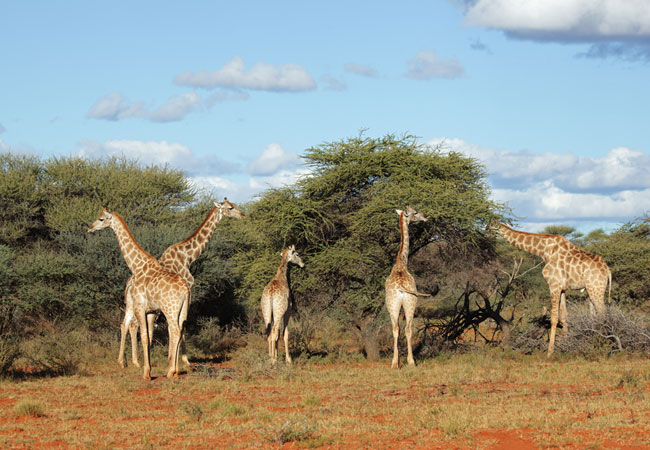
Possibly the main reason for this is the quantity of sweet grasses and abundant browsing trees found in this area that support a large group of antelope, giraffe, buffalo, zebra and wildebeest. But this does mean that it's a popular region amongst tourists, and subsequently there are a number of camps in this region. It's understandable though, as the chance of sighting even one of the 60 prides of lion that make the central region their home is a huge draw card.
Kruger's Far North Region
This is a rather fascinating part of the Kruger National Park, not least because the ecozones here are noticeably different from other habitats in the Kruger. Sightings of rare birdlife and major areas of sand formed by river flood plains, combined with sandstone formations of the Mozambique coastal plain, make it attractive to visitors.
There are also a number of tropical aspects as part of the region lies in a rain shadow and along the banks of the Luvuvhu River is a series of riverine forest. A picnic site on the river bank provides hours of splendid bird viewing.
What you can witness in this part of the Kruger National Park is extraordinary - the knocking sand frog, a collection of bats, the nocturnal bushpig and the rare Sharpe's grysbok. There are samango monkeys, packs of endangered wild dog, and the major water pans across the Wambiya sandveld are a good place to sight tropical warm-water fish, such as the rainbow killifish, not found anywhere else in South Africa.
The sandstone hills, just west of Punda Maria, is the only place where you can see the Natal red hare and dassie or yellow-spotted hyrax. What makes a visit to this remote part of the Kruger park so meaningful is the solitude.
The Northern Kruger Park Region
North of the Orange River is a semi-arid region covering 7 000 square kilometres that sees very little rain. Vegetation here changes very little from the unvarying shrub mopane, which thrives in hot, low-lying valleys. However, across this great expanse of hot dryness, five rivers forge their way, providing narrow corridors along whose banks grow trees distinctly different from the mopane - the nyala, the sycamore fig, the tamboti and the tall apple leaf.
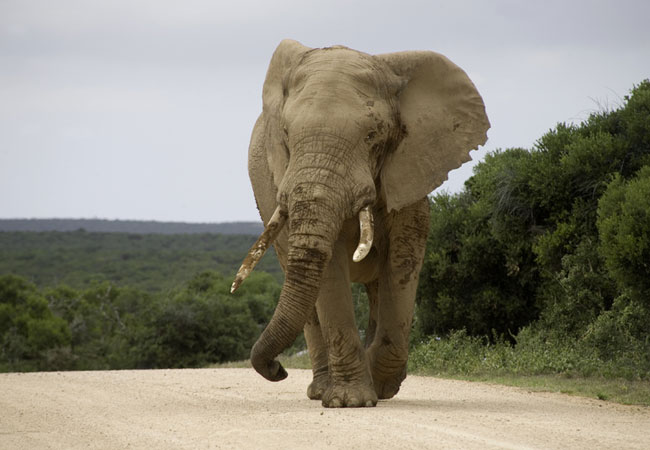
The Letaba and Olifants rivers contain as much as 60% of the Kruger park's hippo population, and bird life here abounds. There are plenty of bushpig in the undergrowth of the Luvuvhu River and on most of the river banks you can hope to see sizeable herds of elephant (the Kruger National park's latest estimate is as many as 9000 of these beautiful beasts), buffalo, bushbuck, impala and kudu concentrated near a water supply.
The Southern Kruger Park Region
Bounded by the Crocodile River in the south and the Sabie River in the north, the southern region is also host to the jagged ridge of the Lebombo Mountains along the border with Mozambique, and the highest point in the park, Khandzalive, in the southwestern corner - almost in counterpoint to Pretoriuskop that lies in the west of the southern region of the Kruger National Park.
The valleys are home to trees rarely found in other parts of the Kruger park, such as the Cape chestnut, coral tree and lavender fever-berry; and granite lies beneath most of the region, producing distinctive smoothed koppies at irregular intervals, which are typically surrounded by rock figs and form ideal locations for rock dassies or hyrax, baboon and klipspringer, not to mention the odd leopard.
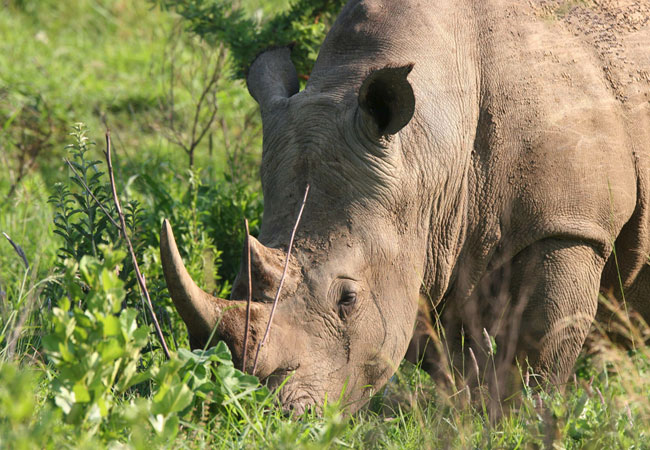
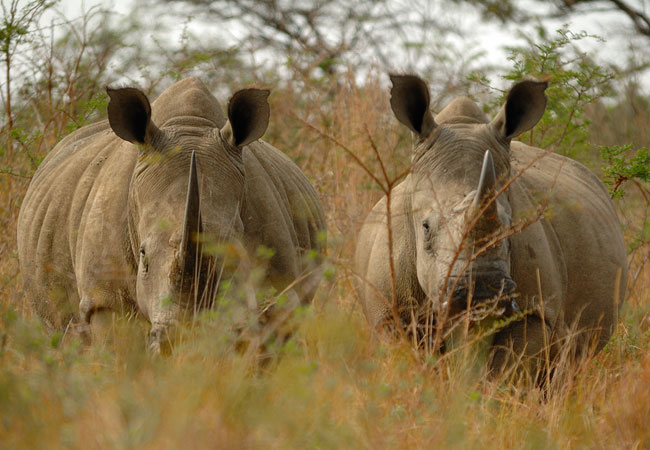
This is the region where you're almost sure of seeing a white rhino as most of them occur here, particularly around Pretoriuskop, Mbyamiti River and south of lower Sabie. On the whole, there is more game purported to exist in the southern part of the park, so if you don't make it to the northern reaches of the Kruger National Park , you won't miss out. This part of the Kruger park is to some extent shrouded in history.
Around Pretoriuskop, known for its profusion of trees, is Ship Mountain, its hull-shape the site of an old wagon trail that crosses a stream marking the birthplace of Jock of the Bushveld. The combretum woodlands, also part of this region, attract reasonable herds of kudu, impala, giraffe, buffalo, zebra, white rhino and elephant, and the scarcity of lion in this part of the park, makes way for the cheetah and wild dog.
What to Do Whilst in the Kruger National Park
Game drives, bush walks, foot safaris, wilderness trails and even a self-drive eco trail, are some of the ways in which to enjoy the magnificent scenery and wildlife of the Kruger National Park.
Game Drives
Game drives are what the Kruger National Park is all about. If you're on a kruger park safari then the highlight to any day is venturing out on the back of an off-road vehicle, binoculars clutched in one hand whilst the other hangs on for all you're worth to the constantly rolling vehicle as it makes its way through the bush in hot pursuit of the latest pride of lions, sighted feeding on a kill just over the rise.
For those booked on a safari or into a private game lodge, regular game drives with an experienced ranger are part and parcel of your trip, and for those on self-drives through the Kruger National Park, Olifants, Mopani and Letaba restcamps provide night drives, whilst most of the restcamps offer early morning, mid-morning and sunset game drives. For the most part game drives last around 3 hours, and private lodges and game farms usually include a coffee break, breakfast or sundowners in the bush as part of the game drive experience.
Bush Walks
Nothing can possibly beat the heart stopping excitement of tracking rhino, elephant and lion on foot through the heat of the bush. But it's also one of the most incredible ways to learn about the fragility of the ecosystems of the Kruger Park and to see the smaller, but in no way less exciting, animals and insects of the park like termites, spiders, snakes and plants that tend to be ignored when on the more fast paced game drives. Bush walks can last up to four hours and stops are made to allow replenishment and a chance to take in the beauty of an area. In the Kruger Park it's advisable to take your own snacks and sunscreen and most of the camps do morning and afternoon walks.
Foot Safaris
Foot Safaris in the Kruger National Park - Time spent on foot in a Wilderness area is the very embodiment of a memorable safari experience. And this experience can be appreciated at Mohlabetsi Safari Lodge. Tony and his team value the essence of a Foot Safari and are privileged to be able to share the Bush with their guests. To see the full article and get extra info please see: Foot Safaris in Kruger National Park.
Wilderness Trails
There are a few incredible wilderness trails in the Kruger National Park, some in areas virtually untouched by humans, with names like Metsi-Metsi, Bushmans Wilderness Trail, Nyalaland, Napi Wilderness Trail, Wolhuter and the Sweni Wilderness. Most of these trails are about 2 days with 3 overnights in rustic huts with basic ablution in reed-walled showers and flush toilets, but on the whole, they're in such demand that they're booked out way in advance. These are aimed at smaller groups than bush walks and one needs to have a reasonable level of fitness as one averages 20 kilometres a day, although this is at a leisurely pace.
The Lebombo Overland Trail
This incredible five-day 'wilderness experience on wheels' takes you from Crocodile Bridge to Pafuri, and deserves a mention here. It's an eco trail that takes you along the eastern boundary of the Kruger National Park along the Lebombo hills (hence the name) from the extreme south to the farthest northern edge. A maximum of five vehicles, with four people in each – so as not to affect the environment adversely, undertakes the trail that covers 500 kilometres.
It's a self-drive eco trail – you man your own vehicle and cater for yourself – that crosses magnificent rivers and encompasses some of the most beautiful scenery in the park – wide, open spaces, bushveld and magnificent trees at their best. The trail overnights at Lower Sabie, Olifants and Shingwedzi restcamps. Experienced and professional guides will lead the trail and interpret the different eco zones and explain the terrain on this trail, rated as the best in southern Africa purely because of the rich diversity of fauna and flora en route.
Where to Stay in the Kruger Park
In terms of the range of accommodation offered within Kruger, no national park in the world quite lives up to the same level of service. The Kruger National Park has a large number of rest camps, bushveld camps and lodges and even some overnight hides, all run by South African National Parks Board.
But it is the luxurious privately-run game lodges that steal the show when staying in the Kruger National Park, as a trip is transformed into something more like an experience - the pace of life slows to a leisurely tempo, your every need is catered for, and extravagance is not spared. All this in the wild heart of Africa - small wonder that the Kruger Park has the reputation that it does.
Private, Luxury Game Lodges (Kruger Park concessions)
Up until fairly recently the only accommodation in the Kruger was the government run rest camps. However, large tracts of untouched land have been leased, in a fairly unusual commercial move by the park, to private operators who have established lodges run in a similar way to the luxurious private reserves on the western boundary of Kruger National Park, like Sabi Sands and Timbavati.
These private game lodges might still be bound by most of the rules of the Kruger park, but they offer incredible luxury, superbly guided game drives, and the freedom to move into the greater park area if desired, although there is more than enough to occupy you when staying here. These private game lodges offer a more intimate and exclusive experience of the vast Kruger Park.
The most celebrated of these luxury private concessions includes Buhala Game Lodge situated on the banks of the Crocodile River where the familiar call of the Fish eagle, gracefully thatched accommodation and breathtaking scenery are yours to enjoy.
Jock Safari Lodge has as its southern boundary the old wagon route from Delgoa Bay to the gold fields of the interior, and, true to the surrounding wilderness, offers romantic and elegant suites influenced by indigenous Zulu and Swazi cultures.
The Private Game Reserves within Kruger
Flanking the western boundary of the Kruger National Park are a number of private game reserves. Though none of them fall within the park's boundaries, together they form the heart of South Africa's big game country and some of the most famous private lodges and the best wildlife viewing in the world take place here. The main reason for rich game viewing is the free movement of animals between the private reserves and the Kruger National Park - at least 100 kilometres of fencing has been removed, ridding the area of man-made borders.
The private game reserves allow for vehicles to leave roads, and animals on the whole are more used to the presence of man so there's a greater chance of seeing them. Private game reserves include Sabi Sands Game Reserve, which is home to the well-known lodges of Ulusaba and Lions Sands; Timbavati Game Reserve and Klaserie Game Reserves.
Find Accommodation in Kruger National Park
Find accommodation for your trip to the Kruger Park. See Kruger Park hotels with preview images and description for all accommodation within and bordering the Kruger National Park.
Or see general Kruger Park Accomodation for places to stay within the boundries of the original Park and view Bordering Kruger Park for all accommodation now incorporated into the Greater Kruger National Park area.
Need to Know
WhereKruger National Park, Mpumalanga and Limpopo provinces, South Africa
WhenGate opening and closing times differ and are specified on their respective pages. See links below. If staying in one of the Private Game Lodges, this is dealt with by the lodges.
OvernightStay in Kruger Park Accommodation, Mpumalanga
Disclaimer
Please note, business details can change. While we endeavour to ensure all information provided by the service provider is correct at the time of publication, we do not assume any liability caused by errors or changes, such as price, cost, time, and location. Please check with the provider that the activity/business is still offered as described, before making any travel plans.
Feedback?
If this is your reserve, you can let us know if anything on this page is outdated or contains inaccuracies, by email. We regret, we do not have any other information, please contact the provider if you have questions.
Additional Reading
- Exclusive-Use Safari Villas for Family and Group Getaways
- Best Places to Stay IN the Kruger National Park
- Best Places to Stay NEAR the Kruger National Park
- Walks in the Wild – 7 Kruger Wilderness Trails
- Kruger - the low down on what to remember, where to stay, what to do and spotting the Big 5
- Southern Kruger - we review 3 restcamps and hot spots for sighting game
- Foot safaris in Kruger National Park
- Meerkats – Where to Find Them in South Africa
- Know where to see the BIG FIVE – we list the top reserves
Enter the Kruger National Park via ...
Wish you were here?

Game & Nature Reserves in Mpumalanga
In the vicinity
Hotels & other accommodation options in Kruger Park
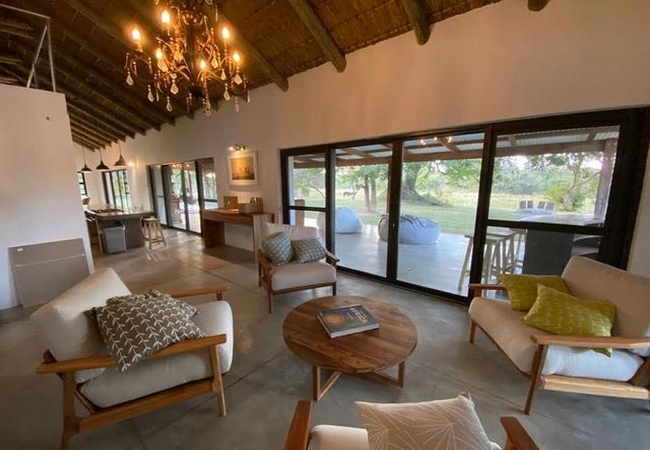
Timbavati Homestead
Timbavati Homestead offers accommodation in Thornybush and is the epitome of a luxury safari experience. Enjoy your own private home on the banks...
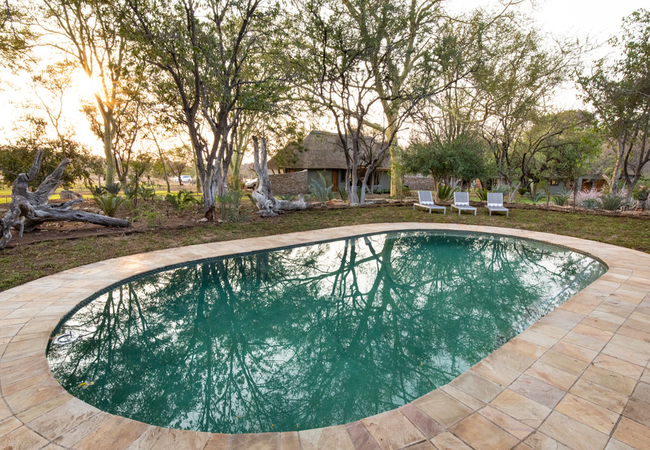
Simbavati Camp George
Camp George is constructed in the traditional style of an African Safari Camp. Situated in the heart of the Klaserie Private Nature reserve, all ...
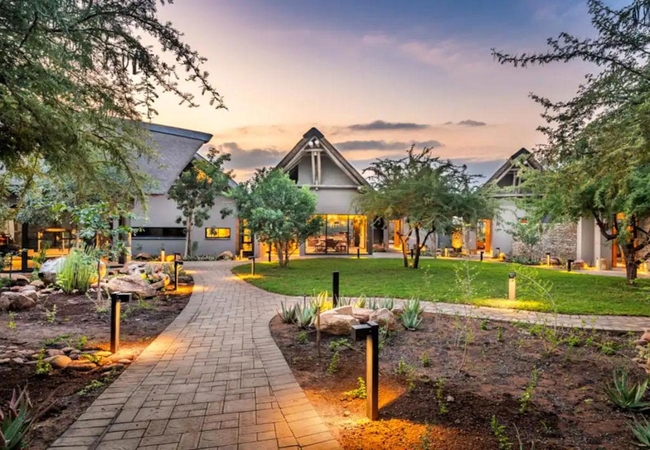
Marula Sunrise Lodge
Marula Sunrise Lodge is nestled on the Crocodile River on the southern side of the Kruger National Park in the 4000 hector Mjejane Private game r...
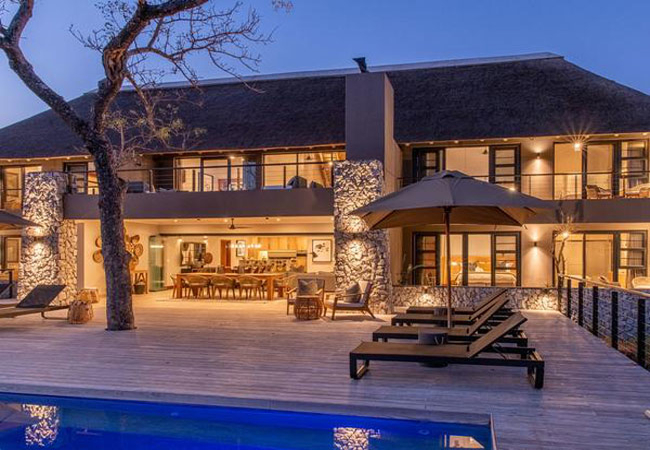
Xidulu Lodge
Xidulu Lodge offers Kruger Park accommodation at elephant point estate on the banks of the magnificent Sabie River. Here you can enjoy magnificen...
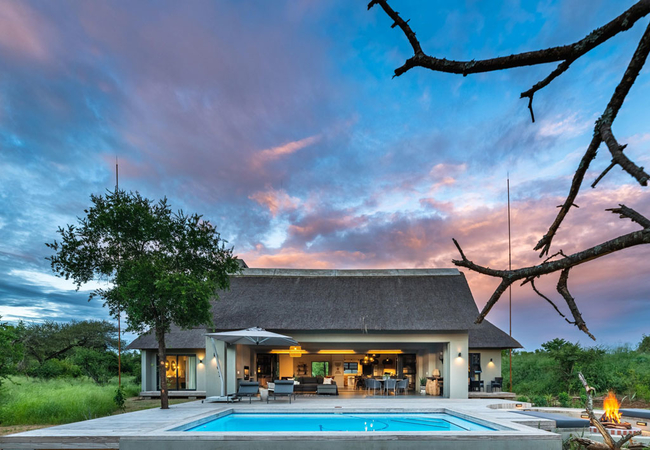
Timaka Lodge
Timaka Lodge is situated on the banks of the magnificent Sabie River, providing you with spectacular views over the river and into the Kruger Nat...
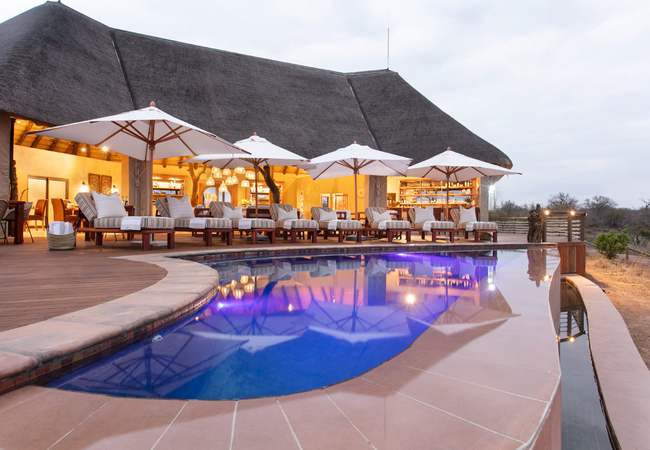
Thabamati Tented Camp
Thabamati Tented Camp is situated in the Timbavati Private Nature Reserve that forms part of the Greater Kruger National Park in South Africa. Th...
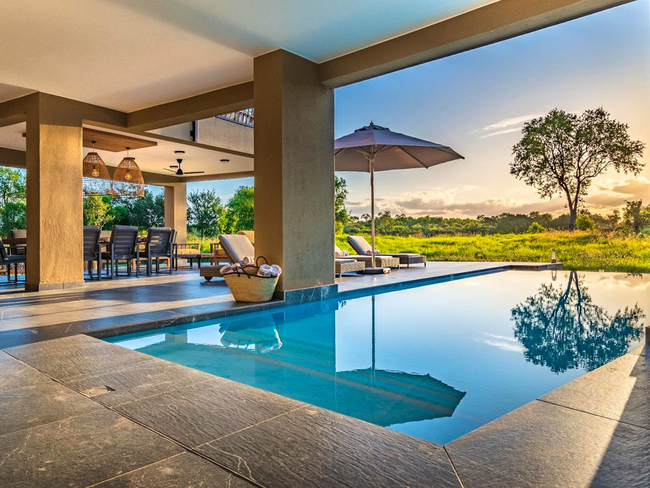
Nkova Sabie Lodge
Perched on the banks of the stunning Sabie River, Nkova Sabie Lodge at Elephant Point offers breathtaking views that extend into the untouched wi...
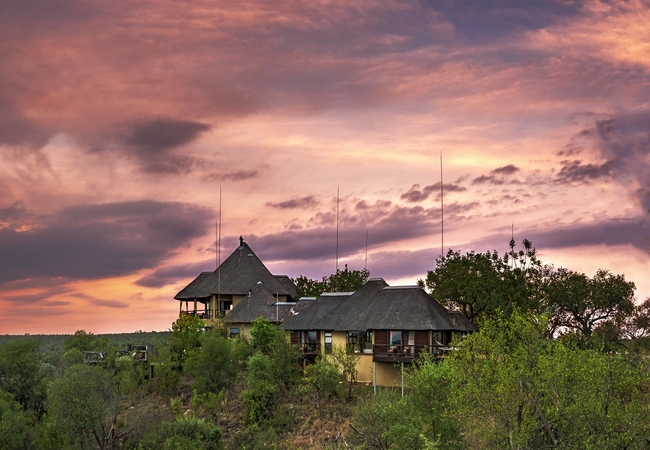
Makumu Private Game Lodge
Makumu Private Game Lodge offers fully inclusive accommodation in the Klaserie Private Nature Reserve. Here you can enjoy wildlife excursions and...
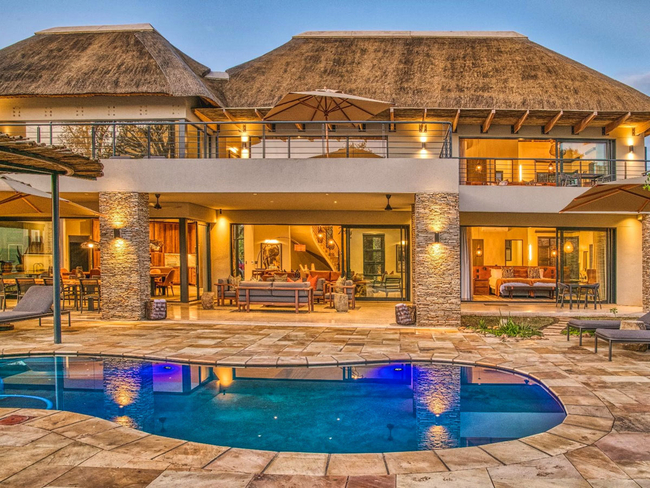
Amukela Lodge
Nestled along the majestic Sabie River, Amukela Lodge at Elephant Point offers breathtaking views into the untouched beauty of the Kruger Nationa...
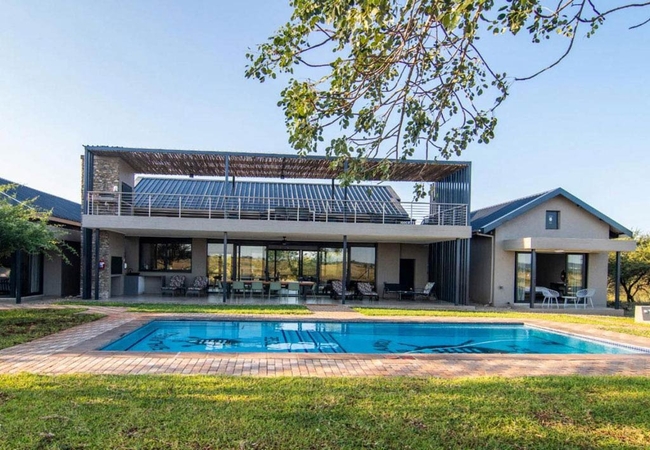
Sihlangu Lodge
Sihlangu Lodge is a luxurious five bedroom ten sleeper bush lodge offering accommodation in Hectorspruit in the Mjejane Game Reserve, with incred...
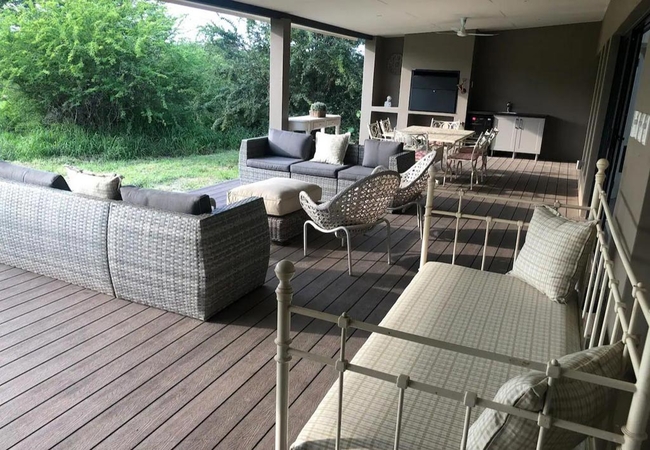
Barn Owl Lodge
Barn Owl Lodge is a self-catering bush haven set in the Big 5 Mjejane Game Reserve. This peaceful and luxurious bush holiday home in the Greater ...

Mjejane River Lodge
Mjejane River Lodge is part of the Mjejane Game Reserve which is immersed in the Kruger National Park. The lodge enjoys a large stretch of Crocod...
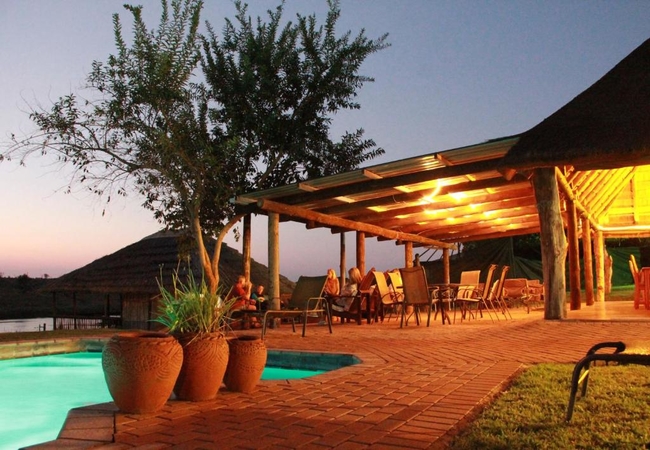
Croc Bridge Safari Lodge
Located less than 1km from the Crocodile Bridge Gate to the Kruger National Park. We offer six luxury, double en-suite tents which are all equipp...
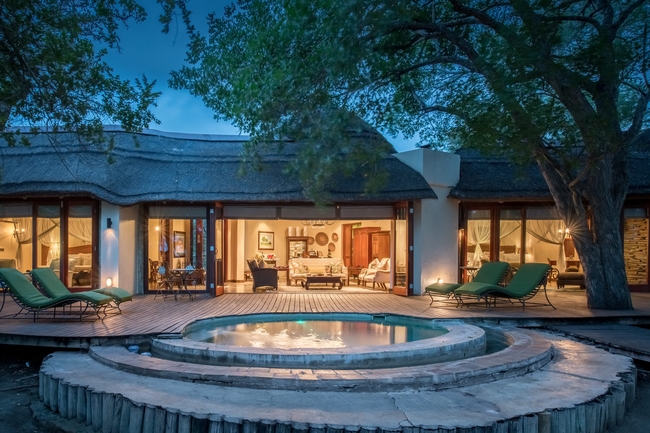
Tintswalo Safari
Discover Tintswalo Safari, an exceptional 5-star safari haven offering an unparalleled blend of luxury and wilderness. Nestled in the heart of th...
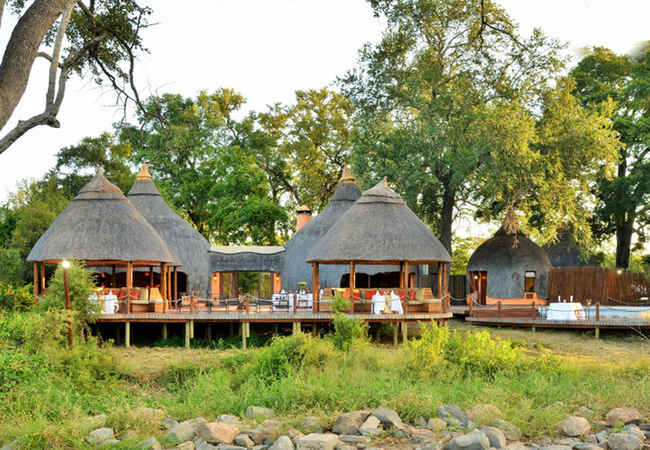
Hoyo Hoyo Safari Lodge
Hoyo Hoyo Safari Lodge can be found on the edge of the Maluti River in the Kruger National Park and offers an extraordinary bush experience surro...
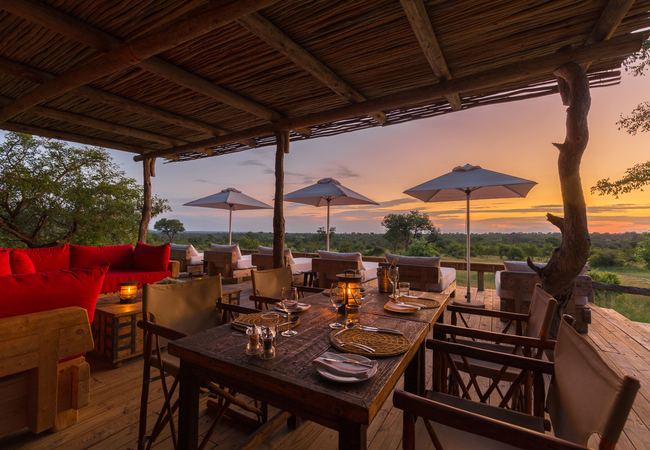
Baobab Ridge Lodge
Baobab Ridge Lodge is a private lodge situated in the Klaserie Private Nature Reserve. Providing exclusive and affordable accommodation it offers...
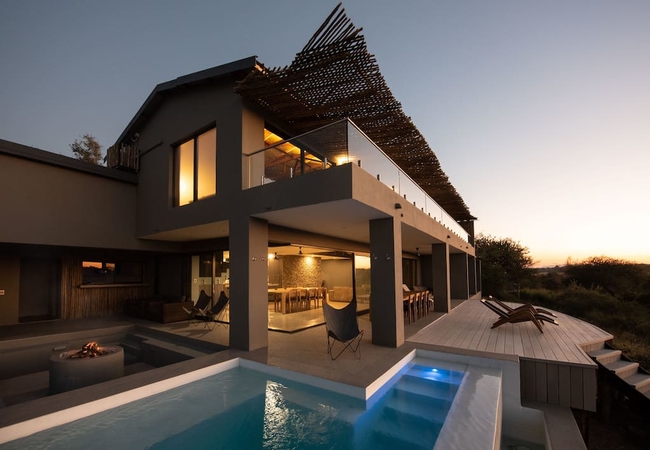
Tamboti River Lodge
Situated in the Mjejane Game Reserve, Tamboti River Lodge offers fine accommodation on the banks of the Crocodile River. Enjoy spectacular sunris...
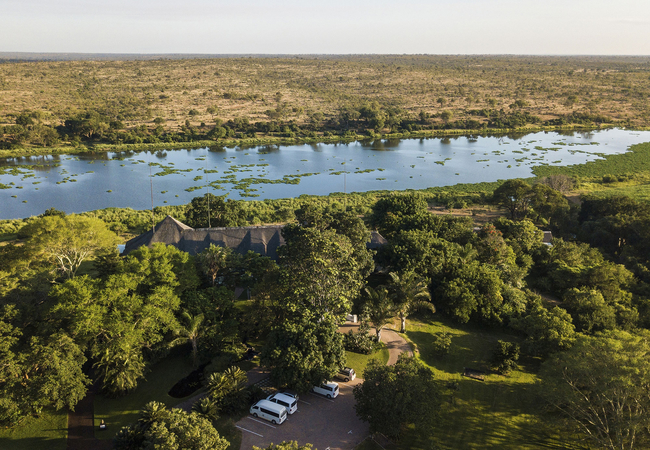
Buhala Lodge
Buhala Lodge brings you gracious, elegant comfort with fine food and good service. An ideal base for undertaking game drives, or for guided safar...
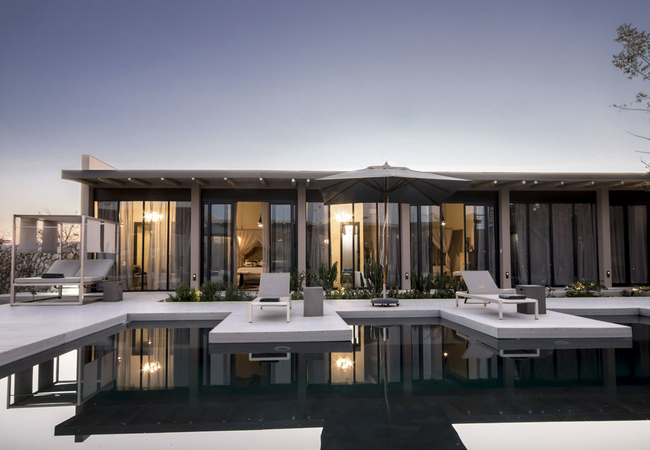
Kruger Sunset Lodge
Kruger Sunset Lodge offers exclusive use, self catering accommodation for a large group in the Mjejane Game Reserve. The lodge sleeps 10 guests i...
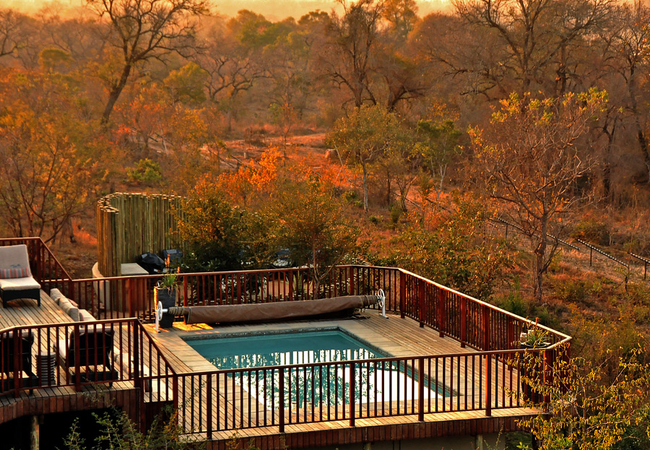
Nyarhi Lodge
Nyarhi Lodge offers accommodation on the banks of the magnificent Sabie River, providing you with uninterrupted views over the river and into the...
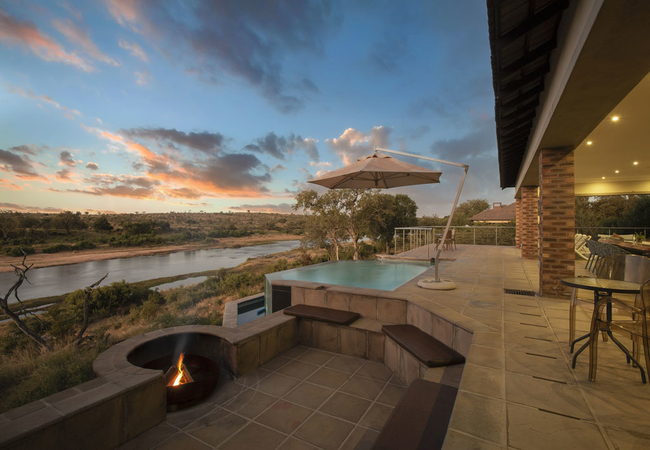
Buffalo Brooke
Buffalo Brooke is perched on the scenic banks of one of the Kruger National Park's greatest rivers - the Crocodile River - and is surrounded by t...
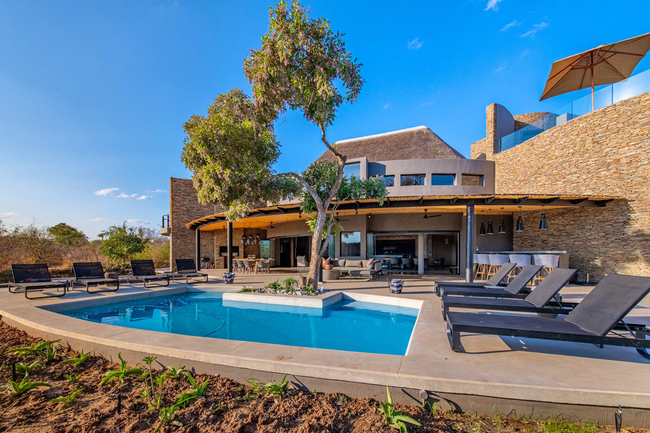
Mpfuvu Lodge
Situated along the serene banks of the iconic Sabie River, Mpfuvu Lodge at Elephant Point sleeps 8, and offers breathtaking views of the unspoile...
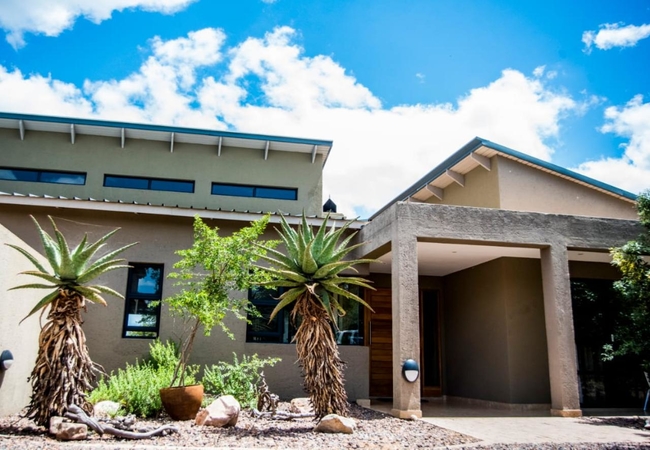
Crocodile Bend
Crocodile Bend offers accommodation in a wheelchair friendly house located in the Mjejane Reserve just outside of Hectorspruit. The house overloo...
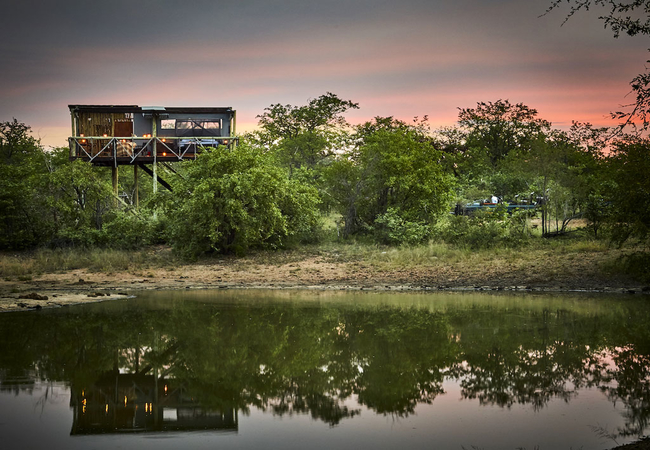
Motswari Private Game Lodge
Deep within the Timbavati Nature Reserve lies Motswari. As part of the Greater Kruger National Park Conservancy and traversing close on 200 squar...
Kambaku Safari Lodge
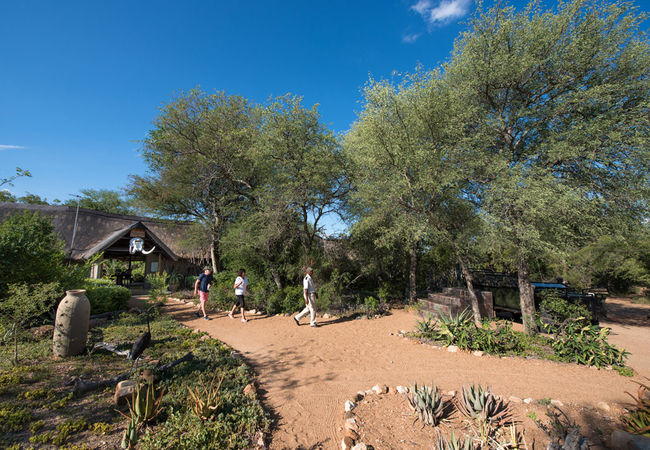
Kambaku Safari Lodge can be found in the Timbavati Private Nature Reserve just 45 minute drive away from the Eastgate Airport and 3 hours away fr...
Timbavati Villa
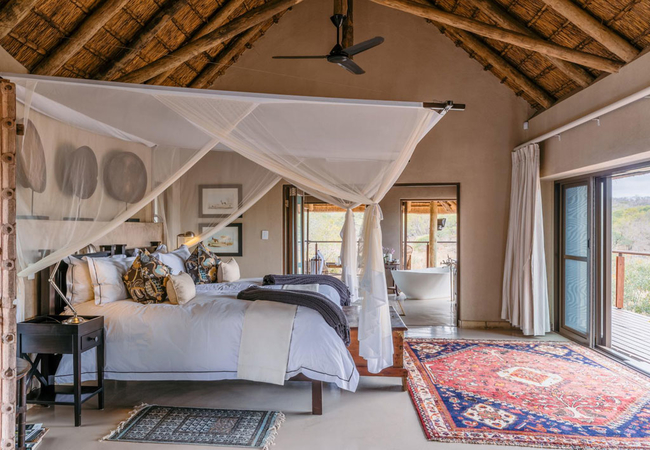
Timbavati Villa offers accommodation in Thornybush and is the epitome of a luxury safari experience. Enjoy your own private villa on the banks of...
Mjejane Bush Camp
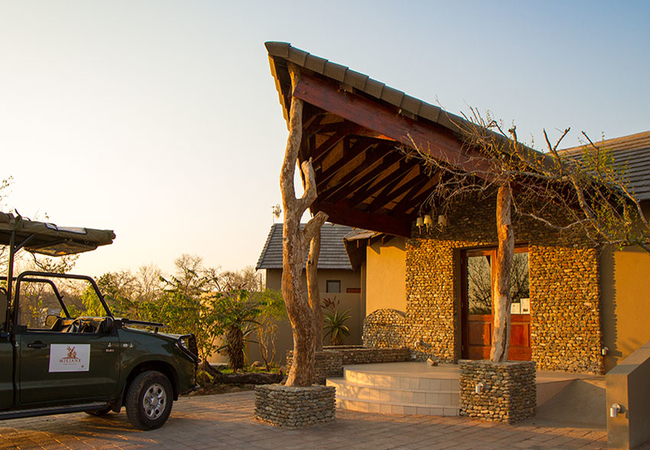
Mjejane Bush Camp offers comfortable accommodation for more that 200 guests. Situated next to the Crocodile River, this 4000 hectare reserve is w...
Tintswalo Manor
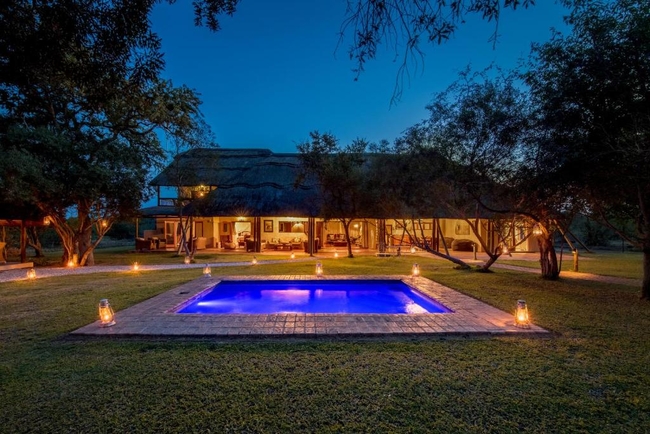
Escape to mesmerising bushveld views, total relaxation and a fascinating luxury safari experience at Tintswalo Manor House. Situated in the priva...
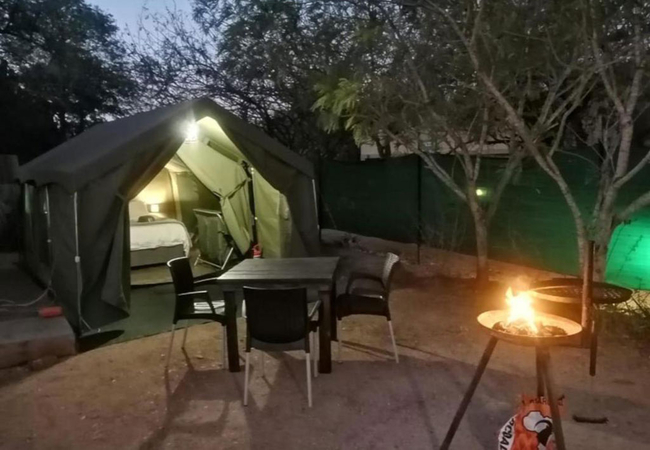
Yebo Safari Camp
Situated in the Skukuza or Lower Sabie Rest Camp, Yebo Safari Camp offers guests self-catering accommodation in luxury tents. Each comfortable sa...
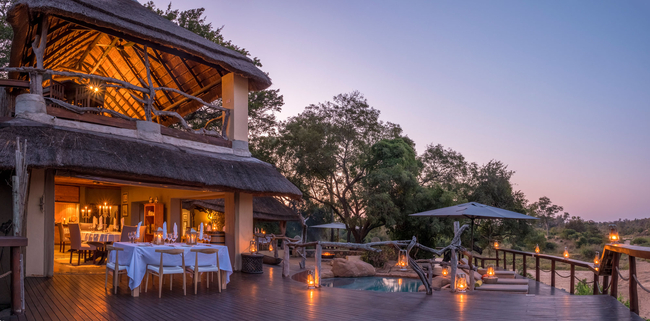
Jock Safari Lodge
Jock Safari Lodge is the first private lodge set in the heart of Africa's premier wildlife reserve, the Kruger National Park. Situated in the sou...
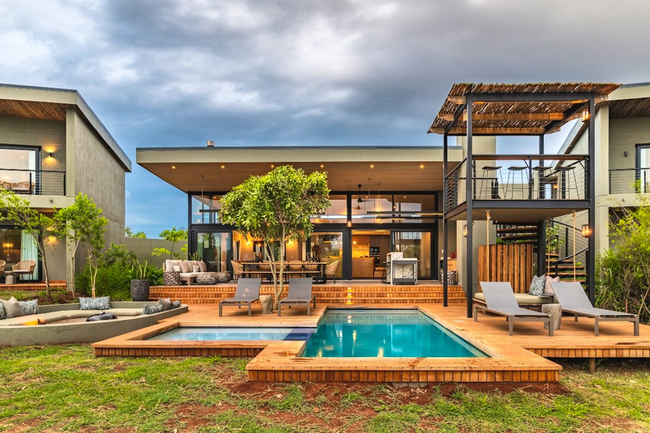
Dzombo Lodge
Perched on the serene banks of the Sabi River, the villa comfortably accommodates up to eight guests in four well-appointed, air-conditioned bedr...
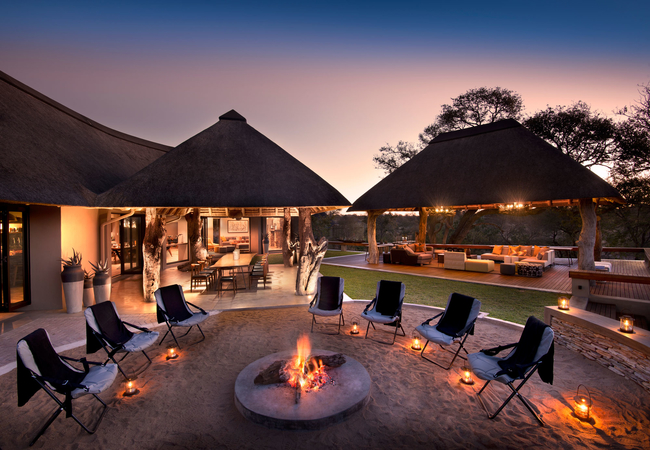
RockFig Safari Lodge
RockFig Safari Lodge offers comfortable accommodation for up to 24 guests on a full board basis and is situated within the Timbavati Game Reserve...
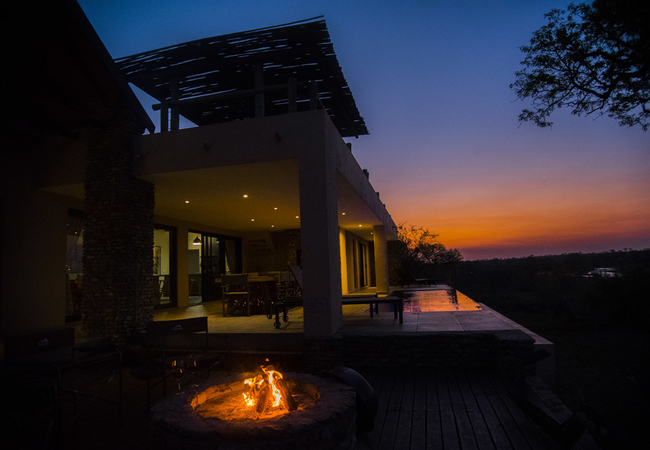
Manzini River House
Manzini River House is a bespoke villa perched right along the Crocodile River. Boasting beautiful views of the river and the Kruger Park (this r...
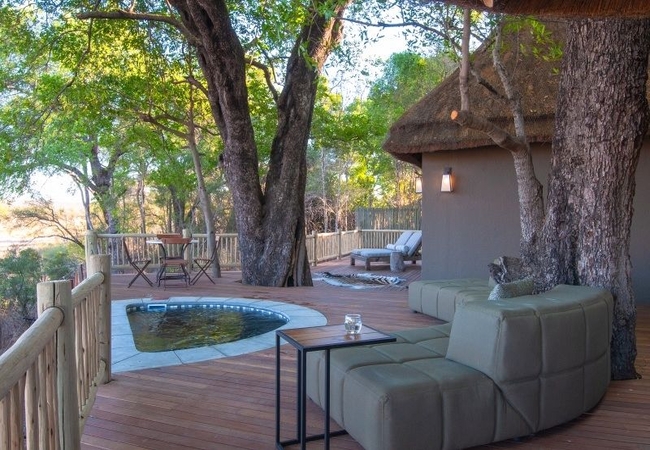
Fitzpatricks Villa at Jock
The intimate Fitzpatrick's Lodge is stylishly appointed to offer the ultimate private villa experience, accommodating small groups and families o...
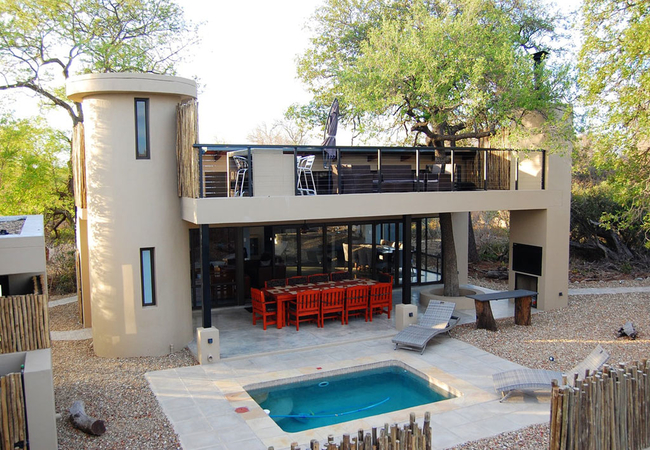
Ngalas Rest 101
Ngalas Rest 101 provides accommodation for 10 guests and is situated in the well known Mjejane Nature Reserve in Hectorspruit. The lodge has a sw...
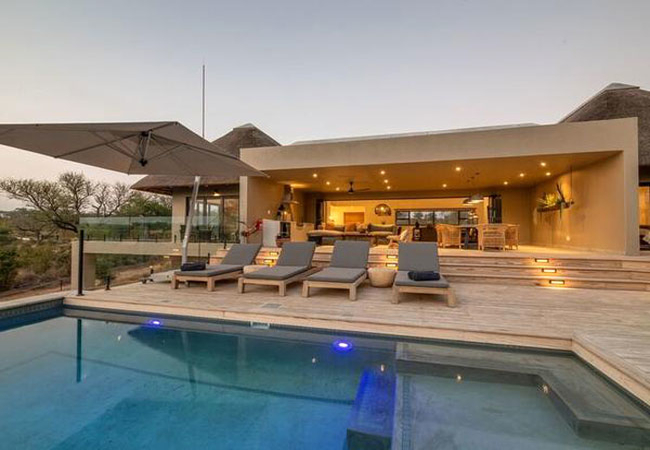
Mavalanga Lodge
Mavalanga Lodge offers Kruger Park accommodation at Elephant Point estate. The estate takes its name from the elephant that can frequently be see...
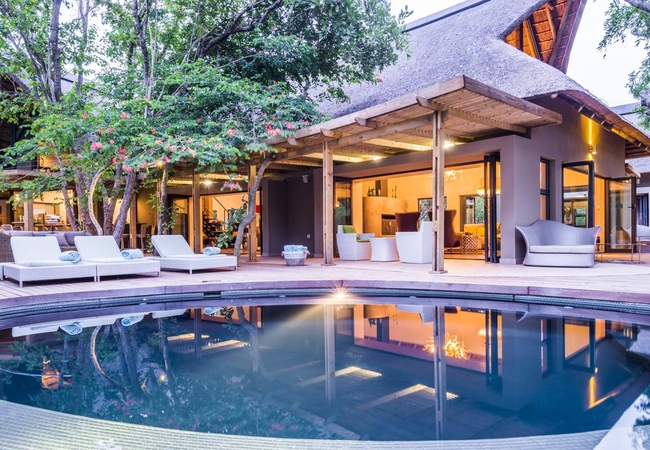
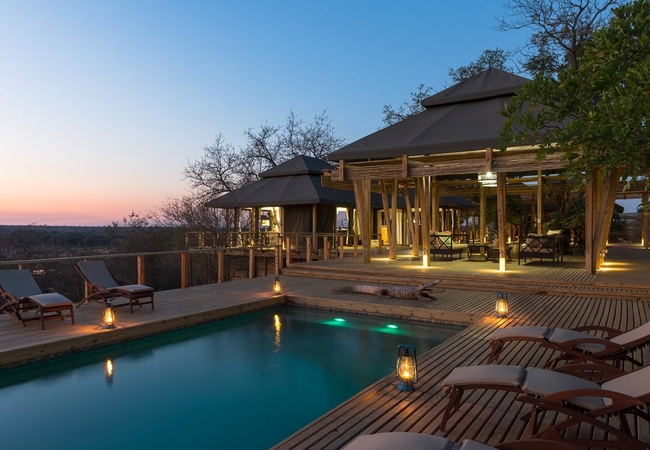
Simbavati Hilltop Lodge
Simbavati Hilltop Lodge offers game lodge accommodation in luxury safari tents. This is a fabulous spot for a romantic getaway where you can enjo...
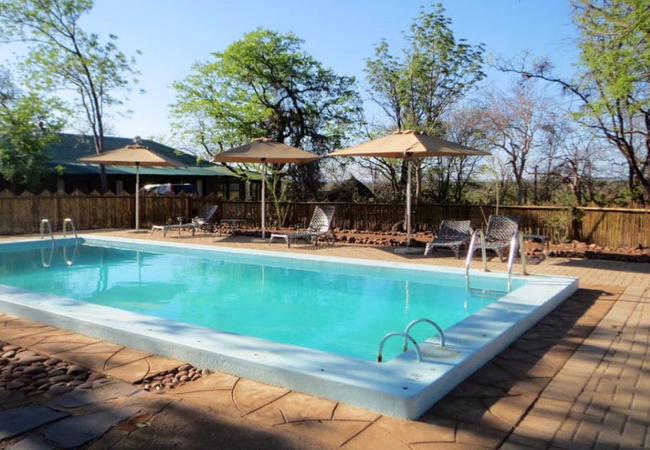
Pafuri Border Camp
Pafuri Border Camp offers accommodation in three different units in the world renowned Kruger National Park and is near to Punda Maria. There are...
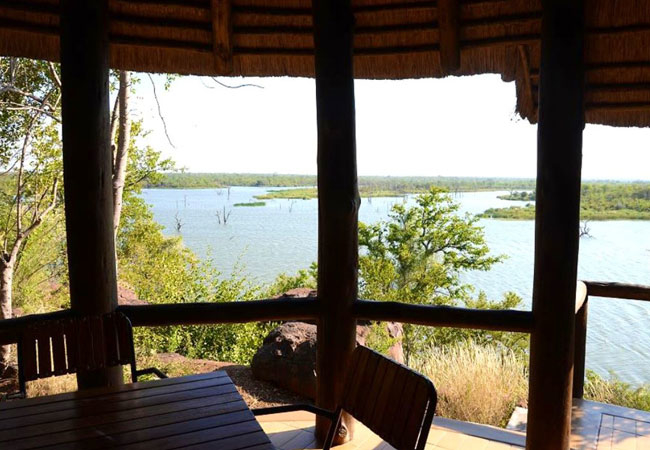
Mopani Rest Camp
Mopani Rest Camp offers comfortable accommodation for up to 494 guests and is situated within the world renowned Kruger National Park. The vegeta...
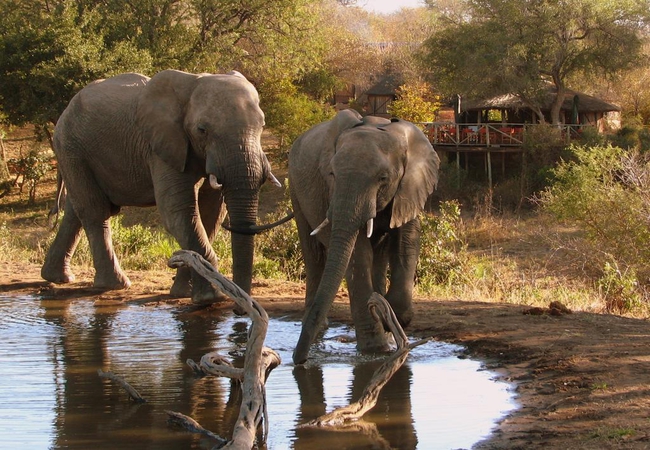
Umlani Bushcamp
Umlani Bushcamp is a classic African safari camp located in the Timbavati Private Nature Reserve, which forms part of the Greater Kruger National...
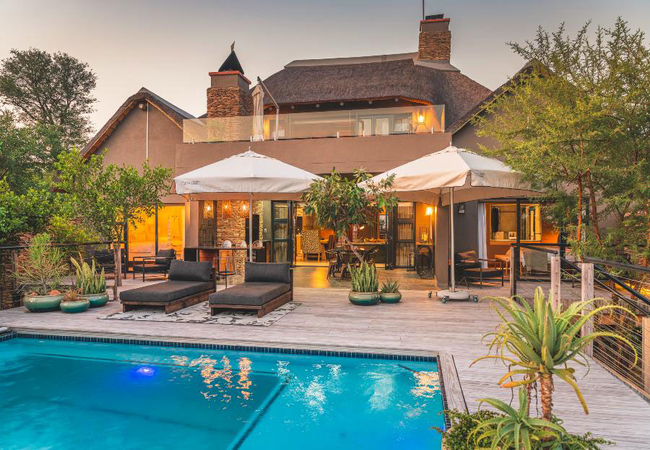
Nkwahle Lodge
Nkwahle Lodge offers Kruger park accommodation the banks of the magnificent Sabie River, providing you with spectacular views over the river and ...
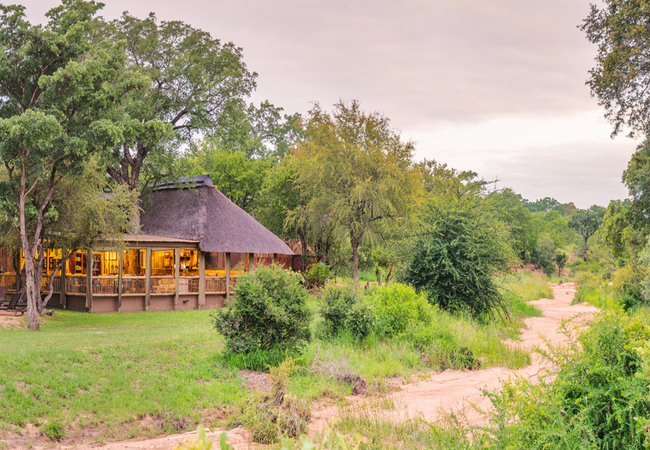
Shindzela Tented Safari Camp
Shindzela is a rustic tented safari camp, set within the greater Kruger National Park, South Africa. Here, we offer you an authentic wildlife saf...
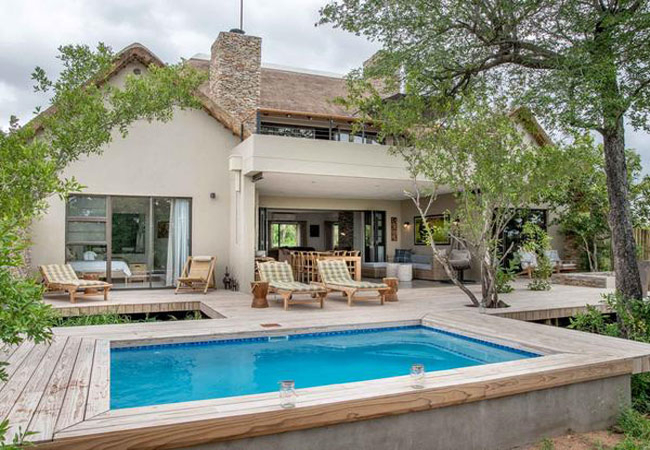
Thekwane Lodge
Thekwane Lodge offers accommodation in Kruger Park at Elephant Point estate. The estate takes its name from the elephants that can frequently be ...
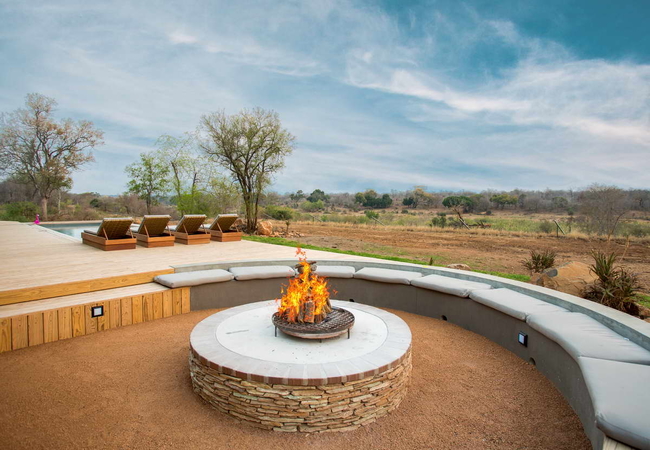
Umganu Lodge
Umganu Lodge is an idyllic retreat for those wanting to get away from the hustle and bustle of city life. This beautiful Lodge is open to the Kru...
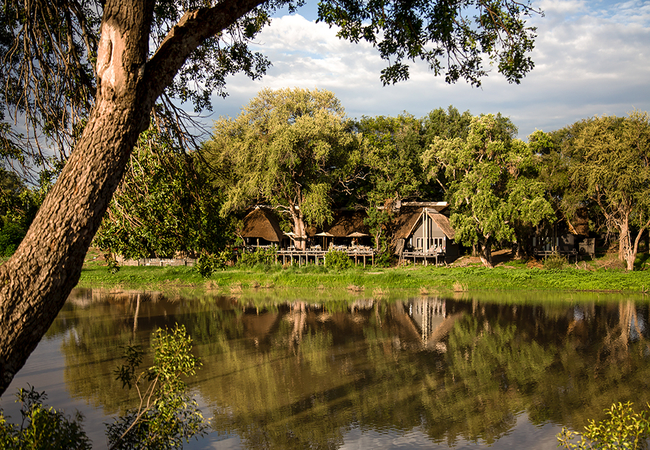
Simbavati River Lodge
Simbavati River Lodge offers comfortable, full board accommodation in eight luxury tents and three family units. The lodge is located on the Timb...
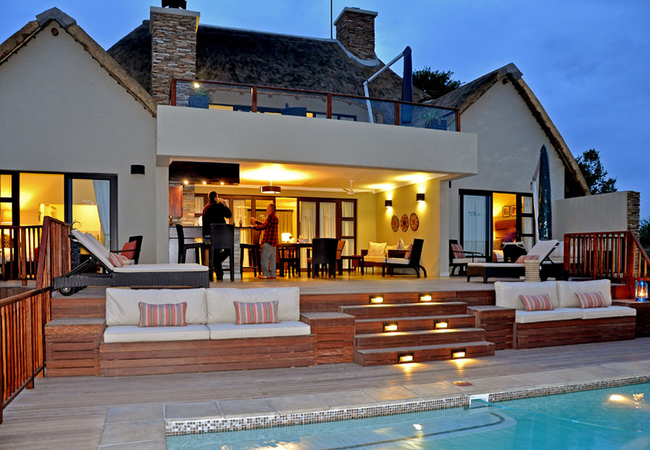
Ndlophu Lodge
Ndlophu Lodge is positioned on the banks of the magnificent Sabie River, providing accommodation with uninterrupted views over the river and into...
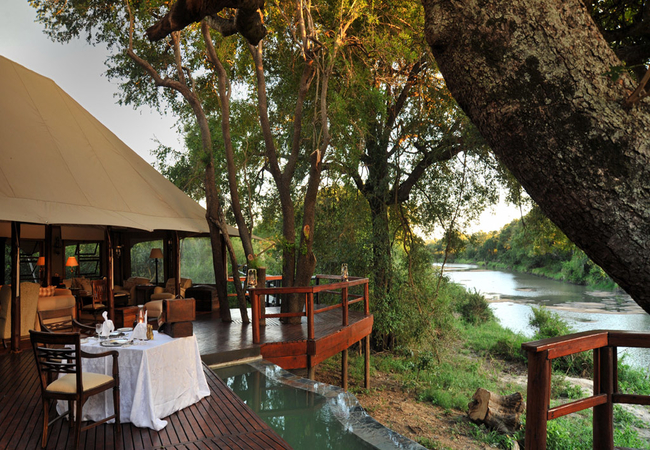
Hamiltons Tented Camp
Hamiltons Tented Camp offers guests a unique sitting to enjoy the wildlife and birdlife surrounding them. Each of the six magnificent tents has t...
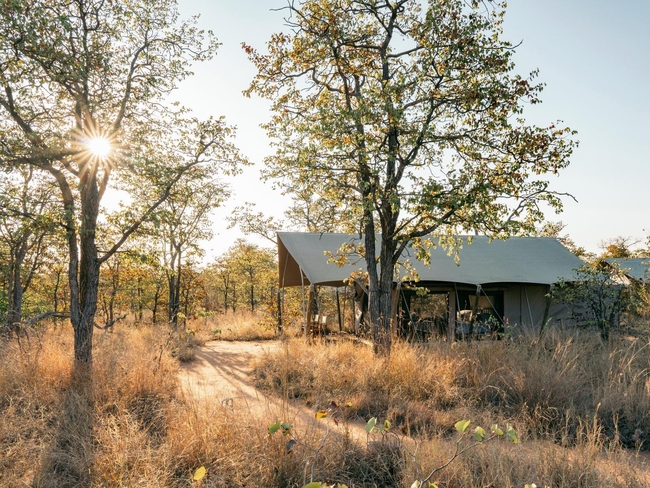
Simbavati Trails Camp
Simbavati Trails Camp is Simbavati's luxury-but-back-to-basics walking trails camp. Located in a secluded area of the Timbavati, Simbavati Trails...
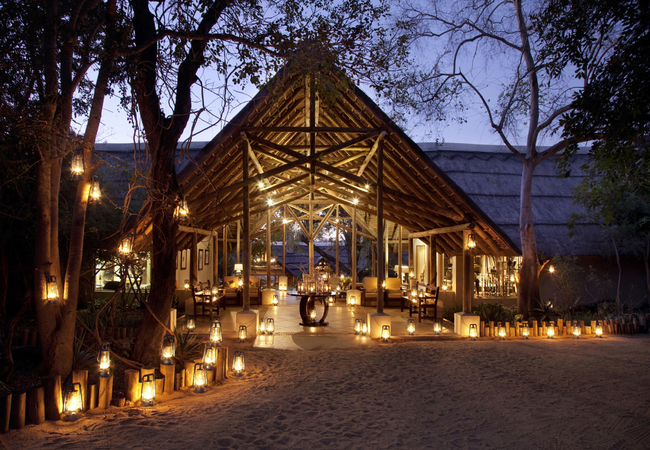
Thornybush Game Lodge
Offering unrivalled big game viewing along with elegant accommodation and mouthwatering cuisine, Thornybush Game Lodge is the perfect place to st...
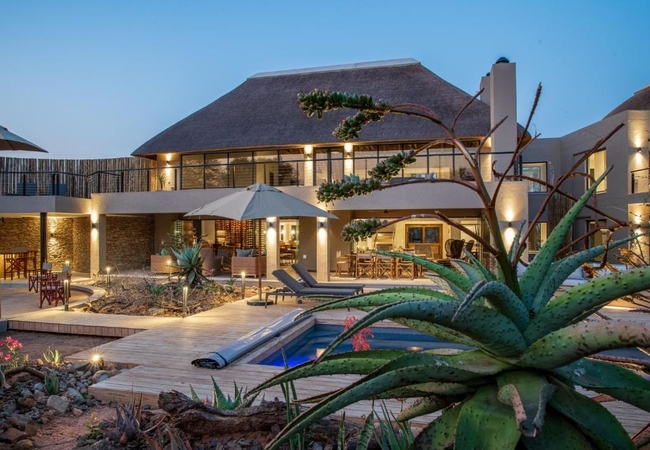
Mhisi Lodge
Mhisi lodge offers a contemporary interpretation of a traditional African bush lodge. Nestled on the banks of the legendary Sabi River, Mhisi Lod...
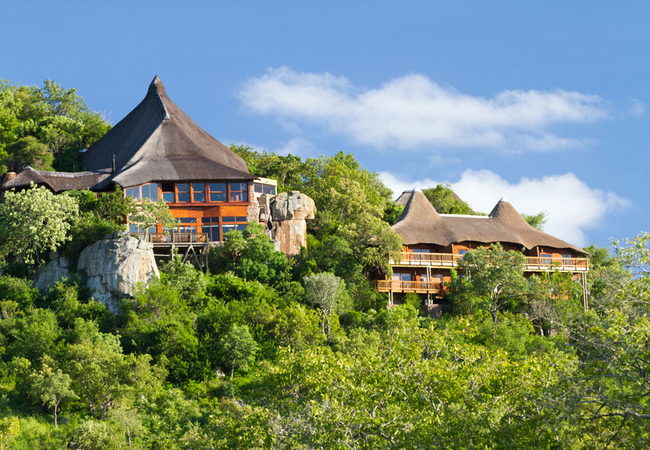
Ulusaba Rock Lodge
Ulusaba is Sir Richard Branson's Private Game Reserve located in the Western sector of the Sabi Sand Private Game Reserve. Rock Lodge is perched ...
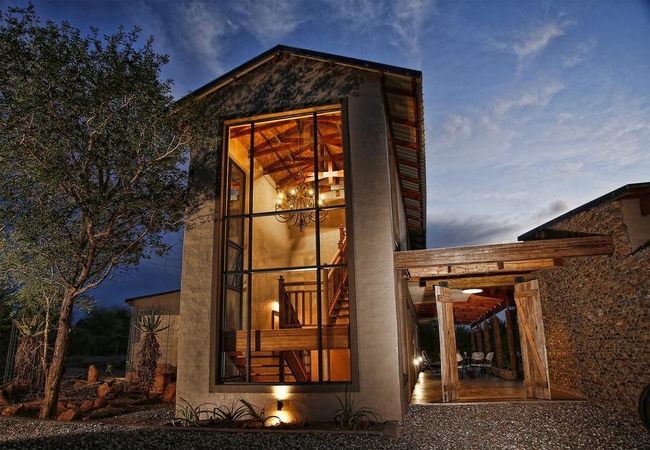
Kierieklapper
Kierieklapper is a lodge situated in the Mjejane Game Reserve which is fenced into the Kruger National Park. Accommodation is offered for 10 peop...
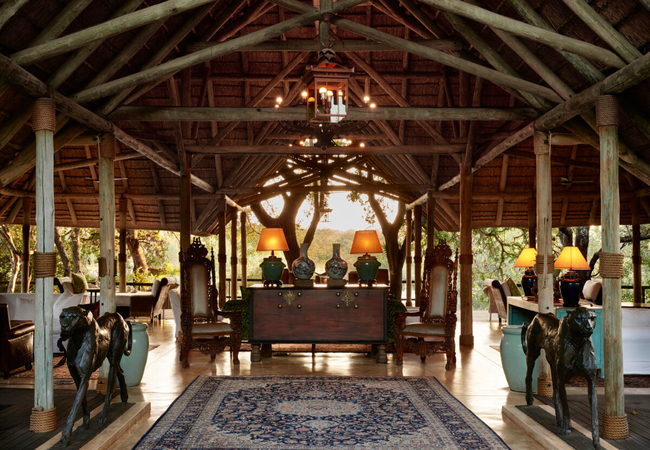
Royal Malewane
Royal Malewane accommodates guests in a luxury safari lodge in South Africa's Greater Kruger National Park that exudes the romance and beauty of ...
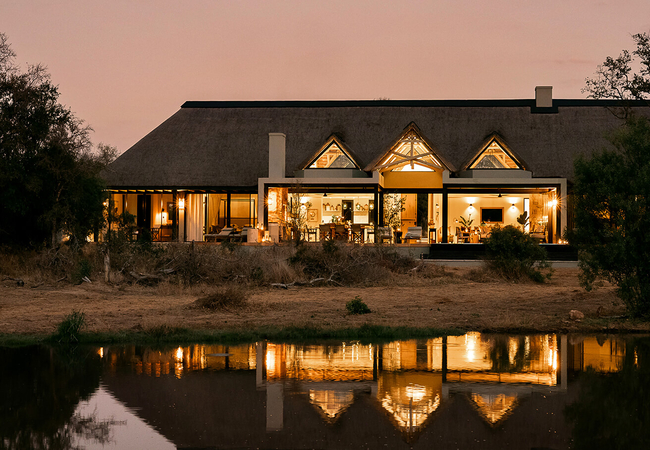
Monwana Game Lodge
Monwana Game Lodge offers luxury accommodation in Thornybush Game Reserve. From here you can enjoy spectacular views of the bushveld and the wate...
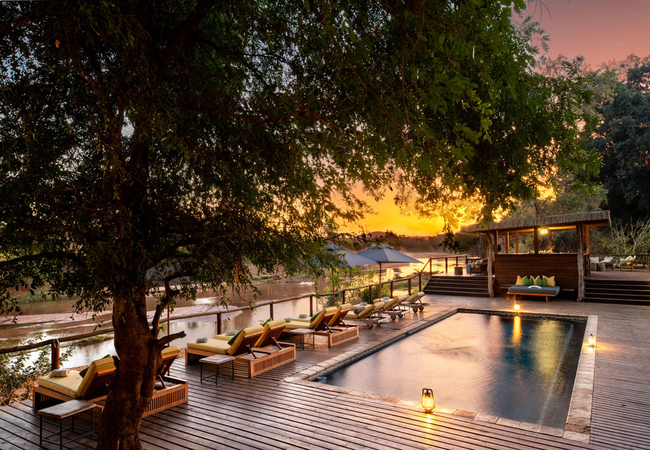
Return Africa Pafuri Camp
Situated in the Makuleke Concession of the Northern Kruger National Park, Return Africa Pafuri Camp features eleven luxury and five family tents ...
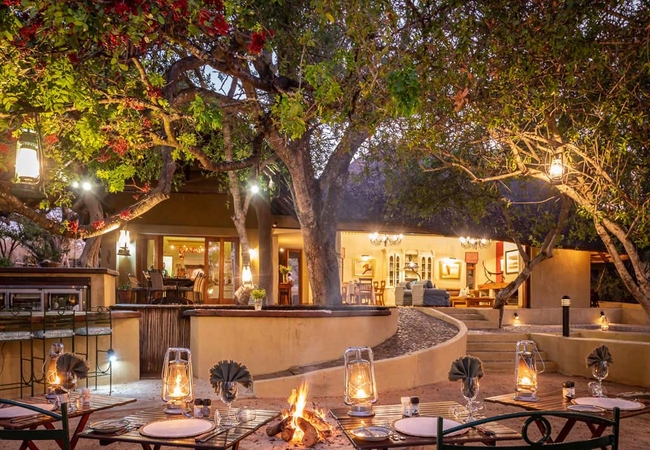
Shimungwe Lodge
Nestled on a curve of the Timbavati River, Shimungwe Lodge is your top choice for relaxed, 4-star family safaris, and intimate getaways in the Gr...
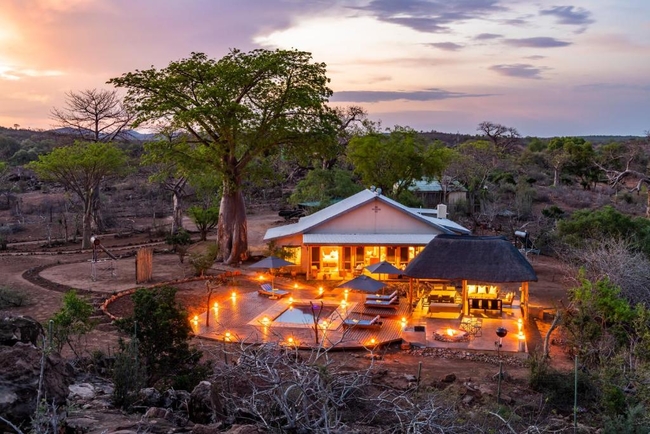
Baobab Hill House
Perched on a secluded ridge dotted with ancient baobabs just north of the Luvuvhu River, Baobab Hill House occupies the historic site of the form...
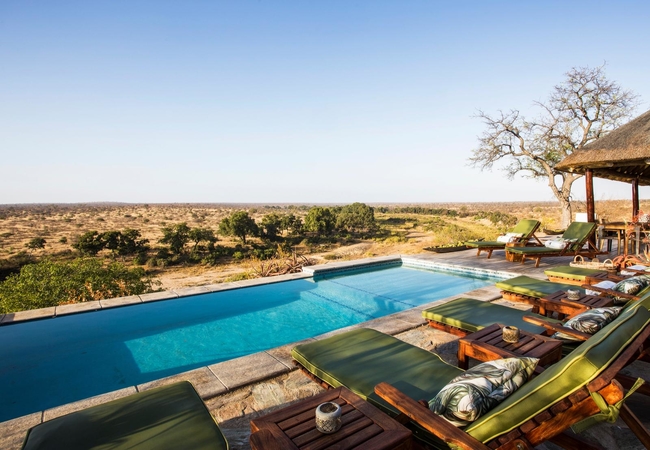
Misava Safari Camp
Peering out over the serene Klaserie River, Misava Safari Camp offers breath-taking views across the African savannah. Featuring three elegant ga...
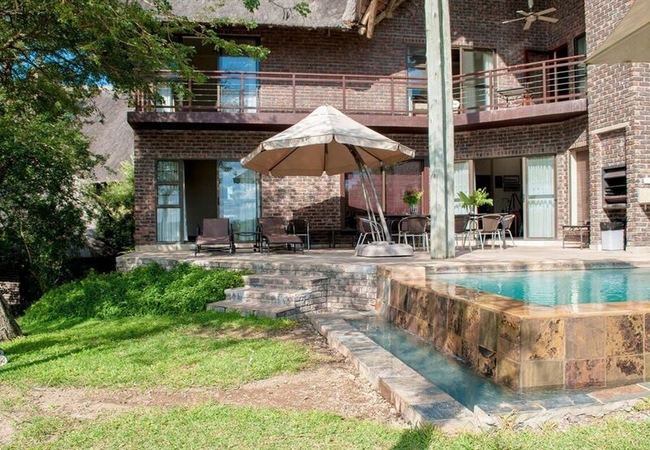
Hippo Hills
Hippo Hills is a safari villa accommodating up to 10 guests. The villa is situated inside of the Kruger Park and an exceptional view of the Croco...
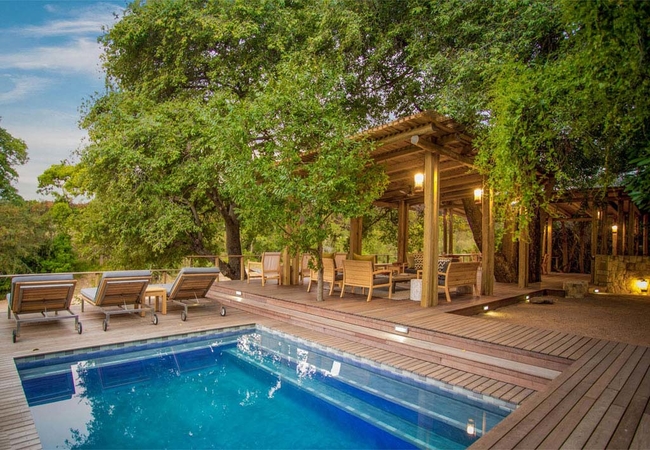
Bateleur Safari Camp
Bateleur Safari Camp offers accommodation in the heart of the world renowned Timbavati Private Nature Reserve. The 3500 hectare Bateleur property...
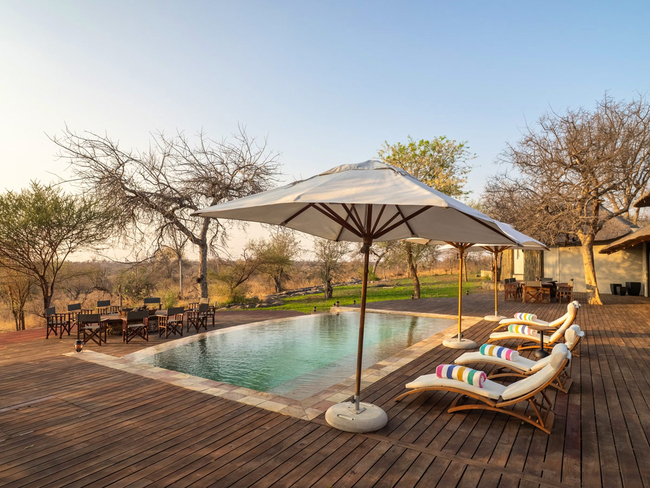
Tintswalo Scops Rest
Tintswalo Scops Rest is a luxury bush villa reserved exclusively for private use, situated within the Klaserie Private Nature Reserve, part of th...
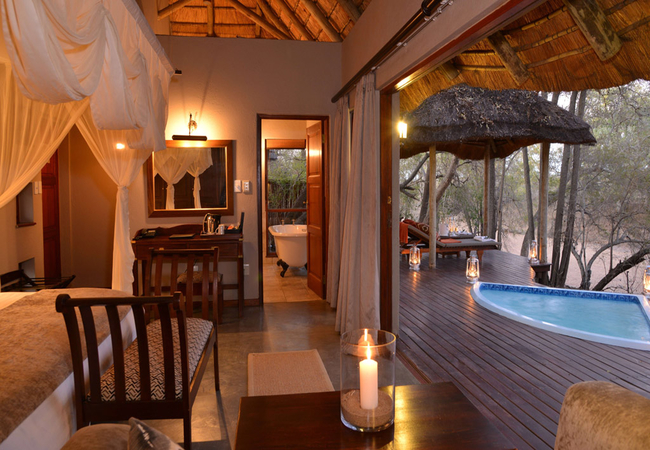
Imbali Safari Lodge
Nestled discreetly amidst a canopy of impressive Jackalberry and Tamboti trees in the iconic Kruger National Park, Imbali Safari Lodge is one of ...
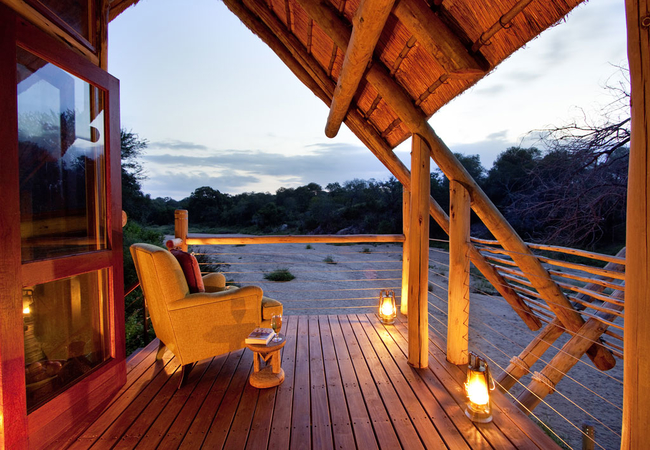
Rhino Post Safari Lodge
Rhino Walking Safaris specialises in luxury walking safaris in 12,000 hectares of pristine bushveld in the only wilderness concession in the Krug...
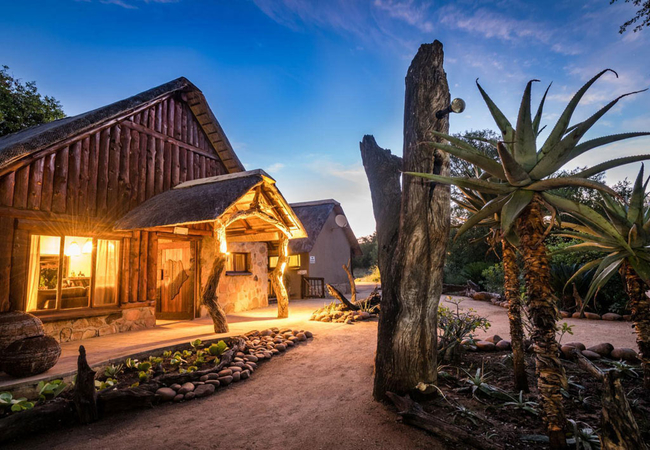
Umkumbe Bush Lodge
Experience an authentic South African safari and take time to disconnect from the hustle and bustle of modern living. Here in the heart of the wi...
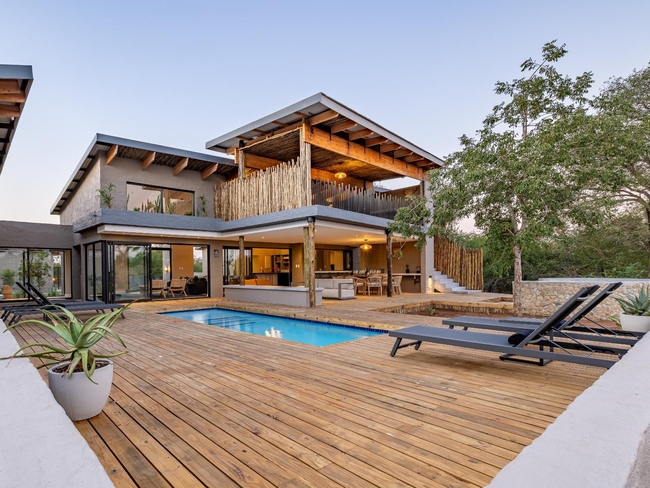
Nare Bush Lodge
Be swept away by the majestic beauty of the wild in a contemporary African oasis, set in the heart of the Mjejane Private Game Reserve deep, over...
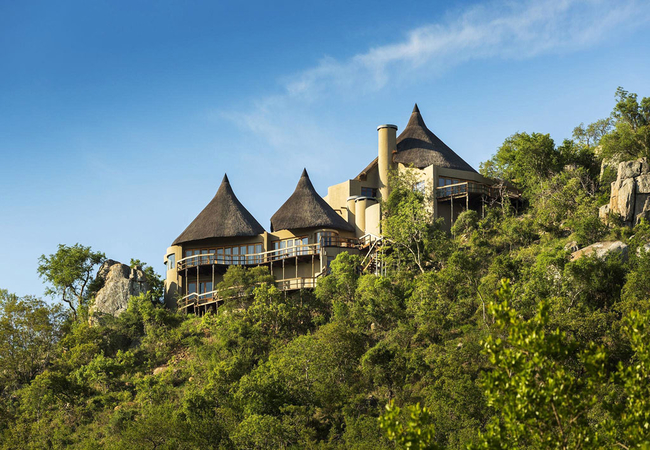
Ulusaba Cliff Lodge
Ulusaba Private Game Reserve is set in the heart of the Sabi Sands Game Reserve that borders the sprawling Kruger National Park in South Africa's...
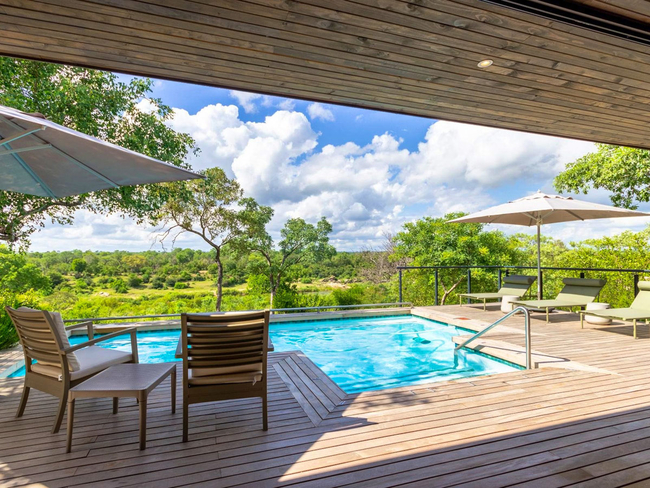
Tintswalo Lodge
Situated along the serene banks of the iconic Sabi River, Tintswalo Lodge at Elephant Point offers breathtaking views of the unspoiled wilderness...
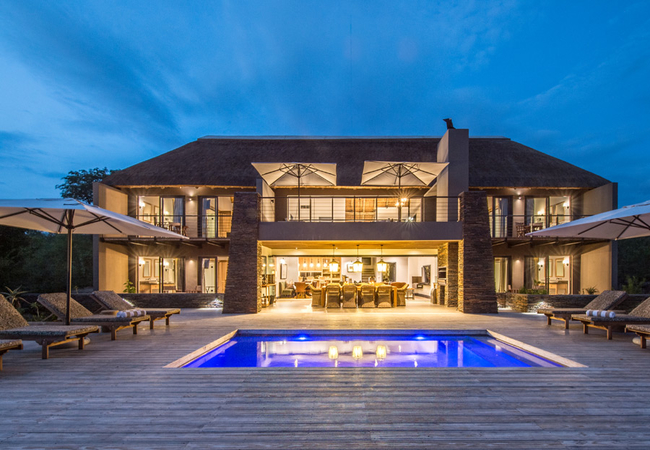
Mangwa Lodge
Mangwa Lodge is positioned on the banks of the magnificent Sabie River, providing you accommodation with uninterrupted views into the Kruger Nati...
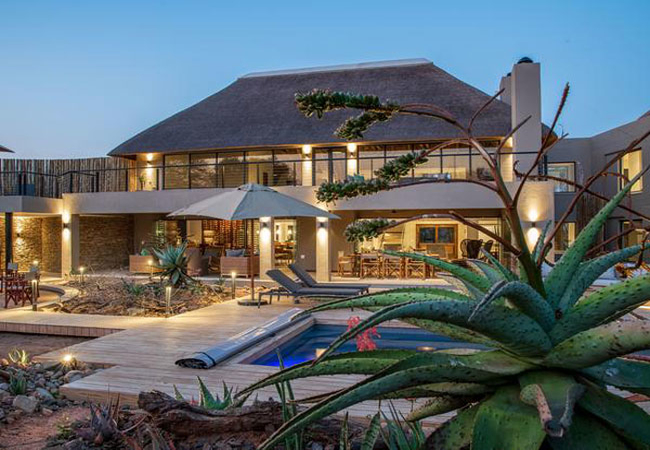
Thanda Lodge
Thanda Lodge offers Kruger Park accommodation on the banks of the magnificent Sabie River, providing you with spectacular views over the river an...
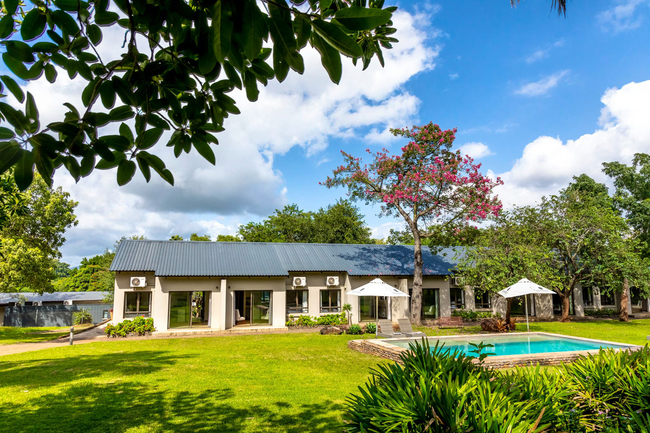
Hamiltons Lodge & Restaurant
Hamiltons Lodge offers accommodation 500m from the Malelane Kruger Gate, which services the Southern Area of the Kruger National Park in Mpumalan...
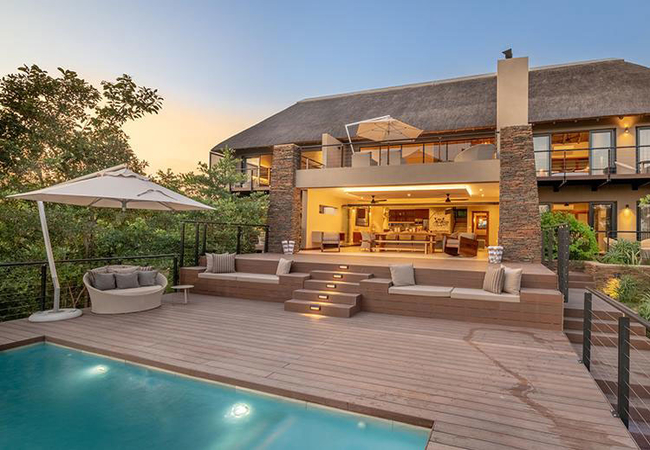
Rhulani Lodge
Located in the exclusive Elephant Point Estate, bordering the Kruger National Park, Rhulani Lodge offers Kruger Park accommodation within 16 mile...
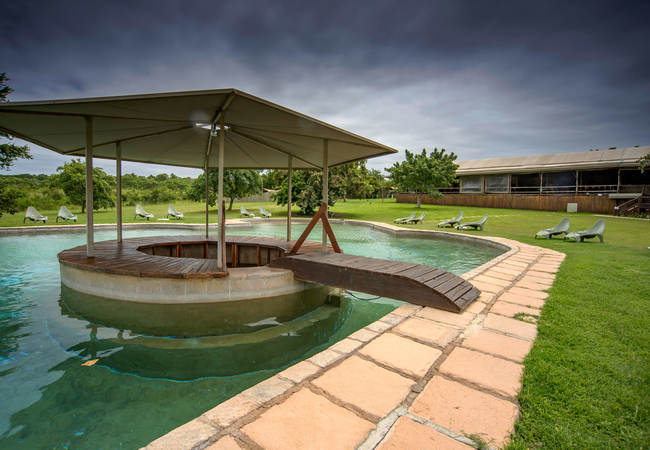
Nkambeni Safari Camp
Nkambeni Safari Camp offers accommodation within the Kruger National Park on the western border near to the Numbi Gate and is dedicated to the pr...
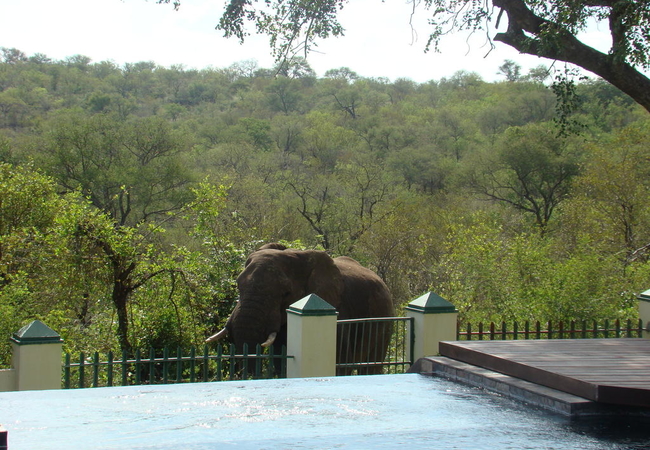
Muweti Bush Lodge
Muweti is a small, intimate lodge accommodating a maximum of four guests in the tented accommodation and four guests in the cottage. The position...
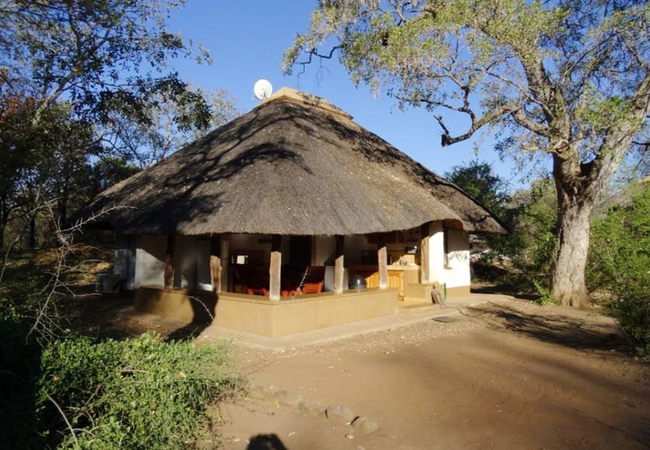
Bateleur Bushveld Camp
Located within the Kruger National Park, Bateleur Bushveld Camp offers comfortable accommodation and a splendid safari experience for up to 34 gu...
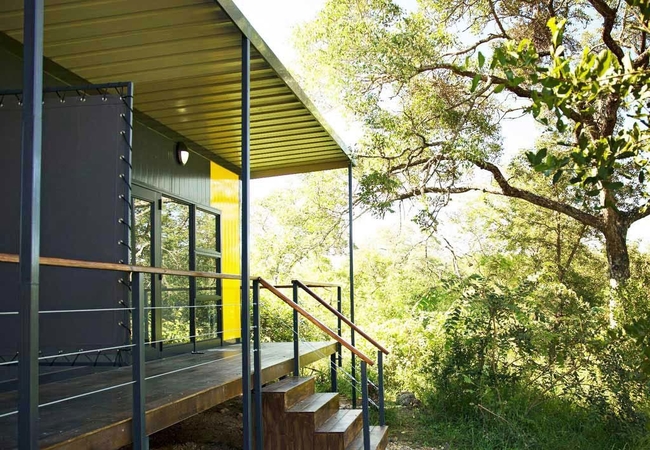
SleepOver Kruger Gate
SleepOver Kruger Gate offers comfortable, safe and affordable accommodation in Skukuza, 16km from Kruger Gate. The motel features 30 rooms with a...
Matumi Lodge
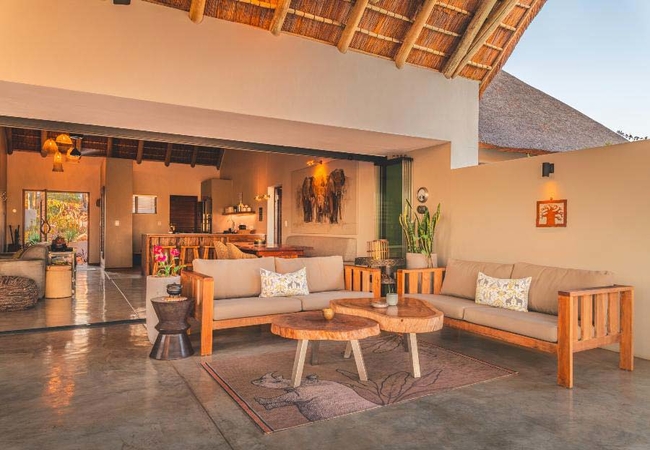
Matumi Lodge offers Kruger Park accommodation on the banks of the magnificent Sabie River, providing you with spectacular views over the river an...
Isambane Camp
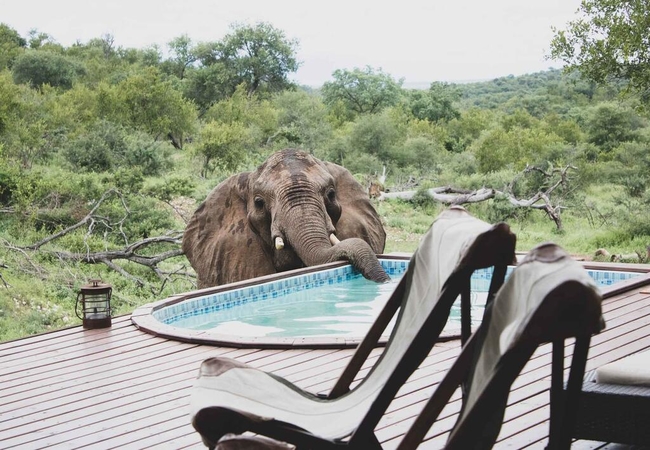
Isambane Camp is a place where unforgettable adventures and thrilling wildlife encounters are made. Providing innovative and creative exposure to...
Ubuntu Lodge
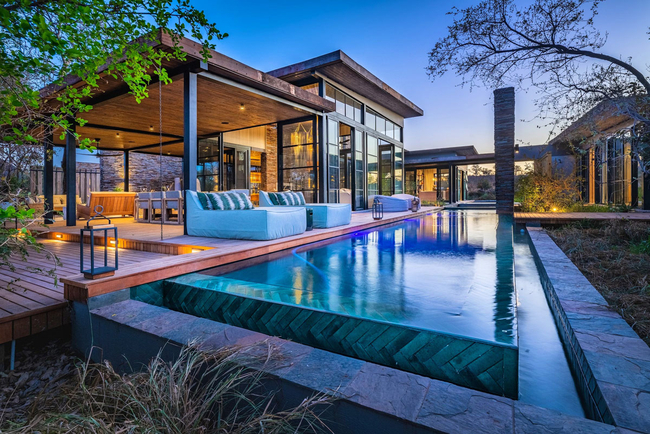
Situated along the serene banks of the Sabie River, Ubuntu Lodge at Elephant Point offers breathtaking views of the untouched landscapes of the K...
Buffelshoek Tented Camp
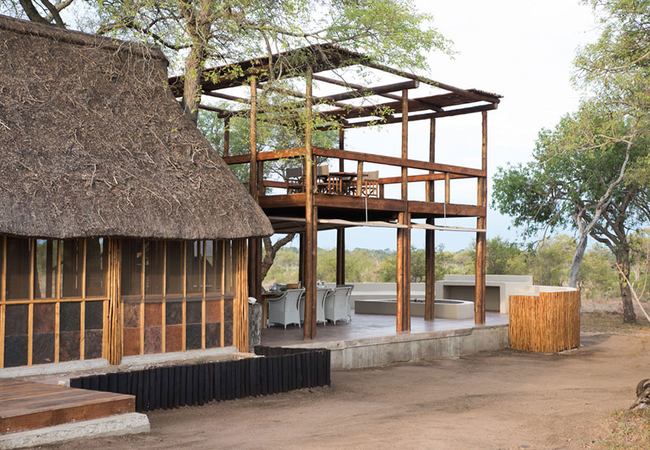
Buffelshoek Tented Camp offers luxury tented accommodation from where you can view wildlife grazing on the open savannah beyond. Situated in the ...
Sausage Tree Safari Camp
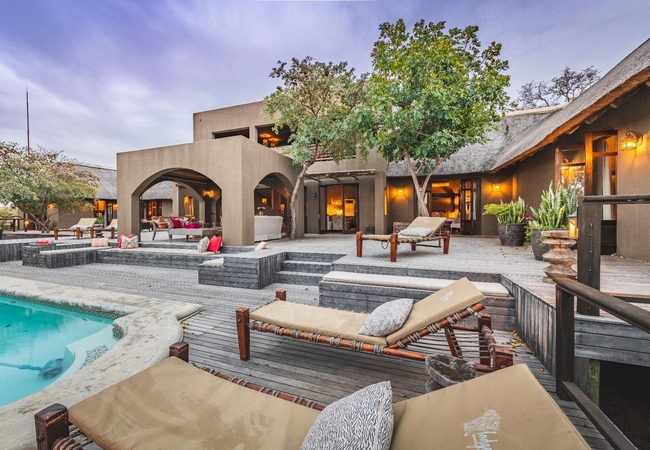
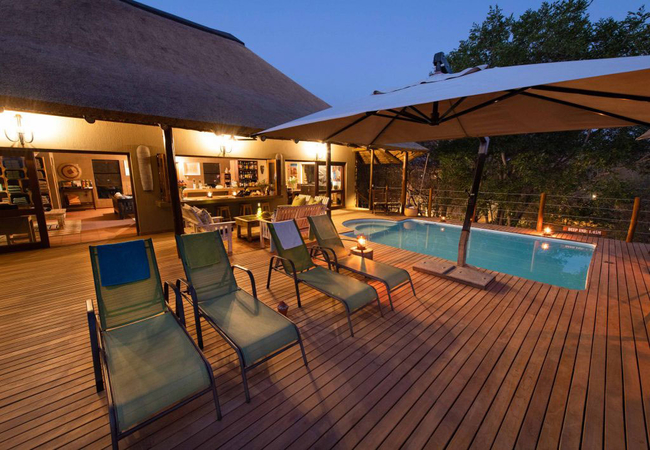
Set in the Balule Nature Reserve, which forms part of the Greater Kruger National Park, Sausage Tree Safari Camp is surrounded by the African wil...
Ximuwu Lodge
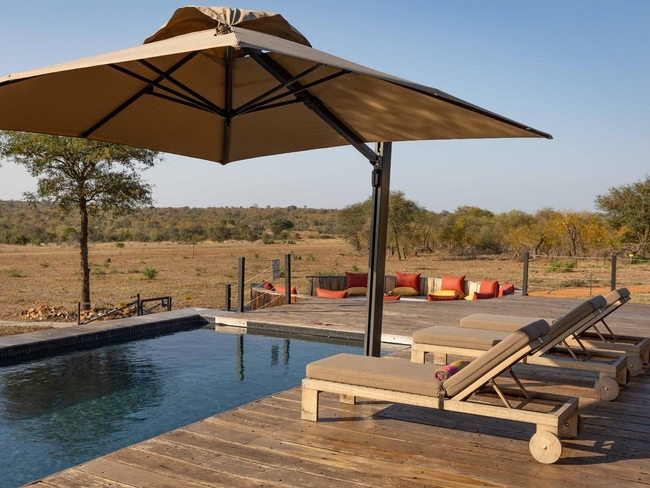
Discover a once-in-a-lifetime adventure at Ximuwu Safari Lodge, where luxury meets accessibility. Ideal for individuals, families, and friends, X...
Kruger Safari Lodge
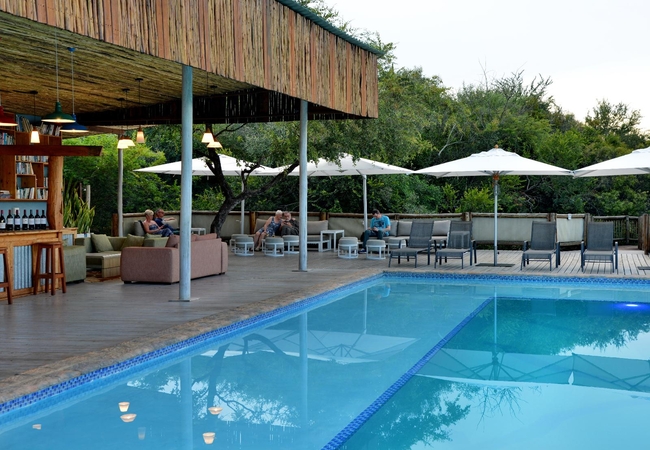
Kruger Safari Lodge is a bush lodge situated next to the Manyeleti Game Reserve that is part of the greater Kruger National Park. The lodge is on...
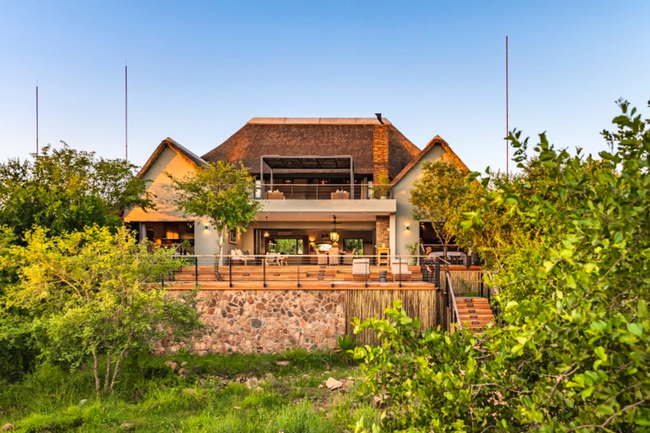
Hlolwa Lodge
Hlolwa Lodge offers accommodation at Elephant Point, perched on the scenic banks of the Sabie River, offering breathtaking views of the untouched...
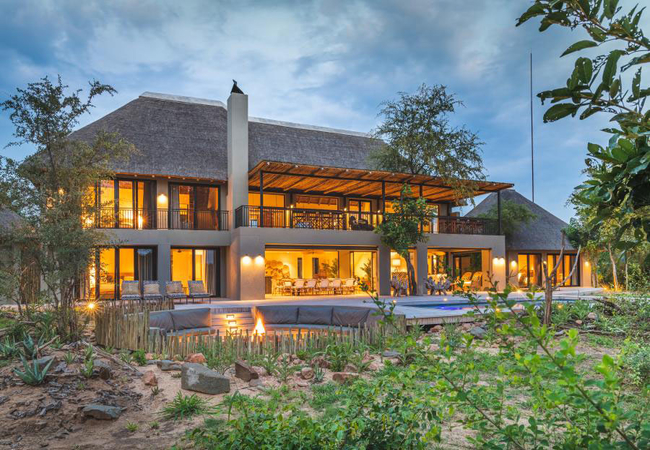
Kambaku Lodge
Kambaku Lodge offers Kruger Park accommodation at Elephant Point Estate. The estate takes its name from the elephant that can frequently be seen ...
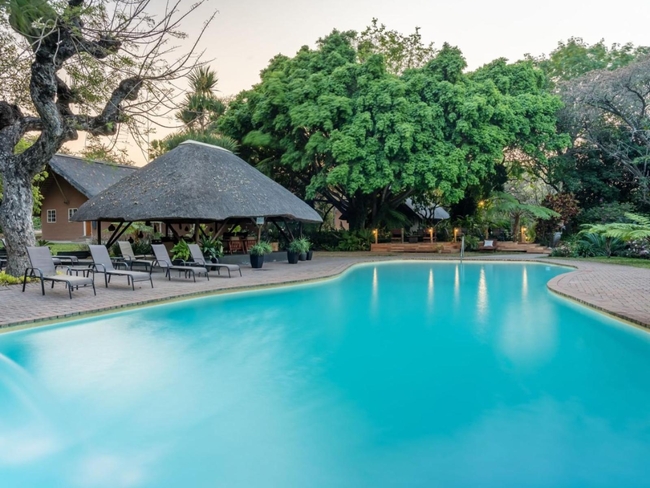
Sunbirds Oasis Lodge
Located on the doorstep of Kruger Park, Sunbirds Oasis Lodge borders Thornybush, giving guests the opportunity to spot the Big Five. The location...
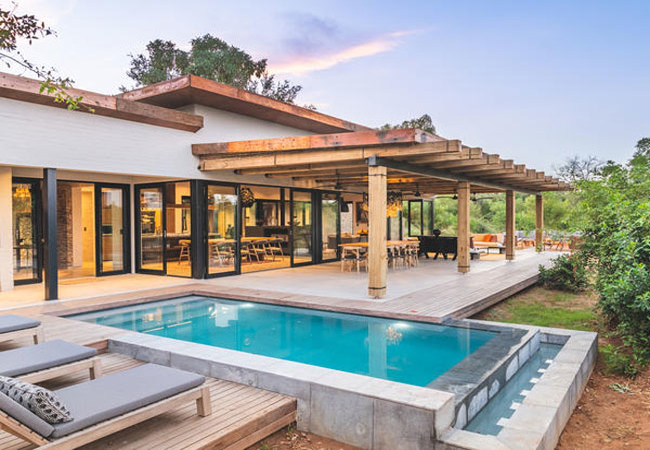
Lamula Lodge
Lamula Lodge offers Kruger Park accommodation at the Elephant Point Estate. Relax and isolate in this beautiful bush home, on the edge of the Kru...
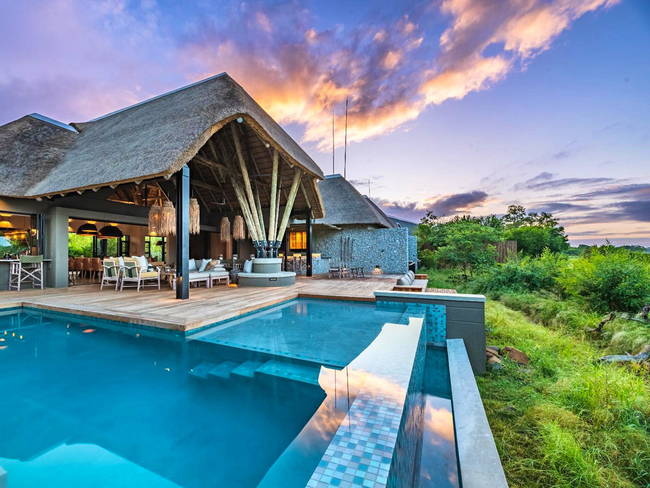
Nambu Kruger Lodge
Nambu Kruger Lodge at Elephant Point offers breathtaking views of the untouched wilderness of the Kruger National Park. This luxurious, fully air...
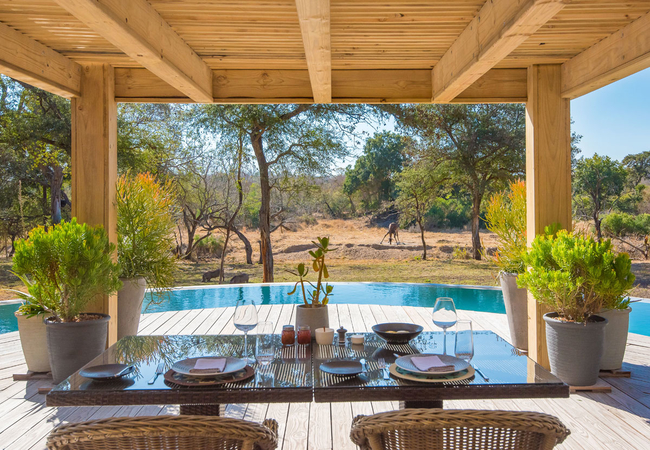
Thornybush River Lodge
Thornybush River Lodge is the place where you come to immerse yourself in luxury while surrounded by fine game viewing, panoramic bushveld views ...
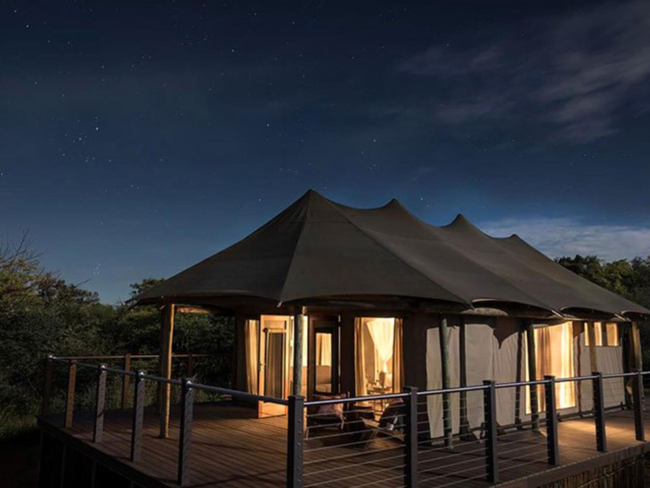
Elephant Walk Tented Camp
Elephant Walk Retreat enjoys a prime location on the banks of the Crocodile River, just a stone’s throw from the Crocodile Bridge Gate - the sout...
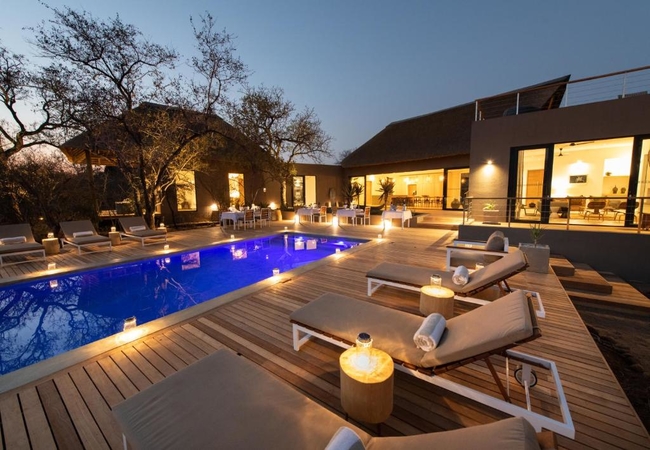
Mhlabeni Boutique Villa
Mhlabeni Boutique Villa is spectacularly beautiful and offers accommodation with the most amazing bush and mountain views and is exceptionally go...
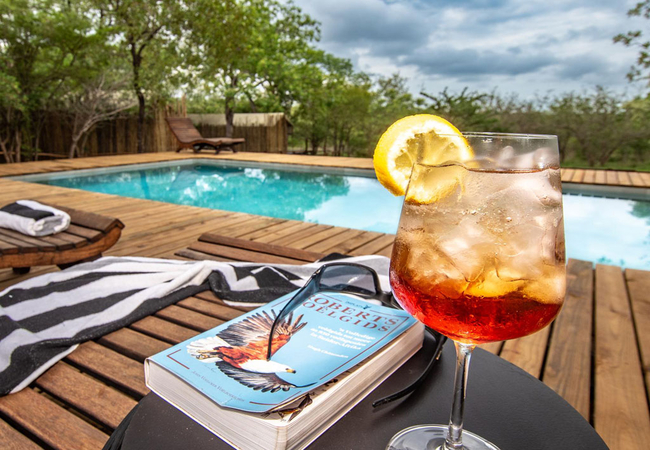
Langa Langa Tented Safari Camp
Langa Langa Tented Safari Camp is situated on the border of world famous Kruger National Park, in the Sabi Sand Game Reserve, renowned as the bes...
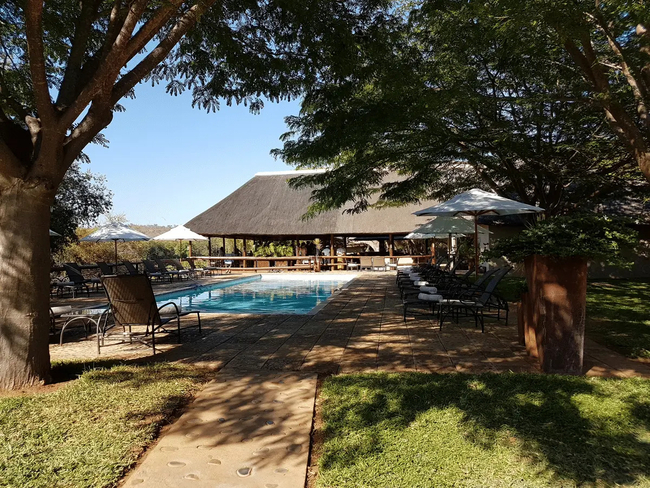
Nyati Safari Lodge
In the heart of a private 10,000-hectare Big 5 wildlife reserve, Nyati Safari Lodge offers a luxury safari experience on the edge of South Africa...
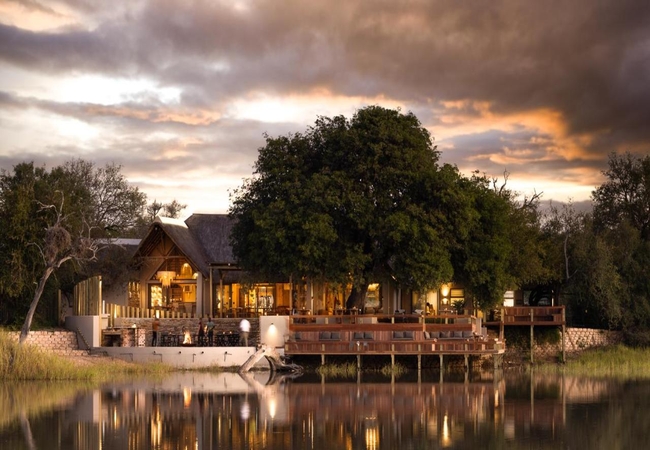
Simbavati Waterside
Simbavati Waterside offers the perfect getaway for every type of traveller. The carefully considered lodge structure affords both privacy for par...
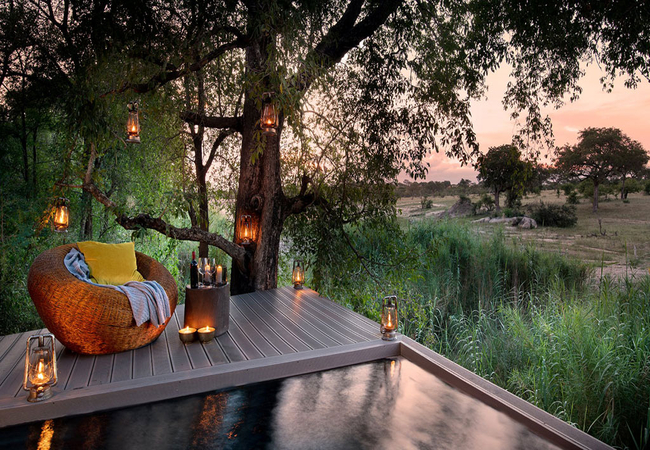
Chitwa Chitwa
Chitwa Chitwa is more than just a luxury private game lodge in the bush. It's a holistic and sensorial experience which starts at sunrise and cap...
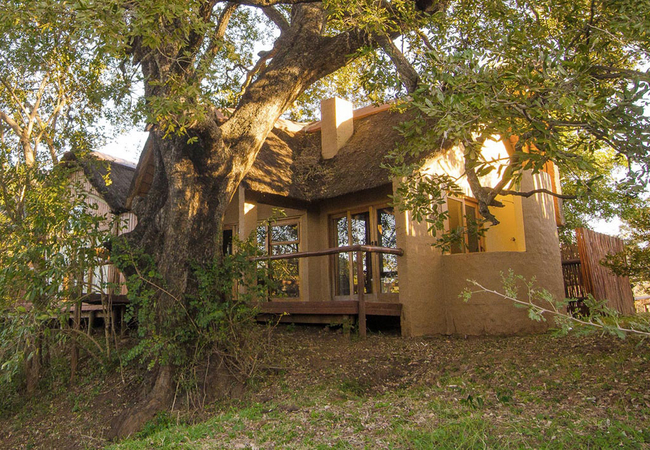
Shishangeni Lodge
Shishangeni Private Game Lodge is situated on a 15,000 hectare private concession of the Kruger National Park. Shishangeni Lodge features 22 indi...
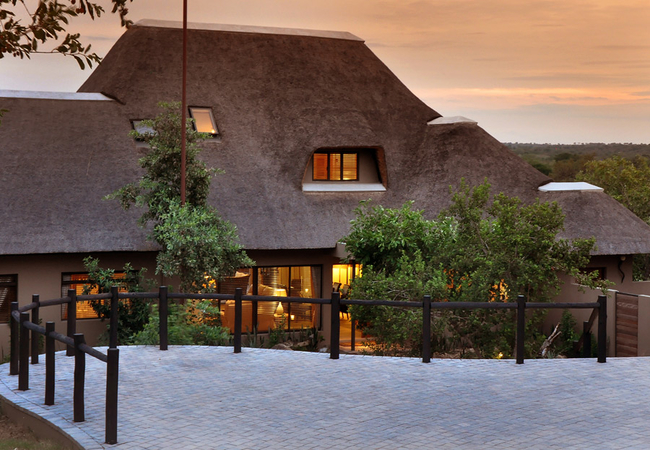
Yingwe Lodge
Yingwe Lodge offers accommodation on the banks of the magnificent Sabie River, providing you with uninterrupted elevated views over the river and...
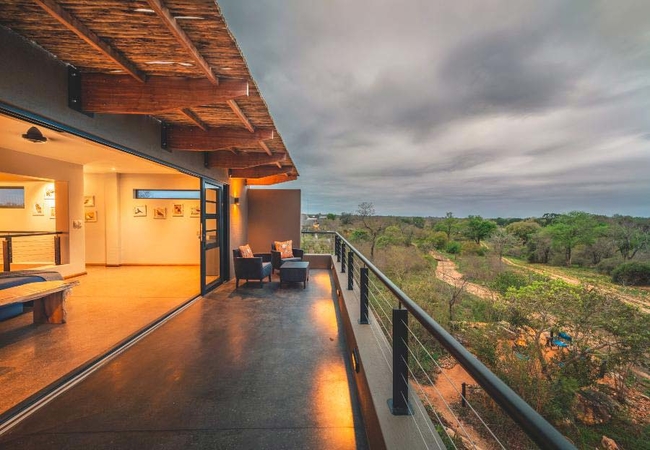
Mhelembe Lodge
Mhelembe Lodge is the culmination of many a year's dreaming of living alongside Kruger Park wildlife. This lodge offer Kruger park accommodation ...
Things to do in the area
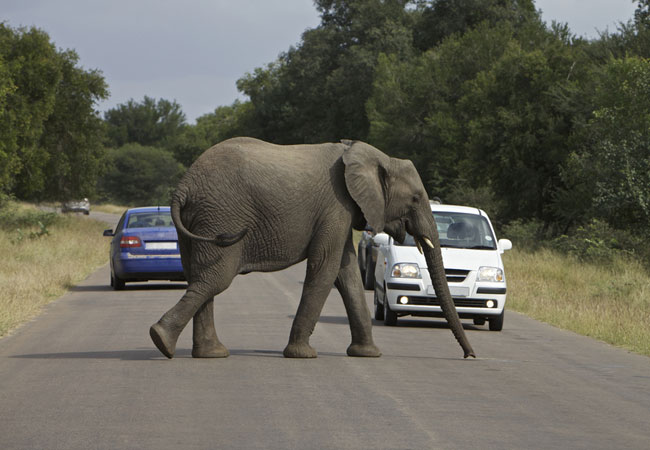
Kruger Park Safari
The largest game reserve in South Africa, the Kruger National Park is larger than Israel. Nearly 2 million hectares of land that stretch for 352 ...
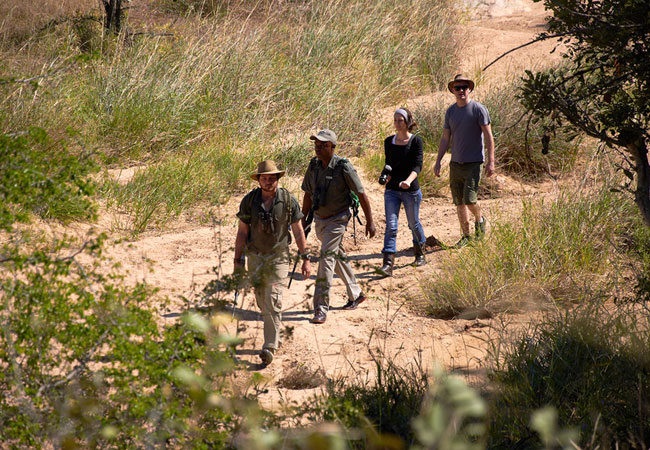
Kruger Walking Safari
Our walking safaris are conducted in the Greater Kruger National Park, in the Timbavati Nature Reserve, South Africa. We offer you a wilderness w...
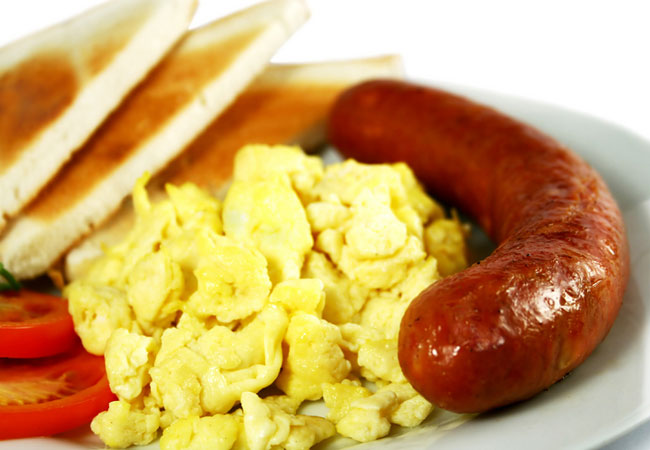
Breakfast in Kruger National Park
If you are travelling in the vicinity of or live close to the beautiful Kruger National Park why not combine an early morning game drive with bre...
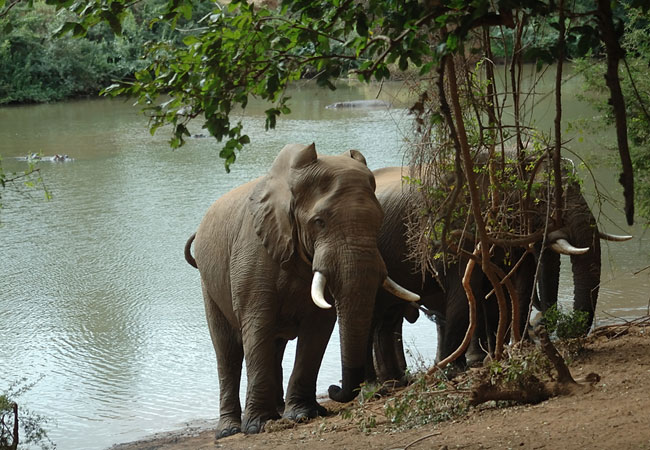
Thulamela Ruins
Near the Luvuhu River, Pafuri in The Kruger National Park lies the Thulamela Ruins. This ancient African Kingdom gives you an insight into early ...
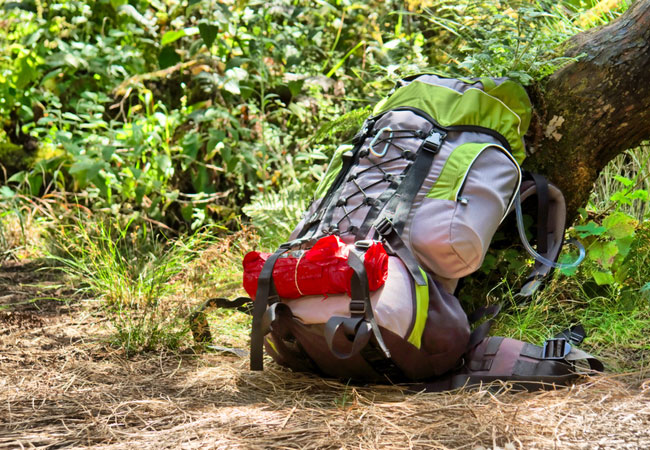
Olifants River Back Pack Trail
Are you feeling energetic, enthusiastic and up for an exciting challenge? Then why not join the Olifants River Backpack Trail. The trail is 42 ki...
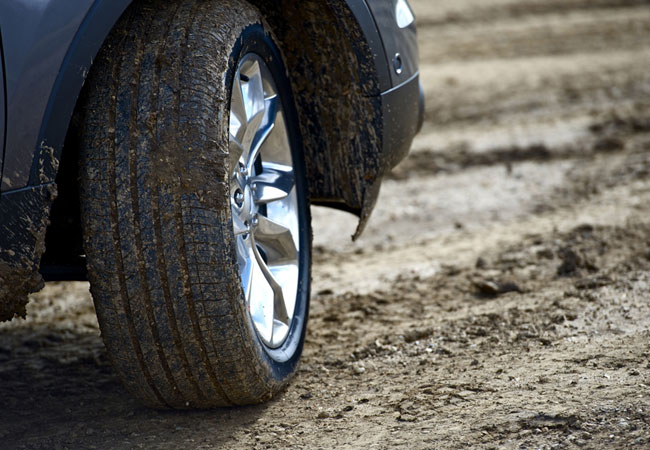
Malopeni 4x4 Trail
The Malopeni 4x4Trail is one of the routes offered by the Kruger National Park, which continues to be one of the top safari destinations of the w...
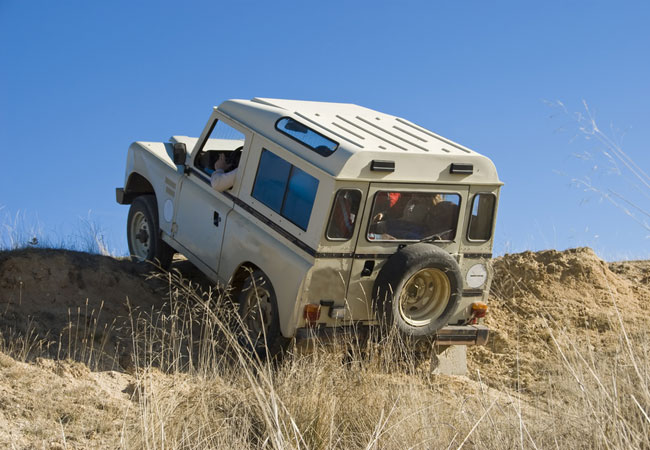
Mananga 4x4 Trail
The Kruger National Park continues to be one of the world's most popular game reserves. And it is no wonder, as it is a massive testimony to the ...
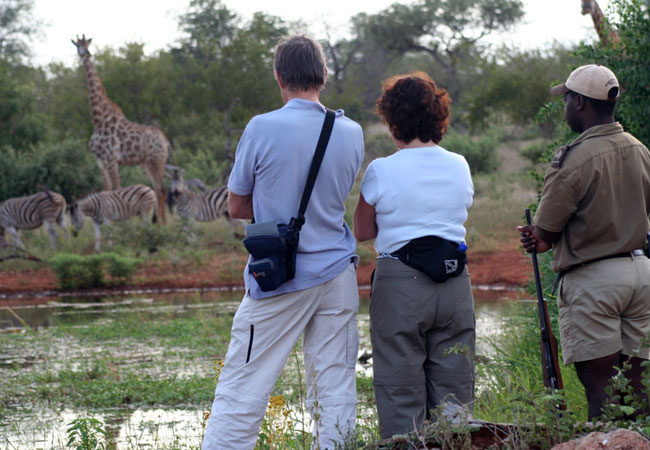
Game Walks in the Greater Kruger Park
The Kruger National Park remains one of the world's most coveted safari hotspots. It welcomes hundreds of thousands of visitors who want to be a ...
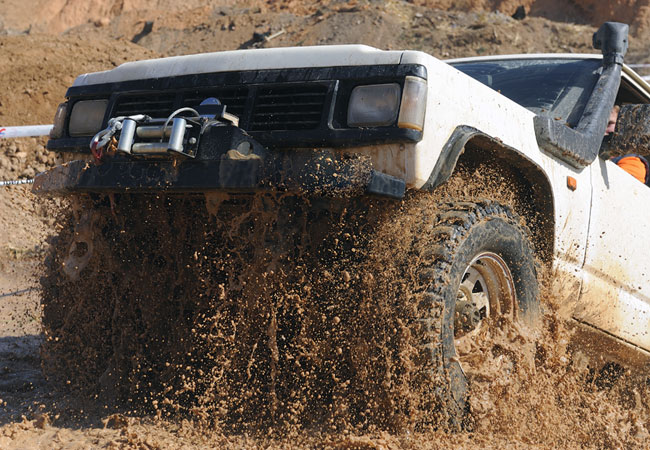
Lebombo 4x4 Trail
Komatipoort is a small town in the beautiful South African province of Mpumalanga, and is situated just outside the Kruger National Park. It is a...
Noteworthy attractions
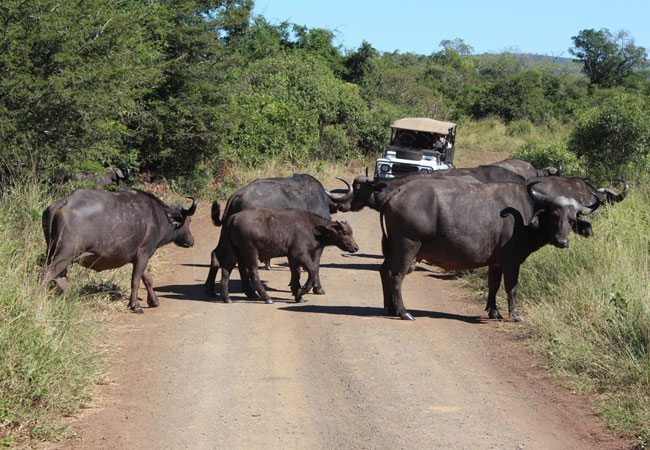
Kruger National Park Tours
Guided day trips to the Kruger National Park: The largest game reserve in South Africa, the Kruger National Park is nearly 2 million hectares of ...
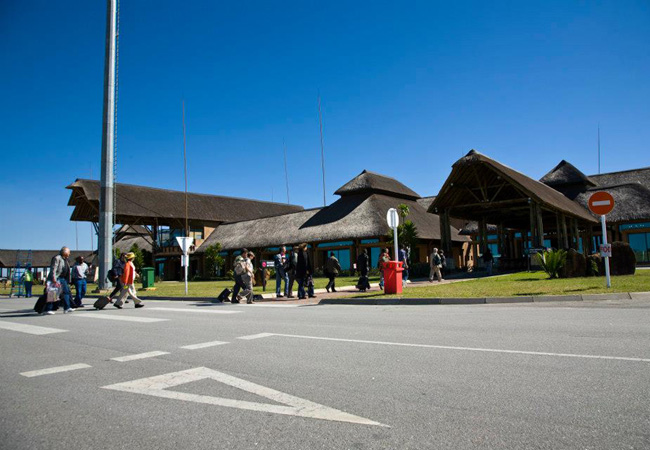
Kruger Mpumalanga International Airport
Kruger Mpumalanga International Airport (KMIA): The Kruger Mpumalanga International Airport, (also referred to as KMIA) is a privately owned airp...
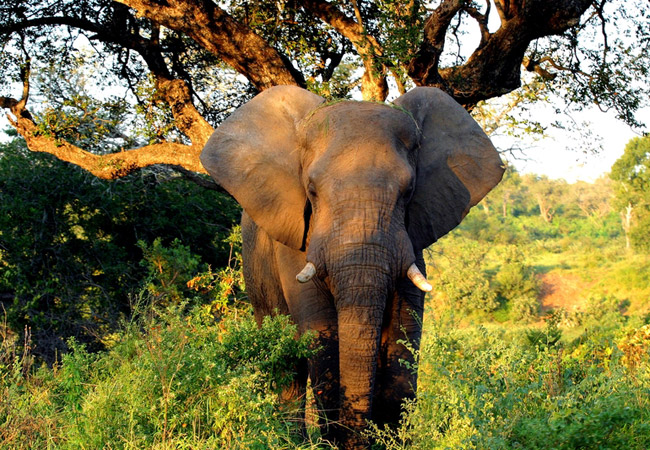
Phabeni Gate
Phabeni Gate is the closest entrance into the Kruger from Hazyview – just 10 kilometres. For those travelling to Kruger from Nelspruit for the da...
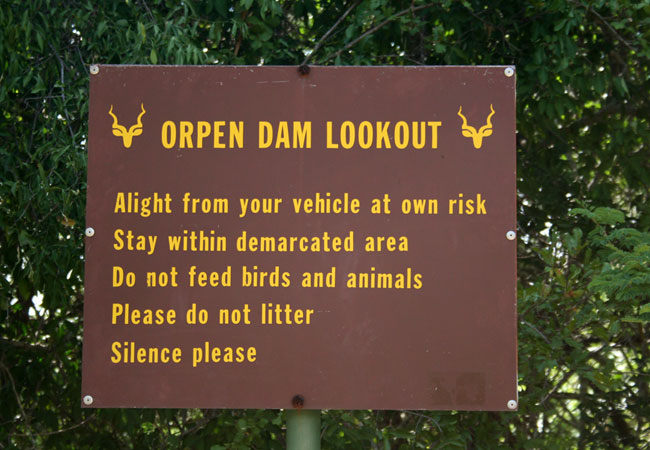
Orpen Gate
If you want quick access to central Kruger, then Orpen Gate is your best bet. The central grasslands of the Kruger National Park mean that there ...
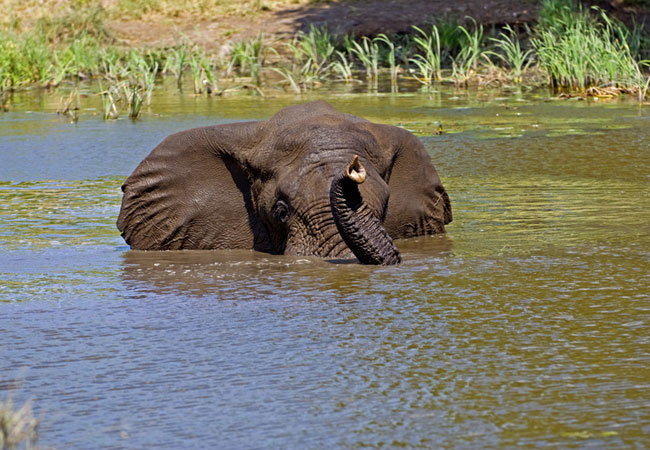
Punda Maria Gate
Punda Maria Gate allows access into far nothern Kruger Park. Recognised as the best region in the park for spotting the Nyala antelope, this part...
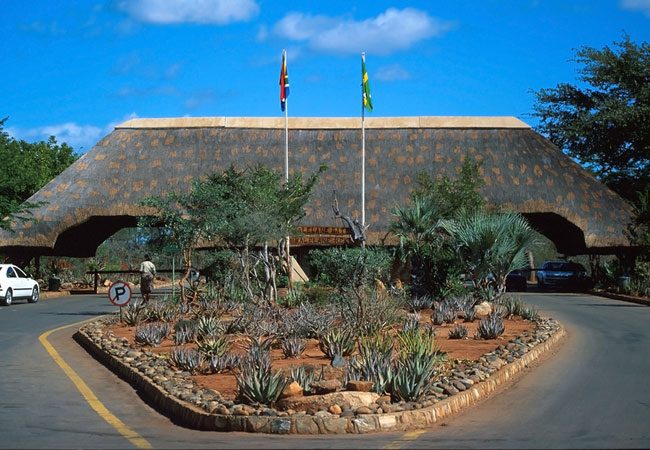
Malelane Gate
Under an hour from Nelspruit, the Malelane Gate is one of the easiest ways into the Kruger National Park. It lies on the Crocodile River, some 50...
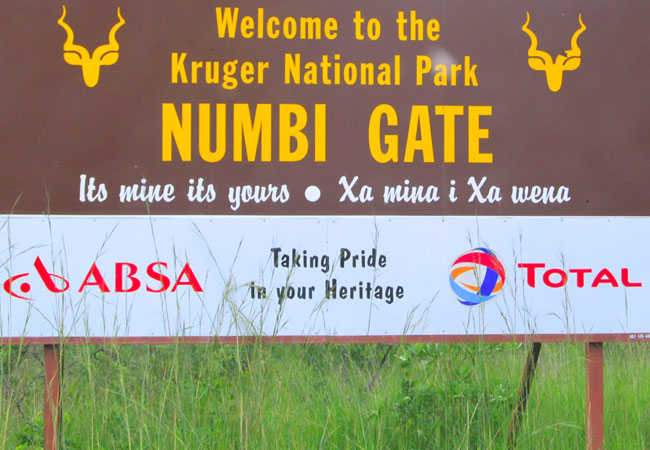
Numbi Gate
An unusual name: Numbi. The popular south western entrance gate to the Kruger National Park takes its name from the Siswati word for the little m...
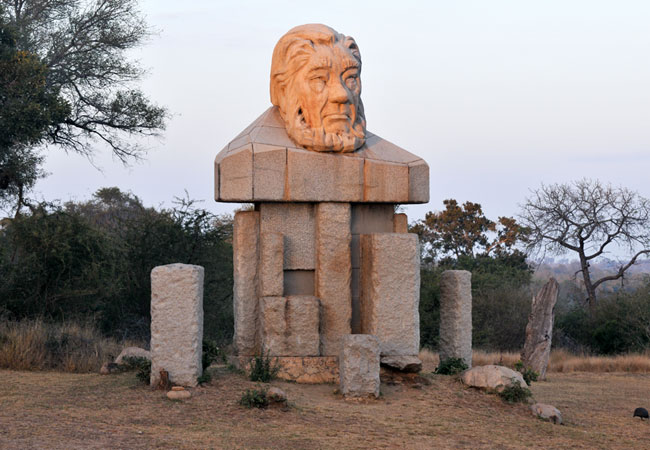
Paul Kruger Gate
Paul Kruger Gate is regarded as the quickest way to reach Skukuza, and one of only three gates into the west region of southern Kruger National P...
Accommodation near Kruger National Park
FIND / South Africa Accommodation / Mpumalanga Accommodation / Wild Frontier Accommodation / Greater Kruger National Park Accommodation / Kruger Park Accommodation