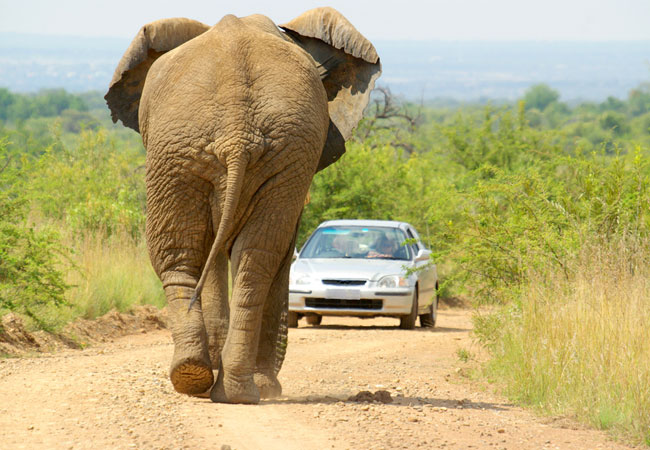


About Pilanesberg National Park
Relish the ultimate in luxury accommodation in Pilanesberg when you stay at one of the opulent game lodges or tented camps, and enjoy a South African safari to remember. The Pilanesberg National Park, which covers some 55 000 hectare, is the fourth largest in southern Africa. This malaria-free park is perched on the eroded vestiges of an alkaline volcanic crater - one of only three such craters in the world.
Did you know? The 55 000 hectare Pilanesberg park opened in 1979 in one of the largest game resettlement projects in the history of South Africa.
The history of the Pilanesberg Park is also unique amongst national parks in South Africa. Pilanesberg National Park's special features of rugged landscape, well-watered valleys and attractive dwelling sites have made it a preferred site for human settlement for thousands of years. Prior to its proclamation as a reserve in 1979, the Pilanesberg National Park Complex was degraded and depleted of indigenous wildlife populations due to fairly intense settlement by commercial farmers.
At considerable expense, the land has been restocked with game, the scars of human settlement were removed and tourism infrastructure was developed during the first 15 years (1979 and 1993). This constituted the largest and most expensive game stocking and land rehabilitation project ever undertaken in any African game reserve at the time.
A 110 kilometre peripheral Big Game fence was erected over some very rugged terrain, 188 kilometre of visitor roads have been developed and more than 6 000 head of game were introduced during the Operation Genesis game translocation programme. Thus, while wildlife resources are rapidly declining in most developing countries in Africa, Pilanesberg National Park is one of the few areas where this trend has been dramatically reversed.
For this far-sighted action the North West Province (Previously Bop Parks) and its people have received worldwide acclaim and recognition. The challenge that lies ahead is to further develop and manage Pilanesberg National Park in such a way that the conservation, cultural, recreational and economic benefits of this far-sighted action can be optimally utilised to the benefit of current and future generations.
Pilanesberg exists within the transition zone between the dry Kalahari and wetter Lowveld vegetation, commonly referred to as "Bushveld". Unlike any other large park, unique overlaps of mammals, birdlife and vegetation occur because of this transition zone.
Springbok, brown hyaena, the redeyed bulbul, and camel thorn trees usually found in arid areas are found co-habitating with moist-area-limited impala, blackeyed bulbul and Cape chestnut trees. Pre-sunrise and post-sunset drives and visits to the Mankwe Dam are possible owing to gate opening and closure times.
Since late 1979, thanks to Operation Genesis - the largest game translocation ever undertaken at the time, tourists have been able to take note of nature's alphabet - from aardvark to zebra. The park boasts healthy populations of lion, leopard, black and white rhino, elephant and buffalo - Africa's "Big Five".
A wide variety of rare and common species exist with endemic species like the nocturnal brown hyaena, the fleet-footed cheetah, the majestic sable, as well as giraffe, zebra, hippo and crocodile, to mention but a few.
Geologically, the area is world famous. Its structure, termed the "Pilanesberg National Park Alkaline Ring Complex" was formed by volcanic eruptions some 1 200 million years ago. Apart from its unique size, shape and rock types, the volcanic origin and resultant weathering of the extinct crater has resulted in a wide variety of landscapes. This provides some of the most spectacular scenery in Southern Africa. It also provides a wide range of habitats for game animals.
Because of this, Pilanesberg has the potential to carry a wider variety of game species than any other similar sized game reserve in Southern Africa. Its potential for supporting rare and endangered species such as black rhino, roan, sable, tsessebe, foot-and-mouth free buffalo and wild dogs is particularly high. As well as the 'Big Five' you will find the nocturnal brown hyena, cheetah, hippo, crocodile and even sable in the Pilanesberg National Park.
Need to Know
WherePilanesberg Game Reserve, North West Province, South Africa
WhenMarch and April from 6h00 to 18h30.
May to September from 6h30 to 18h00.
September and October from 6h00 to 18h30.
November to February from 5h30 to 19h00.
OvernightStay in Pilanesberg Accommodation, North West Province
Disclaimer
Please note, business details can change. While we endeavour to ensure all information provided by the service provider is correct at the time of publication, we do not assume any liability caused by errors or changes, such as price, cost, time, and location. Please check with the provider that the activity/business is still offered as described, before making any travel plans.
Feedback?
If this is your reserve, you can let us know if anything on this page is outdated or contains inaccuracies, by email. We regret, we do not have any other information, please contact the provider if you have questions.
Additional Reading
You might also be interested inWish you were here?

Game & Nature Reserves in North West Province
In the vicinity
Hotels & other accommodation options in Pilanesberg
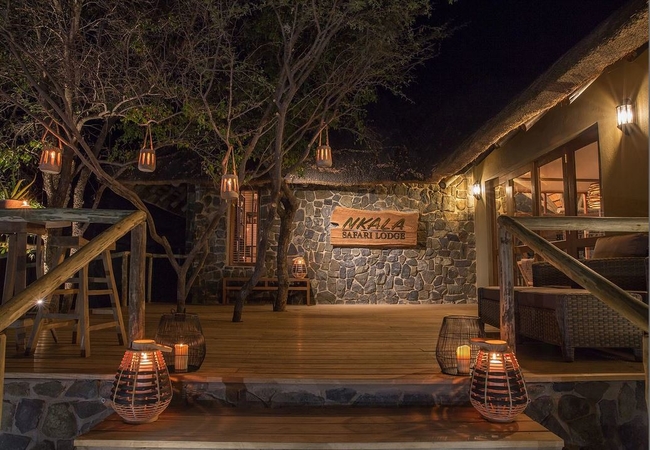
Nkala Safari Lodge
Situated in the Pilanesberg National Park, Nkala Safari Lodge is an exclusive use lodge. The lodge is ideal for those who would like to explore t...
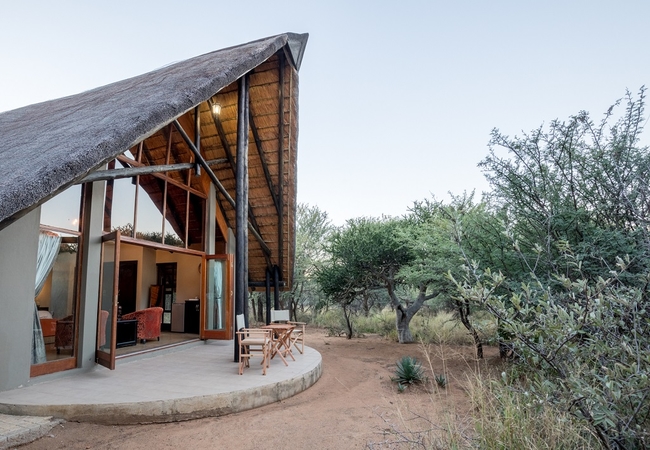
Thutlwa Safari Lodge
Thutlwa Lodge offers accommodation in Pilansberg at the malaria free Black Rhino Game Reserve, which is incorporated into the Pilanesberg Nationa...
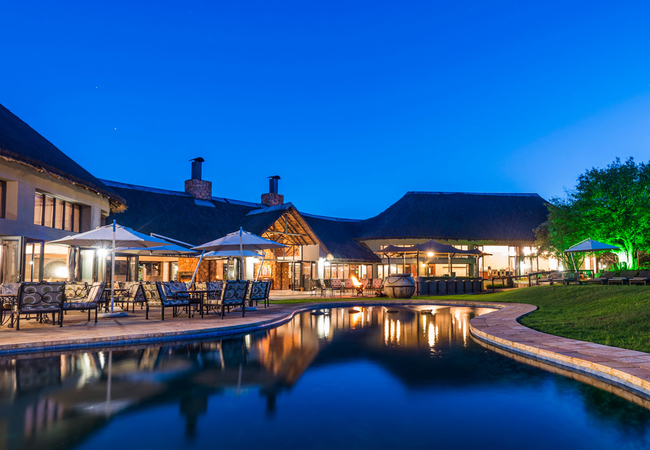
Ivory Tree Game Lodge
Ivory Tree Game Lodge is situated in the north eastern region of the Pilanesberg National Park. Nestled in the basin of an ancient amphitheatre d...
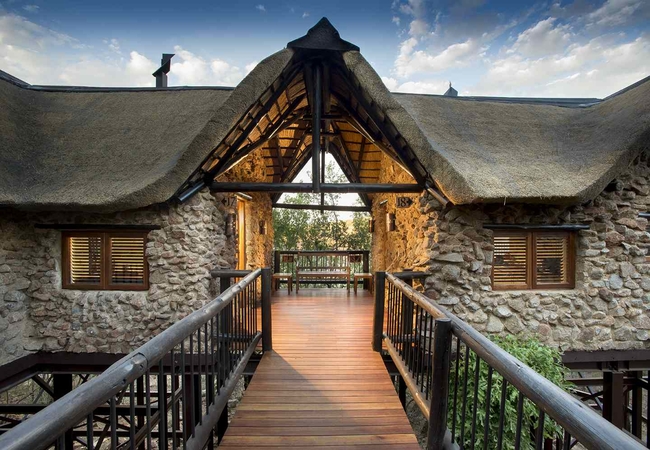
Tshukudu Bush Lodge
Tshukudu Lodge, "Place of the Rhino" in the Pilanesberg, offers 6 newly refurbished luxury cottages and 2 newly refurbished standard cabins nestl...
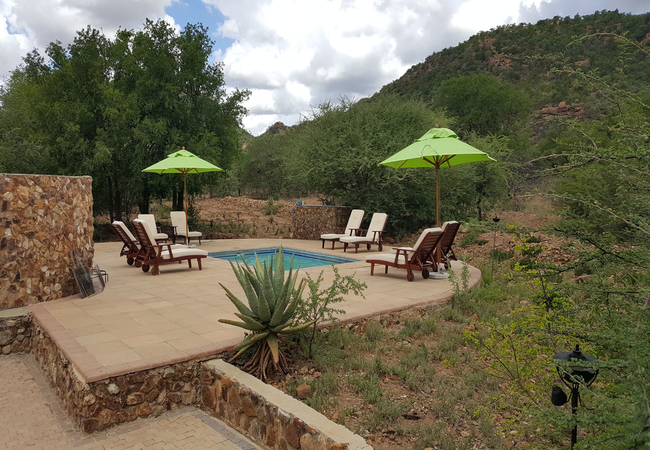
Morokolo Safari Lodge
Morokolo is a boutique luxury game lodge situated in the private concession of the Pilanesberg National Park. With eight luxury double suites plu...
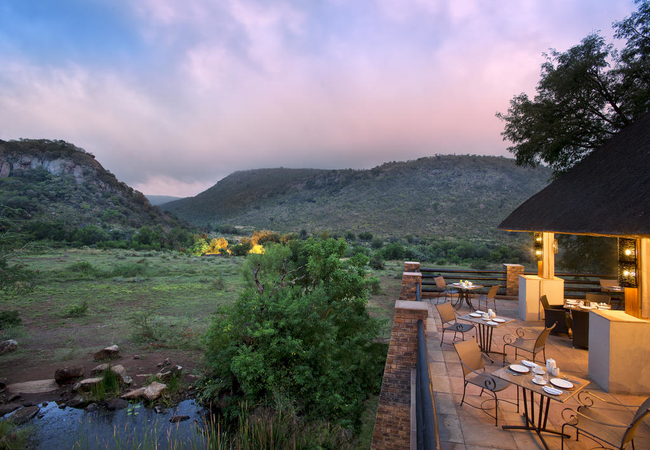
Kwa Maritane Bush Lodge
From Kwa Maritane you can look out over the infinite plains next to the Pilanesberg National Park - an area rich in wildlife and home to about 36...
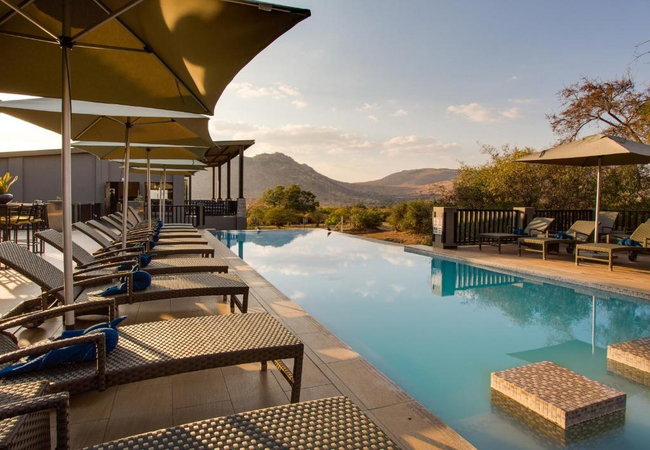
Shepherd's Tree Game Lodge
The Shepherd's Tree Game Lodge nestles in an exclusive use zone in the south-western portion of the 55,000ha Pilanesberg Game Reserve. This game ...
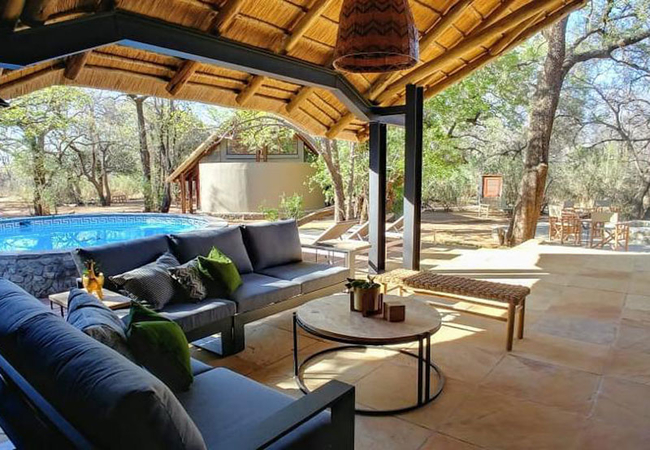
Kubu Metsi Lodge
Kubu Metsi Lodge is a beautiful Pilansberg self catering lodge that is located in the Black Rhino Big 5 Game Reserve. Guests can enjoy exclusive ...
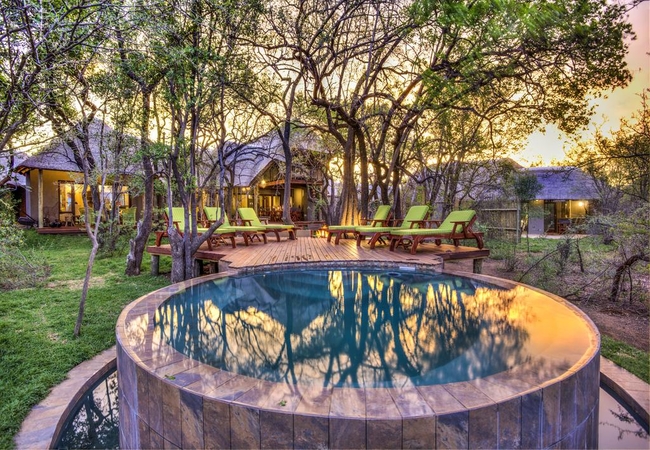
Tambuti Lodge
Tambuti Lodge can be found in the Black Rhino Game Reserve and is just 33km from Sun City. Here you can enjoy magnificent game drives, game walks...
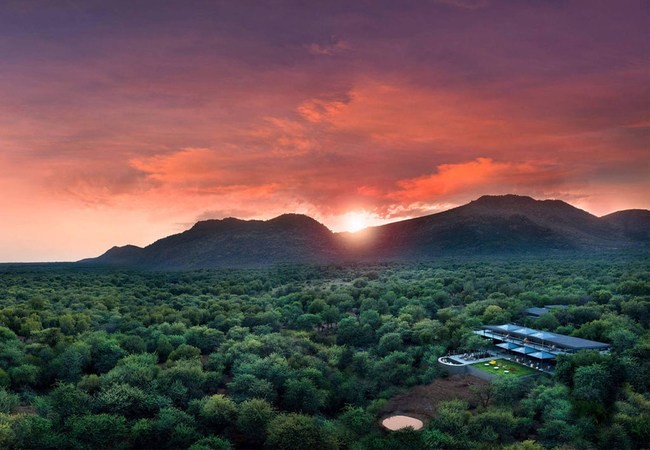
Mbazo Lodge
Mbazo Lodge is located in the Black Rhino Game Reserve which forms an additional section of the malaria free Pilanesberg National Park. The Lodge...
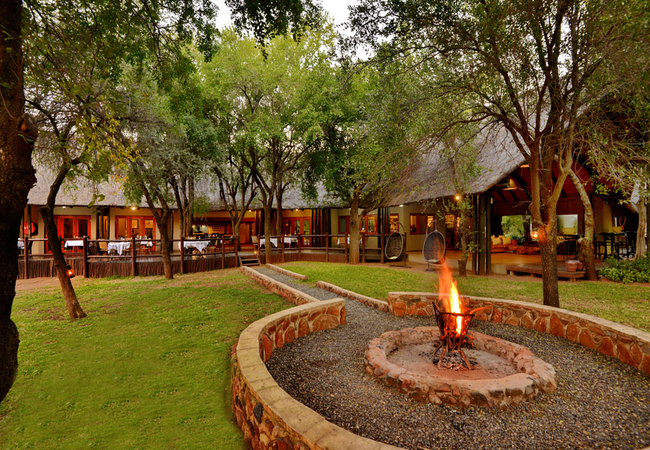
Black Rhino Game Lodge
Black Rhino Game Lodge can be found in the Pilanesberg National Park. There are 18 luxury suites available. The main communal area outside overlo...
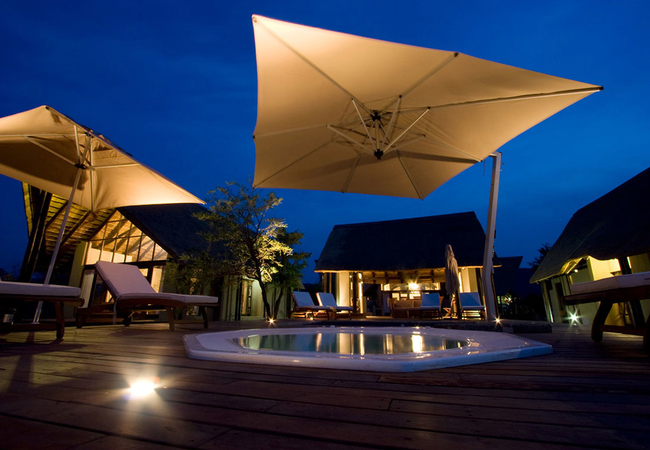
Buffalo Thorn Lodge
Buffalo Thorn Lodge is nestled in the heart of Black Rhino Game Reserve, within the Pilanesberg National Park in a malaria free area. Buffalo Tho...
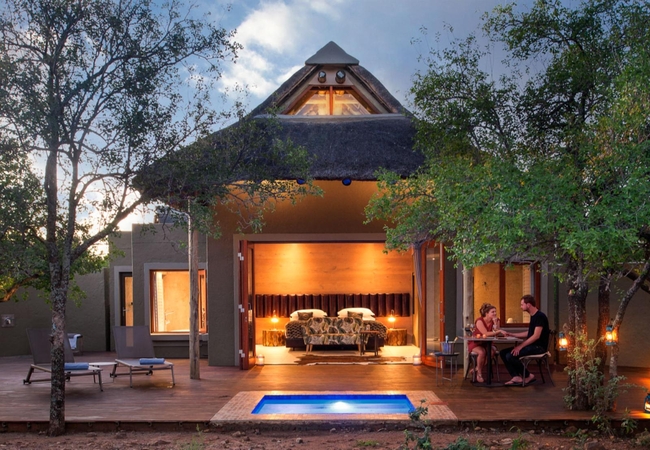
Lush Private Lodge
Situated within the Black Rhino Game Reserve, in the North West, Lush Private Lodge offers splendid accommodation for up to 16 guests in 8 separa...
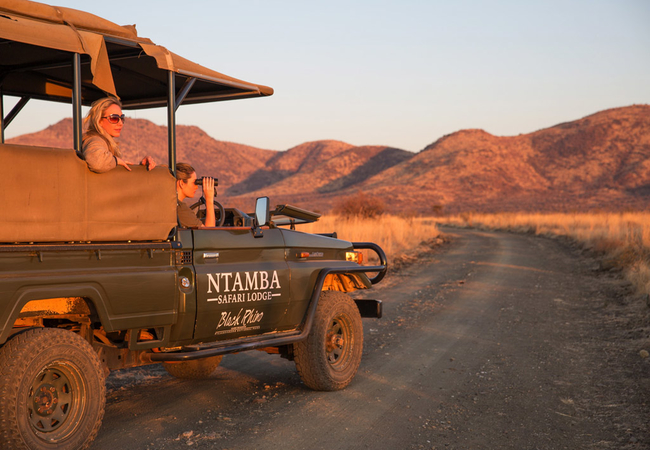
Ntamba Safari Lodge
Family owned, Ntamba Safari Lodge is the perfect escape to relax in the African bush. We are a short 35 minute drive from Sun City or 2 hr drive ...
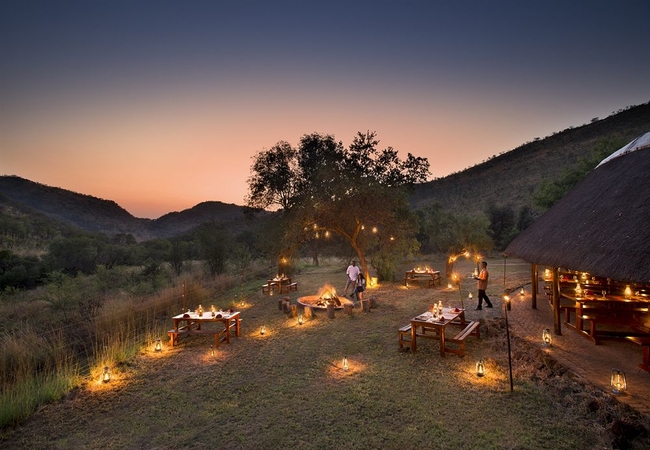
Bakubung Bush Lodge
Set in the malaria-free Pilanesberg National Park, a venue of such excellence that it has been voted the ASATA / Diners Club "Best South African ...
Things to do in the area
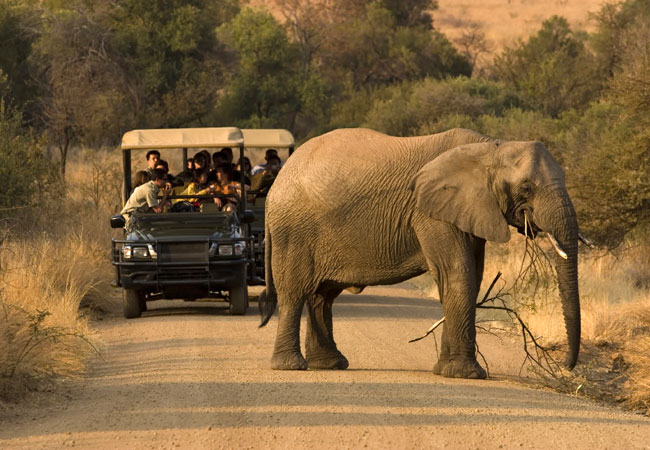
Day Tour of the Pilanesberg Reserve
It’s been called ‘The Volcano that gave birth to a game reserve’, this park is situated on the eroded remains of a volcanic crater, said to be on...
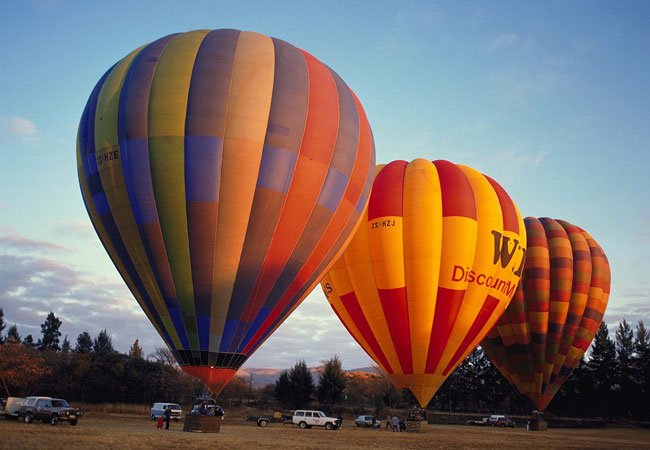
Hot Air Ballooning over Pilanesberg
Hot Air Ballooning is undoubtedly the finest way to view the park and its wildlife. This adventure takes approximately 4 hours and includes an ea...
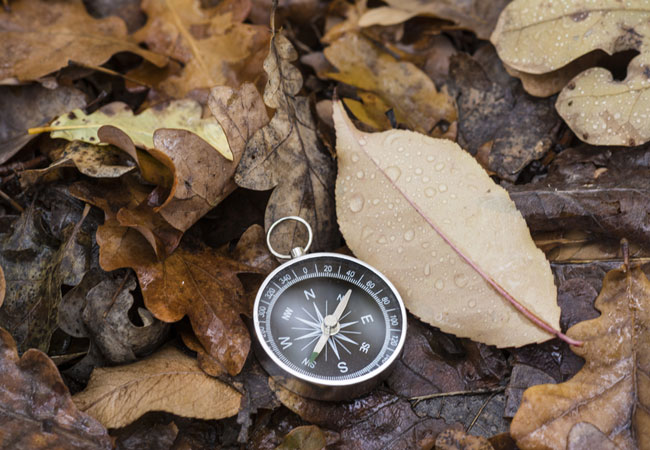
Pilanesberg Hikes
The Pilanesberg National Park is ideally situated between the Kalahari and the Lowveld, putting it in the heart of one of the most ecologically d...
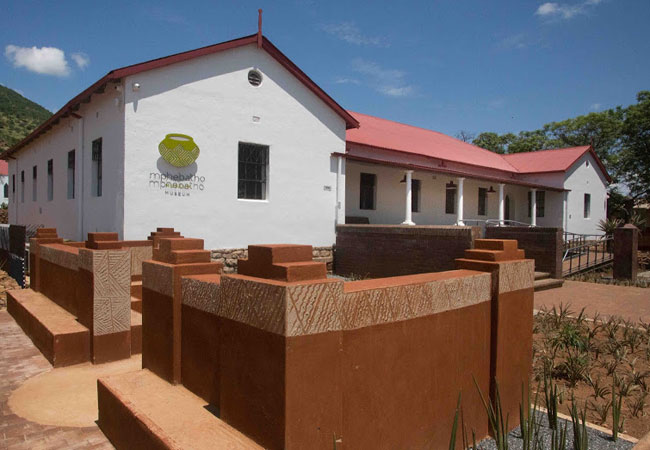
Mphebatho Cultural Museum
Situated in the Pilansberg National Park just north of the Bakgatla gate is the Mphebath Cultural museum. Established in 1999, the idea was to pr...
Noteworthy attractions
Borakalalo National Park
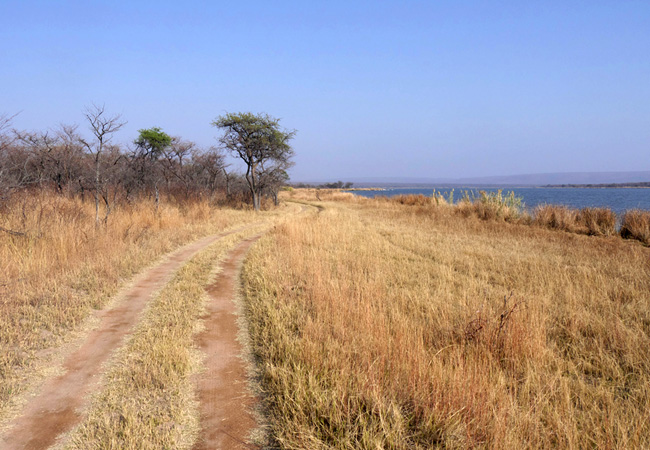
An abundance of wildlife and prolific birdlife (more than 350 bird species) can be viewed in the Borakalalo National Park and the park is also a ...
Kgaswane Mountain Reserve
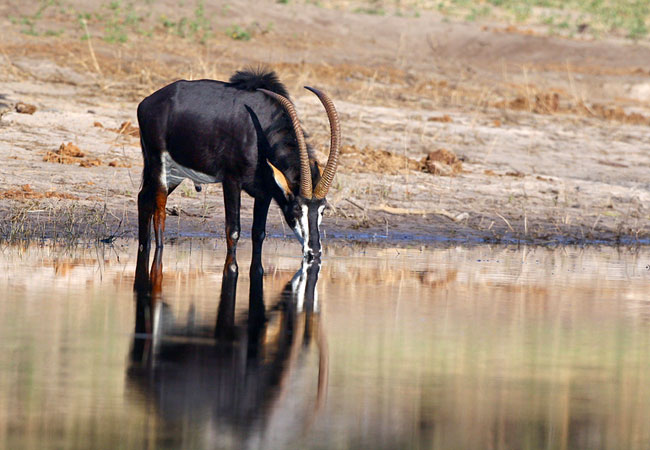
Perfect for weekend hiking because of the easy access from both Johannesburg and Pretoria, Kgaswane Mountain Reserve is littered with beautiful r...
Madikwe Game Reserve
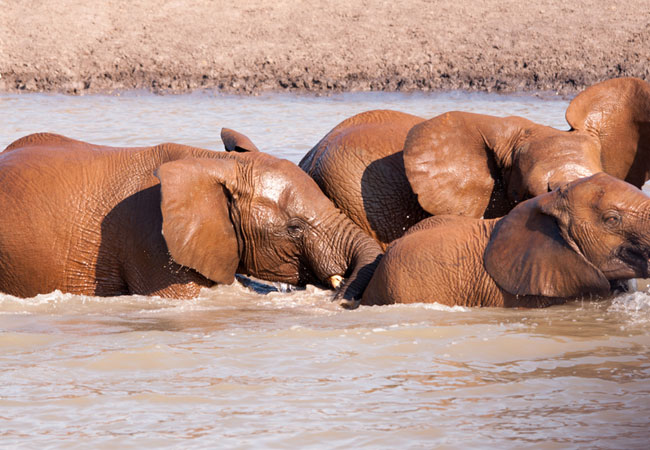
Madikwe Game Reserve is about 70 000 hectares of bushland, about 3 hours’ drive from Johannesburg. It is one of South Africa’s largest and most p...
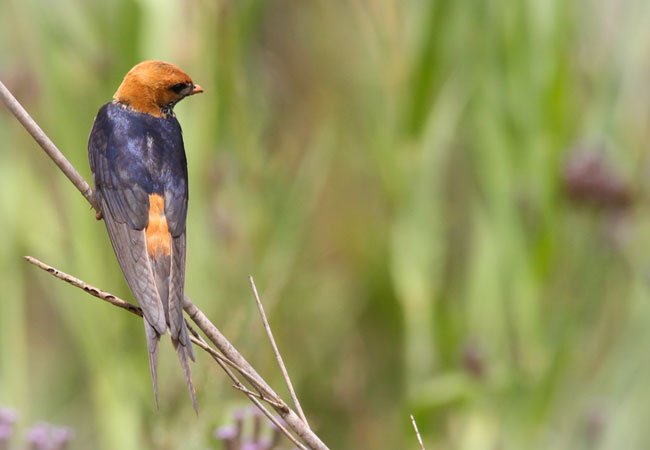
Vaalkop Dam Nature Reserve
Vaalkop Dam Nature Reserve, just 90 minutes from Johannesburg and 30 minutes from Sun City, is dominated by broken bushveld and is a renowned are...
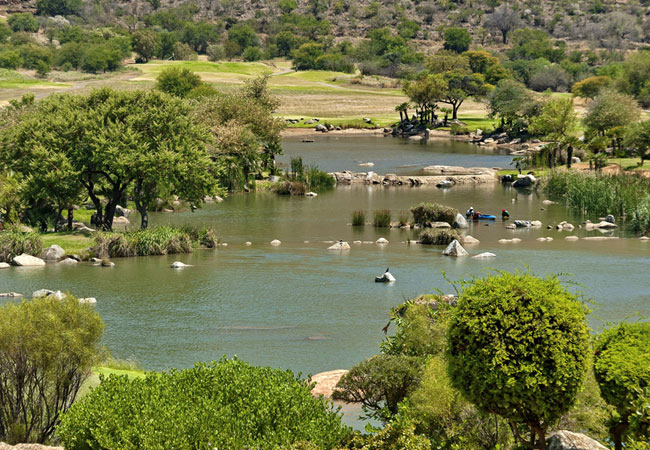
Gary Player Country Club
Continually ranked the best golf course in South Africa, the Gary Player Golf course sets the standard. It is arguably the most famous course in ...
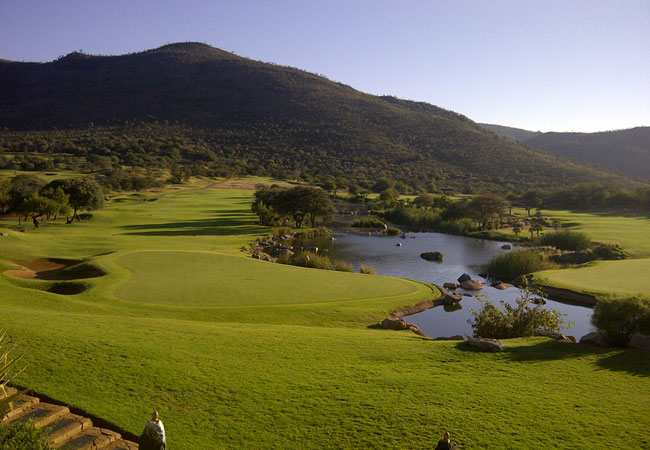
Lost City Country Club
Situated over a hill from the Gary Player Country Club, the Lost City’s layout is different in character. With the wide fairways and receptive gr...

Royal Bafokeng Stadium
Formally known as the Royal Bafokeng Sports Palace, this stadium is situated in Rustenburg, which is a charming town at the foot of the Magaliesb...
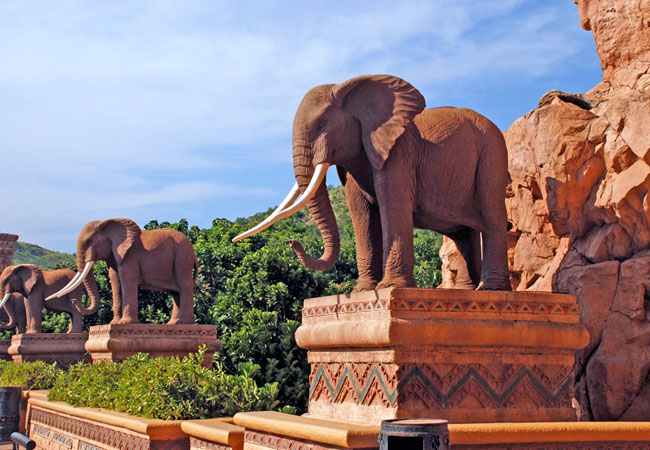
Sun City Resort
The extravagant Sun City Resort complex is known the world over as a tourism hotspot. The Lost City is the obvious highlight of the Sun City comp...
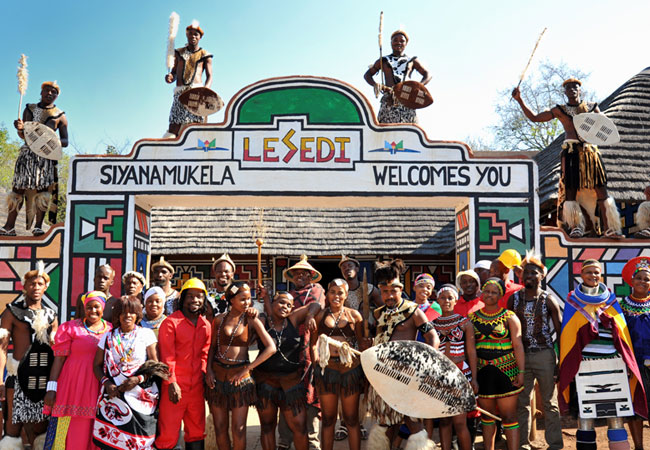
Lesedi Cultural Village
Lesedi, which is seSotho for ‘light’, was initiated in 1995 as a tourist attraction and today features five traditional dwellings, each represent...
Accommodation near Pilanesberg National Park
FIND / South Africa Accommodation / North West Province Accommodation / Bojanala Region Accommodation / Pilanesberg Accommodation